
The Story
Plant Bio
Ceanothus x delilianus is a vigorous rounded deciduous shrub with alternate oval light-green leaves to three inches long, finely toothed at the margin and glossy above. The tiny five-petaled flowers are packed into branched panicles to five inches long at the shoot tips, where petals and sepals together create the powder-blue effect.
This is the French Delilianus Group from the 1830s, a cross of eastern North American C. americanus with Mexican C. caeruleus selected for large fragrant panicles. It blooms on current-year wood from summer into fall and is hardier to cold and humidity than the evergreen Californian species, but it is short-lived and often declines after about five years.
Uses & Benefits:
Essentials
At a Glance
Plant Type
Shrub
Height
60"
Width
60"
Light
Full Sun
Zones
6, 7, 8, 9, 10
Water
Low once established
Humidity
Tolerant
Lifespan
Short-lived, ~5 years
Native To
Garden hybrid; parents eastern North America and Mexico
Toxicity
Low - saponins toxic in large quantities
Bloom period
Summer – Fall
In flower about 6 months of the year
Planting
How to Grow
- Plant in full sun in sharply drained soil with room for five feet of rounded growth.
- Set the crown level with the soil and water in deeply, then water regularly through the first summer.
- Spread a two-inch mulch ring clear of the stems to hold moisture without wetting the crown.
- Cut back hard each spring to the base of the previous year's wood and tip-prune to shape.
- Once established, water sparingly; do not fertilize heavily or keep the soil wet.
Pro Tip
Cut back hard each March to April to just above the base of last year's growth; wood that is already old and leafless will not resprout.
Keep It Thriving
Care Guide
Do
- Plant in full sun with open air movement
- Water deeply during establishment then taper off
- Prune hard each spring on current-year wood
Don't
- Do not plant in heavy or poorly drained soil
- Do not cut back into old leafless wood
- Do not overwater or overfertilize
Seasonal Care Calendar
| Task | Jan | Feb | Mar | Apr | May | Jun | Jul | Aug | Sep | Oct | Nov | Dec |
|---|---|---|---|---|---|---|---|---|---|---|---|---|
| Mulch | ||||||||||||
| Pest Check | ||||||||||||
| Plant | ||||||||||||
| Propagate | ||||||||||||
| Prune |
Watch Out For
Pests & Diseases
Common Pests
Common Diseases
In the Garden
Landscape Uses & Companions
Landscape Uses
Multiply
Propagation Methods
Good to Know
Common Questions
California Lilac questions
What zones can California Lilac grow in?
California Lilac is hardy in USDA Zones 6–10: in that range it survives winter in the ground. Colder than Zone 6, grow it in a container you can move to shelter for the winter.
Is California Lilac deer resistant?
Yes — California Lilac is rated deer-resistant. Deer typically pass it over, though extreme hunger can override any plant's defenses.
When does California Lilac bloom?
California Lilac typically blooms from summer to fall. Exact timing shifts a week or two with your zone — Sow's bloom calendar maps it to your garden.
Does California Lilac need full sun?
California Lilac does best in full sun (6+ hours).
Is California Lilac drought tolerant?
Yes — once established (usually after the first full season), California Lilac handles dry spells with minimal watering. Water deeply its first year to build the root system that makes that possible.
More Ceanothus to compare
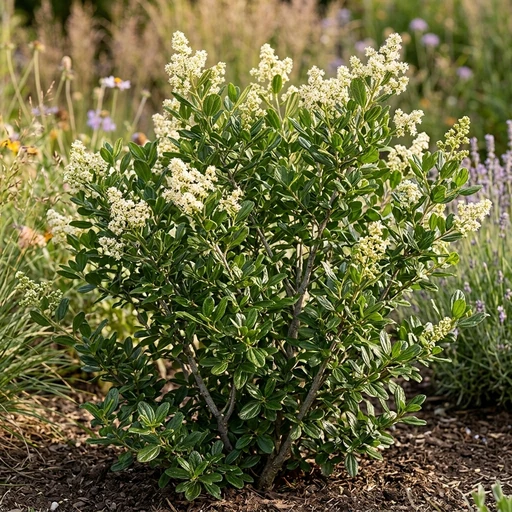
New Jersey Tea
Ceanothus americanus
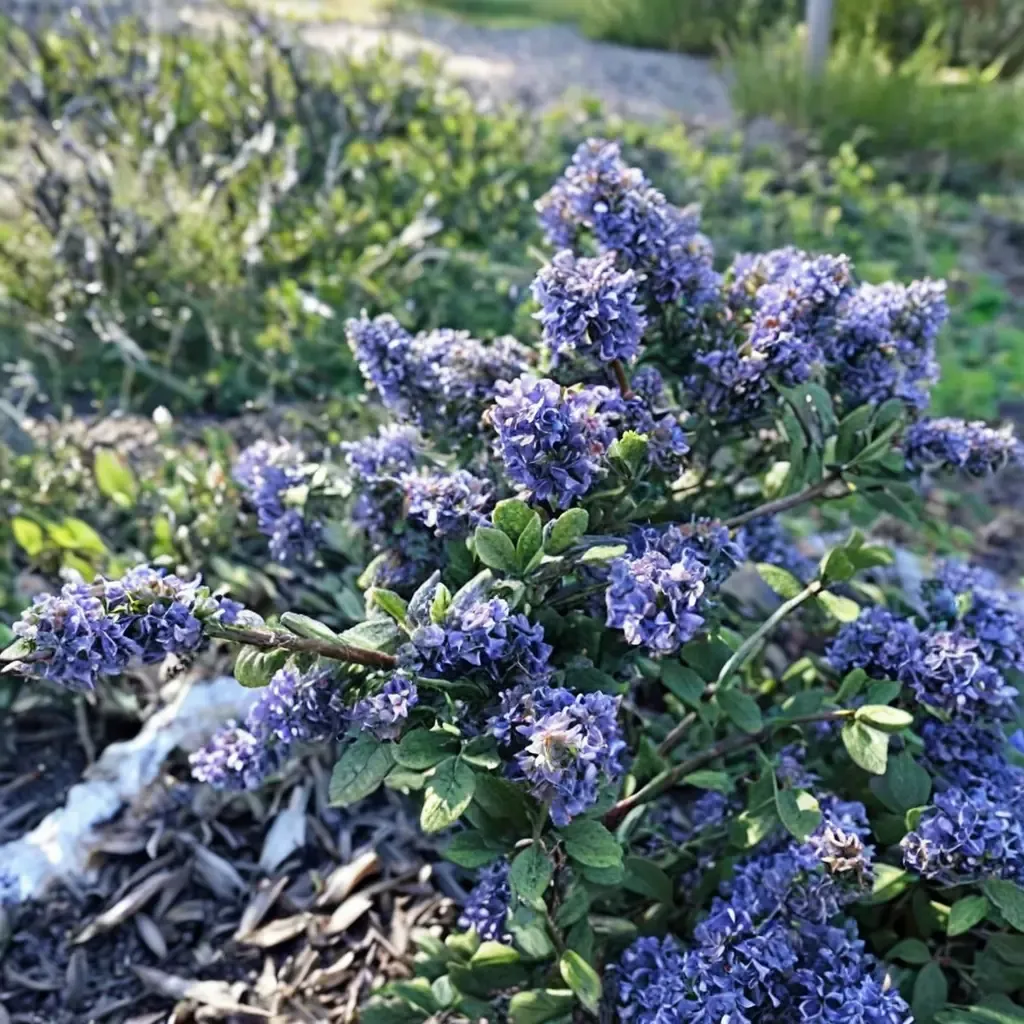
Valley Violet California Lilac
Ceanothus maritimus 'Valley Violet'
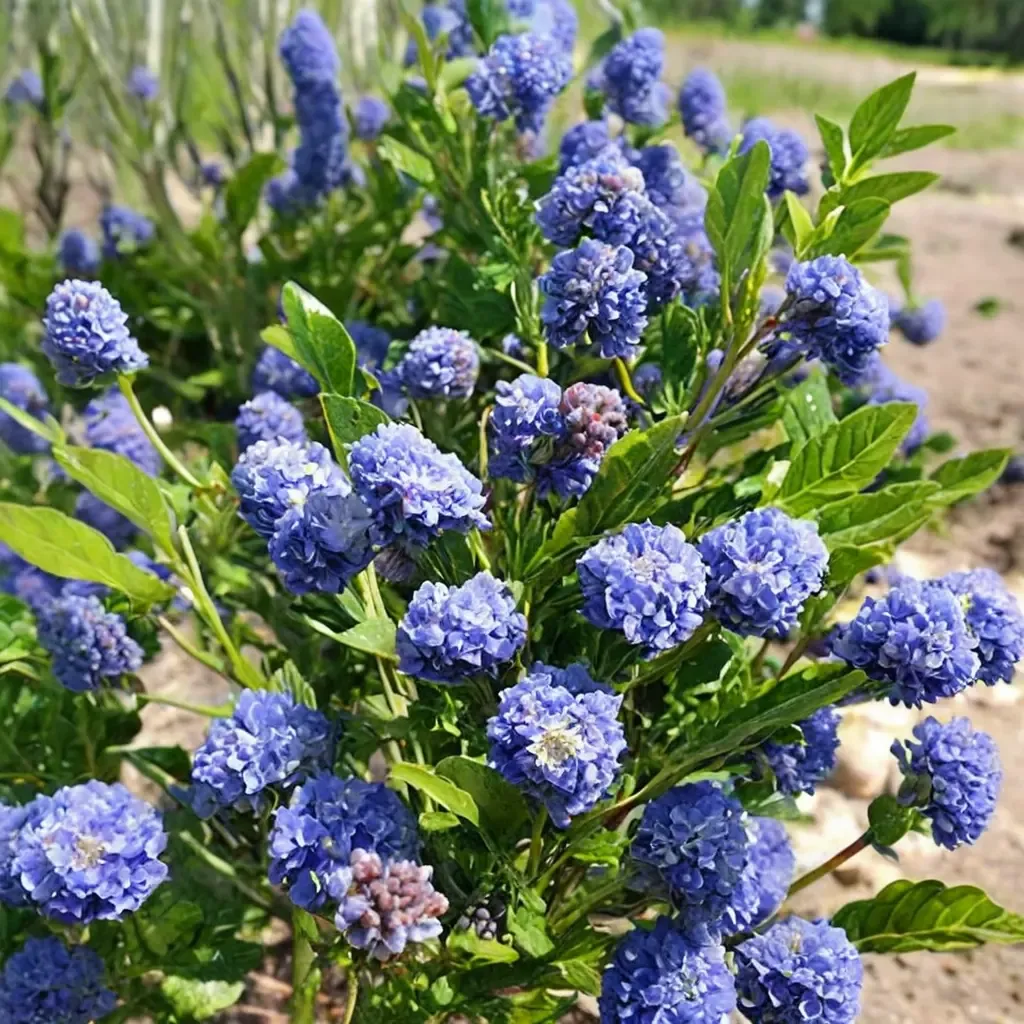
Skylark California Lilac
Ceanothus thyrsiflorus 'Skylark'
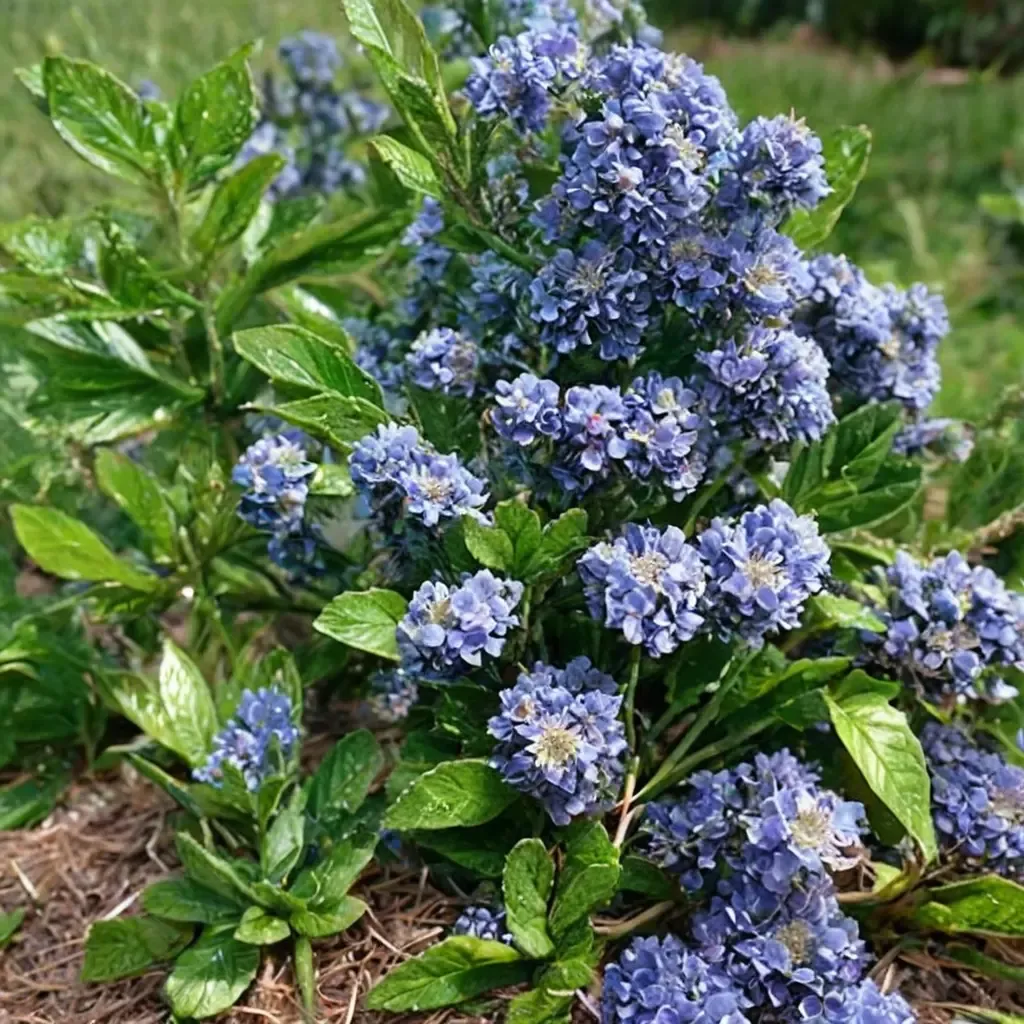
Victoria California Lilac
Ceanothus griseus 'Victoria'
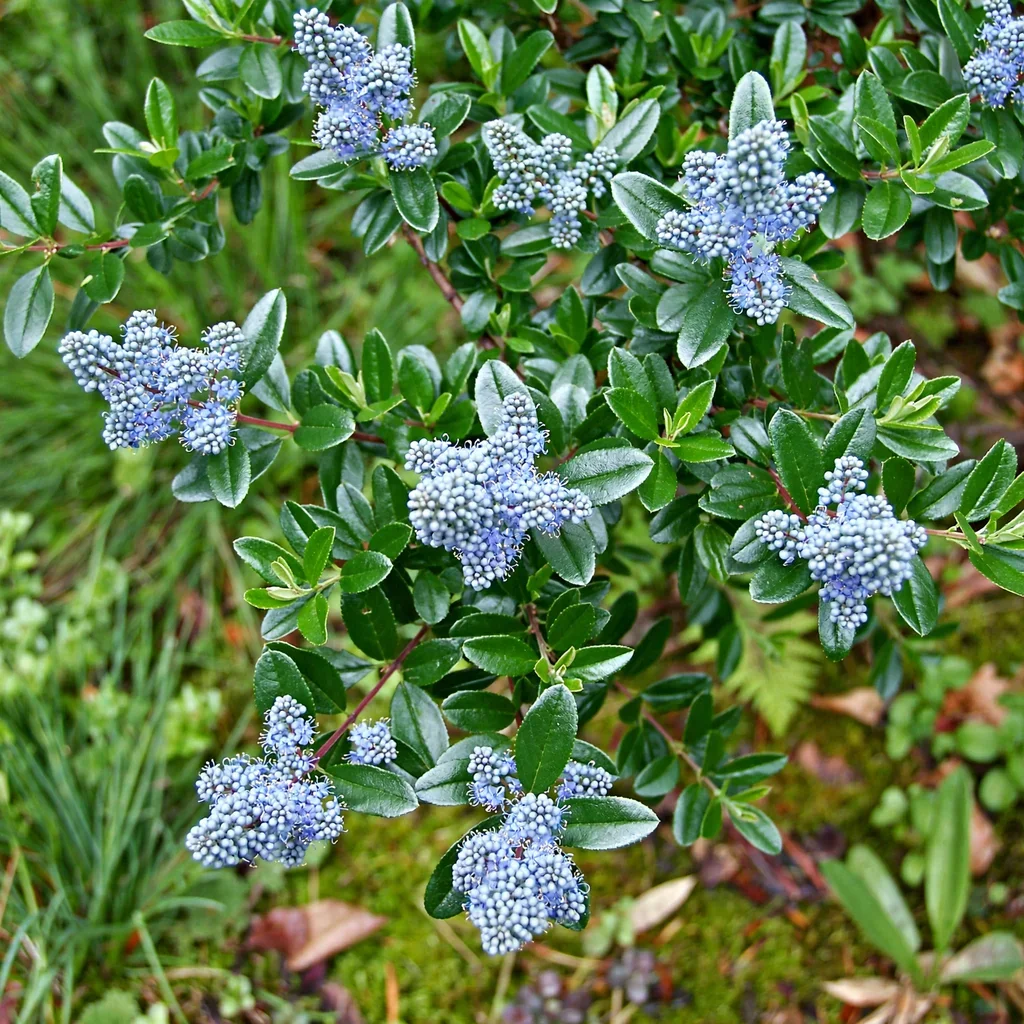
Yankee Point California Lilac
Ceanothus thyrsiflorus 'Yankee Point'
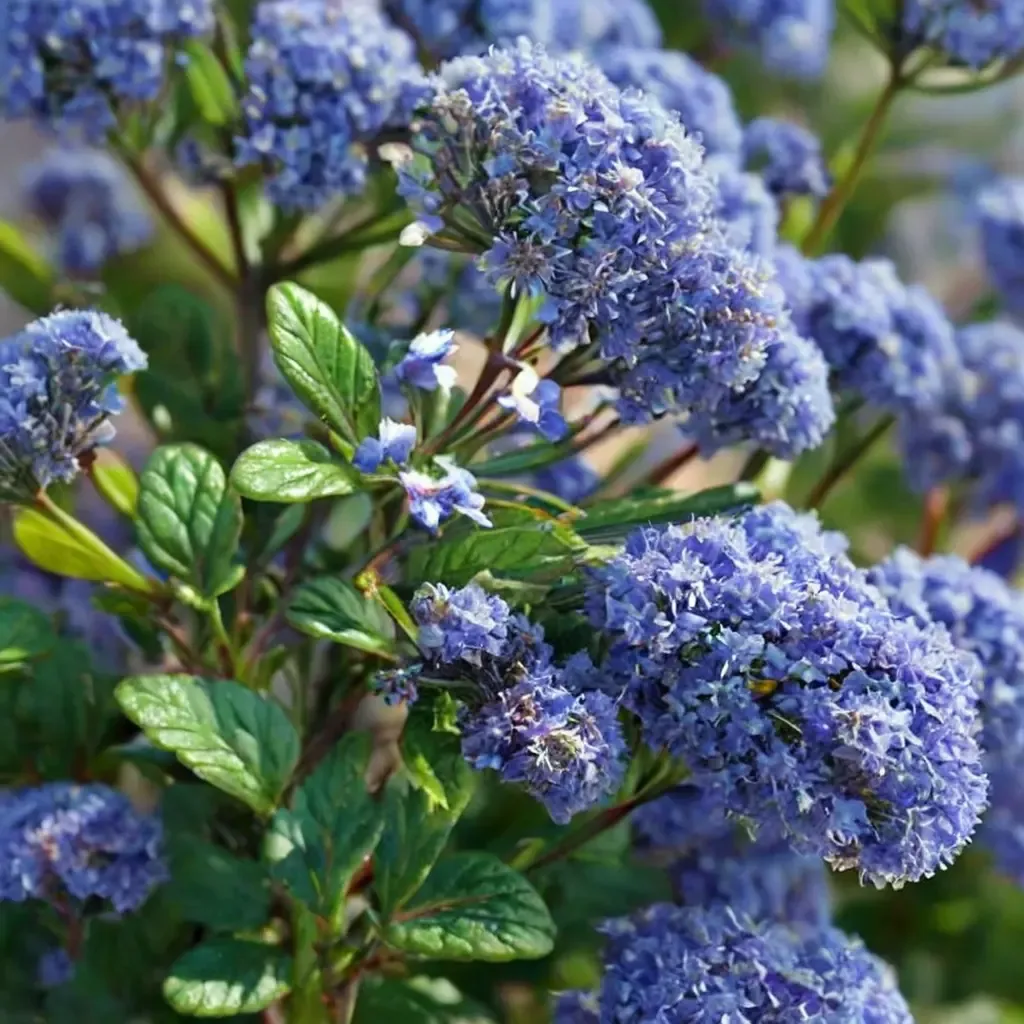
Autumnal Blue California Lilac
Ceanothus thyrsiflorus 'Autumnal Blue'
Keep exploring
Explore the genus
Hardy in your zone?
Grow California Lilac with confidence
See it in a design of your actual yard, get zone-matched care reminders, and track it season by season in your garden journal.