The Story
Plant Bio
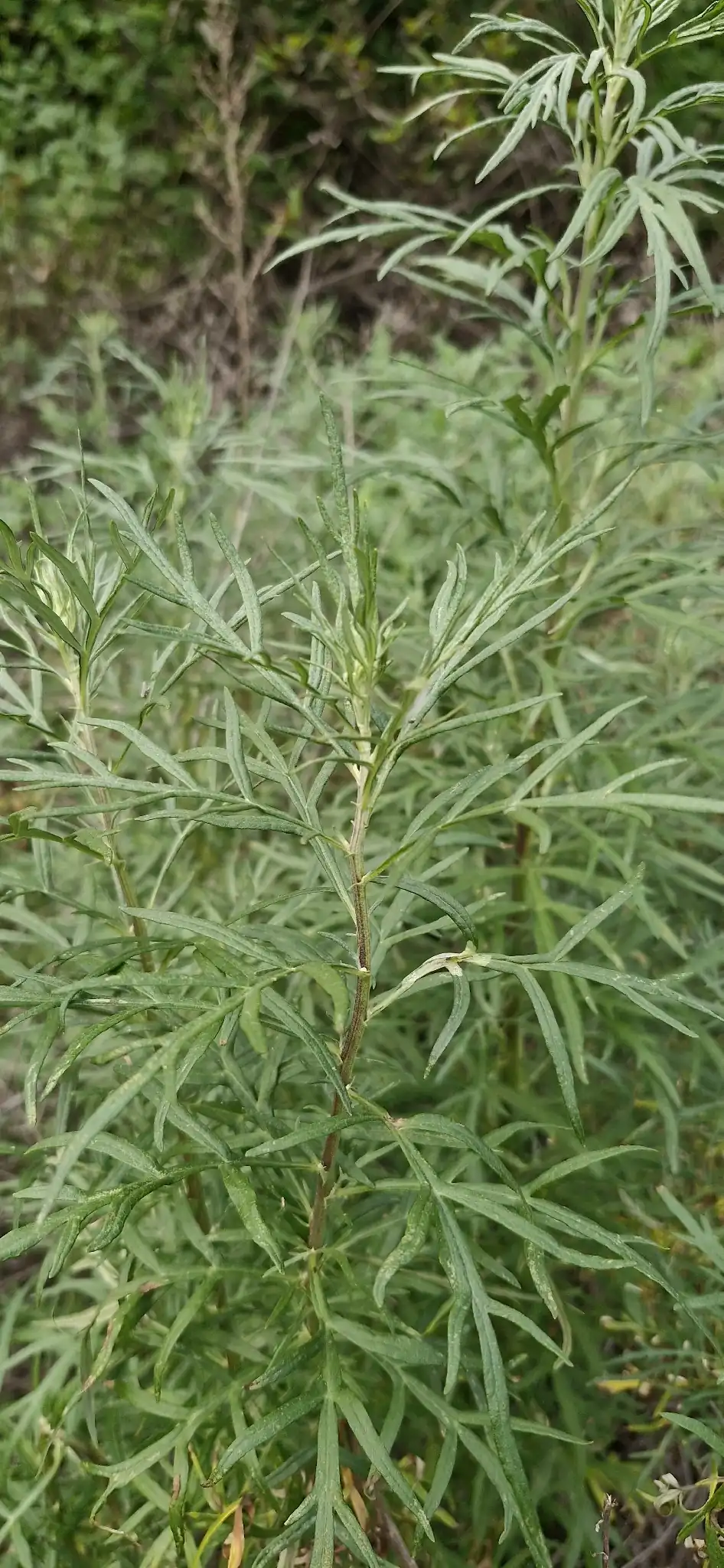
Artemisia palmeri is a deciduous subshrub with brittle, wand-like stems rising two to three feet in gardens from a taproot, bearing small linear green leaves with gray tones. The bloom carries no showy petals; the display is dense spikes of small yellow disc florets that release wind-borne pollen through summer into fall.
It is a narrow endemic of sandy coastal drainages from northeast of San Diego to just south of Ensenada, growing below 1,500 feet in coastal sage scrub, riparian beds and scrubby canyons. Within the genus it stands apart by a paleate receptacle and its erect to spreading brittle habit, persisting in the wild as a rare conservation-watch plant threatened by development.
Uses & Benefits:
Essentials
At a Glance
Plant Type
Perennial
Height
36"
Width
36"
Light
Full Sun
Zones
9, 10
Water
Low
Humidity
Average
Lifespan
Perennial
Native To
Coastal S. California to N. Baja California
Toxicity
Allergenic pollen
Bloom period
Summer – Fall
In flower about 6 months of the year
Planting
How to Grow
- Plant in full sun in sandy, fast-draining soil in a low spot that holds winter moisture but dries between storms.
- Set the crown level with the soil and water in once, then water sparingly through the first dry season to establish the taproot.
- Give no summer fertilizer and keep mulch thin and off the stems.
- Leave summer bloom spikes standing for birds and cut back only broken stems in late winter.
- Renew from nursery seed or division; do not collect wild seed or plants.
Pro Tip
Buy nursery-propagated plants for revegetation and never wild-collect; this wind-pollinated sagewort supports birds, not hummingbirds, and its pollen triggers hayfever.
Keep It Thriving
Care Guide
Do
- Plant in full sun in a sandy drainage with room to reach three feet high and wide.
- Water deeply but infrequently the first year, then reduce to low water.
- Leave bloom spikes for birds and seed.
Don't
- Do not overwater in summer or plant in heavy soil that stays wet.
- Do not wild-collect plants or seed from rare wild stands.
- Do not site it by a patio if pollen triggers hayfever.
Seasonal Care Calendar
| Task | Jan | Feb | Mar | Apr | May | Jun | Jul | Aug | Sep | Oct | Nov | Dec |
|---|---|---|---|---|---|---|---|---|---|---|---|---|
| Mulch | ||||||||||||
| Plant | ||||||||||||
| Propagate | ||||||||||||
| Prune |
Watch Out For
Pests & Diseases
Common Pests
Common Diseases
In the Garden
Landscape Uses & Companions
Landscape Uses
Multiply
Propagation Methods
Good to Know
Common Questions
San Diego Sagewort questions
What zones can San Diego Sagewort grow in?
San Diego Sagewort is hardy in USDA Zones 9–10: in that range it survives winter in the ground. Colder than Zone 9, grow it in a container you can move to shelter for the winter, or as an annual.
Is San Diego Sagewort deer resistant?
Yes — San Diego Sagewort is rated deer-resistant. Deer typically pass it over, though extreme hunger can override any plant's defenses.
When does San Diego Sagewort bloom?
San Diego Sagewort typically blooms from summer to fall. Exact timing shifts a week or two with your zone — Sow's bloom calendar maps it to your garden.
Does San Diego Sagewort need full sun?
San Diego Sagewort does best in full sun (6+ hours).
Is San Diego Sagewort drought tolerant?
Yes — once established (usually after the first full season), San Diego Sagewort handles dry spells with minimal watering. Water deeply its first year to build the root system that makes that possible.
More Artemisia to compare
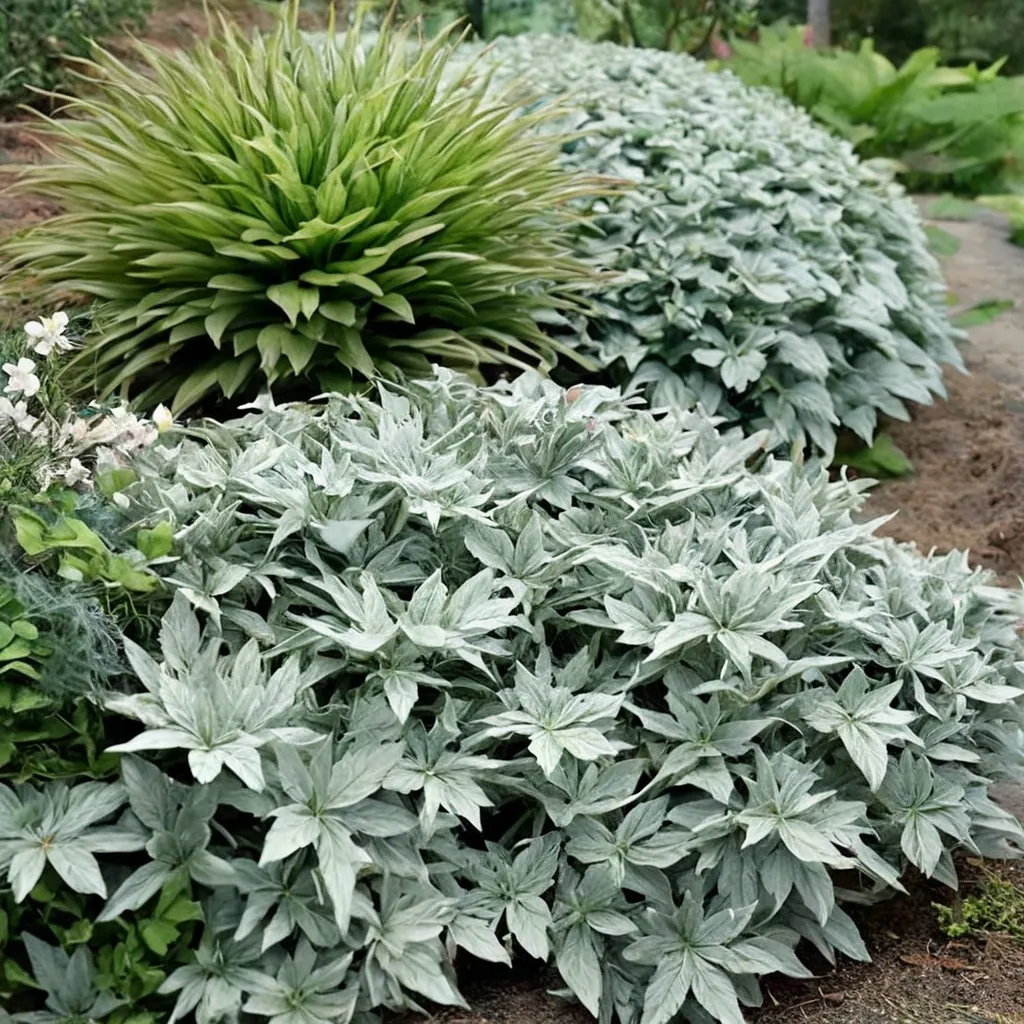
Artemisia Silver Lining
Artemisia x hybrida 'Silver Lining'
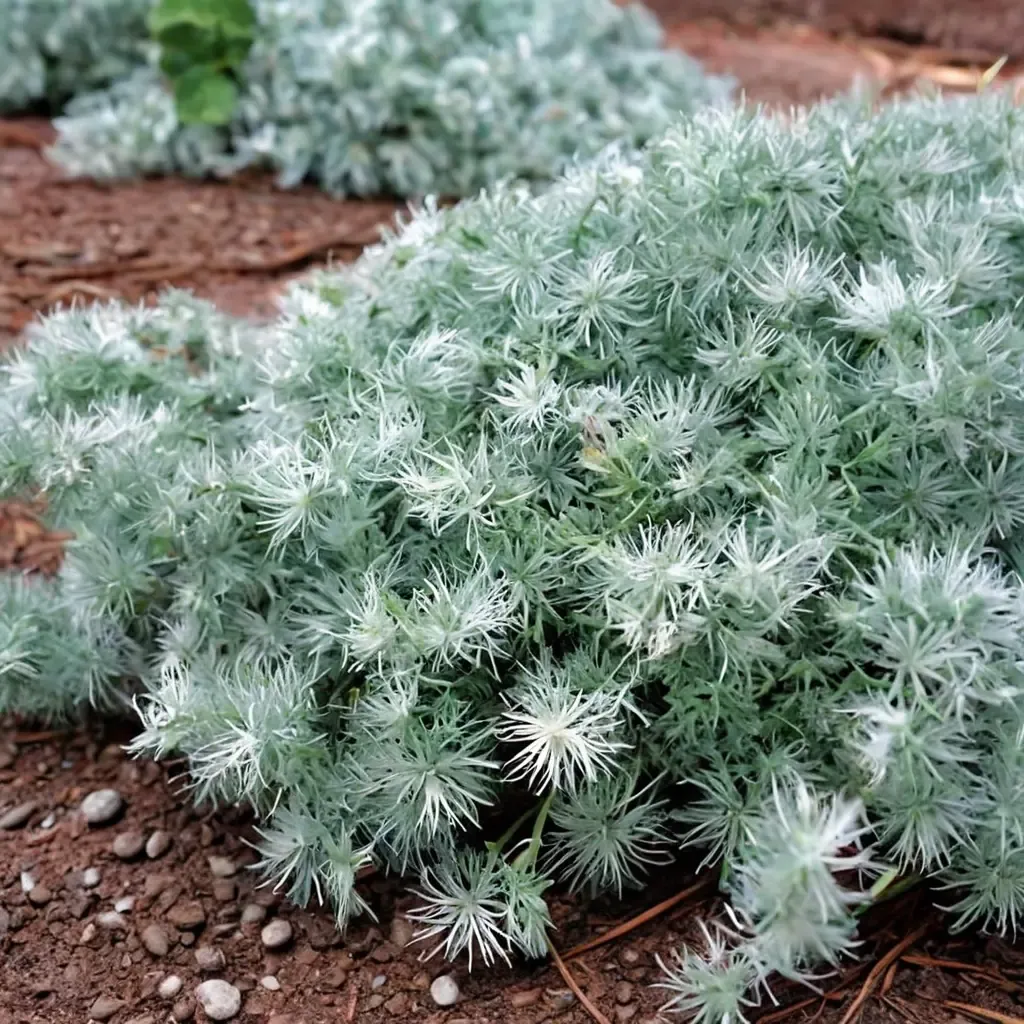
Silver Mound Wormwood
Artemisia schmidtiana 'Silver Mound'
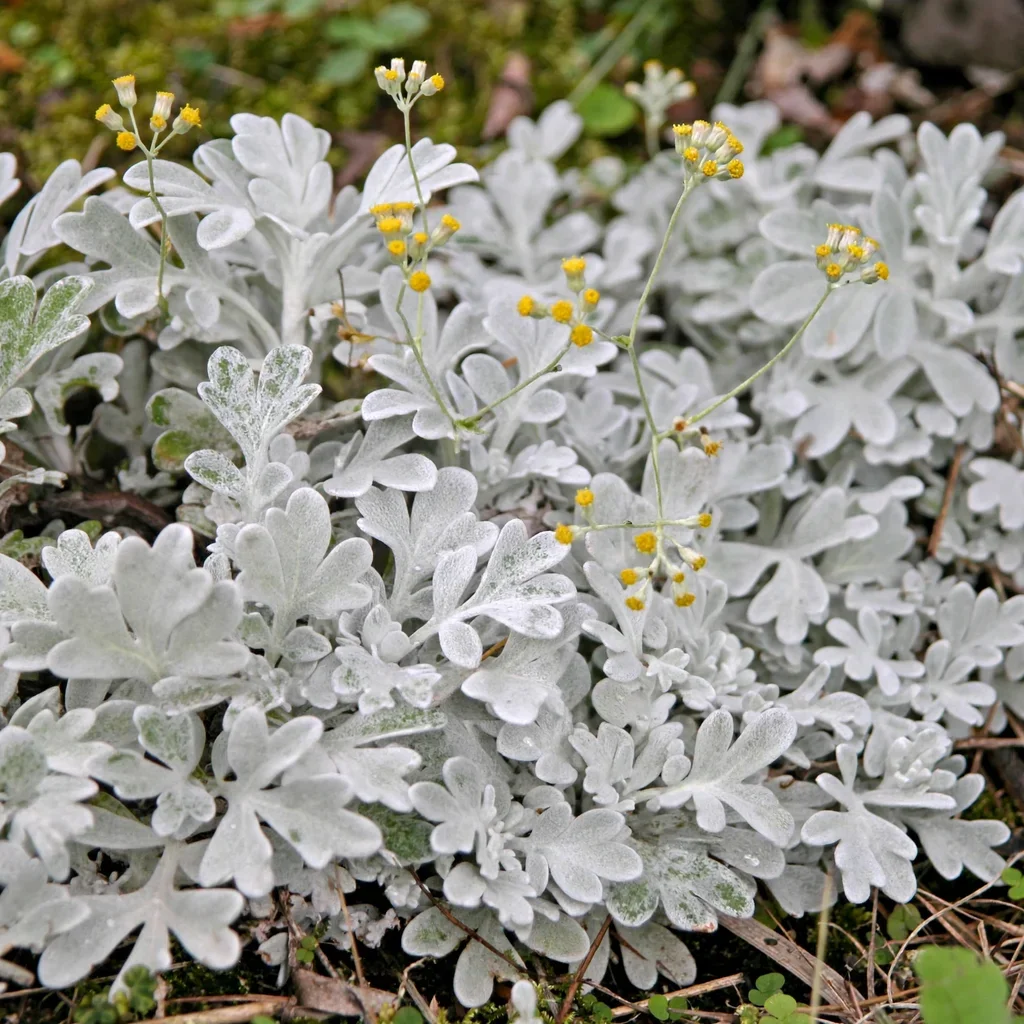
Silver Brocade Beach Wormwood
Artemisia stelleriana 'Silver Brocade'
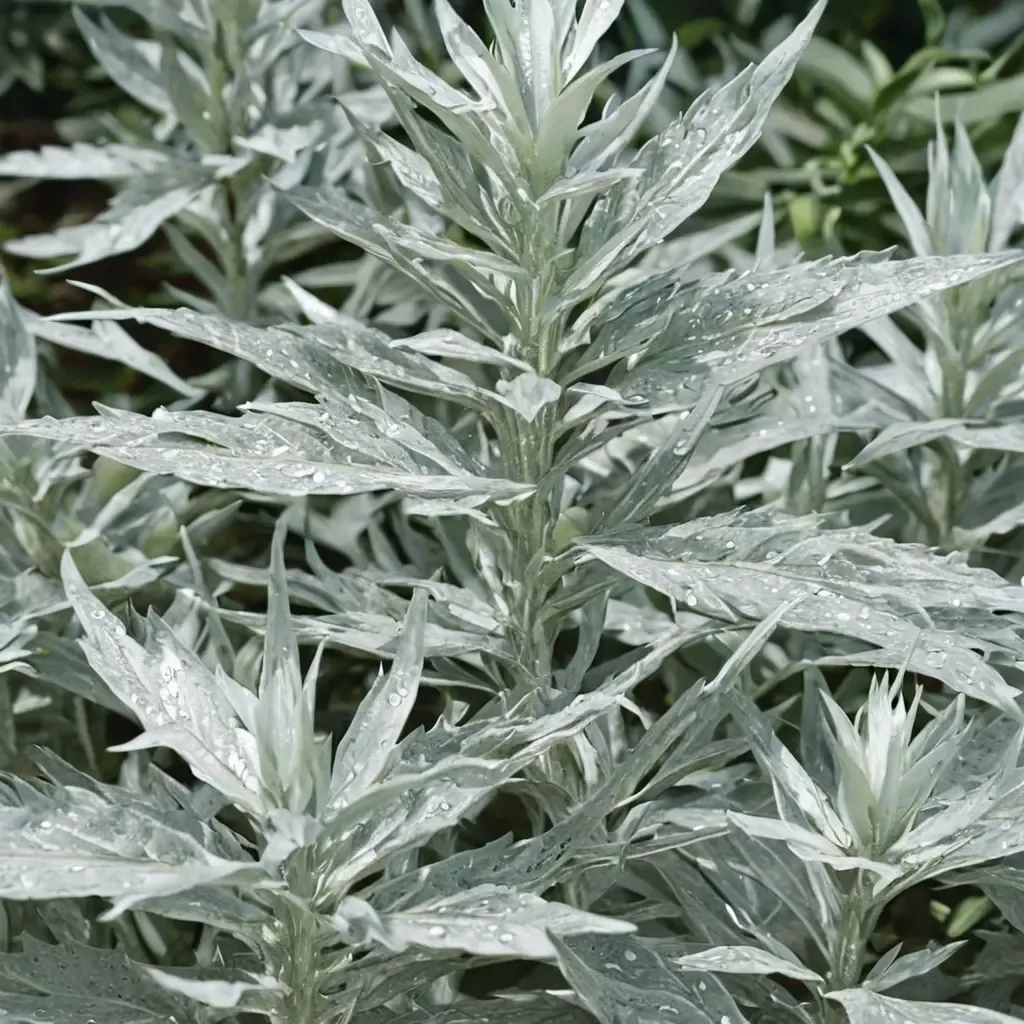
Silver King Artemisia
Artemisia ludoviciana 'Silver King'
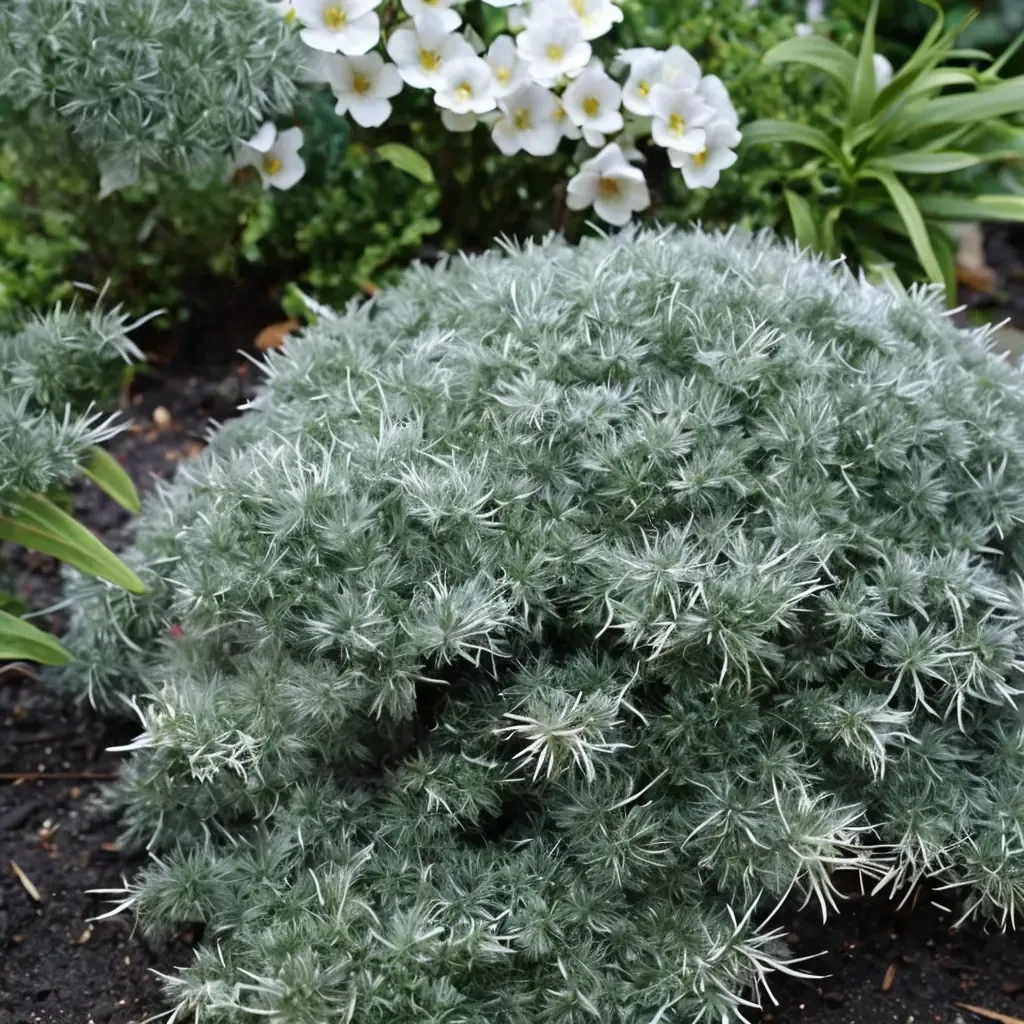
Silver Mound Artemisia
Artemisia schmidtiana 'Nana'
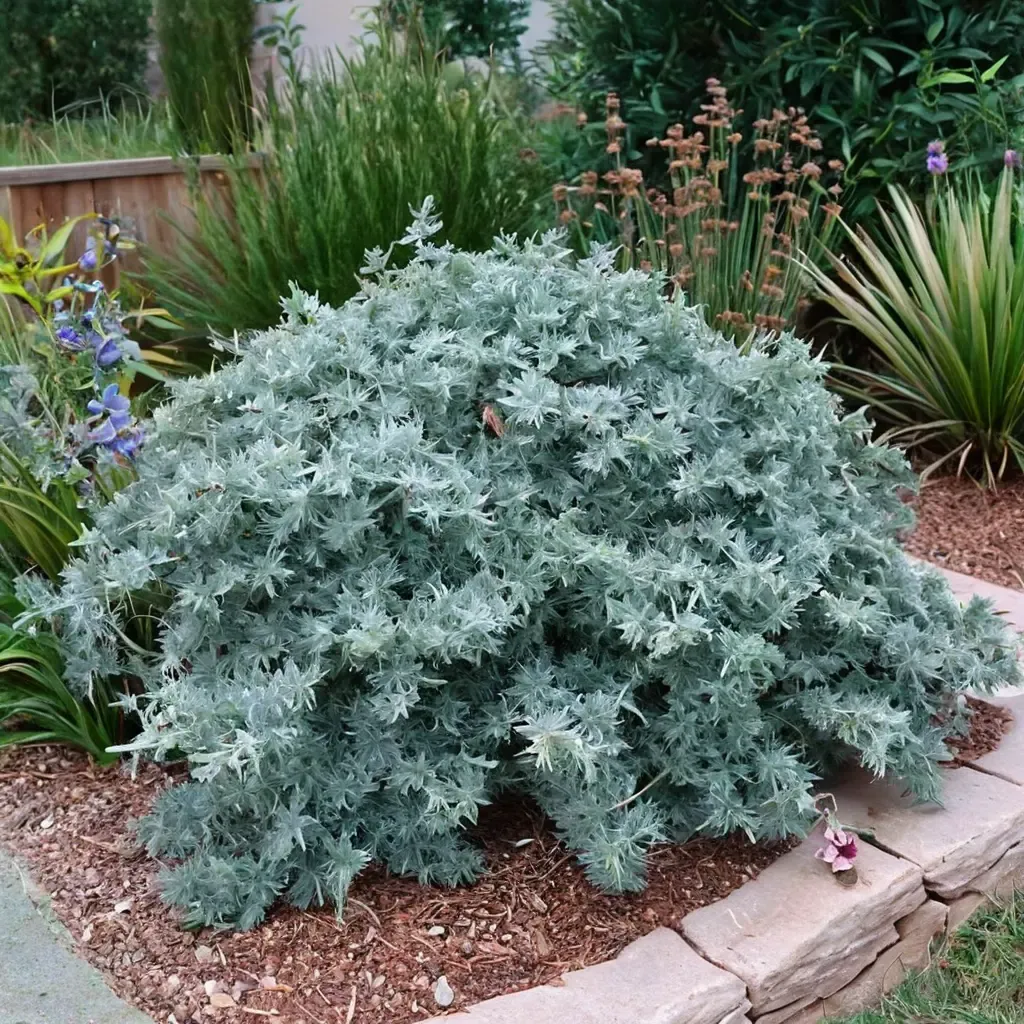
Powis Castle wormwood
Artemisia x hybrida 'Powis Castle'
Keep exploring
Explore the genus
Hardy in your zone?
Grow San Diego Sagewort with confidence
See it in a design of your actual yard, get zone-matched care reminders, and track it season by season in your garden journal.