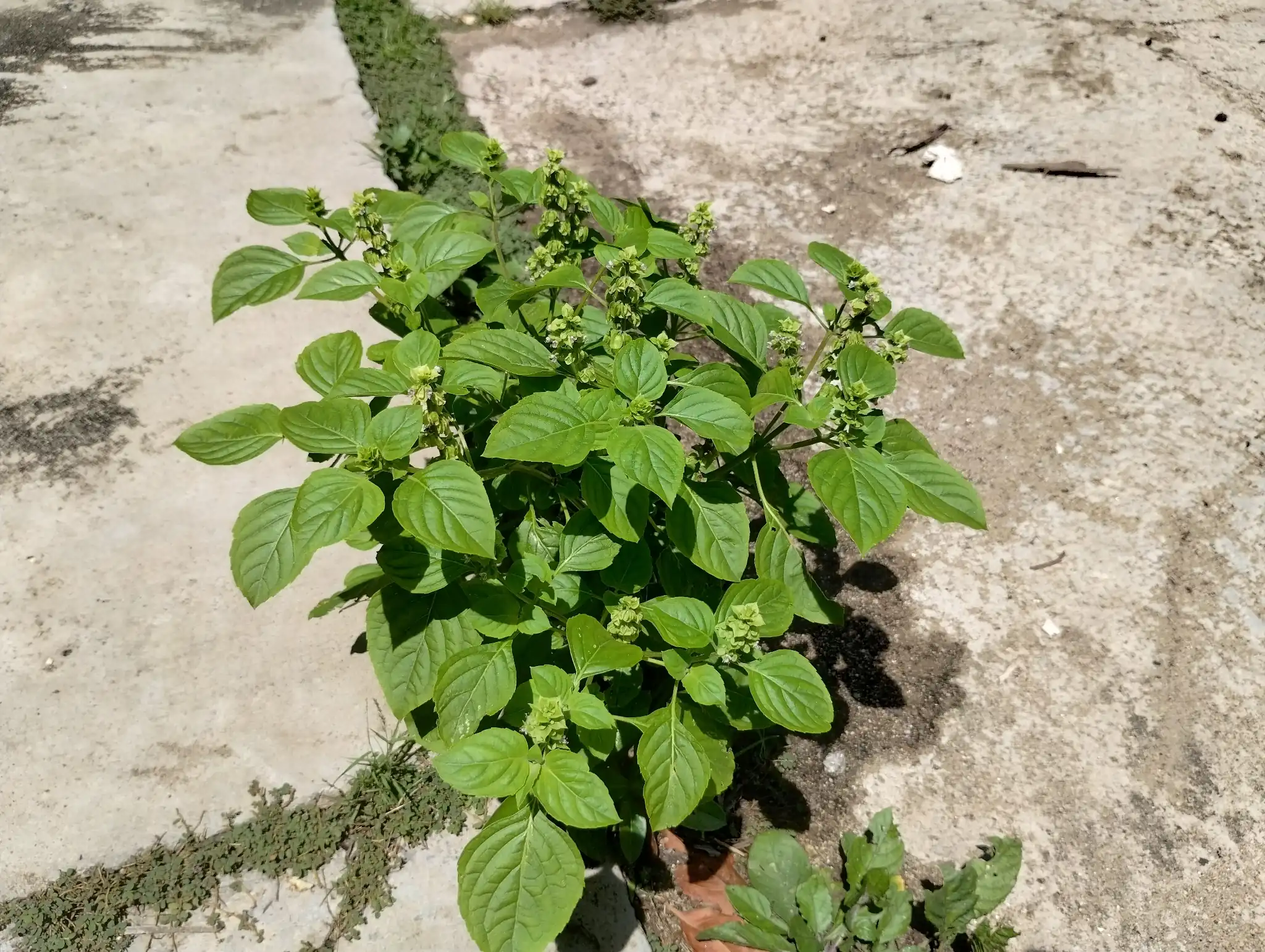
The Story
Plant Bio
Ocimum campechianum is an erect, sparsely branched annual basil reaching three to four feet in gardens, with broadly ovate-elliptic aromatic leaves two to six centimeters long with subentire to obscurely toothed margins. The flowers have no showy petals; the display comes from short terminal spikes of small four to five millimeter mint flowers in purple to dark purple, sometimes white or pink.
Unlike sweet basil, it is an American species with tiny whitish to violet-mottled corollas barely exserted from a five-lobed calyx, followed by nutlets that self-sow to form a thick stand. In the United States it is native only in southern Florida, where it is Endangered and persists in open sandy, gravelly and stony soils of rockland hammocks, pine rocklands and roadsides.
Uses & Benefits:
Essentials
At a Glance
Plant Type
Annual
Height
42"
Width
30"
Light
Full Sun, Partial Sun
Zones
10
Water
Low to moderate
Humidity
Tolerant of humidity
Lifespan
Annual
Native To
Tropical Americas including S Florida
Toxicity
Non-toxic
Bloom period
Spring – Fall
In flower about 9 months of the year
Planting
How to Grow
- Plant in full sun with at least six hours direct light in well-drained loamy or sandy soil enriched with humus.
- Start seed indoors in trays at 64-68F six weeks before last frost and set out after nights stay warm.
- Water to establish, then water deeply only when the top inch dries; do not keep waterlogged.
- Pinch shoot tips once to encourage bushy branching; no hard pruning is needed.
Pro Tip
Let a few spikes mature seed in place; the patch reseeds itself and needs no replanting.
Keep It Thriving
Care Guide
Do
- Give full sun and sharp drainage
- Let plants self-sow to renew the stand
- Harvest leaves for tea and seasoning
Don't
- Do not collect seed or plants from wild Florida populations
- Do not plant in waterlogged soil
- Do not cut back hard into old stems
Seasonal Care Calendar
| Task | Jan | Feb | Mar | Apr | May | Jun | Jul | Aug | Sep | Oct | Nov | Dec |
|---|---|---|---|---|---|---|---|---|---|---|---|---|
| Harvest | ||||||||||||
| Pest Check | ||||||||||||
| Pinch | ||||||||||||
| Plant | ||||||||||||
| Propagate |
Watch Out For
Pests & Diseases
Common Pests
Common Diseases
In the Garden
Landscape Uses & Companions
Landscape Uses
Multiply
Propagation Methods
Good to Know
Common Questions
Wild Sweet Basil questions
What zones can Wild Sweet Basil grow in?
Wild Sweet Basil is an annual: it grows, flowers and sets seed in one season, so winter cold doesn't limit where it grows. Gardeners in any zone can grow it by planting at the right time, usually after the last spring frost.
When does Wild Sweet Basil bloom?
Wild Sweet Basil typically blooms from spring to fall. Exact timing shifts a week or two with your zone — Sow's bloom calendar maps it to your garden.
Does Wild Sweet Basil need full sun?
Wild Sweet Basil does best in full sun to part shade. In hot climates, afternoon shade keeps blooms fresher longer.
Is Wild Sweet Basil drought tolerant?
Yes — once established (usually after the first full season), Wild Sweet Basil handles dry spells with minimal watering. Water deeply its first year to build the root system that makes that possible.
More Ocimum to compare
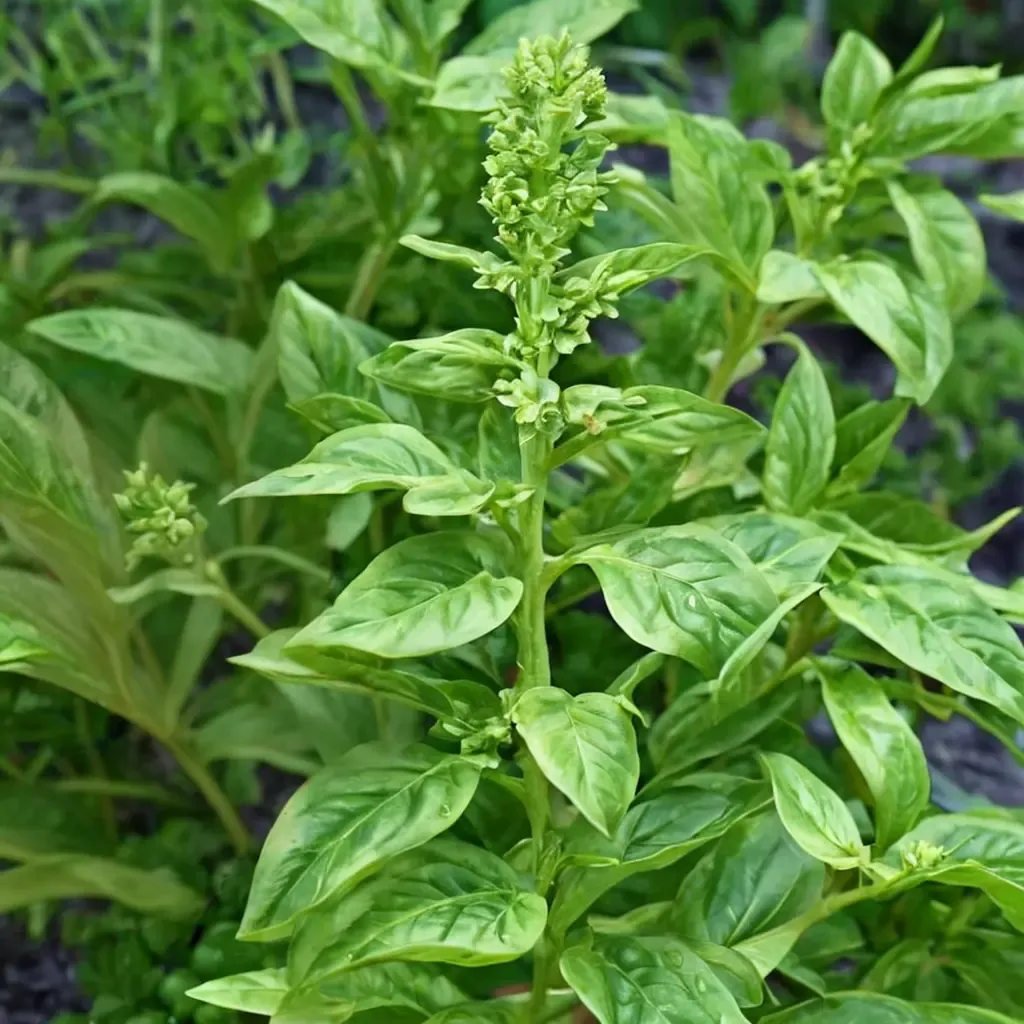
Sweet Basil
Ocimum basilicum
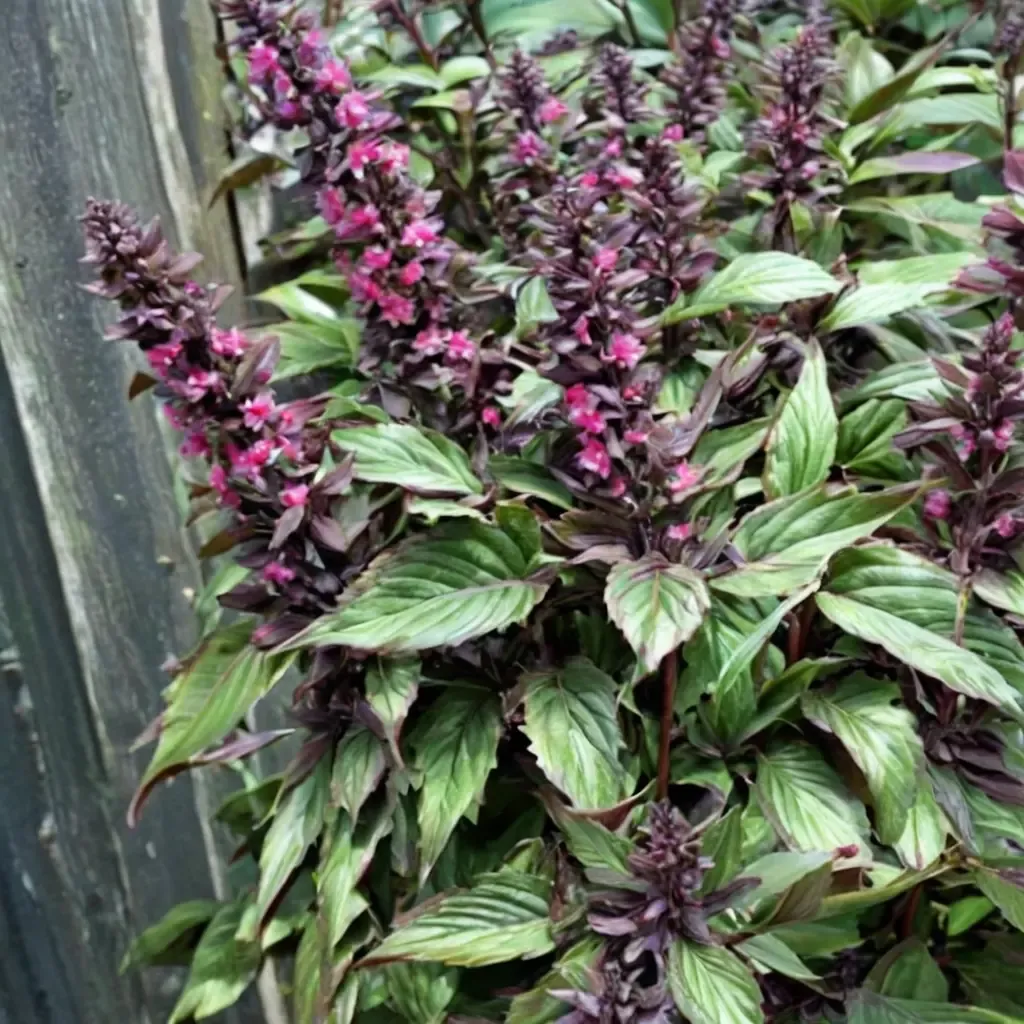
Wild Magic Basil
Ocimum basilicum 'Wild Magic'
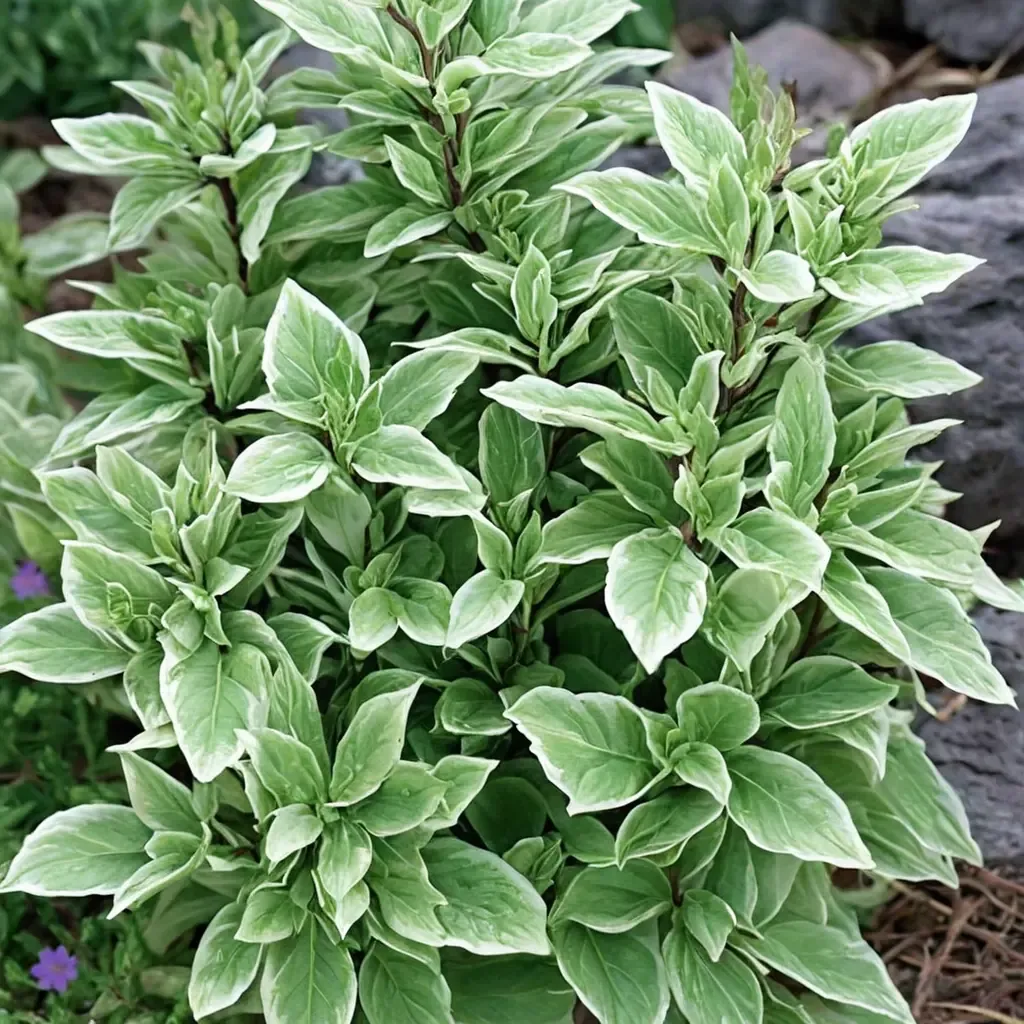
Pesto Perpetuo Basil
Ocimum basilicum 'Pesto Perpetuo'
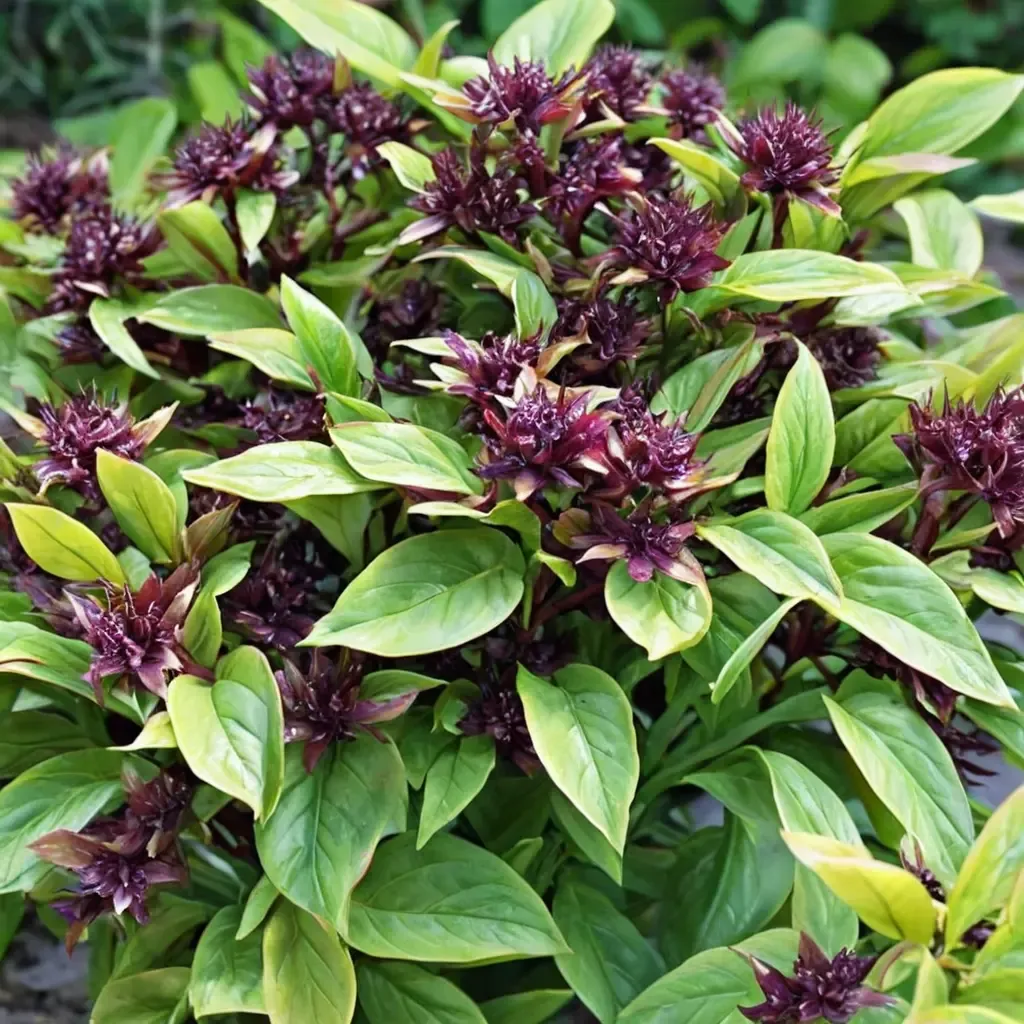
Thai Basil
Ocimum basilicum 'Thai Siam Queen'
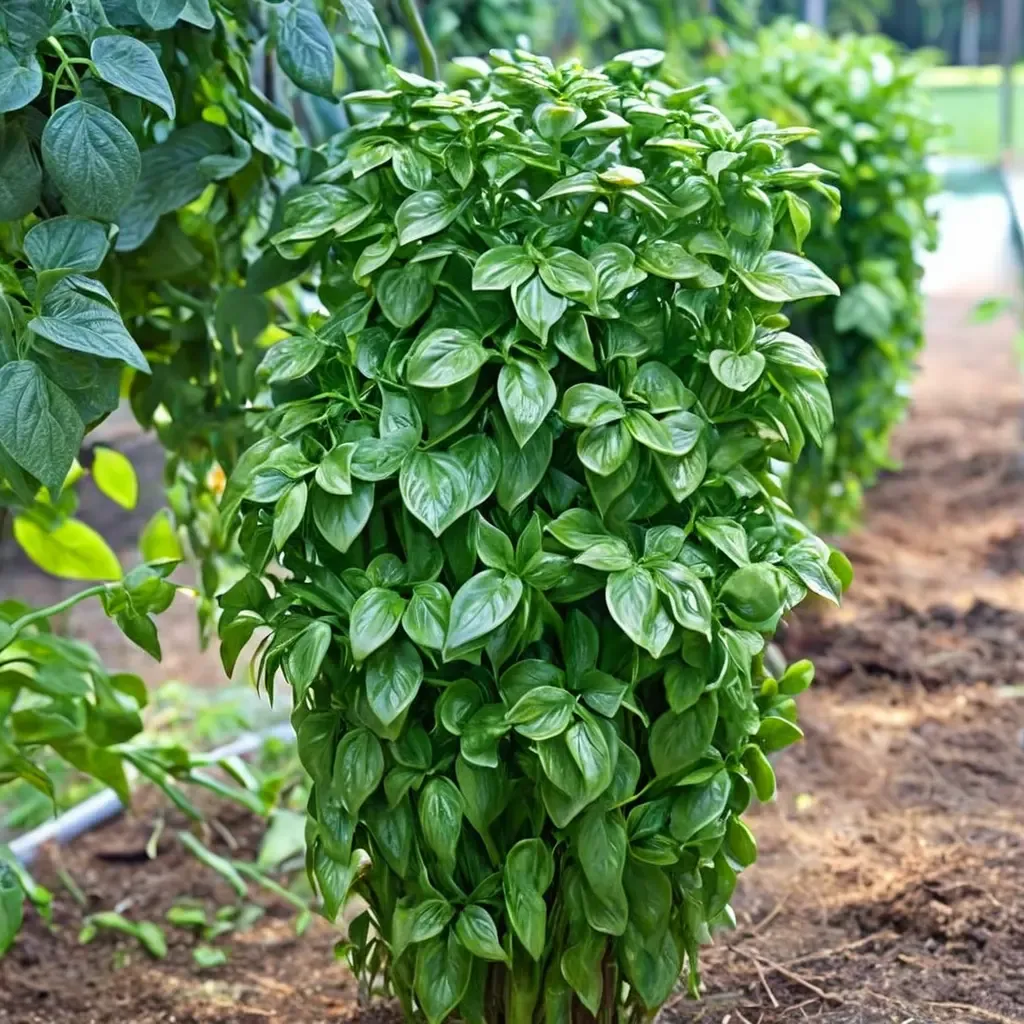
Emerald Towers Basil
Ocimum basilicum 'Emerald Towers'
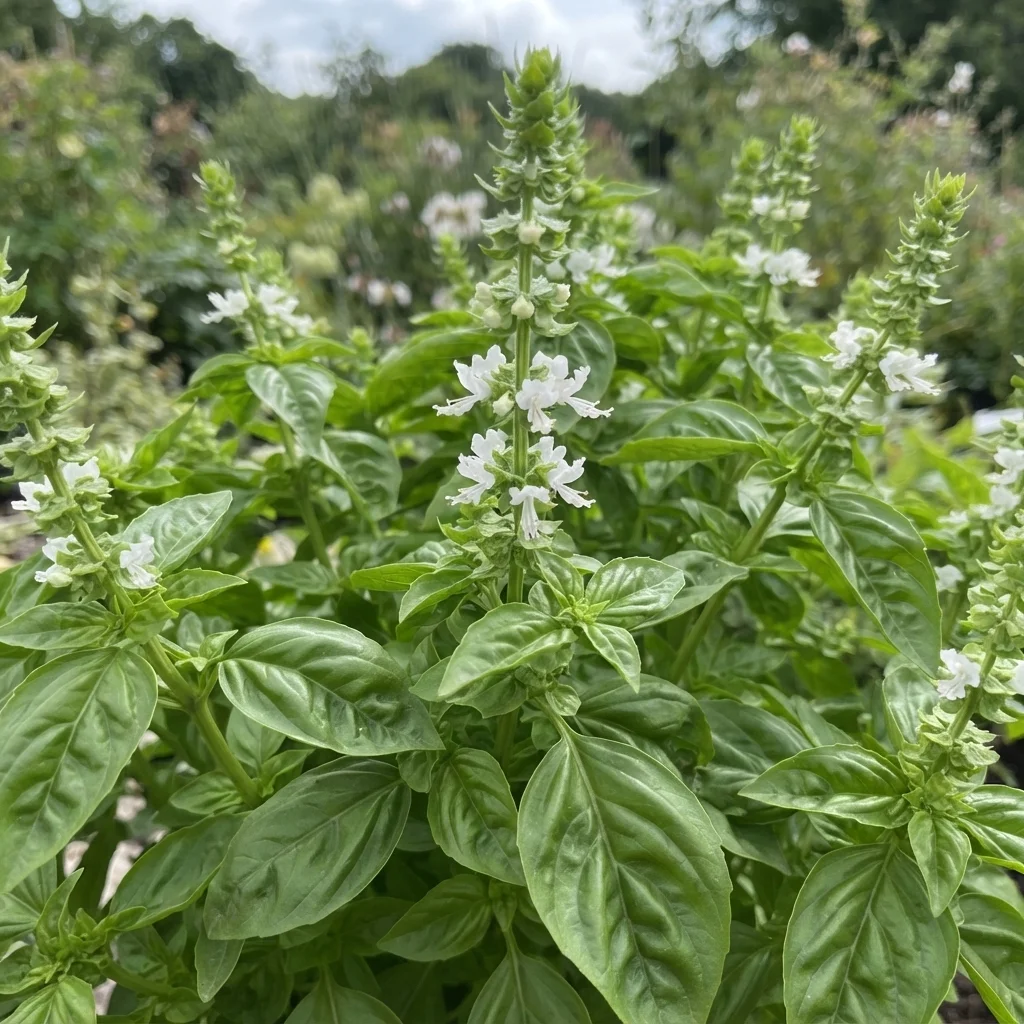
Sweet Genovese Basil
Ocimum basilicum 'Sweet Genovese'
Keep exploring
Explore the genus
Hardy in your zone?
Grow Wild Sweet Basil with confidence
See it in a design of your actual yard, get zone-matched care reminders, and track it season by season in your garden journal.