The Story
Plant Bio
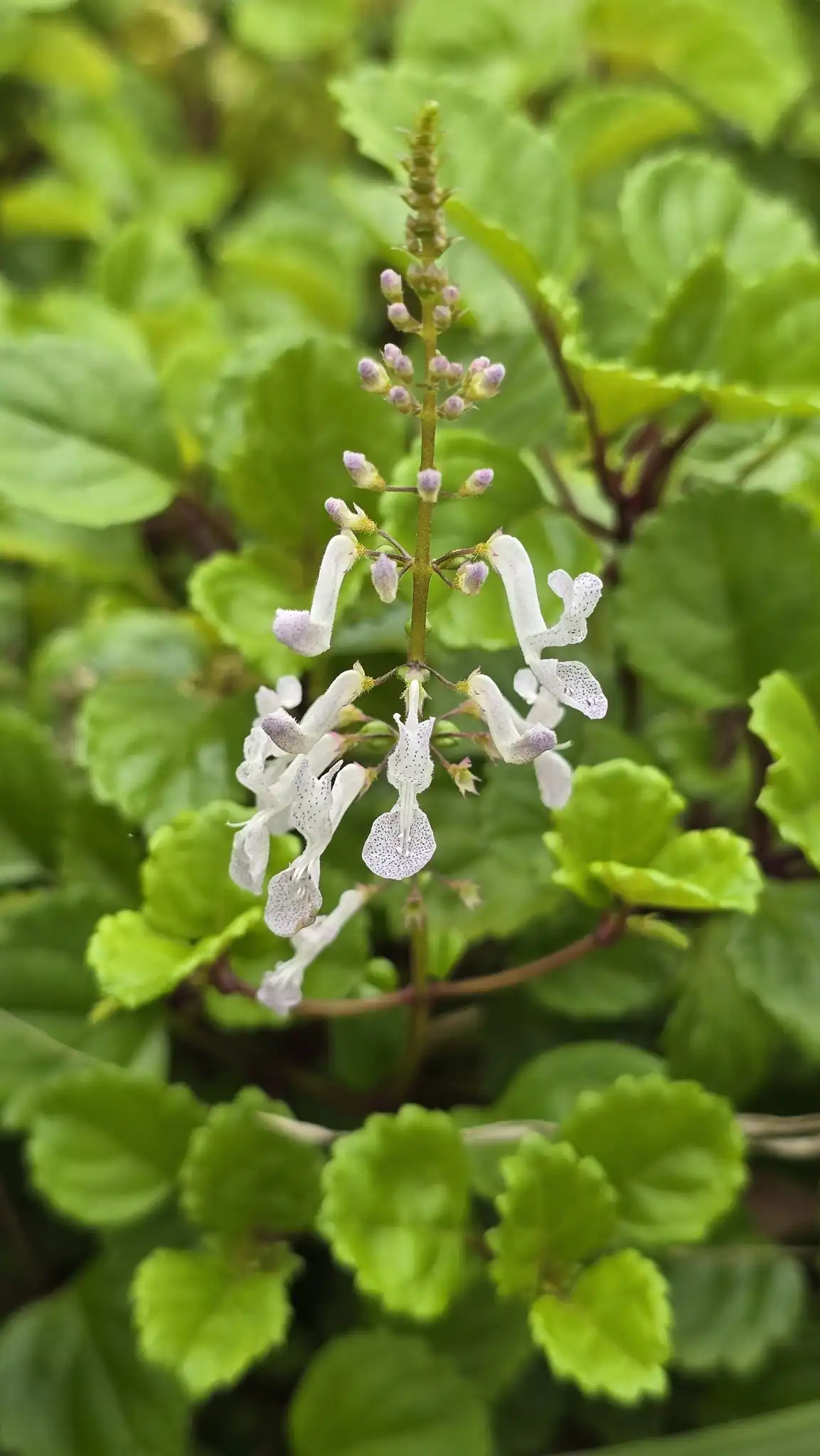
Plectranthus verticillatus is a trailing semi-succulent perennial from frost-free woodland margins in southern Africa, rooting at the nodes to form a low mat 4 to 12 inches tall with stems cascading to 3 feet. The opposite round-ovate leaves are glossy, fleshy and scalloped with soft hairs and release a mint scent when crushed, green above and often tinged purple beneath.
Despite the common name it is neither a true ivy nor from Sweden, and nursery stock is often mislabelled as Plectranthus oertendahlii, Plectranthus australis or creeping Charlie. The flowers are small white to pale mauve tubular two-lipped blooms borne in whorled clusters at the stem ends, showy only up close and produced mainly in fall and winter indoors.
Uses & Benefits:
Essentials
At a Glance
Plant Type
Groundcover
Height
12"
Width
36"
Light
Partial Sun, Shade
Zones
10
Water
Low to average
Humidity
Prefers warm humidity
Lifespan
Tender perennial
Native To
Southern Africa
Toxicity
Non-toxic to humans, cats and dogs
Bloom period
Fall – Winter
In flower about 6 months of the year
Planting
How to Grow
- Set outdoors after last frost in partial shade or bright indirect light indoors, shielded from hot afternoon sun.
- Plant in very well-drained potting mix or loam in containers with drainage holes.
- Water when the top inch is dry, then drain freely; never leave pots standing in saucers.
- Pinch tips to branch and bring pots indoors before nights drop near 40F, keeping above 50F in winter.
Pro Tip
Let the top inch of mix dry before watering again; standing water rots the fleshy stems, and soggy soil kills this plant more often than neglect.
Keep It Thriving
Care Guide
Do
- Allow the surface inch to dry between waterings
- Provide bright indirect light or partial shade
- Pinch tips to keep growth dense
- Bring containers indoors before first frost
Don't
- Do not overwater or leave in standing water
- Do not expose to frost or temperatures below about 40F
- Do not cut hard annually like a woody shrub
Seasonal Care Calendar
| Task | Jan | Feb | Mar | Apr | May | Jun | Jul | Aug | Sep | Oct | Nov | Dec |
|---|---|---|---|---|---|---|---|---|---|---|---|---|
| Fertilize | ||||||||||||
| Pest Check | ||||||||||||
| Propagate | ||||||||||||
| Prune | ||||||||||||
| Winter Prep |
Watch Out For
Pests & Diseases
Common Pests
Common Diseases
In the Garden
Landscape Uses & Companions
Landscape Uses
Companion Plants
Multiply
Propagation Methods
Good to Know
Common Questions
Swedish Ivy questions
What zones can Swedish Ivy grow in?
Swedish Ivy is hardy in USDA Zone 10: in that range it survives winter in the ground. Colder than Zone 10, grow it in a container you can move to shelter for the winter, or as an annual.
When does Swedish Ivy bloom?
Swedish Ivy typically blooms from fall to winter. Exact timing shifts a week or two with your zone — Sow's bloom calendar maps it to your garden.
Does Swedish Ivy need full sun?
Swedish Ivy does best in part shade.
Is Swedish Ivy drought tolerant?
Yes — once established (usually after the first full season), Swedish Ivy handles dry spells with minimal watering. Water deeply its first year to build the root system that makes that possible.
More Plectranthus to compare
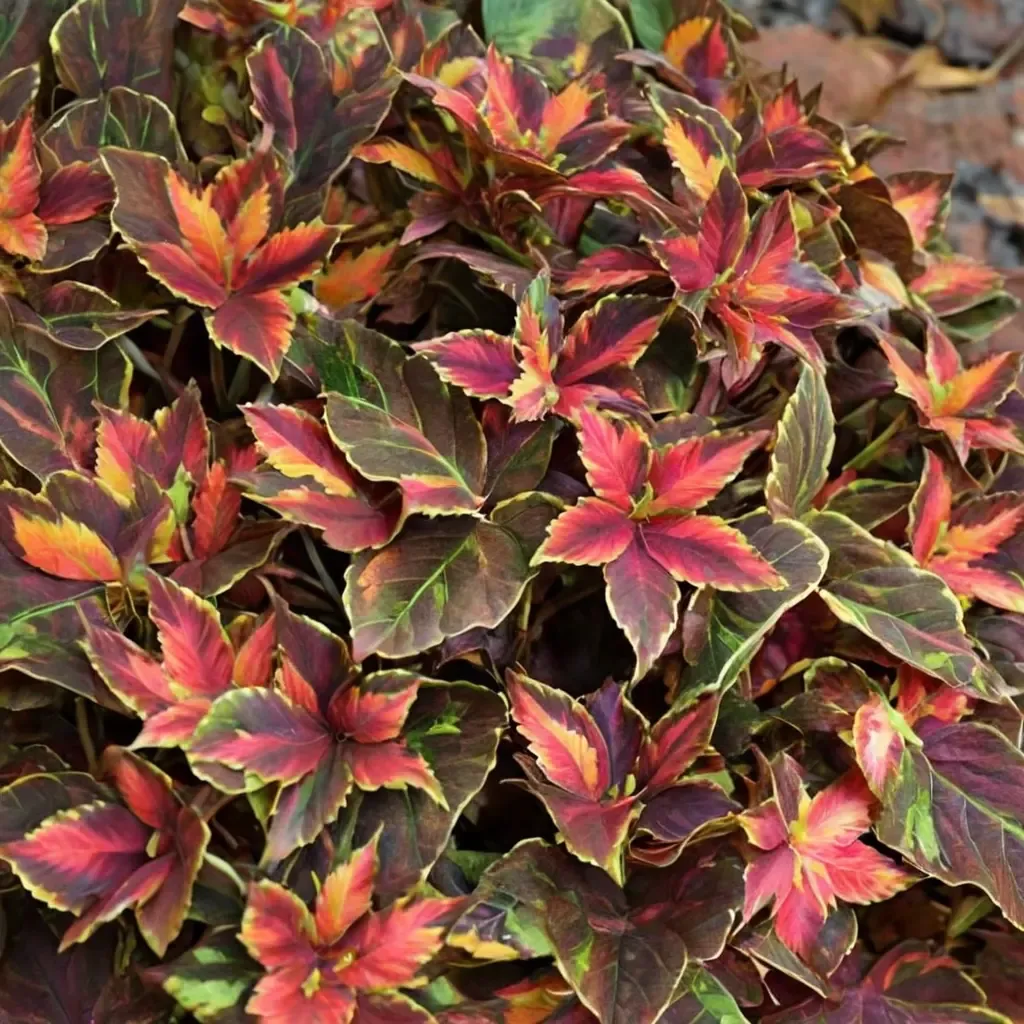
Coleus 'Festive Dance'
Plectranthus scutellarioides 'Festive Dance'
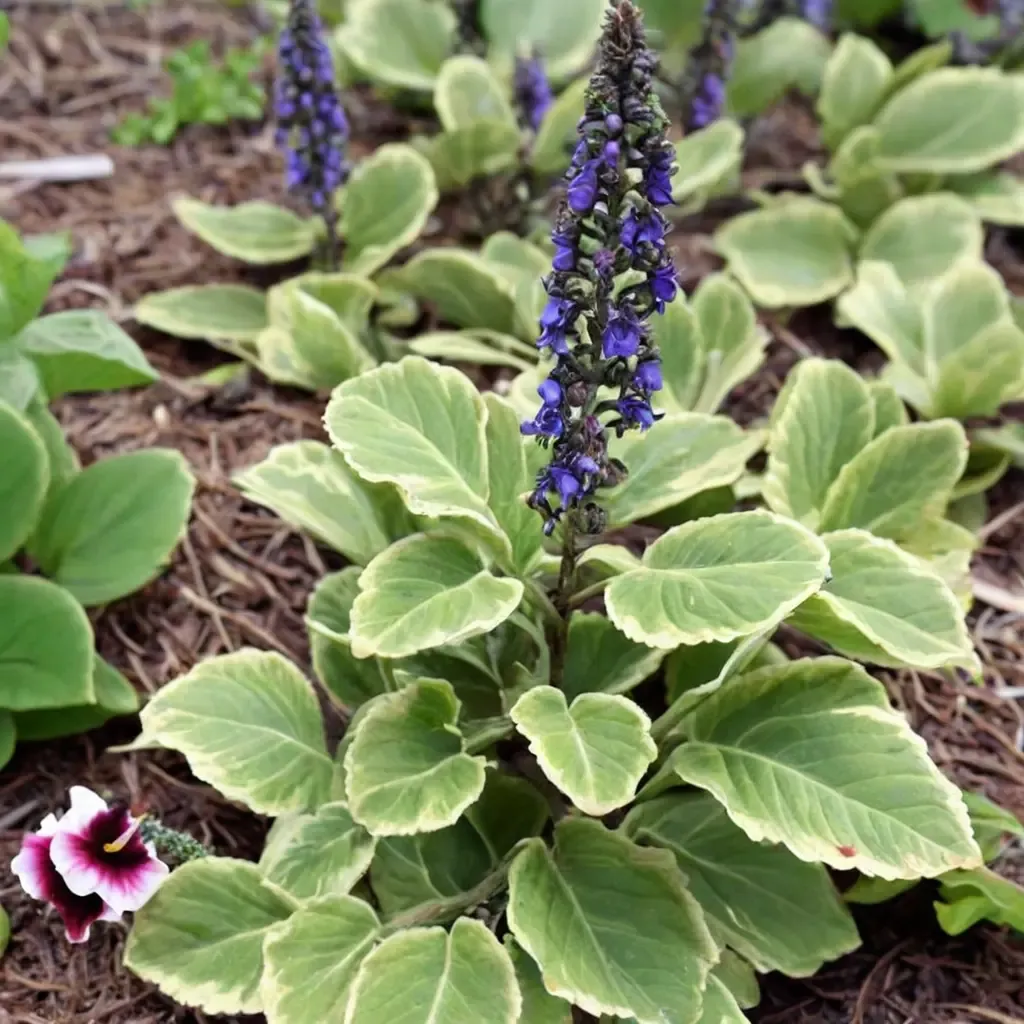
Danish Oil Plant
Plectranthus barbatus 'grandis'
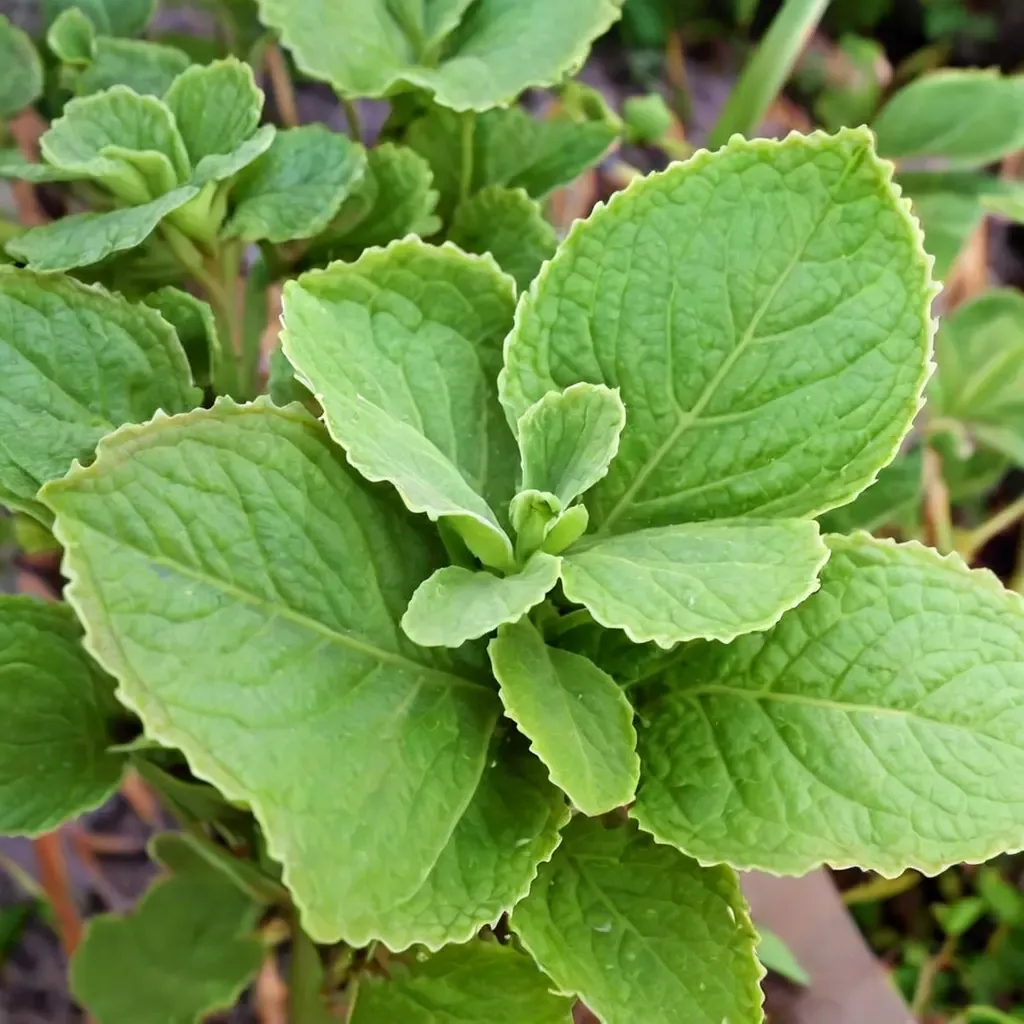
Cuban Oregano Mexican Mint
Plectranthus amboinicus
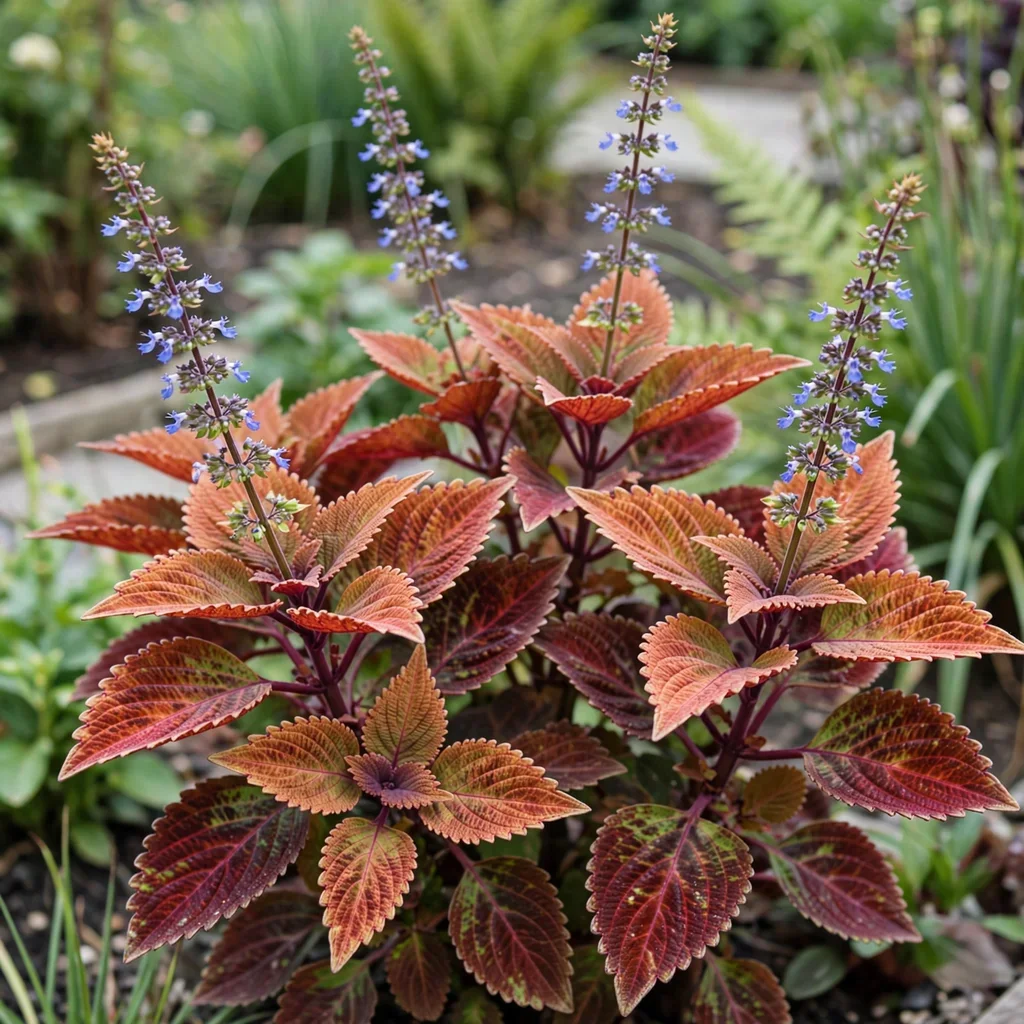
Coleus Indian Summer
Plectranthus scutellarioides 'Indian Summer'
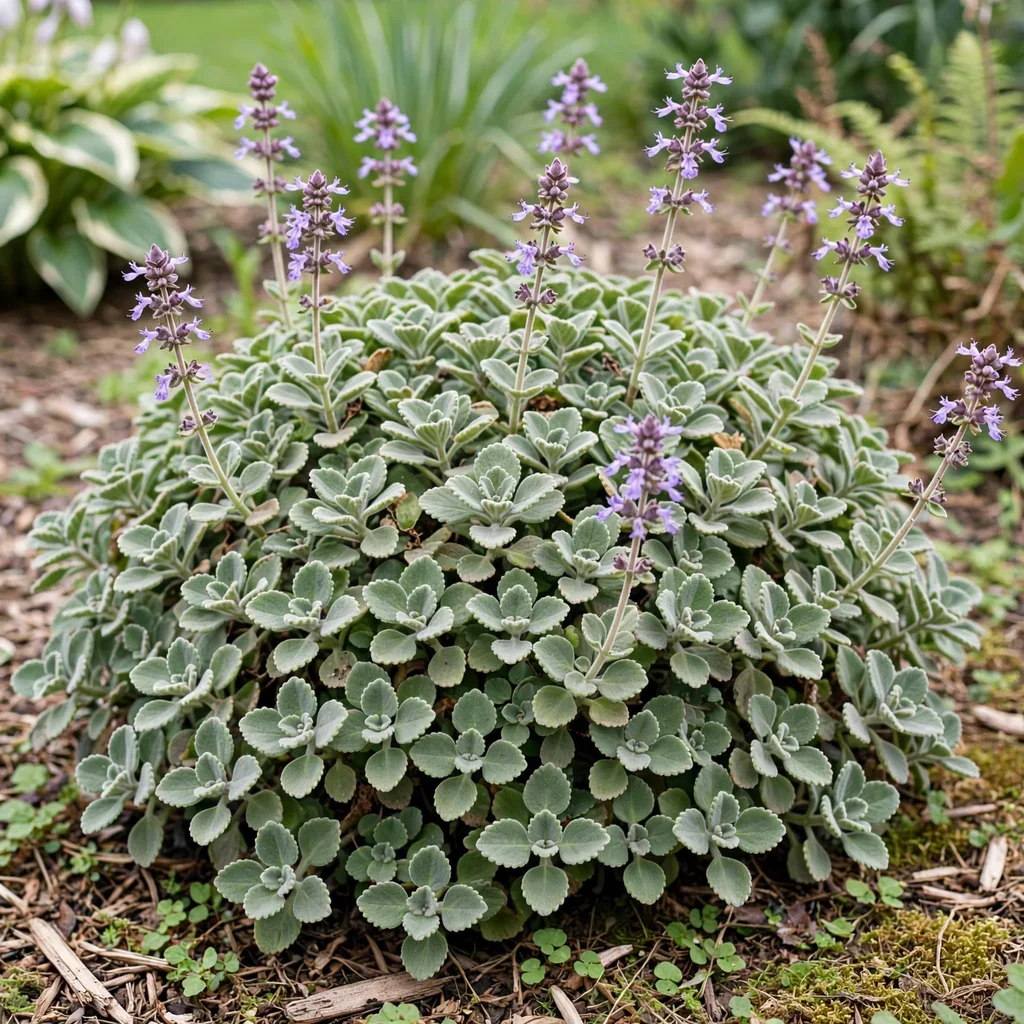
Lobster Flower
Plectranthus neochilus
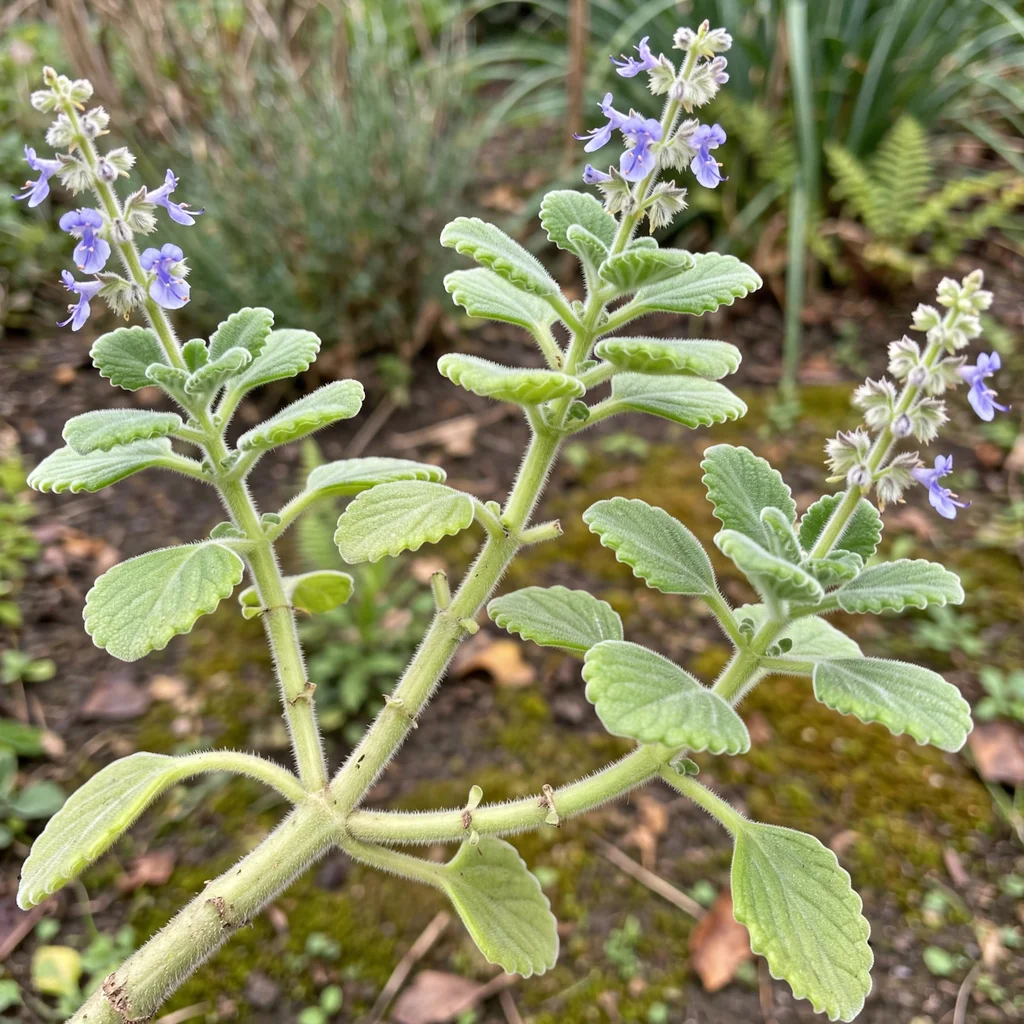
Vicks Plant
Plectranthus hadiensis
Keep exploring
Explore the genus
Hardy in your zone?
Grow Swedish Ivy with confidence
See it in a design of your actual yard, get zone-matched care reminders, and track it season by season in your garden journal.