The Story
Plant Bio
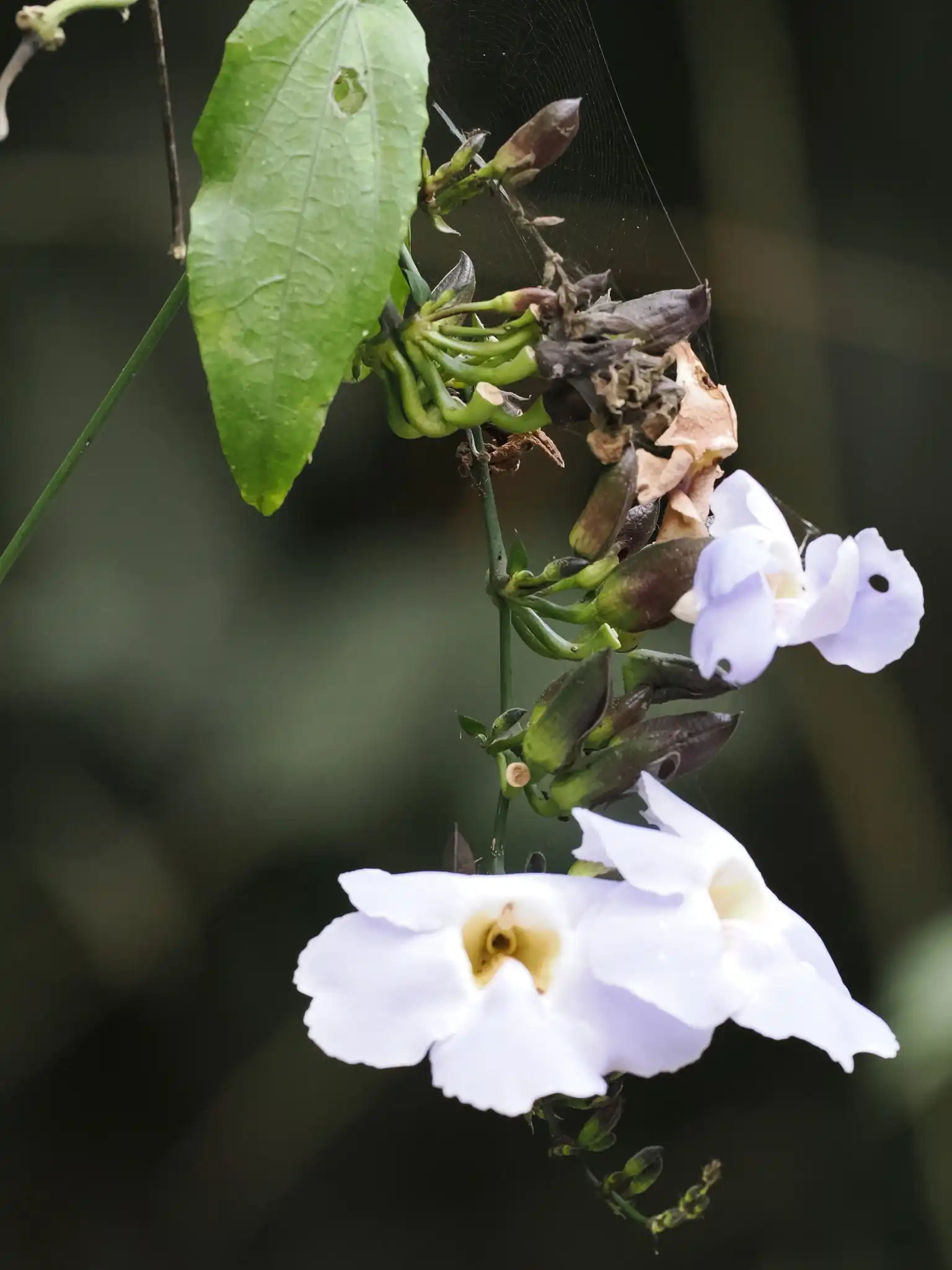
Thunbergia laurifolia, the laurel clockvine, is a vigorous evergreen twining climber with thin woody stems and tuberous roots, reaching 15 to 30 feet with support and over 40 feet in one season in the tropics. Leaves are opposite, hairless and ovate to heart-shaped to 8 inches long, bright green when young and dark green with age, with a wavy to toothed margin and pointed tip.
This species carries unscented lavender-blue to purple trumpets 2 to 3 inches wide with a yellowish-white throat in pendulous racemes to 6 feet long with four or more flowers. It is easily confused with Thunbergia grandiflora but has narrower laurel-like foliage and long hanging flower chains, and it resprouts from tubers and root pieces after frost or cutting.
Uses & Benefits:
Essentials
At a Glance
Plant Type
Vine
Height
360"
Width
144"
Light
Full Sun, Partial Sun
Zones
8, 9, 10
Water
Medium, evenly moist
Humidity
High humidity tolerated
Lifespan
Perennial vine
Native To
India to Indochina to Peninsular Malaysia
Toxicity
Unknown
Bloom period
Spring – Summer
In flower about 6 months of the year
Planting
How to Grow
- Plant in spring after frost in rich, fertile, well-drained soil pH 6.0-7.0 in full sun to part shade.
- Set a strong trellis, arbor or fence at planting and tie young twining stems until they catch.
- Water regularly to keep soil evenly moist and mulch 2 to 3 inches to hold moisture.
- Prune lightly after flowering to control length; bag and trash all trimmings, never compost them.
- In zone 8b-9 leave roots in place after frost-kill for spring regrowth; north of zone 8b overwinter containers frost-free.
Pro Tip
Prune lightly after flowering to keep stems on support and bag all stem and tuber trimmings for the trash; cut pieces and tubers resprout and garden waste spreads it.
Keep It Thriving
Care Guide
Do
- Give a tall, sturdy support at planting time.
- Keep soil evenly moist with regular water in heat.
- Prune lightly after flowering and dispose of cuttings in trash.
Don't
- Do not compost stems, roots or tubers.
- Do not plant near natural areas in Florida or Hawaii where it naturalizes.
- Do not let vines climb into trees or over native vegetation.
Seasonal Care Calendar
| Task | Jan | Feb | Mar | Apr | May | Jun | Jul | Aug | Sep | Oct | Nov | Dec |
|---|---|---|---|---|---|---|---|---|---|---|---|---|
| Pest Check | ||||||||||||
| Plant | ||||||||||||
| Prune | ||||||||||||
| Stake | ||||||||||||
| Winter Prep |
Watch Out For
Pests & Diseases
Common Pests
Common Diseases
In the Garden
Landscape Uses & Companions
Landscape Uses
Multiply
Propagation Methods
Good to Know
Common Questions
Laurel Clockvine questions
What zones can Laurel Clockvine grow in?
Laurel Clockvine is hardy in USDA Zones 8–10: in that range it survives winter in the ground. Colder than Zone 8, grow it in a container you can move to shelter for the winter, or as an annual.
When does Laurel Clockvine bloom?
Laurel Clockvine typically blooms from spring to summer. Exact timing shifts a week or two with your zone — Sow's bloom calendar maps it to your garden.
Does Laurel Clockvine need full sun?
Laurel Clockvine does best in full sun to part shade. In hot climates, afternoon shade keeps blooms fresher longer.
More Thunbergia to compare
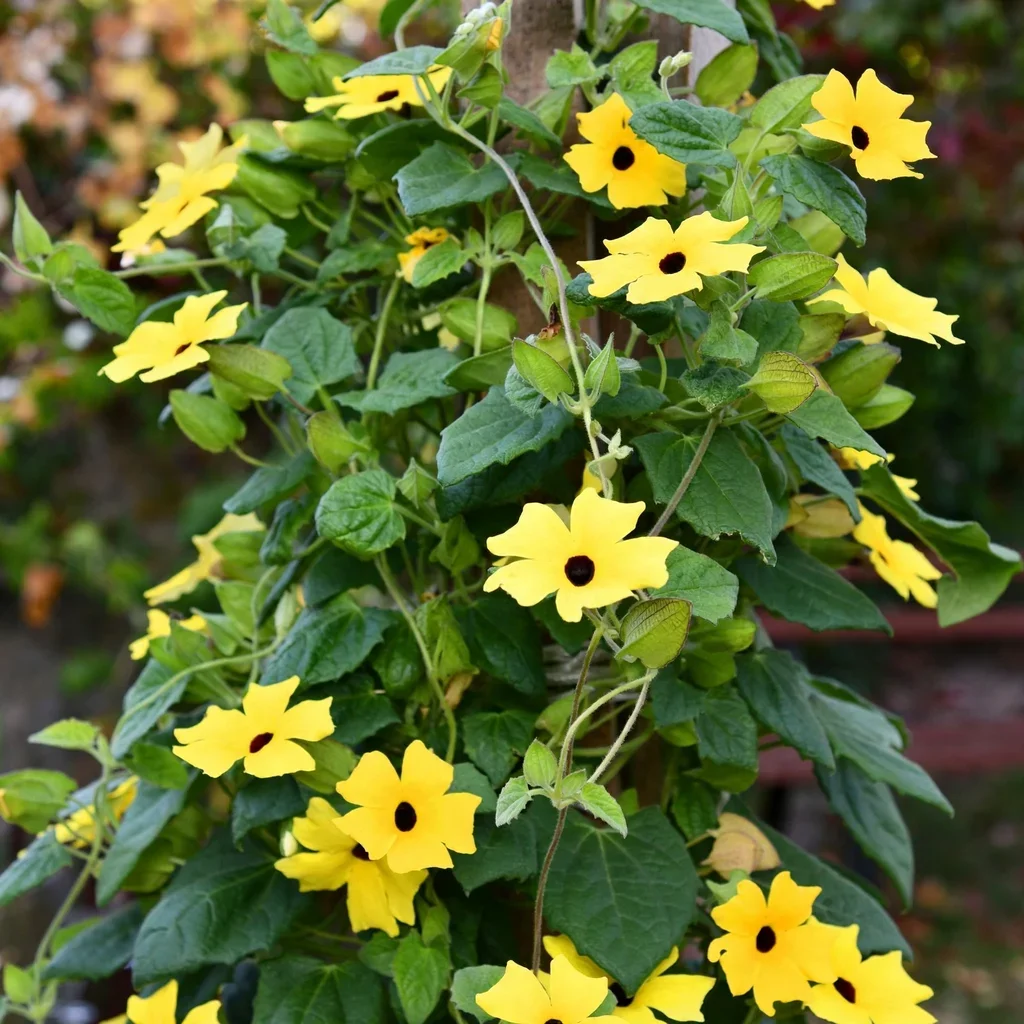
Black-eyed Susan Vine
Thunbergia alata
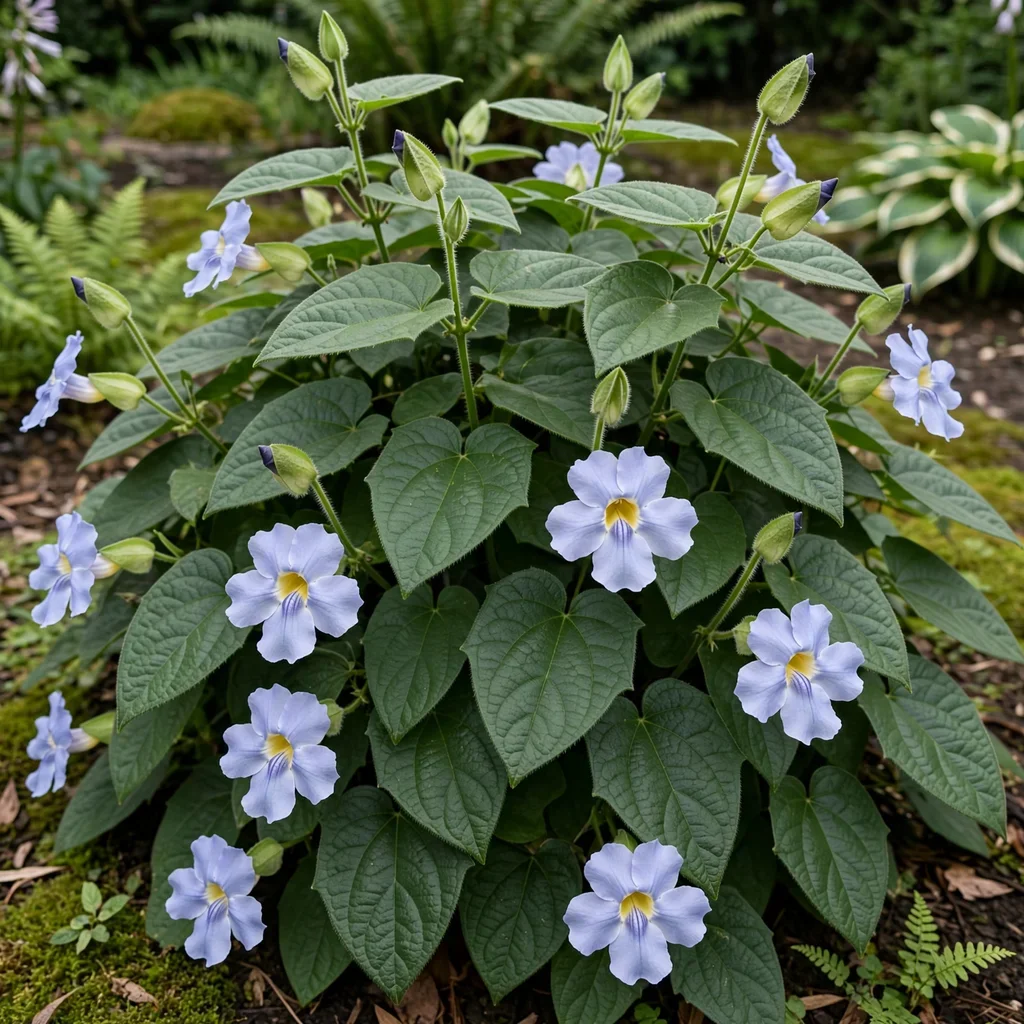
Natal Bluebell
Thunbergia natalensis
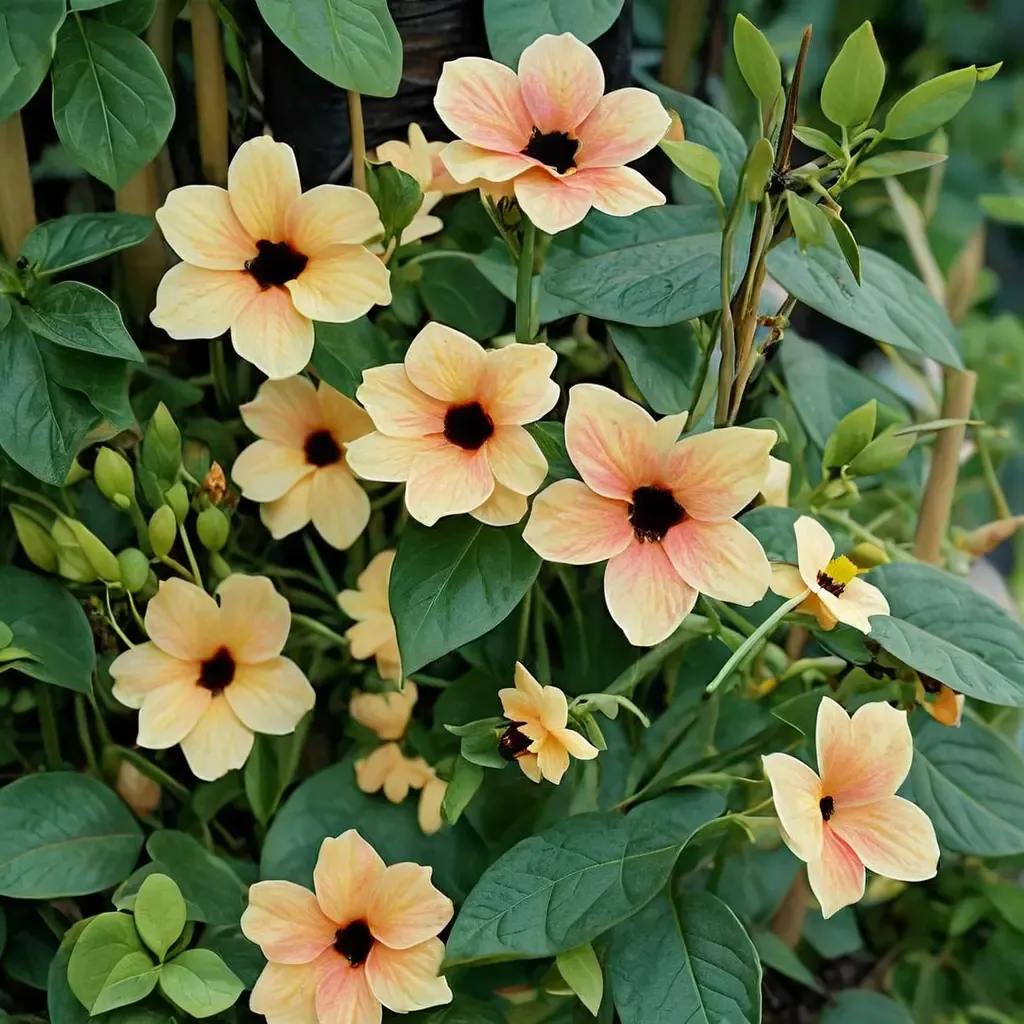
African Sunset Black-Eyed Susan Vine
Thunbergia alata 'African Sunset'
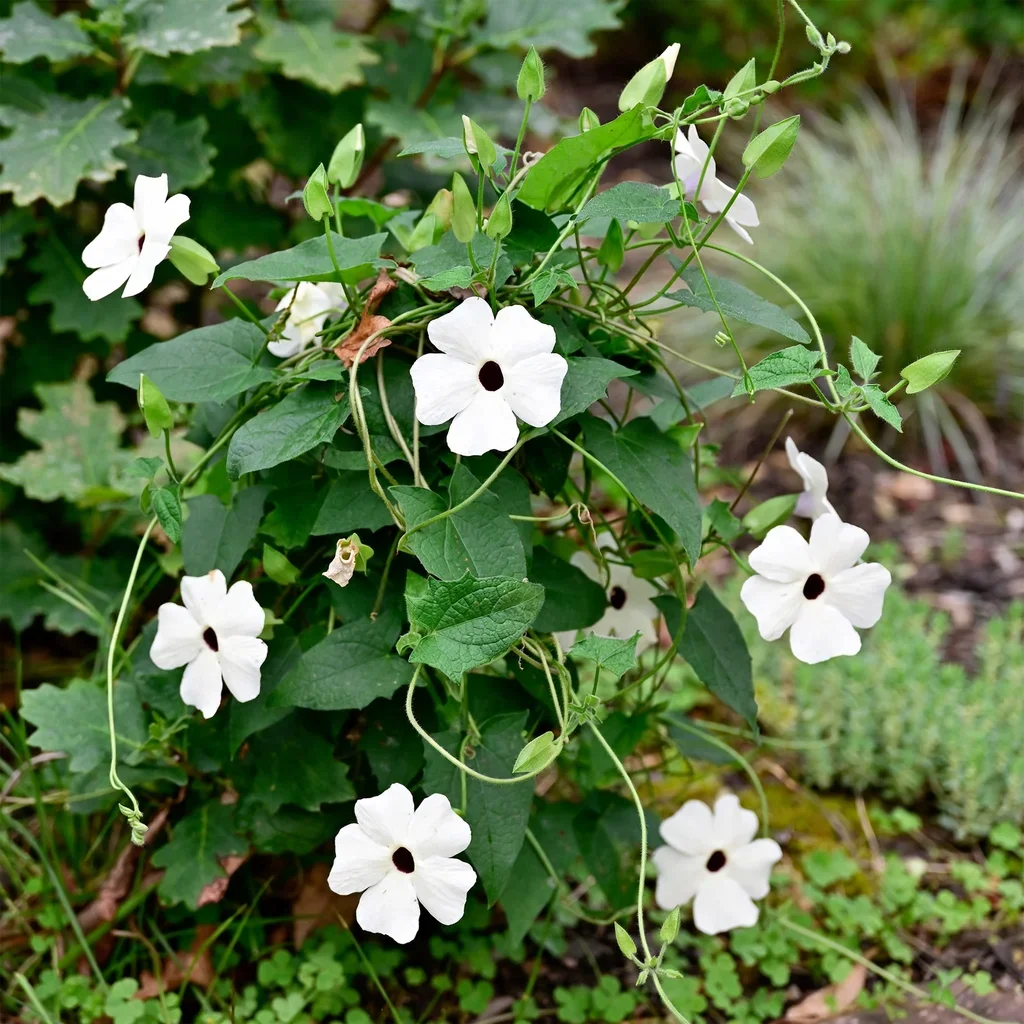
White Halo Black-eyed Susan Vine
Thunbergia alata 'White Halo'
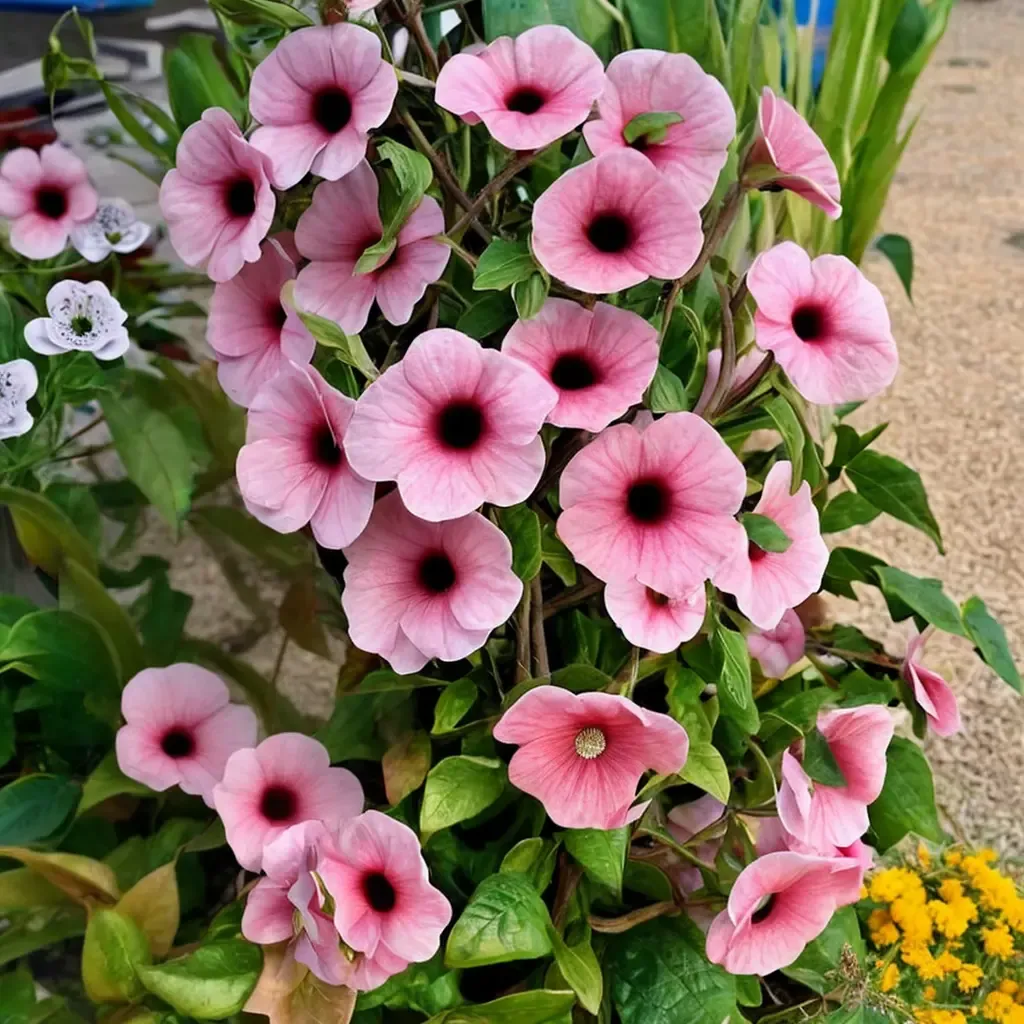
Rose Sensation Black-eyed Susan Vine
Thunbergia alata 'Rose Sensation'
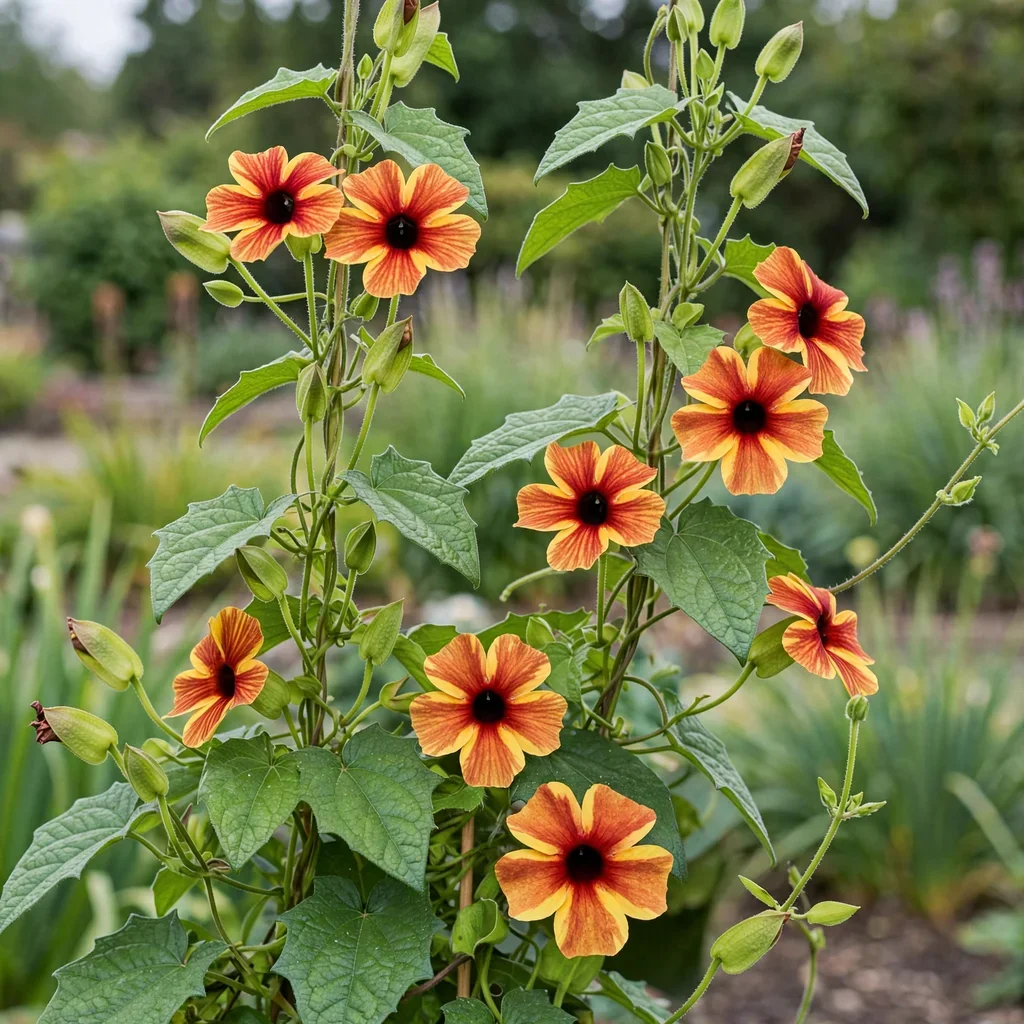
Black-eyed Susan Vine Thunbergia Amber Stripes
Thunbergia alata 'Amber Stripes'
Keep exploring
Explore the genus
Hardy in your zone?
Grow Laurel Clockvine with confidence
See it in a design of your actual yard, get zone-matched care reminders, and track it season by season in your garden journal.