The Story
Plant Bio
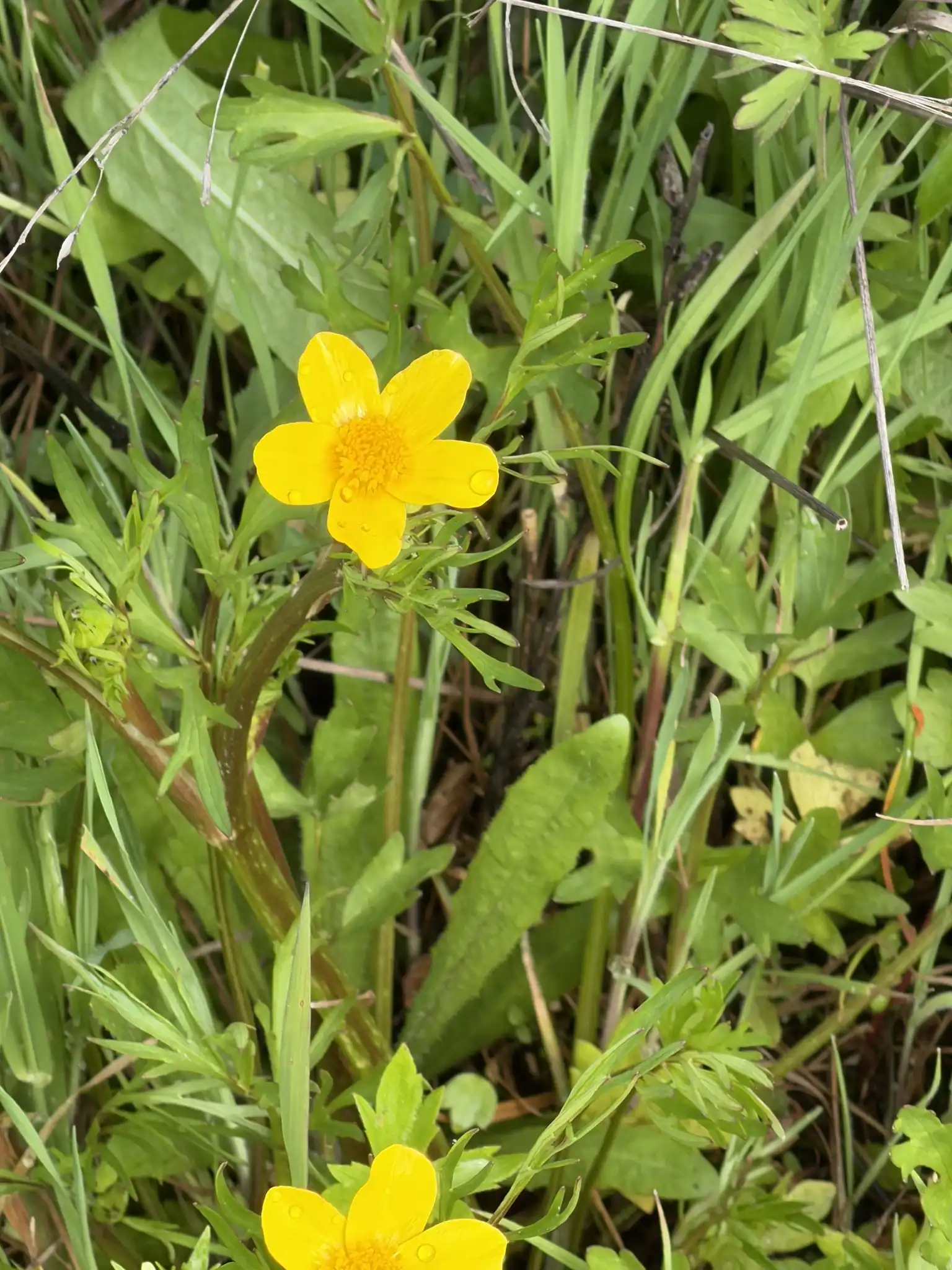
Ranunculus orthorhynchus is an herbaceous perennial native to wet meadows, marshes, and riparian zones across western North America. It forms clumps of deeply divided, bird's-foot-shaped basal foliage and bears bright yellow flowers on erect stems from mid-spring into early summer.
This species features petals with dark bronze or maroon-gray undersides and produces distinctive straight-beaked achene head capsules after flowering. Following seed maturation in midsummer, the foliage dies back completely as the plant enters a brief summer dormancy.
Uses & Benefits:
Essentials
At a Glance
Plant Type
Perennial
Height
35"
Width
18"
Light
Full Sun, Partial Sun
Zones
5, 6, 7, 8
Water
High
Humidity
Moderate
Lifespan
Perennial
Native To
Western North America
Toxicity
Toxic if ingested; causes skin irritation
Bloom period
Spring – Summer
In flower about 6 months of the year
Planting
How to Grow
- Select a planting site in full sun to partial shade with moist, poorly drained, or clay-heavy soil.
- Space rootstocks or potted starts 12 to 18 inches apart in early spring or fall.
- Keep the soil consistently saturated or moist throughout the active spring growth and flowering cycle.
- Allow foliage to turn yellow and brown naturally after seed set in summer.
- Clear dead foliage after dieback and leave root crowns undisturbed until the next wet cycle.
Pro Tip
Allow the foliage to dry down naturally after seed set in summer rather than overwatering to force out-of-season leaf growth.
Keep It Thriving
Care Guide
Do
- Maintain saturated or damp soil conditions during active spring growth.
- Wear gloves when handling broken stems or roots to prevent contact dermatitis from acrid sap.
- Allow top growth to collapse naturally into summer dormancy after flowering.
Don't
- Do not apply summer irrigation to force green foliage during natural summer dormancy.
- Do not plant in dry, fast-draining upland soils without supplemental irrigation.
- Do not ingest any portion of the plant due to toxic ranunculin compounds.
Seasonal Care Calendar
| Task | Jan | Feb | Mar | Apr | May | Jun | Jul | Aug | Sep | Oct | Nov | Dec |
|---|---|---|---|---|---|---|---|---|---|---|---|---|
| Divide | ||||||||||||
| Pest Check | ||||||||||||
| Plant | ||||||||||||
| Propagate | ||||||||||||
| Prune |
Watch Out For
Pests & Diseases
Common Pests
Common Diseases
In the Garden
Landscape Uses & Companions
Landscape Uses
Multiply
Propagation Methods
Good to Know
Common Questions
Straightbeak Buttercup questions
What zones can Straightbeak Buttercup grow in?
Straightbeak Buttercup is hardy in USDA Zones 5–8: in that range it survives winter in the ground. Colder than Zone 5, grow it in a container you can move to shelter for the winter, or as an annual. Warmer than Zone 8, winter isn't the problem: it prefers colder winters, and summer heat can shorten its life.
Is Straightbeak Buttercup deer resistant?
Yes — Straightbeak Buttercup is rated deer-resistant. Deer typically pass it over, though extreme hunger can override any plant's defenses.
When does Straightbeak Buttercup bloom?
Straightbeak Buttercup typically blooms from spring to summer. Exact timing shifts a week or two with your zone — Sow's bloom calendar maps it to your garden.
Does Straightbeak Buttercup need full sun?
Straightbeak Buttercup does best in full sun to part shade. In hot climates, afternoon shade keeps blooms fresher longer.
More Ranunculus to compare
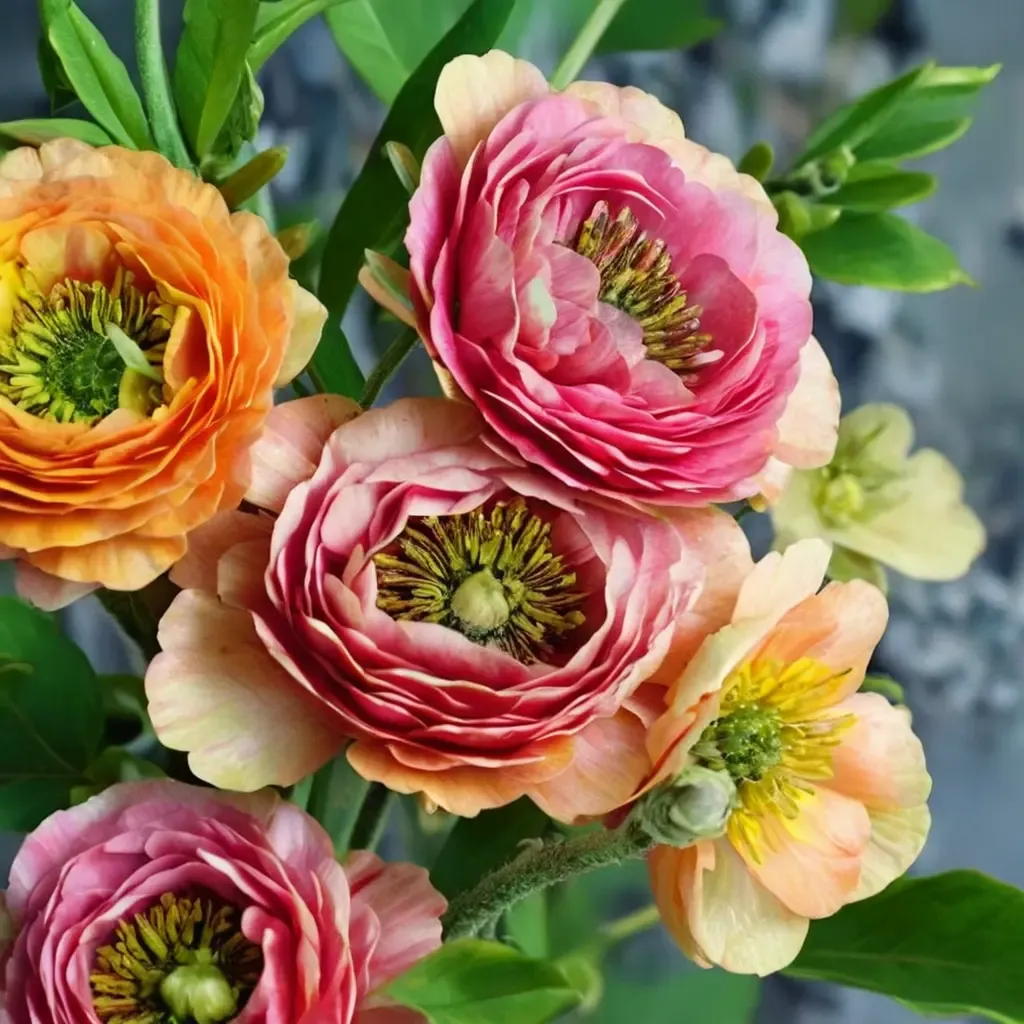
Greater Spearwort
Ranunculus lingua
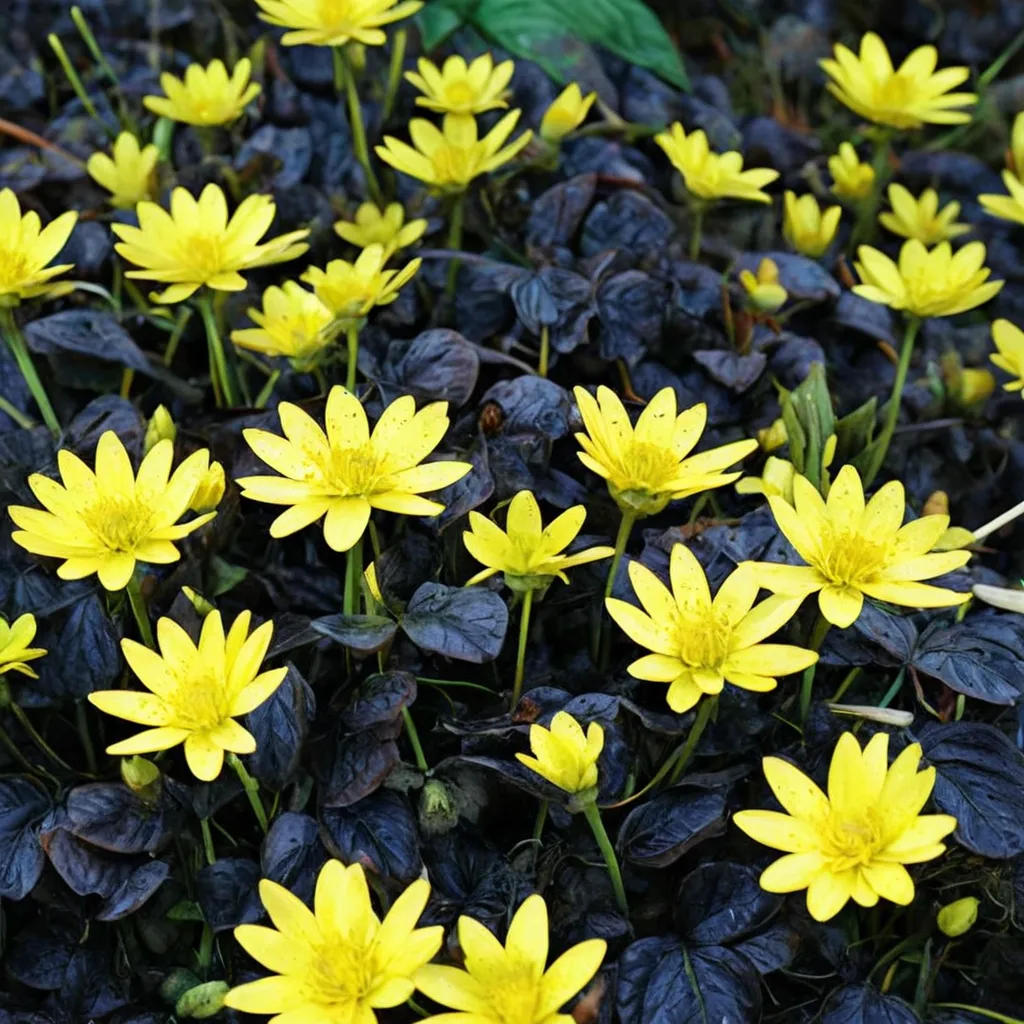
'Brazen Hussy' Lesser Celandine
Ranunculus ficaria 'Brazen Hussy'
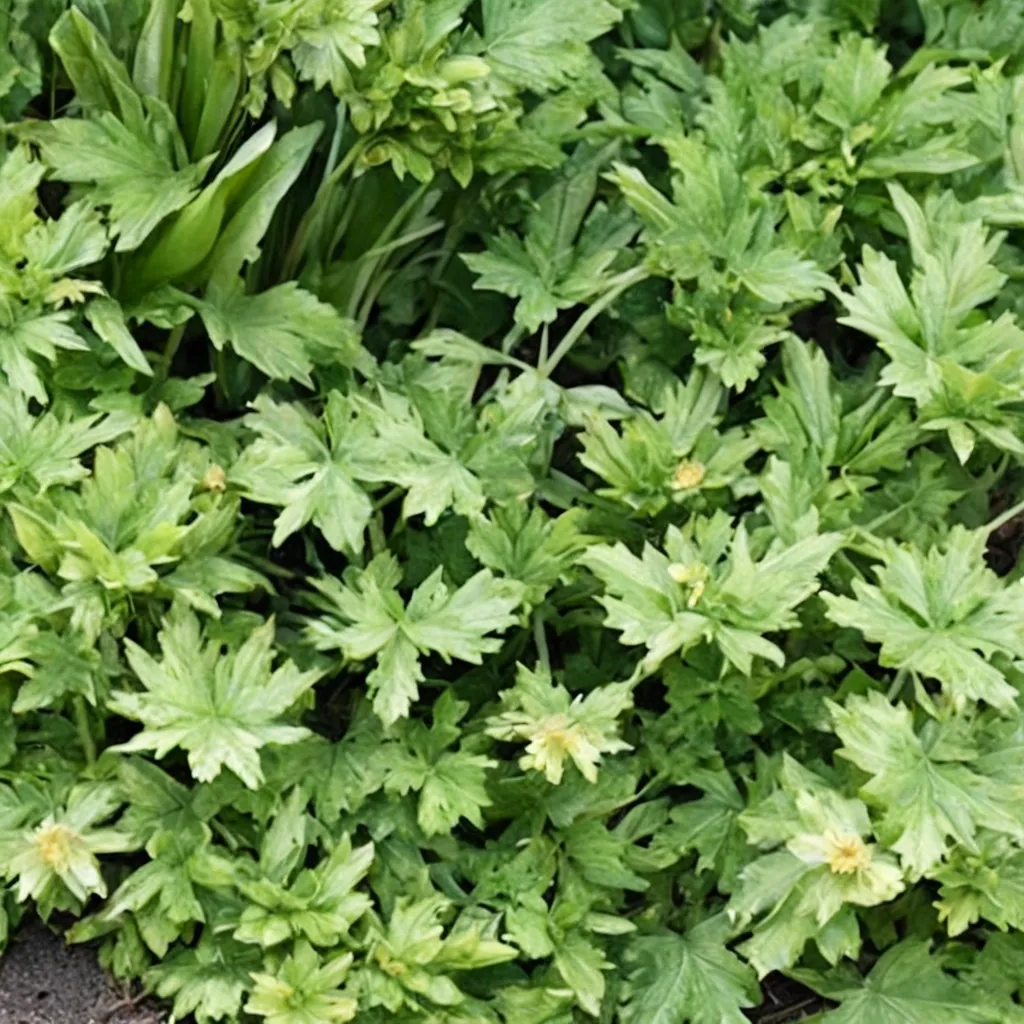
'Buttered Popcorn' Creeping Buttercup
Ranunculus repens 'Buttered Popcorn'
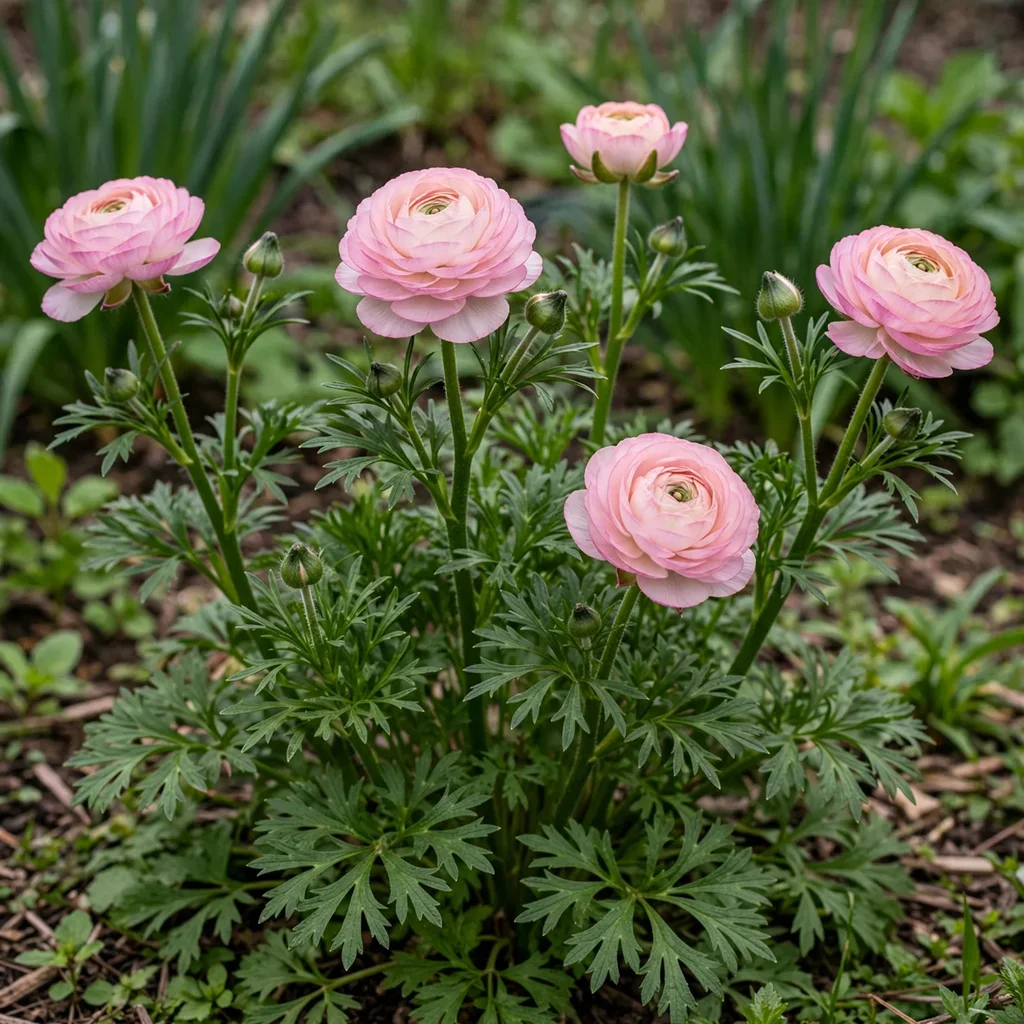
Persian Buttercup 'Amandine Pastel Pink'
Ranunculus asiaticus 'Amandine Pastel Pink'
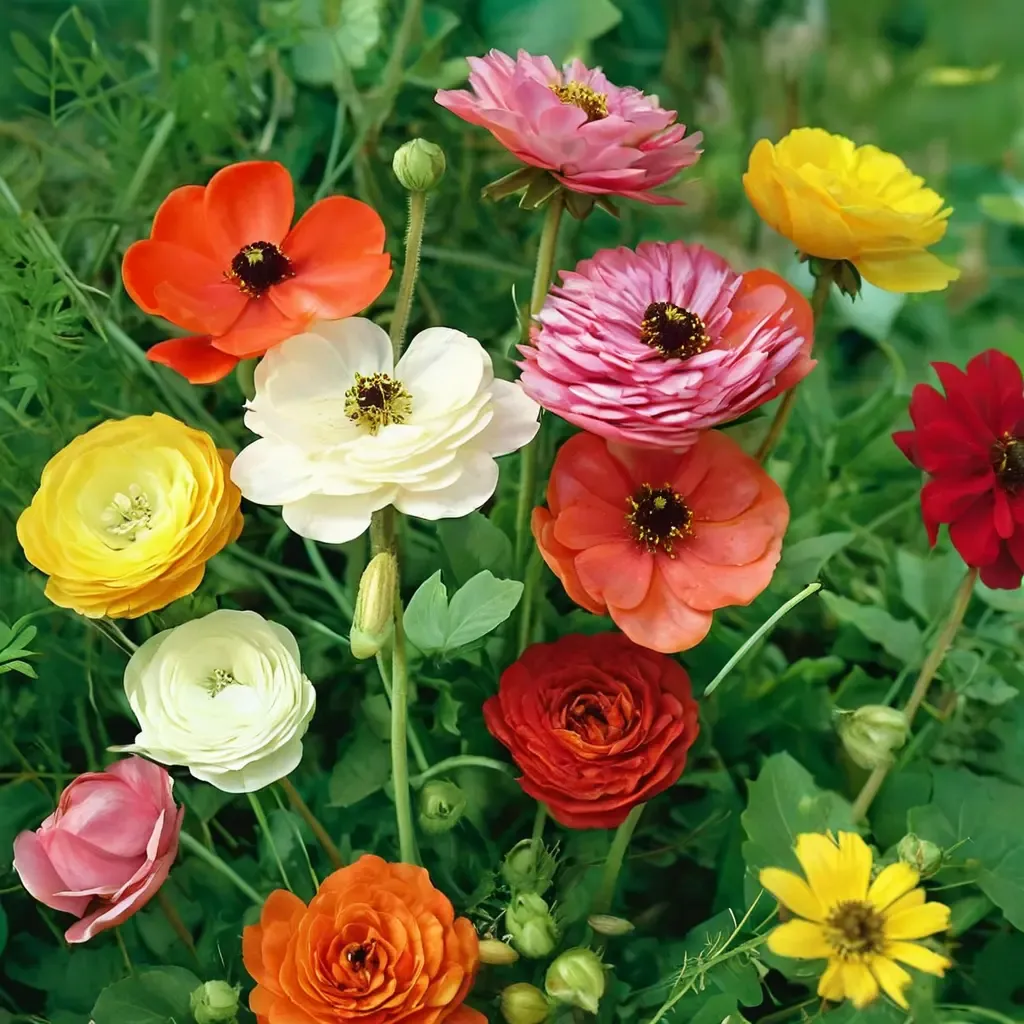
Persian Buttercup
Ranunculus asiaticus
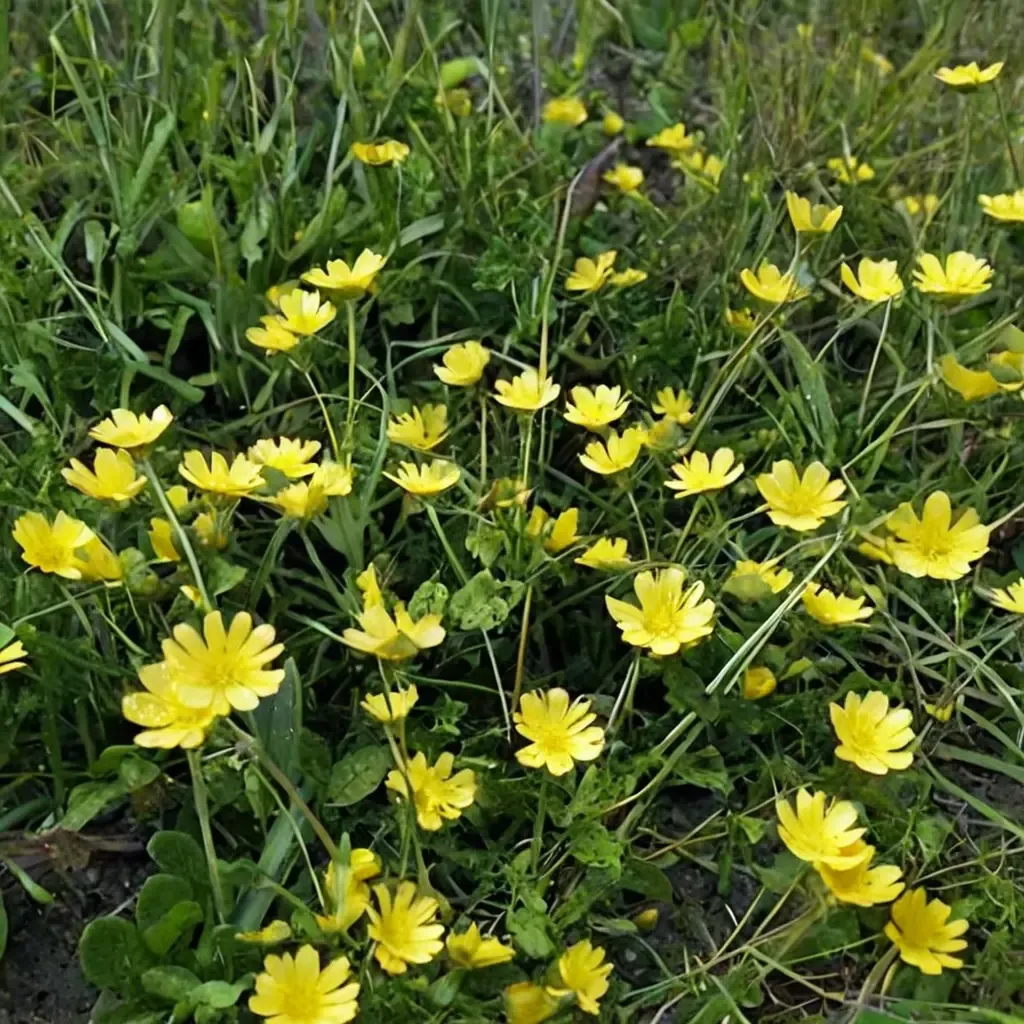
California Buttercup
Ranunculus californicus
Keep exploring
Explore the genus
Hardy in your zone?
Grow Straightbeak Buttercup with confidence
See it in a design of your actual yard, get zone-matched care reminders, and track it season by season in your garden journal.