The Story
Plant Bio
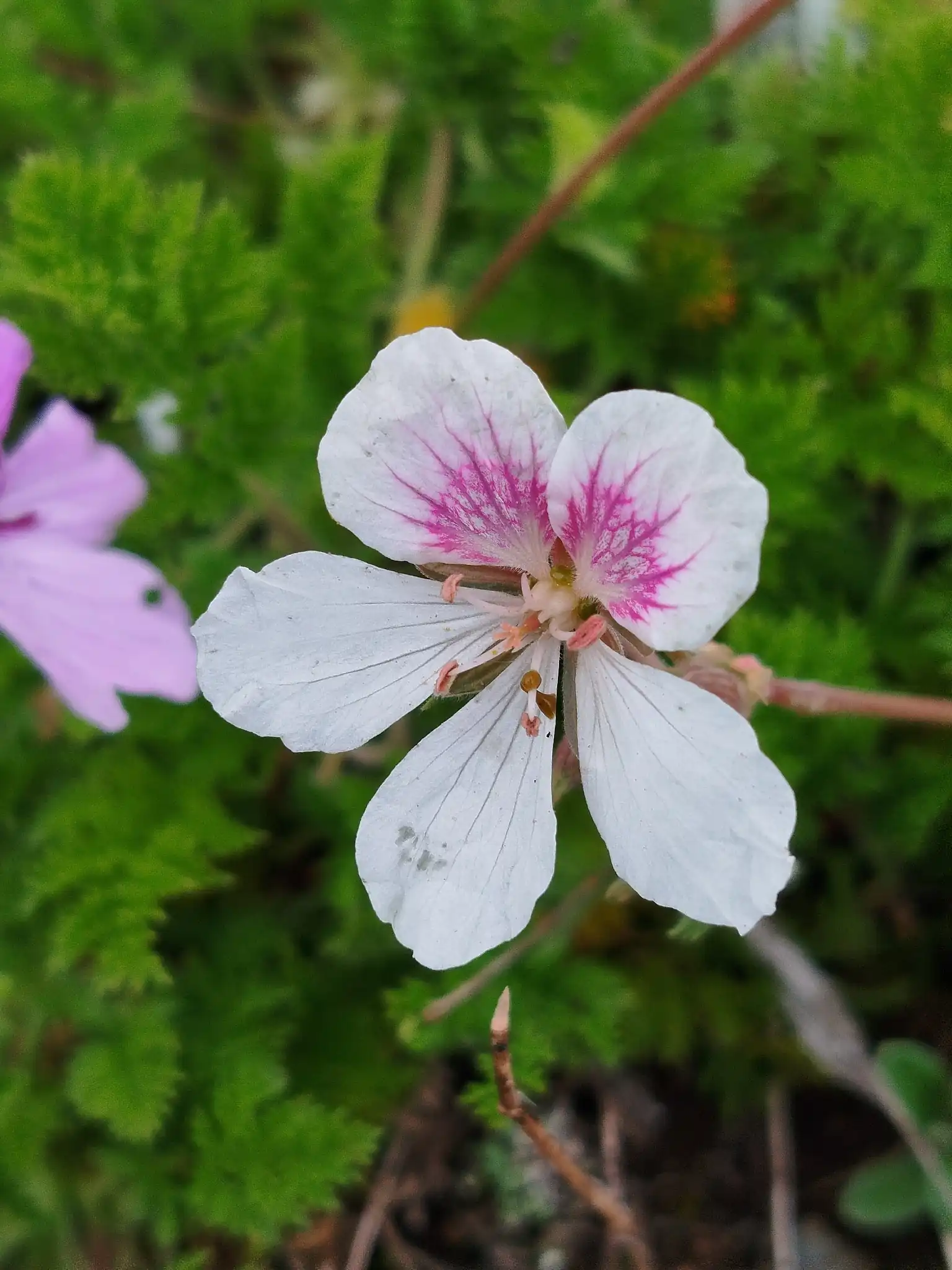
Erodium glandulosum is a low tufted perennial from the Pyrenees, forming a compact mound of much-dissected olive-green to silver-green leaves. Wiry stems hold loose sprays of small orchid-like flowers above the foliage from late spring through summer.
Each 1-inch bloom is lilac-pink with dark veining and violet-black eyes on the upper two petals. It holds as an evergreen mound in mild winters but fails quickly where the crown stays wet, so sharp drainage matters more than cold protection.
Uses & Benefits:
Essentials
At a Glance
Plant Type
Groundcover
Height
8"
Width
12"
Light
Full Sun
Zones
4, 5, 6, 7, 8, 9
Water
Low
Humidity
Unknown
Lifespan
Perennial
Native To
Pyrenees (France and Spain)
Toxicity
Non-toxic
Bloom period
Late spring – Fall
In flower about 7 months of the year
Planting
How to Grow
- Set in full sun in gritty humus-rich loam or sand with neutral to alkaline pH.
- Plant at or slightly above grade to keep the crown out of standing water.
- Water sparingly once established and keep dry in winter.
- Remove dead stems in spring and deadhead to extend bloom into fall.
Pro Tip
Plant high in gritty alkaline soil and keep the crown dry in winter; standing water kills it long before cold does.
Keep It Thriving
Care Guide
Do
- Give full sun and sharp drainage
- Keep the crown dry in winter
- Deadhead spent sprays to extend bloom
Don't
- Do not overwater in summer or winter
- Do not cut back into old leafless wood
- Do not plant in heavy wet clay
Seasonal Care Calendar
| Task | Jan | Feb | Mar | Apr | May | Jun | Jul | Aug | Sep | Oct | Nov | Dec |
|---|---|---|---|---|---|---|---|---|---|---|---|---|
| Deadhead | ||||||||||||
| Pest Check | ||||||||||||
| Plant | ||||||||||||
| Spring Cleanup | ||||||||||||
| Winter Prep |
Watch Out For
Pests & Diseases
Common Pests
Common Diseases
In the Garden
Landscape Uses & Companions
Landscape Uses
Multiply
Propagation Methods
Good to Know
Common Questions
Black-Eyed Heron's Bill questions
What zones can Black-Eyed Heron's Bill grow in?
Black-Eyed Heron's Bill is hardy in USDA Zones 4–9: in that range it survives winter in the ground. Warmer than Zone 9, winter isn't the problem: it prefers colder winters, and summer heat can shorten its life.
When does Black-Eyed Heron's Bill bloom?
Black-Eyed Heron's Bill typically blooms from late spring to late fall. Exact timing shifts a week or two with your zone — Sow's bloom calendar maps it to your garden.
Does Black-Eyed Heron's Bill need full sun?
Black-Eyed Heron's Bill does best in full sun (6+ hours).
Is Black-Eyed Heron's Bill drought tolerant?
Yes — once established (usually after the first full season), Black-Eyed Heron's Bill handles dry spells with minimal watering. Water deeply its first year to build the root system that makes that possible.
More Erodium to compare
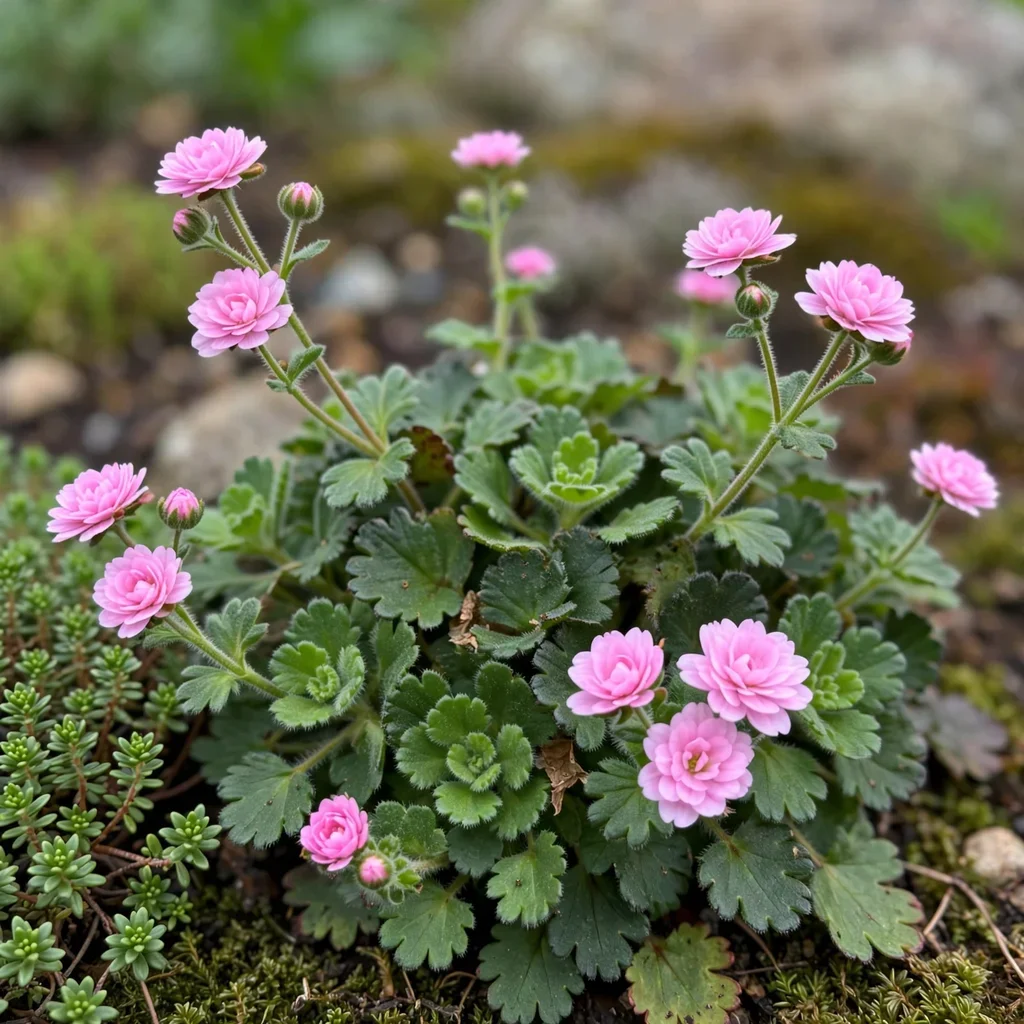
Double-flowered Heron's Bill
Erodium reichardii 'Flore Pleno'
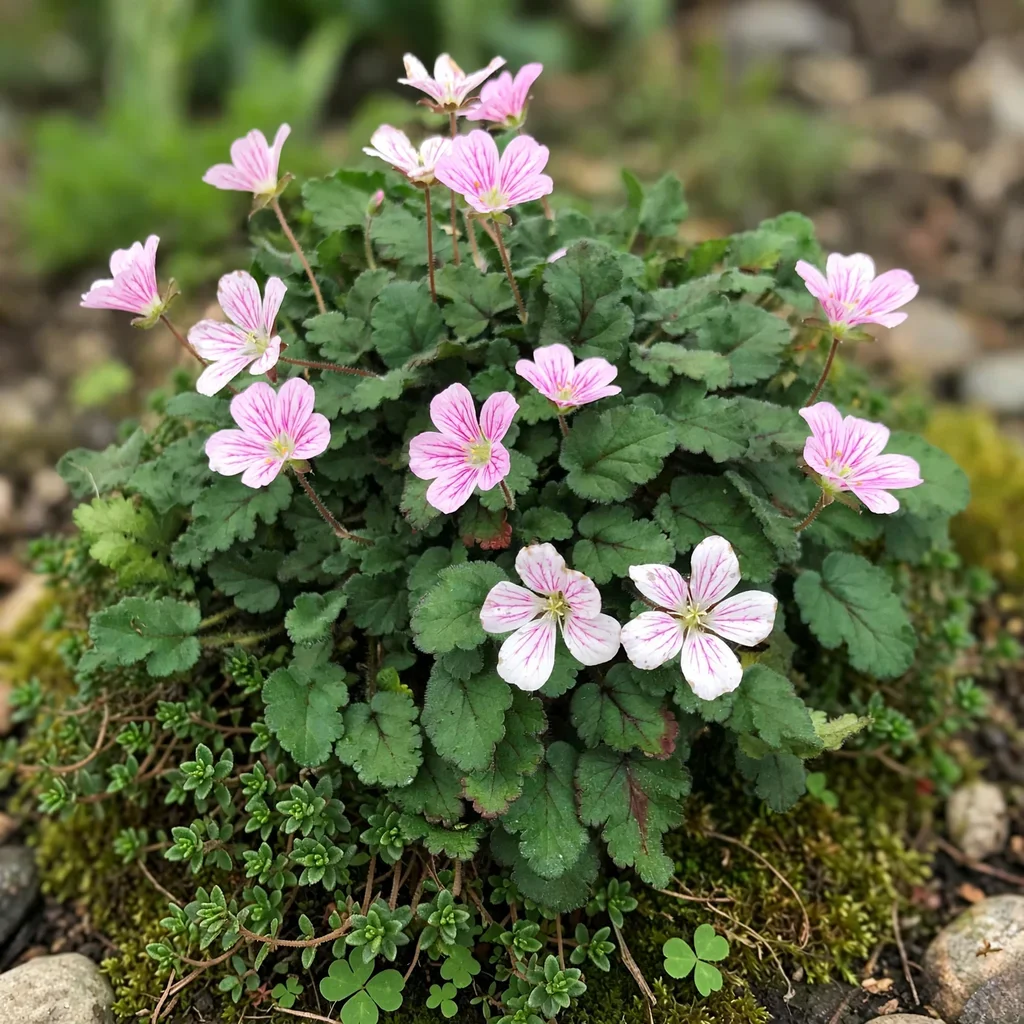
Charm Alpine Geranium
Erodium reichardii 'Charm'
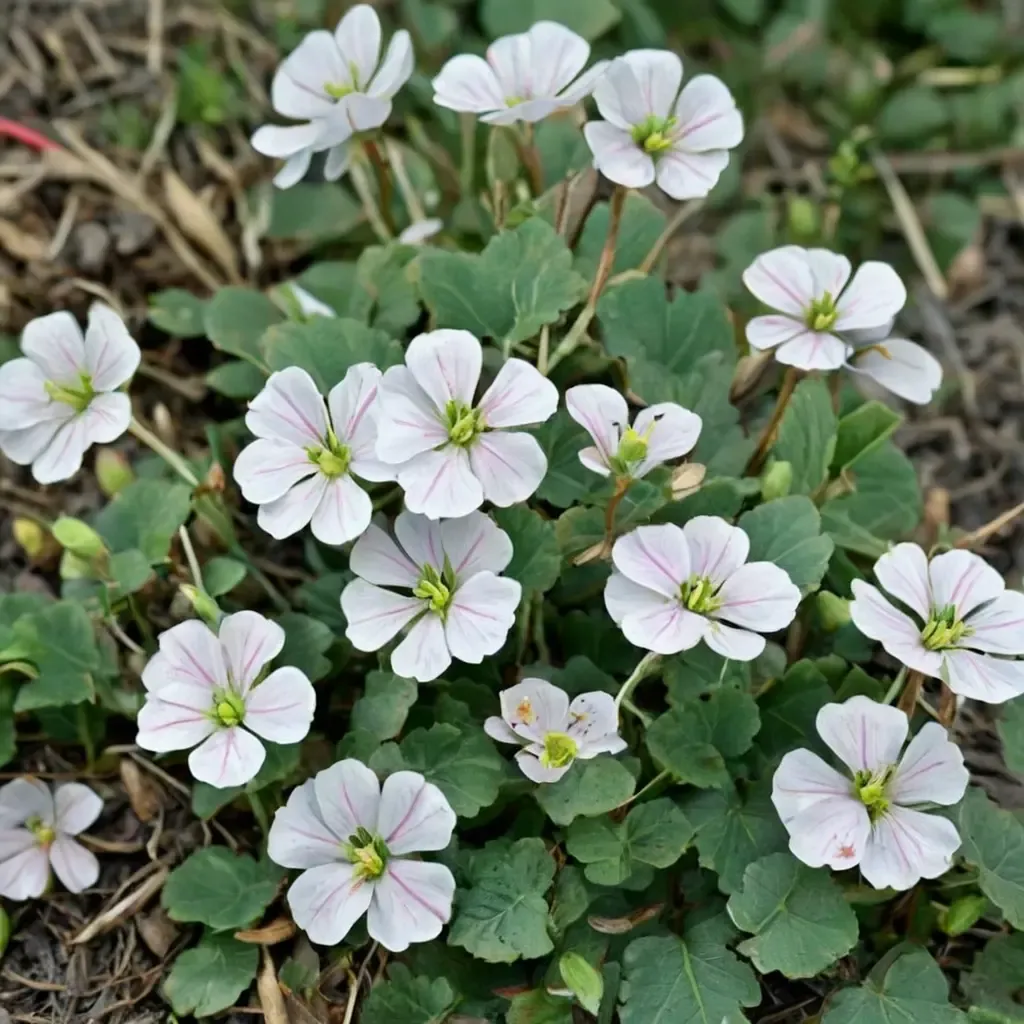
White Stork's Bill
Erodium reichardii 'Alba'
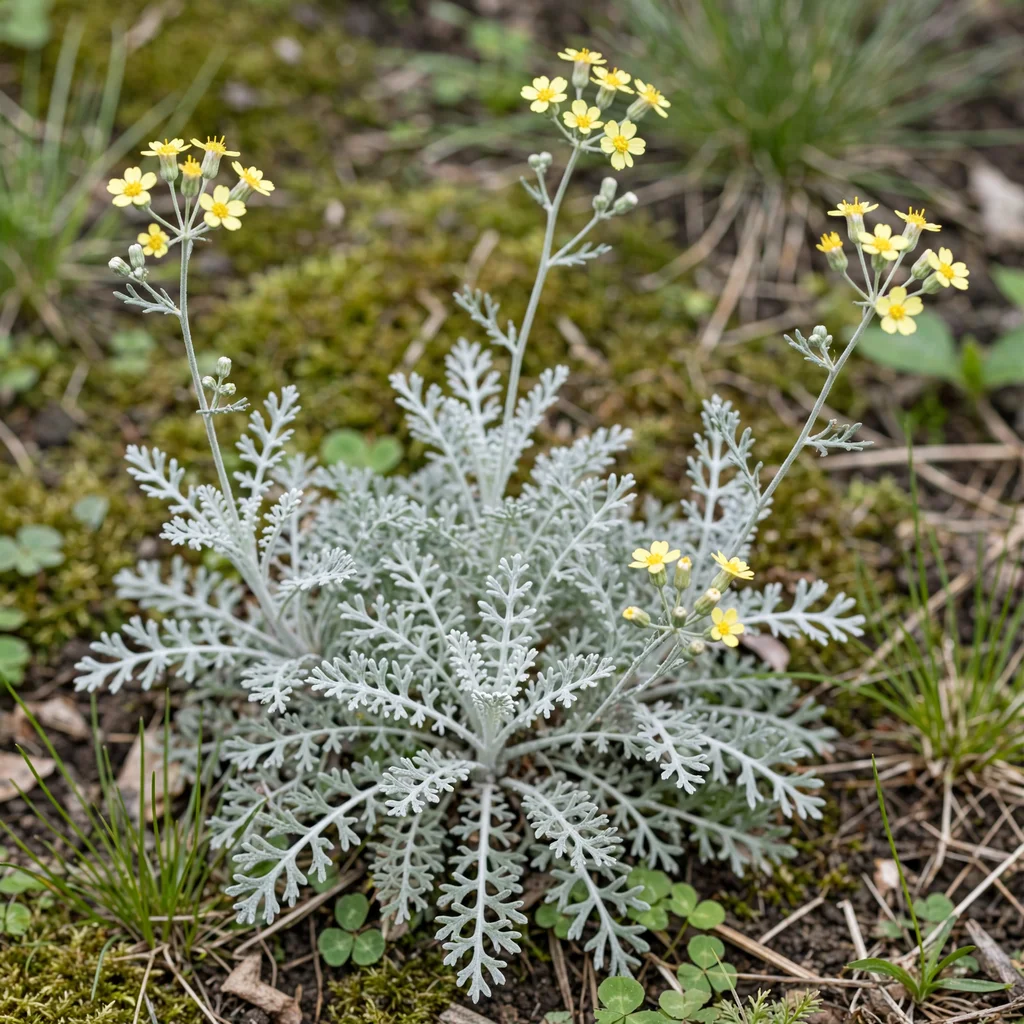
Silver Heronsbill
Erodium chrysanthum
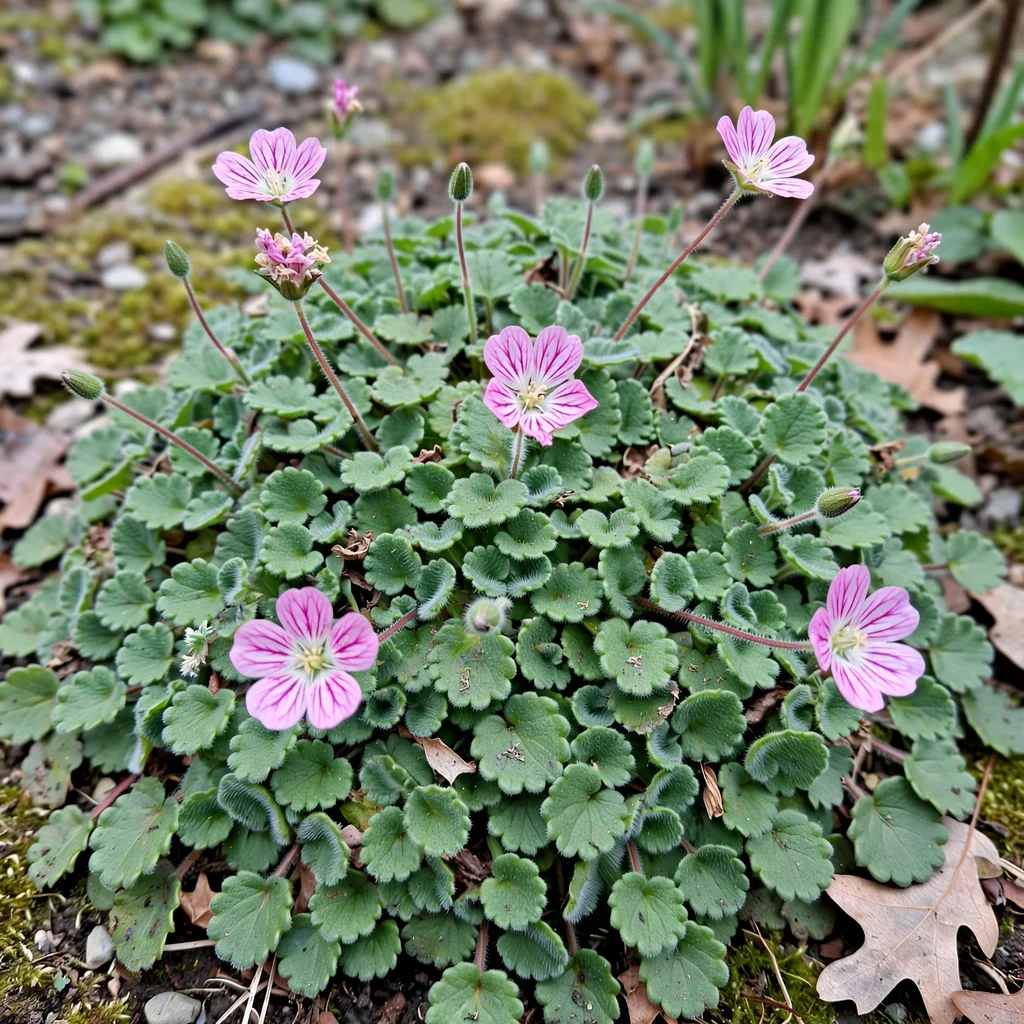
Heron's Bill
Erodium x variabile
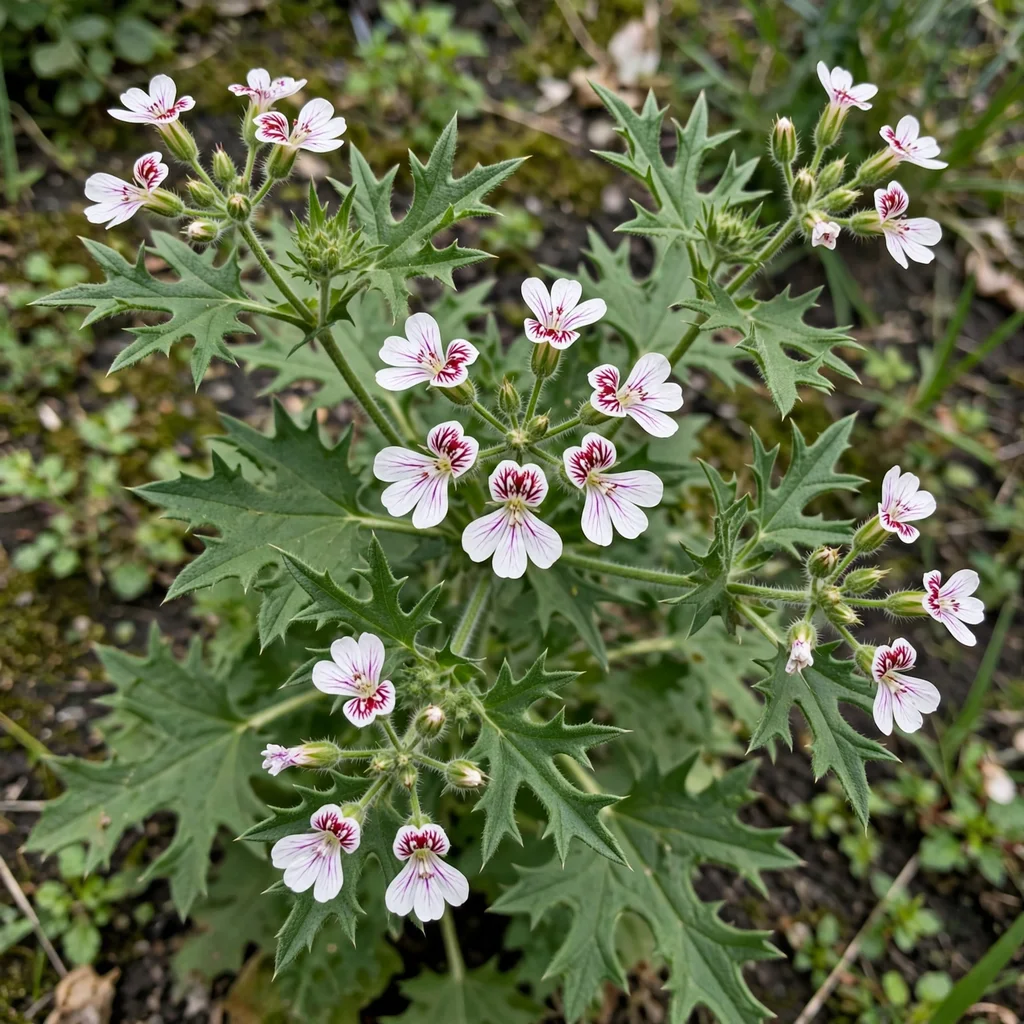
Pelargonium-Flowered Storksbill
Erodium pelargoniflorum
Keep exploring
Explore the genus
Grow Black-Eyed Heron's Bill with confidence
See it in a design of your actual yard, get zone-matched care reminders, and track it season by season in your garden journal.