The Story
Plant Bio
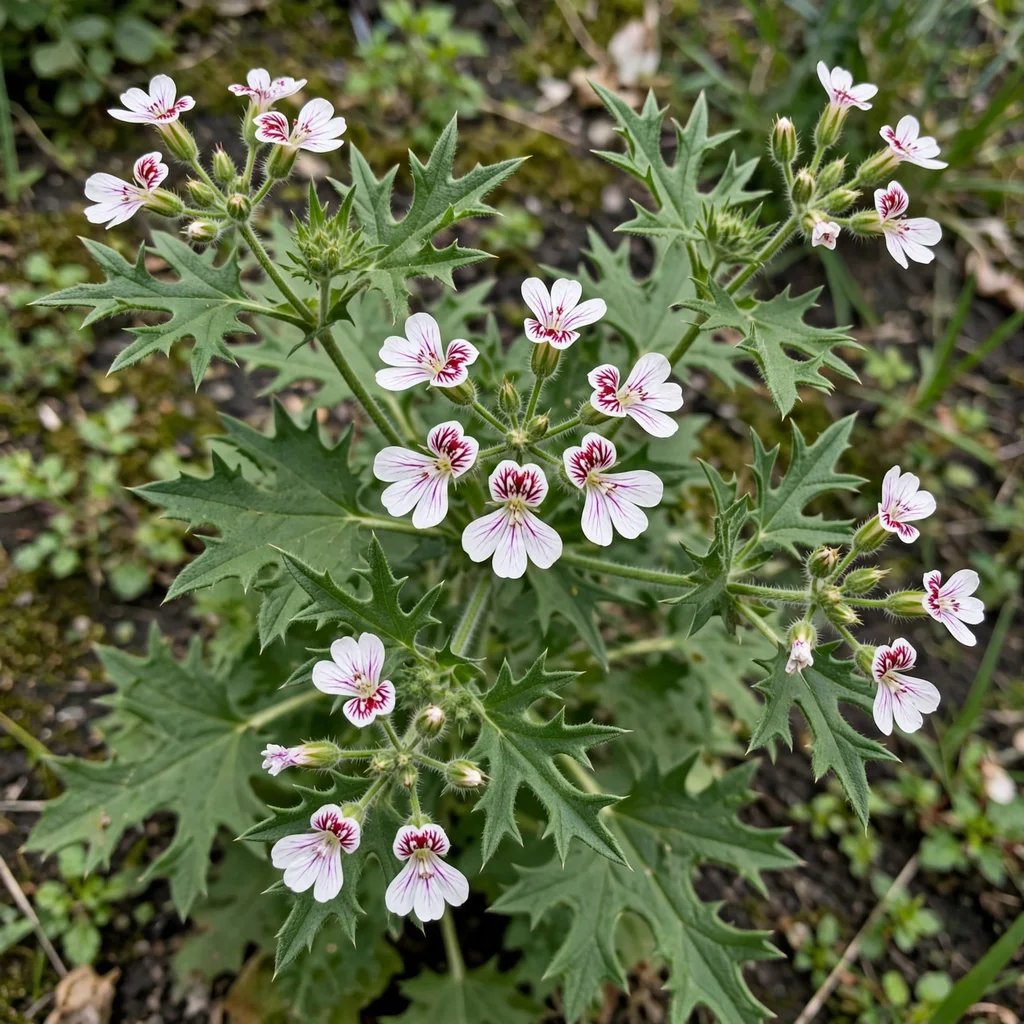
Erodium pelargoniflorum is a clump-forming perennial from Turkish limestone, forming a low prostrate cushion to 12 inches on a thick taproot that resents disturbance. Its soft apple-green leaves are heart-shaped, crinkled and sticky-haired, smelling of blackcurrant when crushed, and its short stems carry umbels of 6 to 8 nodding white flowers veined and spotted pink.
It is distinguished by apple-green, little-lobed ovate-cordate leaves and 1-inch flowers whose upper two petals carry a red-white-purple blotch with pink-purple rays. In the wild it develops a contorted woody trunk to 8 inches over black taproots, a structure cultivated plants rarely form, and many plants sold under this name are E. trifolium.
Uses & Benefits:
Essentials
At a Glance
Plant Type
Perennial
Height
12"
Width
10"
Light
Full Sun
Zones
6, 7, 8, 9
Water
Low
Humidity
Low
Lifespan
Perennial
Native To
Turkiye
Toxicity
Non-toxic
Bloom period
Spring – Fall
In flower about 9 months of the year
Planting
How to Grow
- Plant in full sun in light gritty loam with limestone rubble and sharp drainage.
- Set the crown at soil level and water in once, then water sparingly only when dry.
- Top-dress with grit, not organic mulch, to keep the crown dry.
- Deadhead spent umbels to extend bloom from spring to fall.
Pro Tip
Plant it once in gritty scree and leave the taproot alone; in hot-summer zones the top vanishes in heat and reseeds in cool weather, so do not dig it as dead.
Keep It Thriving
Care Guide
Do
- Grow in full sun with excellent drainage.
- Use chalky or sandy loam with added grit.
- Allow soil to dry between waterings once established.
Don't
- Do not overwater or plant in wet winter soil.
- Do not disturb or divide the taproot.
- Do not cut back into old woody growth.
Seasonal Care Calendar
| Task | Jan | Feb | Mar | Apr | May | Jun | Jul | Aug | Sep | Oct | Nov | Dec |
|---|---|---|---|---|---|---|---|---|---|---|---|---|
| Deadhead | ||||||||||||
| Pest Check | ||||||||||||
| Plant | ||||||||||||
| Propagate | ||||||||||||
| Winter Prep |
Watch Out For
Pests & Diseases
Common Pests
Common Diseases
In the Garden
Landscape Uses & Companions
Landscape Uses
Multiply
Propagation Methods
Good to Know
Common Questions
Pelargonium-Flowered Storksbill questions
What zones can Pelargonium-Flowered Storksbill grow in?
Pelargonium-Flowered Storksbill is hardy in USDA Zones 6–9: in that range it survives winter in the ground. Colder than Zone 6, grow it in a container you can move to shelter for the winter, or as an annual. Warmer than Zone 9, winter isn't the problem: it prefers colder winters, and summer heat can shorten its life.
When does Pelargonium-Flowered Storksbill bloom?
Pelargonium-Flowered Storksbill typically blooms from spring to fall. Exact timing shifts a week or two with your zone — Sow's bloom calendar maps it to your garden.
Does Pelargonium-Flowered Storksbill need full sun?
Pelargonium-Flowered Storksbill does best in full sun (6+ hours).
Is Pelargonium-Flowered Storksbill drought tolerant?
Yes — once established (usually after the first full season), Pelargonium-Flowered Storksbill handles dry spells with minimal watering. Water deeply its first year to build the root system that makes that possible.
More Erodium to compare
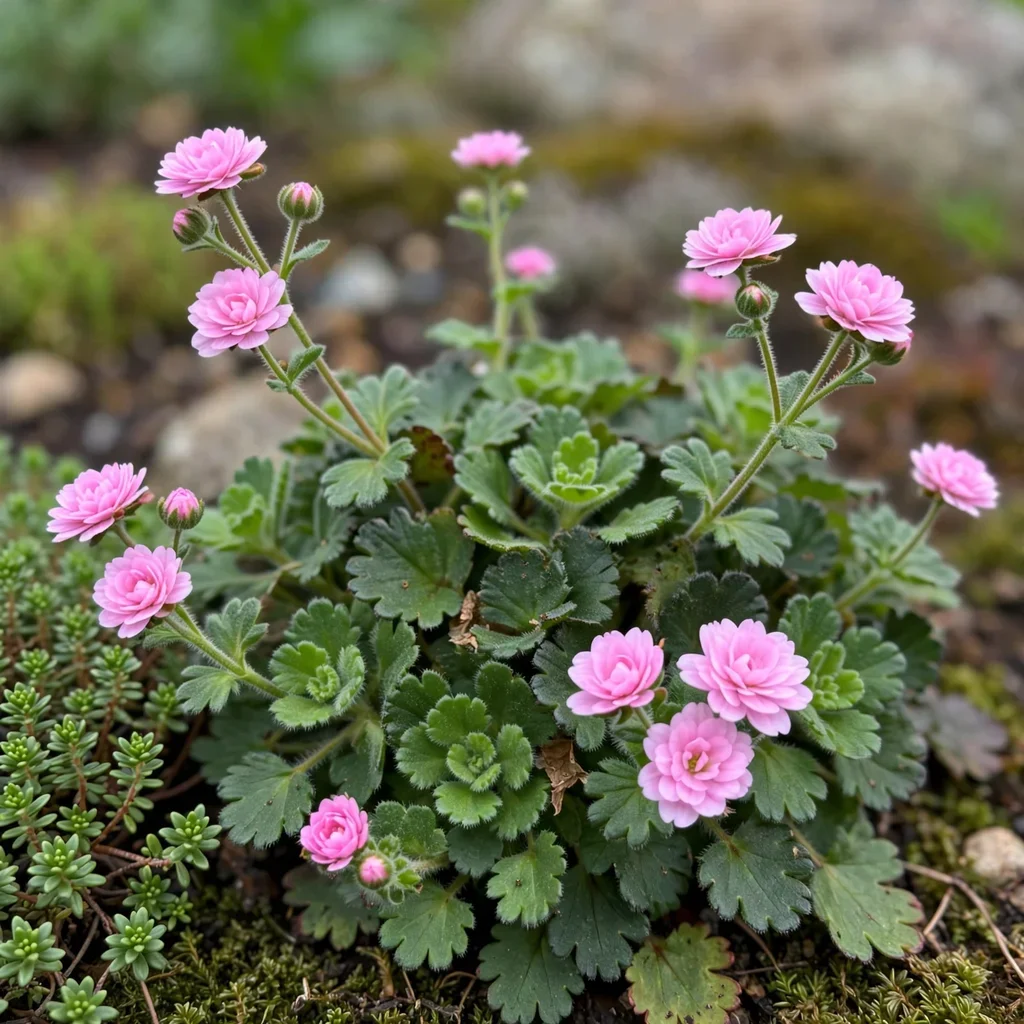
Double-flowered Heron's Bill
Erodium reichardii 'Flore Pleno'
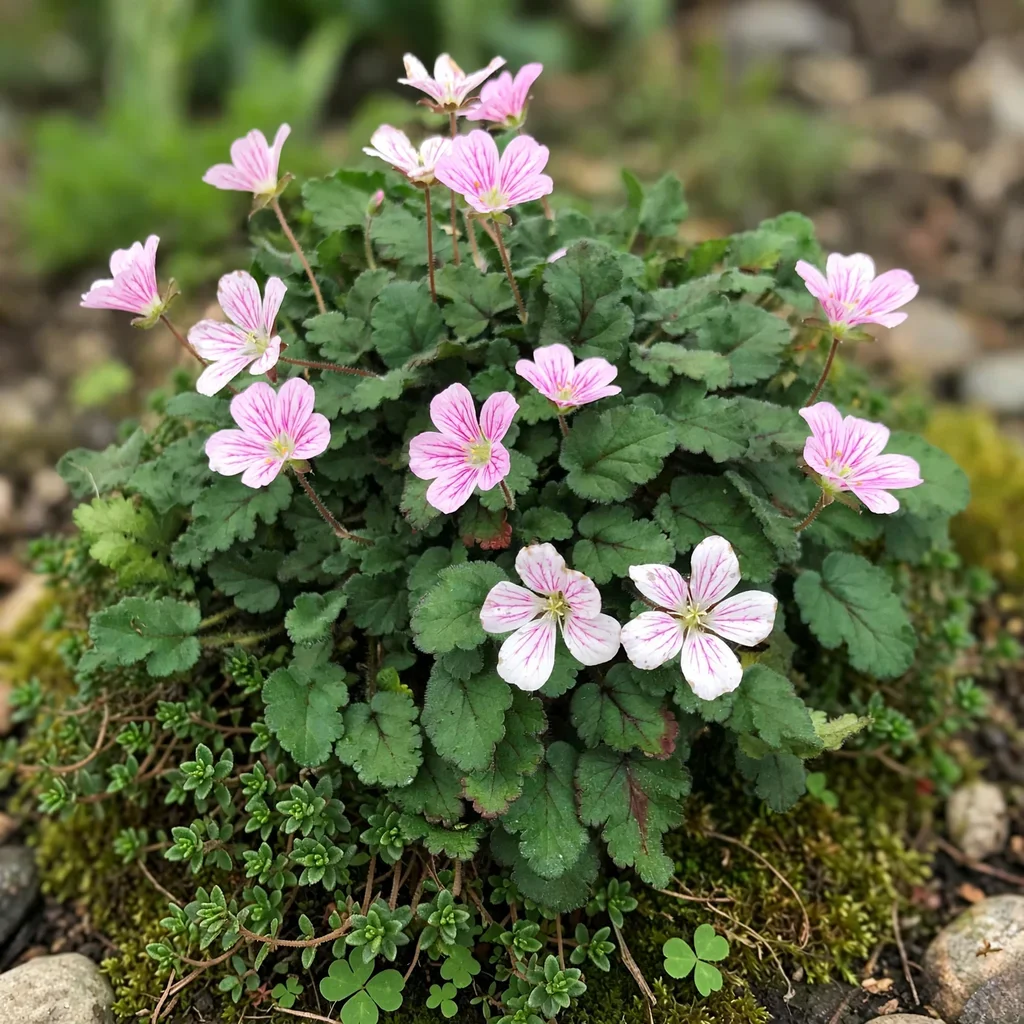
Charm Alpine Geranium
Erodium reichardii 'Charm'
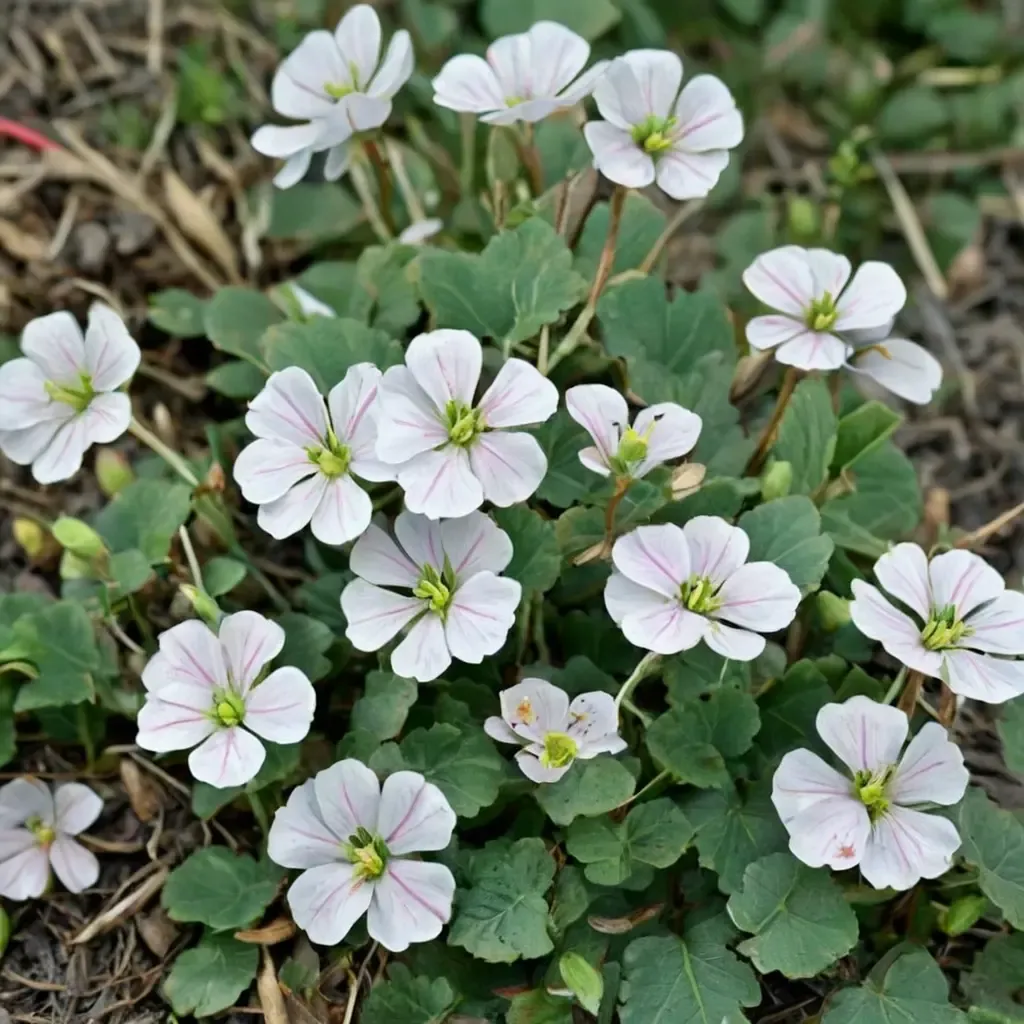
White Stork's Bill
Erodium reichardii 'Alba'
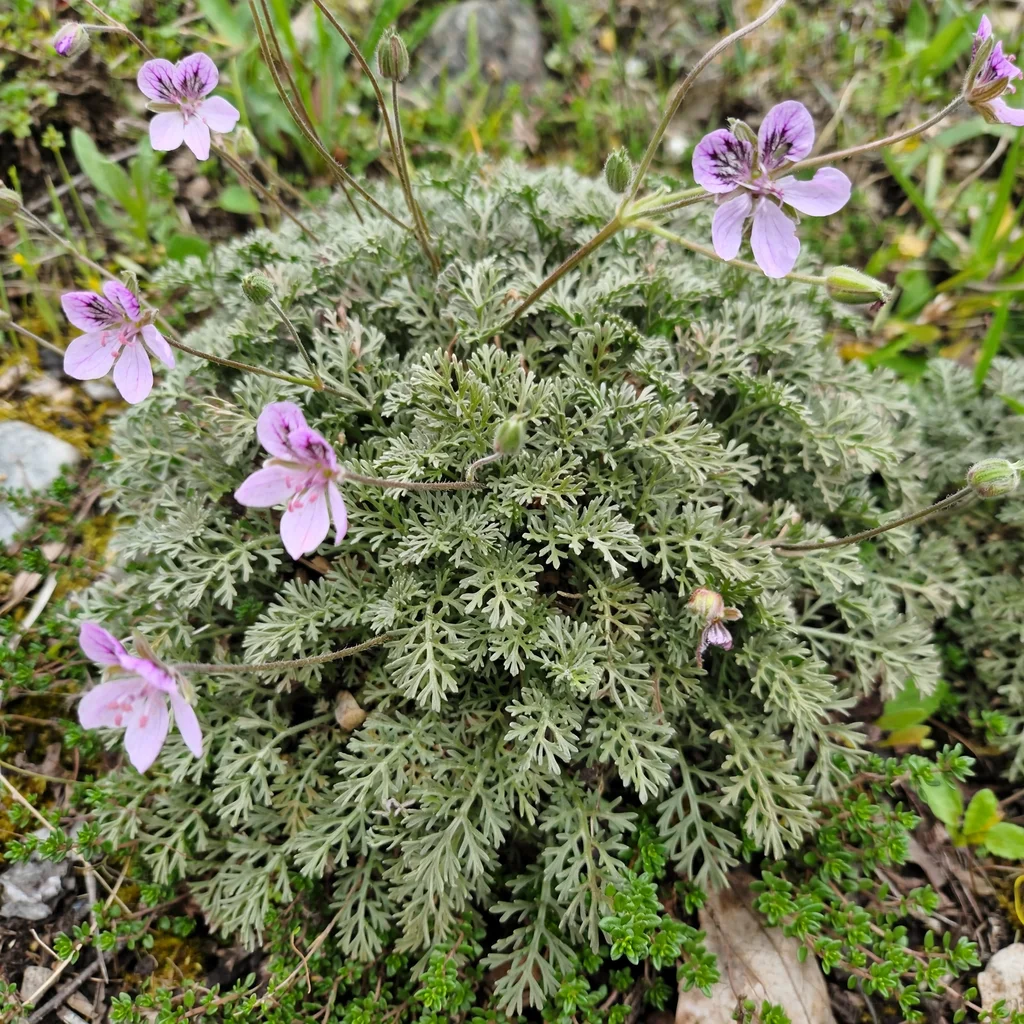
Black-Eyed Heron's Bill
Erodium glandulosum
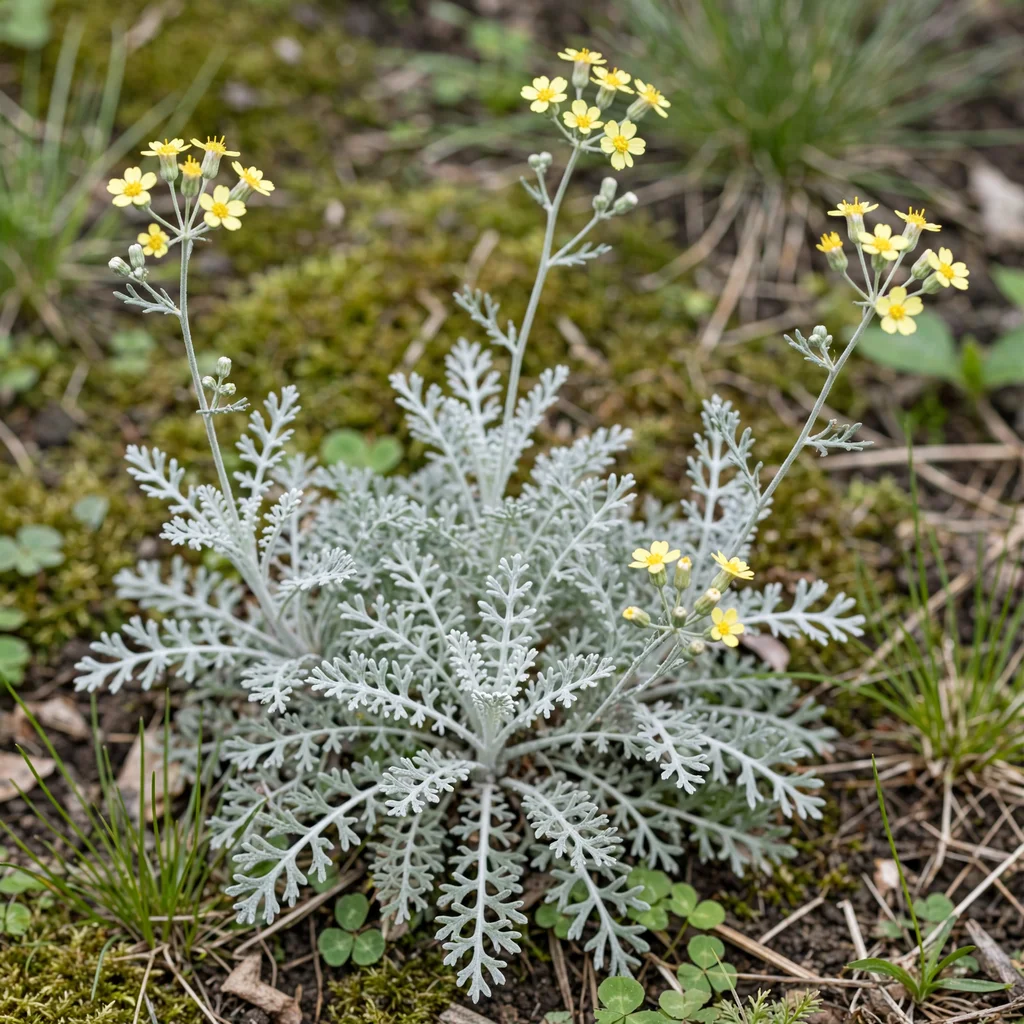
Silver Heronsbill
Erodium chrysanthum
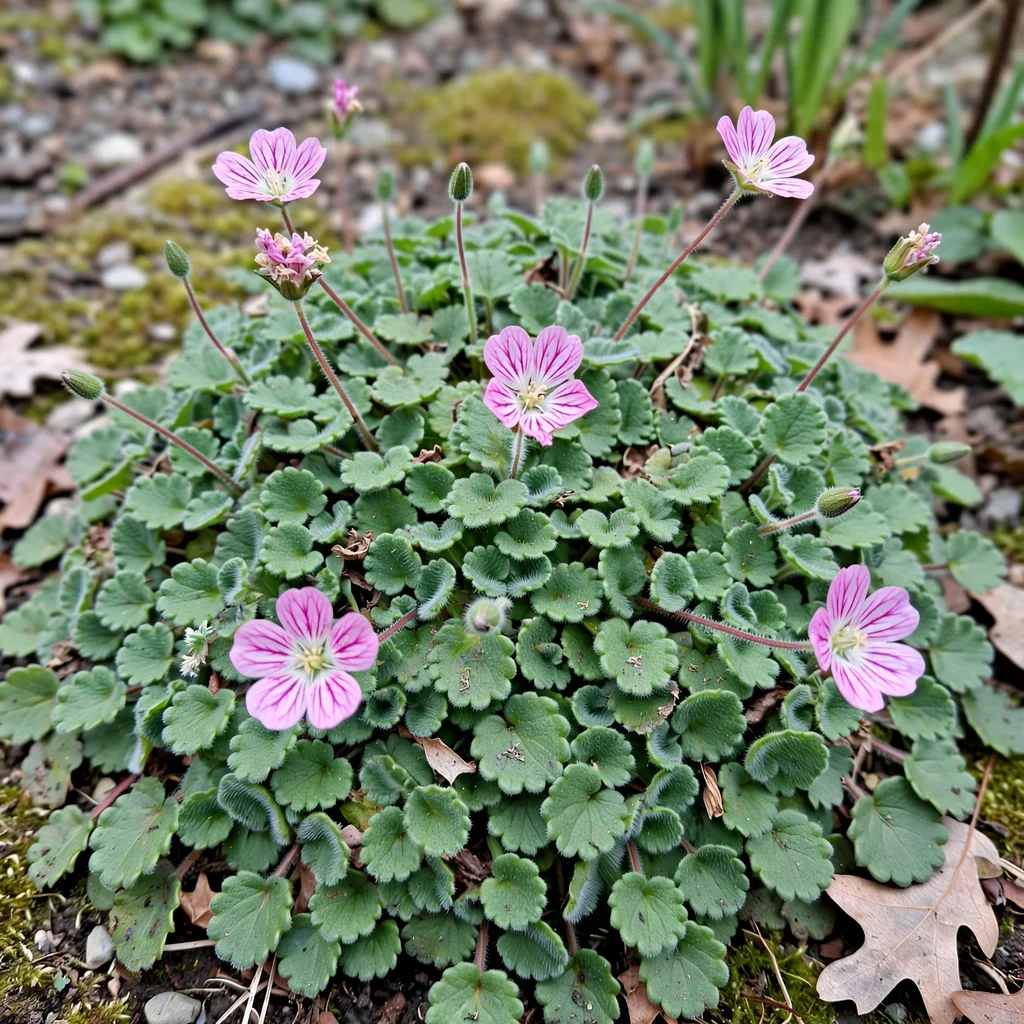
Heron's Bill
Erodium x variabile
Keep exploring
Explore the genus
Hardy in your zone?
Grow Pelargonium-Flowered Storksbill with confidence
See it in a design of your actual yard, get zone-matched care reminders, and track it season by season in your garden journal.