The Story
Plant Bio
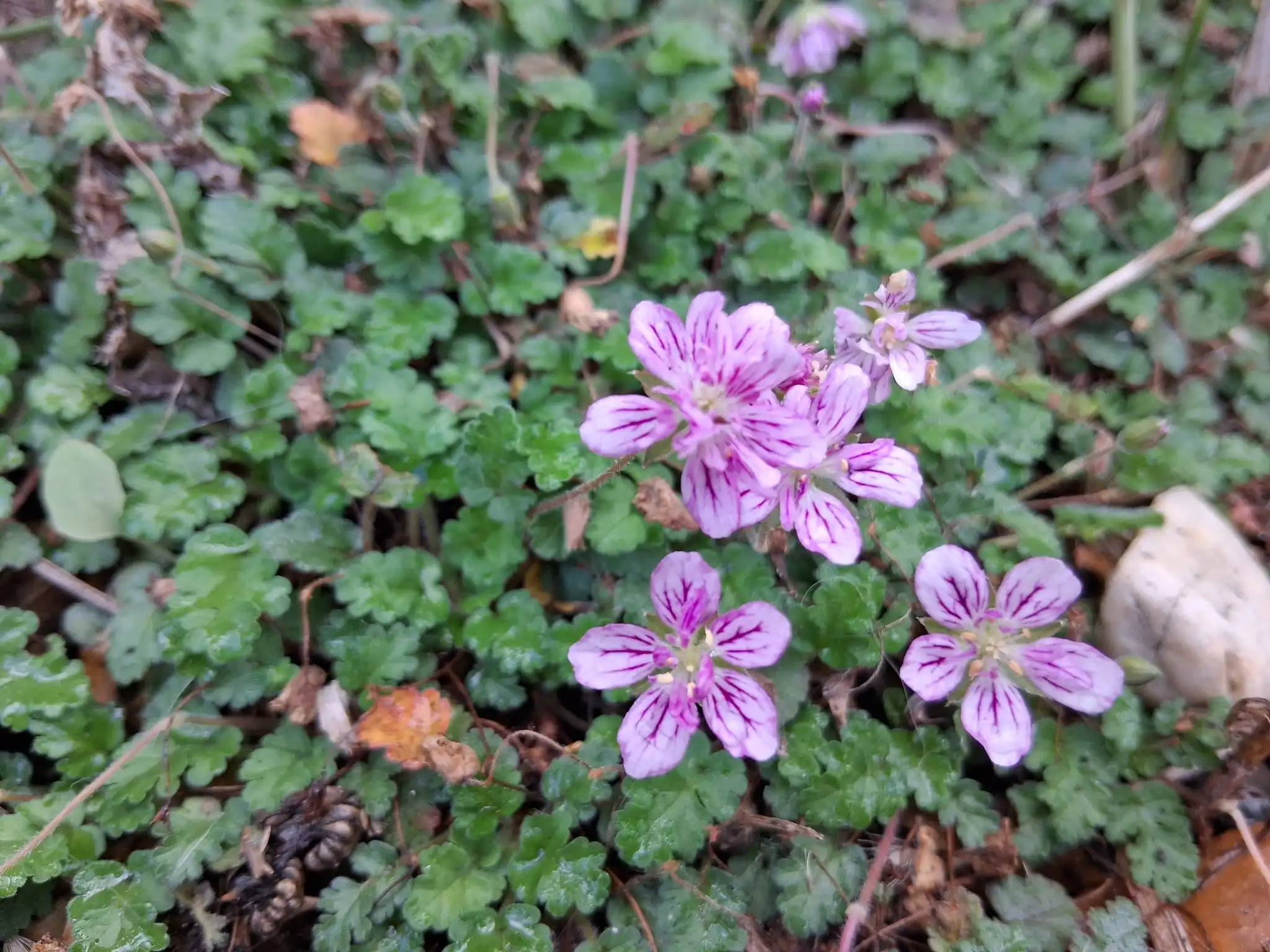
Erodium x variabile is a garden hybrid in the geranium family that forms a low evergreen mound 2 to 6 inches high and 10 to 12 inches wide, with small rounded hairy leaves with crenate margins. The flowers are small five-petaled cups in clusters at the stem ends, opening from late spring to early fall when spent heads are removed.
It is not a wild species but a 1980 cross of E. corsicum by E. reichardii, intermediate between its Corsican-Sardinian and Balearic parents, with E. corsicum as the seed parent. Named selections hold color and size true: pink with a yellow eye and hot-pink veins in Bishop's Form and Roseum, white in Album, and double pink rosettes in Flore Pleno.
Uses & Benefits:
Essentials
At a Glance
Plant Type
Perennial
Height
4"
Width
12"
Light
Full Sun, Partial Sun
Zones
5, 6, 7, 8, 9
Water
Moderate
Humidity
Average
Lifespan
Perennial
Native To
Garden hybrid; parents from Corsica, Sardinia and Balearic Islands
Toxicity
Unknown
Bloom period
Late spring – Early fall
In flower about 5 months of the year
Planting
How to Grow
- Plant in full sun with at least 6 hours direct sun, in stony to sandy free-draining soil.
- Set the crown level or slightly high so water drains away from the foliage.
- Water to settle in, then keep evenly moist but never wet; reduce water once rooted.
- Deadhead spent clusters through summer to keep new buds forming to fall.
- Give air circulation and no winter mulch against the crown to prevent rot.
Pro Tip
Set the crown slightly high in gritty free-draining soil and shear off spent flowers; standing winter wet rots the cushion faster than cold does.
Keep It Thriving
Care Guide
Do
- Plant in sharp drainage with grit or sand worked through the top inches
- Deadhead spent flowers to extend bloom
- Allow soil to dry between waterings once established
Don't
- Do not plant in heavy wet soil that holds winter water
- Do not overfertilize or grow in rich moisture-retentive mixes
- Do not cut hard into old woody stems
Seasonal Care Calendar
| Task | Jan | Feb | Mar | Apr | May | Jun | Jul | Aug | Sep | Oct | Nov | Dec |
|---|---|---|---|---|---|---|---|---|---|---|---|---|
| Deadhead | ||||||||||||
| Pest Check | ||||||||||||
| Plant | ||||||||||||
| Propagate | ||||||||||||
| Winter Prep |
Watch Out For
Pests & Diseases
Common Pests
Common Diseases
In the Garden
Landscape Uses & Companions
Landscape Uses
Multiply
Propagation Methods
Good to Know
Common Questions
Heron's Bill questions
What zones can Heron's Bill grow in?
Heron's Bill is hardy in USDA Zones 5–9: in that range it survives winter in the ground. Colder than Zone 5, grow it in a container you can move to shelter for the winter, or as an annual. Warmer than Zone 9, winter isn't the problem: it prefers colder winters, and summer heat can shorten its life.
Is Heron's Bill deer resistant?
Yes — Heron's Bill is rated deer-resistant. Deer typically pass it over, though extreme hunger can override any plant's defenses.
When does Heron's Bill bloom?
Heron's Bill typically blooms from late spring to early fall. Exact timing shifts a week or two with your zone — Sow's bloom calendar maps it to your garden.
Does Heron's Bill need full sun?
Heron's Bill does best in full sun to part shade. In hot climates, afternoon shade keeps blooms fresher longer.
Is Heron's Bill drought tolerant?
Yes — once established (usually after the first full season), Heron's Bill handles dry spells with minimal watering. Water deeply its first year to build the root system that makes that possible.
More Erodium to compare
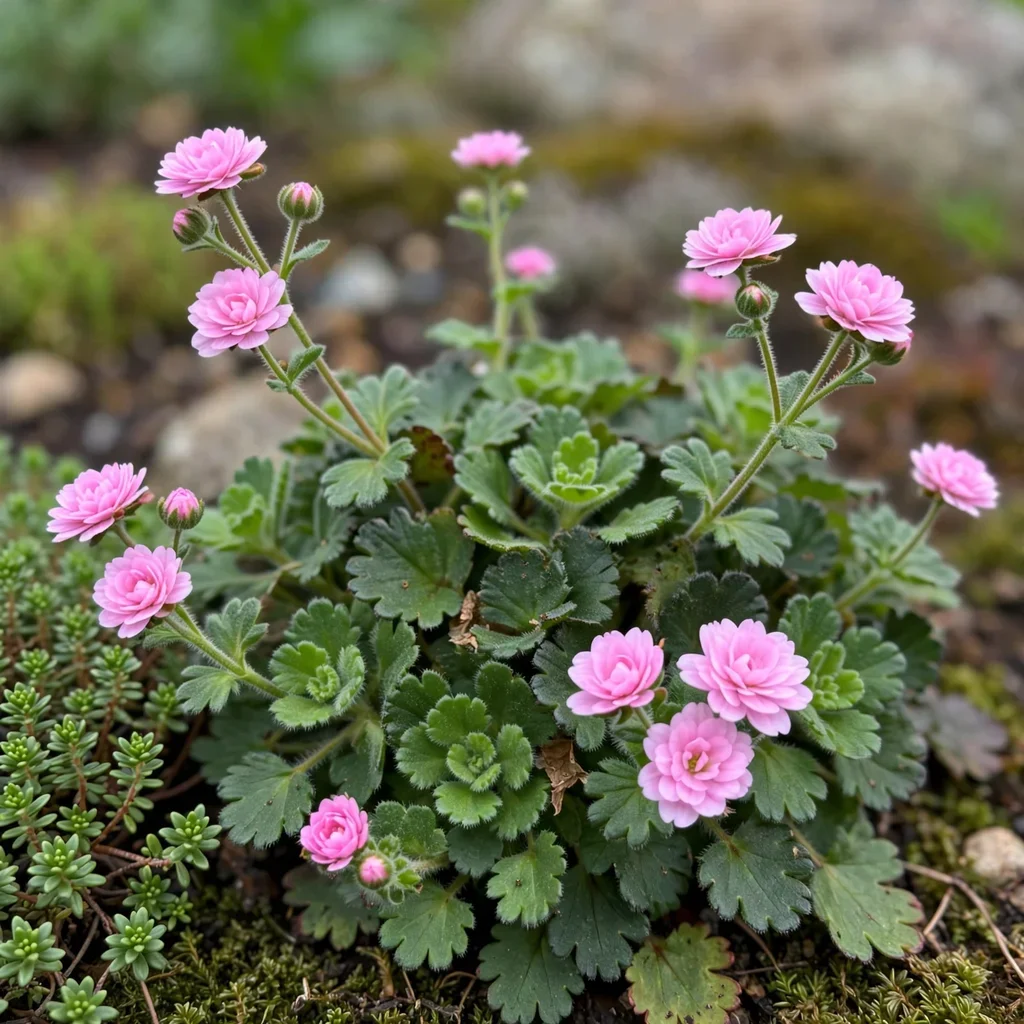
Double-flowered Heron's Bill
Erodium reichardii 'Flore Pleno'
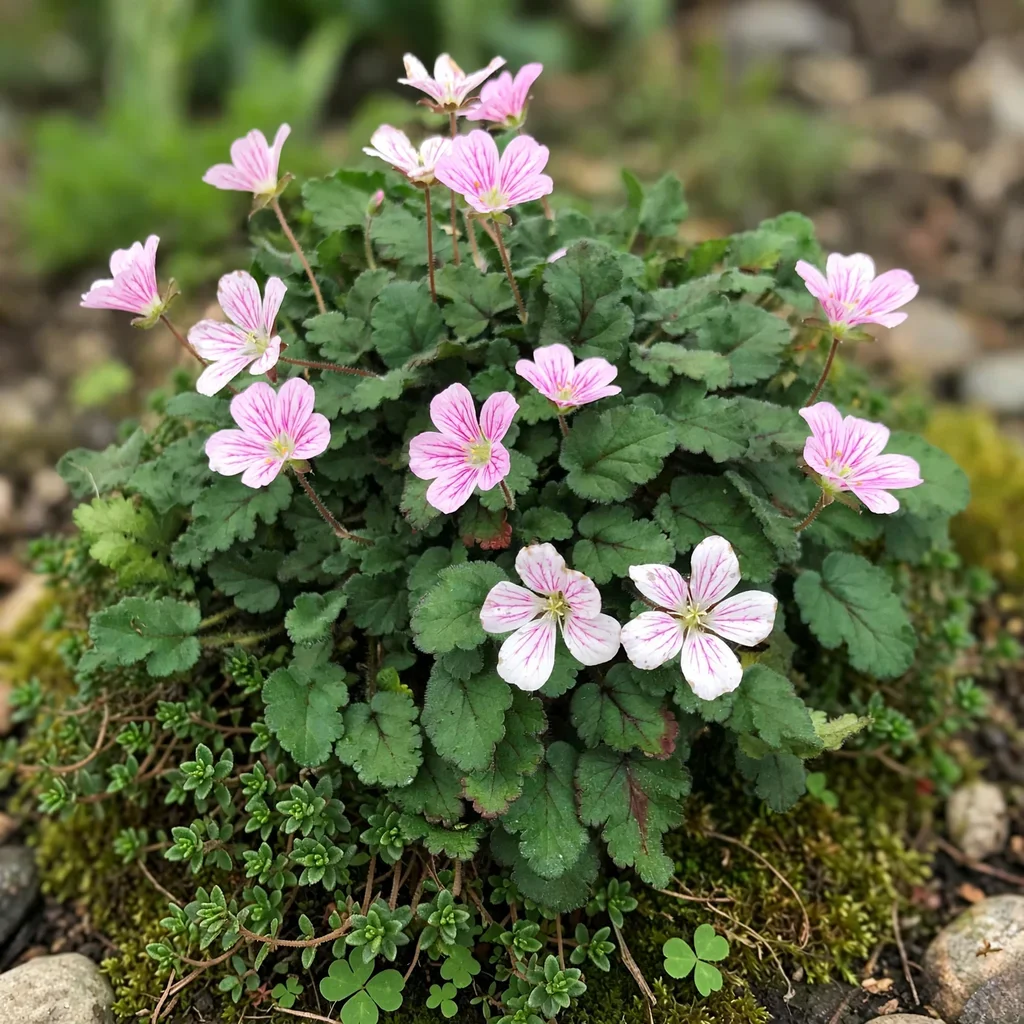
Charm Alpine Geranium
Erodium reichardii 'Charm'
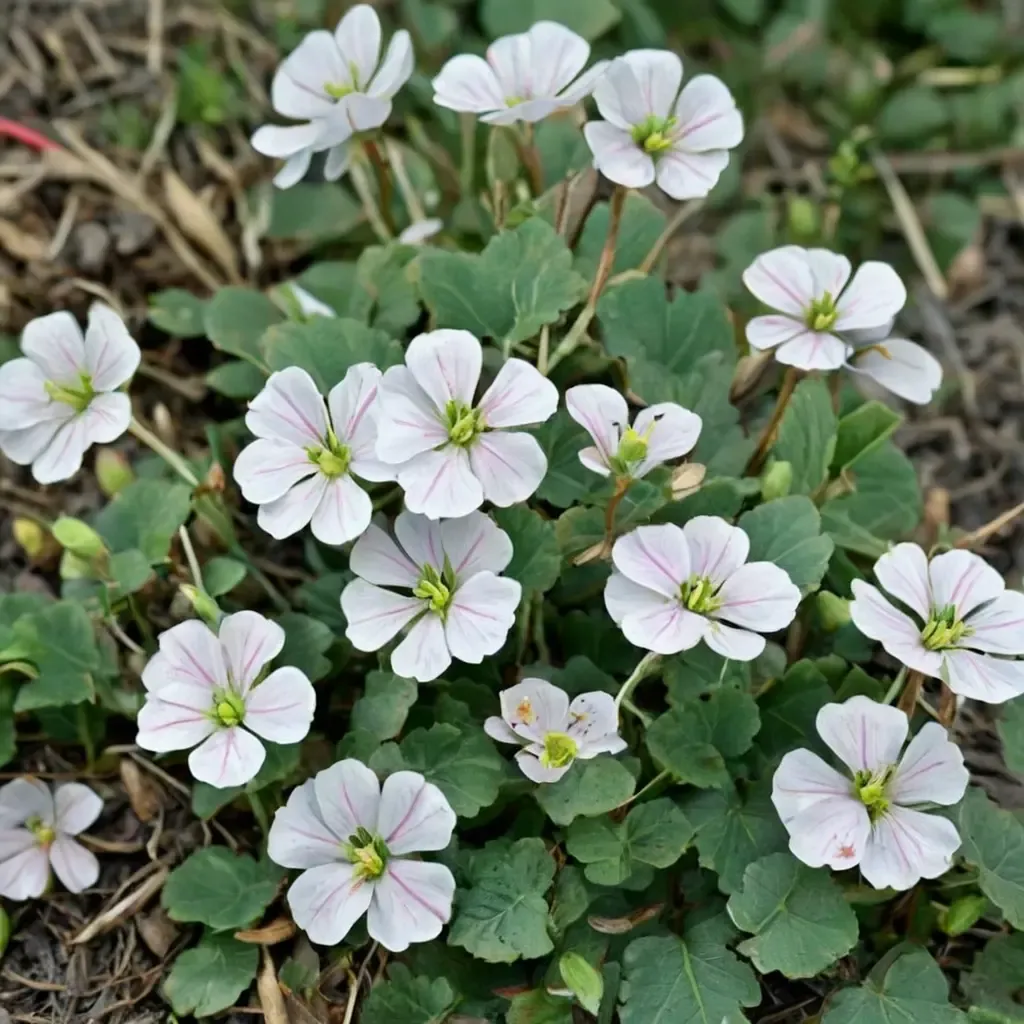
White Stork's Bill
Erodium reichardii 'Alba'
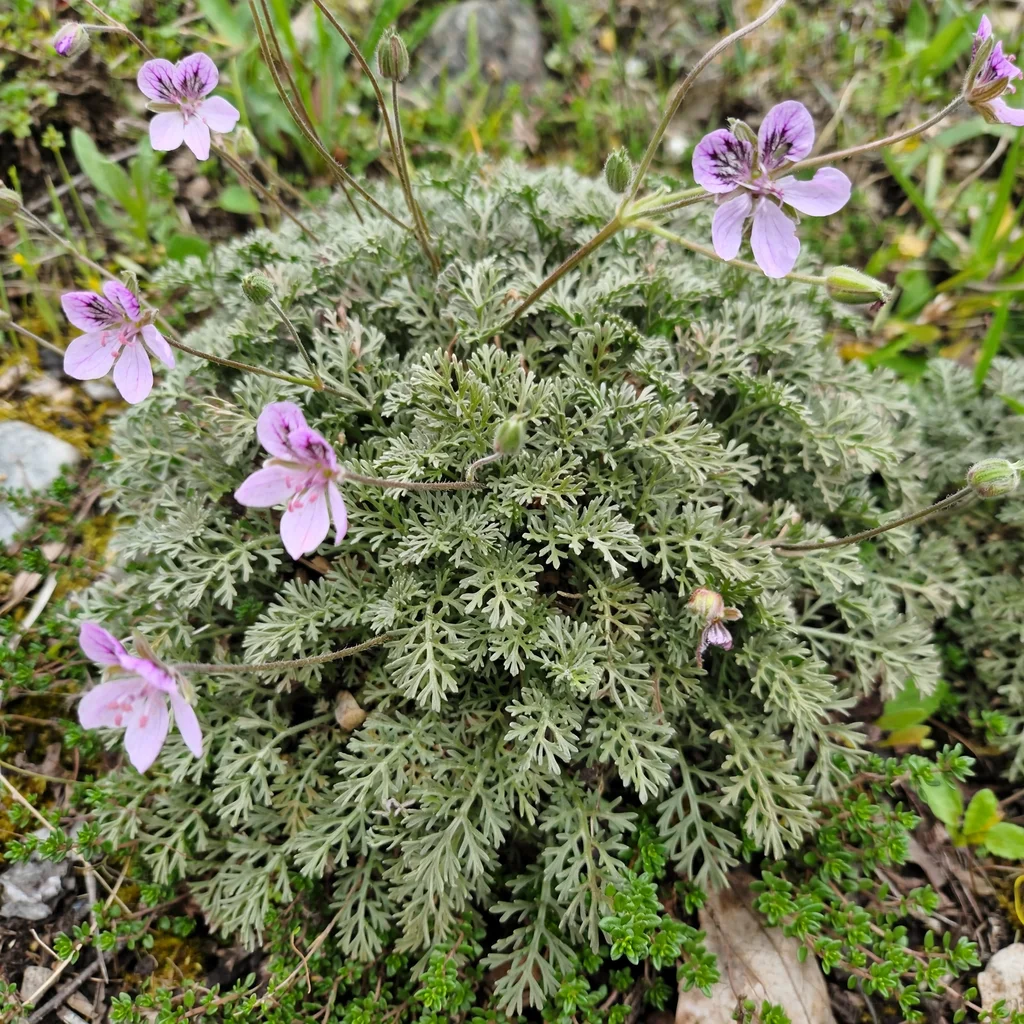
Black-Eyed Heron's Bill
Erodium glandulosum
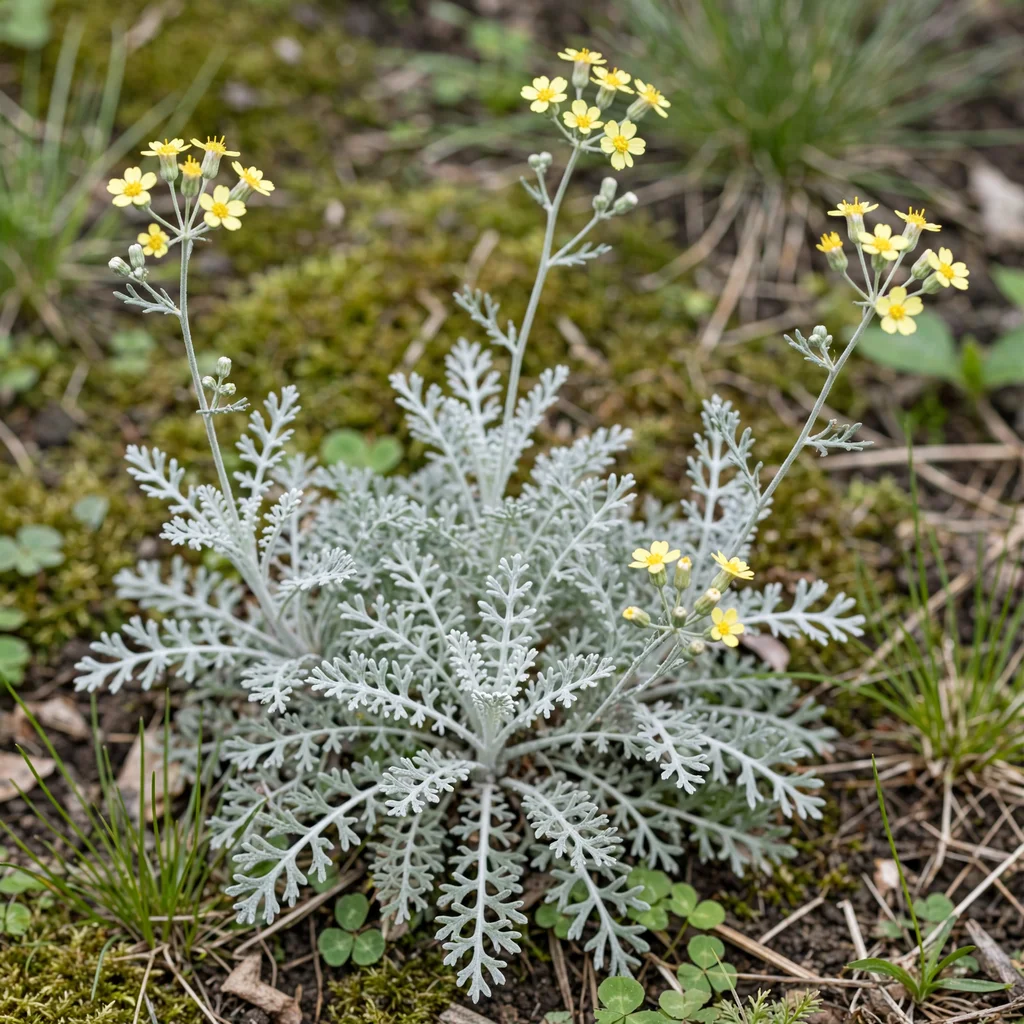
Silver Heronsbill
Erodium chrysanthum
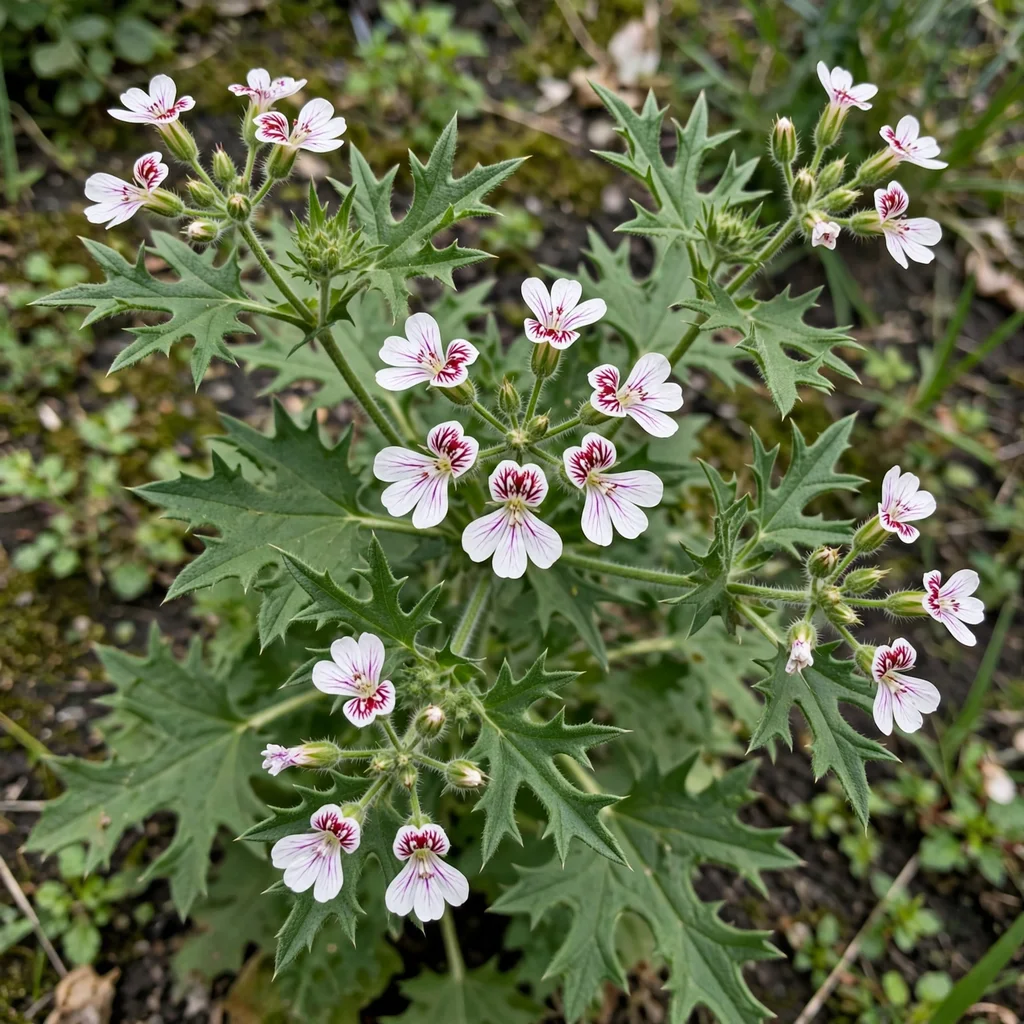
Pelargonium-Flowered Storksbill
Erodium pelargoniflorum
Keep exploring
Explore the genus
Hardy in your zone?
Grow Heron's Bill with confidence
See it in a design of your actual yard, get zone-matched care reminders, and track it season by season in your garden journal.