The Story
Plant Bio
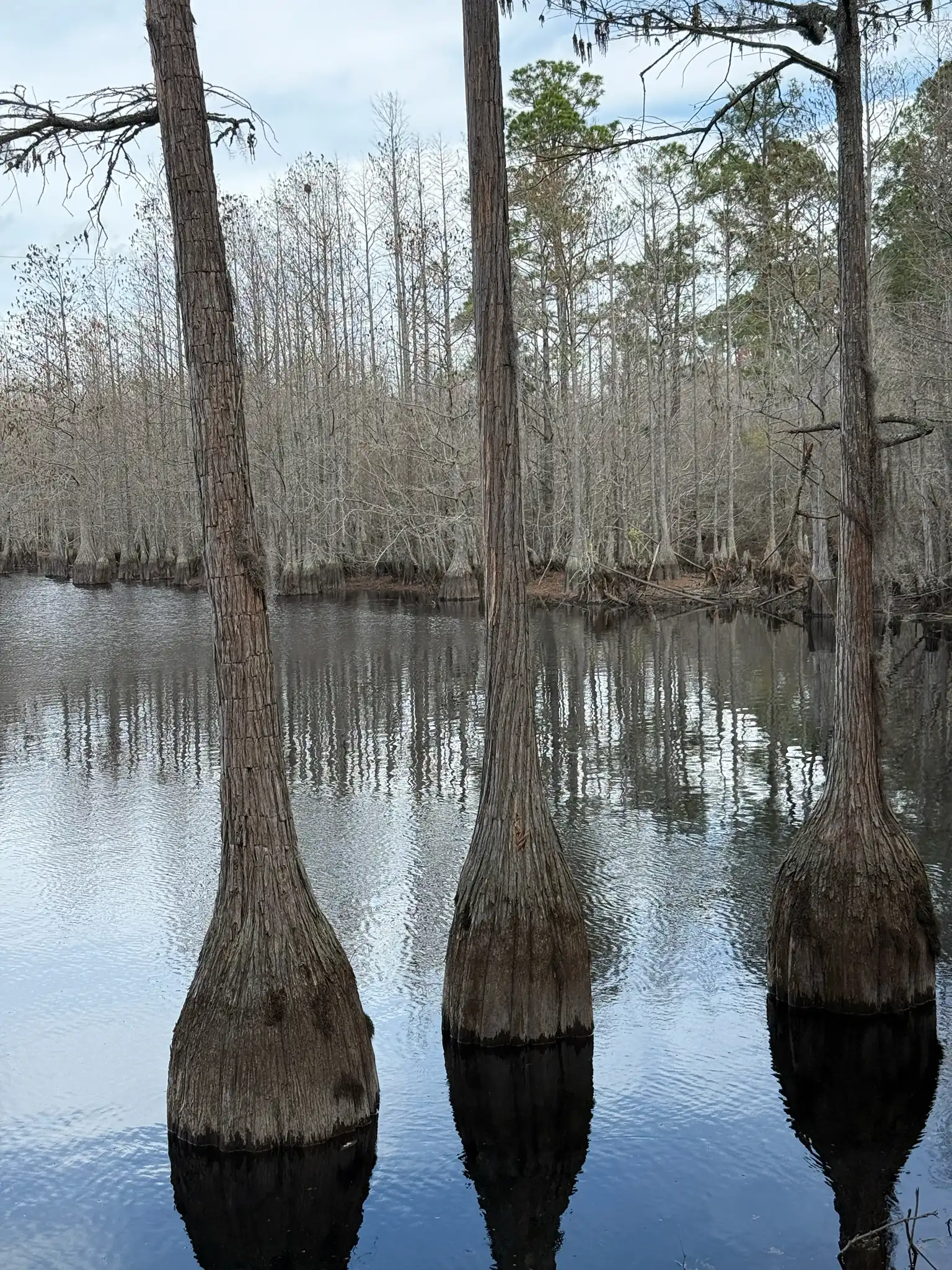
Taxodium ascendens, the pond cypress, is a deciduous North American conifer that develops a narrowly columnar silhouette with a fluted, buttressed trunk base. Unlike the closely related bald cypress, its branches ascend sharply, bearing spirally arranged, awl-like needles that press flat against the twigs.
This species is distinguished by its upright, thread-like branchlets and a distinct lack of the prominent woody 'knees' typical of bald cypress. The bright green spring foliage turns a rich coppery-orange to bronze in fall before shedding to reveal attractive, shredding orange-brown bark.
Uses & Benefits:
Essentials
At a Glance
Plant Type
Tree
Height
1063"
Width
354"
Light
Full Sun
Zones
5, 6, 7, 8, 9
Water
High
Humidity
High
Lifespan
Long-lived
Native To
Southeastern United States
Toxicity
Non-toxic
Bloom period
Spring
In flower about 3 months of the year
Planting
How to Grow
- Select a planting site in full sun with moist, acidic, sandy, or peaty soil.
- Dig a hole twice as wide as the root ball and of equal depth, ensuring the root flare sits level with the surrounding soil.
- Backfill with native soil, water thoroughly to settle the ground, and apply a three-inch layer of organic mulch to retain moisture.
- Water deeply and regularly during the first two growing seasons to establish a deep, resilient root system.
Pro Tip
Never prune into old, leafless wood, as dormant buds on old stems do not readily regenerate to replace lost branches.
Keep It Thriving
Care Guide
Do
- Maintain consistent soil moisture for newly planted trees.
- Apply an acidifying fertilizer or iron supplement if foliage shows signs of yellowing in neutral to alkaline soils.
- Mulch the root zone to mimic natural forest floor conditions and retain moisture.
Don't
- Do not prune into old, bare wood, as it will not regenerate new growth.
- Do not plant in highly alkaline soils where severe iron chlorosis can occur.
- Do not allow young trees to dry out completely during prolonged dry spells.
Seasonal Care Calendar
| Task | Jan | Feb | Mar | Apr | May | Jun | Jul | Aug | Sep | Oct | Nov | Dec |
|---|---|---|---|---|---|---|---|---|---|---|---|---|
| Fertilize | ||||||||||||
| Pest Check | ||||||||||||
| Plant | ||||||||||||
| Prune |
Watch Out For
Pests & Diseases
Common Pests
Common Diseases
In the Garden
Landscape Uses & Companions
Landscape Uses
Companion Plants
Multiply
Propagation Methods
Good to Know
Common Questions
Pond Cypress questions
What zones can Pond Cypress grow in?
Pond Cypress is hardy in USDA Zones 5–9. Inside that range it survives winter in the ground; outside it, grow it as an annual or a container plant you protect.
When does Pond Cypress bloom?
Pond Cypress typically blooms in spring through spring. Exact timing shifts a week or two with your zone — Sow's bloom calendar maps it to your garden.
Does Pond Cypress need full sun?
Pond Cypress does best in full sun (6+ hours).
Is Pond Cypress drought tolerant?
Yes — once established (usually after the first full season), Pond Cypress handles dry spells with minimal watering. Water deeply its first year to build the root system that makes that possible.
More Taxodium to compare
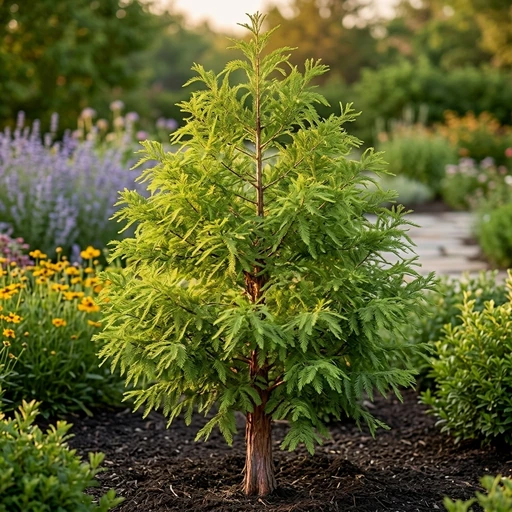
Green Whisper Bald Cypress
Taxodium distichum 'Green Whisper '
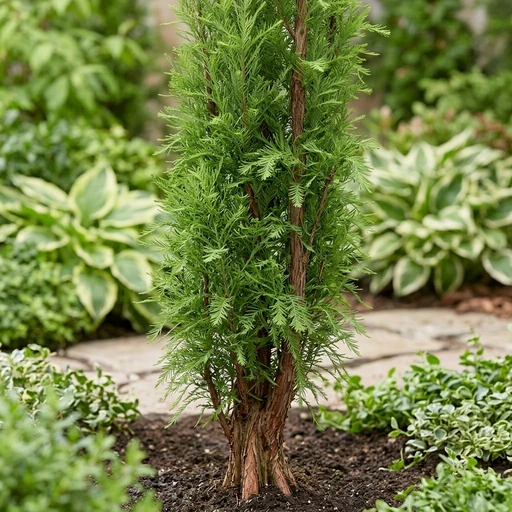
Lindsey's Skyward Bald Cypress
Taxodium distichum 'Skyward'
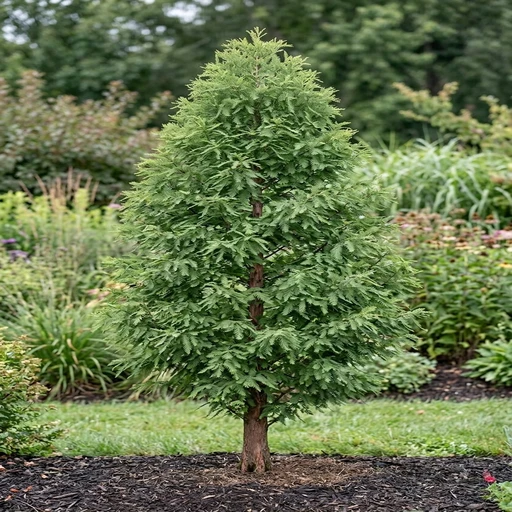
Shawnee Brave Bald Cypress
Taxodium distichum 'Mickelson'
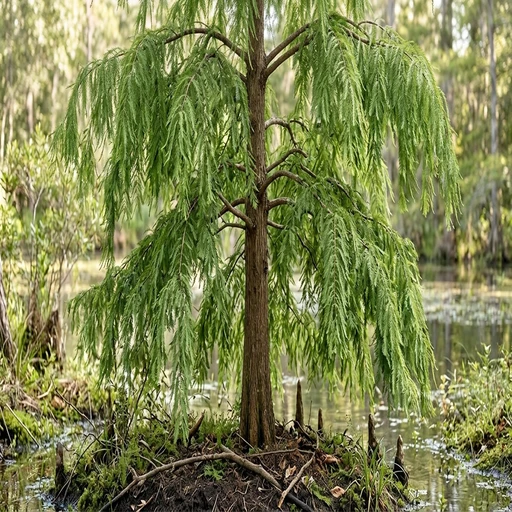
Falling Waters Weeping Bald Cypress
Taxodium distichum 'Falling Waters'
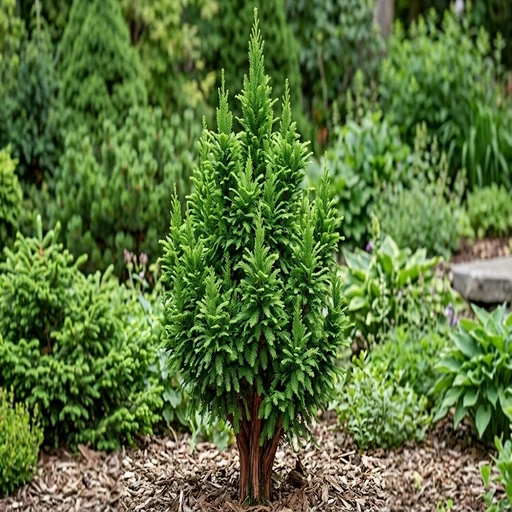
Peve Minaret Bald Cypress
Taxodium distichum 'Peve Minaret'
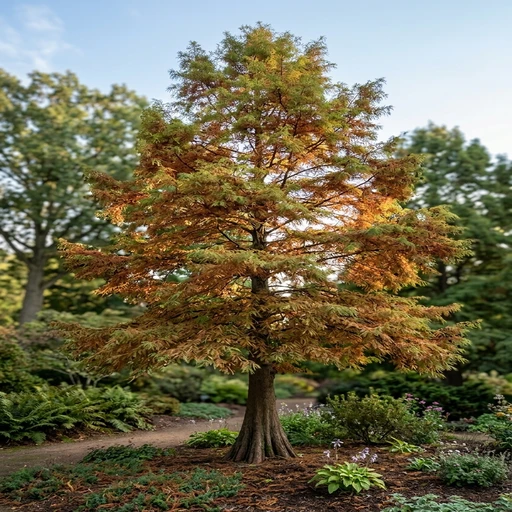
Bald Cypress
Taxodium distichum
Keep exploring
Explore the genus
Hardy in your zone?
Grow Pond Cypress with confidence
See it in a design of your actual yard, get zone-matched care reminders, and track it season by season in your garden journal.