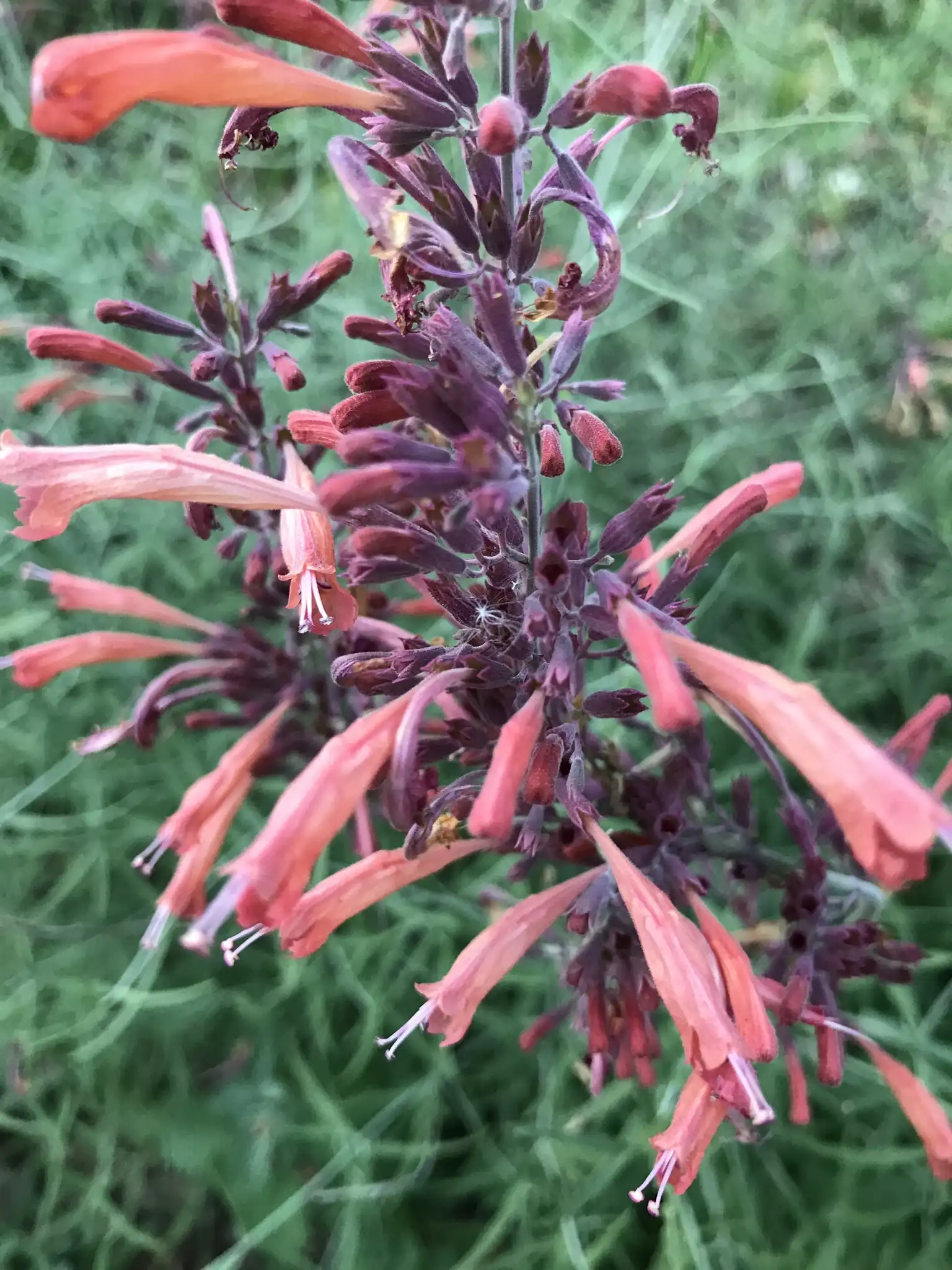
The Story
Plant Bio
Agastache, or Hyssop, are aromatic perennials in the mint family, known for their showy spikes of tubular flowers and fragrant foliage. They are typically heat and drought tolerant, thriving in lean, well-drained soils.
Agastache rupestris is prized for its fine-textured, silvery-green foliage with a strong licorice-mint scent, and its airy spires of sunset-orange flowers that are irresistible to hummingbirds.
Uses & Benefits:
Essentials
At a Glance
Plant Type
Perennial
Height
30"
Width
21"
Light
Full Sun
Zones
5, 6, 7, 8, 9
Water
Low
Humidity
Low
Lifespan
Short-lived perennial (2-4 years)
Native To
Southwestern U.S. and Mexico
Toxicity
Non-toxic
Bloom period
Mid-summer – Early fall
In flower about 3 months of the year
Planting
How to Grow
- Select a site in full sun with excellent drainage.
- Amend heavy soils with gravel or sand to improve drainage.
- Dig a hole slightly larger than the root ball.
- Place the plant in the hole at the same depth it was in the pot.
- Backfill with soil and water lightly.
- Water sparingly until established; it prefers dry conditions.
Pro Tip
Do not prune or cut back the stems in fall; leaving them standing over winter improves survival rates in colder climates.
Keep It Thriving
Care Guide
Do
- Provide at least 6-8 hours of direct sunlight daily.
- Plant in lean, gritty, or sandy soil with sharp drainage.
- Allow the soil to dry out completely between waterings.
- Leave stems intact over winter for protection.
Don't
- Do not plant in heavy clay or wet soil; it will cause fatal root rot.
- Avoid fertilizing and rich compost, which leads to weak growth.
- Do not overwater, especially in winter.
- Don't prune back hard in the fall in zones 5-6.
Seasonal Care Calendar
| Task | Jan | Feb | Mar | Apr | May | Jun | Jul | Aug | Sep | Oct | Nov | Dec |
|---|---|---|---|---|---|---|---|---|---|---|---|---|
| Deadhead | ||||||||||||
| Plant | ||||||||||||
| Prune |
Watch Out For
Pests & Diseases
Common Pests
Common Diseases
In the Garden
Landscape Uses & Companions
Landscape Uses
Multiply
Propagation Methods
Good to Know
Common Questions
Sunset Hyssop questions
What zones can Sunset Hyssop grow in?
Sunset Hyssop is hardy in USDA Zones 5–9. Inside that range it survives winter in the ground; outside it, grow it as an annual or a container plant you protect.
Is Sunset Hyssop deer resistant?
Yes — Sunset Hyssop is rated deer-resistant. Deer typically pass it over, though extreme hunger can override any plant's defenses.
When does Sunset Hyssop bloom?
Sunset Hyssop typically blooms in mid-summer through early fall. Exact timing shifts a week or two with your zone — Sow's bloom calendar maps it to your garden.
Does Sunset Hyssop need full sun?
Sunset Hyssop does best in full sun (6+ hours).
Is Sunset Hyssop drought tolerant?
Yes — once established (usually after the first full season), Sunset Hyssop handles dry spells with minimal watering. Water deeply its first year to build the root system that makes that possible.
More Agastache to compare
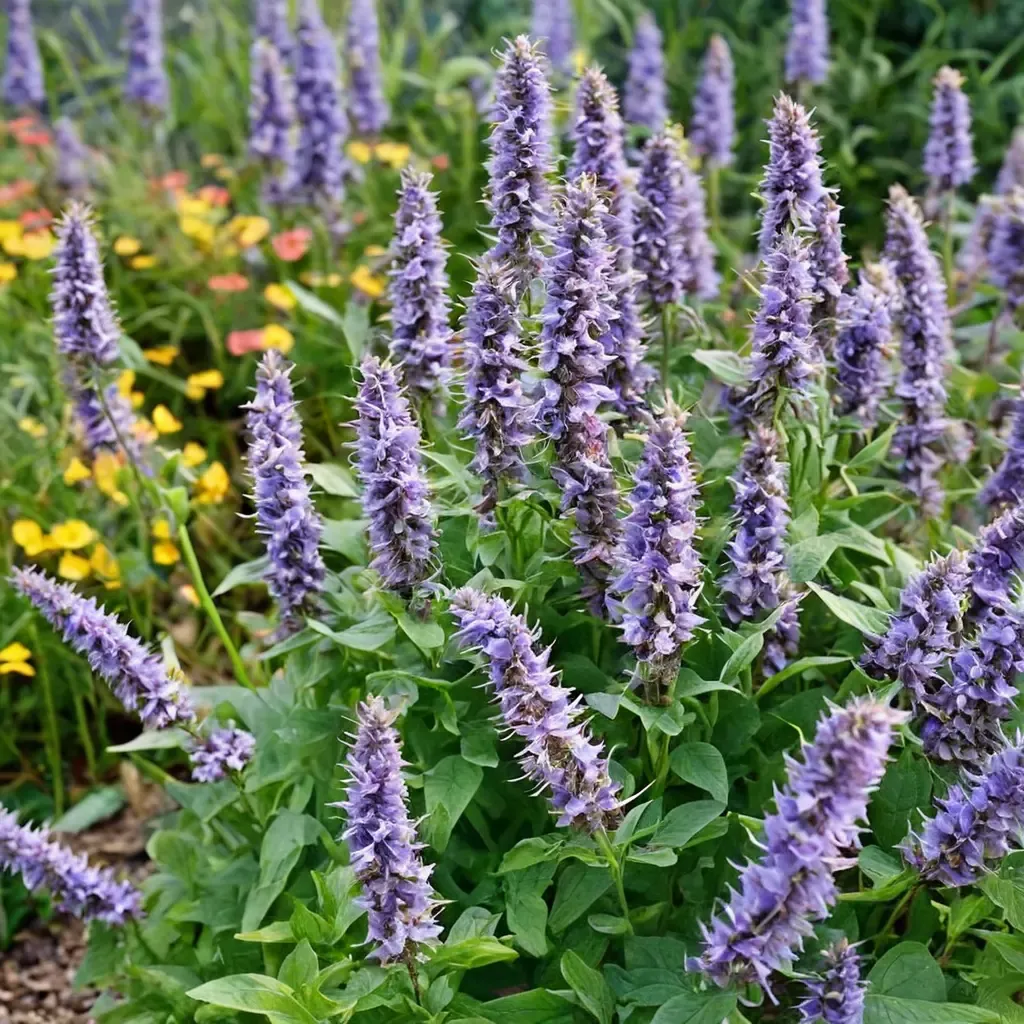
'Blue Fortune' Anise Hyssop
Agastache f neki hybrid 'Blue Fortune'
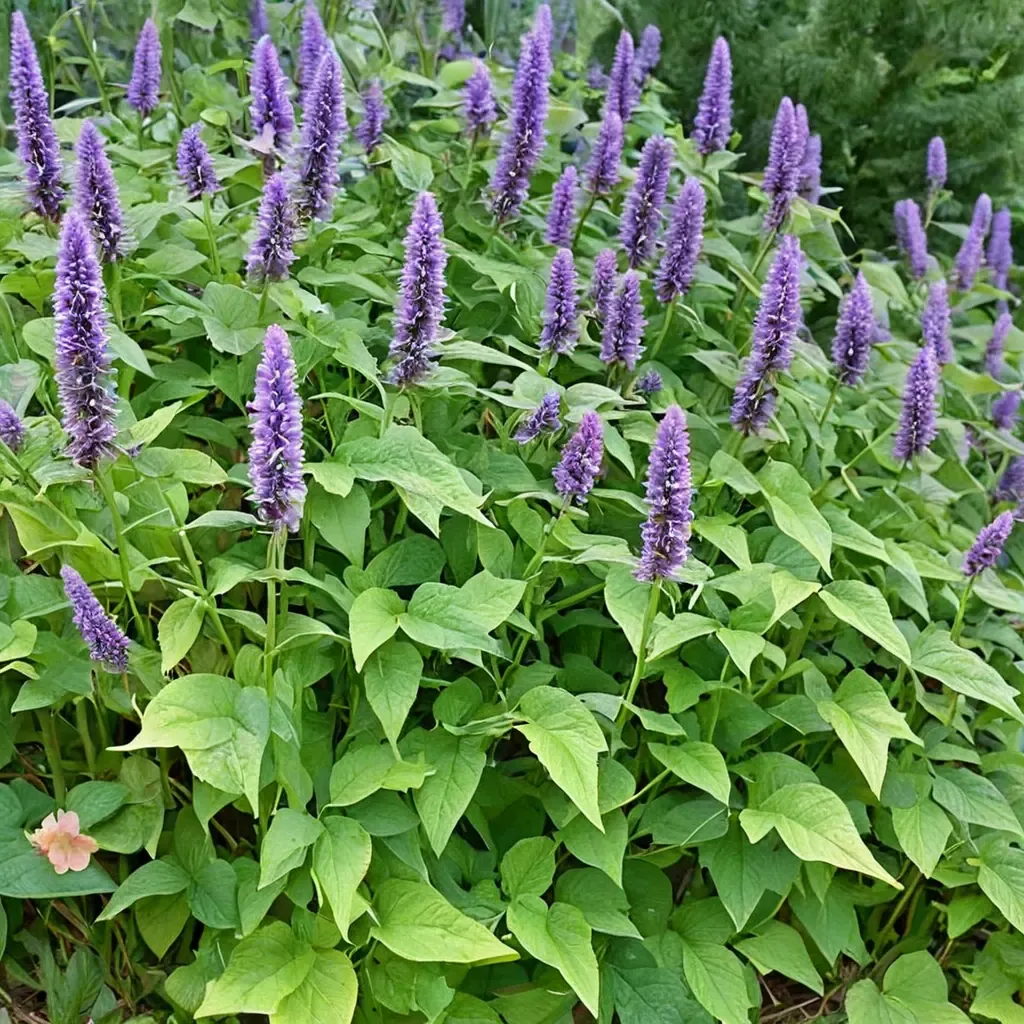
Anise Hyssop
Agastache foeniculum
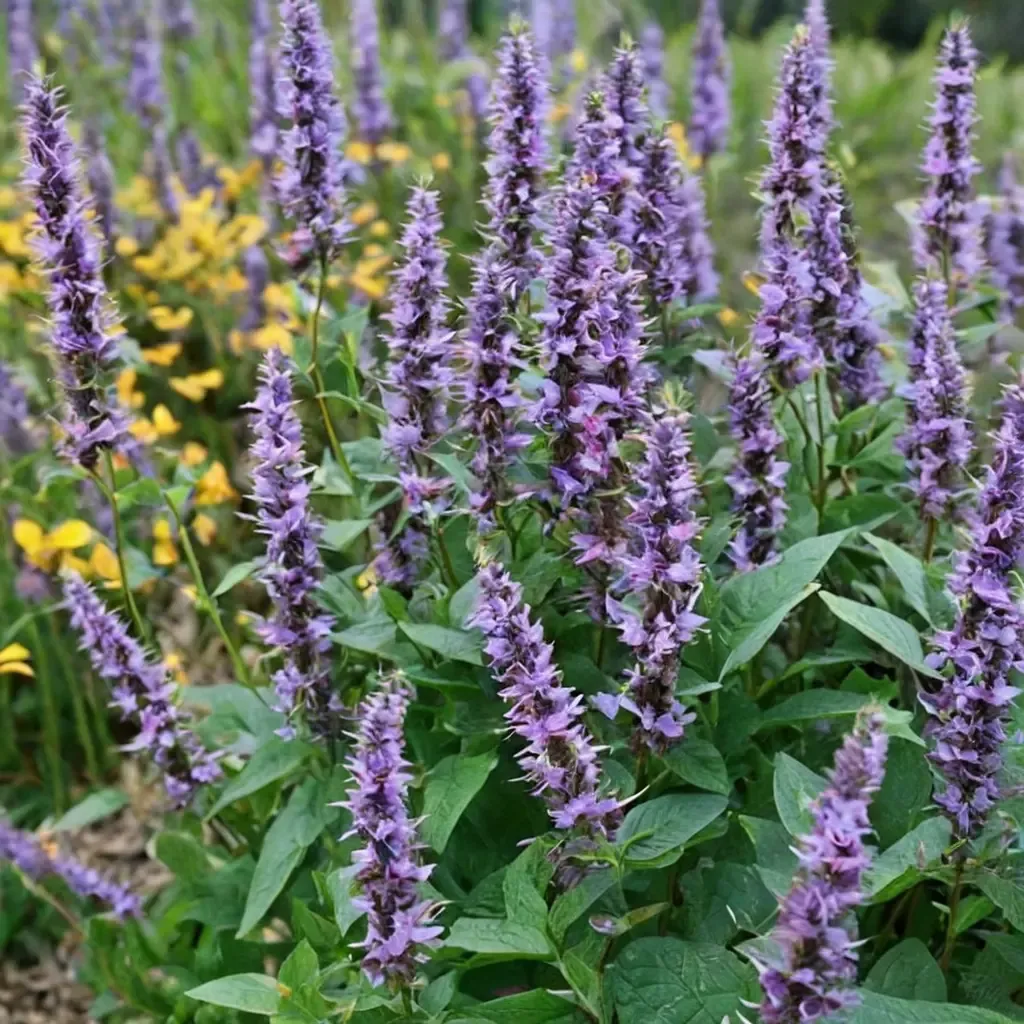
Hummingbird Mint
Agastache x hybrida
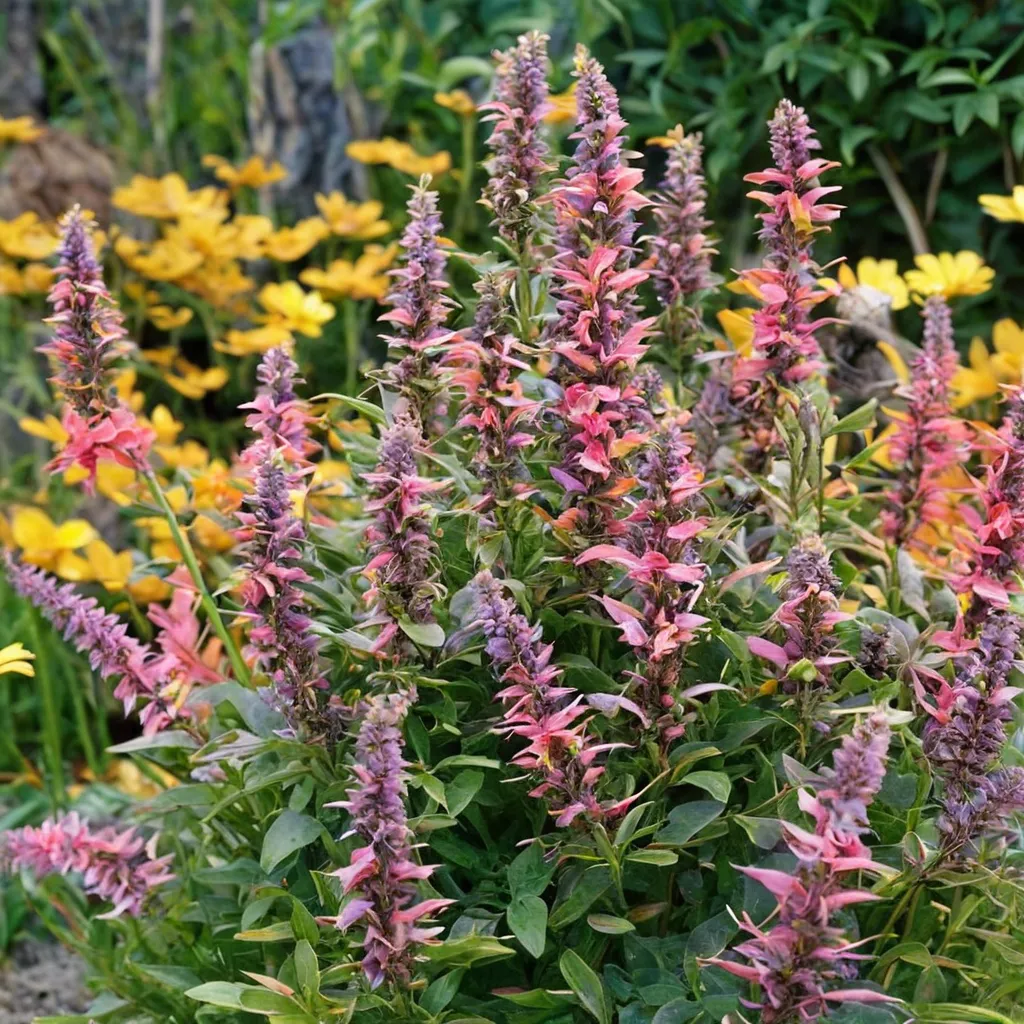
Hummingbird Mint Mix
Agastache x hybrida 'Mix'
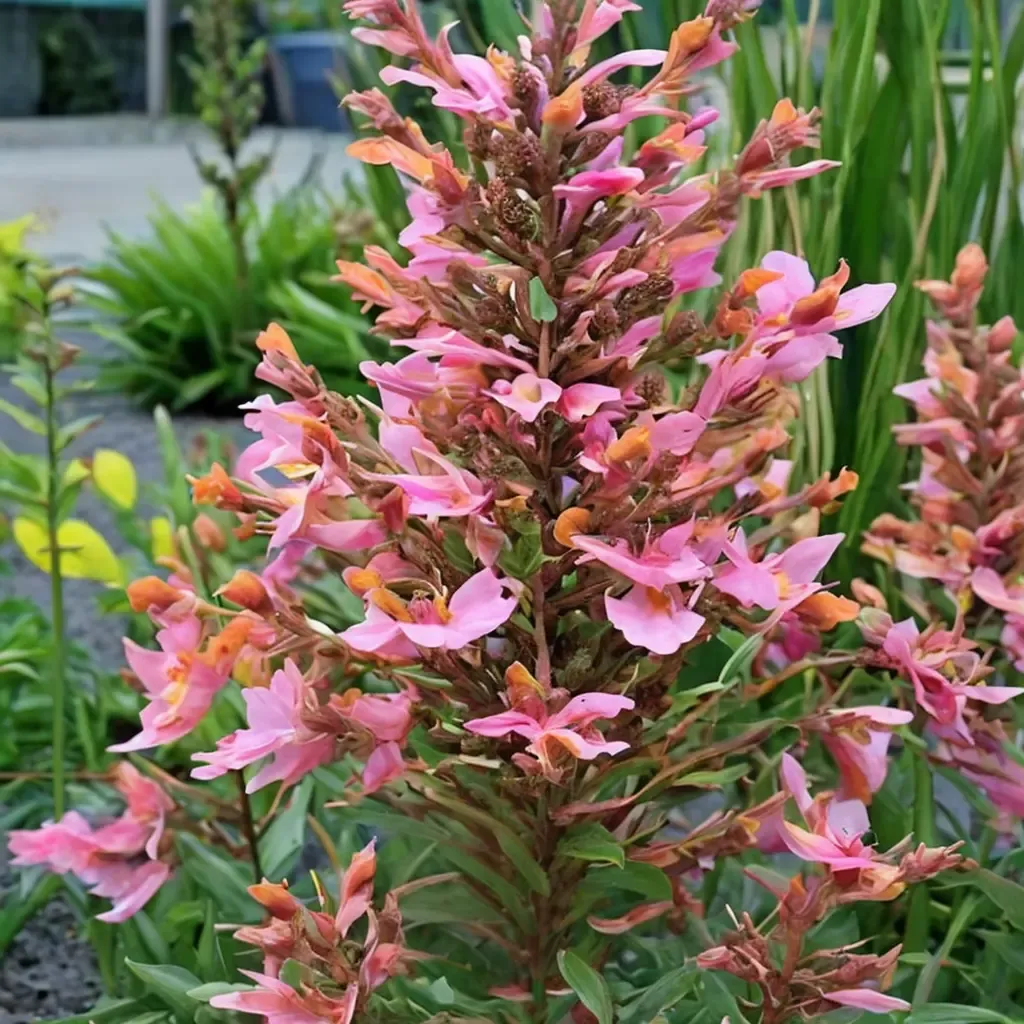
Kudos Ambrosia Anise Hyssop
Agastache foeniculum 'Kudos Ambrosia'
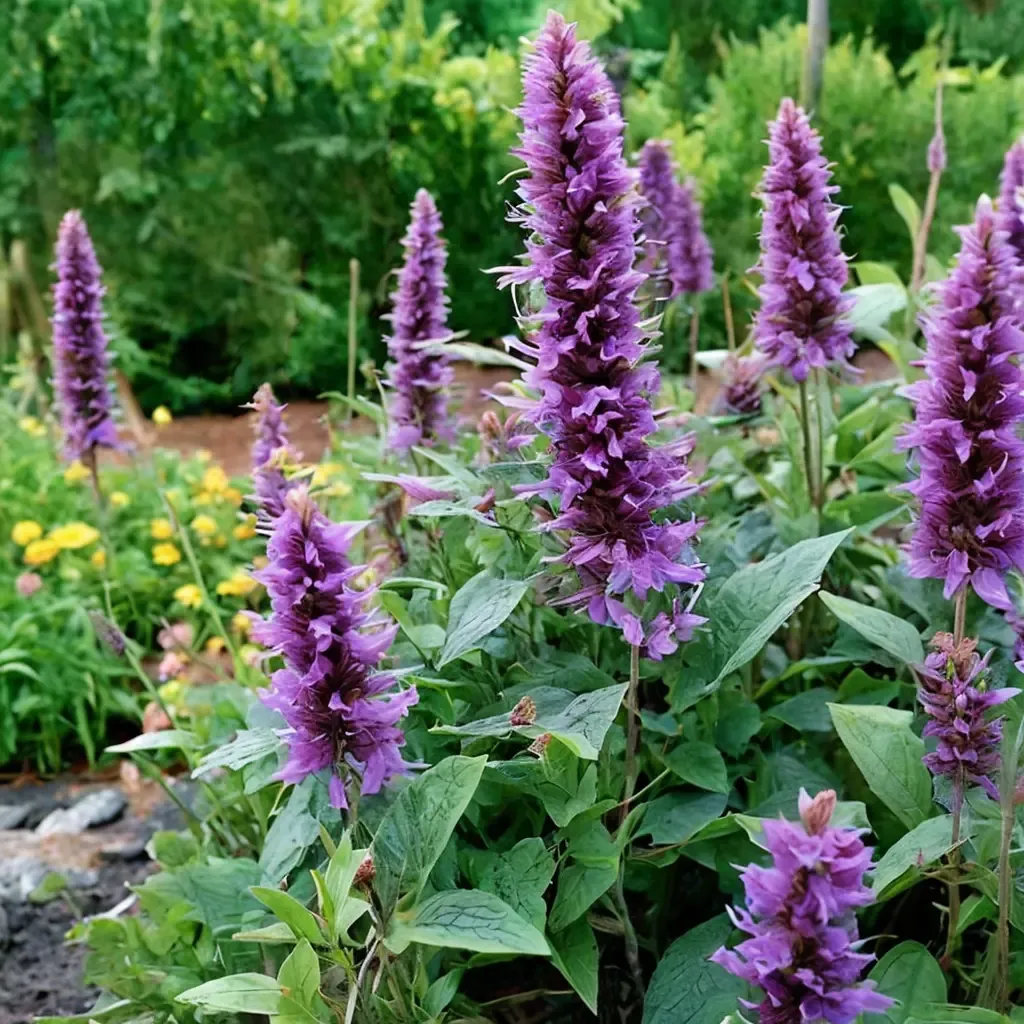
Blue Boa Hyssop
Agastache fennelagastache 'Blue Boa'
Keep exploring
Explore the genus
Hardy in your zone?
Grow Sunset Hyssop with confidence
See it in a design of your actual yard, get zone-matched care reminders, and track it season by season in your garden journal.