The Story
Plant Bio
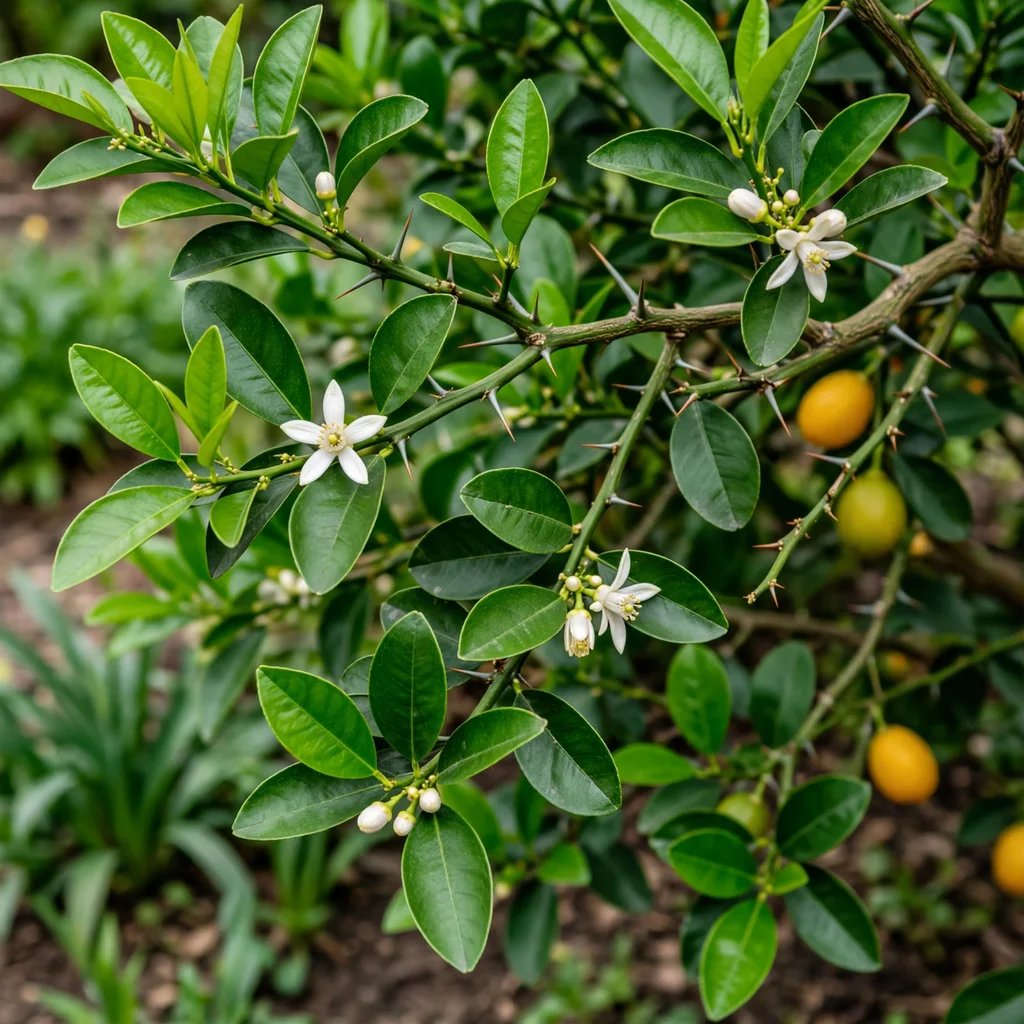
Citrus x floridana, the limequat, is a compact dense evergreen shrub or small tree reaching four to eight feet in the ground with sharp thorns on the stems and glossy deep green leaves that hold year-round. Star-shaped five-petaled white flowers with yellow stamens open in spring with a sweet neroli scent and repeat in clusters into fall for bees and self-pollination.
It is the 1909 Florida cross of Key lime and round kumquat, hardier than true lime yet less hardy than kumquat and holding through brief dips near 20 degrees. Fruit are small round-oval greenish-yellow limes under two inches, tart and edible, ripening through winter into early spring and often hanging everbearing on the branch.
Uses & Benefits:
Essentials
At a Glance
Plant Type
Fruit Vegetable
Height
96"
Width
72"
Light
Full Sun
Zones
8, 9, 10
Water
Medium
Humidity
Normal
Lifespan
Long-lived evergreen tree, decades frost-free
Native To
Garden hybrid, Florida USA, no wild range
Toxicity
Skin irritant from peel oils, thorns; fruit edible
Bloom period
Spring – Fall
In flower about 9 months of the year
Planting
How to Grow
- Plant in full sun with six to eight hours of direct sun in fertile loam enriched with compost and sand.
- Set the root ball level with the soil surface in a hole twice as wide, then water deeply to settle.
- Water when the top two inches dry, keeping soil moist but never soggy to avoid root rot.
- Feed with citrus fertilizer during active spring and summer growth and mulch lightly to hold moisture.
- Protect below about 30 degrees by covering or moving pots indoors and harvest fruit through winter into early spring.
Pro Tip
Pick each branch clean when its fruit is finished then prune lightly; washing honeydew from aphids and scale prevents black sooty mold and cutting hard into old bare wood stalls regrowth.
Keep It Thriving
Care Guide
Do
- Give six to eight hours of full sun daily
- Water deeply then let the surface dry between waterings
- Wash aphids and honeydew off leaves promptly to prevent sooty mold
Don't
- Do not overwater or leave pots standing in water
- Do not hard-prune into old leafless wood
- Do not leave unprotected outside below freezing
Seasonal Care Calendar
| Task | Jan | Feb | Mar | Apr | May | Jun | Jul | Aug | Sep | Oct | Nov | Dec |
|---|---|---|---|---|---|---|---|---|---|---|---|---|
| Fertilize | ||||||||||||
| Harvest | ||||||||||||
| Pest Check | ||||||||||||
| Prune | ||||||||||||
| Winter Prep |
Watch Out For
Pests & Diseases
Common Pests
Common Diseases
In the Garden
Landscape Uses & Companions
Landscape Uses
Multiply
Propagation Methods
Good to Know
Common Questions
Limequat questions
What zones can Limequat grow in?
Limequat is hardy in USDA Zones 8–10: in that range it survives winter in the ground. Colder than Zone 8, grow it in a container you can move to shelter for the winter, or as an annual.
When does Limequat bloom?
Limequat typically blooms from spring to fall. Exact timing shifts a week or two with your zone — Sow's bloom calendar maps it to your garden.
Does Limequat need full sun?
Limequat does best in full sun (6+ hours).
More Citrus to compare
Meyer Lemon
Citrus limon 'Meyer'
Key Lime
Citrus aurantiifolia
Eureka Lemon
Citrus limon 'Eureka'
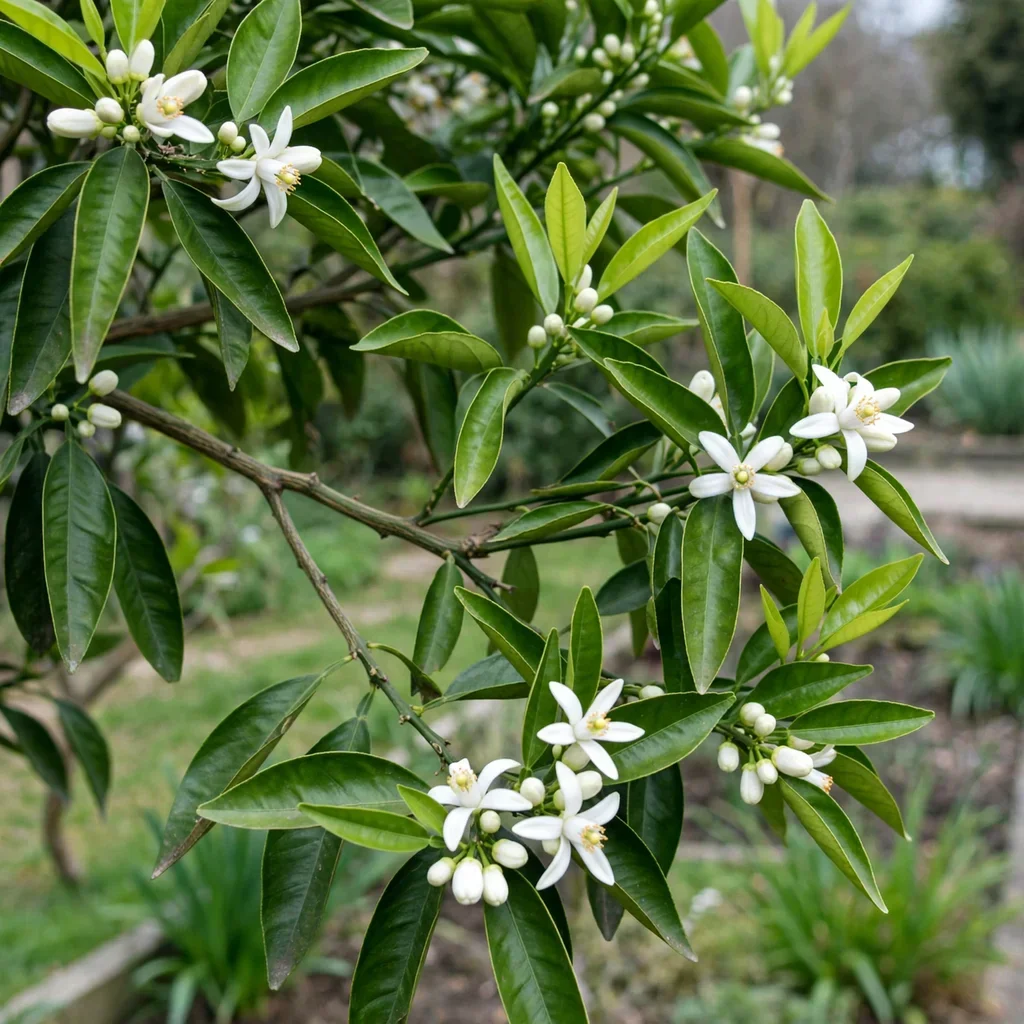
Sanguinello Orange
Citrus reticulata 'Sanguinea'
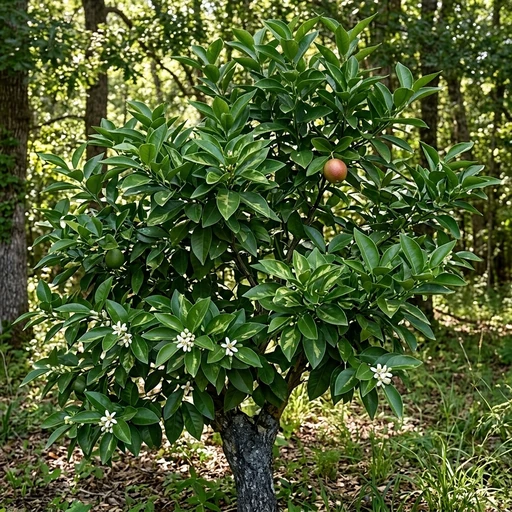
Moro Blood Orange
Citrus sinensis 'Moro'
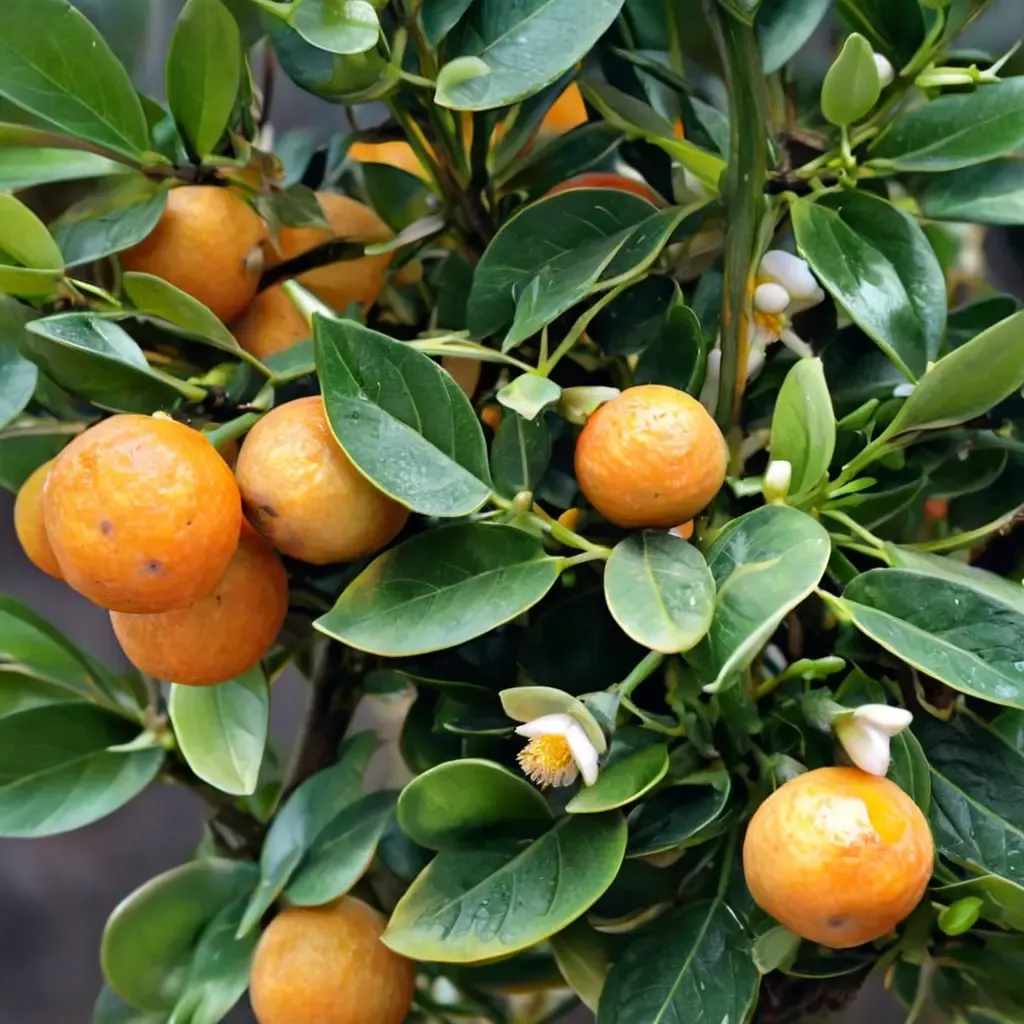
Calamondin
Citrus mitis
Keep exploring
Explore the genus
Hardy in your zone?
Grow Limequat with confidence
See it in a design of your actual yard, get zone-matched care reminders, and track it season by season in your garden journal.