The Story
Plant Bio
Plectranthus and its close ally Coleus are fleshy evergreen subshrubs with velvety aromatic leaves and small tubular flowers borne in whorls. The plants hold their foliage year-round where winters stay mild and flower in a concentrated seasonal flush.
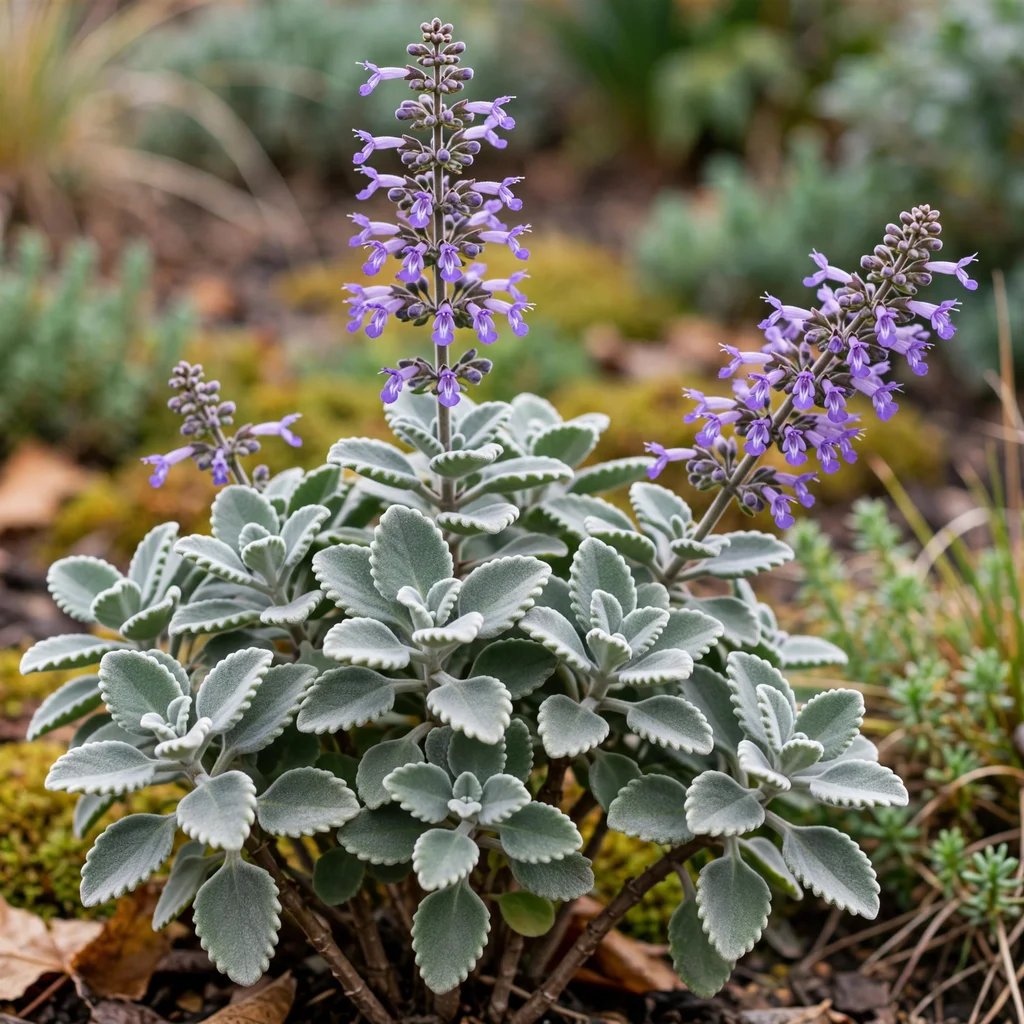
Plectranthus montanus forms a dense woody-based mound 18 to 24 inches tall and 2 to 3 feet wide, with 1-inch ovate gray-green leaves that are velvety, toothed toward the tip and camphor-scented when crushed. Its violet to purple tubular flowers rise in dense 6- to 10-inch spikes above the foliage from late fall into early spring, though plants in nurseries and gardens often remain shy to bloom.
Uses & Benefits:
Essentials
At a Glance
Plant Type
Shrub
Height
24"
Width
36"
Light
Full Sun, Partial Sun
Zones
9, 10
Water
Low
Humidity
Average to dry; tolerates coastal sun
Lifespan
Evergreen subshrub
Native To
Africa to India and Arabian Peninsula
Toxicity
Unknown - no toxicity data reported
Bloom period
Late fall – Early spring
In flower about 5 months of the year
Planting
How to Grow
- Plant in full coastal sun to light shade in sandy, sharply drained soil, setting the crown level with the surrounding grade.
- Water in once, then water sparingly; established plants need only occasional irrigation and fail in constantly moist soil.
- Space 24 to 36 inches apart to form a dense evergreen cover, mulching lightly with gravel rather than moisture-holding bark.
- Protect containers or in-ground plants when temperatures approach 20F; move pots under cover during hard freezes.
Pro Tip
Plant it high in sandy, sharply drained soil and water sparingly once established; excess water and rich soil keep growth soft and suppress the already shy winter bloom.
Keep It Thriving
Care Guide
Do
- Plant high in sandy or rocky, fast-draining soil.
- Give full sun to light shade with good airflow.
- Irrigate sparingly once established.
Don't
- Do not overwater or plant in heavy clay that stays wet.
- Do not expect showy bloom every year; plants are often shy to flower.
- Do not over-maintain with heavy fertilizer and frequent watering in a dry garden.
Seasonal Care Calendar
| Task | Jan | Feb | Mar | Apr | May | Jun | Jul | Aug | Sep | Oct | Nov | Dec |
|---|---|---|---|---|---|---|---|---|---|---|---|---|
| Pest Check | ||||||||||||
| Plant | ||||||||||||
| Prune | ||||||||||||
| Winter Prep |
Watch Out For
Pests & Diseases
Common Pests
Common Diseases
In the Garden
Landscape Uses & Companions
Landscape Uses
Companion Plants
Multiply
Propagation Methods
Good to Know
Common Questions
Camphor Spurflower questions
What zones can Camphor Spurflower grow in?
Camphor Spurflower is hardy in USDA Zones 9–10: in that range it survives winter in the ground. Colder than Zone 9, grow it in a container you can move to shelter for the winter.
When does Camphor Spurflower bloom?
Camphor Spurflower typically blooms from late fall to early spring. Exact timing shifts a week or two with your zone — Sow's bloom calendar maps it to your garden.
Does Camphor Spurflower need full sun?
Camphor Spurflower does best in full sun to part shade. In hot climates, afternoon shade keeps blooms fresher longer.
Is Camphor Spurflower drought tolerant?
Yes — once established (usually after the first full season), Camphor Spurflower handles dry spells with minimal watering. Water deeply its first year to build the root system that makes that possible.
More Plectranthus to compare
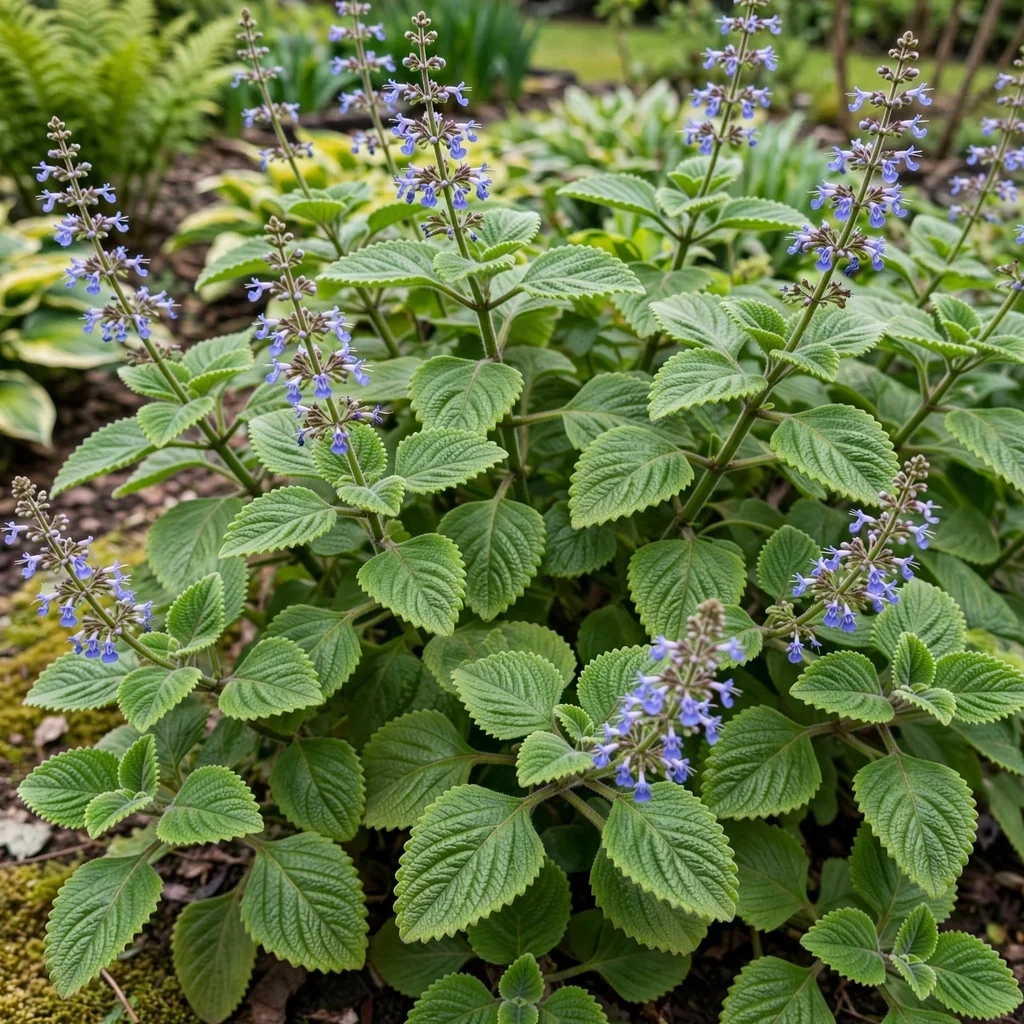
Swedish Ivy
Plectranthus ecklonii
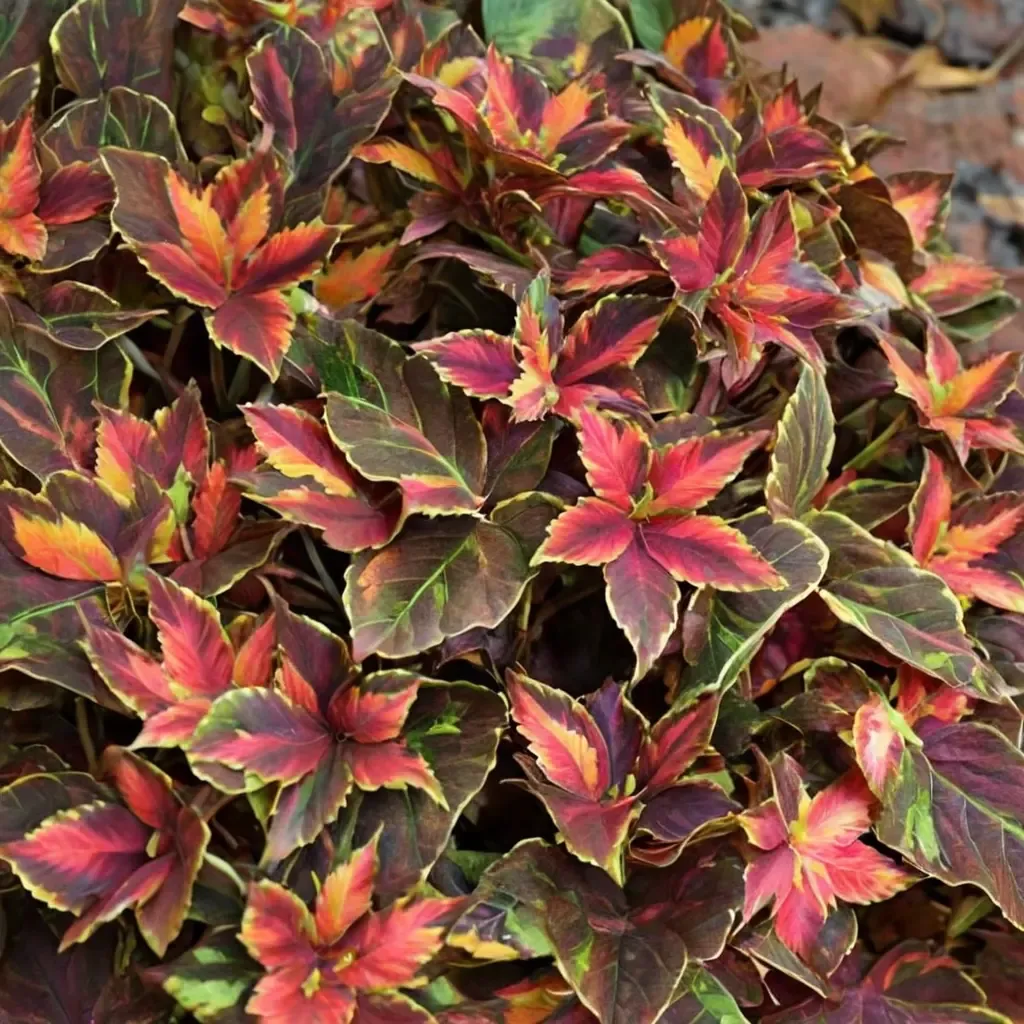
Coleus 'Festive Dance'
Plectranthus scutellarioides 'Festive Dance'
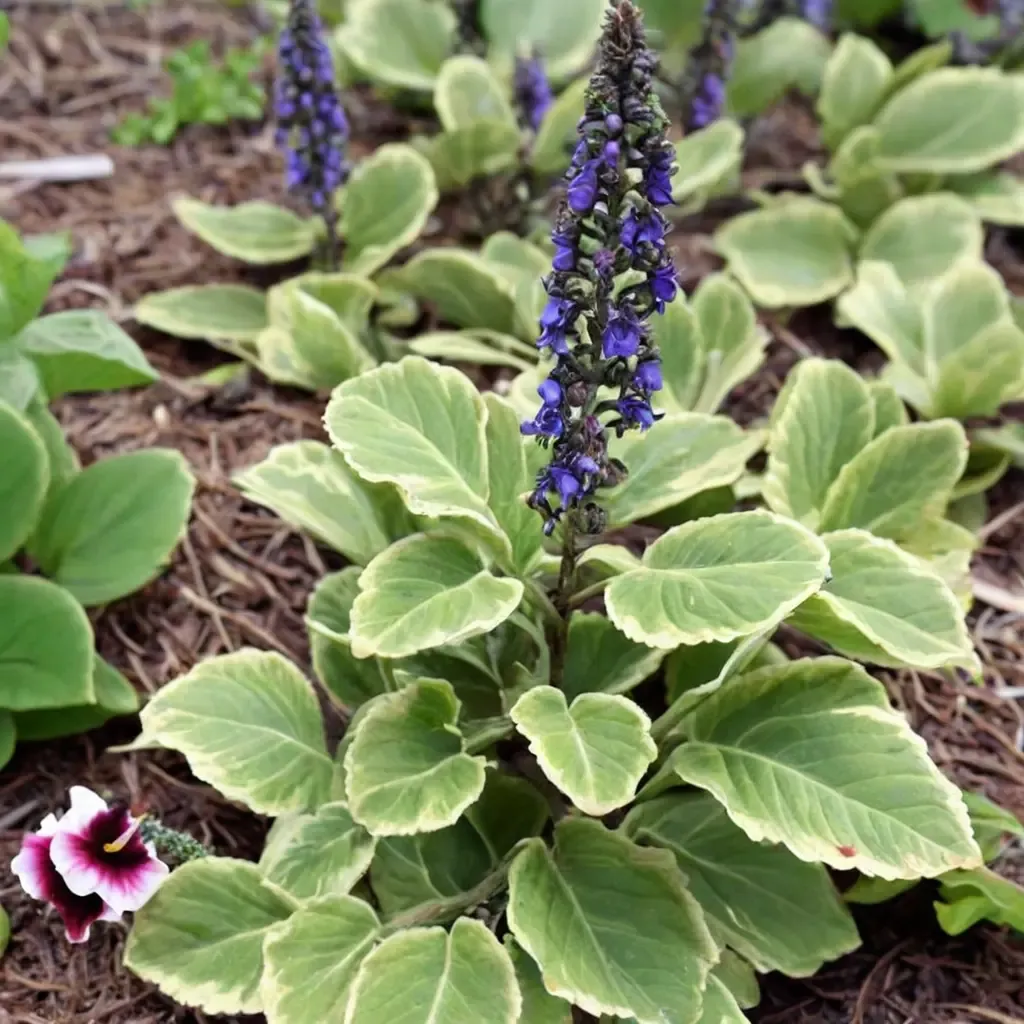
Danish Oil Plant
Plectranthus barbatus 'grandis'
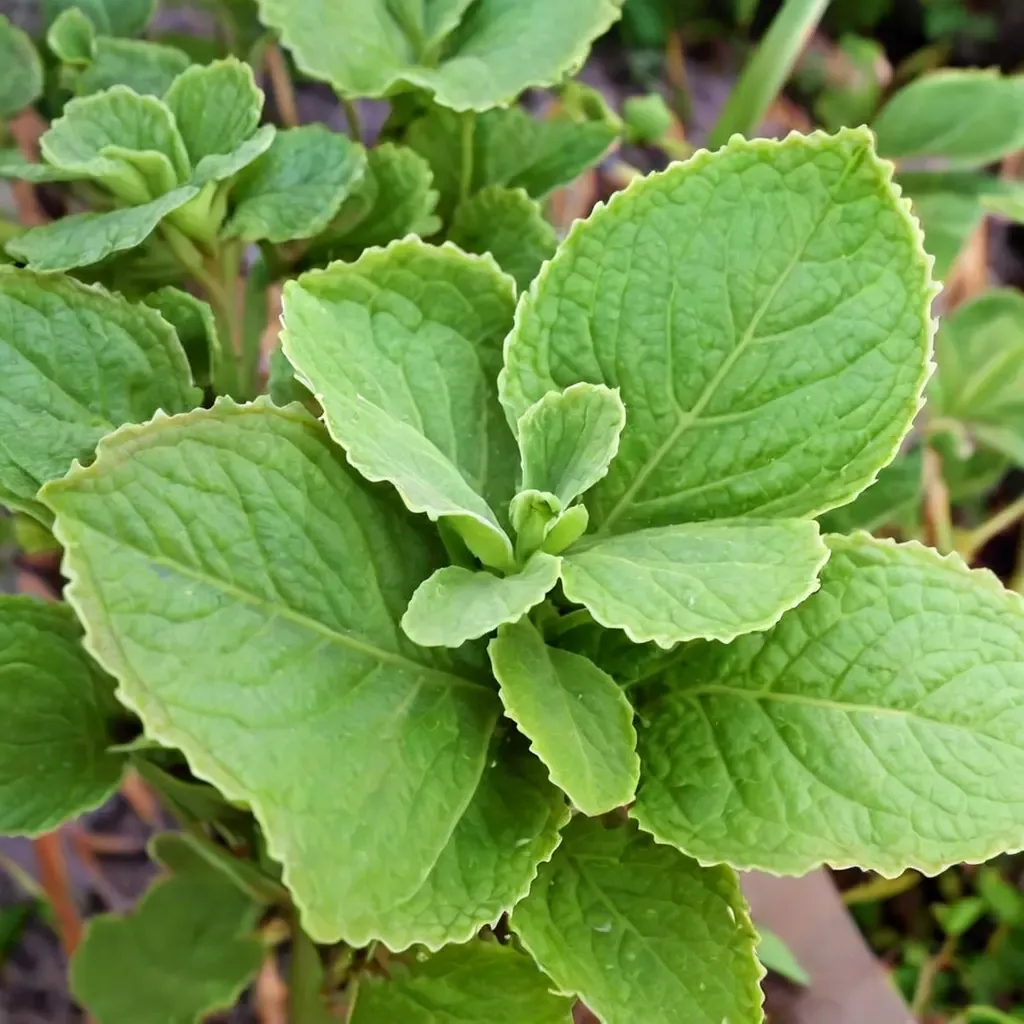
Cuban Oregano Mexican Mint
Plectranthus amboinicus
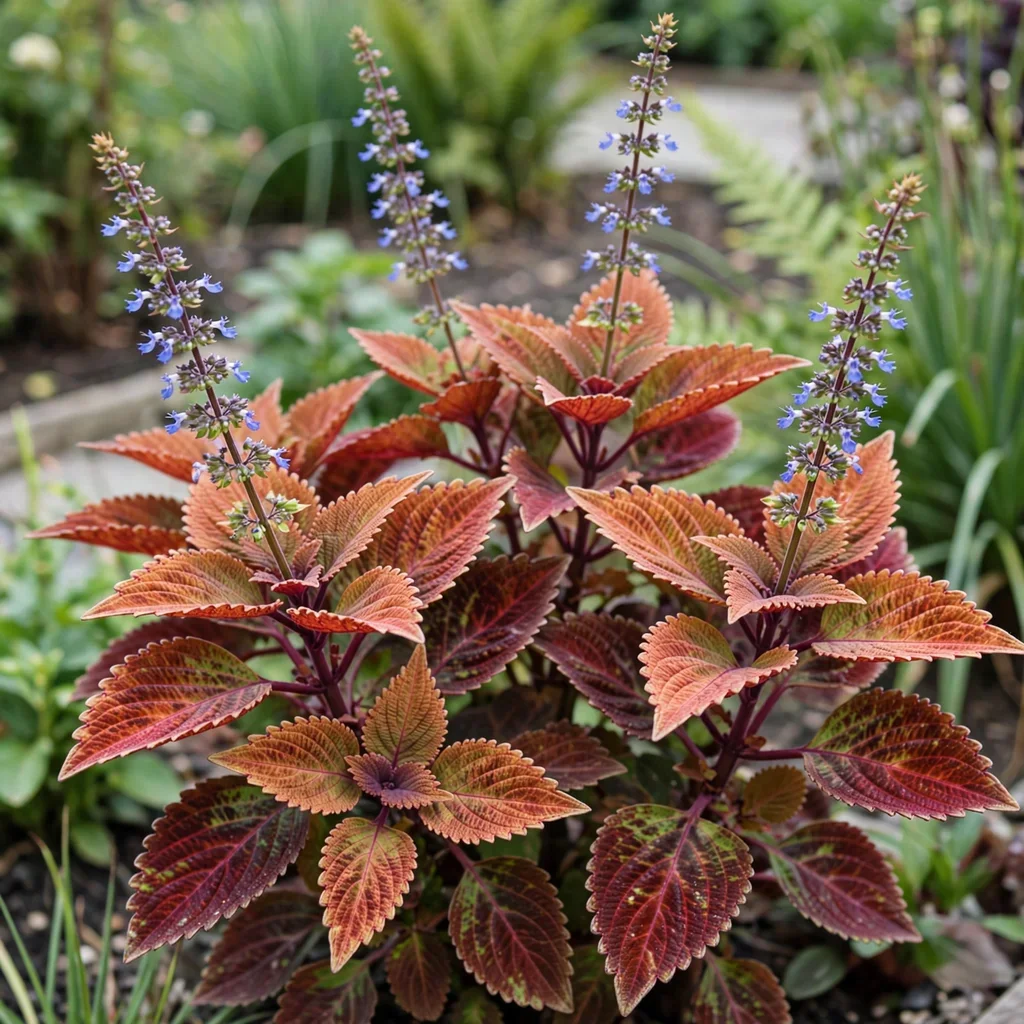
Coleus Indian Summer
Plectranthus scutellarioides 'Indian Summer'
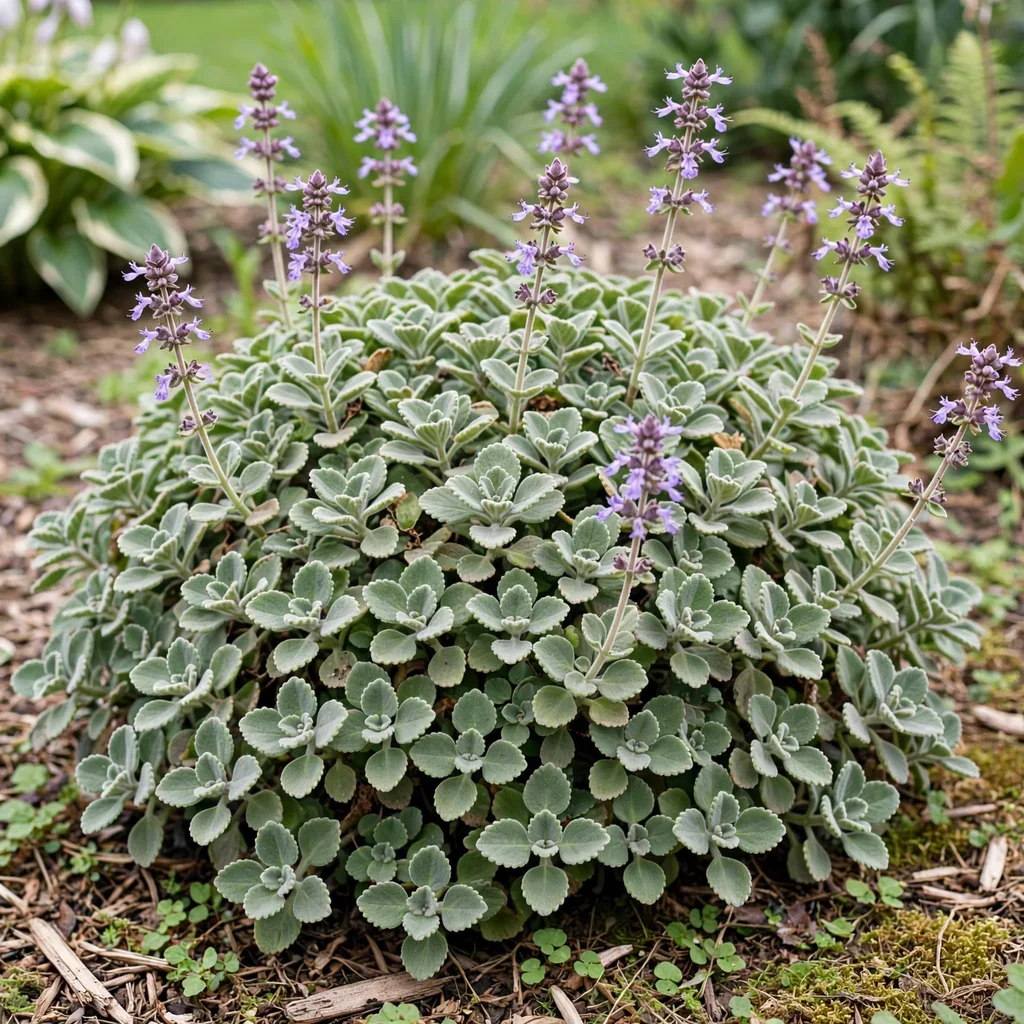
Lobster Flower
Plectranthus neochilus
Keep exploring
Explore the genus
Hardy in your zone?
Grow Camphor Spurflower with confidence
See it in a design of your actual yard, get zone-matched care reminders, and track it season by season in your garden journal.