The Story
Plant Bio
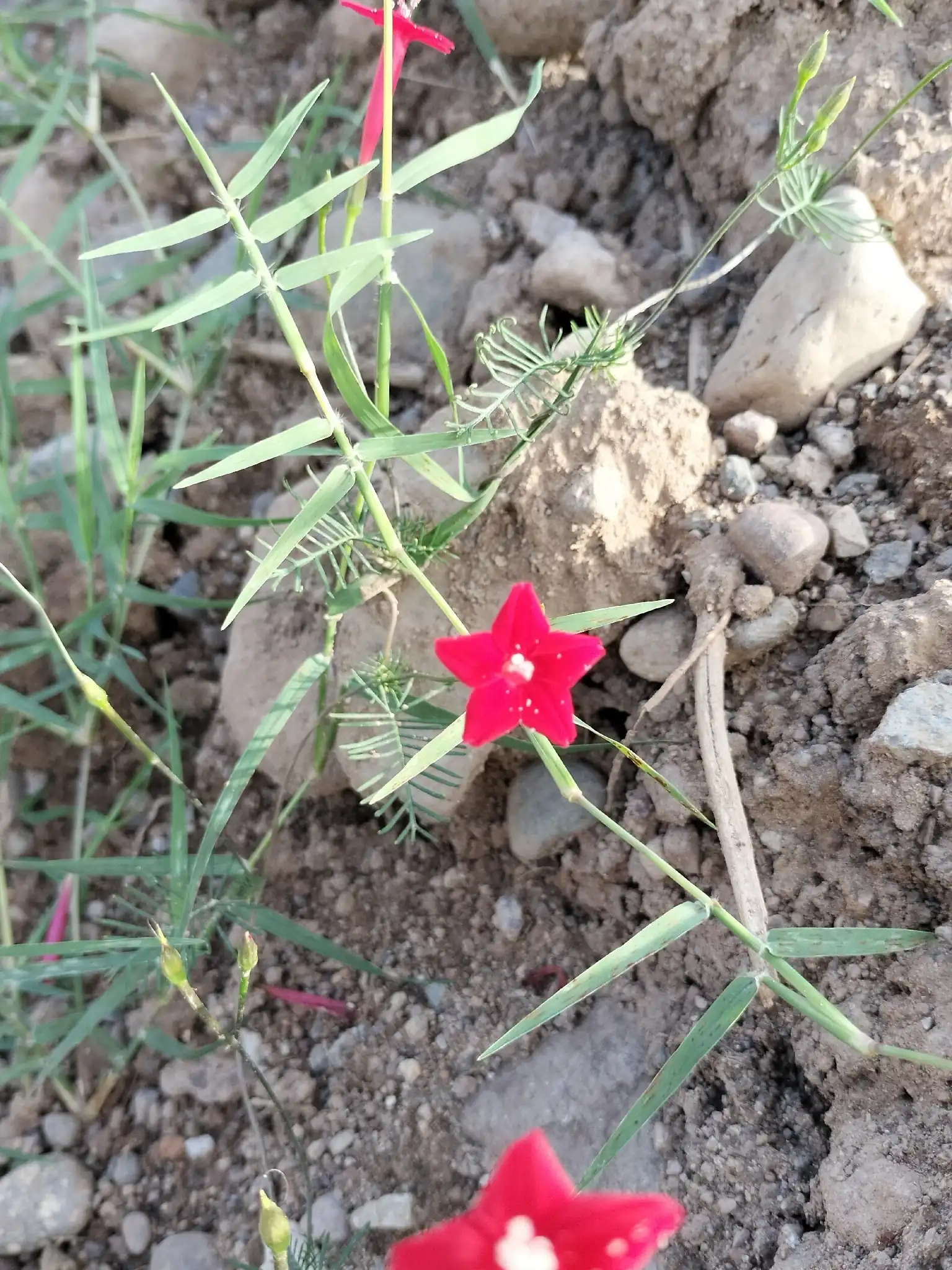
Ipomoea quamoclit is a fast-growing annual twining vine from tropical America that climbs 10 to 20 feet in one season on slender coiling stems. The leaves are pinnatisect with 10 to 13 pairs of linear lobes in an ovate outline, forming a feathery fern-like cover that carries most of the photosynthesis.
The flowers are narrow scarlet trumpets with a paler throat and a five-pointed star limb about 2 inches across, borne singly or in few-flowered cymes from early summer to frost. It is separated from other morning glories by that fully dissected foliage, and from cardinal climber by leaves divided to the midrib rather than merely lobed.
Uses & Benefits:
Essentials
At a Glance
Plant Type
Vine
Height
240"
Width
24"
Light
Full Sun
Zones
4, 5, 6, 7, 8, 9, 10
Water
Average, even moisture
Humidity
Average to humid
Lifespan
Annual
Native To
Tropical Americas (Mexico to northern South America)
Toxicity
Toxic seeds if ingested
Bloom period
Early summer – Fall
In flower about 6 months of the year
Planting
How to Grow
- Sow outdoors in full sun after last frost in average soil with good drainage and steady moisture.
- Nick the hard coat and soak seed 12 to 24 hours, then sow 1/4 inch deep where it is to grow.
- Provide a trellis, netting, or strings at planting time and wind young stems onto the support.
- Water through dry spells to keep growth moving and deadhead to prevent pods from ripening.
- Pull frost-killed vines in fall and discard seed-bearing material to limit volunteers.
Pro Tip
Deadhead spent flowers before pods ripen; once seed drops it returns thickly next spring and outruns hand-weeding.
Keep It Thriving
Care Guide
Do
- Give full sun and a sturdy trellis from the start
- Soak scarified seed before sowing
- Deadhead to control self-seeding
Don't
- Do not expect plants to overwinter outdoors; frost kills top growth
- Do not let pods ripen where self-sowing is unwanted
- Do not plant seed where children or pets chew seeds or pods
Seasonal Care Calendar
| Task | Jan | Feb | Mar | Apr | May | Jun | Jul | Aug | Sep | Oct | Nov | Dec |
|---|---|---|---|---|---|---|---|---|---|---|---|---|
| Deadhead | ||||||||||||
| Plant | ||||||||||||
| Stake | ||||||||||||
| Winter Prep |
Watch Out For
Pests & Diseases
Common Pests
Common Diseases
In the Garden
Landscape Uses & Companions
Landscape Uses
Multiply
Propagation Methods
Good to Know
Common Questions
Cypress Vine questions
What zones can Cypress Vine grow in?
Cypress Vine is an annual: it grows, flowers and sets seed in one season, so winter cold doesn't limit where it grows. Gardeners in any zone can grow it by planting at the right time, usually after the last spring frost.
Is Cypress Vine deer resistant?
Yes — Cypress Vine is rated deer-resistant. Deer typically pass it over, though extreme hunger can override any plant's defenses.
When does Cypress Vine bloom?
Cypress Vine typically blooms from summer to fall. Exact timing shifts a week or two with your zone — Sow's bloom calendar maps it to your garden.
Does Cypress Vine need full sun?
Cypress Vine does best in full sun (6+ hours).
Is Cypress Vine drought tolerant?
Yes — once established (usually after the first full season), Cypress Vine handles dry spells with minimal watering. Water deeply its first year to build the root system that makes that possible.
More Ipomoea to compare
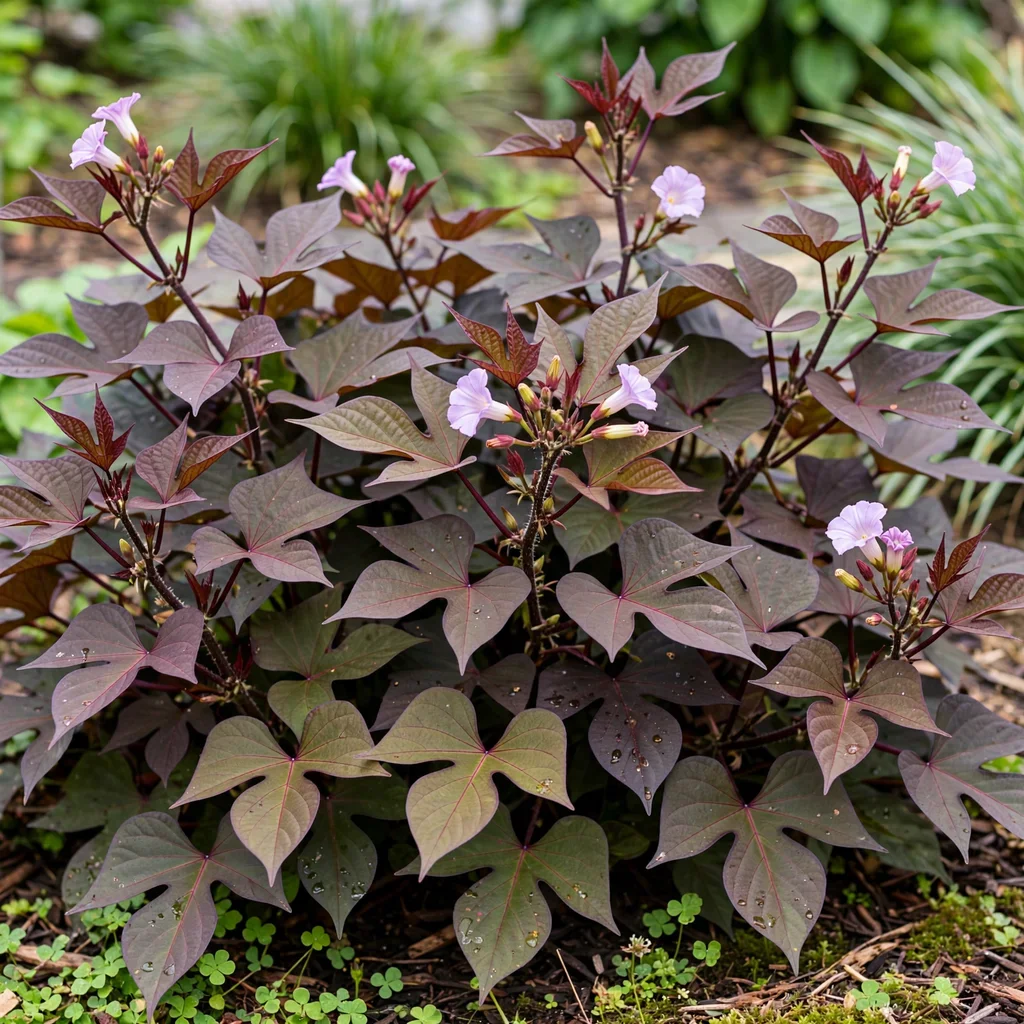
Sweet Potato
Ipomoea batatas 'Sweet Georgia Bronze'
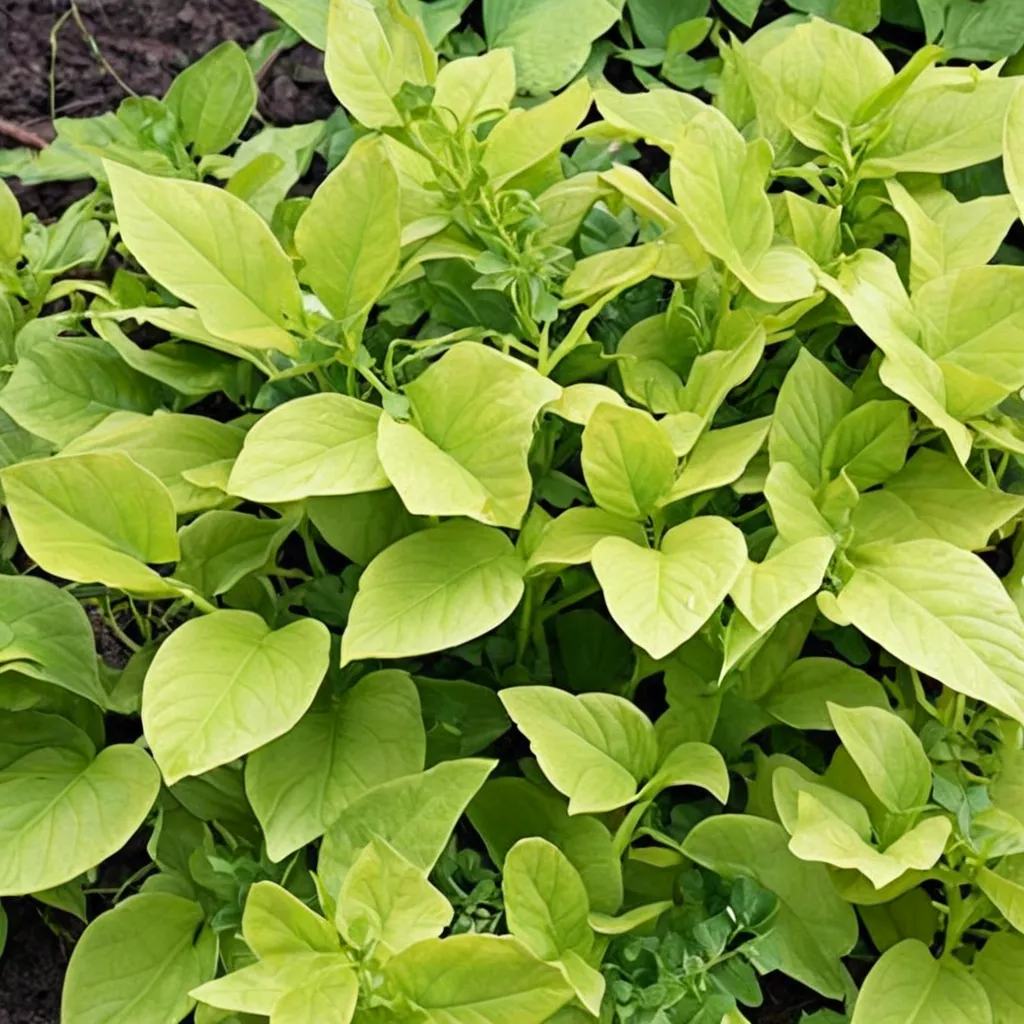
Margarita Sweet Potato Vine
Ipomoea batatas 'Margarita'
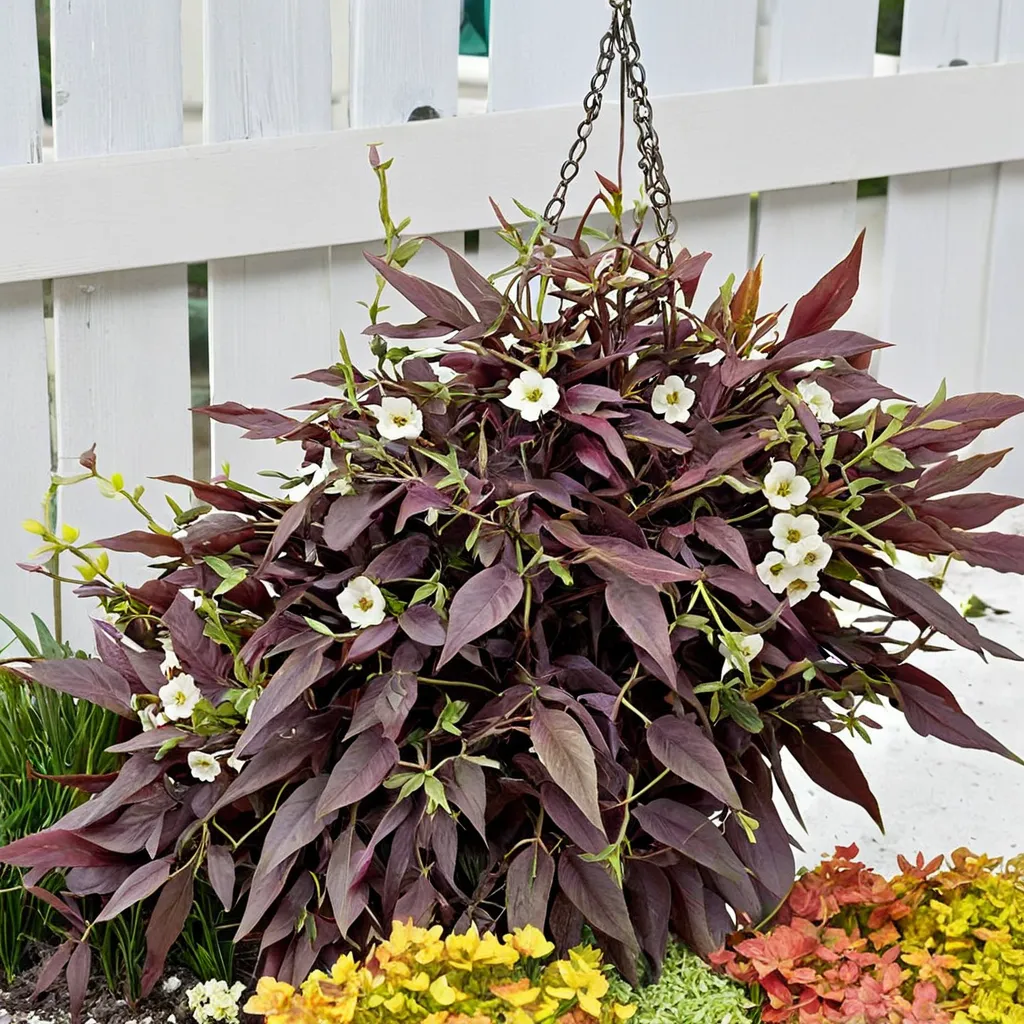
Sweet Caroline Upside Black Coffee Sweet Potato Vine
Ipomoea batatas 'Sweet Caroline Upside Black Coffee'
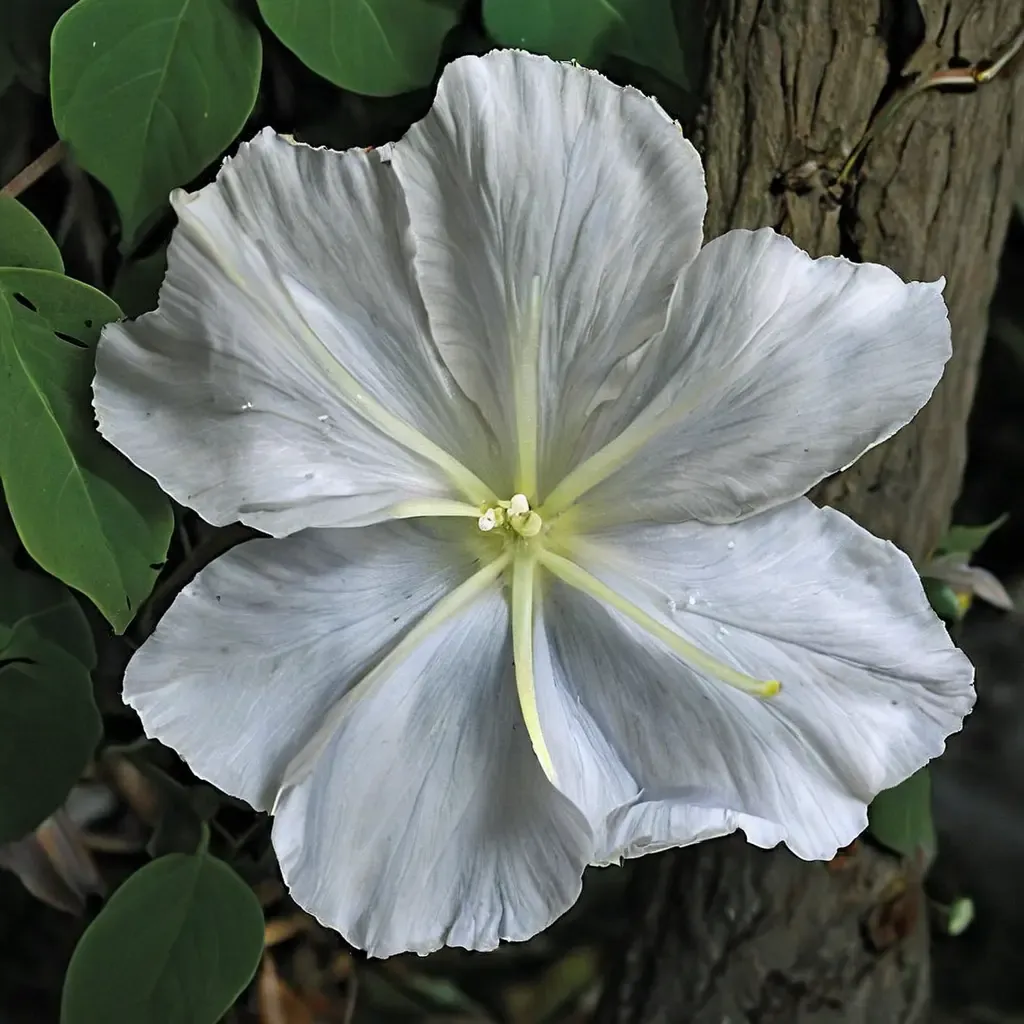
Moonflower
Ipomoea alba
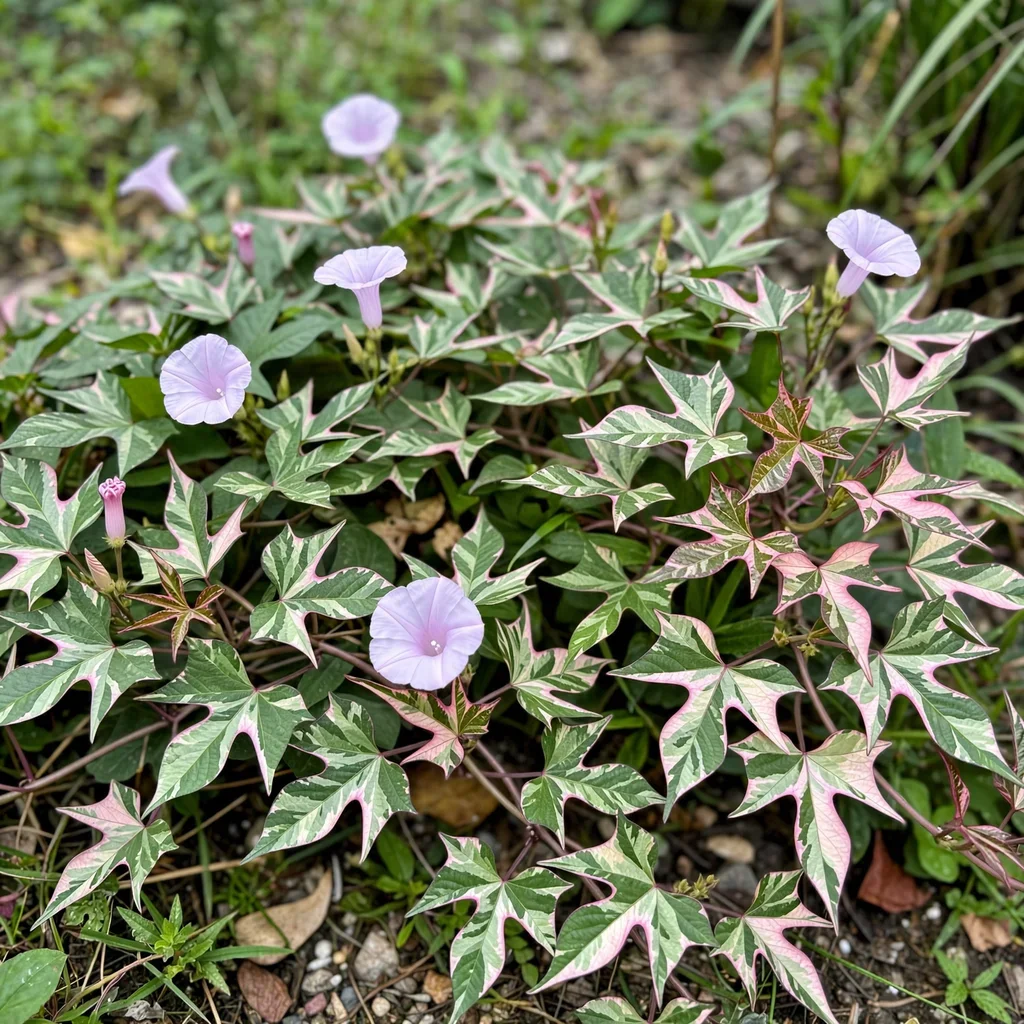
Tricolor Sweet Potato Vine
Ipomoea batatas 'Tricolor'
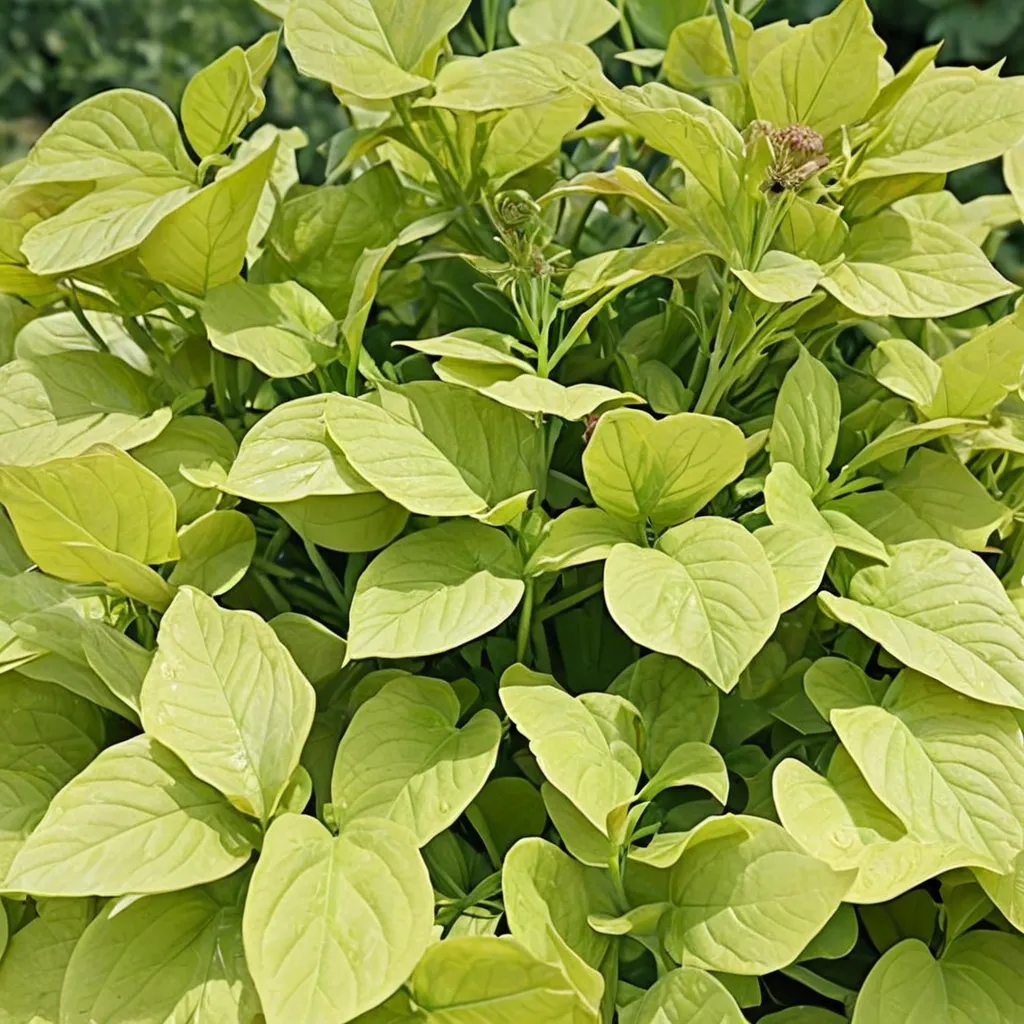
Sweet Potato Vine 'Sweet Caroline Sweetheart Lime'
Ipomoea batatas 'Sweet Caroline Sweetheart Lime'
Keep exploring
Explore the genus
Grow Cypress Vine with confidence
See it in a design of your actual yard, get zone-matched care reminders, and track it season by season in your garden journal.