The Story
Plant Bio
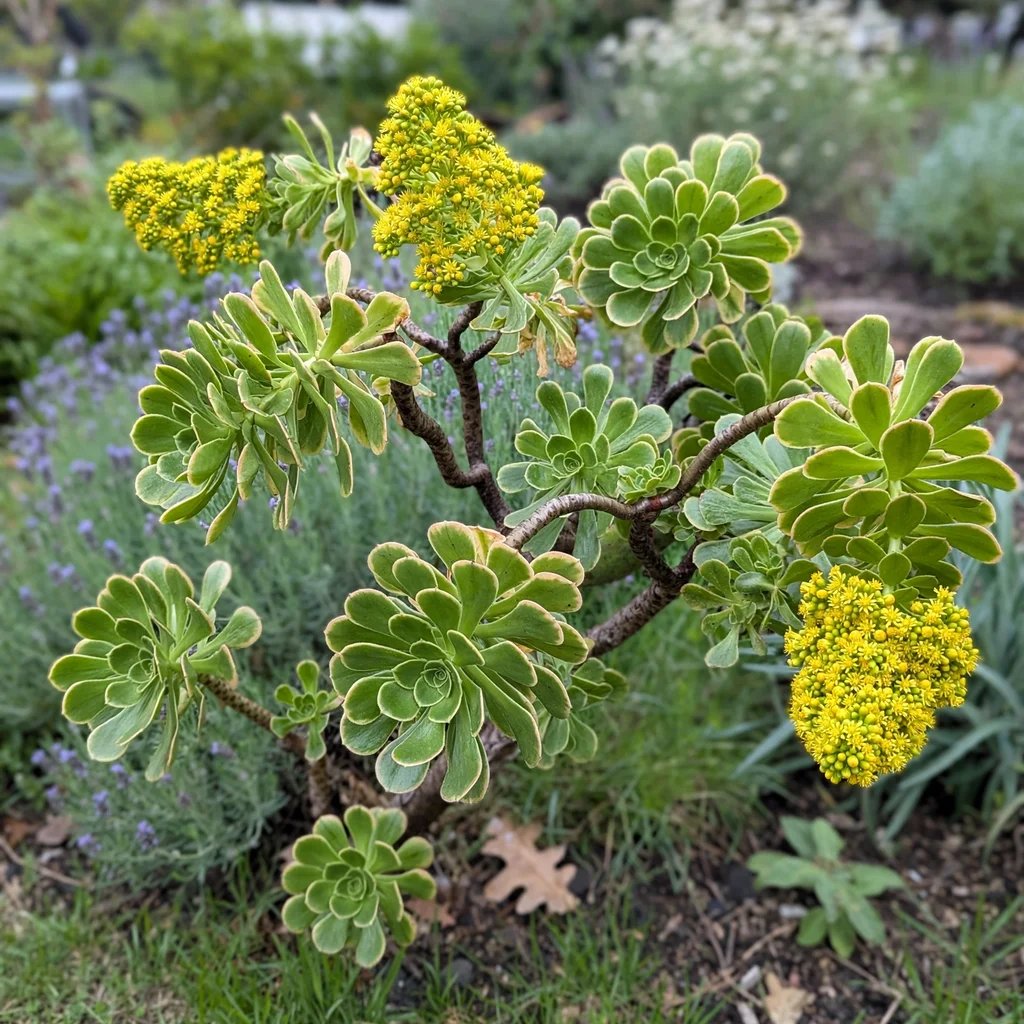
Aeonium arboreum, sold as Aeonium arborescens, is a succulent evergreen subshrub with branched stems topped by terminal rosettes of fleshy spoon-shaped leaves, reaching two to three feet tall and wide in cultivation. The flowers have no stalked individual show; the display comes from large conical panicles of bright yellow star-shaped blooms held at the stem tips, after which that rosette dies.
Green rosettes hold color in part shade and turn dark burgundy-black to purple in full sun in the dark forms sold as Black Tree Aeonium. It demands sharp drainage and frost-free winter warmth, tolerating drought and coastal exposure but rotting fast in waterlogged soil and collapsing near 25 to 30F.
Uses & Benefits:
Essentials
At a Glance
Plant Type
Cactus Succulent
Height
40"
Width
36"
Light
Full Sun, Partial Sun
Zones
9, 10
Water
Low
Humidity
Low, dislikes wet humidity
Lifespan
Perennial evergreen subshrub
Native To
Canary Islands and Morocco
Toxicity
Non-toxic
Bloom period
Late winter – Summer
In flower about 7 months of the year
Planting
How to Grow
- Plant in spring after frost in full sun to part shade for best color.
- Set in a sandy, rocky succulent mix in a pot with drainage holes or a raised, fast-draining bed.
- Water deeply then let dry; keep almost dry in summer dormancy and in winter cold.
- Move pots indoors or cover with frost cloth when frost threatens.
Pro Tip
Keep it dry-ish through summer dormancy in high light and air; pull the spent flowered rosette and strip dead leaves from under rosettes to deny mealybugs shelter.
Keep It Thriving
Care Guide
Do
- Give full sun for compact rosettes and dark color
- Use sharp-draining succulent mix and pots with holes
- Remove spent flower stalk and dead skirt leaves
Don't
- Do not overwater in summer dormancy
- Do not leave in waterlogged soil or saucers of water
- Do not cut back into old bare wood to reshape
Seasonal Care Calendar
| Task | Jan | Feb | Mar | Apr | May | Jun | Jul | Aug | Sep | Oct | Nov | Dec |
|---|---|---|---|---|---|---|---|---|---|---|---|---|
| Fertilize | ||||||||||||
| Pest Check | ||||||||||||
| Plant | ||||||||||||
| Prune | ||||||||||||
| Winter Prep |
Watch Out For
Pests & Diseases
Common Pests
Common Diseases
In the Garden
Landscape Uses & Companions
Landscape Uses
Companion Plants
Multiply
Propagation Methods
Good to Know
Common Questions
Tree Aeonium questions
What zones can Tree Aeonium grow in?
Tree Aeonium is hardy in USDA Zones 9–10: in that range it survives winter in the ground. Colder than Zone 9, grow it in a container you can move to shelter for the winter, or as an annual.
Is Tree Aeonium deer resistant?
Not reliably. Deer may browse Tree Aeonium, especially tender spring growth — plan on repellents or fencing where pressure is high.
When does Tree Aeonium bloom?
Tree Aeonium typically blooms from late winter to late summer. Exact timing shifts a week or two with your zone — Sow's bloom calendar maps it to your garden.
Does Tree Aeonium need full sun?
Tree Aeonium does best in full sun to part shade. In hot climates, afternoon shade keeps blooms fresher longer.
Is Tree Aeonium drought tolerant?
Yes — once established (usually after the first full season), Tree Aeonium handles dry spells with minimal watering. Water deeply its first year to build the root system that makes that possible.
More Aeonium to compare
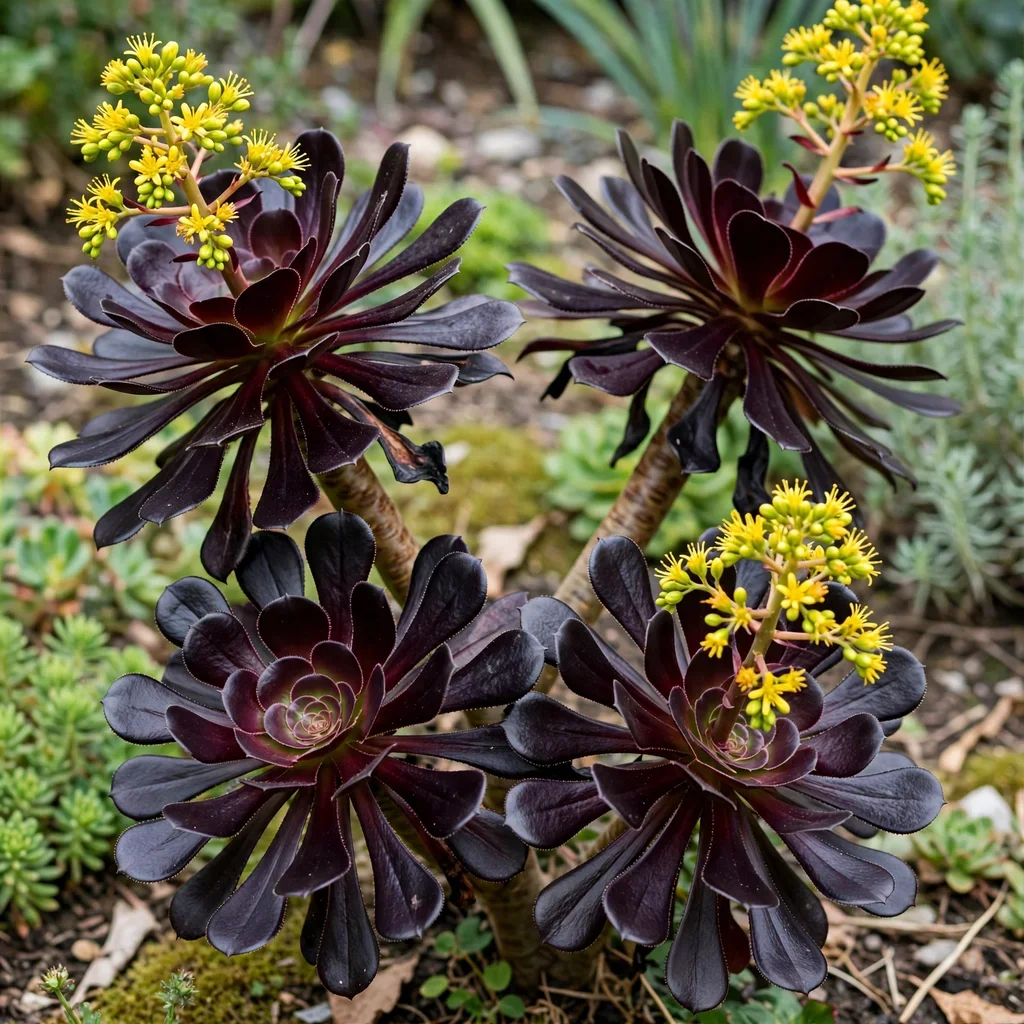
Black Rose Aeonium
Aeonium arboreum 'Zwartkop'
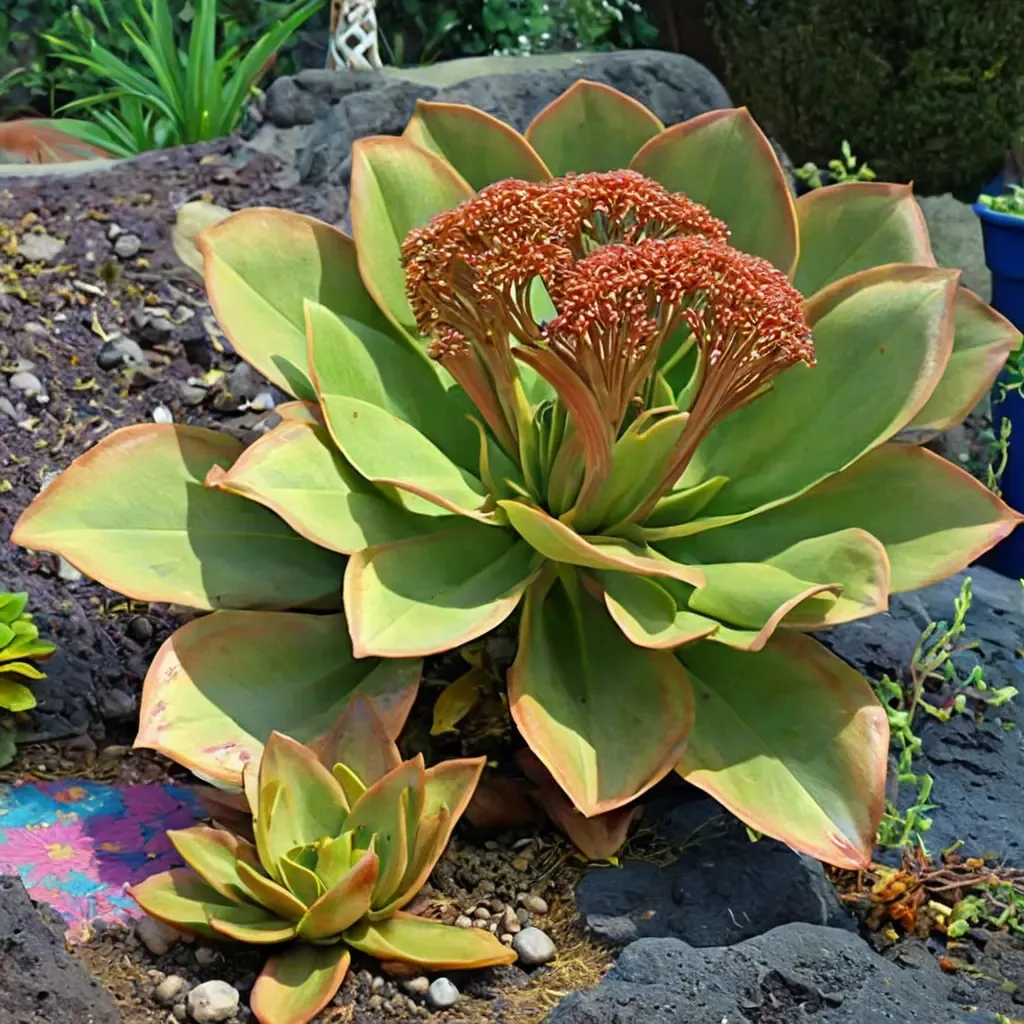
Noble Aeonium
Aeonium nobile
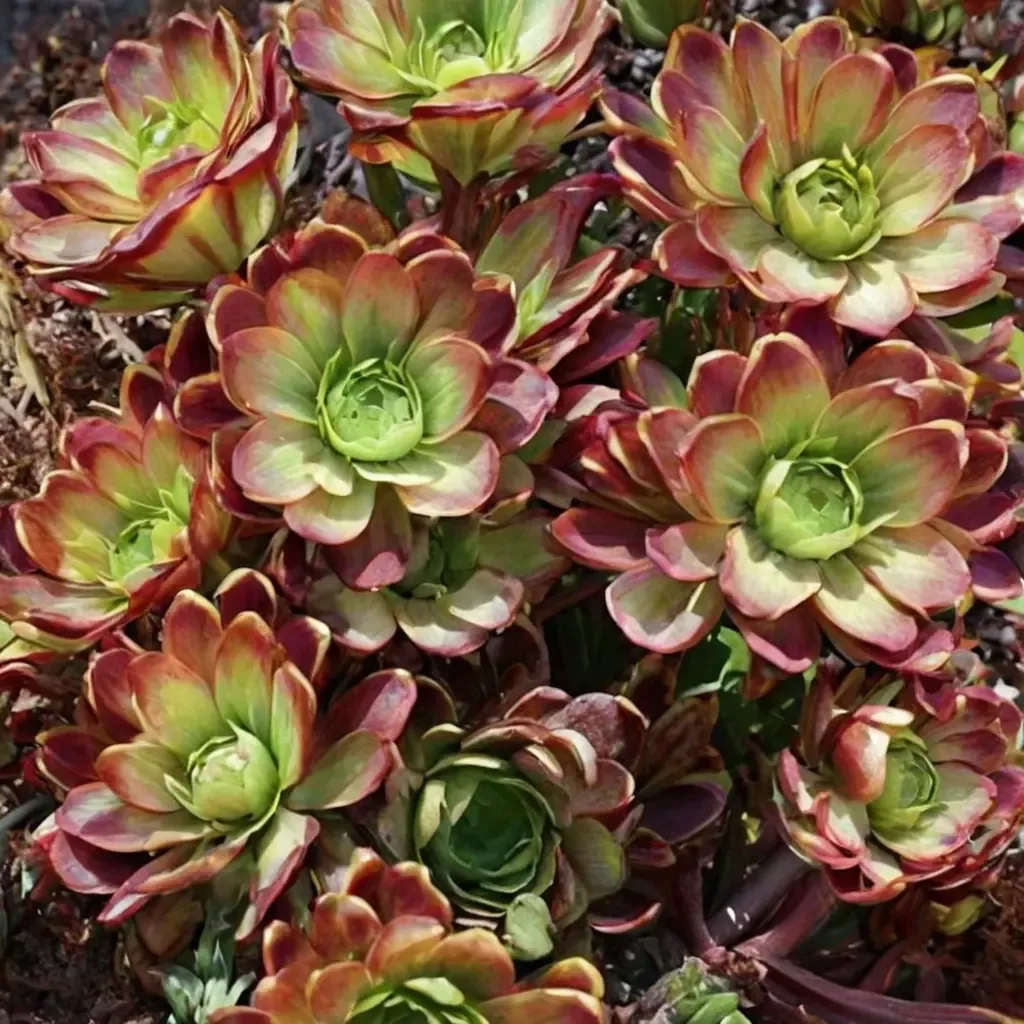
Jack Catlin aeonium Tree aeonium
Aeonium arboreum 'Jack Catlin'
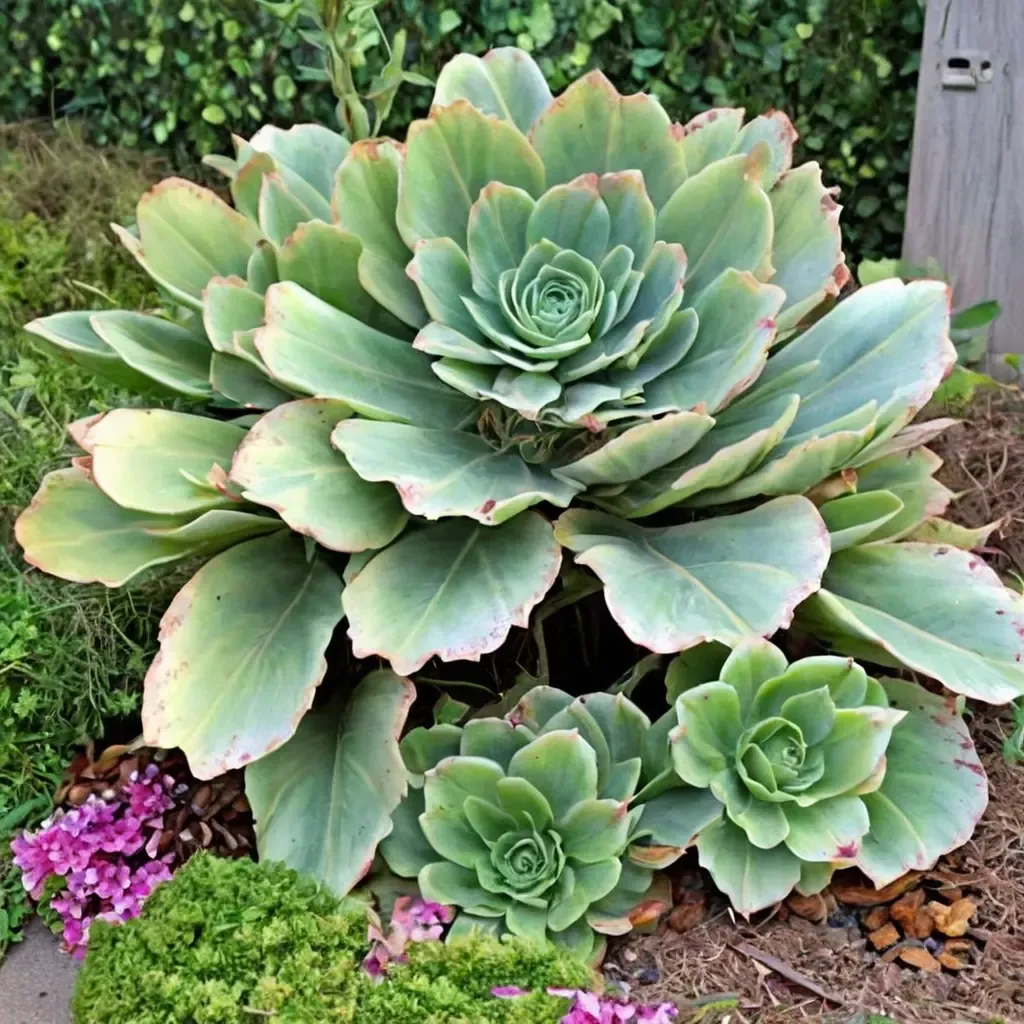
Tree Houseleek
Aeonium escobarii
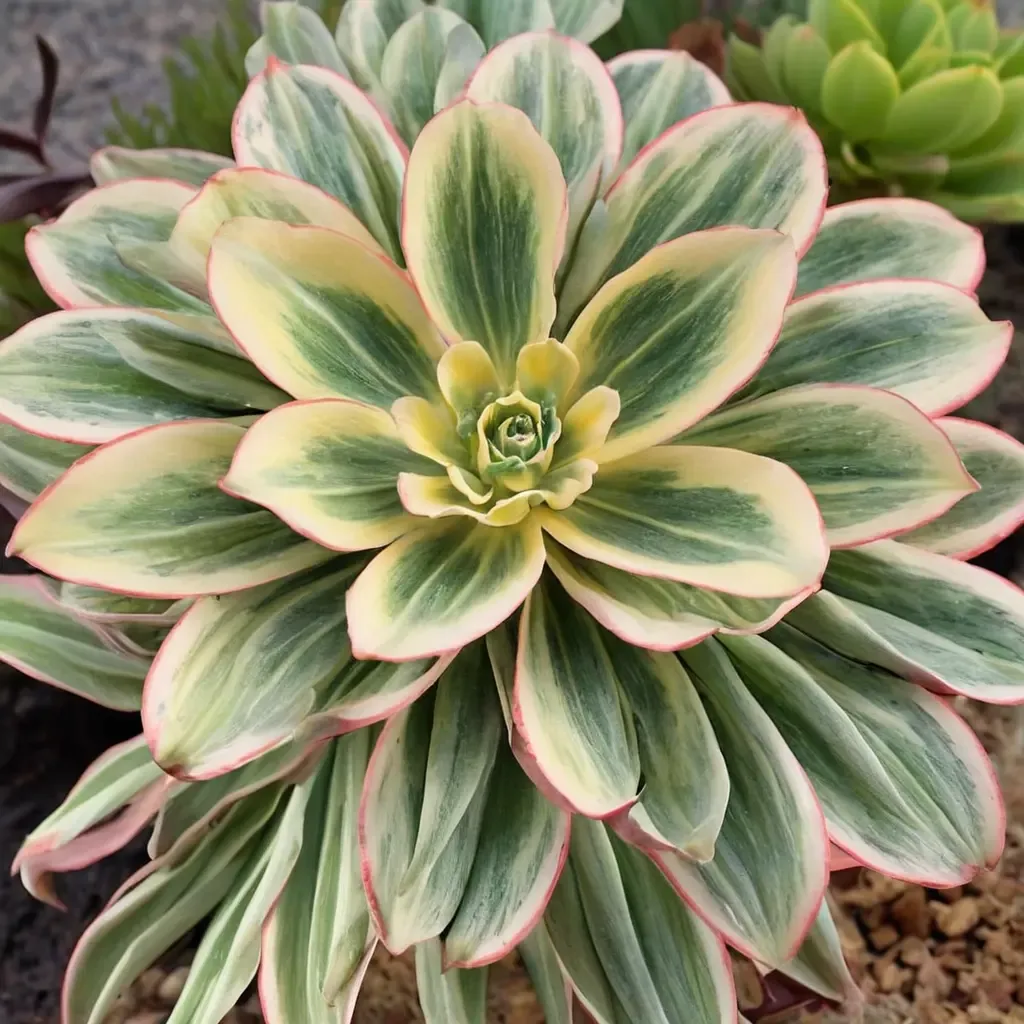
Sunburst Aeonium
Aeonium decorum 'Sunburst'
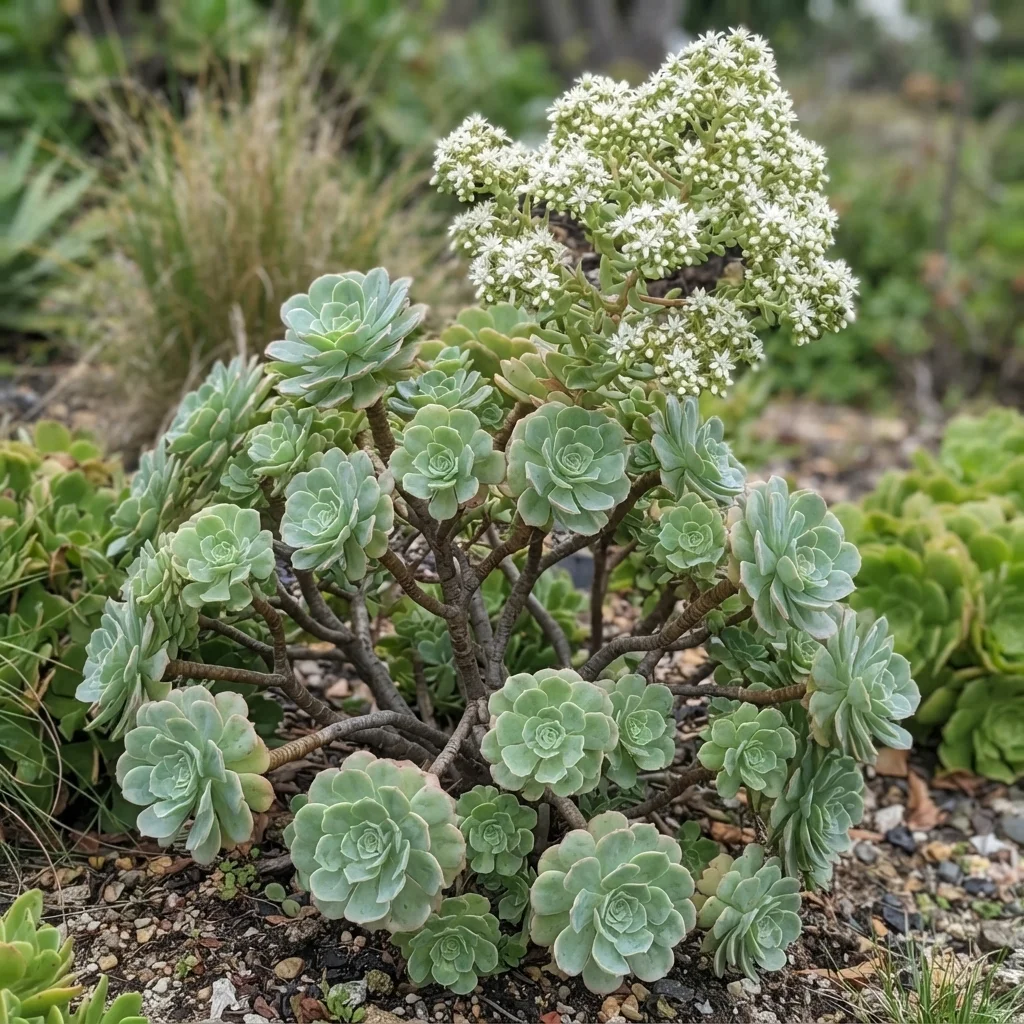
Castello-Paiva's Aeonium
Aeonium castello-paivae
Keep exploring
Explore the genus
Hardy in your zone?
Grow Tree Aeonium with confidence
See it in a design of your actual yard, get zone-matched care reminders, and track it season by season in your garden journal.