The Story
Plant Bio
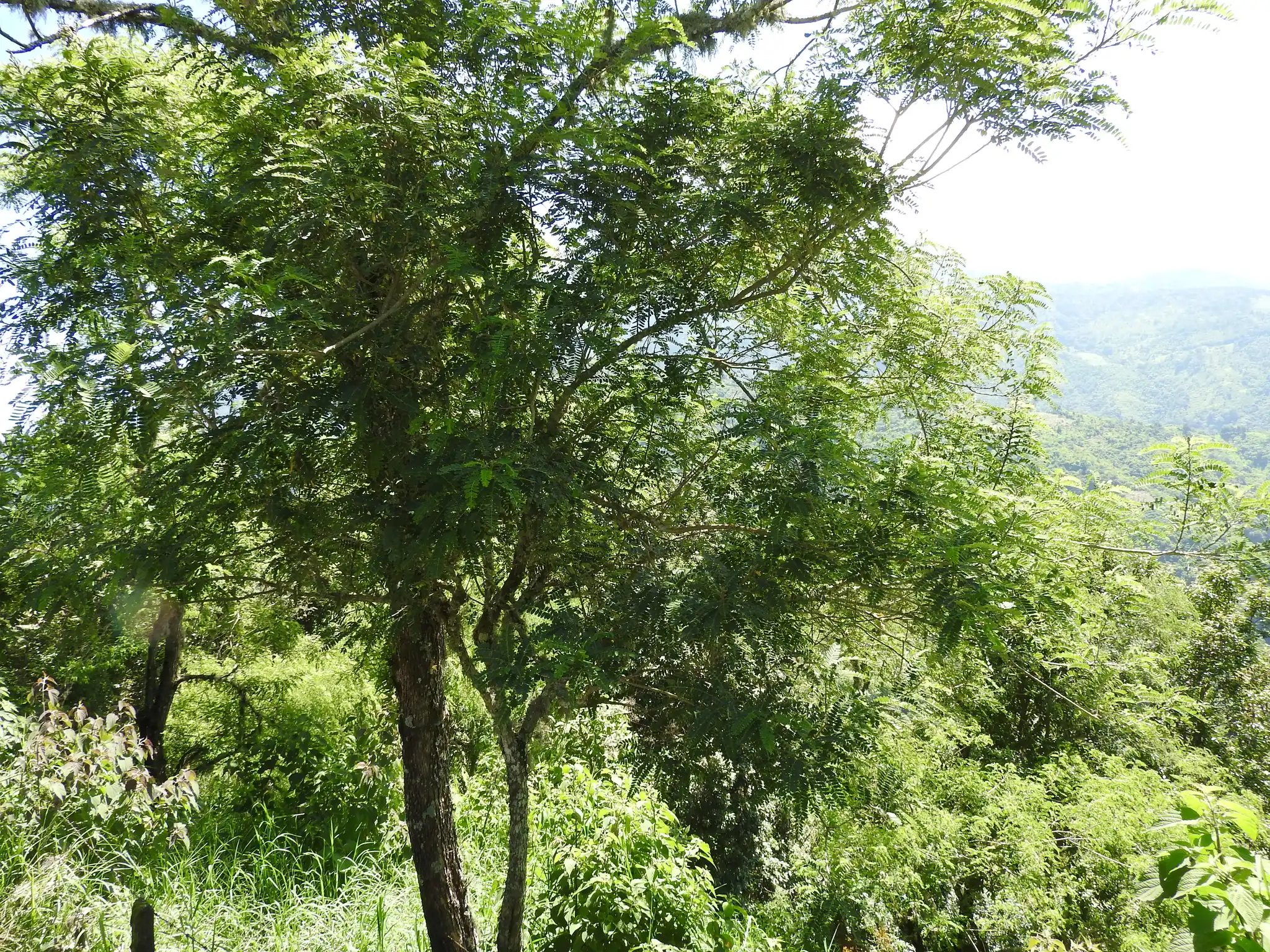
Alvaradoa amorphoides is an open, airy shrub to slender small tree reaching about 25 feet, with pinnate leaves carrying up to 40 small thin rounded leaflets. Male and female flowers grow on separate plants in 3- to 4-inch pendant racemes, followed on female plants by flattened hairy samaras that ripen tan flushed red-purple.
It is dioecious, so only female plants set the red-tinged samaras and only when a male grows nearby. In Florida it is a rare limestone-hammock endangered species at the northern edge of a range where it is common in Mexico, and its feathery foliage is easily mistaken for false indigo when out of flower.
Uses & Benefits:
Essentials
At a Glance
Plant Type
Tree
Height
300"
Width
120"
Light
Full Sun, Partial Sun
Zones
10
Water
Low
Humidity
Unknown
Lifespan
Perennial
Native To
Mexico, Central America, West Indies, southern Florida
Toxicity
Unknown
Bloom period
Winter – Fall
In flower about 3 months of the year
Planting
How to Grow
- Set in full sun to light shade in fast-draining limestone soil.
- Dig the hole no deeper than the pot and twice as wide, then backfill with native soil.
- Water deeply at planting and through the first dry season to establish.
- Cut water back once established; mature plants take drought.
- Keep lawn and heavy fertilizer away from the root zone.
Pro Tip
Plant a male and a female together if you want the red-flushed samaras; buy nursery-propagated stock only and leave wild Florida stands untouched.
Keep It Thriving
Care Guide
Do
- Plant male and female together for samaras.
- Mulch lightly with fallen leaves, clear of the trunk.
- Water new plantings until rooted, then leave dry.
Don't
- Do not collect from wild Florida hammocks.
- Do not plant a single tree and expect seed.
- Do not overwater or set in soggy ground.
Seasonal Care Calendar
| Task | Jan | Feb | Mar | Apr | May | Jun | Jul | Aug | Sep | Oct | Nov | Dec |
|---|---|---|---|---|---|---|---|---|---|---|---|---|
| Mulch | ||||||||||||
| Pest Check | ||||||||||||
| Plant | ||||||||||||
| Prune |
Watch Out For
Pests & Diseases
Common Pests
Common Diseases
In the Garden
Landscape Uses & Companions
Landscape Uses
Companion Plants
Multiply
Propagation Methods
Good to Know
Common Questions
Mexican Alvaradoa questions
What zones can Mexican Alvaradoa grow in?
Mexican Alvaradoa is hardy in USDA Zone 10: in that range it survives winter in the ground. Colder than Zone 10, winters are too cold for it to survive outdoors.
When does Mexican Alvaradoa bloom?
Mexican Alvaradoa typically blooms in winter. Exact timing shifts a week or two with your zone — Sow's bloom calendar maps it to your garden.
Does Mexican Alvaradoa need full sun?
Mexican Alvaradoa does best in full sun to part shade. In hot climates, afternoon shade keeps blooms fresher longer.
Is Mexican Alvaradoa drought tolerant?
Yes — once established (usually after the first full season), Mexican Alvaradoa handles dry spells with minimal watering. Water deeply its first year to build the root system that makes that possible.
Keep exploring
Explore the genus
Hardy in your zone?
Grow Mexican Alvaradoa with confidence
See it in a design of your actual yard, get zone-matched care reminders, and track it season by season in your garden journal.