The Story
Plant Bio
Ribes currants and gooseberries are deciduous multi-stemmed shrubs with alternate lobed leaves and small cup-shaped flowers borne in nodding racemes. They leaf out early in spring, bloom on older wood, and set currant-like berries where pollination and fruit set succeed.
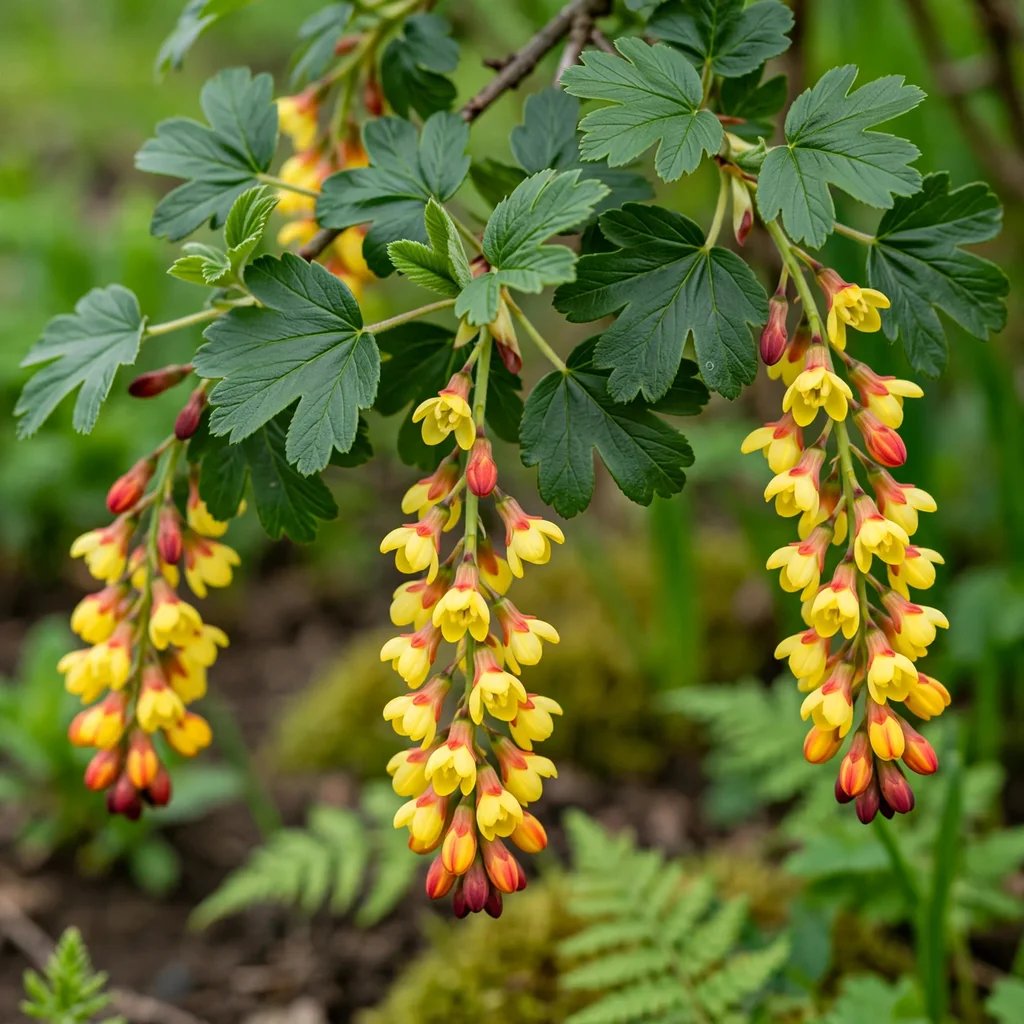
This garden cross of Ribes odoratum by Ribes sanguineum forms a spreading spineless shrub with arching branches, glossy dark green aromatic leaves, and dense 3-inch nodding racemes that are deep red in bud and open yellow flushed red-orange at the base. It grows about 7 feet tall and 8 feet wide and is grown as an ornamental; fruit set is poor or absent and it serves as an alternate host for white pine blister rust.
Uses & Benefits:
Essentials
At a Glance
Plant Type
Shrub
Height
84"
Width
96"
Light
Full Sun, Partial Sun
Zones
4, 5, 6, 7, 8
Water
Moderate
Humidity
Average
Lifespan
Woody perennial
Native To
Garden hybrid; no wild range
Toxicity
Unknown
Bloom period
Spring – Early summer
In flower about 4 months of the year
Marketplace
Where to Buy
Shipping costs Year-round shipping Free shipping
Planting
How to Grow
- Plant in fall or early spring in full sun to partial shade.
- Set at the same depth it grew in the pot in moist fertile well-drained soil.
- Mulch in spring with composted manure or leafmold, keeping mulch off the stems.
- Water through the first season to establish; avoid waterlogged ground.
- Prune after flowering to shape and renew; do not plant near white pines.
Pro Tip
Prune right after flowering, shortening flowered shoots to a strong bud and taking one in five old stems to the ground; shearing the whole shrub every year leaves bare wood that regrows slowly.
Keep It Thriving
Care Guide
Do
- Mulch each spring to hold soil moisture
- Prune after flowering for airflow and renewal
- Rake up and destroy fallen leaves to reduce leaf-spot carryover
- Give full sun for best bloom with afternoon shade in hot areas
Don't
- Do not plant near white pines
- Do not shear the whole shrub every year
- Do not leave roots in waterlogged soil
- Do not expect a currant crop from this ornamental hybrid
Seasonal Care Calendar
| Task | Jan | Feb | Mar | Apr | May | Jun | Jul | Aug | Sep | Oct | Nov | Dec |
|---|---|---|---|---|---|---|---|---|---|---|---|---|
| Mulch | ||||||||||||
| Pest Check | ||||||||||||
| Plant | ||||||||||||
| Prune | ||||||||||||
| Winter Prep |
Watch Out For
Pests & Diseases
Common Pests
Common Diseases
In the Garden
Landscape Uses & Companions
Landscape Uses
Multiply
Propagation Methods
Good to Know
Common Questions
Gordon's Currant questions
What zones can Gordon's Currant grow in?
Gordon's Currant is hardy in USDA Zones 4–8: in that range it survives winter in the ground. Warmer than Zone 8, winter isn't the problem: it prefers colder winters, and summer heat can shorten its life.
When does Gordon's Currant bloom?
Gordon's Currant typically blooms from early spring to early summer. Exact timing shifts a week or two with your zone — Sow's bloom calendar maps it to your garden.
Does Gordon's Currant need full sun?
Gordon's Currant does best in full sun to part shade. In hot climates, afternoon shade keeps blooms fresher longer.
More Ribes to compare
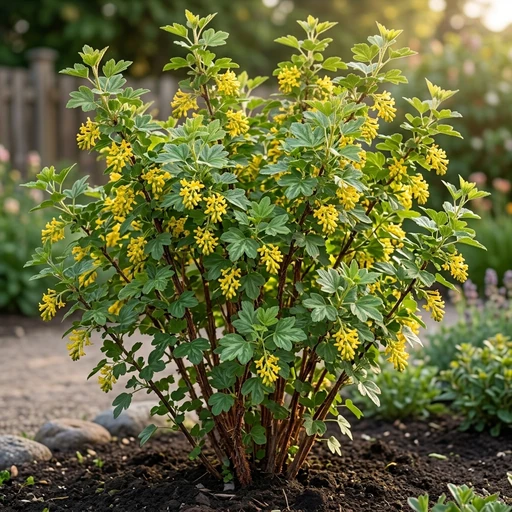
Golden Currant
Ribes aureum
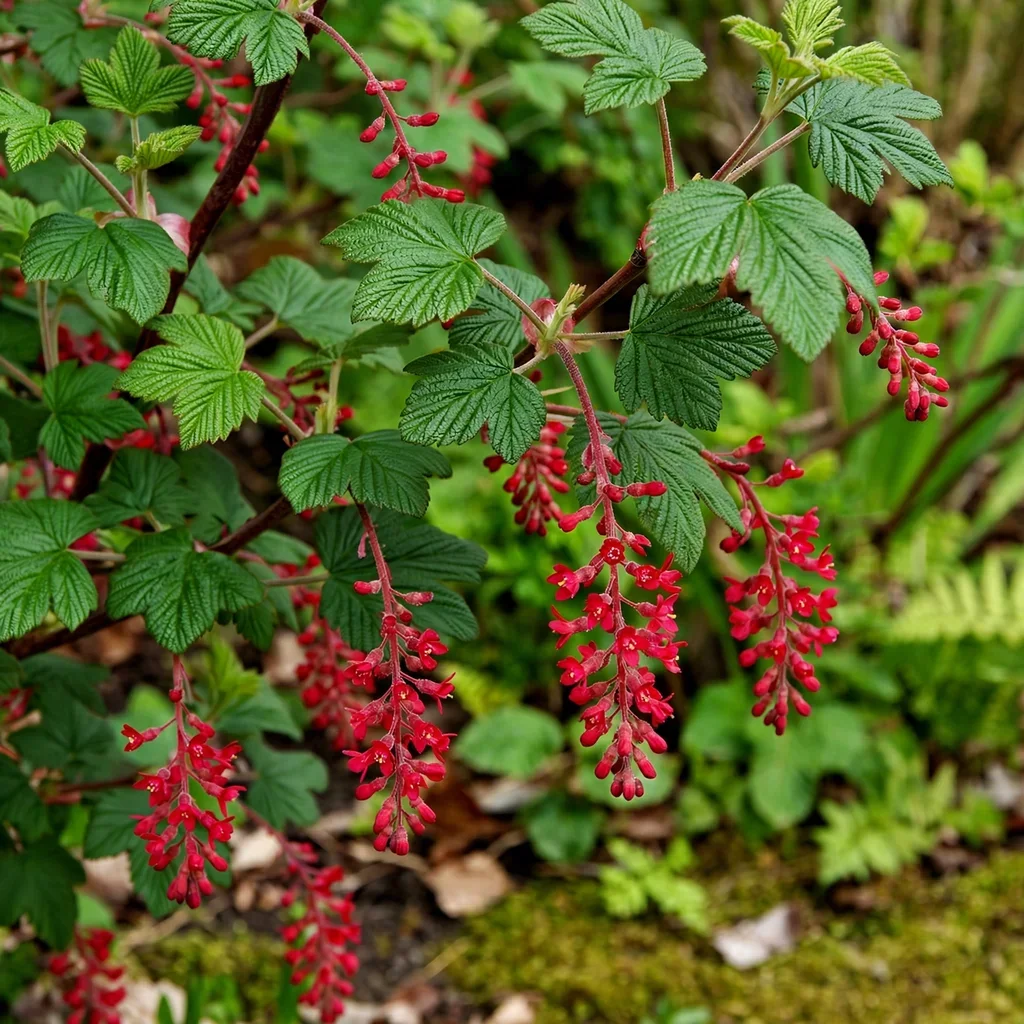
King Edward VII Flowering Currant
Ribes sanguineum 'King Edward VII'
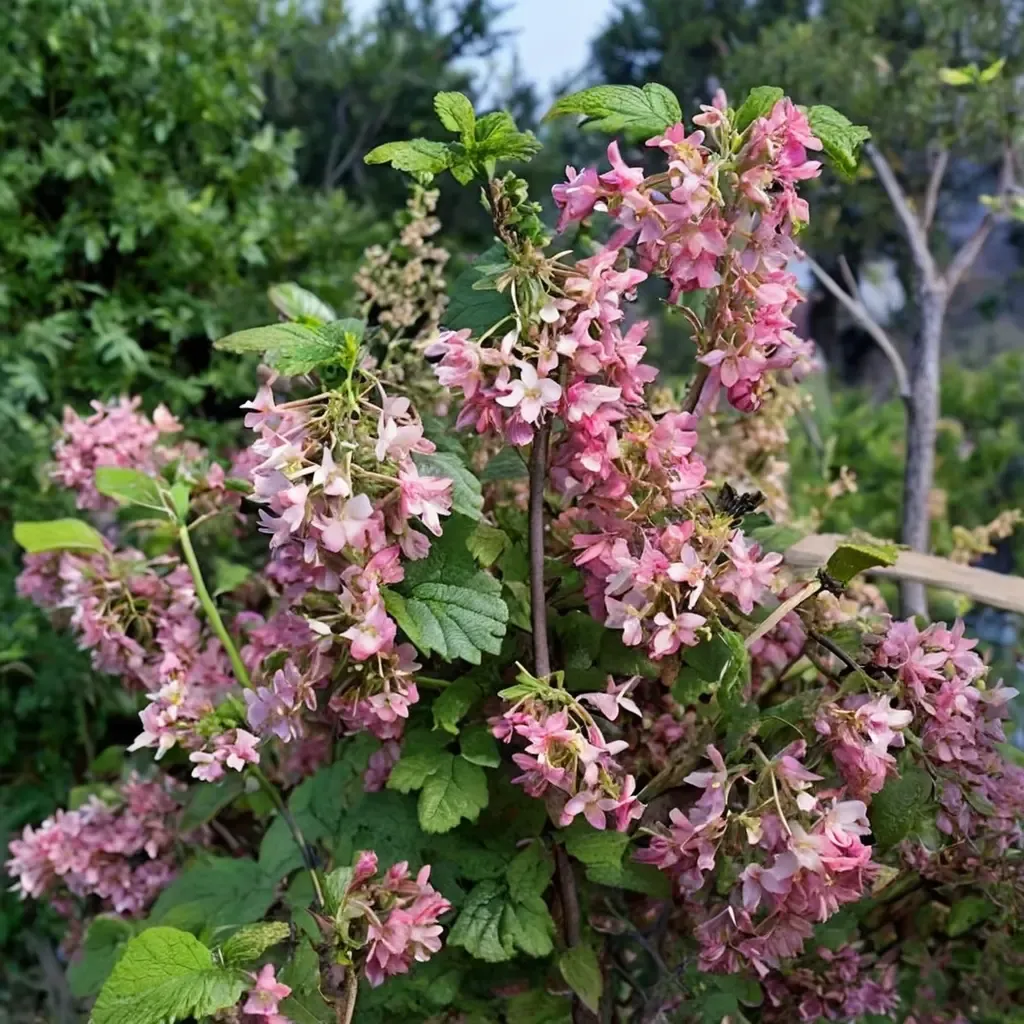
Claremont Currant
Ribes sanguineum 'Claremont'
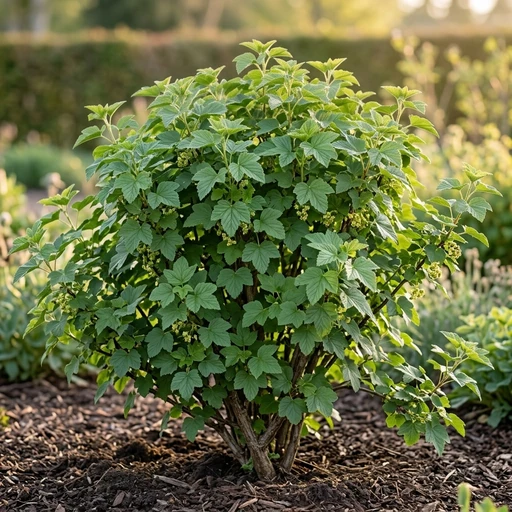
Alpine Currant
Ribes alpinum
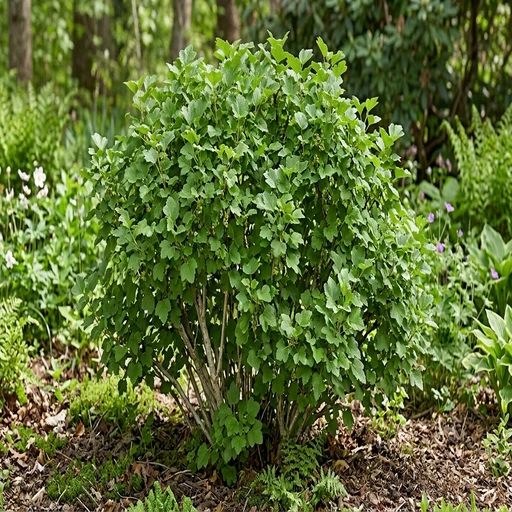
Green Mound Alpine Currant
Ribes alpinum 'Green Mound'
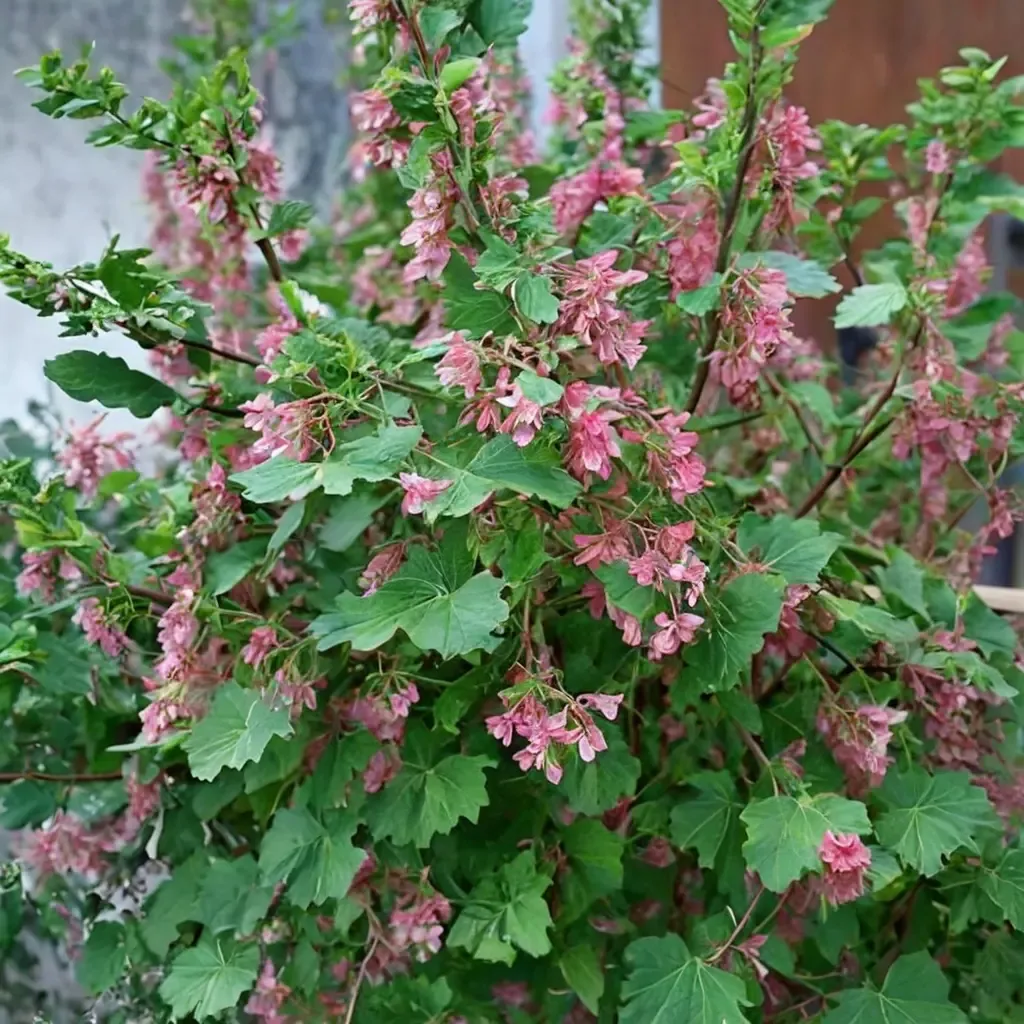
Pink-Flowering Currant
Ribes sanguineum 'glutinosum'
Keep exploring
Explore the genus
Hardy in your zone?
Grow Gordon's Currant with confidence
See it in a design of your actual yard, get zone-matched care reminders, and track it season by season in your garden journal.