1 named cultivar
The Story
Plant Bio
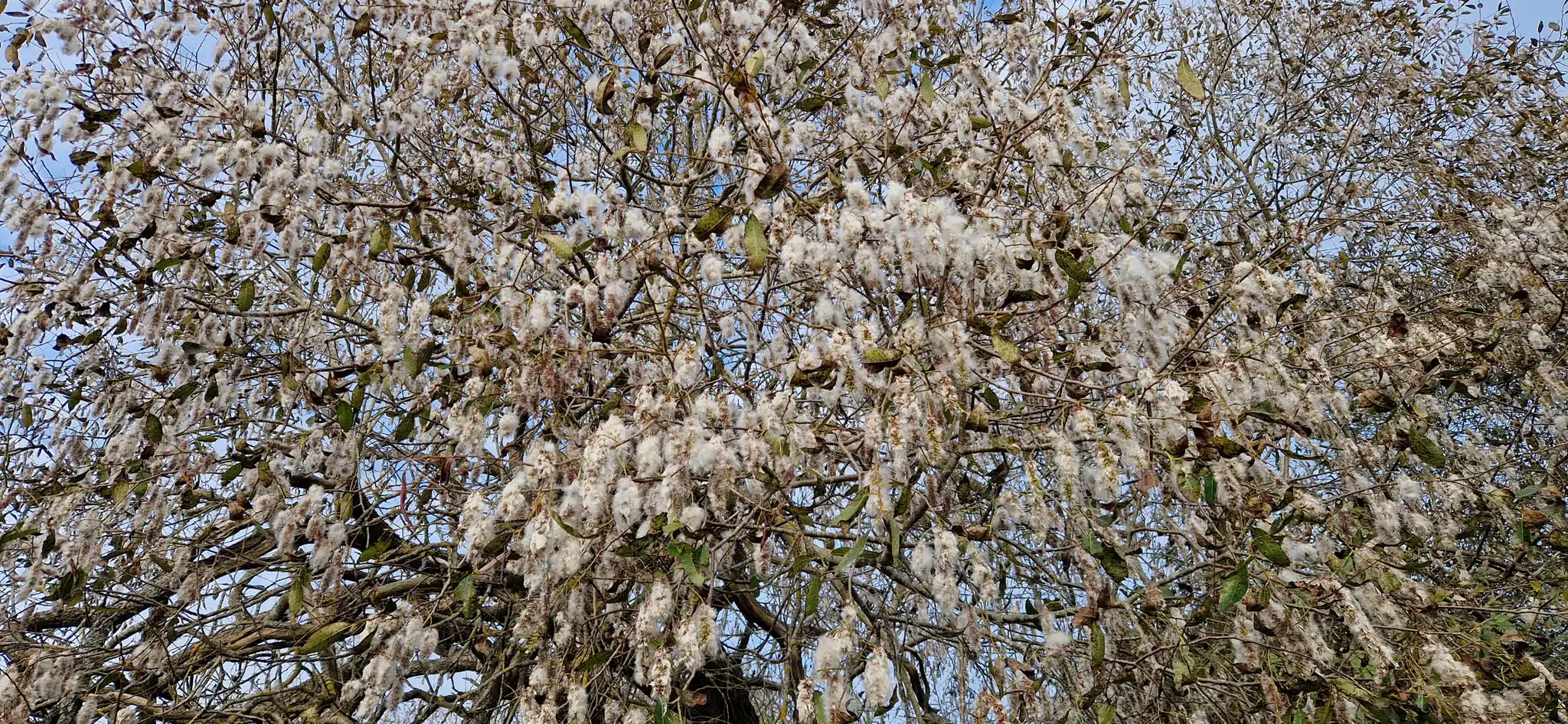
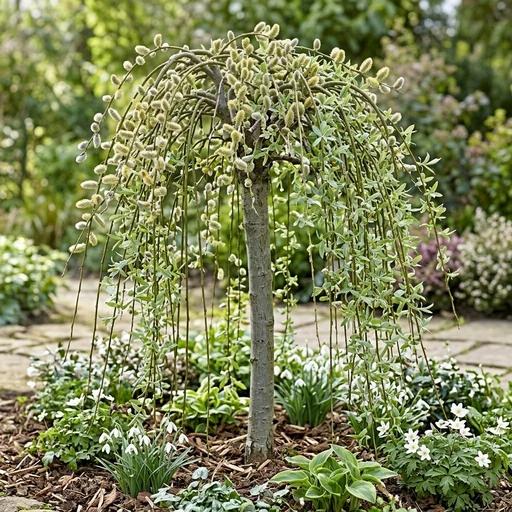
Salix caprea, goat willow or pussy willow, is a fast multi-stemmed shrub or small tree from Europe and western Asia, reaching twelve to twenty-five feet. Broad dark green leaves are grey and downy beneath, and in very early spring the bare stems carry the silvery silken male catkins that give it its common name, opening bright yellow with pollen.
Those catkins arrive when almost nothing else is out, and that timing makes it one of the most valuable early plants for bees — queen bumblebees emerging from hibernation depend heavily on willow pollen. Only male plants give the showy display. It roots so readily that a cut stem pushed into damp ground usually grows, which is useful and occasionally a nuisance.
Uses & Benefits:
Essentials
At a Glance
Plant Type
Tree
Height
222"
Width
138"
Light
Full Sun, Partial Sun
Zones
4, 5, 6, 7, 8
Water
Moderate to high
Humidity
Moderate
Lifespan
Perennial
Native To
Europe and western Asia
Toxicity
Non-toxic
Planting
How to Grow
- Plant in full sun or partial shade in moist soil.
- Keep it well away from drains and foundations.
- Buy a male plant if you want the silver catkins.
- Cut stems for the vase before the catkins open fully.
- Prune hard after flowering if you want it small.
- Expect cut stems to root wherever they land.
Pro Tip
Only male plants carry the silvery catkins, so buy in early spring when you can see them rather than trusting a label.
Keep It Thriving
Care Guide
Do
- Plant it where bees will find it early 🐝
- Buy a male plant for catkins 🏷️
- Prune hard right after flowering ✂️
- Keep it clear of drains 🚱
Don't
- Plant it near pipes or foundations ❌
- Prune it in autumn or winter ❌
- Leave cut stems lying on damp soil ❌
Seasonal Care Calendar
| Task | Jan | Feb | Mar | Apr | May | Jun | Jul | Aug | Sep | Oct | Nov | Dec |
|---|---|---|---|---|---|---|---|---|---|---|---|---|
| Enjoy | ||||||||||||
| Prune |
Watch Out For
Pests & Diseases
Common Pests
Common Diseases
In the Garden
Landscape Uses & Companions
Landscape Uses
Companion Plants
Multiply
Propagation Methods
Good to Know
Common Questions
Weeping Pussy Willow questions
What zones can Weeping Pussy Willow grow in?
Weeping Pussy Willow is hardy in USDA Zones 4–8. Inside that range it survives winter in the ground; outside it, grow it as an annual or a container plant you protect.
Is Weeping Pussy Willow deer resistant?
Yes — Weeping Pussy Willow is rated deer-resistant. Deer typically pass it over, though extreme hunger can override any plant's defenses.
When does Weeping Pussy Willow bloom?
Weeping Pussy Willow typically blooms in late winter to early spring through early spring. Exact timing shifts a week or two with your zone — Sow's bloom calendar maps it to your garden.
Does Weeping Pussy Willow need full sun?
Weeping Pussy Willow does best in full sun to part shade. In hot climates, afternoon shade keeps blooms fresher longer.
More Salix to compare
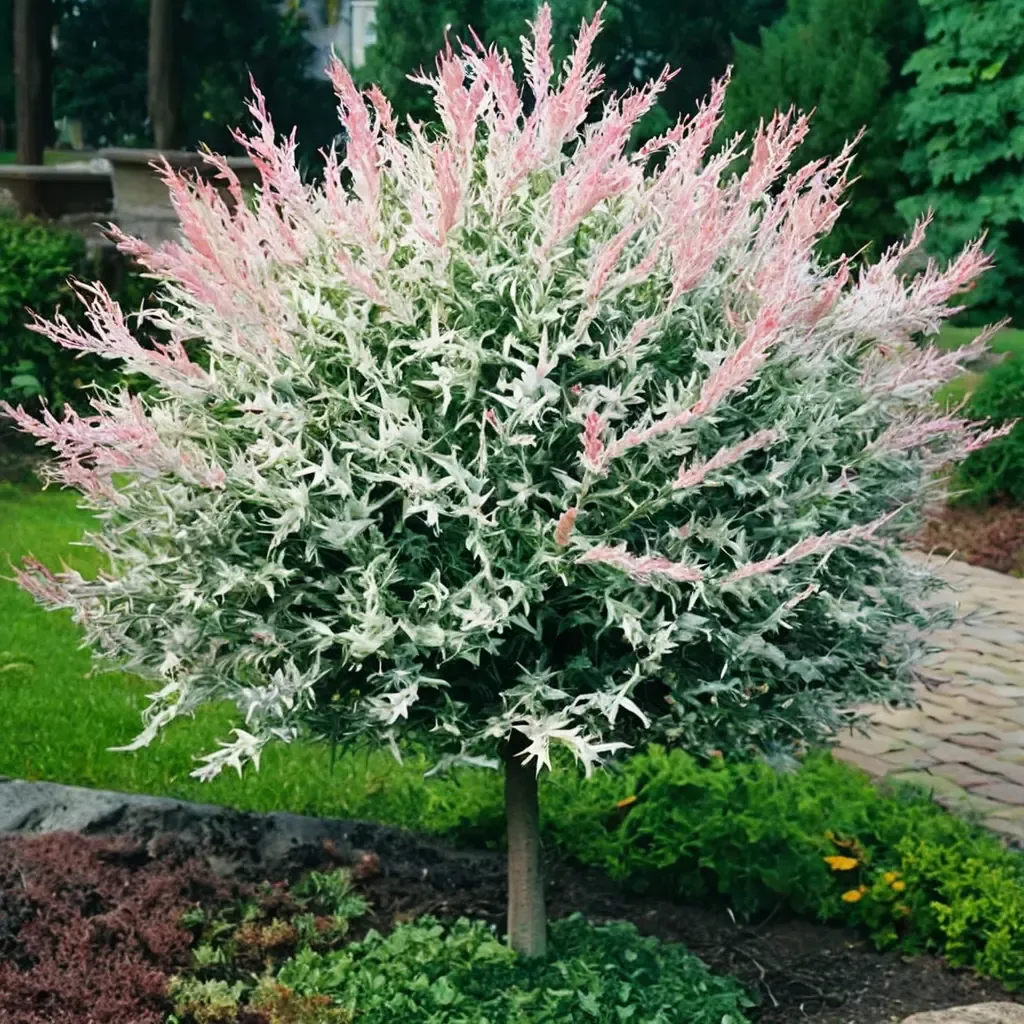
Dappled Willow
Salix integra 'Hakuro-nishiki'
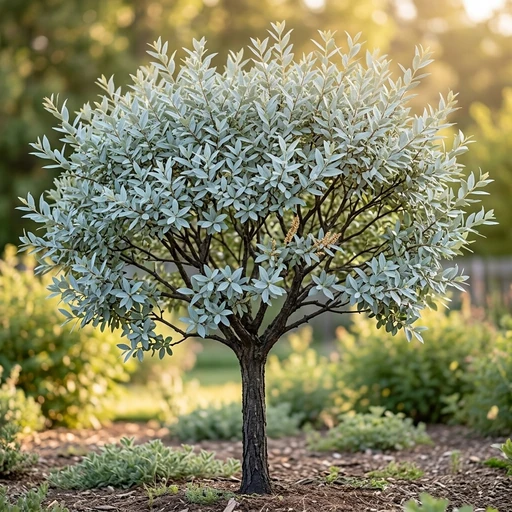
Black Willow
Salix nigra
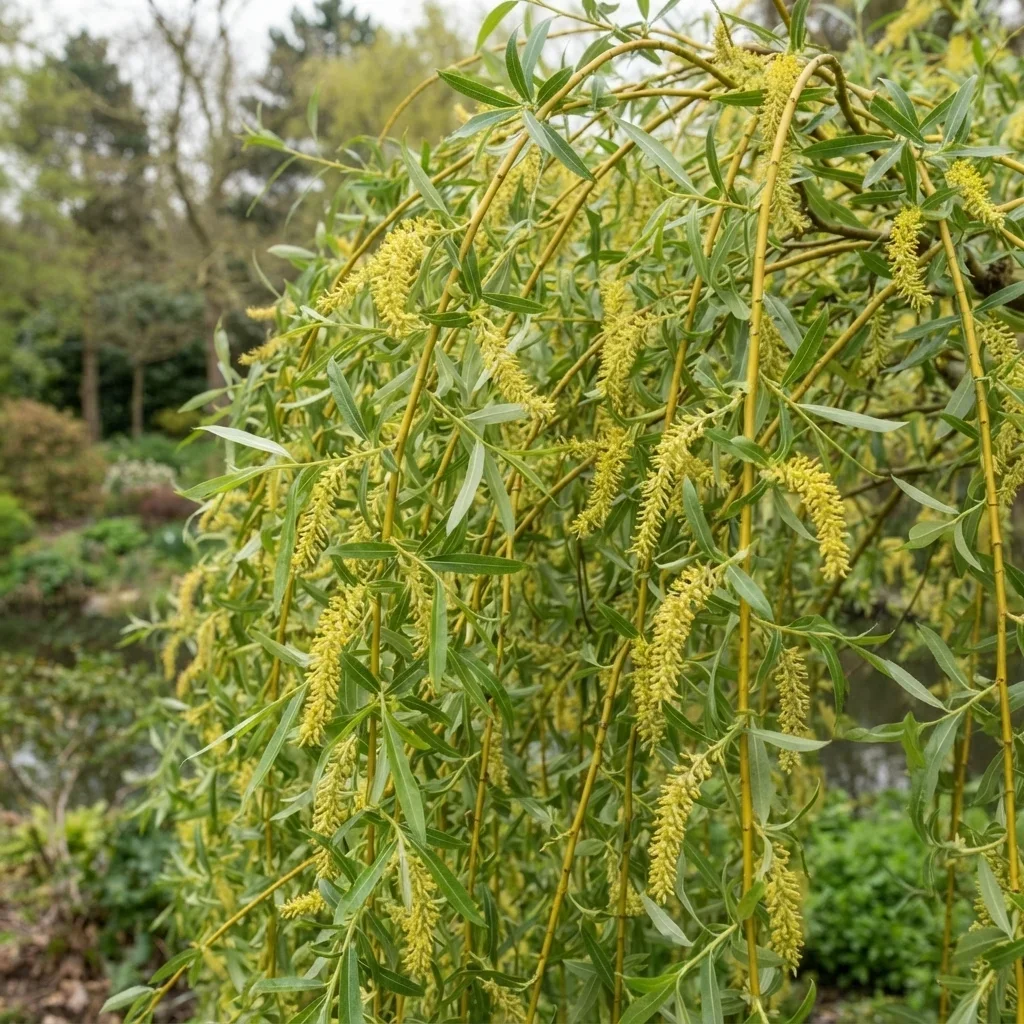
Weeping Willow
Salix x sepulcralis 'Mix'
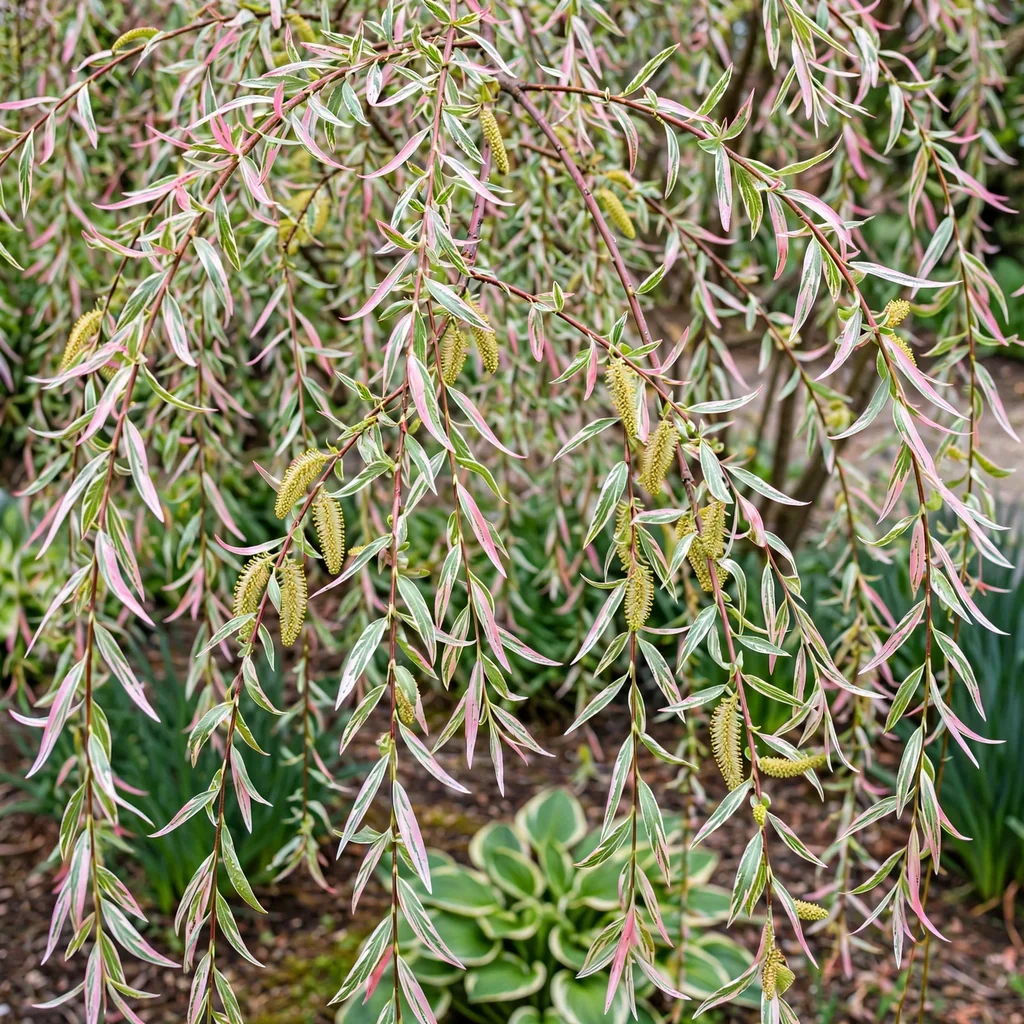
Flamingo Dappled Willow
Salix integra 'Flamingo'
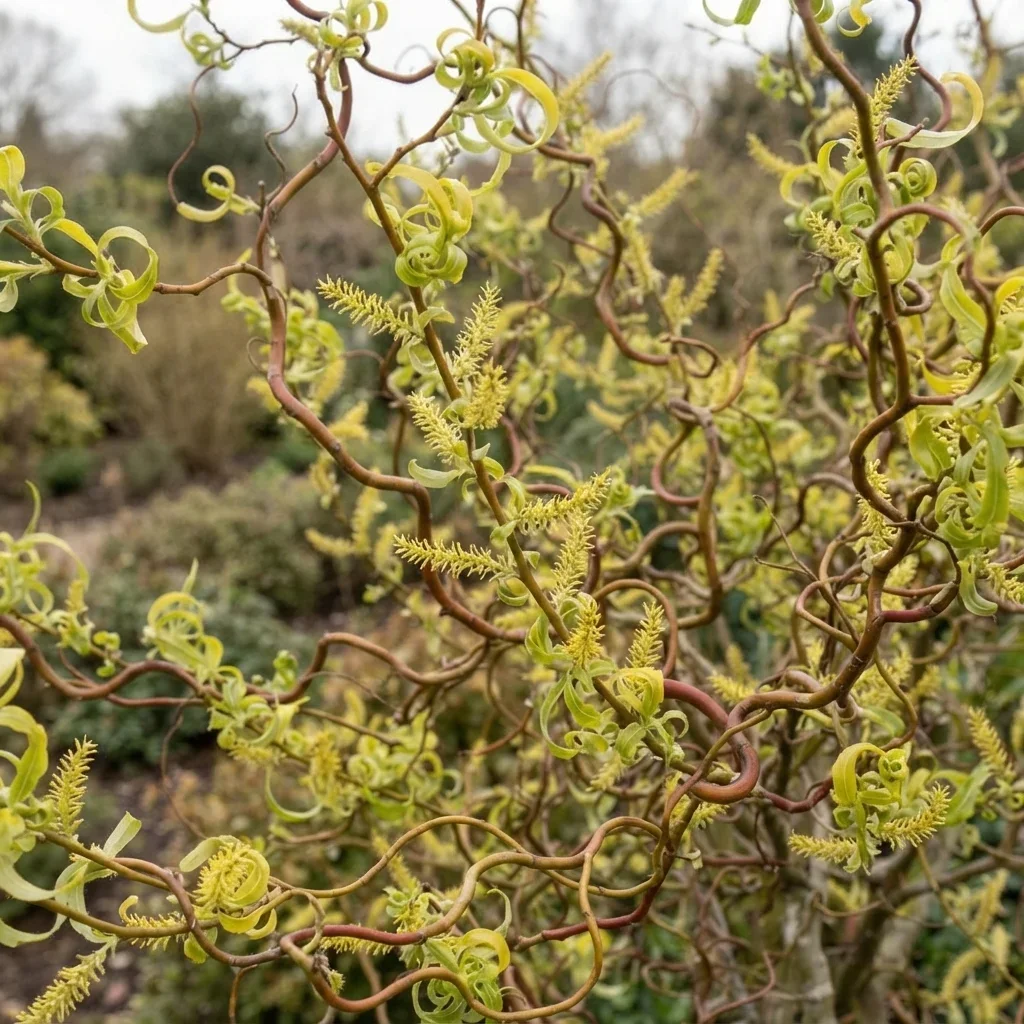
Corkscrew Willow
Salix babylonica 'Tortuosa'
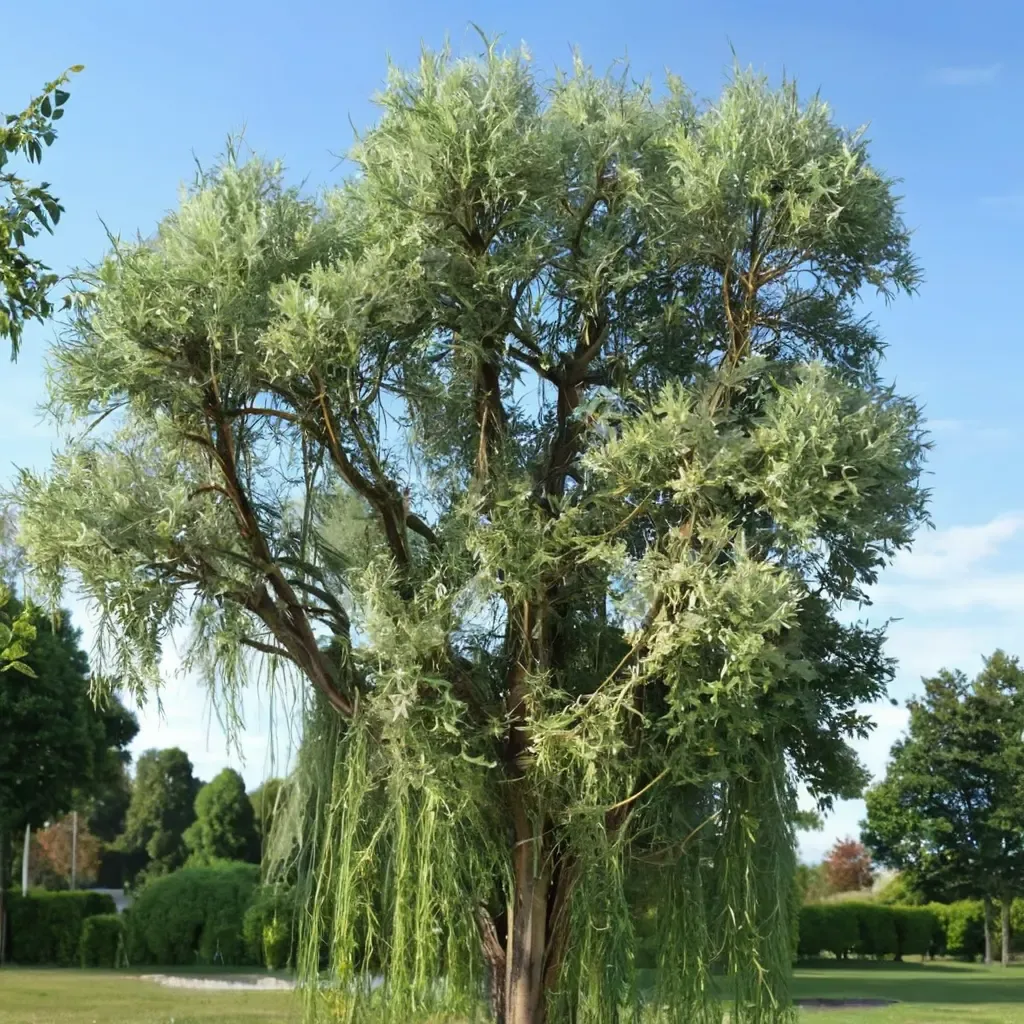
White Willow
Salix alba
Keep exploring
Explore the genus
Hardy in your zone?
Grow Weeping Pussy Willow with confidence
See it in a design of your actual yard, get zone-matched care reminders, and track it season by season in your garden journal.