
The Story
Plant Bio
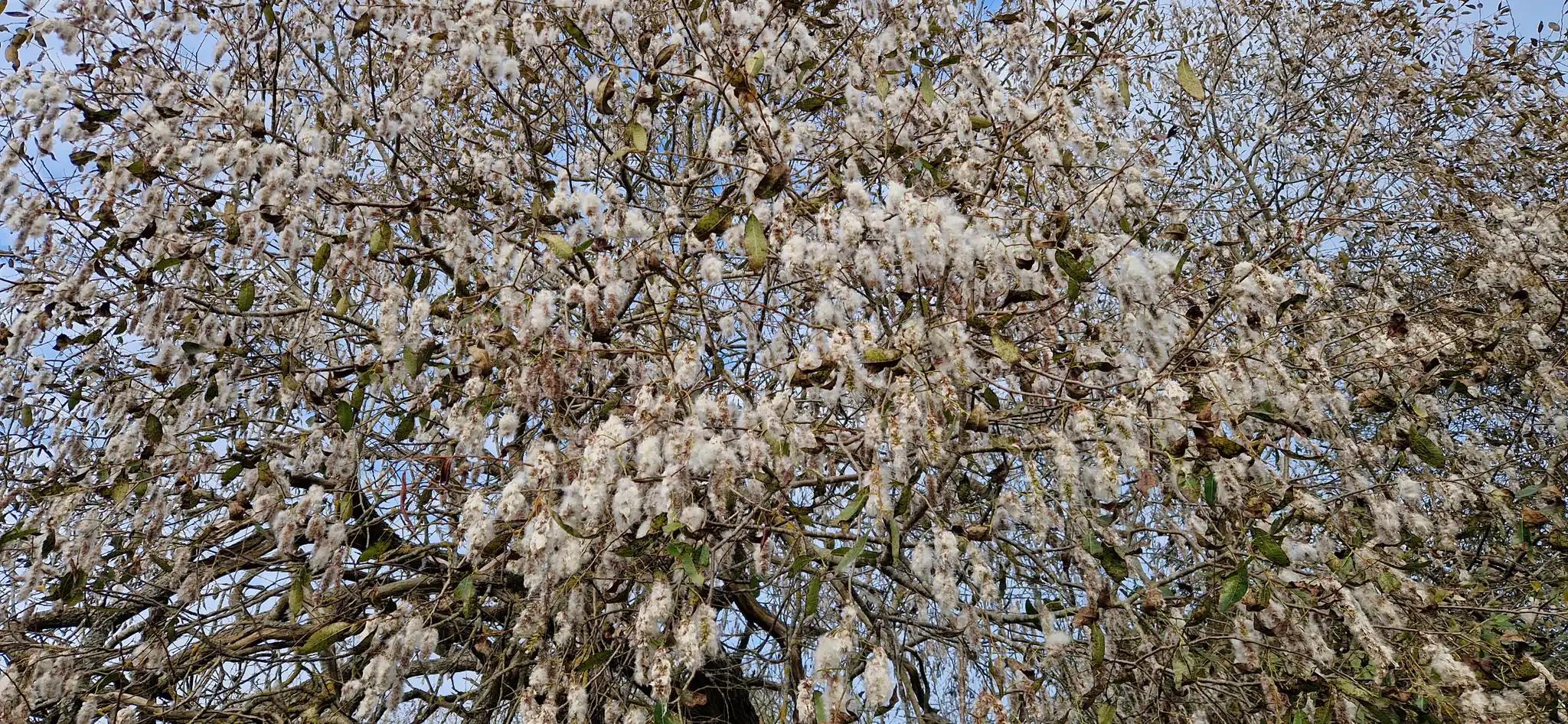
Salix caprea, or goat willow, is a fast-growing willow known for its large, fuzzy catkins that appear before the leaves in late winter. It is dioecious, with male and female flowers on separate plants, and thrives in moist conditions.
'Pendula' is a popular male clone with a strong weeping habit, typically grafted onto a standard rootstock to create a small, umbrella-shaped tree. Its branches cascade to the ground, covered in large, silky catkins in late winter, providing a dramatic early-season display.
Uses & Benefits:
Essentials
At a Glance
Plant Type
Tree
Height
96"
Width
96"
Light
Full Sun, Partial Sun
Zones
4, 5, 6, 7, 8
Water
Medium to Wet
Humidity
High
Lifespan
Short-lived (20-30 years)
Native To
Europe, Western and Central Asia
Toxicity
Non-toxic
Bloom period
Late winter – Early spring
In flower about 2 months of the year
Planting
How to Grow
- Choose a location in full sun with moist, well-drained soil.
- Dig a hole twice as wide as the root ball.
- Set the plant in the hole so the root flare is at soil level.
- Backfill with soil and water thoroughly to remove air pockets.
- Keep the soil consistently moist, especially during the first year.
- Mulch to retain soil moisture and suppress weeds.
Pro Tip
Prune all weeping branches back to just a few buds from the main framework right after flowering to control size and promote vigorous new growth.
Keep It Thriving
Care Guide
Do
- Provide plenty of water; willows are not drought tolerant.
- Prune annually after flowering to maintain the weeping shape.
- Remove any suckers that emerge from the rootstock below the graft.
- Use the cut branches with catkins for indoor arrangements.
Don't
- Do not plant near septic systems or water lines, as roots are invasive.
- Avoid letting the soil dry out completely.
- Don't be afraid to prune it hard; it responds well to coppicing.
- Do not allow grass or weeds to grow up against the trunk.
Seasonal Care Calendar
| Task | Jan | Feb | Mar | Apr | May | Jun | Jul | Aug | Sep | Oct | Nov | Dec |
|---|---|---|---|---|---|---|---|---|---|---|---|---|
| Pest Check | ||||||||||||
| Plant | ||||||||||||
| Prune |
Watch Out For
Pests & Diseases
Common Pests
Common Diseases
In the Garden
Landscape Uses & Companions
Landscape Uses
Multiply
Propagation Methods
Good to Know
Common Questions
Weeping Pussy Willow questions
What zones can Weeping Pussy Willow grow in?
Weeping Pussy Willow is hardy in USDA Zones 4–8. Inside that range it survives winter in the ground; outside it, grow it as an annual or a container plant you protect.
Is Weeping Pussy Willow deer resistant?
Yes — Weeping Pussy Willow is rated deer-resistant. Deer typically pass it over, though extreme hunger can override any plant's defenses.
When does Weeping Pussy Willow bloom?
Weeping Pussy Willow typically blooms in late winter through early spring. Exact timing shifts a week or two with your zone — Sow's bloom calendar maps it to your garden.
Does Weeping Pussy Willow need full sun?
Weeping Pussy Willow does best in full sun to part shade. In hot climates, afternoon shade keeps blooms fresher longer.
More Salix to compare
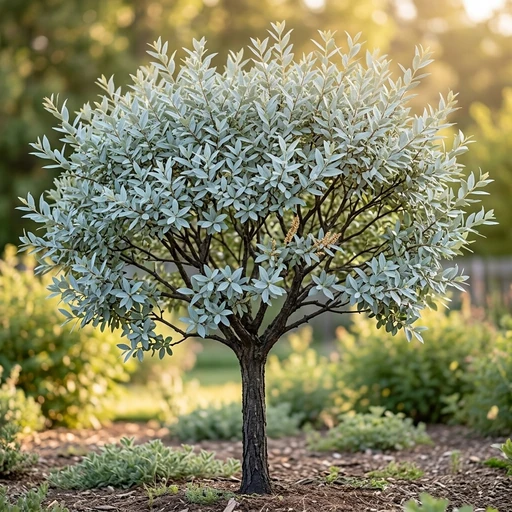
Black Willow
Salix nigra
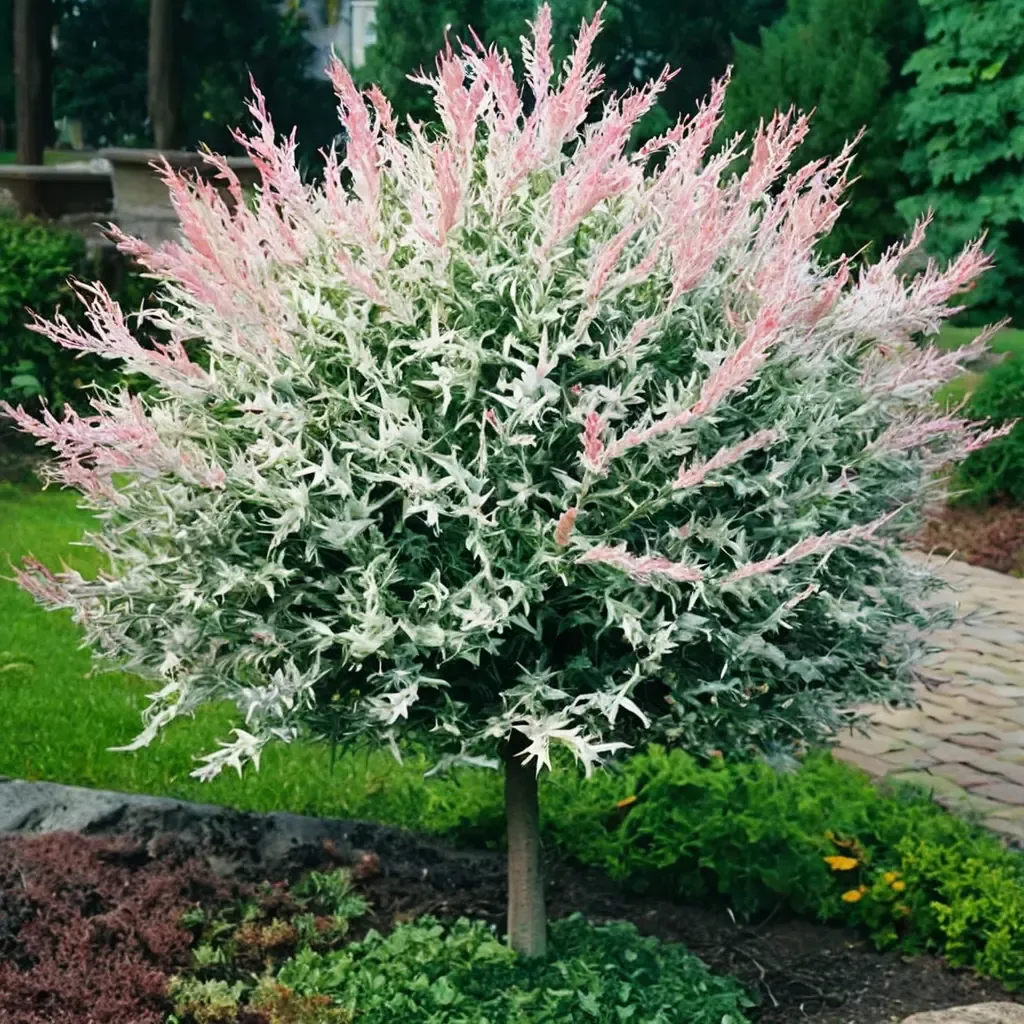
Dappled Willow
Salix integra 'Hakuro-nishiki'
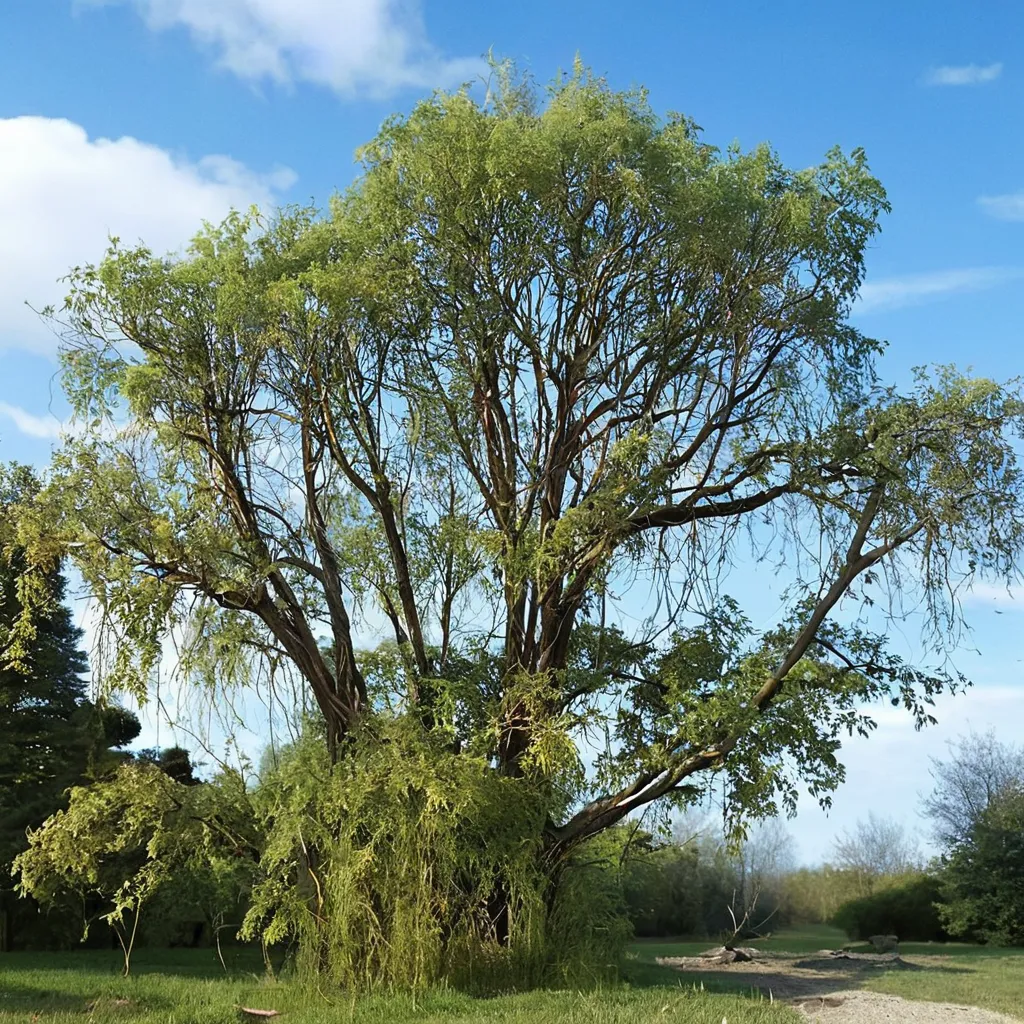
Weeping Willow
Salix x sepulcralis 'Mix'
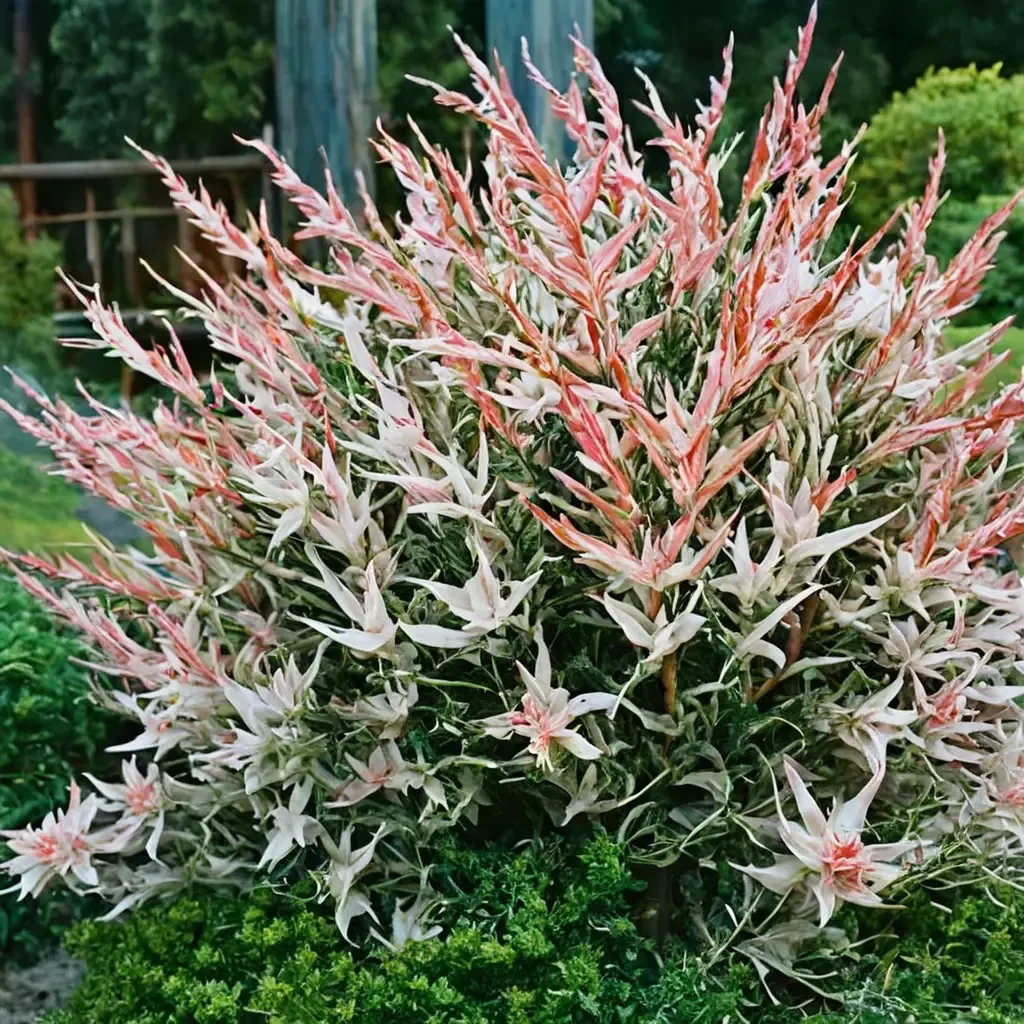
Flamingo Dappled Willow
Salix integra 'Flamingo'
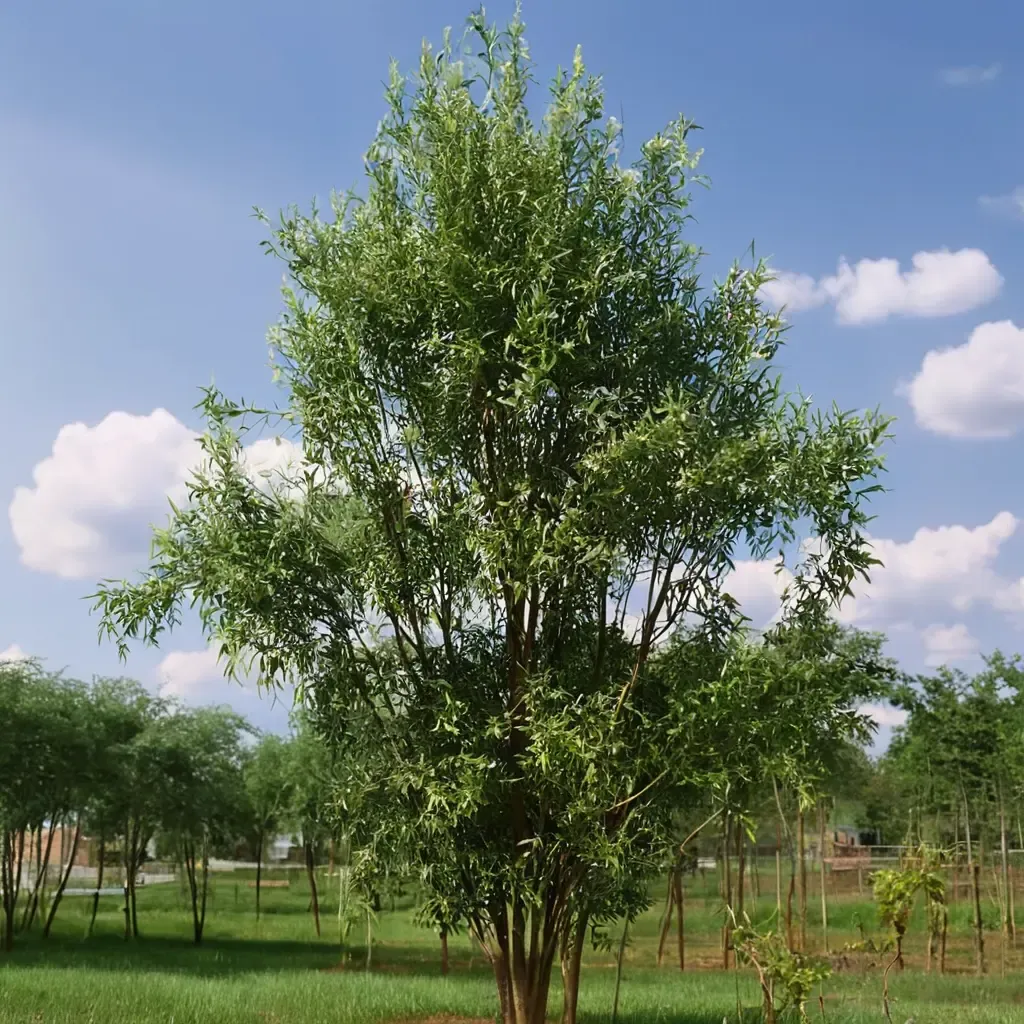
Corkscrew Willow
Salix babylonica 'Tortuosa'
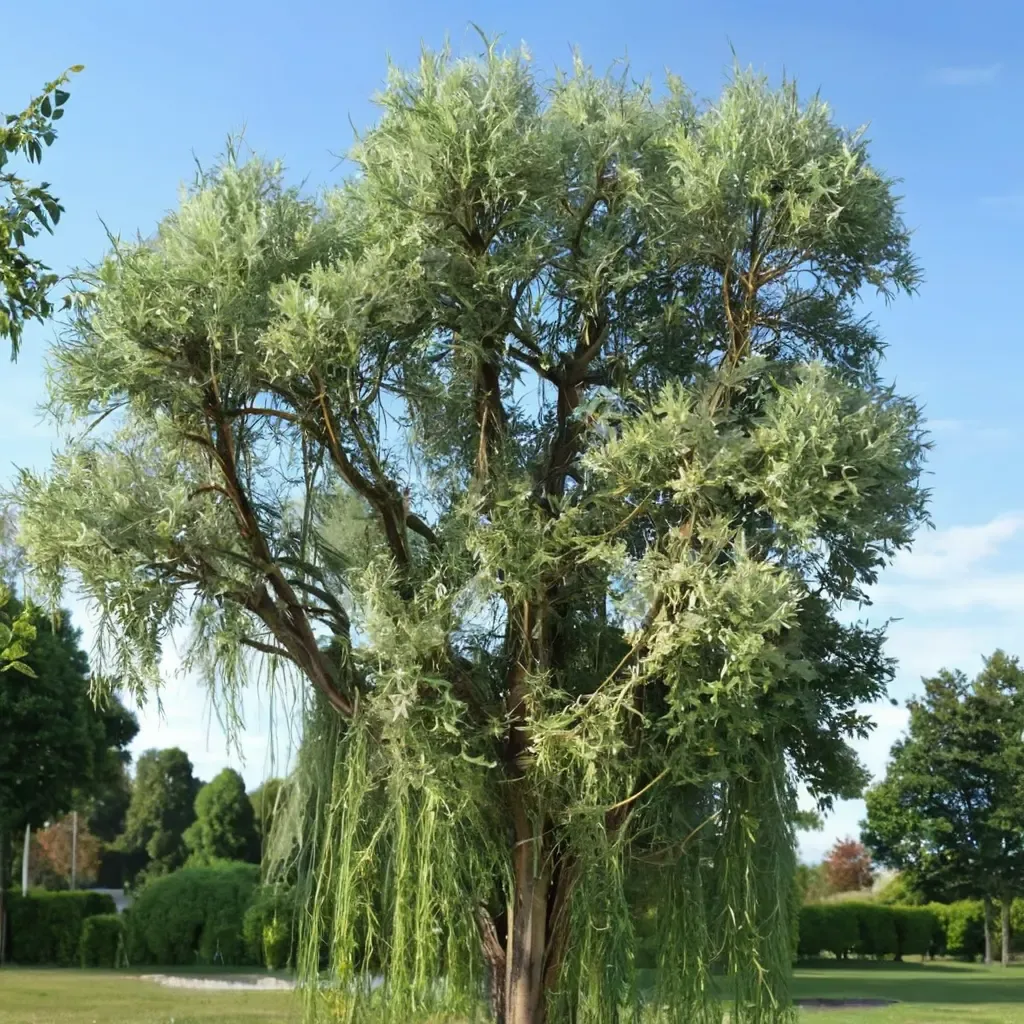
White Willow
Salix alba
Keep exploring
Explore the genus
Hardy in your zone?
Grow Weeping Pussy Willow with confidence
See it in a design of your actual yard, get zone-matched care reminders, and track it season by season in your garden journal.