The Story
Plant Bio
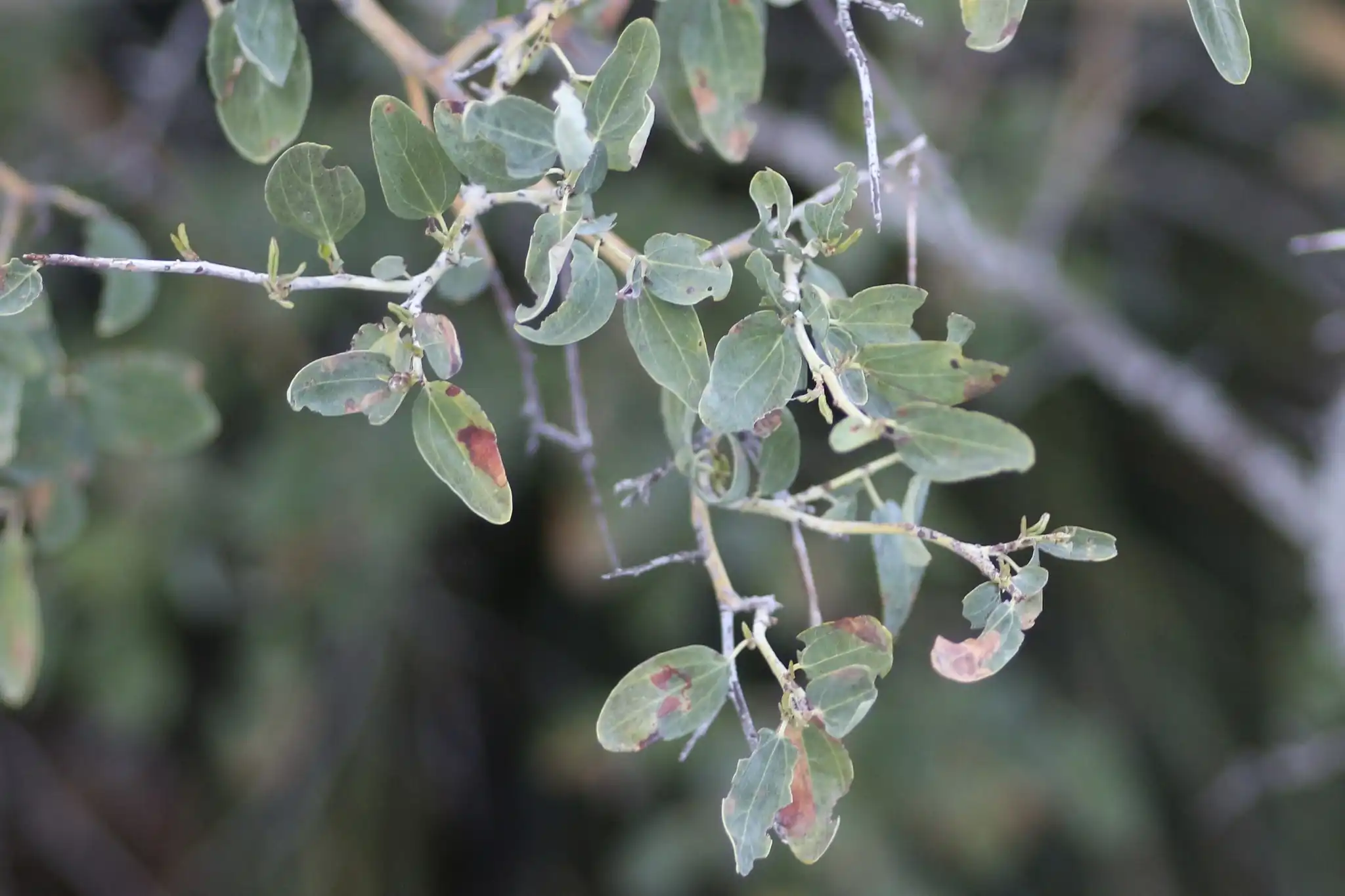
Ceanothus leucodermis, commonly known as chaparral whitethorn, is an evergreen shrub native to dry slopes in California and Baja California, growing five to twelve feet tall with smooth, whitish bark and rigid, thorn-tipped branches. Dense clusters of small white to pale blue flowers bloom along the stems in spring above glossy, oval leaves.
The defining characteristic of this species is its glaucous, bone-white stems ending in sharp branchlet tips that form a natural barrier. Its seed pods burst open explosively when mature to throw seeds clear of the parent plant.
Uses & Benefits:
Essentials
At a Glance
Plant Type
Shrub
Height
157"
Width
118"
Light
Full Sun
Zones
8, 9, 10
Water
Low
Humidity
Low
Lifespan
Perennial
Native To
California, Baja California
Toxicity
Non-toxic
Bloom period
Spring – Late spring
In flower about 3 months of the year
Planting
How to Grow
- Select a planting site in full sun with gravelly, sandy, or sharply draining soil.
- Dig a hole twice as wide as the root ball but no deeper, keeping the root crown elevated slightly above garden soil level.
- Water thoroughly at planting, then restrict irrigation once the root system is established.
- Avoid applying organic mulches directly against the trunk to reduce fungal infection risks.
Pro Tip
Prune lightly right after spring flowering, and never cut back into old leafless wood as bare stems fail to resprout.
Keep It Thriving
Care Guide
Do
- Plant in gritty or rocky soil with high drainage.
- Prune light foliage growth immediately after spring bloom.
- Provide full sun exposure to maintain compact, healthy branching.
Don't
- Do not irrigate established plants during hot summer months.
- Do not cut back into bare, old wood.
- Do not apply heavy phosphorus fertilizers or rich organic matter.
Seasonal Care Calendar
| Task | Jan | Feb | Mar | Apr | May | Jun | Jul | Aug | Sep | Oct | Nov | Dec |
|---|---|---|---|---|---|---|---|---|---|---|---|---|
| Pest Check | ||||||||||||
| Prune | ||||||||||||
| Spring Cleanup | ||||||||||||
| Winter Prep |
Watch Out For
Pests & Diseases
Common Pests
Common Diseases
In the Garden
Landscape Uses & Companions
Landscape Uses
Multiply
Propagation Methods
Good to Know
Common Questions
Chaparral Whitethorn questions
What zones can Chaparral Whitethorn grow in?
Chaparral Whitethorn is hardy in USDA Zones 8–10: in that range it survives winter in the ground. Colder than Zone 8, grow it in a container you can move to shelter for the winter.
Is Chaparral Whitethorn deer resistant?
Not reliably. Deer may browse Chaparral Whitethorn, especially tender spring growth — plan on repellents or fencing where pressure is high.
When does Chaparral Whitethorn bloom?
Chaparral Whitethorn typically blooms in spring. Exact timing shifts a week or two with your zone — Sow's bloom calendar maps it to your garden.
Does Chaparral Whitethorn need full sun?
Chaparral Whitethorn does best in full sun (6+ hours).
Is Chaparral Whitethorn drought tolerant?
Yes — once established (usually after the first full season), Chaparral Whitethorn handles dry spells with minimal watering. Water deeply its first year to build the root system that makes that possible.
More Ceanothus to compare
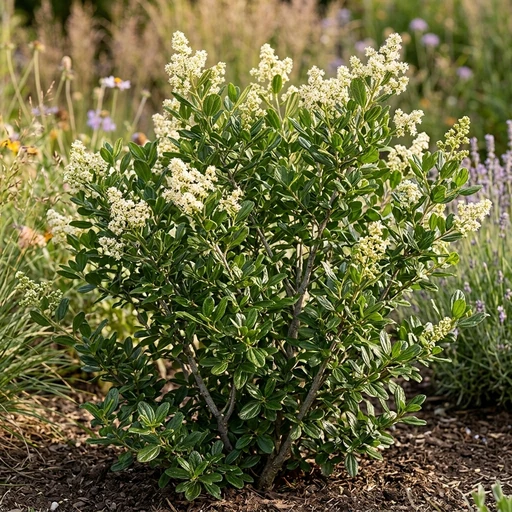
New Jersey Tea
Ceanothus americanus
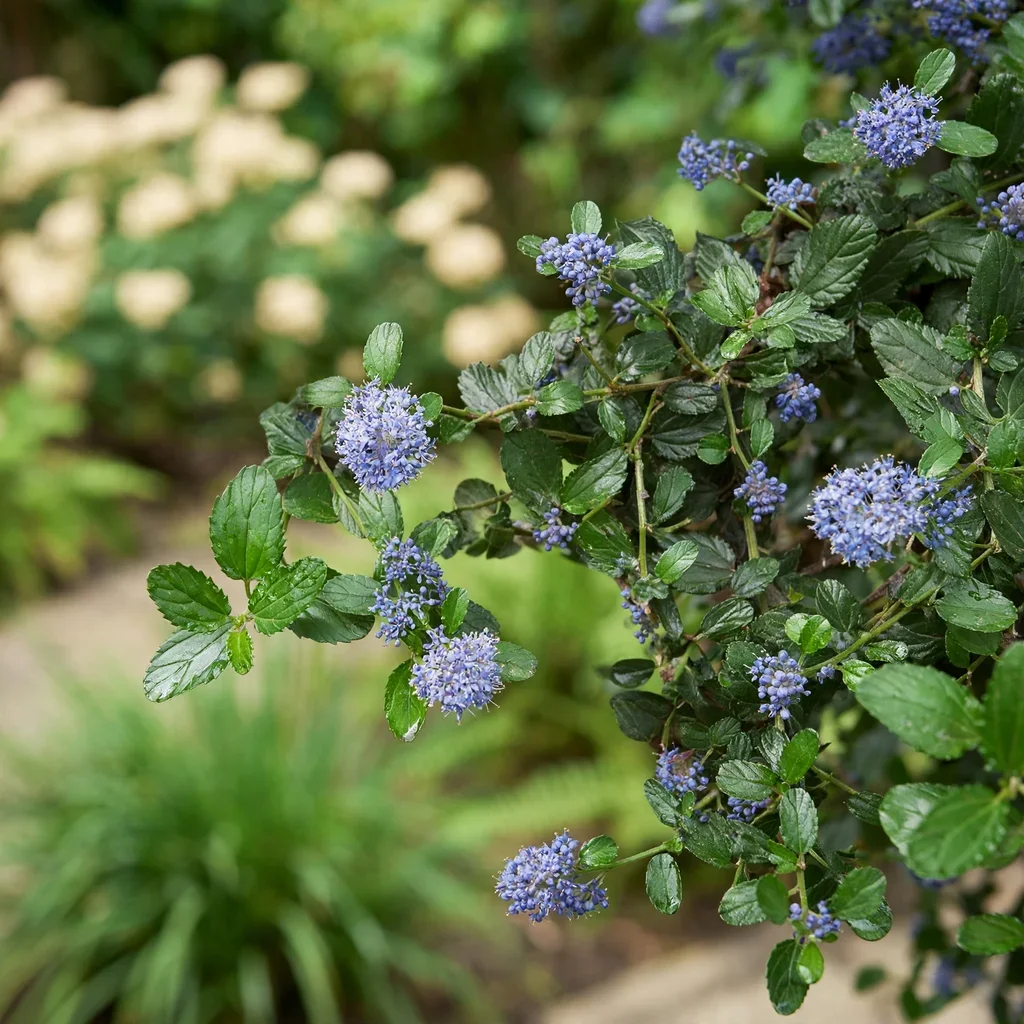
California Lilac
Ceanothus thyrsiflorus
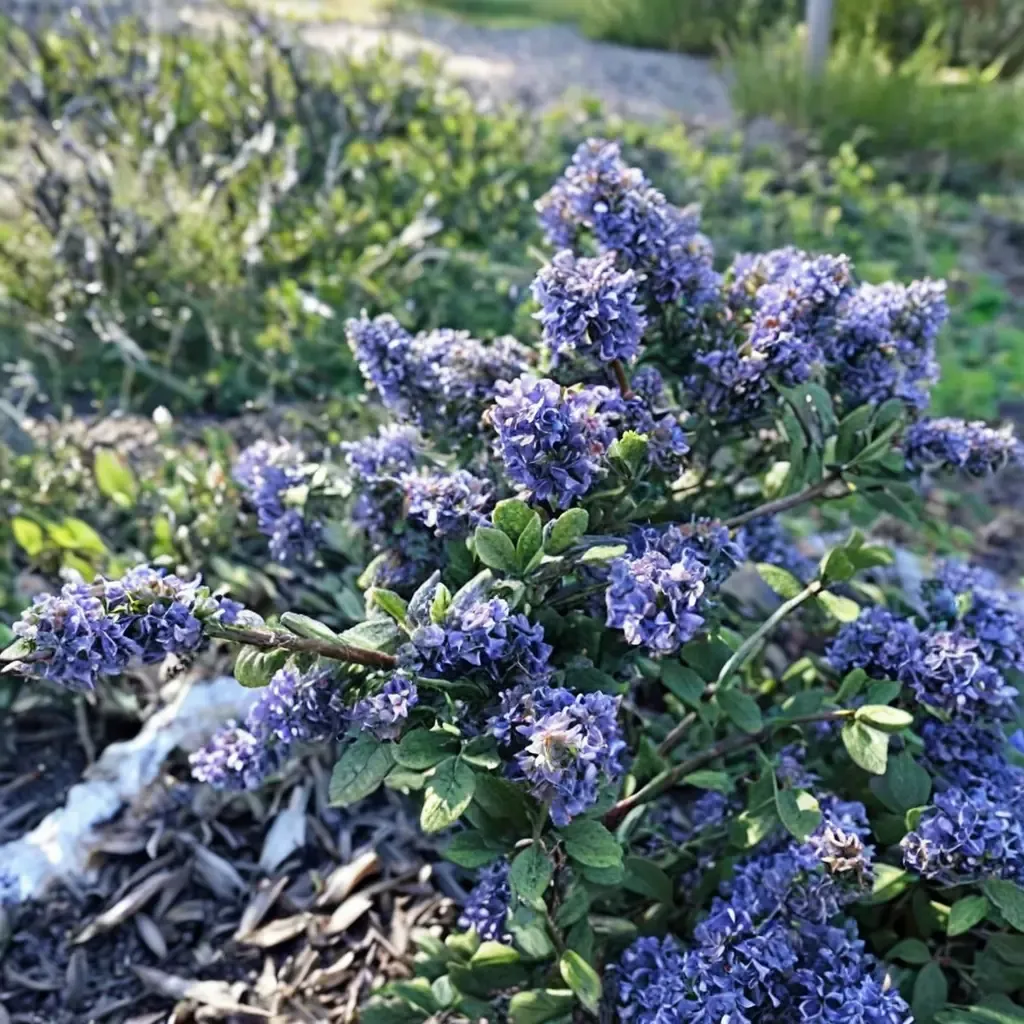
Valley Violet California Lilac
Ceanothus maritimus 'Valley Violet'
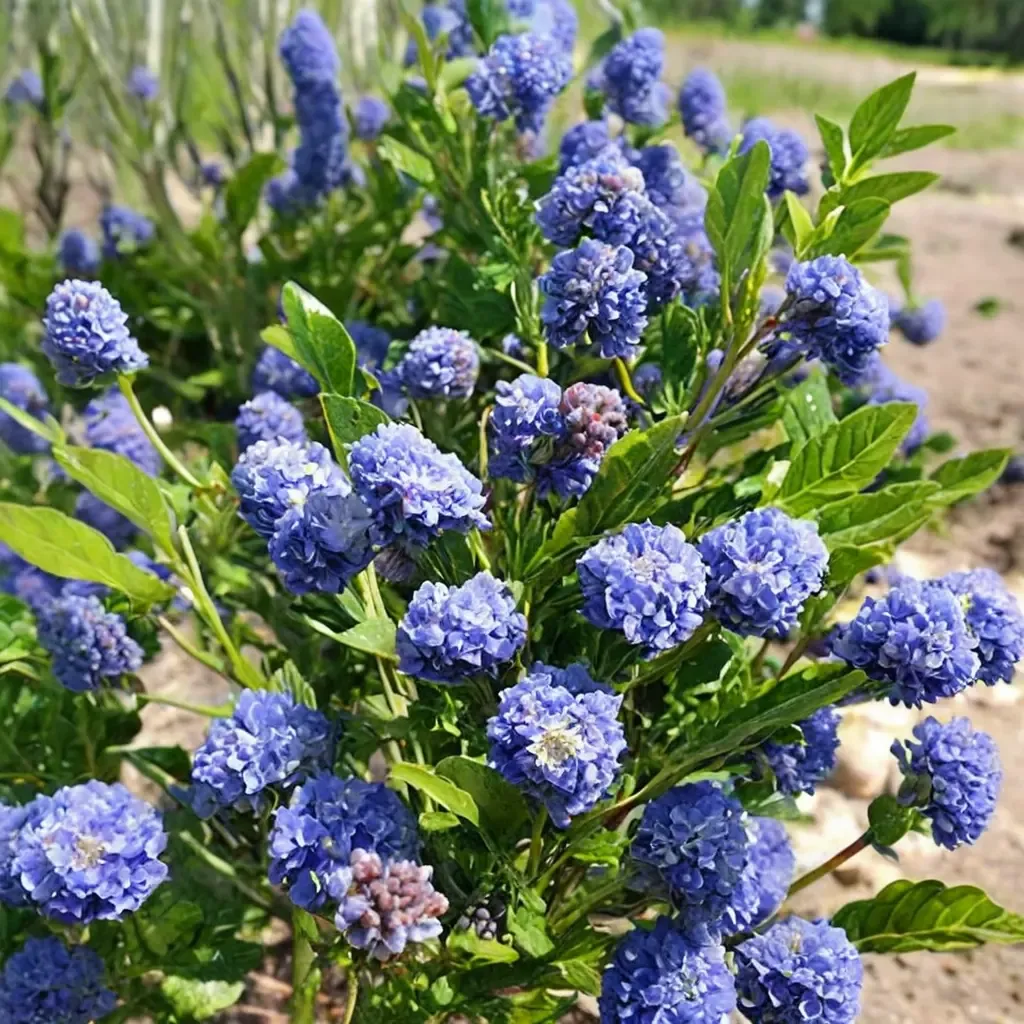
Skylark California Lilac
Ceanothus thyrsiflorus 'Skylark'
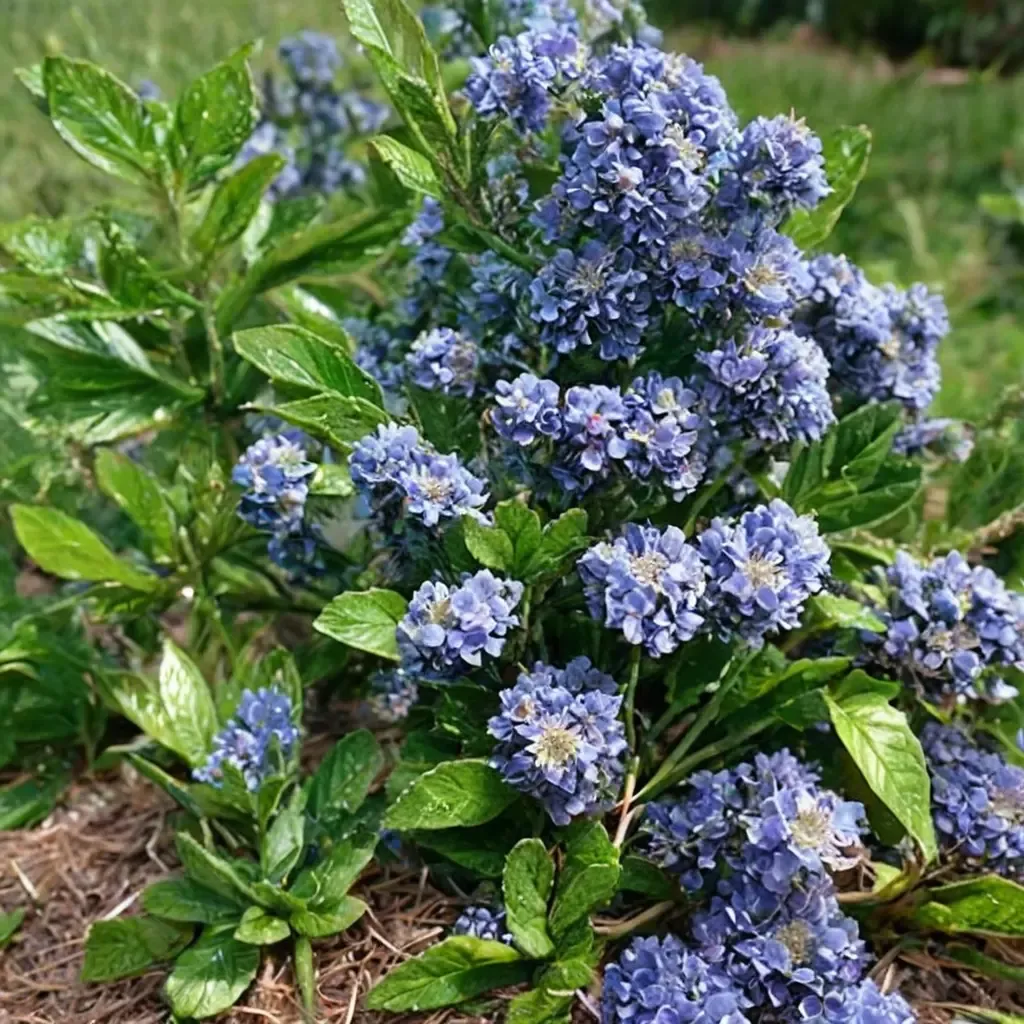
Victoria California Lilac
Ceanothus griseus 'Victoria'
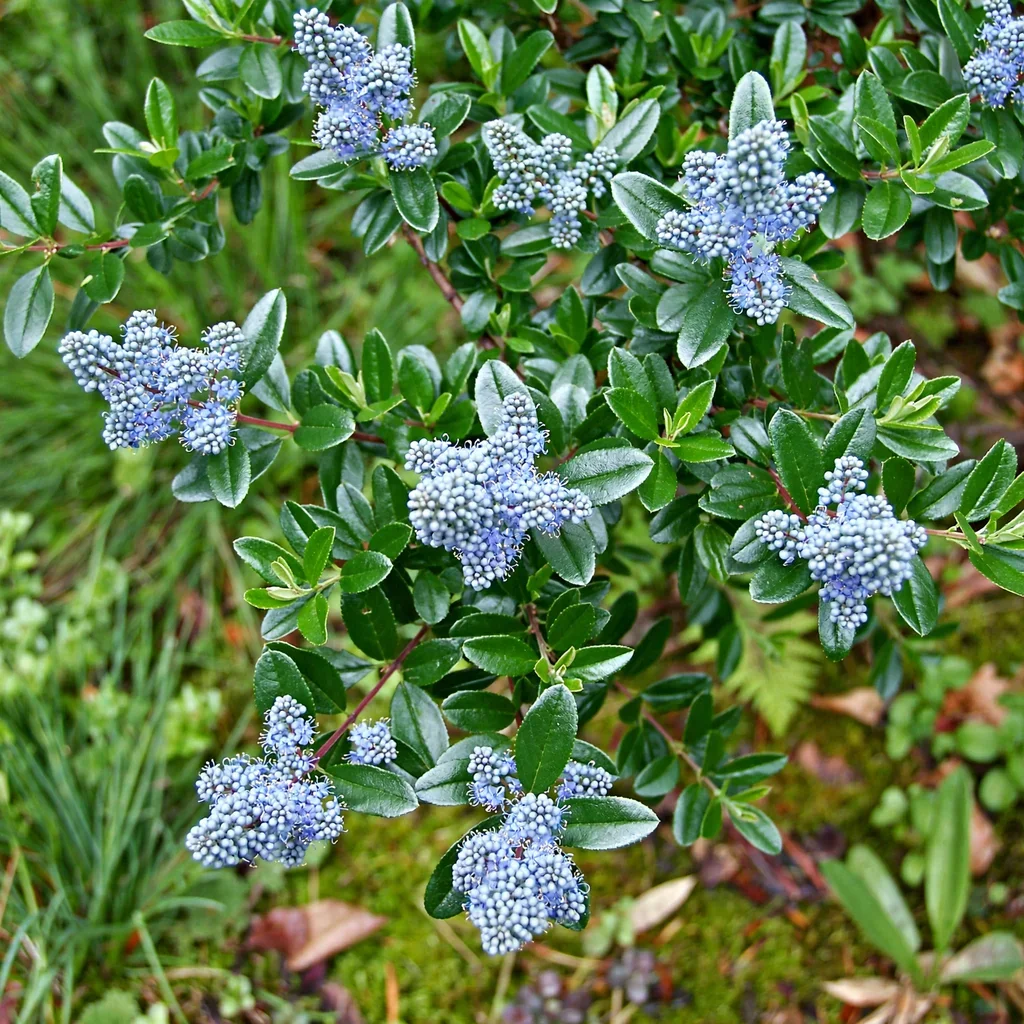
Yankee Point California Lilac
Ceanothus thyrsiflorus 'Yankee Point'
Keep exploring
Explore the genus
Hardy in your zone?
Grow Chaparral Whitethorn with confidence
See it in a design of your actual yard, get zone-matched care reminders, and track it season by season in your garden journal.