The Story
Plant Bio
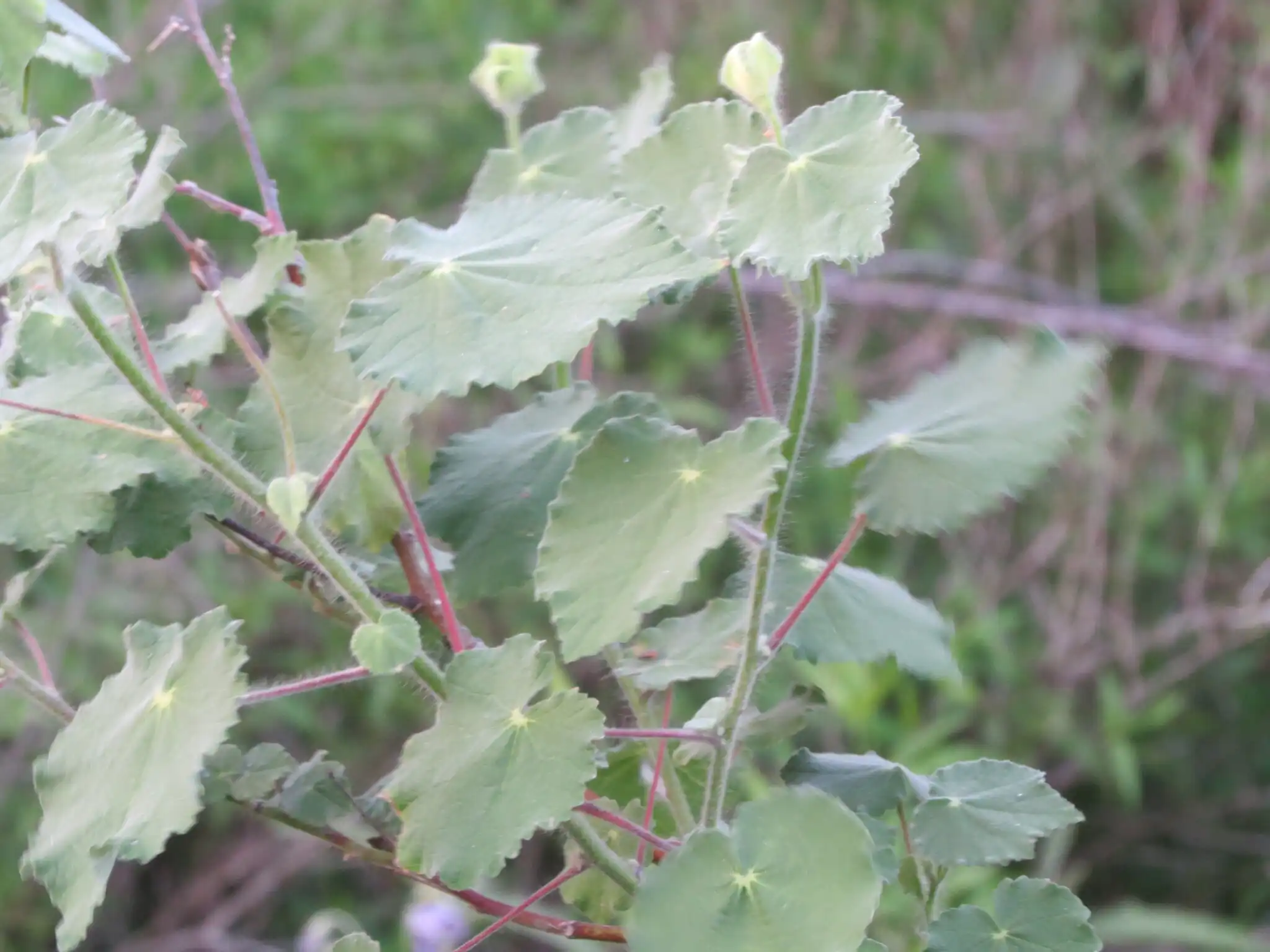
Abutilon hulseanum, sold as mauve, is a short-lived perennial subshrub in the mallow family that reaches six to seven feet in gardens when left uncut. Stems branch openly from the base and stay soft and only partly woody, carrying single five-petaled blooms on slender stalks.
Flowers open yellow and fade to pinkish orange-yellow, borne singly or in loose elongated clusters from winter into spring. Plants withstand long dry periods and salty wind but not wet soil or salt-water flooding, and they grow rangy and open unless cut back.
Uses & Benefits:
Essentials
At a Glance
Plant Type
Shrub
Height
72"
Width
36"
Light
Full Sun
Zones
8, 9, 10
Water
Low
Humidity
Low to moderate
Lifespan
Short-lived perennial
Native To
South-central USA to Central America and Caribbean
Toxicity
Unknown - no toxicity reported
Bloom period
Winter – Spring
In flower about 6 months of the year
Planting
How to Grow
- Plant in spring in an open, fast-draining spot with slightly acidic to calcareous soil.
- Water to establish, then reduce irrigation; mature plants tolerate long dry periods but not wet ground.
- Cut back leggy stems after spring bloom to keep the plant compact.
- Leave a few capsules to self-sow to replace short-lived parent plants.
Pro Tip
Cut leggy stems back after the spring flush and leave a few seed heads to replace short-lived plants; clearing every seedling ends the colony.
Keep It Thriving
Care Guide
Do
- Do plant in open disturbed-type ground with sharp drainage.
- Do cut back to prevent rangy, open growth.
- Do allow reseeding to maintain the planting over time.
Don't
- Do not plant in wet soil or where salt water floods.
- Do not expect direct salt spray or inundation tolerance.
- Do not move inland Florida seed into coastal dunes where only coastal ecotypes are convincingly natural.
Seasonal Care Calendar
| Task | Jan | Feb | Mar | Apr | May | Jun | Jul | Aug | Sep | Oct | Nov | Dec |
|---|---|---|---|---|---|---|---|---|---|---|---|---|
| Mulch | ||||||||||||
| Pest Check | ||||||||||||
| Plant | ||||||||||||
| Propagate | ||||||||||||
| Prune |
Watch Out For
Pests & Diseases
Common Pests
Common Diseases
In the Garden
Landscape Uses & Companions
Landscape Uses
Multiply
Propagation Methods
Good to Know
Common Questions
Mauve questions
What zones can Mauve grow in?
Mauve is hardy in USDA Zones 8–10: in that range it survives winter in the ground. Colder than Zone 8, grow it in a container you can move to shelter for the winter.
When does Mauve bloom?
Mauve typically blooms from winter to spring. Exact timing shifts a week or two with your zone — Sow's bloom calendar maps it to your garden.
Does Mauve need full sun?
Mauve does best in full sun (6+ hours).
Is Mauve drought tolerant?
Yes — once established (usually after the first full season), Mauve handles dry spells with minimal watering. Water deeply its first year to build the root system that makes that possible.
More Abutilon to compare
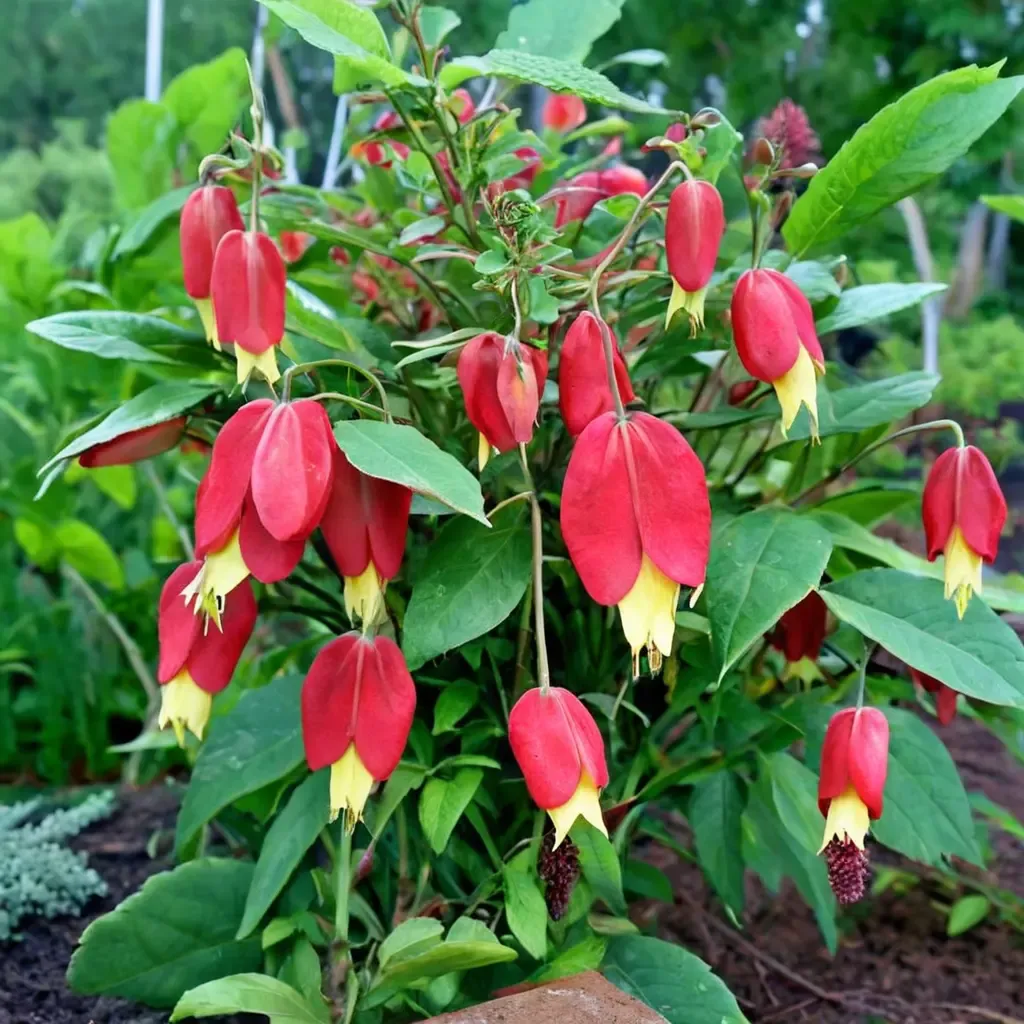
Brazilian Bellflower Chinese Lantern
Abutilon megapotamicum
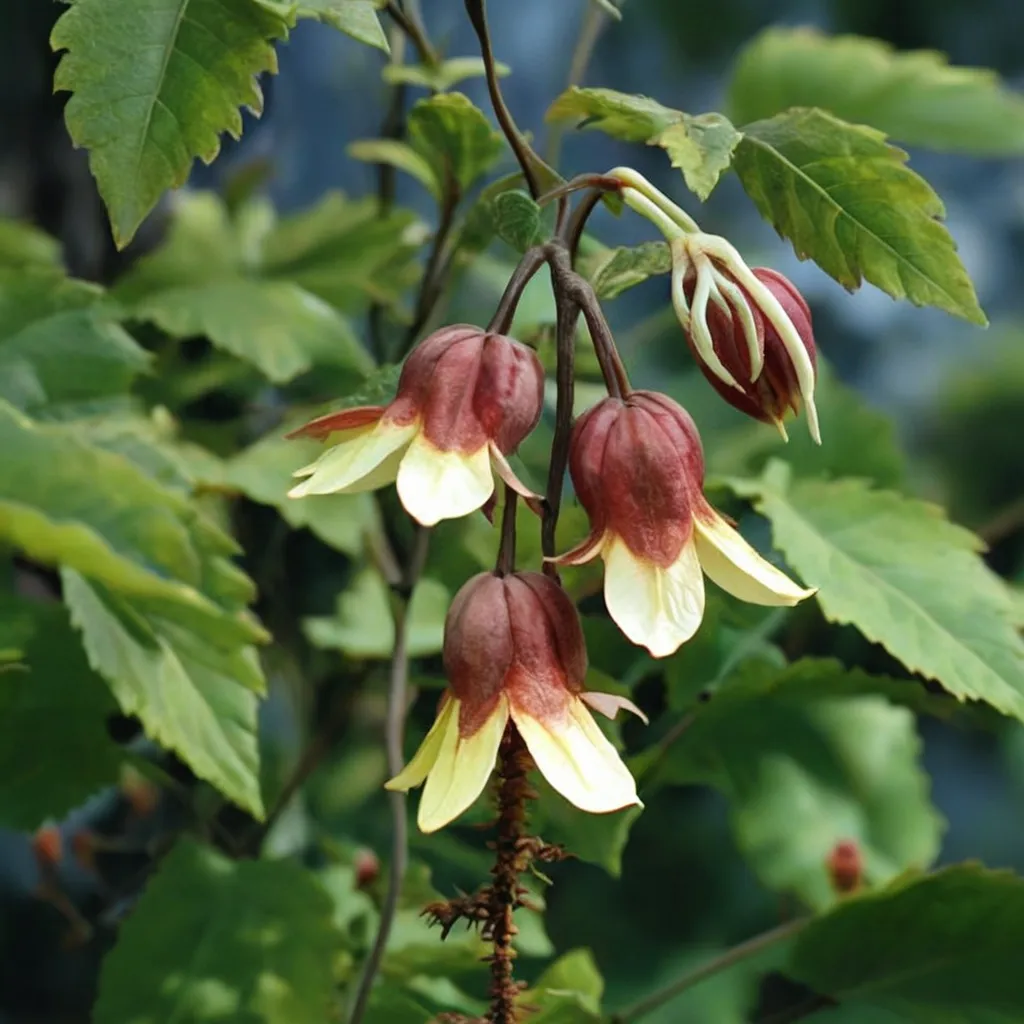
Trailing Abutilon
Abutilon megapotamicum 'Ines'
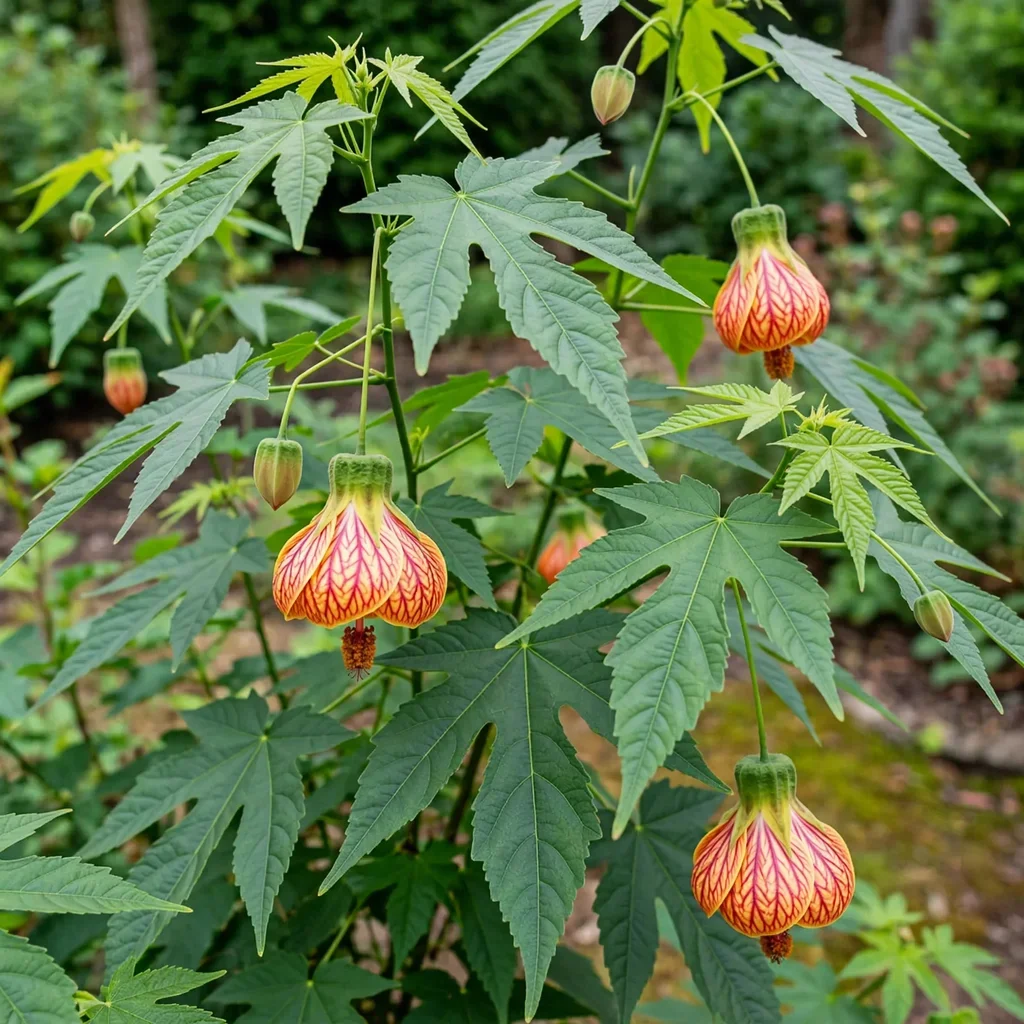
Redvein Abutilon
Abutilon striatum
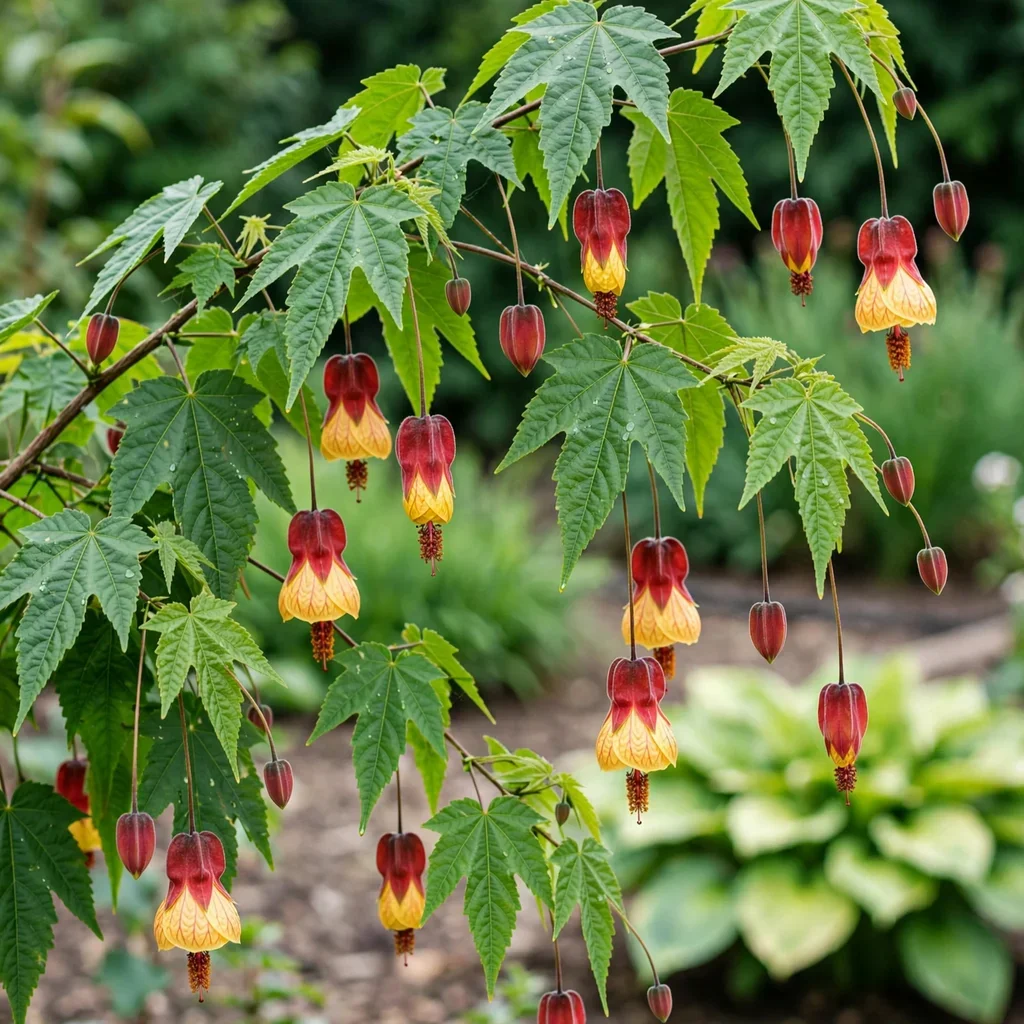
Voodoo Trailing Abutilon
Abutilon megapotamicum 'Voodoo'
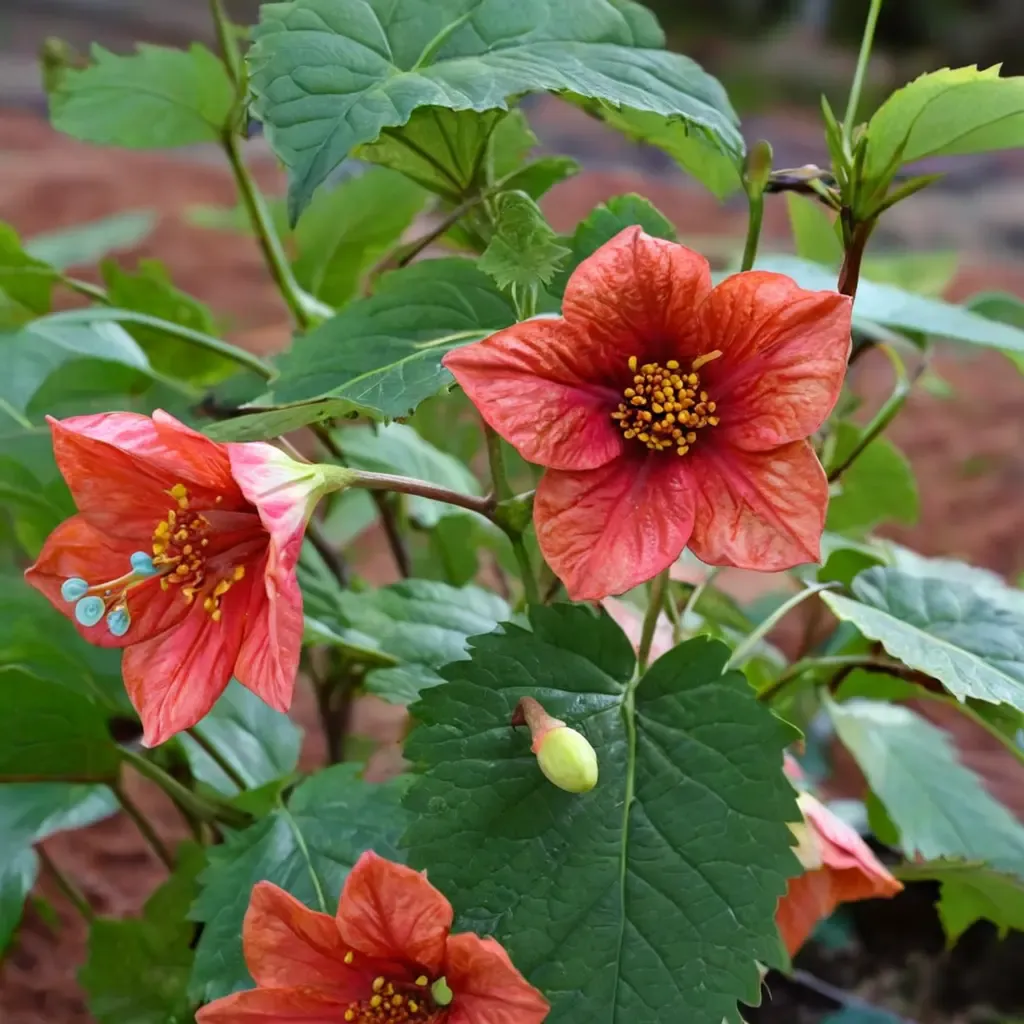
David's Red Flowering Maple
Abutilon x hybridum 'David's Red'
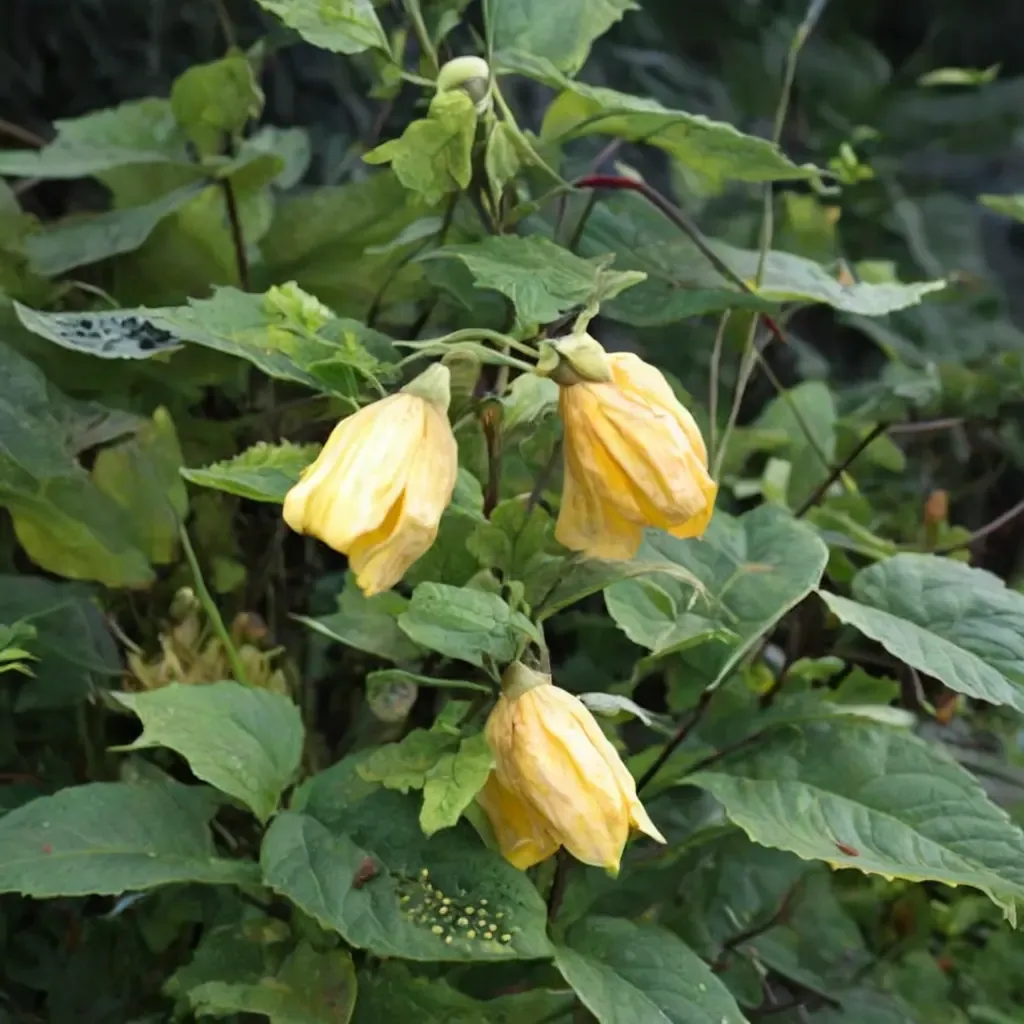
Canary Bird Trailing Abutilon
Abutilon megapotamicum 'Canary Bird'
Keep exploring
Explore the genus
Hardy in your zone?
Grow Mauve with confidence
See it in a design of your actual yard, get zone-matched care reminders, and track it season by season in your garden journal.