The Story
Plant Bio
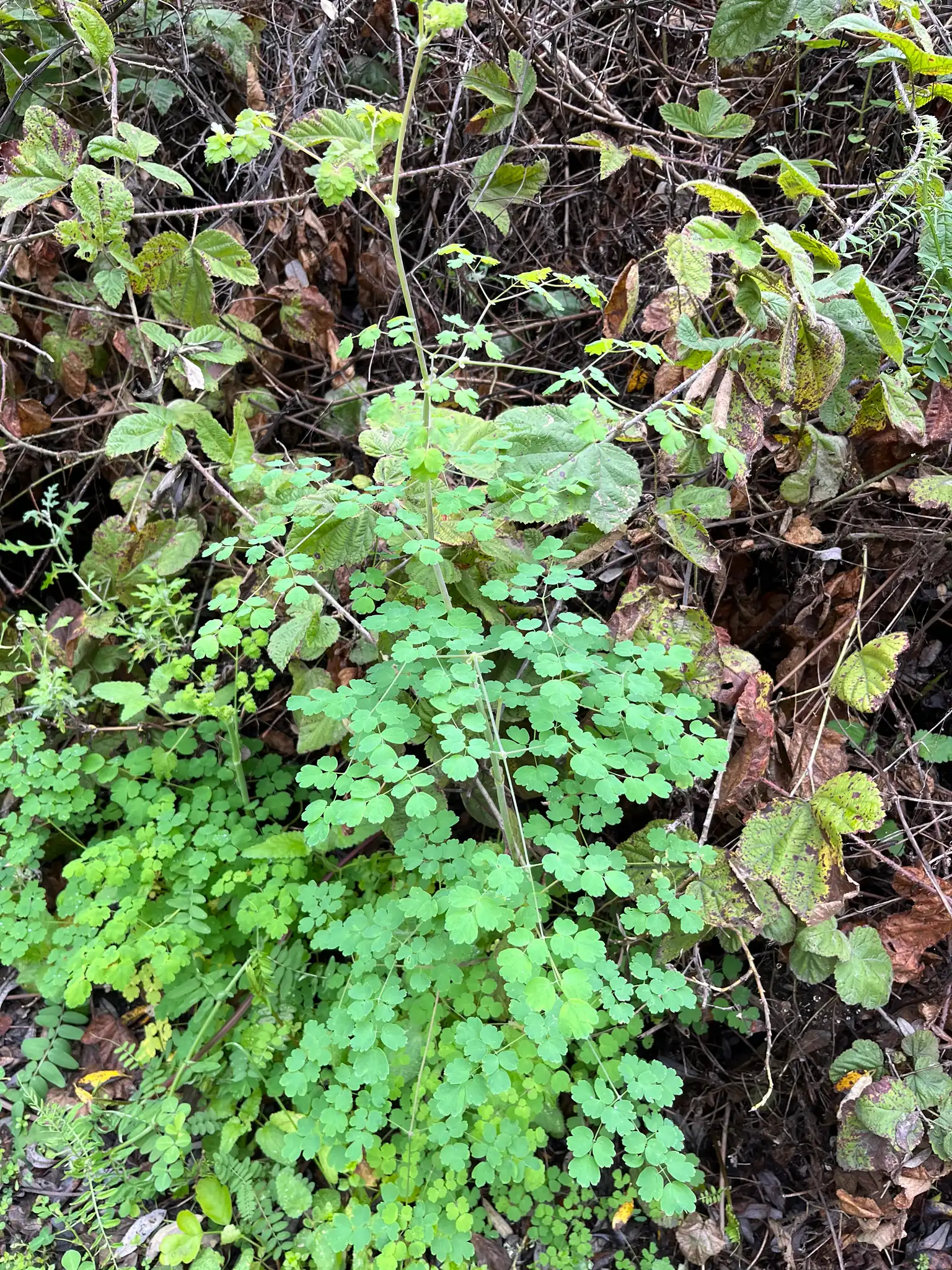
Thalictrum fendleri is an erect, clumping herbaceous perennial native to western North America, featuring multi-tiered, columbine-like foliage on slender stems that reach three to six feet in height. Wind-pollinated panicles bloom from spring into summer, bearing dioecious flowers that lack true petals and feature dangling stamens on male plants or pink styles on females.
This species develops a natural adaptation to dry summer shade, entering semi-dormancy after flowering once spring soil moisture subsides. Its fine-textured, blue-green foliage mimics maidenhair fern fronds while tolerating a broader range of soil types.
Uses & Benefits:
Essentials
At a Glance
Plant Type
Perennial
Height
71"
Width
39"
Light
Partial Sun, Shade
Zones
4, 5, 6, 7, 8, 9, 10
Water
Moderate
Humidity
Moderate
Lifespan
Perennial
Native To
Western North America
Toxicity
Toxic if ingested; causes skin irritation
Bloom period
Spring – Summer
In flower about 6 months of the year
Planting
How to Grow
- Select a site in partial to full shade with rich, humus-dense soil that drains readily.
- Plant dormant crowns or container plugs so the crown sits level with the surrounding soil line.
- Water thoroughly at planting and maintain consistent moisture through early spring growth.
- Reduce irrigation frequency as summer progresses, allowing the upper soil layer to dry between waterings.
Pro Tip
Avoid keeping the soil continuously saturated through summer, as persistent moisture around the crown triggers fatal root rot.
Keep It Thriving
Care Guide
Do
- Cut back dead stems to ground level in late winter before spring emergence.
- Top-dress soil with leaf mold or compost annually to preserve moisture retention.
- Provide well-draining soil mixes when growing in heavy clay.
Don't
- Do not overwater during hot summer months after flowering ends.
- Do not prune into the woody root crown while the plant is actively growing.
- Do not plant in poorly drained depressions prone to standing water.
Seasonal Care Calendar
| Task | Jan | Feb | Mar | Apr | May | Jun | Jul | Aug | Sep | Oct | Nov | Dec |
|---|---|---|---|---|---|---|---|---|---|---|---|---|
| Divide | ||||||||||||
| Mulch | ||||||||||||
| Propagate | ||||||||||||
| Spring Cleanup |
Watch Out For
Pests & Diseases
Common Pests
Common Diseases
In the Garden
Landscape Uses & Companions
Landscape Uses
Multiply
Propagation Methods
Good to Know
Common Questions
Fendler's Meadow-Rue questions
What zones can Fendler's Meadow-Rue grow in?
Fendler's Meadow-Rue is hardy in USDA Zones 4–10: in that range it survives winter in the ground.
Is Fendler's Meadow-Rue deer resistant?
Not reliably. Deer may browse Fendler's Meadow-Rue, especially tender spring growth — plan on repellents or fencing where pressure is high.
When does Fendler's Meadow-Rue bloom?
Fendler's Meadow-Rue typically blooms from spring to summer. Exact timing shifts a week or two with your zone — Sow's bloom calendar maps it to your garden.
Does Fendler's Meadow-Rue need full sun?
Fendler's Meadow-Rue does best in part shade.
Is Fendler's Meadow-Rue drought tolerant?
Yes — once established (usually after the first full season), Fendler's Meadow-Rue handles dry spells with minimal watering. Water deeply its first year to build the root system that makes that possible.
More Thalictrum to compare
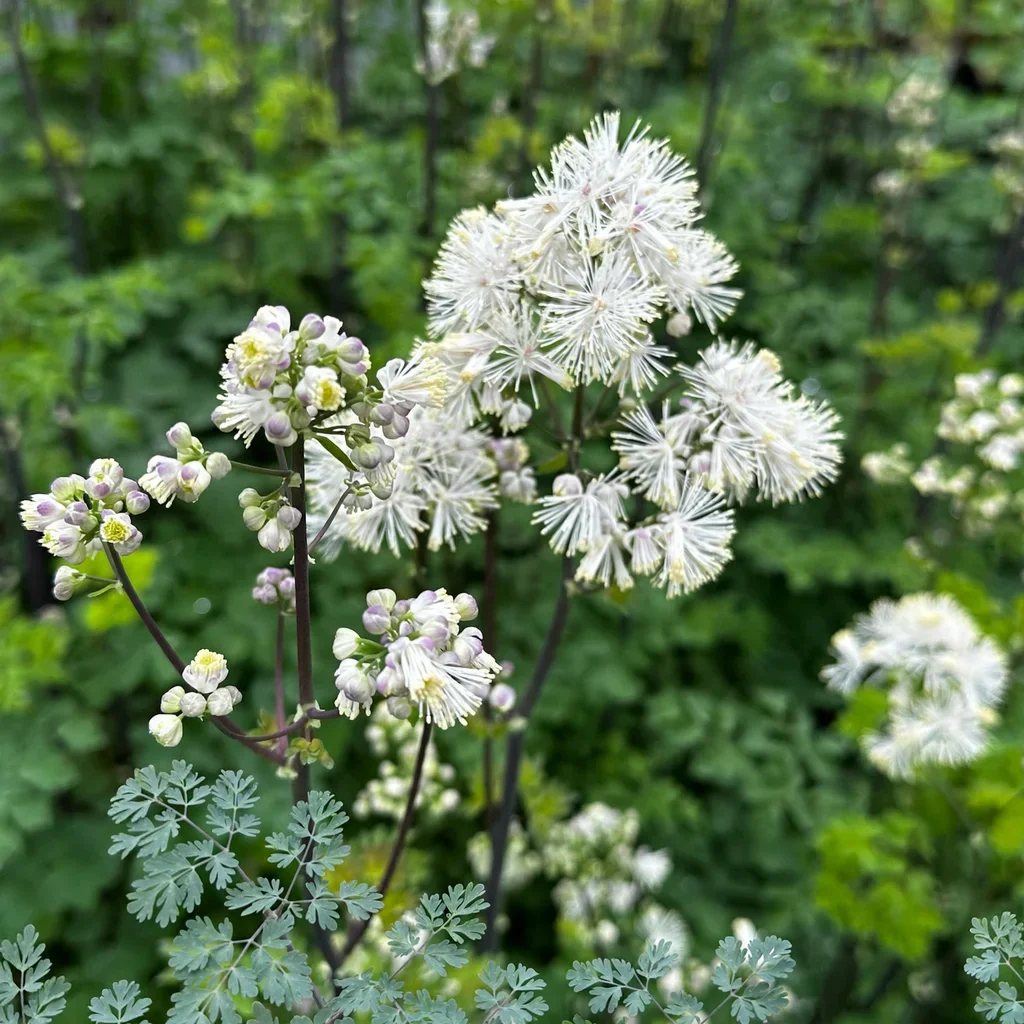
Nimbus White Meadow-rue
Thalictrum aquilegiifolium 'Nimbus White'
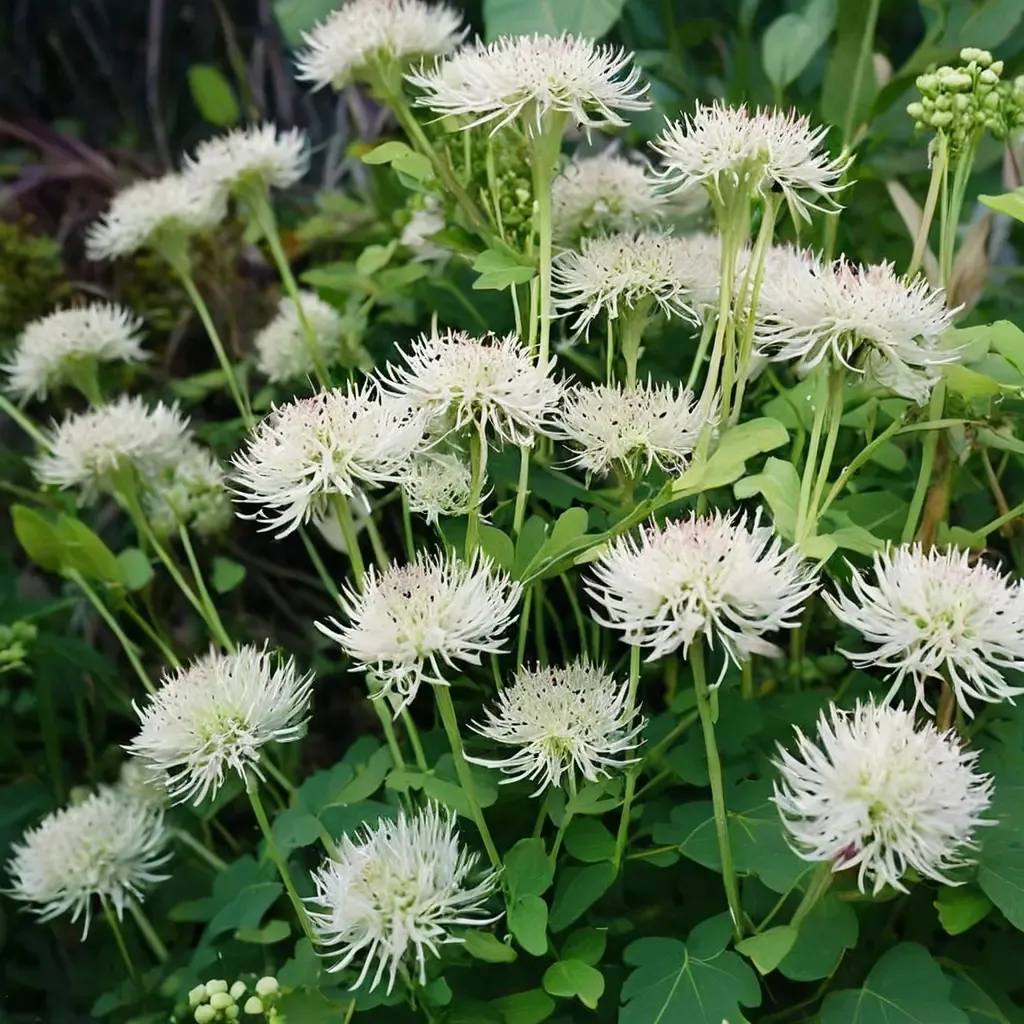
Album White Meadow Rue
Thalictrum aquilegiifolium 'Album'
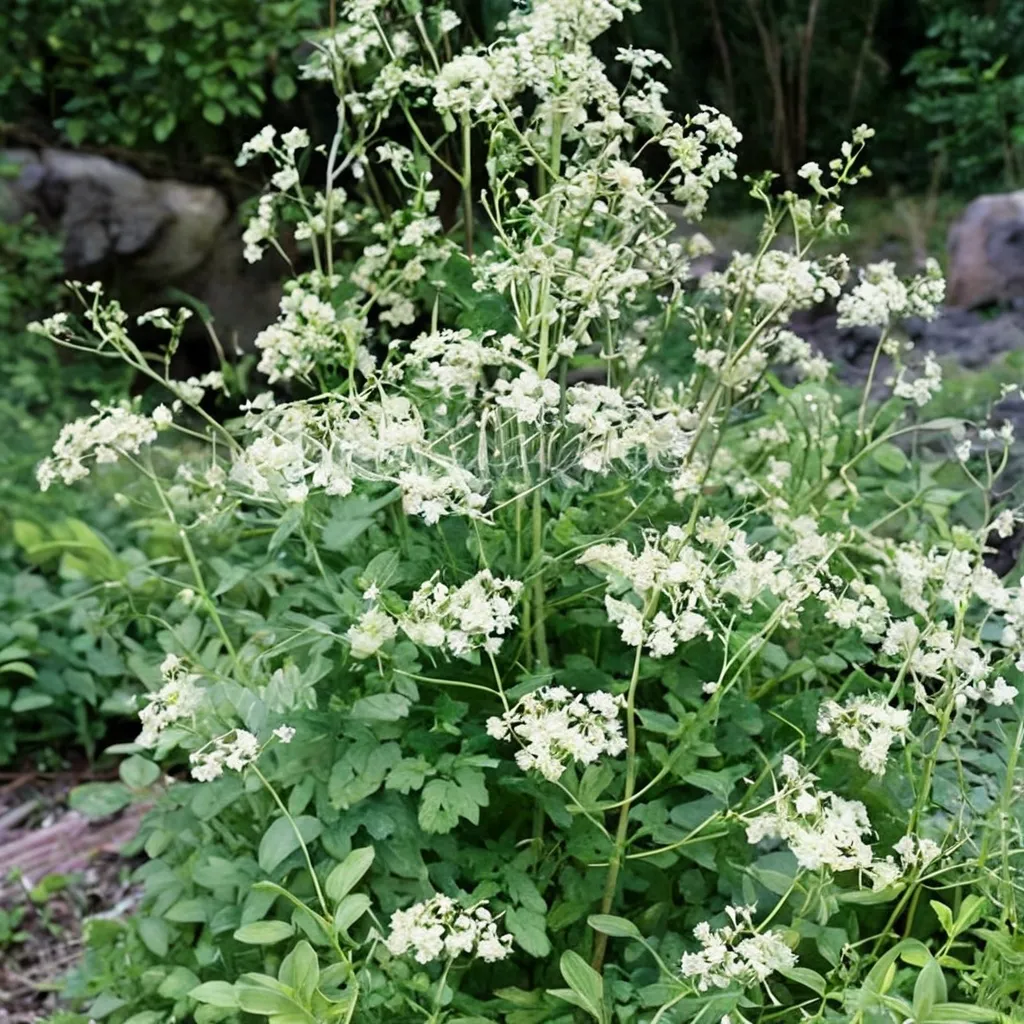
Tall Meadow-rue
Thalictrum polygamum
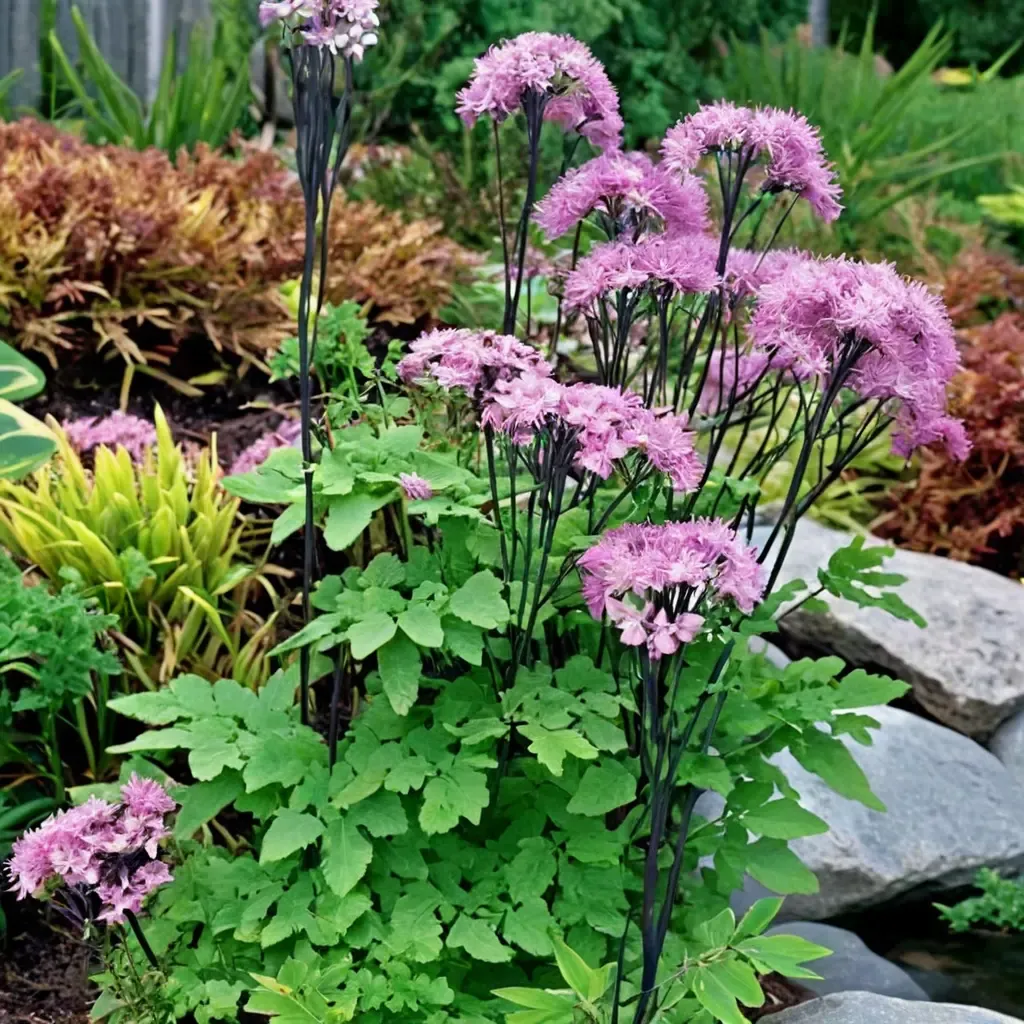
Black Stockings Meadow Rue
Thalictrum x hybrida 'Black Stockings'
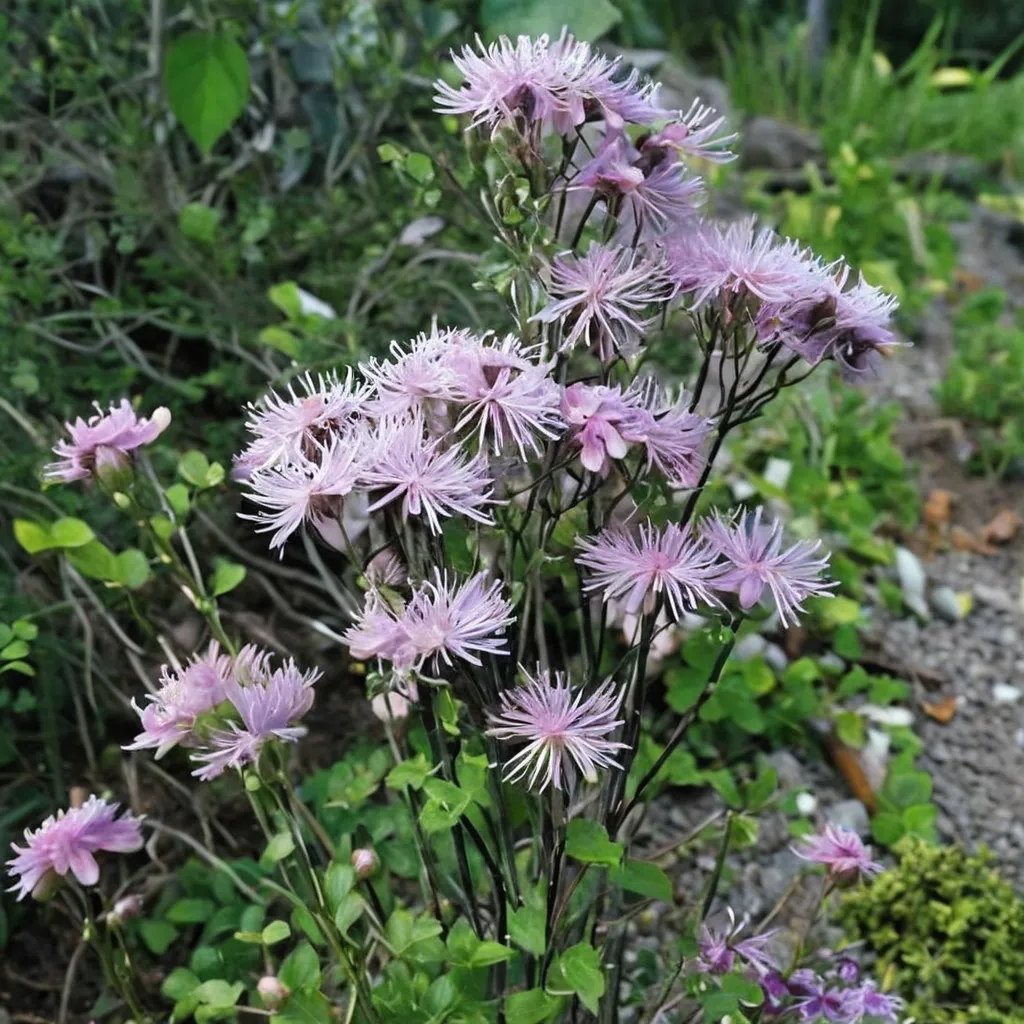
Hybrid Meadow Rue
Thalictrum x hybrida 'HH-03CH196'
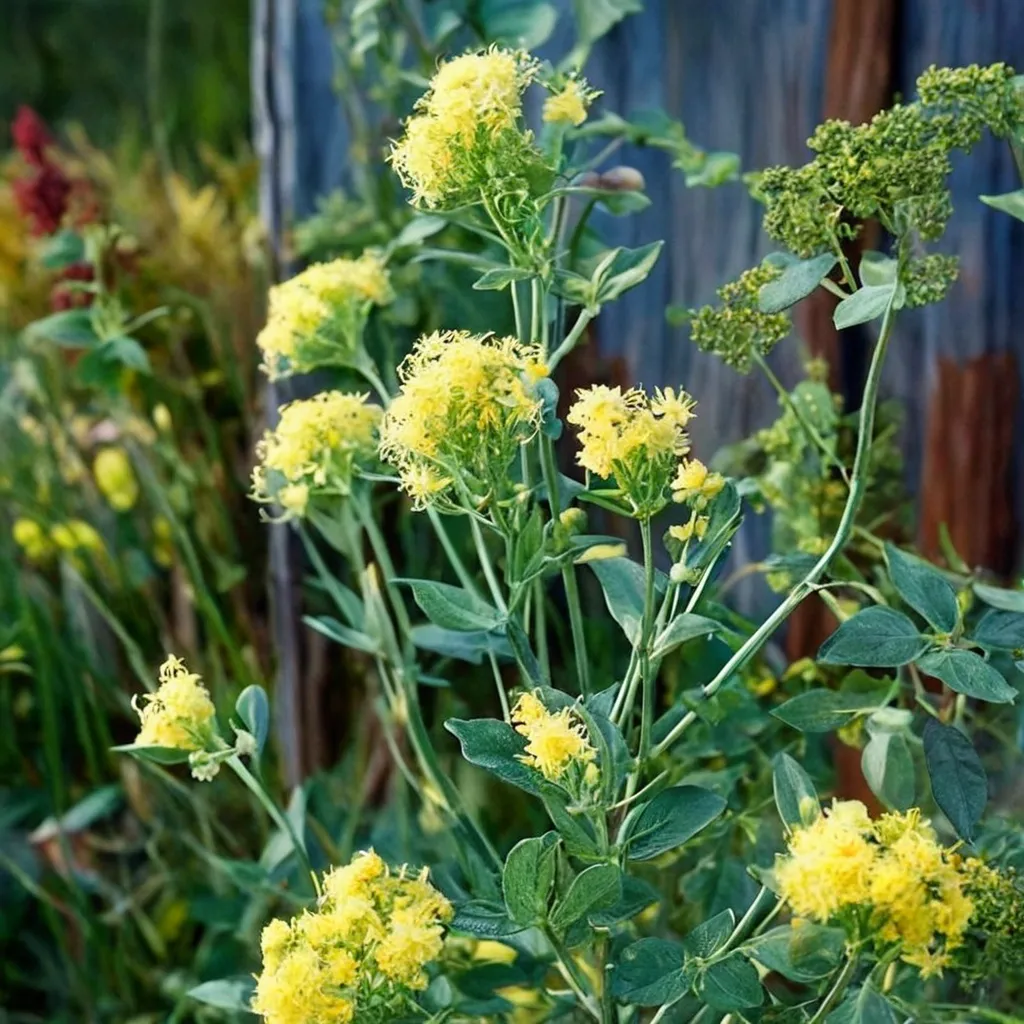
True Blue Yellow Meadow Rue
Thalictrum flavum 'True Blue'
Keep exploring
Explore the genus
Grow Fendler's Meadow-Rue with confidence
See it in a design of your actual yard, get zone-matched care reminders, and track it season by season in your garden journal.