The Story
Plant Bio
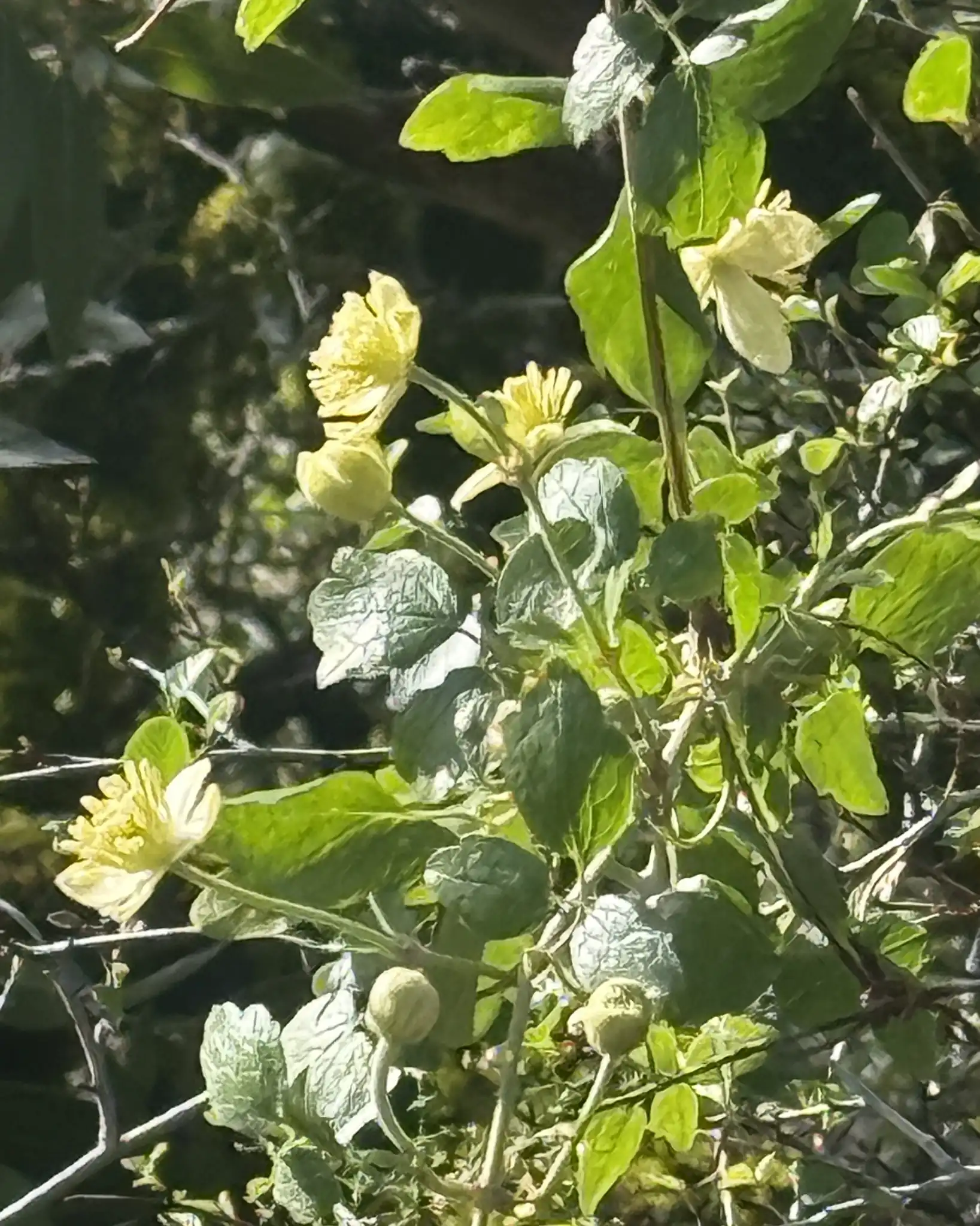
Clematis lasiantha is a deciduous climbing vine native to dry hillsides and chaparral slopes across California and Baja California. Twining stems produce trifoliate leaves and creamy-white, yellow-centered flowers from late winter into early summer, followed by feathery, silky-white seed plumes.
Unlike many ornamental hybrid clematis, this species adapts to dry summer conditions and prefers well-drained, rocky soils once established. Its flowers open mostly as solitary blooms on axillary stalks, transforming into long-lasting ornamental achene clusters.
Uses & Benefits:
Essentials
At a Glance
Plant Type
Vine
Height
240"
Width
240"
Light
Full Sun, Partial Sun
Zones
5, 6, 7, 8, 9, 10
Water
Low
Humidity
Moderate / Dry
Lifespan
Perennial
Native To
California, Baja California
Toxicity
Toxic if Ingested / Skin Irritant
Bloom period
Late winter – Early summer
In flower about 5 months of the year
Planting
How to Grow
- Select a site with full sun or partial shade where the root zone remains shaded and cool.
- Plant in well-draining, rocky, or loamy soil, building up a raised mound if drainage is questionable.
- Provide a sturdy trellis, fence, or shrub host for twining stems to scramble upward.
- Water regularly during the first growing season, reducing frequency once established to match dry summer conditions.
Pro Tip
Prune lightly immediately after flowering completes, as blooms set on old wood from the previous season; late winter hard pruning destroys the year's flower buds.
Keep It Thriving
Care Guide
Do
- Plant roots in shaded microclimates while allowing top growth access to sun.
- Ensure high soil drainage to prevent fungal root diseases.
- Prune immediately after flowering to preserve old wood bloom buds.
Don't
- Do not overwater during hot summer months after the plant establishes.
- Do not cut stems hard into bare wood in late winter or early spring.
- Do not plant in heavy, saturated clay soils.
Seasonal Care Calendar
| Task | Jan | Feb | Mar | Apr | May | Jun | Jul | Aug | Sep | Oct | Nov | Dec |
|---|---|---|---|---|---|---|---|---|---|---|---|---|
| Fertilize | ||||||||||||
| Mulch | ||||||||||||
| Pest Check | ||||||||||||
| Prune |
Watch Out For
Pests & Diseases
Common Pests
Common Diseases
In the Garden
Landscape Uses & Companions
Landscape Uses
Companion Plants
Multiply
Propagation Methods
Good to Know
Common Questions
Pipestem Clematis questions
What zones can Pipestem Clematis grow in?
Pipestem Clematis is hardy in USDA Zones 5–10: in that range it survives winter in the ground. Colder than Zone 5, grow it in a container you can move to shelter for the winter, or as an annual.
Is Pipestem Clematis deer resistant?
Yes — Pipestem Clematis is rated deer-resistant. Deer typically pass it over, though extreme hunger can override any plant's defenses.
When does Pipestem Clematis bloom?
Pipestem Clematis typically blooms from late winter to early summer. Exact timing shifts a week or two with your zone — Sow's bloom calendar maps it to your garden.
Does Pipestem Clematis need full sun?
Pipestem Clematis does best in full sun to part shade. In hot climates, afternoon shade keeps blooms fresher longer.
Is Pipestem Clematis drought tolerant?
Yes — once established (usually after the first full season), Pipestem Clematis handles dry spells with minimal watering. Water deeply its first year to build the root system that makes that possible.
More Clematis to compare
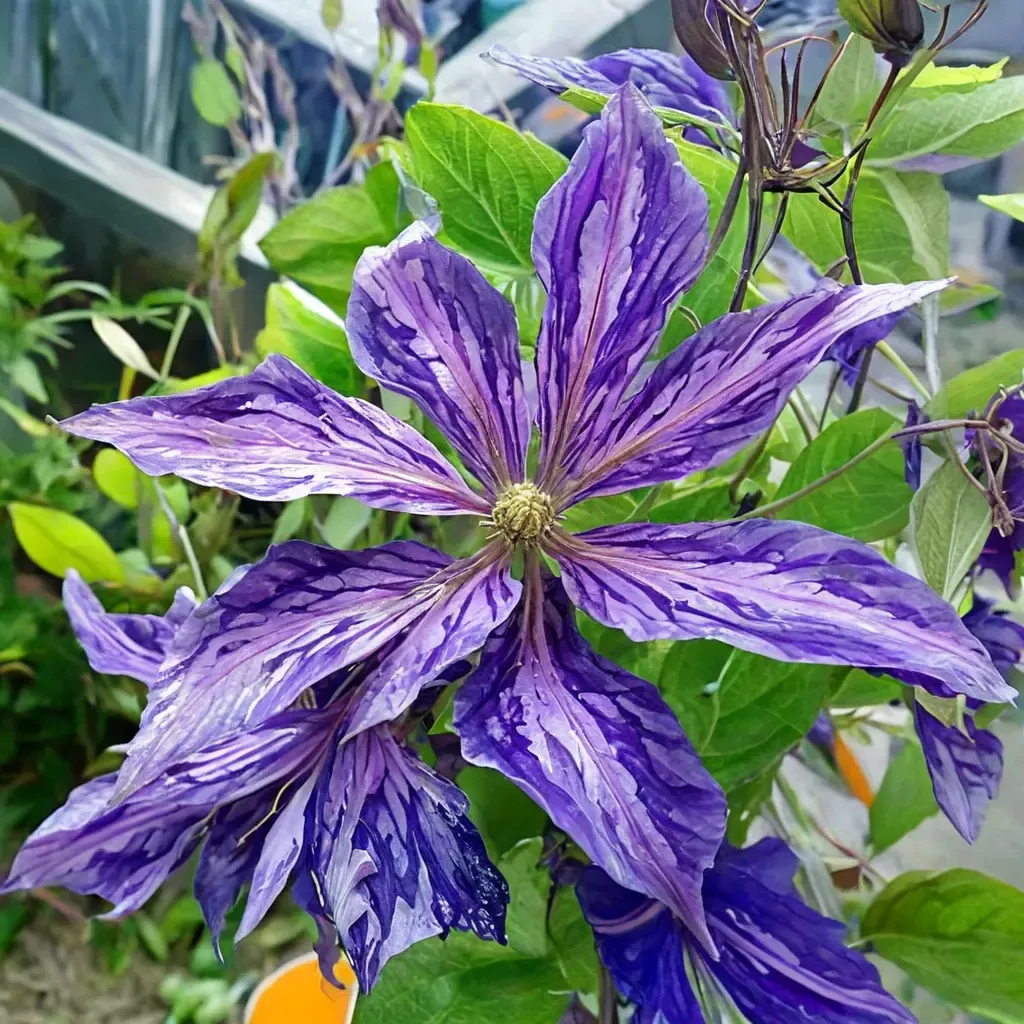
Tie Dye Clematis
Clematis viticella 'Tie Dye'
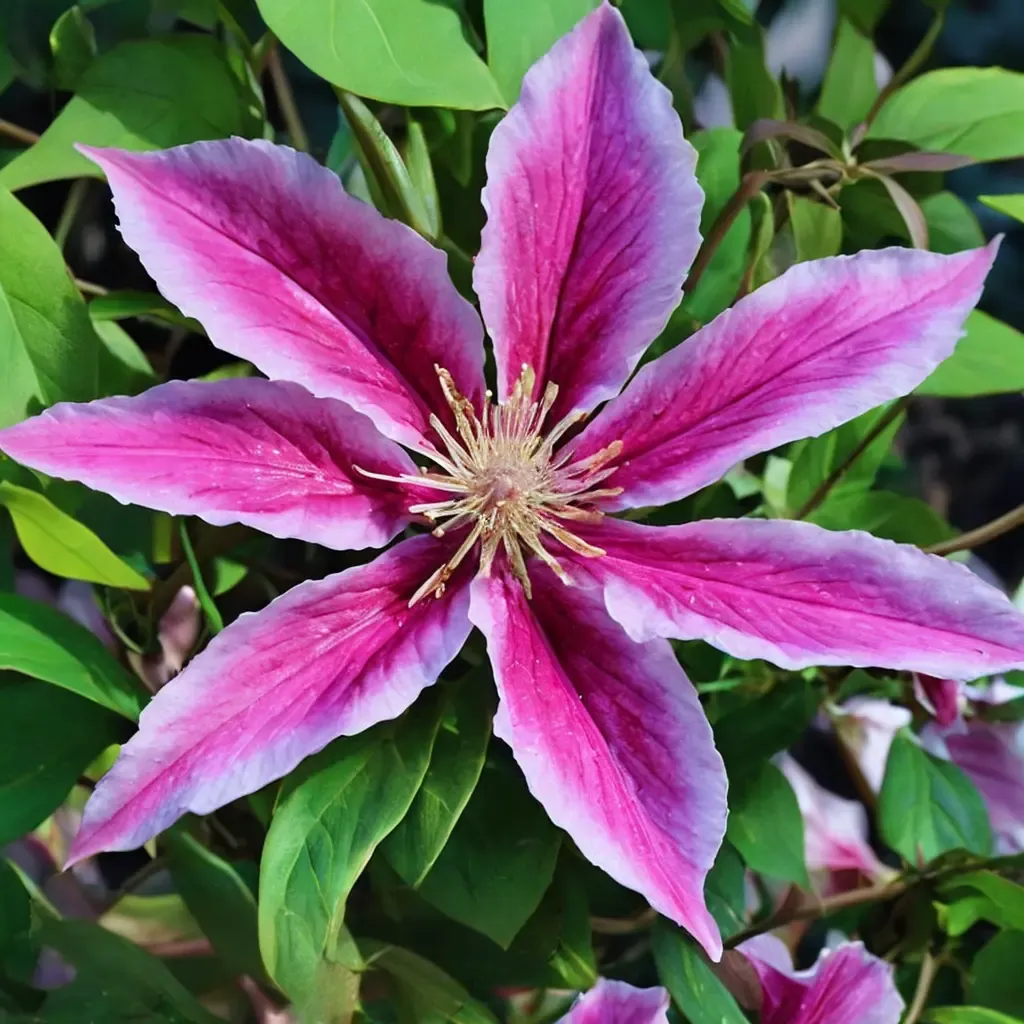
Dr. Ruppel Clematis
Clematis x jackmanii 'Dr Ruppel'
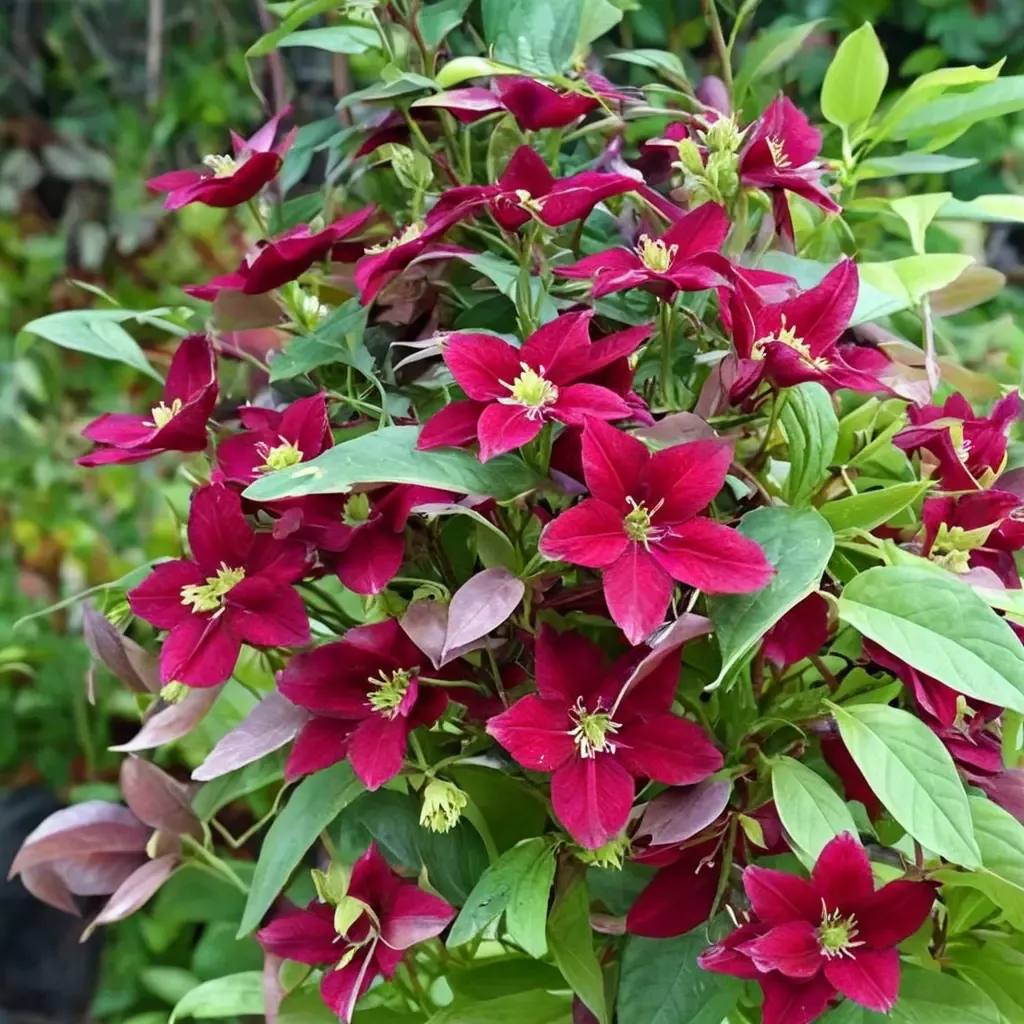
Burning Love Clematis
Clematis x cartmanii 'Burning Love'
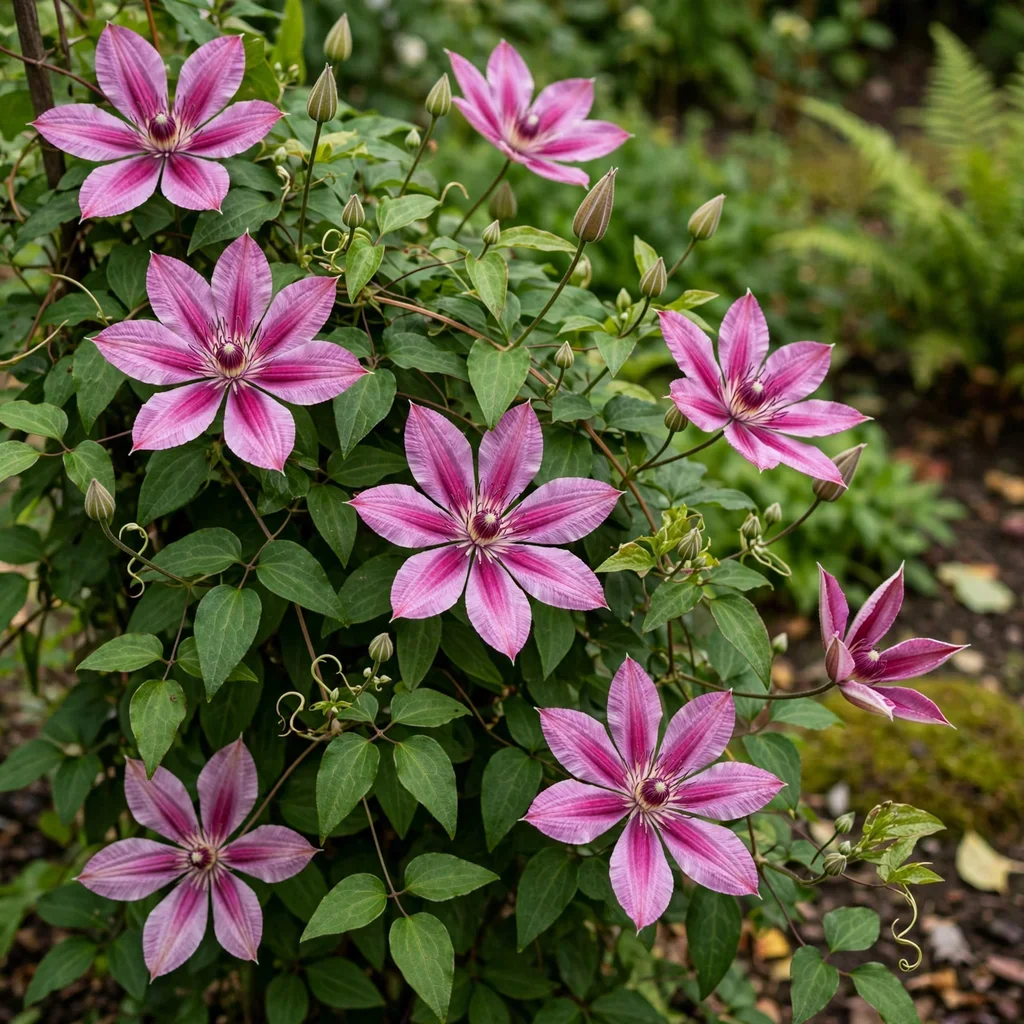
Yuan Clematis
Clematis viticella 'Yuan'
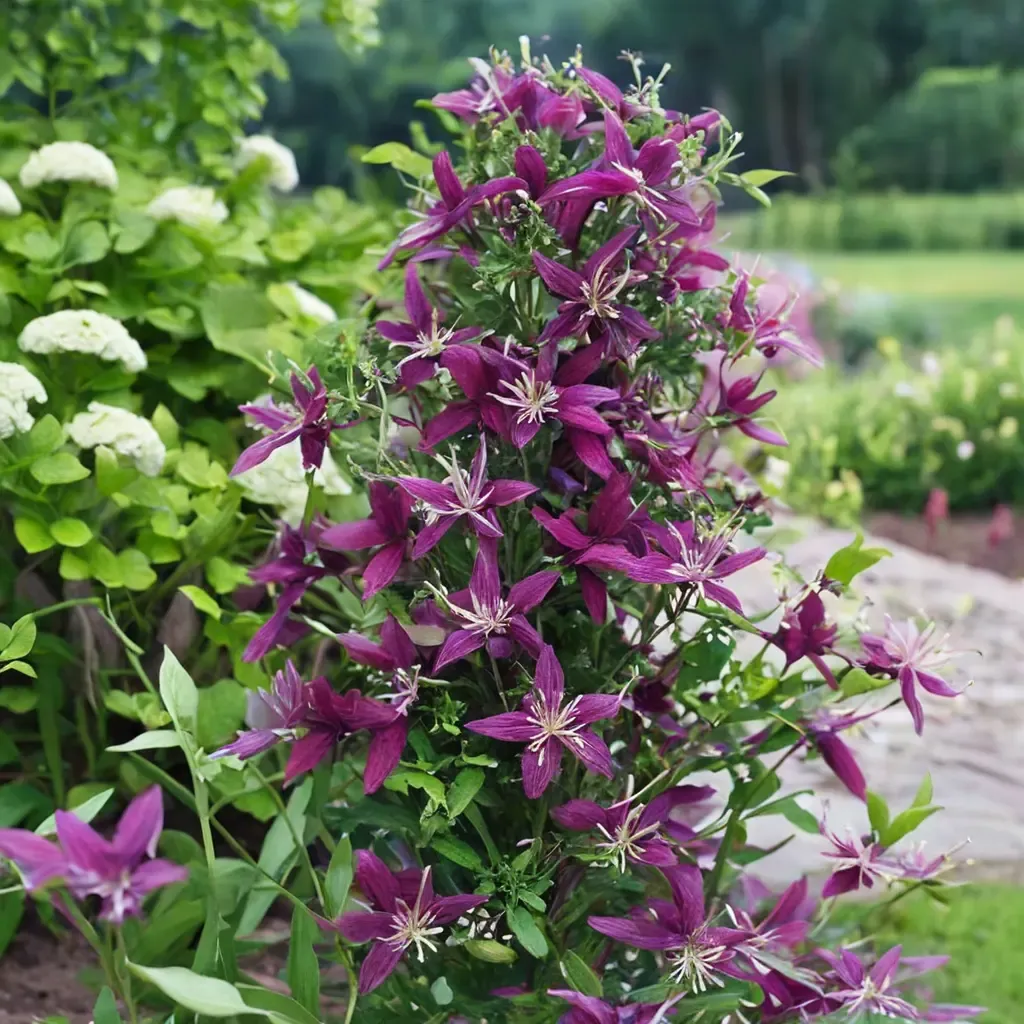
Sweet Summer Love Clematis
Clematis x hybrida 'Sweet Summer Love'
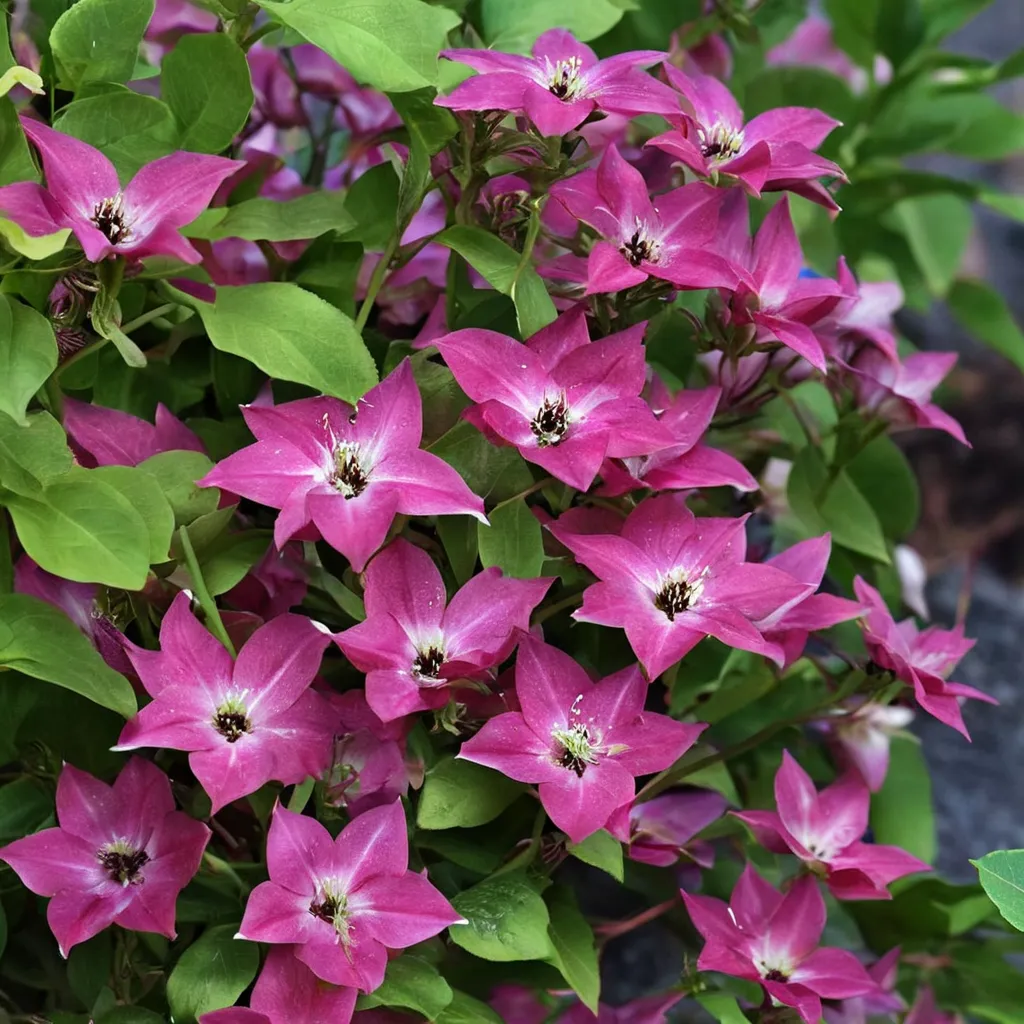
Viva Polonia Clematis
Clematis x hybrida 'Viva Polonia'
Keep exploring
Grow Pipestem Clematis with confidence
See it in a design of your actual yard, get zone-matched care reminders, and track it season by season in your garden journal.