The Story
Plant Bio
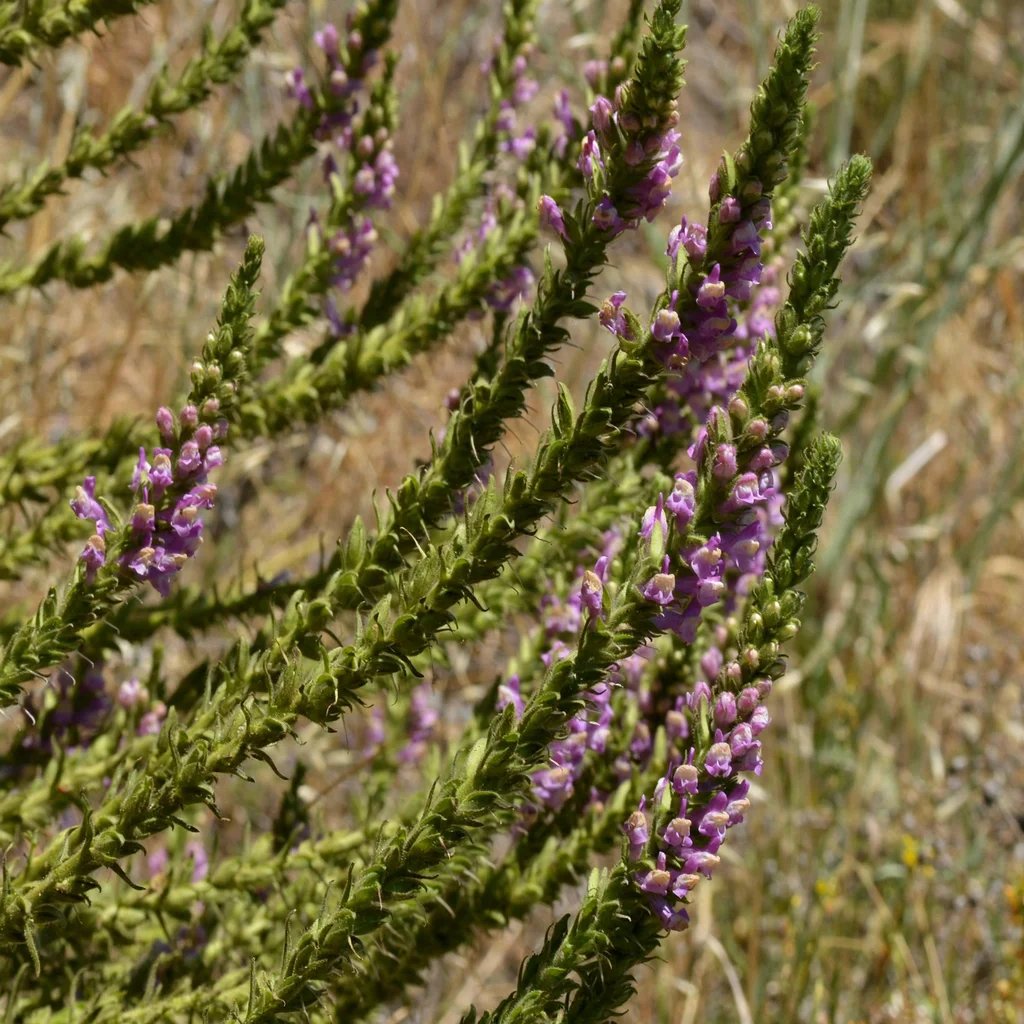
Sairocarpus multiflorus, still sold as Antirrhinum multiflorum, is a stout widely branched short-lived perennial from California that reaches two to five feet on erect self-supporting stems. The lance-shaped green leaves are densely glandular-hairy and sticky to the touch, reducing to bracts below a terminal raceme of two-lipped snapdragon flowers.
It carries many one-sided pale pink to rose-red flowers, each one-half to three-quarters of an inch long with a white palate tinged yellow and a tan-brown patch on the lower lip that darkens as the flower withers. Unlike the European garden snapdragon, it is viscid all over, grows from dry rocky chaparral and oak woodland, and shuts down in late-summer drought unless given partial shade and water.
Uses & Benefits:
Essentials
At a Glance
Plant Type
Perennial
Height
36"
Width
24"
Light
Full Sun, Partial Sun
Zones
8, 9, 10
Water
Low
Humidity
Low
Lifespan
Short-lived perennial, 2-3 years
Native To
California, USA
Toxicity
Non-toxic
Bloom period
Spring – Summer
In flower about 6 months of the year
Planting
How to Grow
- Plant in full sun to light shade in very well-drained rocky, sandy, or loamy soil.
- Set the crown level with the soil surface and water in once to settle the roots.
- Water sparingly through spring growth and bloom, then let the soil dry between waterings.
- Leave the summer-dry rest alone; add only light water in heat to extend bloom into fall.
Pro Tip
Sticky hairs are normal growth, not pests or disease; give it lean, sharply drained soil and let it go dry in late summer, as wet soil and rich watering kill it faster than drought.
Keep It Thriving
Care Guide
Do
- Provide full sun with excellent drainage and air movement.
- Water low to moderate in spring, then rest dry in late summer.
- Deadhead spent racemes to keep bloom coming.
Don't
- Do not plant in wet, heavy, or highly alkaline soil.
- Do not overwater or fertilize richly to force growth.
- Do not mistake sticky glandular hairs for disease and spray them.
Seasonal Care Calendar
| Task | Jan | Feb | Mar | Apr | May | Jun | Jul | Aug | Sep | Oct | Nov | Dec |
|---|---|---|---|---|---|---|---|---|---|---|---|---|
| Deadhead | ||||||||||||
| Pest Check | ||||||||||||
| Plant | ||||||||||||
| Prune |
Watch Out For
Pests & Diseases
Common Pests
Common Diseases
In the Garden
Landscape Uses & Companions
Landscape Uses
Multiply
Propagation Methods
Good to Know
Common Questions
Sierra Snapdragon questions
What zones can Sierra Snapdragon grow in?
Sierra Snapdragon is hardy in USDA Zones 8–10: in that range it survives winter in the ground. Colder than Zone 8, grow it in a container you can move to shelter for the winter, or as an annual.
Is Sierra Snapdragon deer resistant?
Yes — Sierra Snapdragon is rated deer-resistant. Deer typically pass it over, though extreme hunger can override any plant's defenses.
When does Sierra Snapdragon bloom?
Sierra Snapdragon typically blooms from spring to summer. Exact timing shifts a week or two with your zone — Sow's bloom calendar maps it to your garden.
Does Sierra Snapdragon need full sun?
Sierra Snapdragon does best in full sun to part shade. In hot climates, afternoon shade keeps blooms fresher longer.
Is Sierra Snapdragon drought tolerant?
Yes — once established (usually after the first full season), Sierra Snapdragon handles dry spells with minimal watering. Water deeply its first year to build the root system that makes that possible.
More Antirrhinum to compare
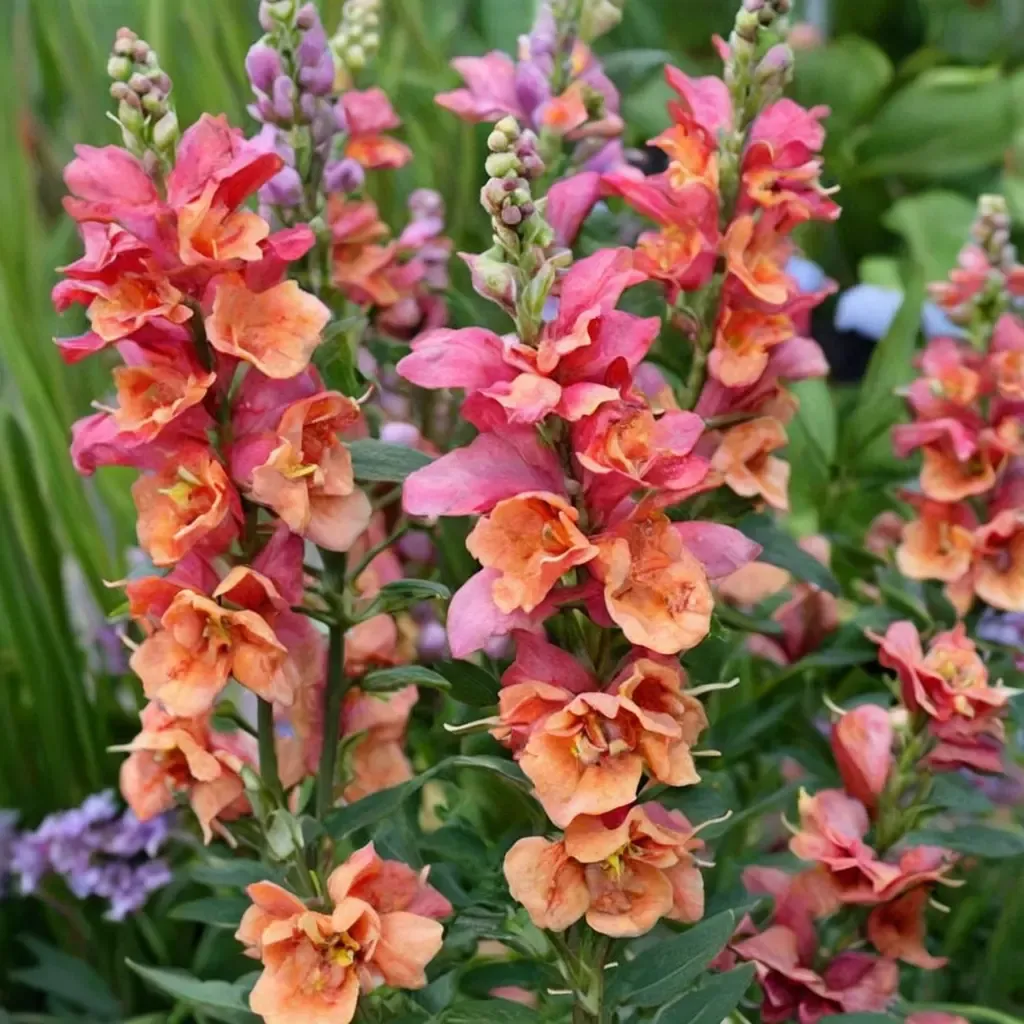
Double Azalea Bronze Snapdragons
Antirrhinum majus 'Double Azalea Bronze'
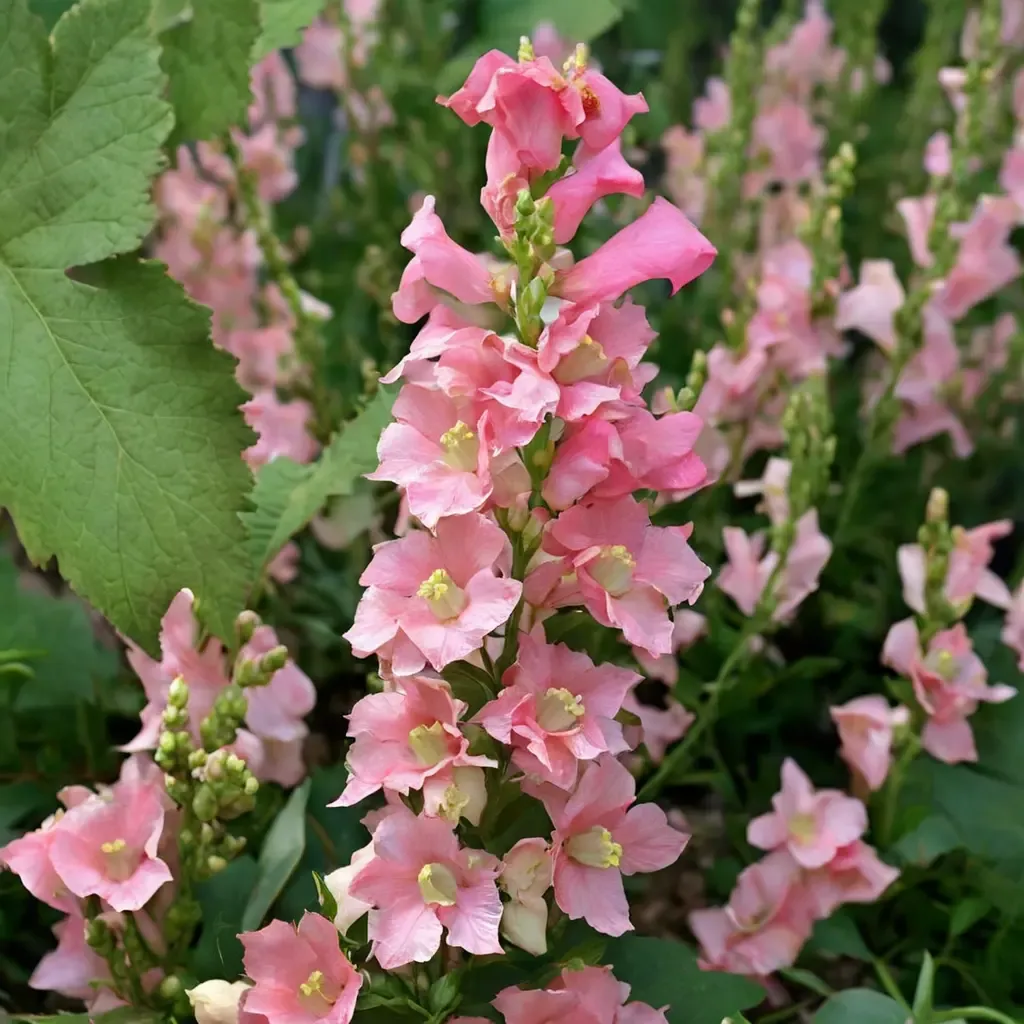
Chantilly Pink Snapdragon
Antirrhinum majus 'Chantilly Pink'
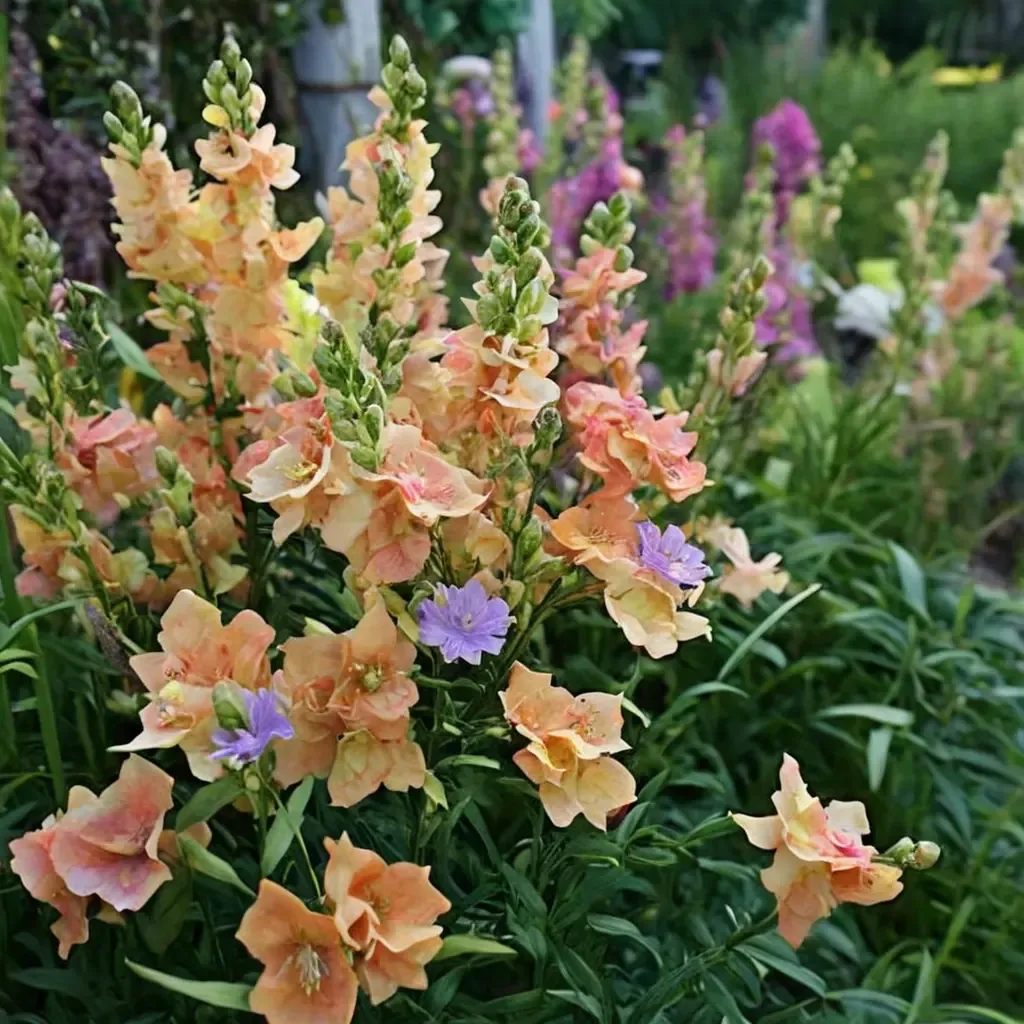
Snapdragon 'Chantilly Peach'
Antirrhinum majus 'Chantilly Peach'
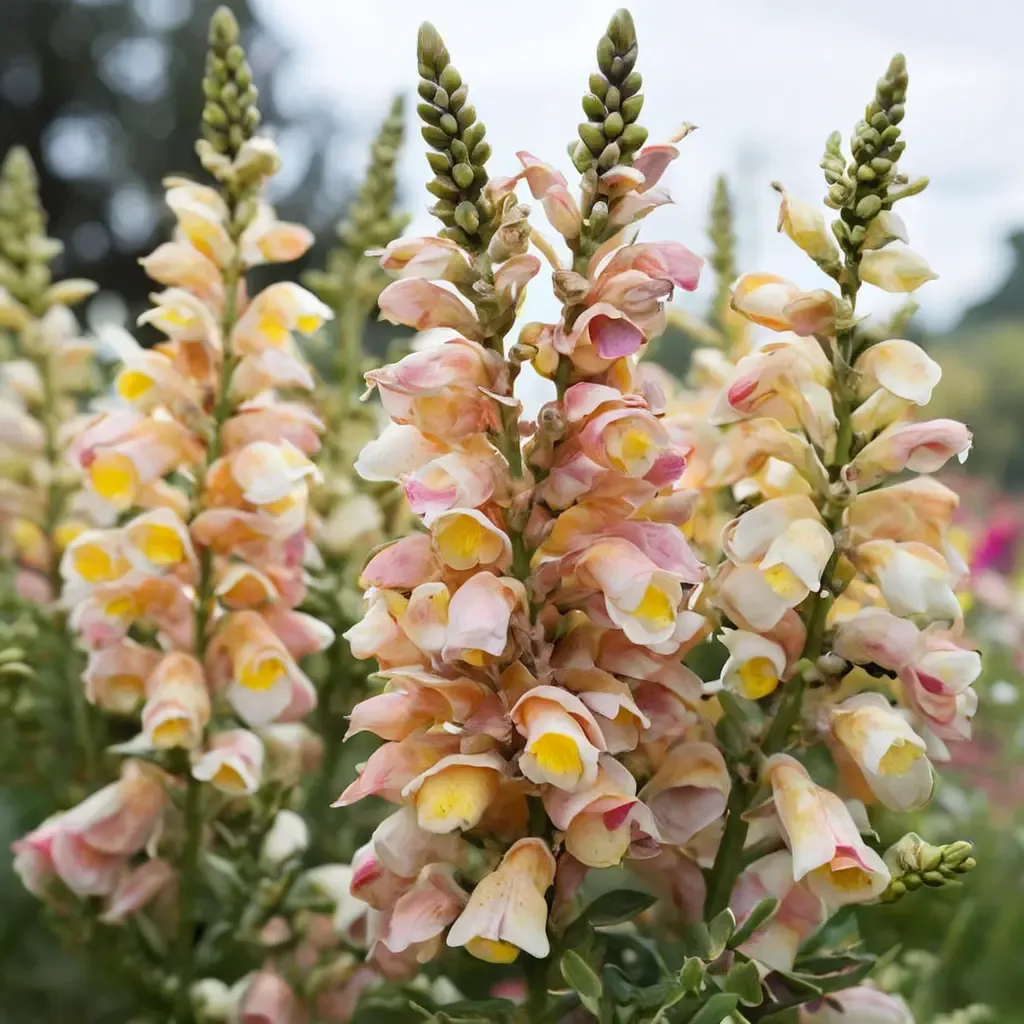
Costa Apricot Snapdragon
Antirrhinum majus 'Costa Apricot'
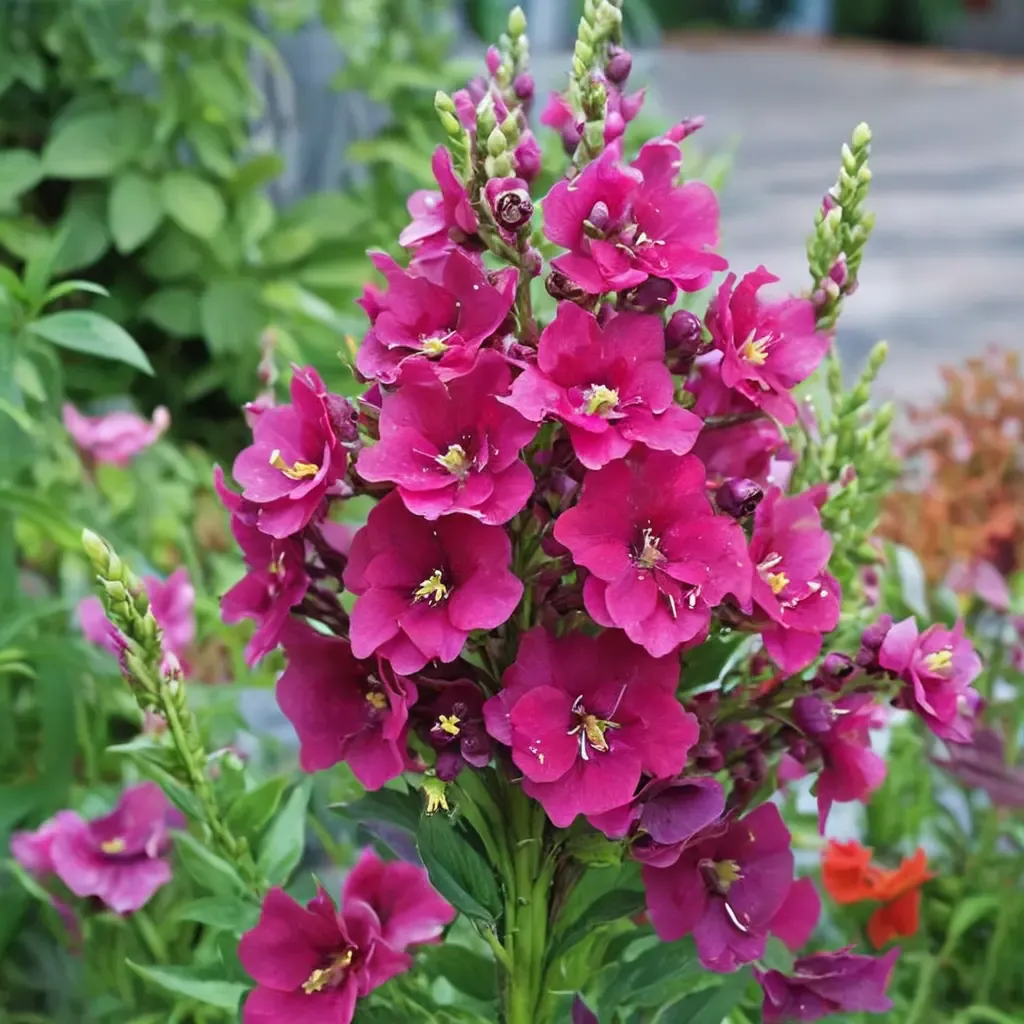
Chantilly Purple Snapdragon
Antirrhinum majus 'Chantilly Purple'
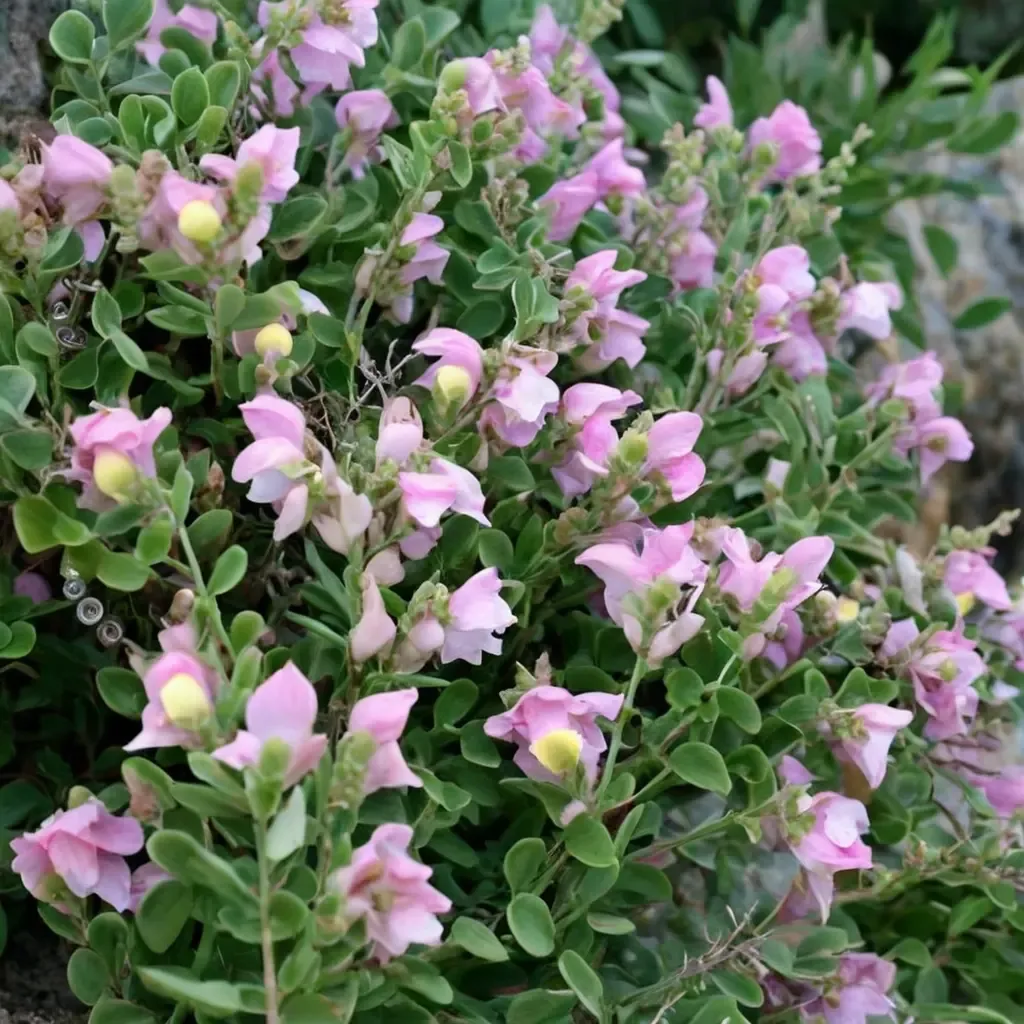
Spanish Snapdragon
Antirrhinum hispanicum
Keep exploring
Explore the genus
Hardy in your zone?
Grow Sierra Snapdragon with confidence
See it in a design of your actual yard, get zone-matched care reminders, and track it season by season in your garden journal.