The Story
Plant Bio
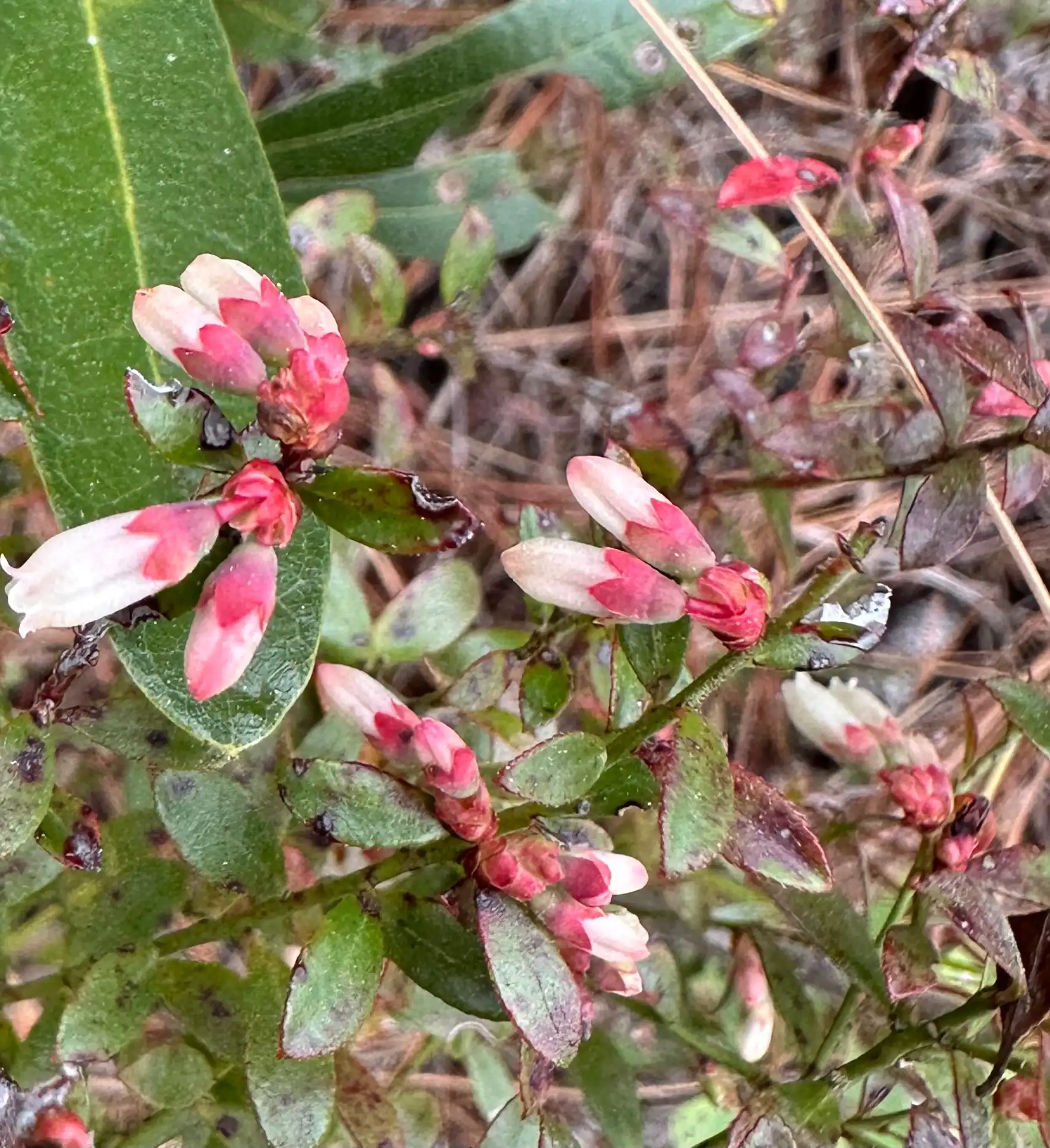
Vaccinium myrsinites is a low evergreen shrub in the heath family, forming dense clonal colonies from underground rhizomes. In cultivation it reaches one to two feet tall and wider, with small leathery elliptic leaves and clusters of waxy urn-shaped white to pink flowers followed by black-blue berries.
Unlike deciduous highbush types, it holds small dark glossy leaves year-round, the undersides dotted with scattered red glands visible with a lens. It spreads by runners into a low mat, so a planting thickens into groundcover rather than forming an upright bush.
Uses & Benefits:
Essentials
At a Glance
Plant Type
Shrub
Height
24"
Width
36"
Light
Full Sun, Partial Sun
Zones
6, 7, 8, 9, 10
Water
Low once established
Humidity
Tolerant
Lifespan
Long-lived
Native To
Southeastern United States
Toxicity
Non-toxic
Bloom period
Early spring – Mid-spring
In flower about 2 months of the year
Planting
How to Grow
- Plant in full sun to partial shade in acidic, lime-free sandy soil that drains freely.
- Set two genetically unrelated plants 18 to 24 inches apart for cross-pollination.
- Water in well, then mulch with 2 inches of pine needles or pine bark to hold moisture.
- Hold plants in a frost-free spot through the first winter and set out after the last frost in late spring.
- Water sparingly once established; mature colonies tolerate very dry sand.
Pro Tip
Plant two genetically unrelated plants for fruit; a single clone sets little. Leave it unshorn — it fruits best on undisturbed spreading stems that resprout from stolons after fire.
Keep It Thriving
Care Guide
Do
- Plant two unrelated individuals to ensure fruit set.
- Contain spread by cutting unwanted runners at the edge.
- Leave fallen pine needles as mulch to keep soil acid.
Don't
- Do not shear it annually like a hedge; it needs no hard pruning.
- Do not plant in limey or alkaline soil.
- Do not expect fruit from a solitary plant.
Seasonal Care Calendar
| Task | Jan | Feb | Mar | Apr | May | Jun | Jul | Aug | Sep | Oct | Nov | Dec |
|---|---|---|---|---|---|---|---|---|---|---|---|---|
| Harvest | ||||||||||||
| Mulch | ||||||||||||
| Pest Check | ||||||||||||
| Plant | ||||||||||||
| Prune |
Watch Out For
Pests & Diseases
Common Pests
Common Diseases
In the Garden
Landscape Uses & Companions
Landscape Uses
Companion Plants
Multiply
Propagation Methods
Good to Know
Common Questions
Shiny Blueberry questions
What zones can Shiny Blueberry grow in?
Shiny Blueberry is hardy in USDA Zones 6–10: in that range it survives winter in the ground. Colder than Zone 6, grow it in a container you can move to shelter for the winter.
When does Shiny Blueberry bloom?
Shiny Blueberry typically blooms in early to mid-spring. Exact timing shifts a week or two with your zone — Sow's bloom calendar maps it to your garden.
Does Shiny Blueberry need full sun?
Shiny Blueberry does best in full sun to part shade. In hot climates, afternoon shade keeps blooms fresher longer.
Is Shiny Blueberry drought tolerant?
Yes — once established (usually after the first full season), Shiny Blueberry handles dry spells with minimal watering. Water deeply its first year to build the root system that makes that possible.
More Vaccinium to compare
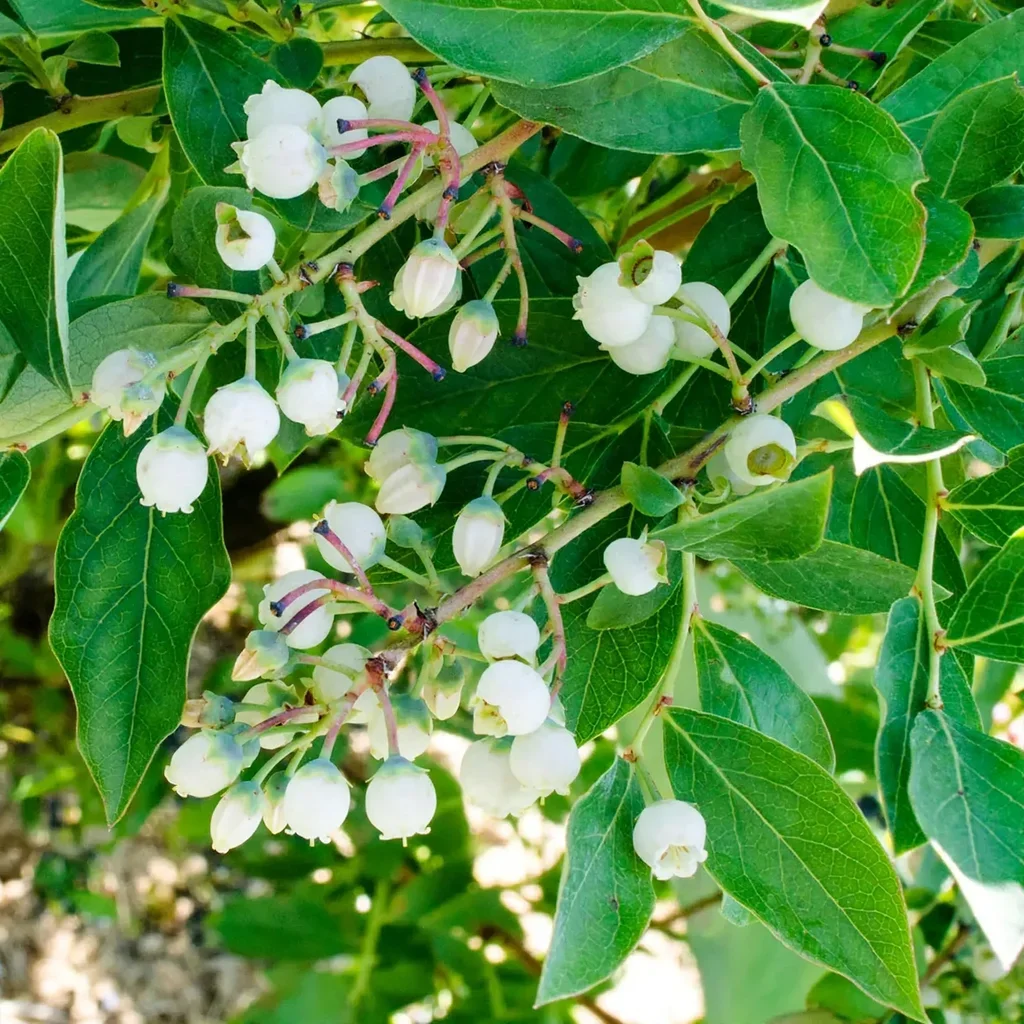
Echo Blueberry
Vaccinium corymbosum 'Echo'
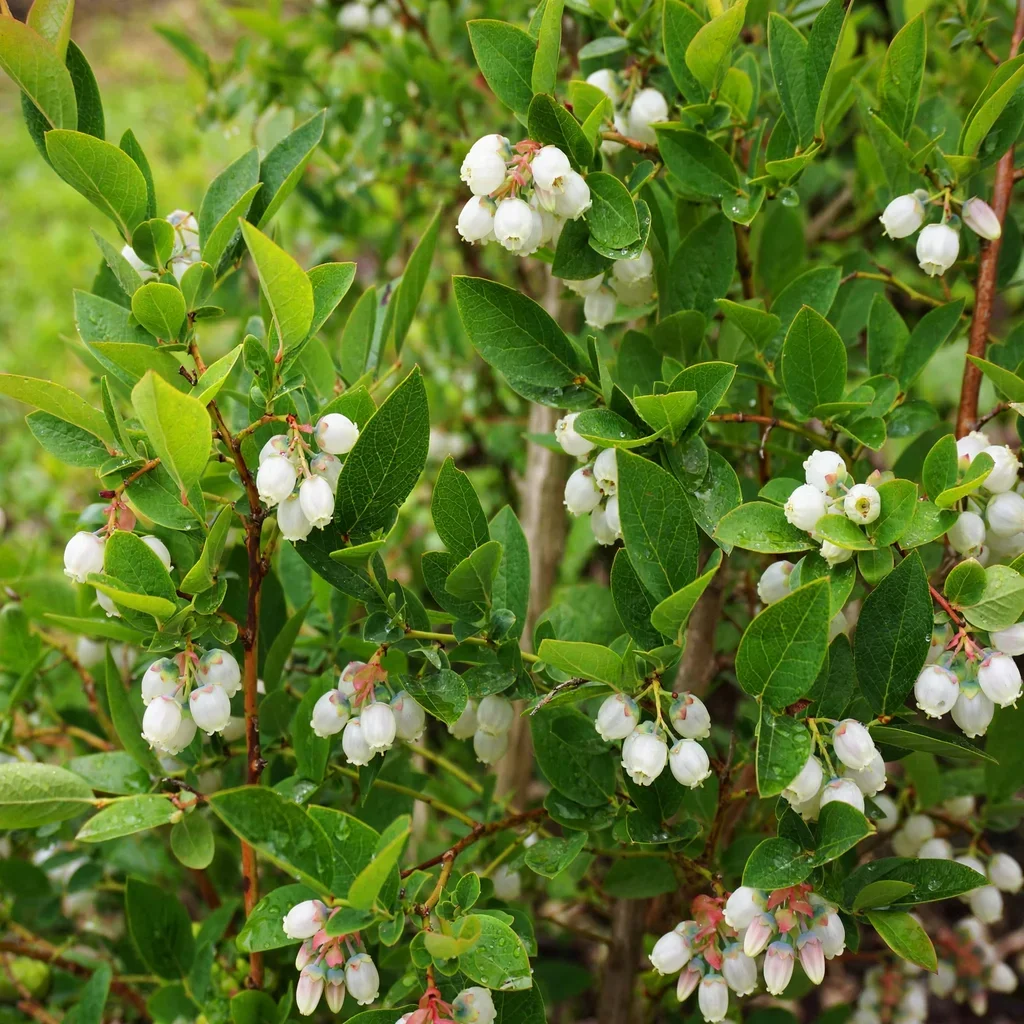
Highbush Blueberry
Vaccinium corymbosum
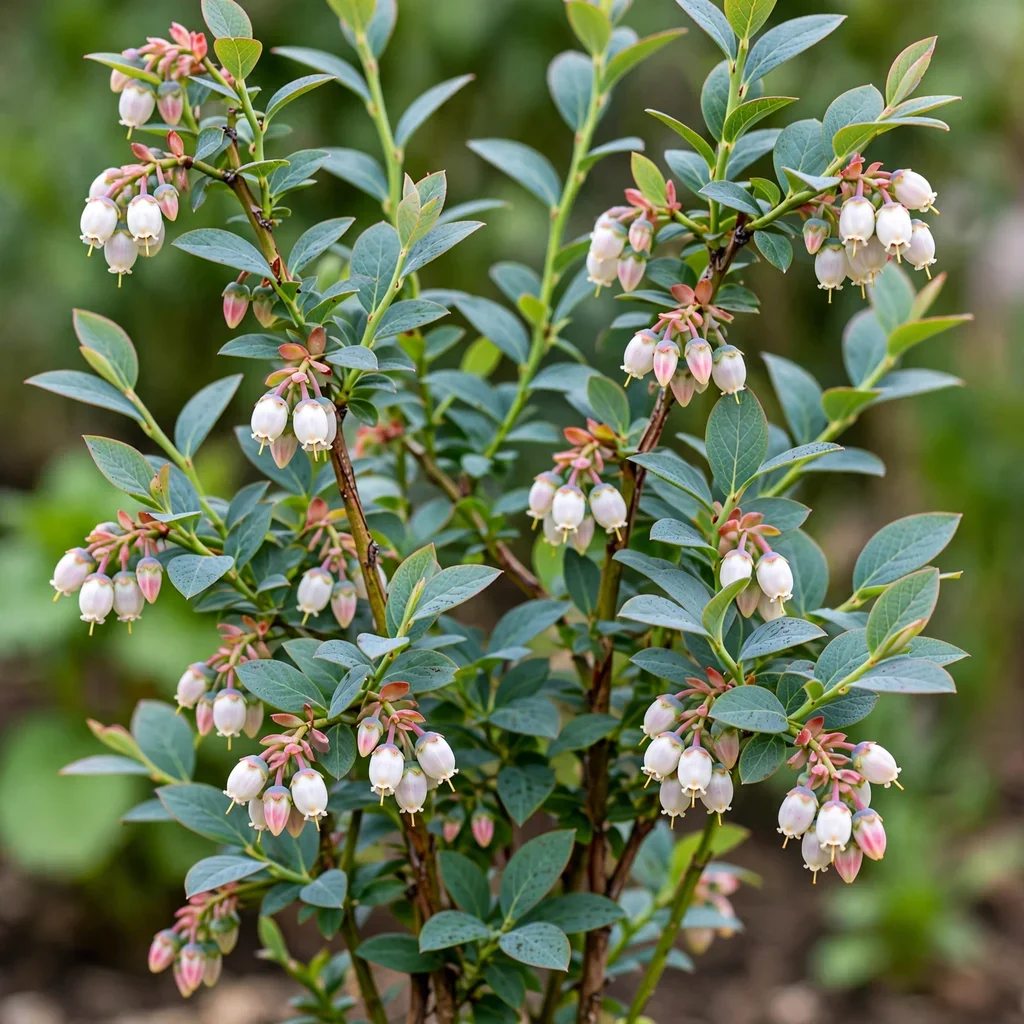
Sunshine Blue Blueberry
Vaccinium corymbosum 'Blueberry Sunshine Blue'
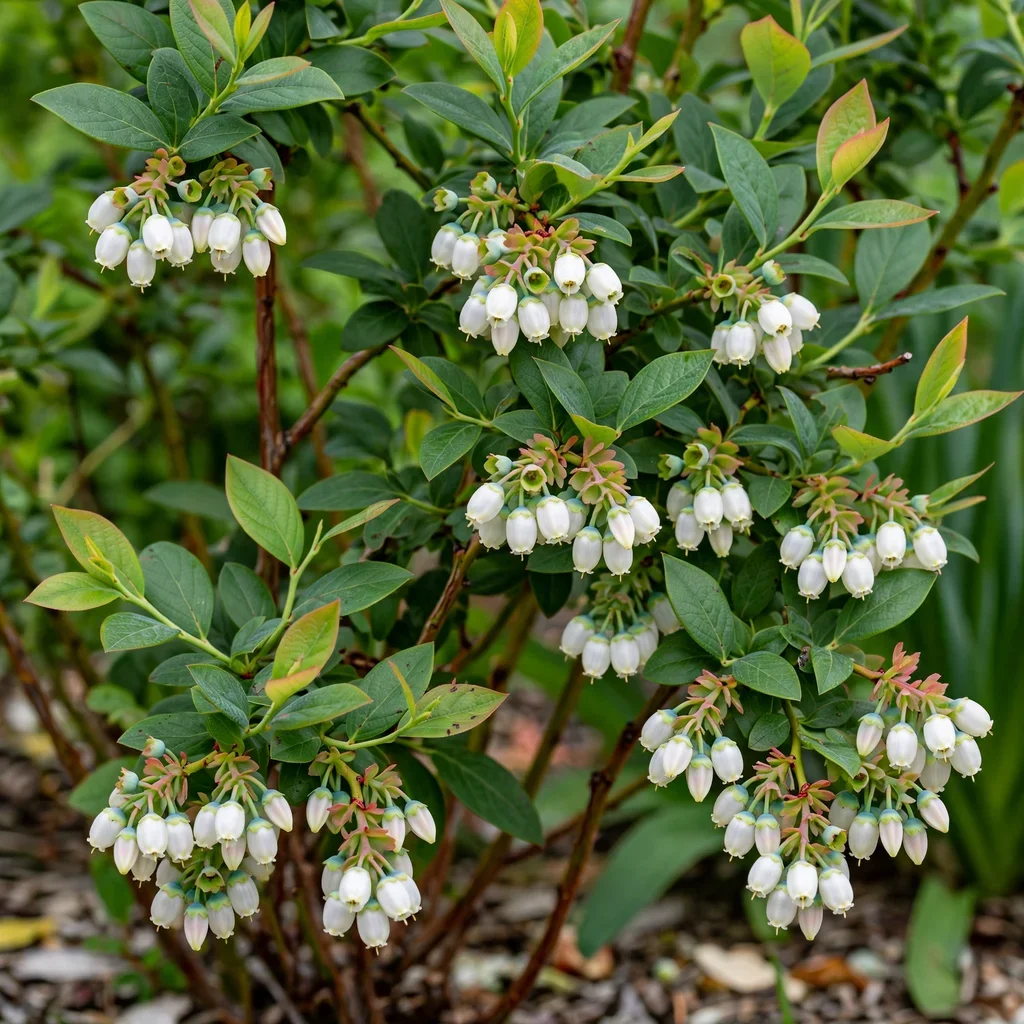
Chandler Blueberry
Vaccinium corymbosum 'Chandler'
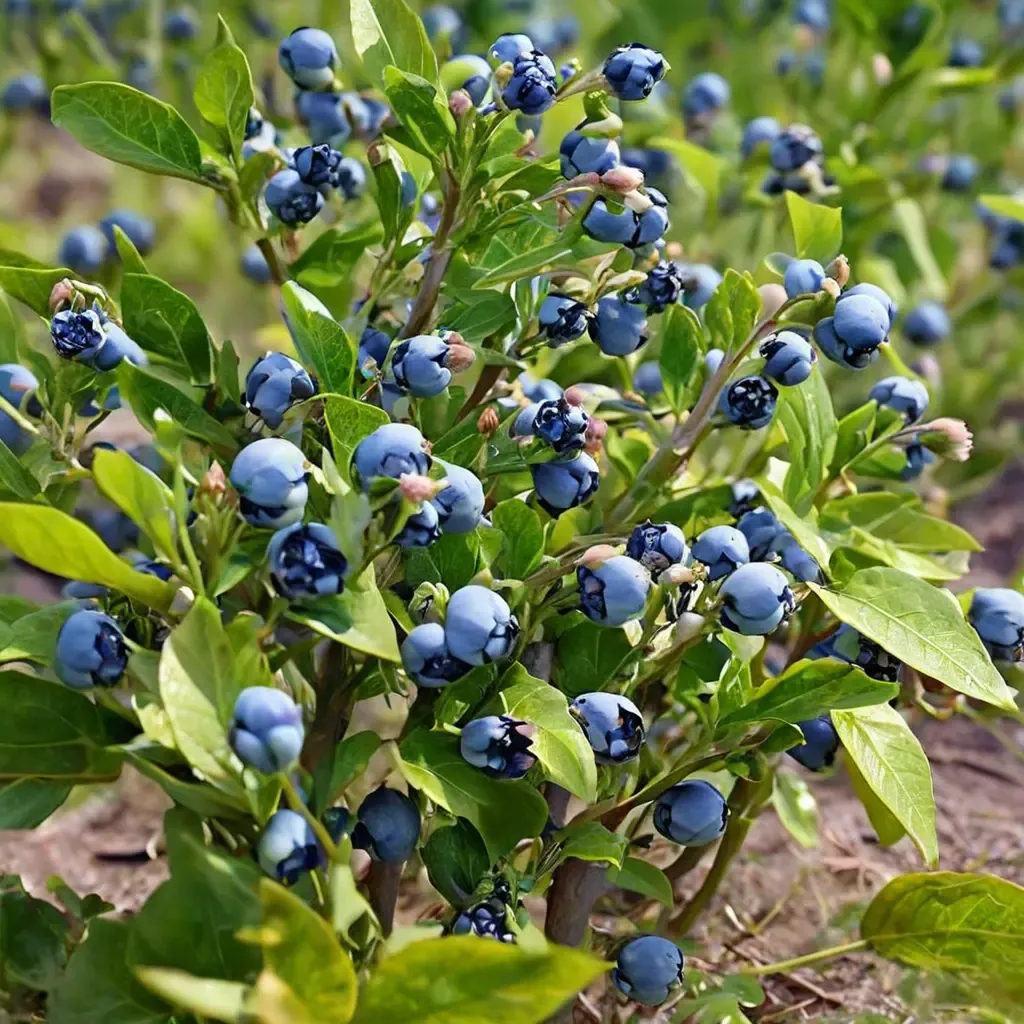
Duke blueberry
Vaccinium corymbosum 'Duke'
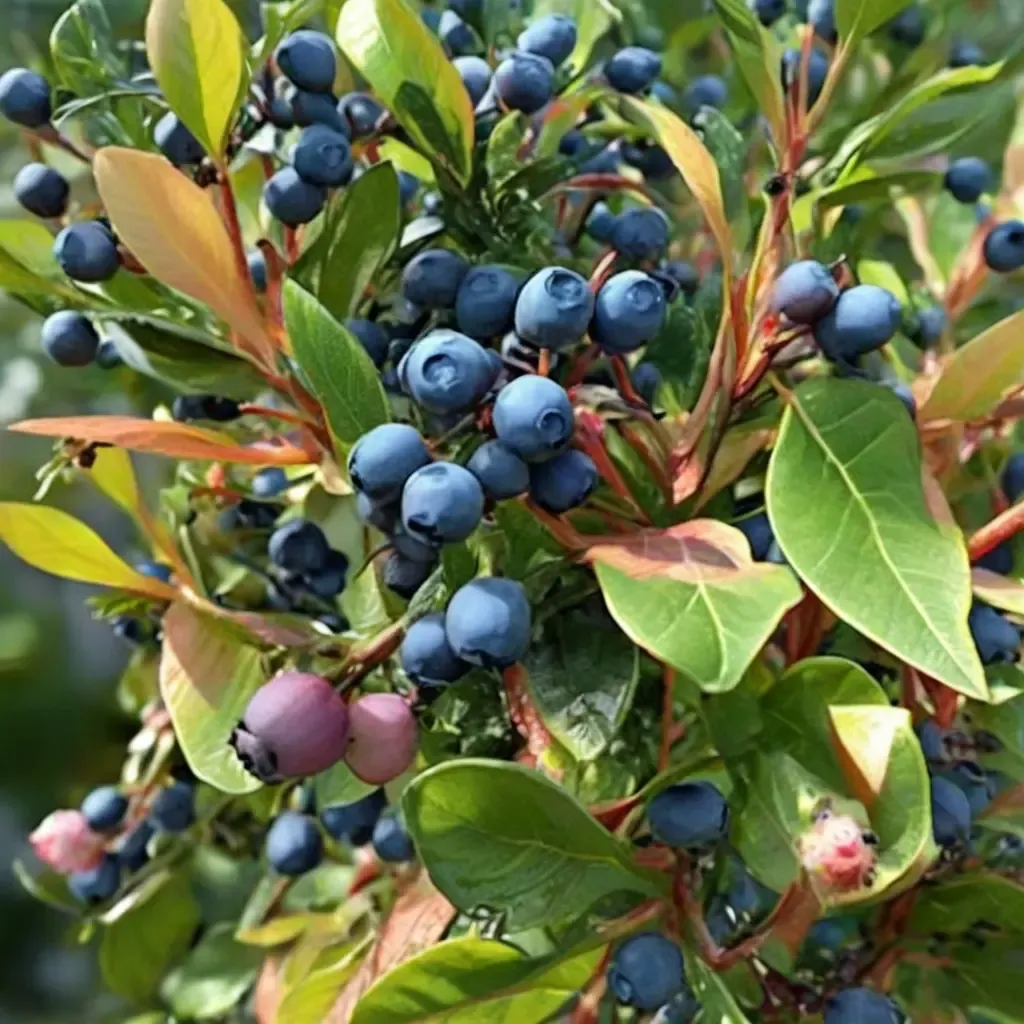
Bonus Blueberry
Vaccinium corymbosum 'Bonus'
Keep exploring
Explore the genus
Hardy in your zone?
Grow Shiny Blueberry with confidence
See it in a design of your actual yard, get zone-matched care reminders, and track it season by season in your garden journal.