The Story
Plant Bio
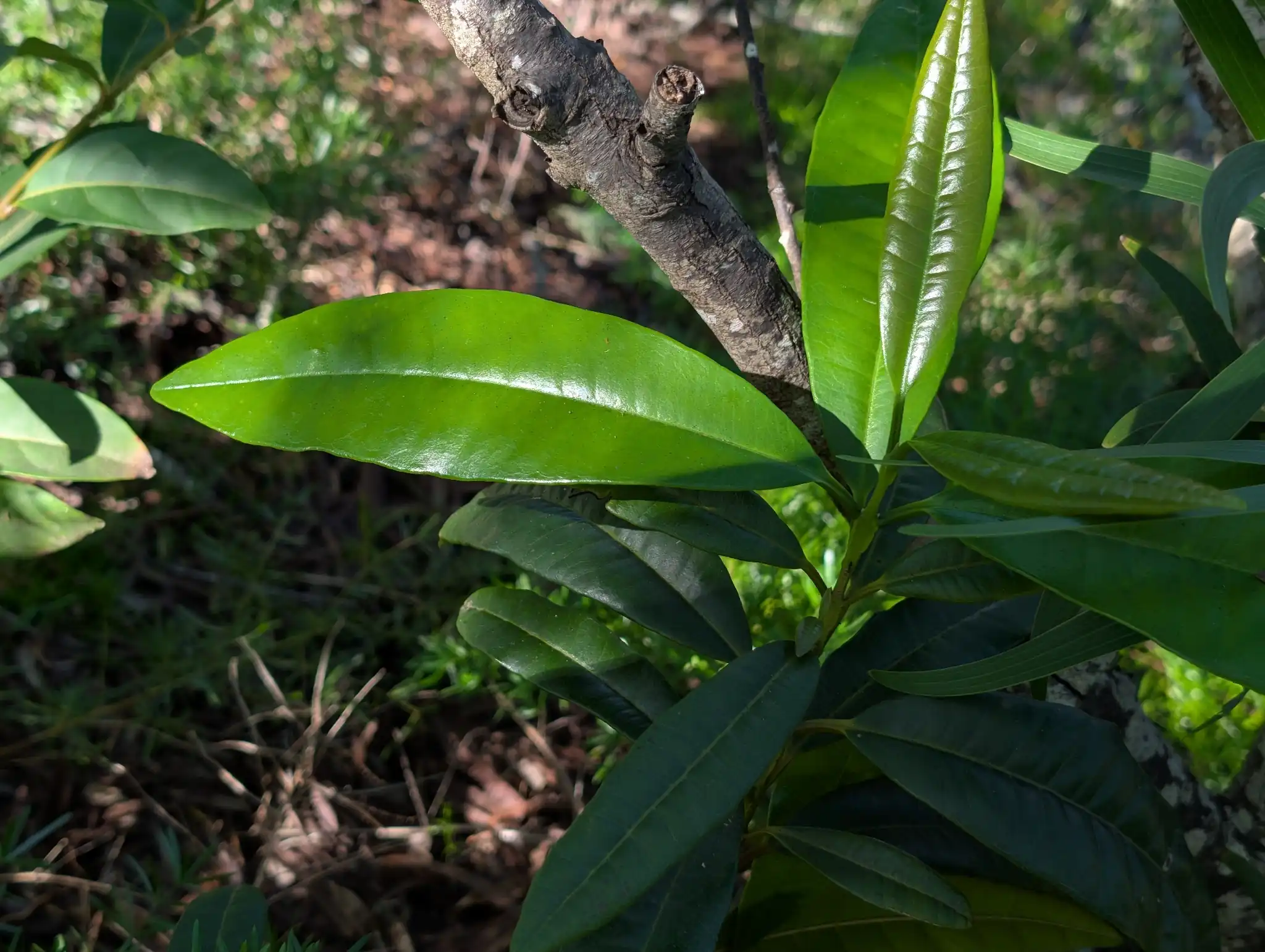
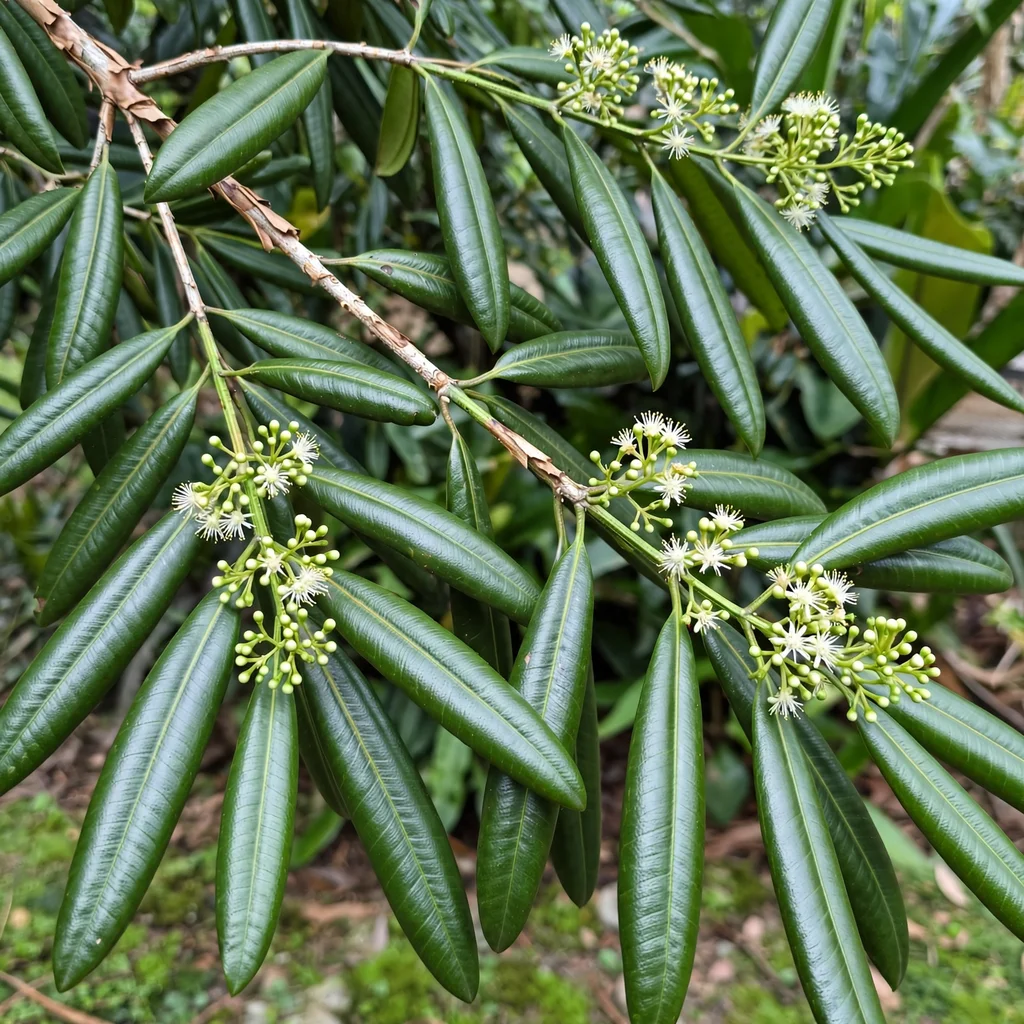
Pimenta dioica, the allspice tree, is a small evergreen tree 20 to 40 feet tall with a dense canopy and smooth whitish-grey bark that peels in flakes. The opposite leaves are large, glossy, leathery and dark green, 4 to 8 inches long, and release a clove-like scent when crushed, while tiny white flowers with numerous stamens are borne in many-flowered panicles from the leaf axils.
Plants are dioecious, so only female trees set fruit and only when a male tree grows nearby for pollination. The spice is the dried unripe green berry picked before it ripens purple-black in summer to fall, and trees grown outside the tropics often remain foliage-only, which separates true allspice from bay-rum and other pimentas sold under the same name.
Uses & Benefits:
Essentials
At a Glance
Plant Type
Tree
Height
360"
Width
210"
Light
Full Sun, Partial Sun
Zones
10
Water
Medium
Humidity
High
Lifespan
Long-lived tree
Native To
Mexico, Central America and Caribbean
Toxicity
Non-toxic as spice; essential oil irritates mouth and stomach in quantity
Bloom period
Spring – Summer
In flower about 6 months of the year
Planting
How to Grow
- Plant in full sun to part shade in loose, well-drained garden soil after all frost danger has passed.
- Water regularly to establish, then water during dry spells; established trees tolerate drought but not wet feet.
- Feed lightly with balanced fertilizer through the warm growing season.
- Tip-prune to keep the canopy dense and harvest-size; avoid cutting hard into old leafless wood.
- Protect from frost below 28F; grow in a large pot moved under cover where winters are cold.
Pro Tip
Plant a male beside a female if you want berries, and pick the crop green; a lone tree gives aromatic leaves but seldom sets fruit.
Keep It Thriving
Care Guide
Do
- Do plant male and female trees together if fruit is wanted.
- Do check new growth for rust and scale through summer.
- Do harvest berries green and unripe for drying as spice.
Don't
- Do not plant in salty coastal soil or where drainage is poor.
- Do not expect reliable flowering and fruiting outside frost-free climates.
- Do not ingest the concentrated essential oil.
Seasonal Care Calendar
| Task | Jan | Feb | Mar | Apr | May | Jun | Jul | Aug | Sep | Oct | Nov | Dec |
|---|---|---|---|---|---|---|---|---|---|---|---|---|
| Fertilize | ||||||||||||
| Harvest | ||||||||||||
| Mulch | ||||||||||||
| Pest Check | ||||||||||||
| Prune |
Watch Out For
Pests & Diseases
Common Pests
Common Diseases
In the Garden
Landscape Uses & Companions
Landscape Uses
Multiply
Propagation Methods
Good to Know
Common Questions
Allspice questions
What zones can Allspice grow in?
Allspice is hardy in USDA Zone 10: in that range it survives winter in the ground. Colder than Zone 10, winters are too cold for it to survive outdoors.
When does Allspice bloom?
Allspice typically blooms from spring to summer. Exact timing shifts a week or two with your zone — Sow's bloom calendar maps it to your garden.
Does Allspice need full sun?
Allspice does best in full sun to part shade. In hot climates, afternoon shade keeps blooms fresher longer.
Is Allspice drought tolerant?
Yes — once established (usually after the first full season), Allspice handles dry spells with minimal watering. Water deeply its first year to build the root system that makes that possible.
More Pimenta to compare
Keep exploring
Explore the genus
Hardy in your zone?
Grow Allspice with confidence
See it in a design of your actual yard, get zone-matched care reminders, and track it season by season in your garden journal.