The Story
Plant Bio
Salvia semiatrata is a small, slow-growing evergreen to semi-evergreen shrub from the high Sierra Madre del Sur, reaching about three feet in gardens with a bushy, upright frame. It carries triangular, rough-textured olive to emerald leaves with paler hairy undersides on stems that need open air and sharp drainage.
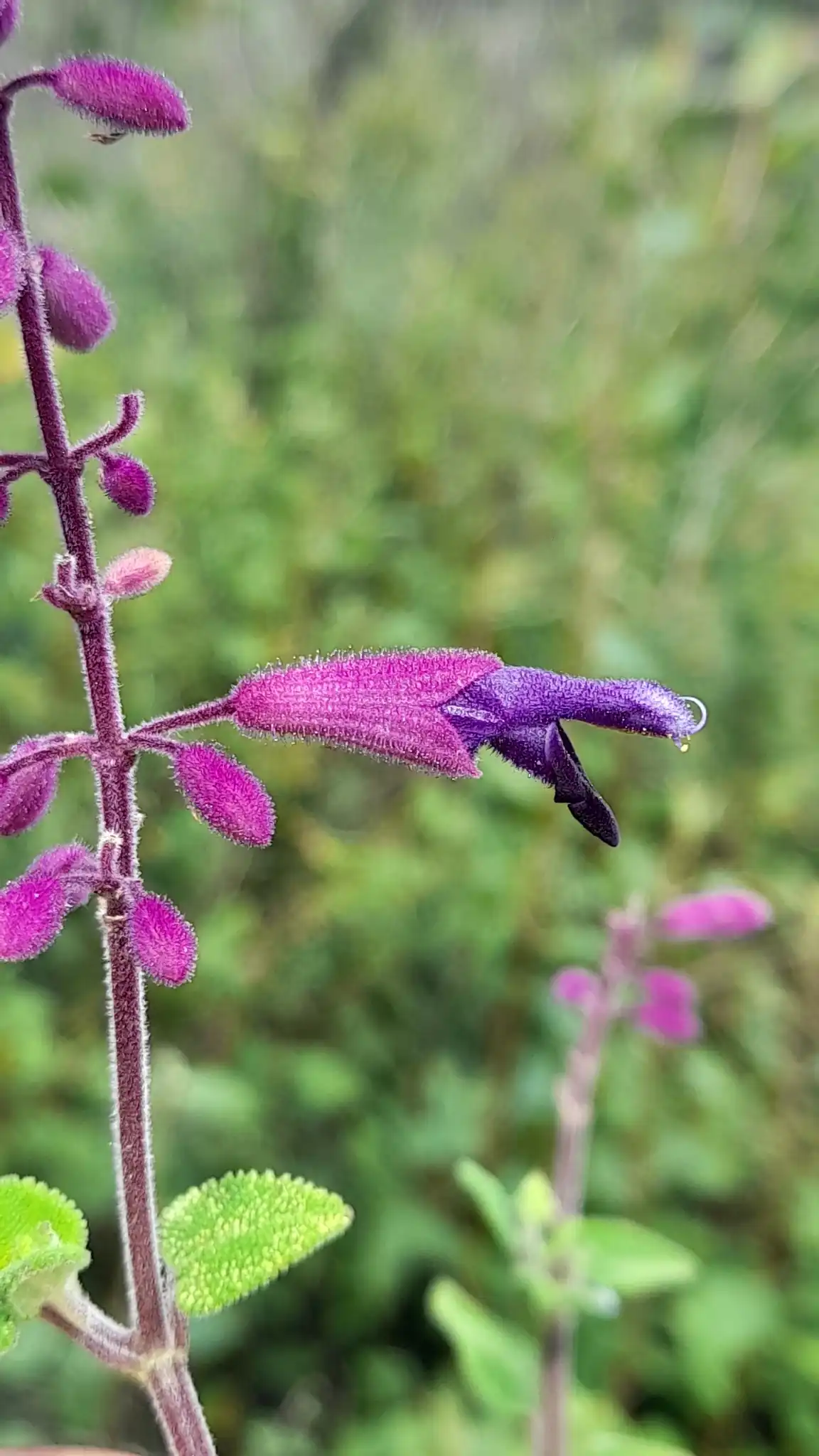
The flowers are carried in few-flowered whorls along a six-inch spike, each two-lipped bloom with a dark violet upper lip and a dusky lavender lower lip marked with violet-blue. The calyx holds the contrast, ripening magenta to rich violet and keeping color after the corolla drops.
Uses & Benefits:
Essentials
At a Glance
Plant Type
Shrub
Height
36"
Width
36"
Light
Full Sun, Partial Sun
Zones
8, 9, 10
Water
Low to moderate
Humidity
Tolerates humidity with air movement
Lifespan
Woody perennial shrub
Native To
Oaxaca, Mexico
Toxicity
Unknown - no warning reported
Bloom period
Summer – Fall
In flower about 6 months of the year
Planting
How to Grow
- Plant in full sun on the coast and in sun with afternoon shade inland, in a sheltered south- or west-facing spot.
- Set into moderately fertile loam or sand that drains freely, with spacing for air circulation.
- Water deeply at planting and regularly through the first year, then reduce once roots establish.
- Tip-prune lightly through the growing season and remove spent flowers to hold shape.
- Mulch lightly with gravel or bark to keep the crown dry, keeping mulch off the stems.
Pro Tip
Deadhead spent whorls through summer and fall to keep new spikes coming; avoid hard cutbacks and wet soil, and give inland plants afternoon shelter with full air movement.
Keep It Thriving
Care Guide
Do
- Give full sun with afternoon heat shelter inland and constant air movement.
- Grow in moist but sharply drained soil.
- Deadhead spent whorls to extend bloom from summer into fall.
Don't
- Do not plant in heavy clay or soggy ground where crowns rot.
- Do not cut hard back into old bare wood.
- Do not overwater once established.
Seasonal Care Calendar
| Task | Jan | Feb | Mar | Apr | May | Jun | Jul | Aug | Sep | Oct | Nov | Dec |
|---|---|---|---|---|---|---|---|---|---|---|---|---|
| Deadhead | ||||||||||||
| Pest Check | ||||||||||||
| Plant | ||||||||||||
| Prune | ||||||||||||
| Winter Prep |
Watch Out For
Pests & Diseases
Common Pests
Common Diseases
In the Garden
Landscape Uses & Companions
Landscape Uses
Multiply
Propagation Methods
Good to Know
Common Questions
Pine Mountain Sage questions
What zones can Pine Mountain Sage grow in?
Pine Mountain Sage is hardy in USDA Zones 8–10: in that range it survives winter in the ground. Colder than Zone 8, grow it in a container you can move to shelter for the winter.
Is Pine Mountain Sage deer resistant?
Yes — Pine Mountain Sage is rated deer-resistant. Deer typically pass it over, though extreme hunger can override any plant's defenses.
When does Pine Mountain Sage bloom?
Pine Mountain Sage typically blooms from summer to fall. Exact timing shifts a week or two with your zone — Sow's bloom calendar maps it to your garden.
Does Pine Mountain Sage need full sun?
Pine Mountain Sage does best in full sun to part shade. In hot climates, afternoon shade keeps blooms fresher longer.
Is Pine Mountain Sage drought tolerant?
Yes — once established (usually after the first full season), Pine Mountain Sage handles dry spells with minimal watering. Water deeply its first year to build the root system that makes that possible.
More Salvia to compare
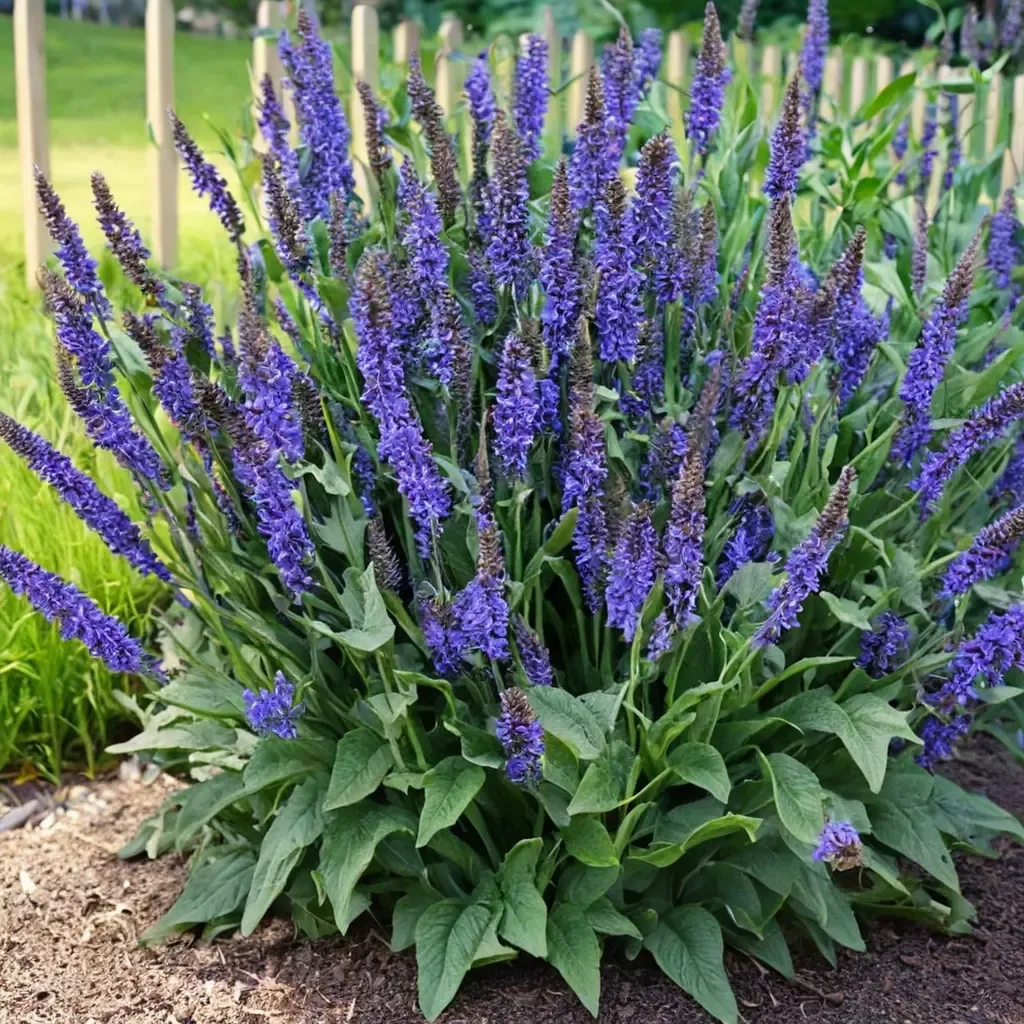
May Night Sage
Salvia nemorosa 'May Night'
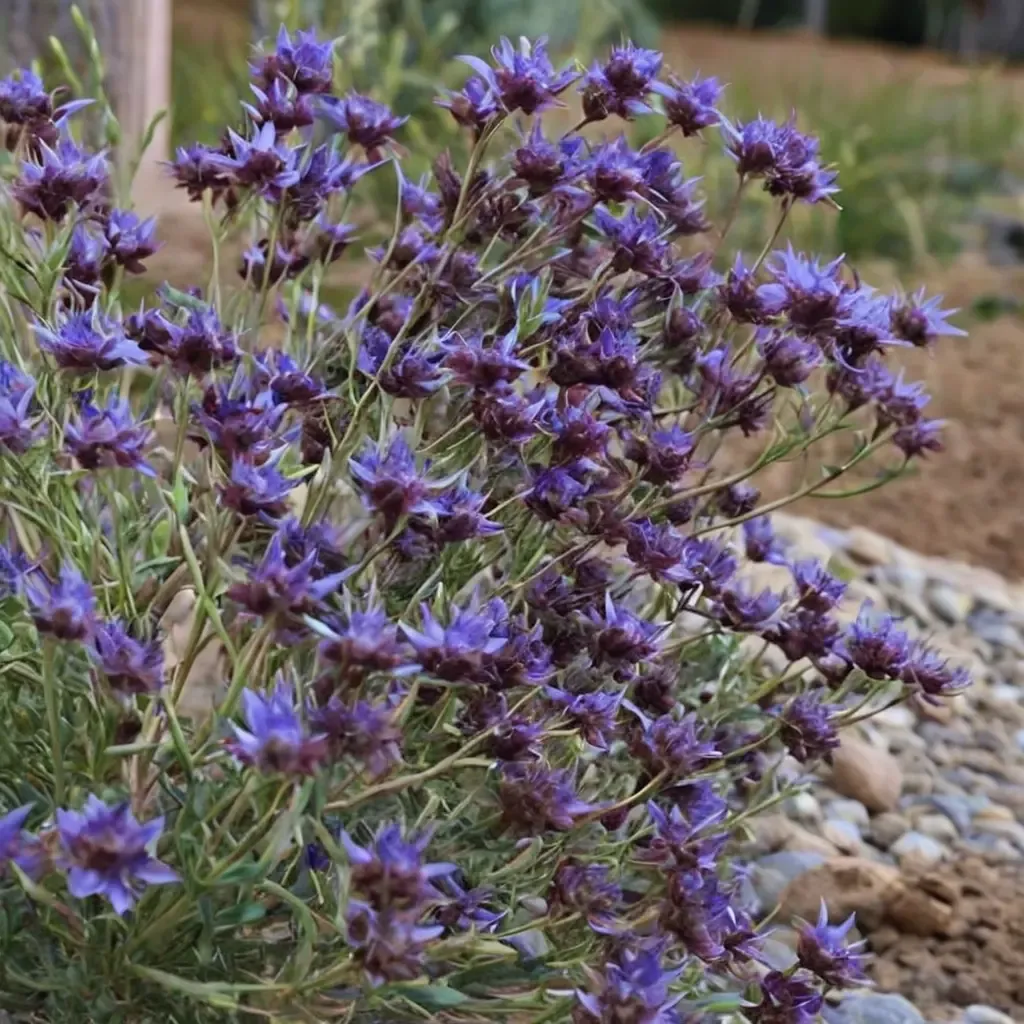
Celestial Blue Sage Wood Sage
Salvia nemorosa 'Celestial Blue'
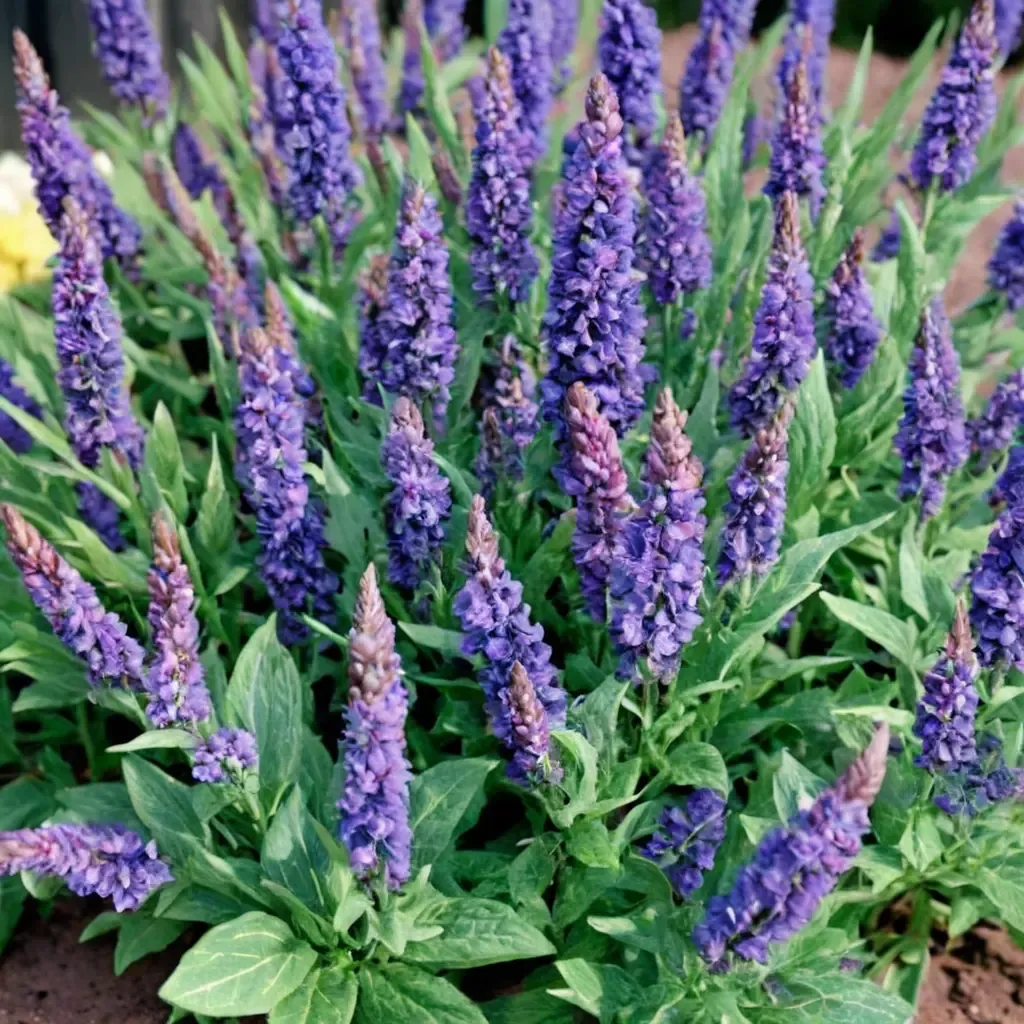
Marcus Woodland Sage
Salvia nemorosa 'Marcus'
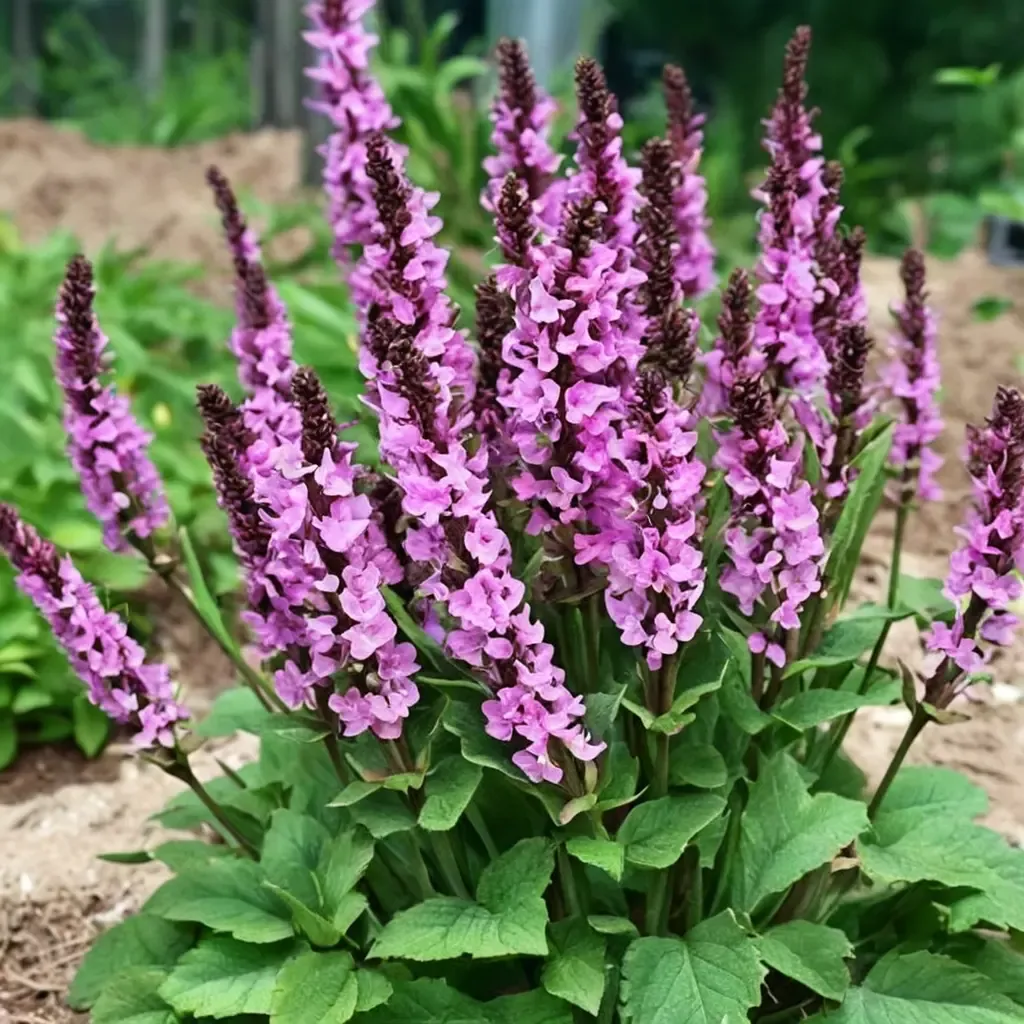
Rose Marvel Sage
Salvia nemorosa 'Rose Marvel'
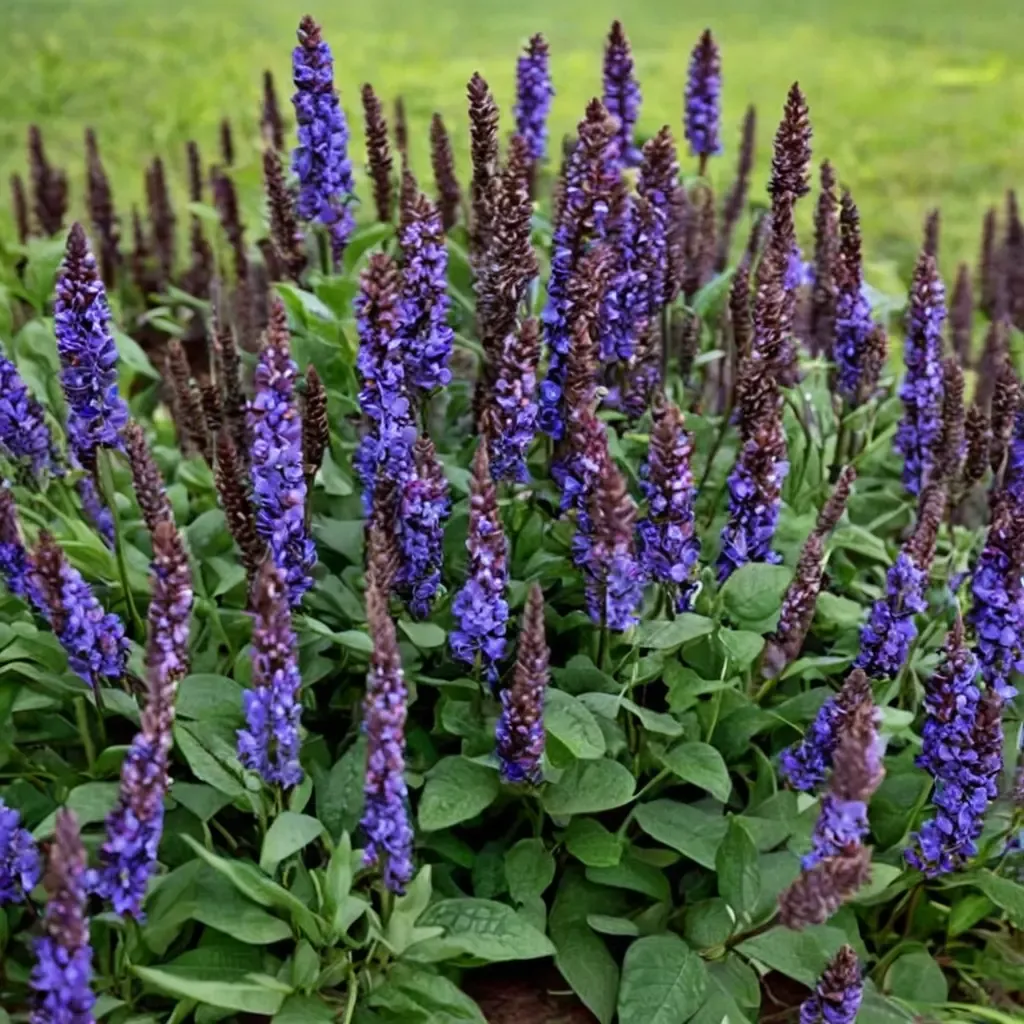
Bumbleblue Sage
Salvia nemorosa 'Bumbleblue'
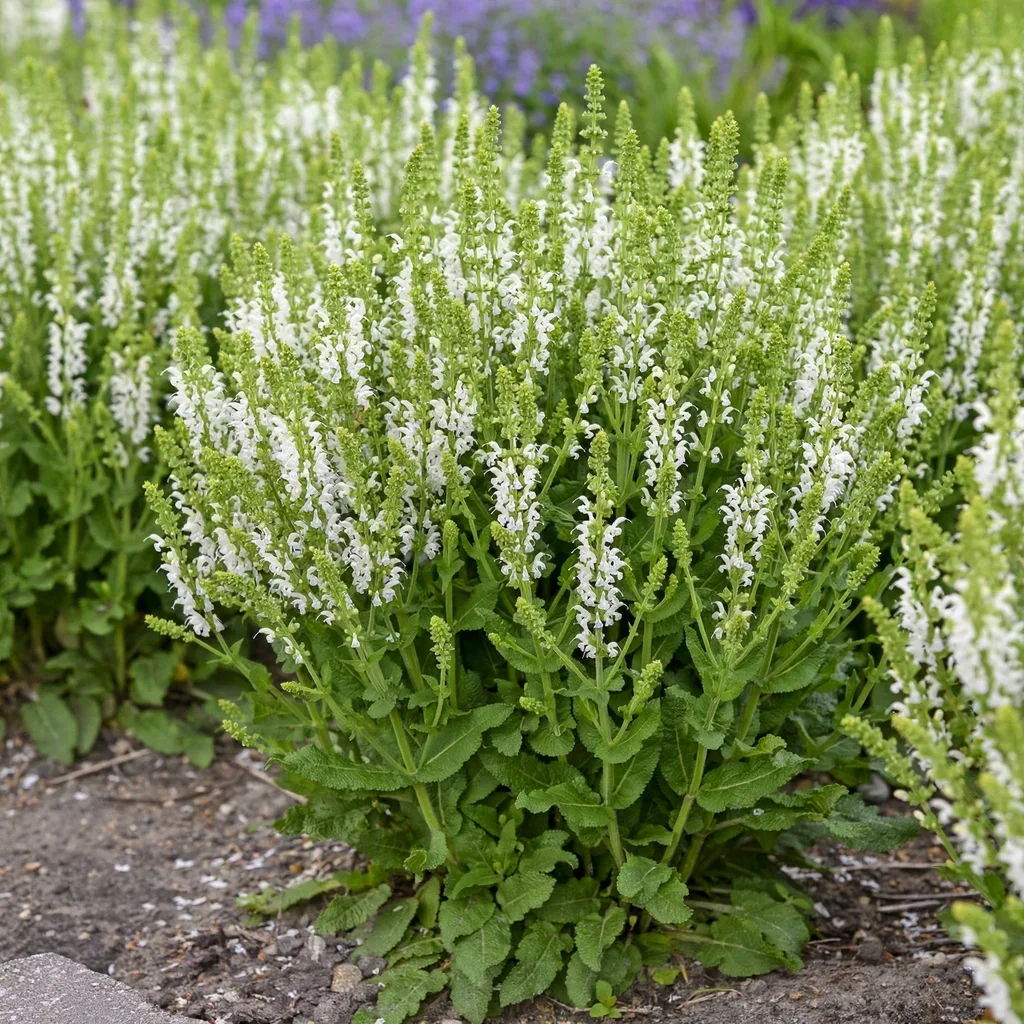
White Profusion Salvia
Salvia x hybrida 'White Profusion'
Keep exploring
Explore the genus
Hardy in your zone?
Grow Pine Mountain Sage with confidence
See it in a design of your actual yard, get zone-matched care reminders, and track it season by season in your garden journal.