The Story
Plant Bio
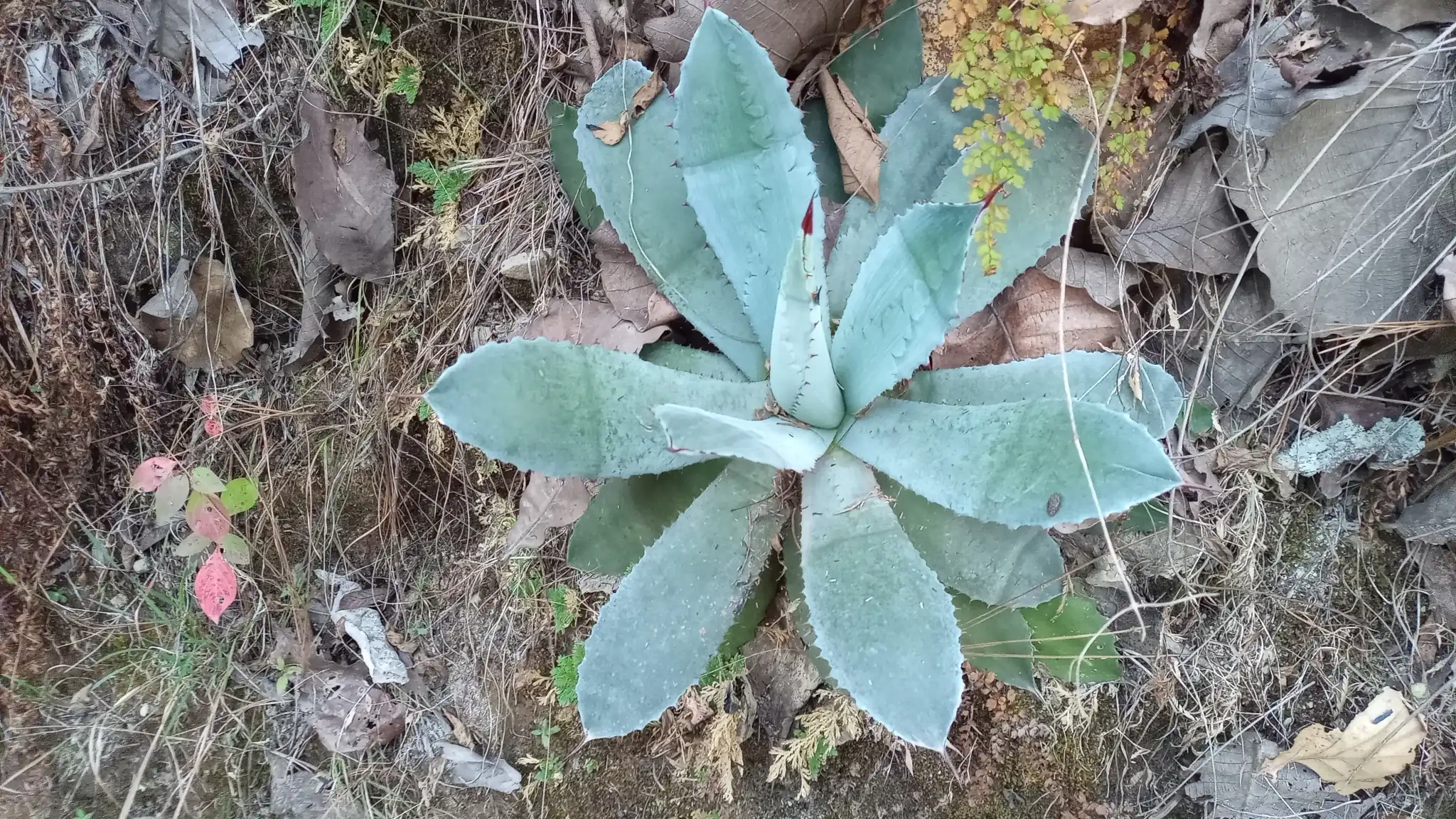
Agave guadalajarana is a stemless, monocarpic succulent that spends years as a tight basal rosette before sending up a single towering flower stalk. Like other agaves, it flowers once from the centre of the rosette and the flowering rosette dies after seed sets.
It forms a usually solitary rosette 12 to 24 inches tall and wider across, with gray-green to blue-gray paddle-shaped leaves that are deeply channeled and imprinted with bud marks, each edged with bold dark marginal spines and tipped with a stout terminal spine. New growth emerges blue, and after 10 to 20 years the rosette sends up a 13 to 20 foot branched panicle of pale to sulfur-yellow tubular flowers and then dies.
Uses & Benefits:
Essentials
At a Glance
Plant Type
Cactus Succulent
Height
24"
Width
30"
Light
Full Sun, Partial Sun
Zones
8, 9, 10
Water
Low
Humidity
Unknown
Lifespan
Monocarpic, 10-20 years
Native To
Mexico - Jalisco, Nayarit, Zacatecas
Toxicity
Toxic, skin irritant
Bloom period
Early summer – Late summer
In flower about 3 months of the year
Planting
How to Grow
- Plant in full sun to part shade in sandy or gritty, mineral soil that drains sharply with no standing water.
- Set the crown at soil level in a pot or raised mound and water in once, then water freely during warm growth and keep almost dry in winter.
- Protect below 25F; move pots under cover or throw frost cloth over in-ground plants when hard frost threatens.
- Remove dead lower leaves by hand and lift out the spent rosette after flowering; do not cut into living tissue.
- Feed little or not at all; excess fertilizer and rich, wet soil shorten its life.
Pro Tip
Keep it lean, sunny and dry, and water deeply only when the soil is fully dry; the rosette dies after its once-in-a-lifetime bloom and offsets only occasionally, so do not count on pups for replacement.
Keep It Thriving
Care Guide
Do
- Give full sun and sharp drainage
- Water deeply during growth, then let soil dry fully
- Wear heavy gloves and eye protection when handling spiny leaves
- Buy nursery-propagated plants to protect wild populations
Don't
- Do not overwater or let the pot sit in a saucer
- Do not cut into the living center or old leafless core
- Do not expect frequent offsets; this species pups only occasionally
Seasonal Care Calendar
| Task | Jan | Feb | Mar | Apr | May | Jun | Jul | Aug | Sep | Oct | Nov | Dec |
|---|---|---|---|---|---|---|---|---|---|---|---|---|
| Pest Check | ||||||||||||
| Plant | ||||||||||||
| Propagate | ||||||||||||
| Prune | ||||||||||||
| Winter Prep |
Watch Out For
Pests & Diseases
Common Pests
Common Diseases
In the Garden
Landscape Uses & Companions
Landscape Uses
Multiply
Propagation Methods
Good to Know
Common Questions
Guadalajara Agave questions
What zones can Guadalajara Agave grow in?
Guadalajara Agave is hardy in USDA Zones 8–10: in that range it survives winter in the ground. Colder than Zone 8, grow it in a container you can move to shelter for the winter, or as an annual.
When does Guadalajara Agave bloom?
Guadalajara Agave typically blooms in summer. Exact timing shifts a week or two with your zone — Sow's bloom calendar maps it to your garden.
Does Guadalajara Agave need full sun?
Guadalajara Agave does best in full sun to part shade. In hot climates, afternoon shade keeps blooms fresher longer.
Is Guadalajara Agave drought tolerant?
Yes — once established (usually after the first full season), Guadalajara Agave handles dry spells with minimal watering. Water deeply its first year to build the root system that makes that possible.
More Agave to compare
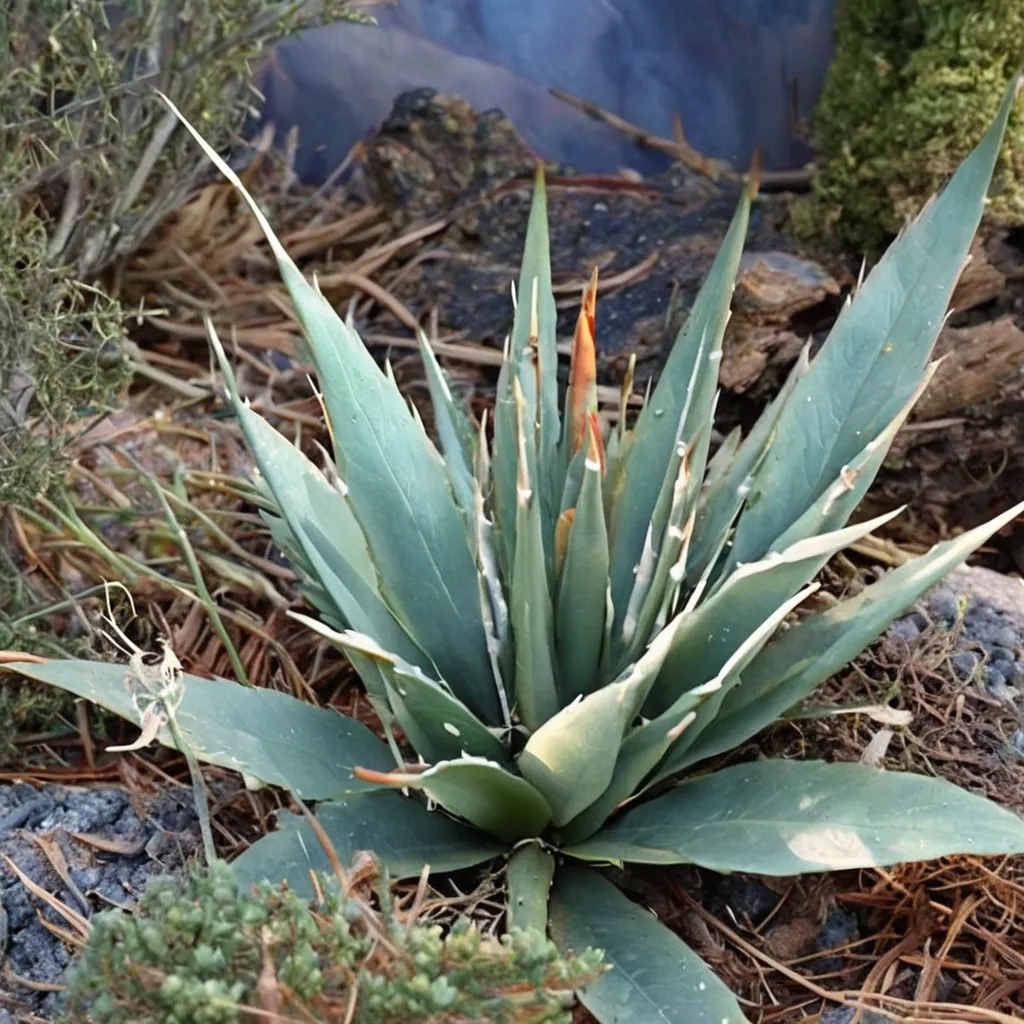
Utah Agave Kaibabensis
Agave utahensis 'kaibabensis'
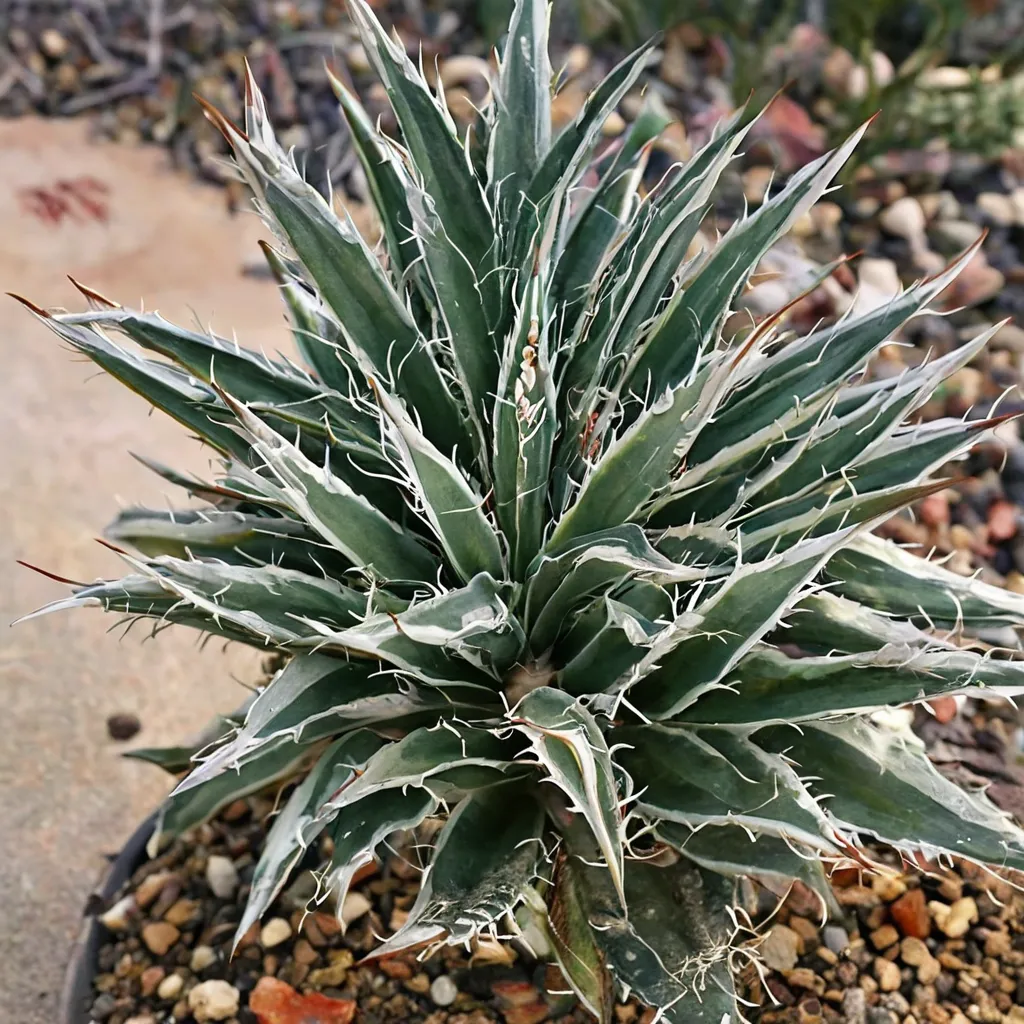
Toumey's Agave
Agave toumeyana
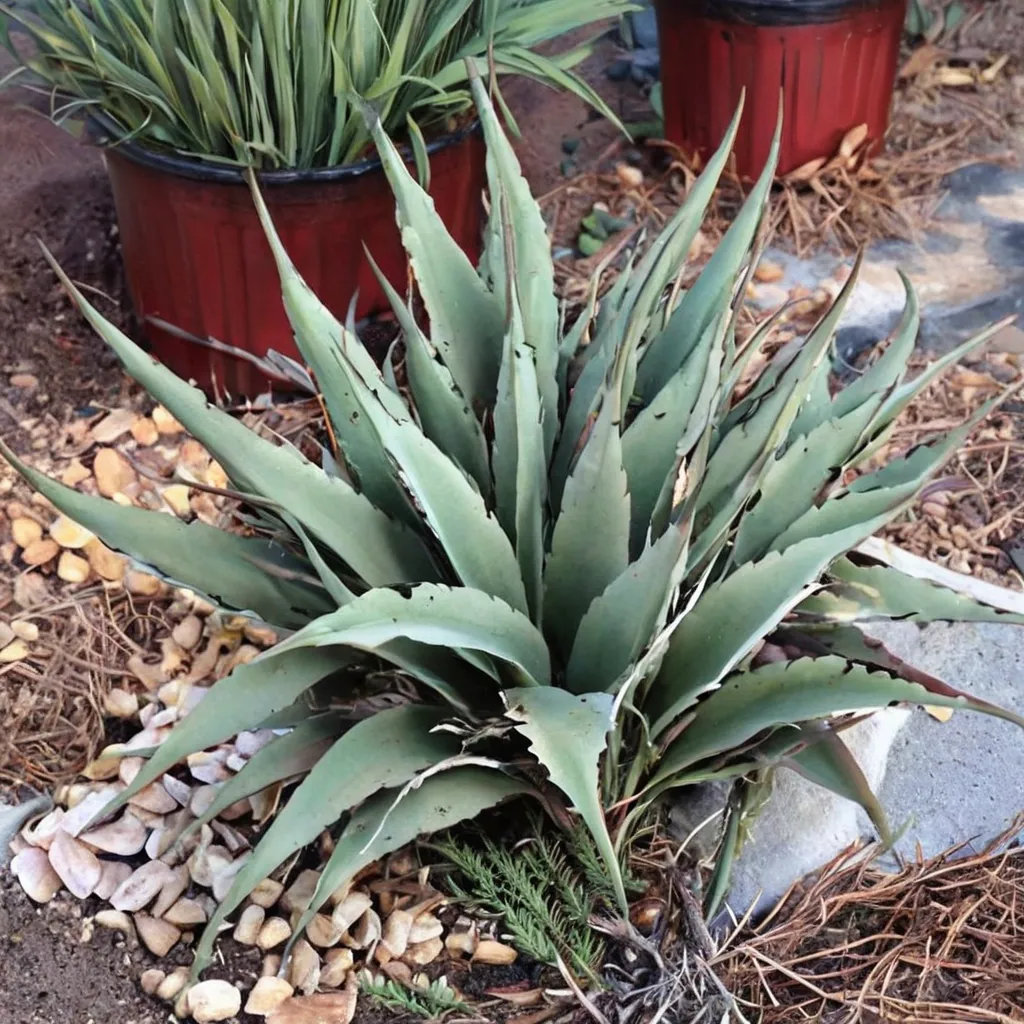
Slimfoot Century Plant
Agave gracilipes
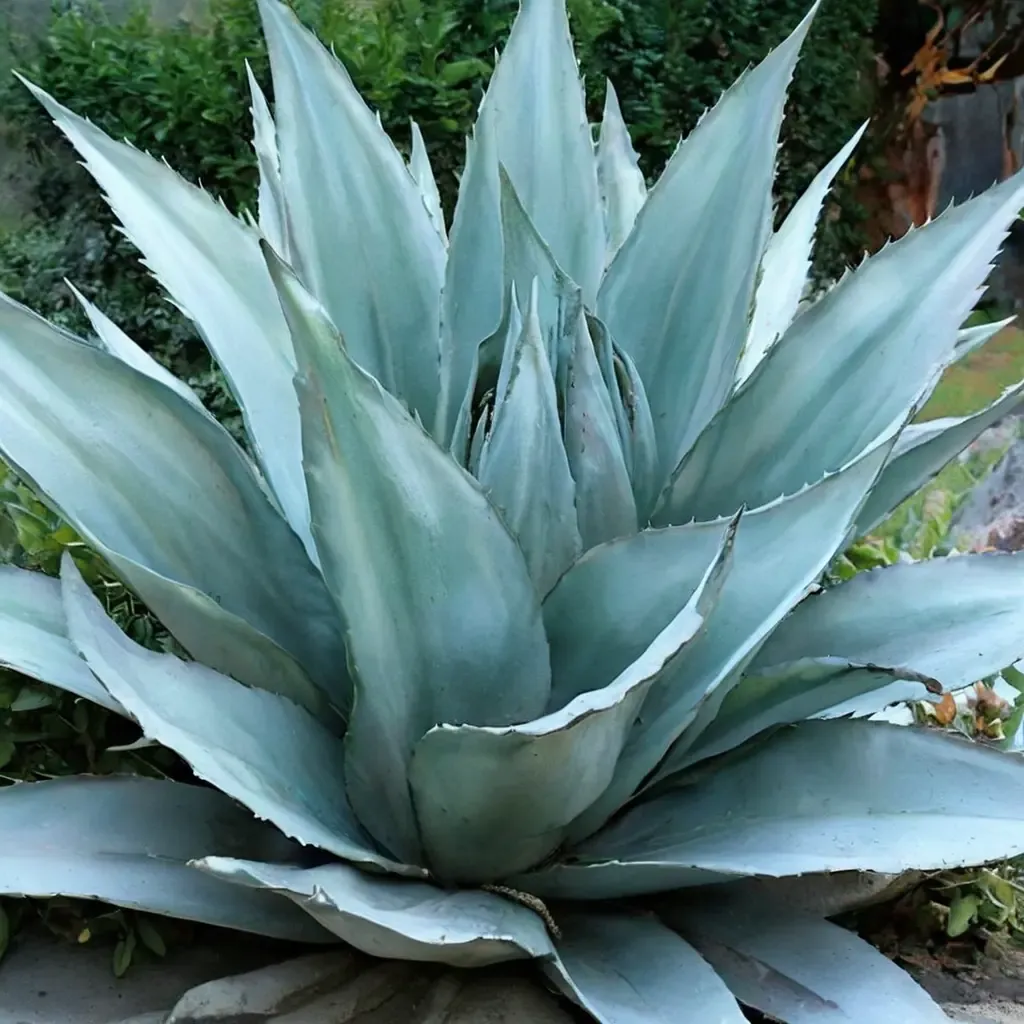
Vanzie Whale's Tongue Agave
Agave ovatifolia 'Vanzie'
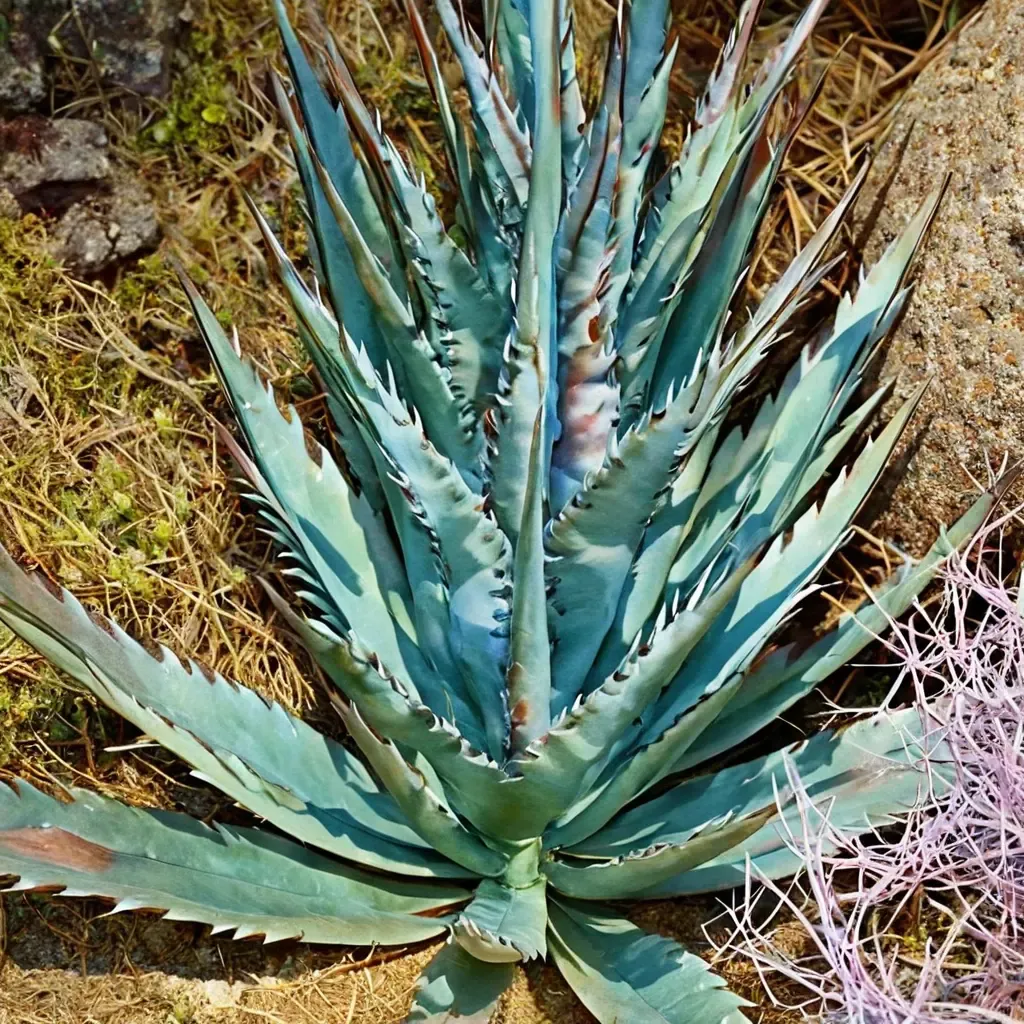
McKelvey's Agave
Agave mckelveyana
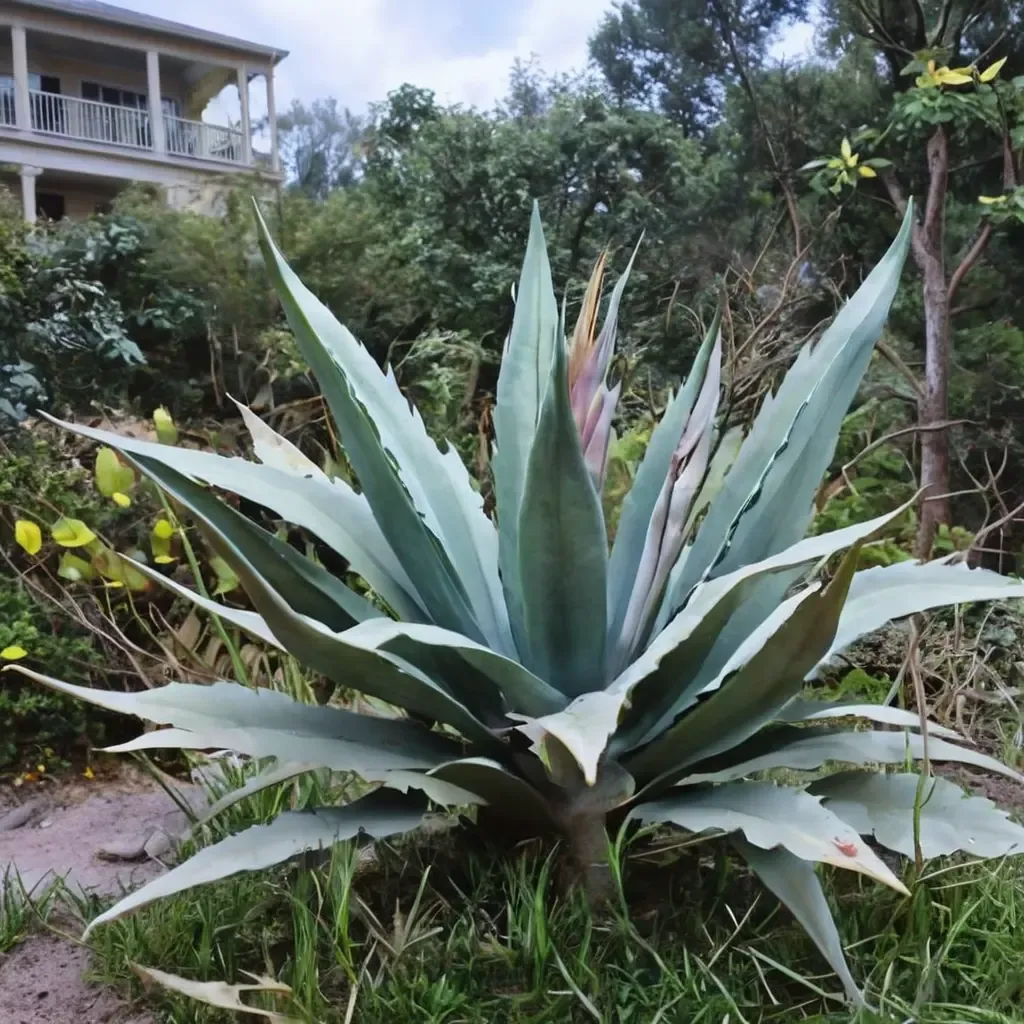
Grey Gator Agave
Agave x hybrida 'Grey Gator'
Keep exploring
Explore the genus
Hardy in your zone?
Grow Guadalajara Agave with confidence
See it in a design of your actual yard, get zone-matched care reminders, and track it season by season in your garden journal.