The Story
Plant Bio
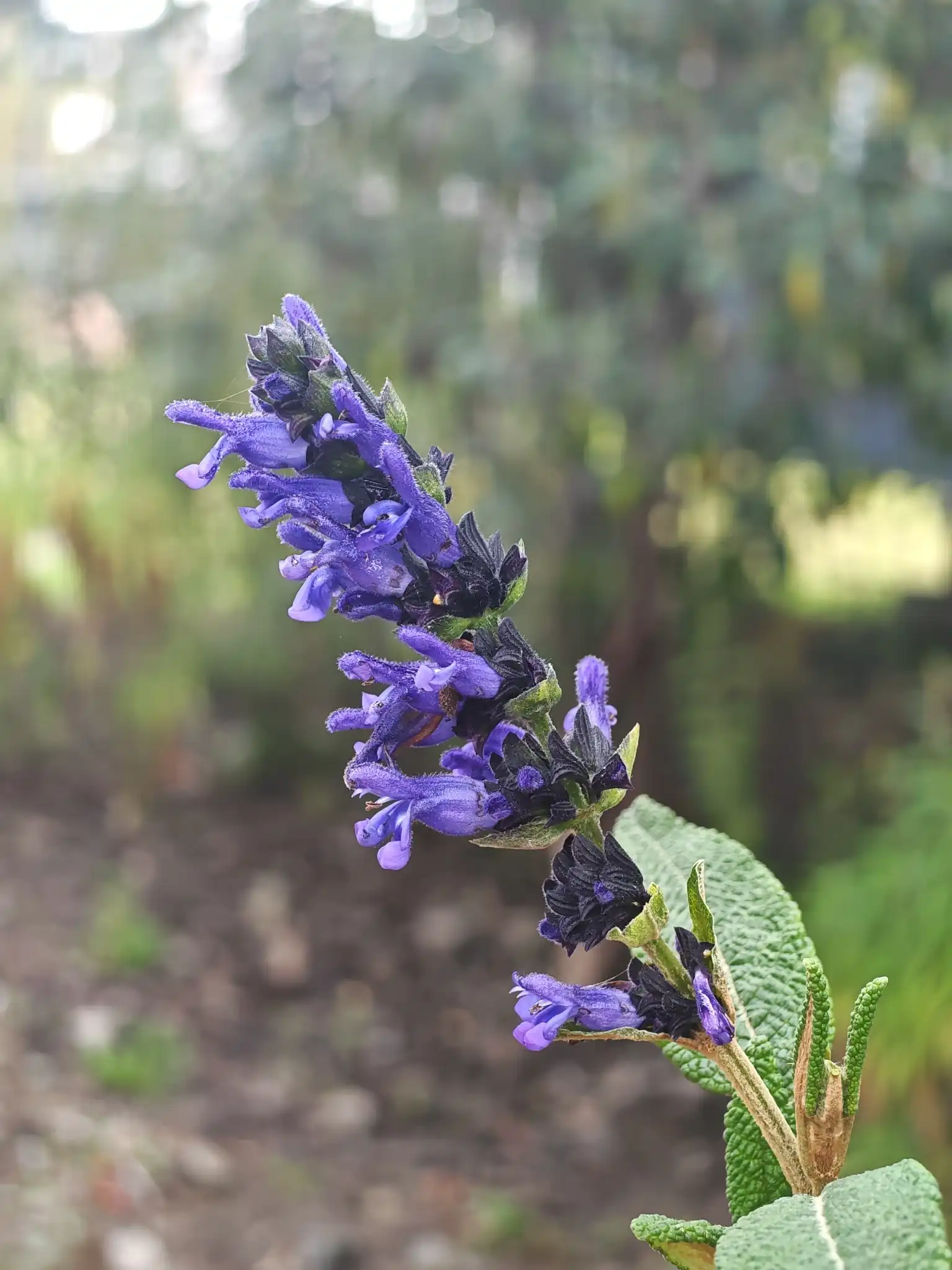
Salvia corrugata, the corrugated sage, is an evergreen shrub from the high Andes that reaches five to six feet in gardens with a dense upright habit. It carries lance-shaped dark green leaves and bears spikes of semi-tubular deep blue flowers with a broad lower lip set in a near-black calyx.
The foliage is the identifier: deeply puckered and quilted above and gray-felted beneath, with new growth showing coppery down on the undersides. Despite its tropical latitude it is a cool montane plant that needs sun and sharp drainage rather than rich wet soil, and established plants take only light frost.
Uses & Benefits:
Essentials
At a Glance
Plant Type
Shrub
Height
60"
Width
60"
Light
Full Sun, Partial Sun
Zones
9, 10
Water
Medium
Humidity
Moderate
Lifespan
Evergreen perennial shrub
Native To
Andes of Colombia, Ecuador, Peru
Toxicity
Unknown
Bloom period
Summer – Fall
In flower about 6 months of the year
Planting
How to Grow
- Plant in late May to early June after frost risk in full sun in a sheltered spot.
- Set in well-drained ordinary loam and do not enrich heavily.
- Water regularly through the first season, then only during extended dry spells.
- Mulch lightly for winter drainage and leave stems standing until spring.
Pro Tip
Prune just behind each spent spike after flowering to hold a dense bush near three feet; leave strong upright stems through winter because cutting before cold invites dieback.
Keep It Thriving
Care Guide
Do
- Give full sun and sharp drainage, especially in winter.
- Water deeply the first season to establish.
- Prune after flowering to keep plants bushy.
Don't
- Do not plant in rich wet soil that stays saturated.
- Do not prune before winter cold.
- Do not over-fertilize; lean soil keeps growth sturdy.
Seasonal Care Calendar
| Task | Jan | Feb | Mar | Apr | May | Jun | Jul | Aug | Sep | Oct | Nov | Dec |
|---|---|---|---|---|---|---|---|---|---|---|---|---|
| Mulch | ||||||||||||
| Pest Check | ||||||||||||
| Plant | ||||||||||||
| Propagate | ||||||||||||
| Prune |
Watch Out For
Pests & Diseases
Common Pests
Common Diseases
In the Garden
Landscape Uses & Companions
Landscape Uses
Multiply
Propagation Methods
Good to Know
Common Questions
Corrugated Sage questions
What zones can Corrugated Sage grow in?
Corrugated Sage is hardy in USDA Zones 9–10: in that range it survives winter in the ground. Colder than Zone 9, grow it in a container you can move to shelter for the winter.
When does Corrugated Sage bloom?
Corrugated Sage typically blooms from summer to fall. Exact timing shifts a week or two with your zone — Sow's bloom calendar maps it to your garden.
Does Corrugated Sage need full sun?
Corrugated Sage does best in full sun to part shade. In hot climates, afternoon shade keeps blooms fresher longer.
Is Corrugated Sage drought tolerant?
Yes — once established (usually after the first full season), Corrugated Sage handles dry spells with minimal watering. Water deeply its first year to build the root system that makes that possible.
More Salvia to compare
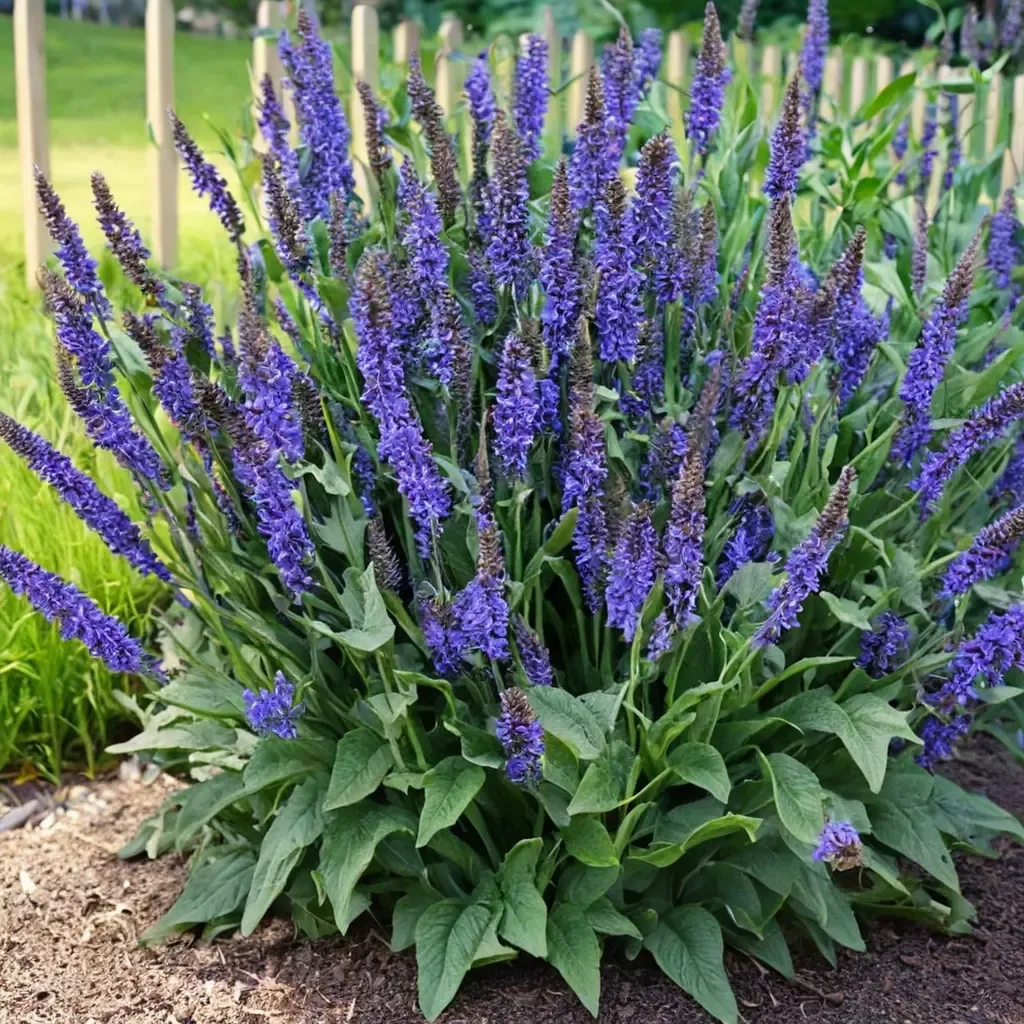
May Night Sage
Salvia nemorosa 'May Night'
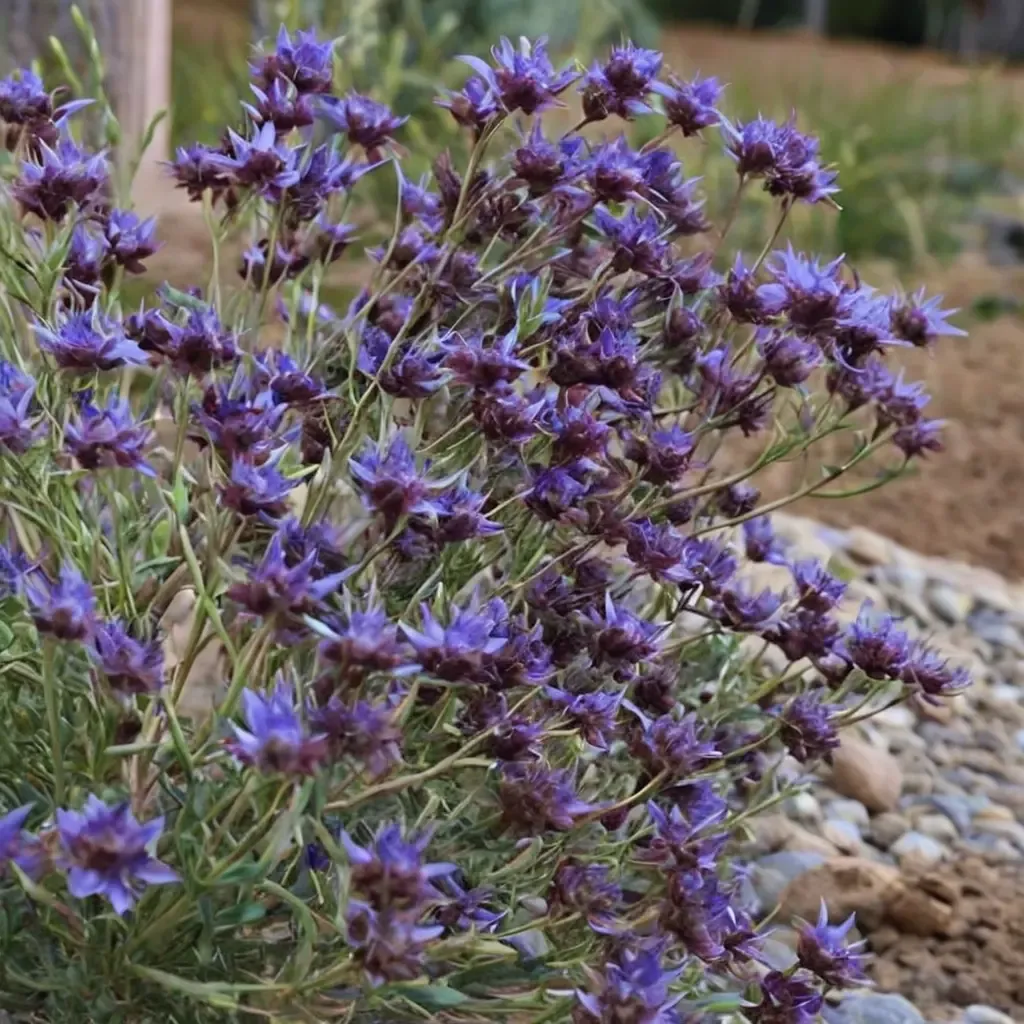
Celestial Blue Sage Wood Sage
Salvia nemorosa 'Celestial Blue'
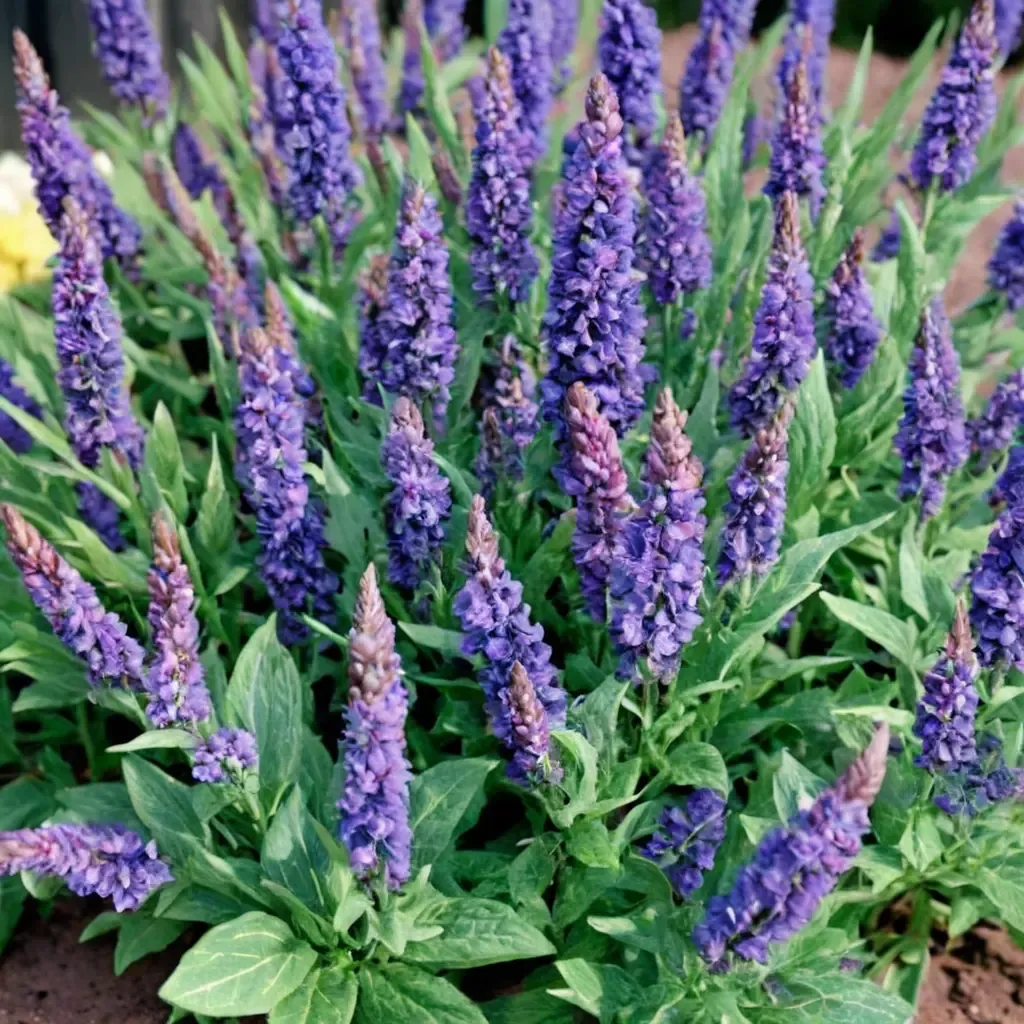
Marcus Woodland Sage
Salvia nemorosa 'Marcus'
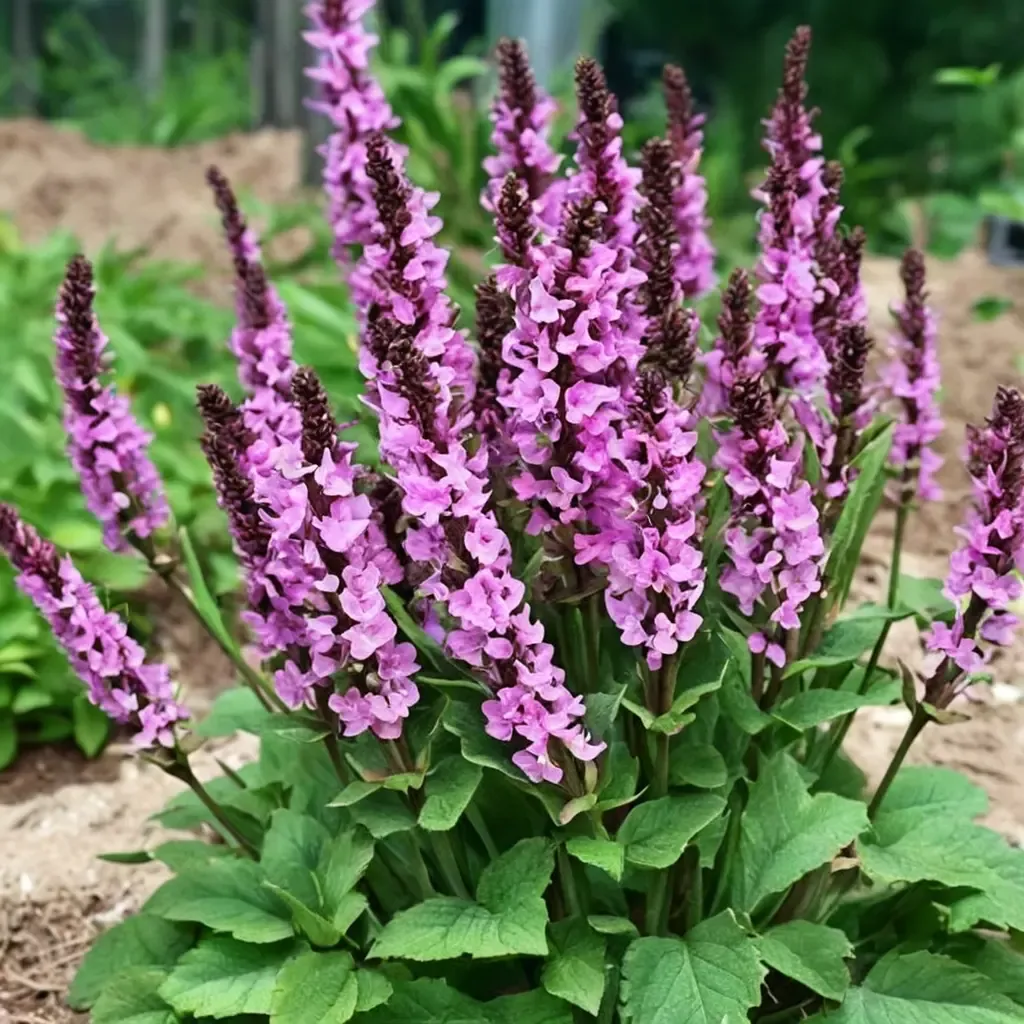
Rose Marvel Sage
Salvia nemorosa 'Rose Marvel'
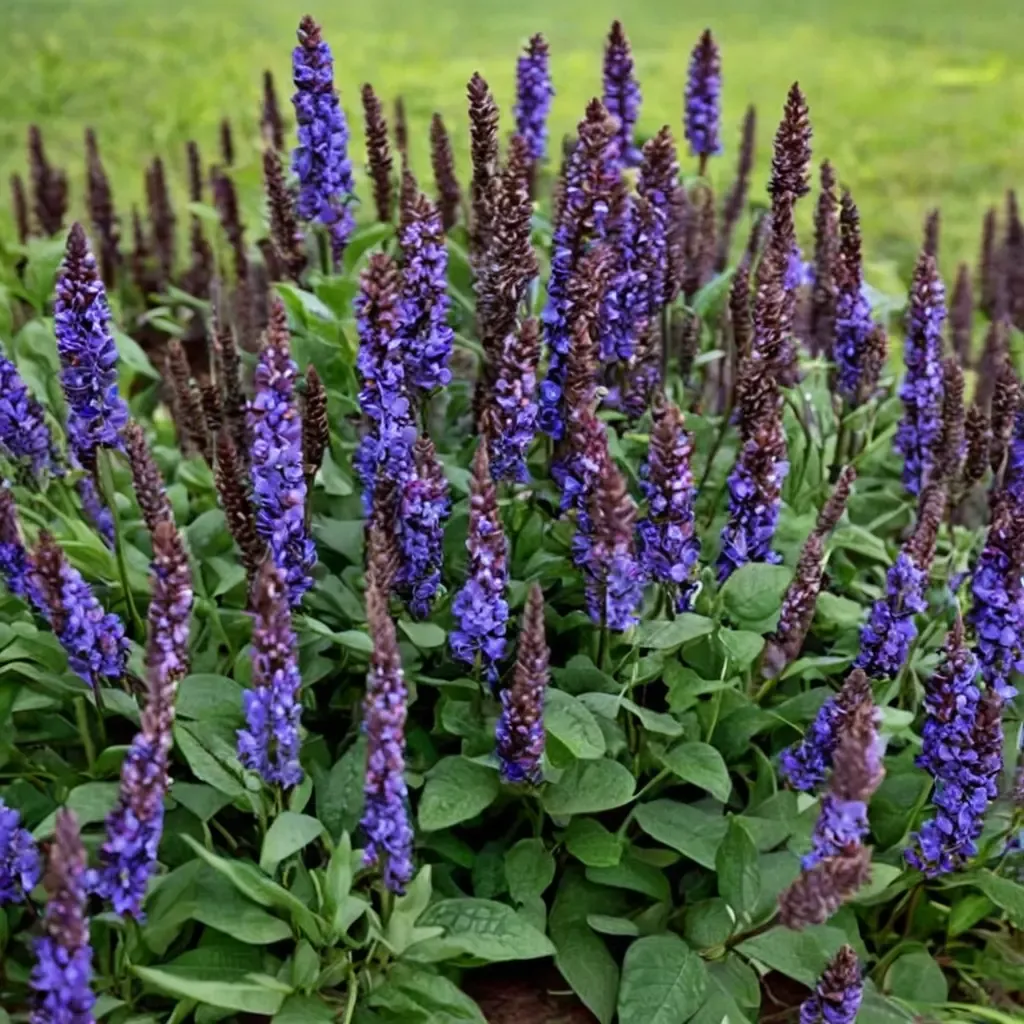
Bumbleblue Sage
Salvia nemorosa 'Bumbleblue'
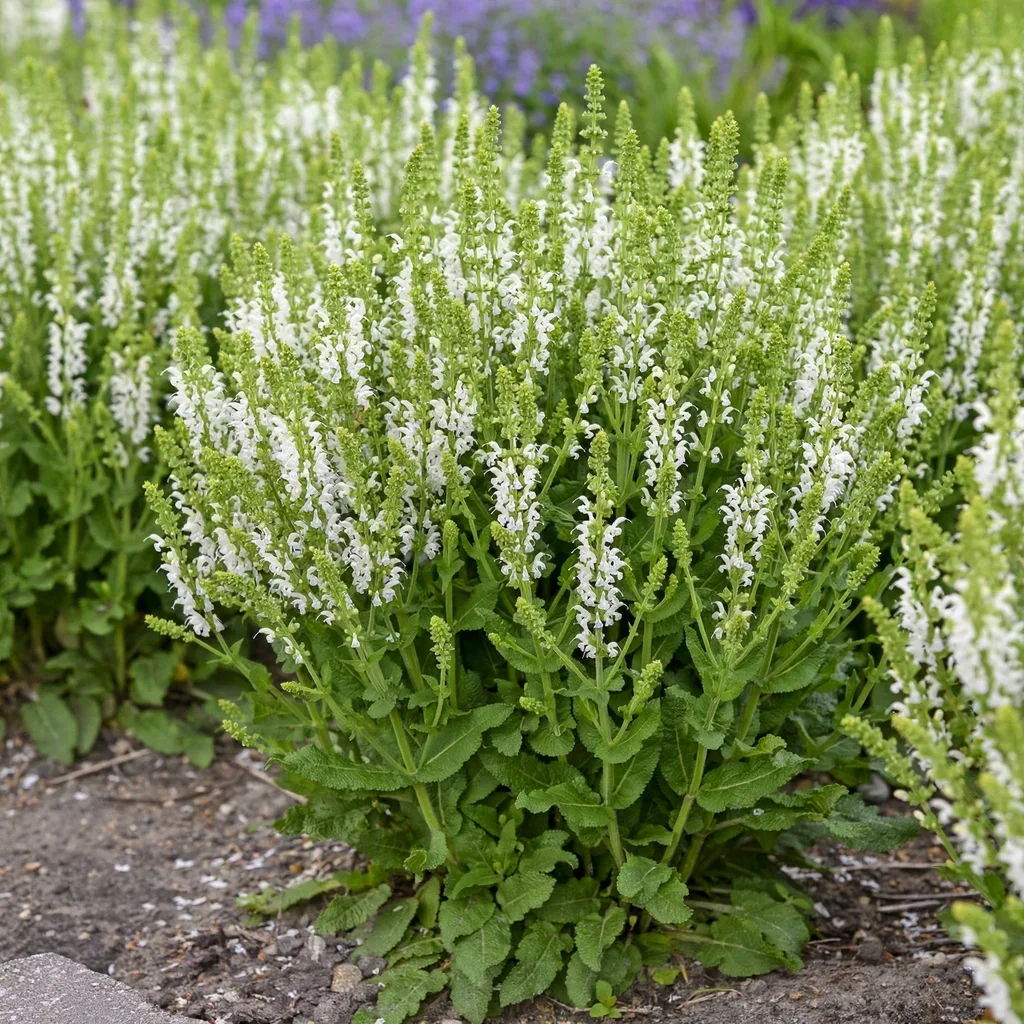
White Profusion Salvia
Salvia x hybrida 'White Profusion'
Keep exploring
Explore the genus
Hardy in your zone?
Grow Corrugated Sage with confidence
See it in a design of your actual yard, get zone-matched care reminders, and track it season by season in your garden journal.