
The Story
Plant Bio
Salvia interrupta is a clump-forming herbaceous perennial from the Atlas Mountains of Morocco, forming a basal rosette of apple-green foliage on a woody base with shoots rising two to three feet. It sends up tall open panicles well clear of the leaves, carrying paired large tubular two-lipped flowers from late spring through summer.
What sets it apart is the foliage: large wrinkled apple-green leaves, three-lobed to pinnate with pale stalks and soft white hairs beneath, strongly scented when crushed. The flowers are unusually large for a sage, one to two inches of blue to mauve with a white throat and lower lip that acts as a bee landing platform, borne in widely spaced whorls of six to nine.
Uses & Benefits:
Essentials
At a Glance
Plant Type
Perennial
Height
48"
Width
24"
Light
Full Sun, Partial Sun
Zones
9, 10
Water
Low
Humidity
Low - needs open air
Lifespan
Herbaceous perennial
Native To
Atlas Mountains, Morocco
Toxicity
Unknown - no toxicity reported
Bloom period
Late spring – Fall
In flower about 7 months of the year
Planting
How to Grow
- Plant in spring after frost in full sun in lean, limestone-based soil that drains sharply.
- Space plants about 2 feet apart on their own to keep air moving around the hairy crowns.
- Water to establish, then water sparingly; keep winter soil on the dry side.
- Cut spent flower stems to the base after bloom to drive repeat into fall.
- Mulch lightly with gravel or leaf mold to keep roots cool, keeping mulch off the crown.
Pro Tip
Give it lean limestone soil that drains sharply, full sun and a spot on its own for air movement; rich soil, crowding and summer overwatering rot the crown in one season.
Keep It Thriving
Care Guide
Do
- Plant in lean, well-drained soil in full sun
- Give it open spacing for airflow around the crown
- Deadhead spent stems to extend bloom into fall
Don't
- Do not plant in heavy clay or waterlogged soil
- Do not overwater or crowd in humid heat
- Do not enrich with rich compost or heavy fertilizer
Seasonal Care Calendar
| Task | Jan | Feb | Mar | Apr | May | Jun | Jul | Aug | Sep | Oct | Nov | Dec |
|---|---|---|---|---|---|---|---|---|---|---|---|---|
| Deadhead | ||||||||||||
| Fertilize | ||||||||||||
| Plant | ||||||||||||
| Propagate | ||||||||||||
| Spring Cleanup |
Watch Out For
Pests & Diseases
Common Pests
Common Diseases
In the Garden
Landscape Uses & Companions
Landscape Uses
Multiply
Propagation Methods
Good to Know
Common Questions
Atlas Mountain Sage questions
What zones can Atlas Mountain Sage grow in?
Atlas Mountain Sage is hardy in USDA Zones 9–10: in that range it survives winter in the ground. Colder than Zone 9, grow it in a container you can move to shelter for the winter, or as an annual.
Is Atlas Mountain Sage deer resistant?
Yes — Atlas Mountain Sage is rated deer-resistant. Deer typically pass it over, though extreme hunger can override any plant's defenses.
When does Atlas Mountain Sage bloom?
Atlas Mountain Sage typically blooms from late spring to late fall. Exact timing shifts a week or two with your zone — Sow's bloom calendar maps it to your garden.
Does Atlas Mountain Sage need full sun?
Atlas Mountain Sage does best in full sun to part shade. In hot climates, afternoon shade keeps blooms fresher longer.
Is Atlas Mountain Sage drought tolerant?
Yes — once established (usually after the first full season), Atlas Mountain Sage handles dry spells with minimal watering. Water deeply its first year to build the root system that makes that possible.
More Salvia to compare
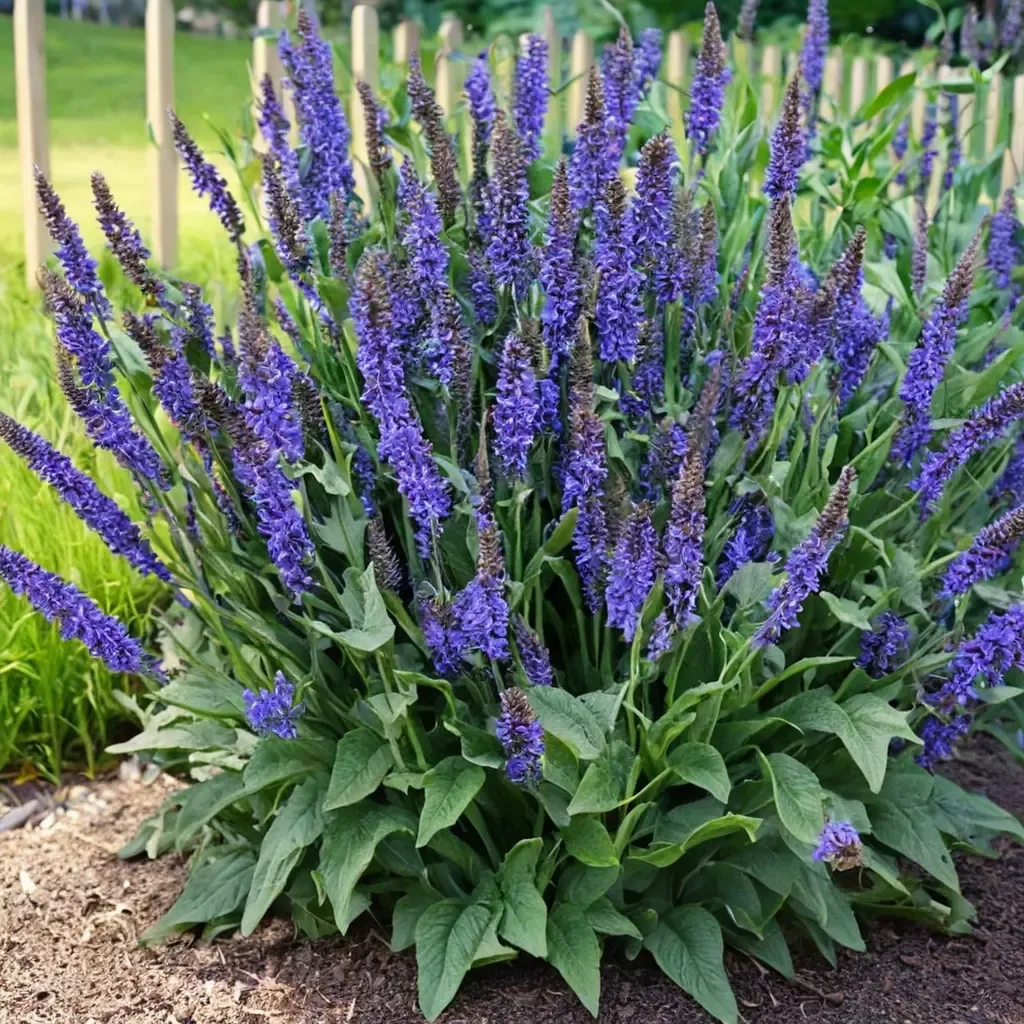
May Night Sage
Salvia nemorosa 'May Night'
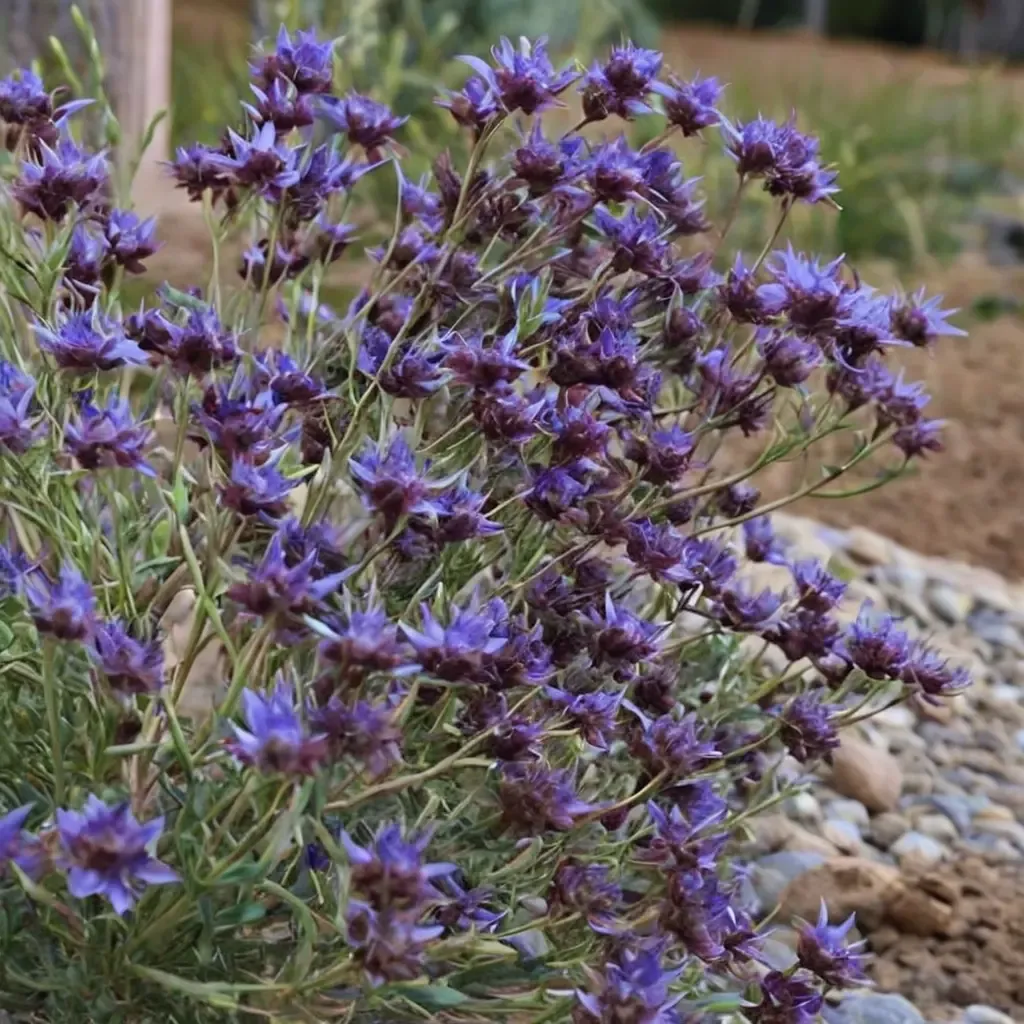
Celestial Blue Sage Wood Sage
Salvia nemorosa 'Celestial Blue'
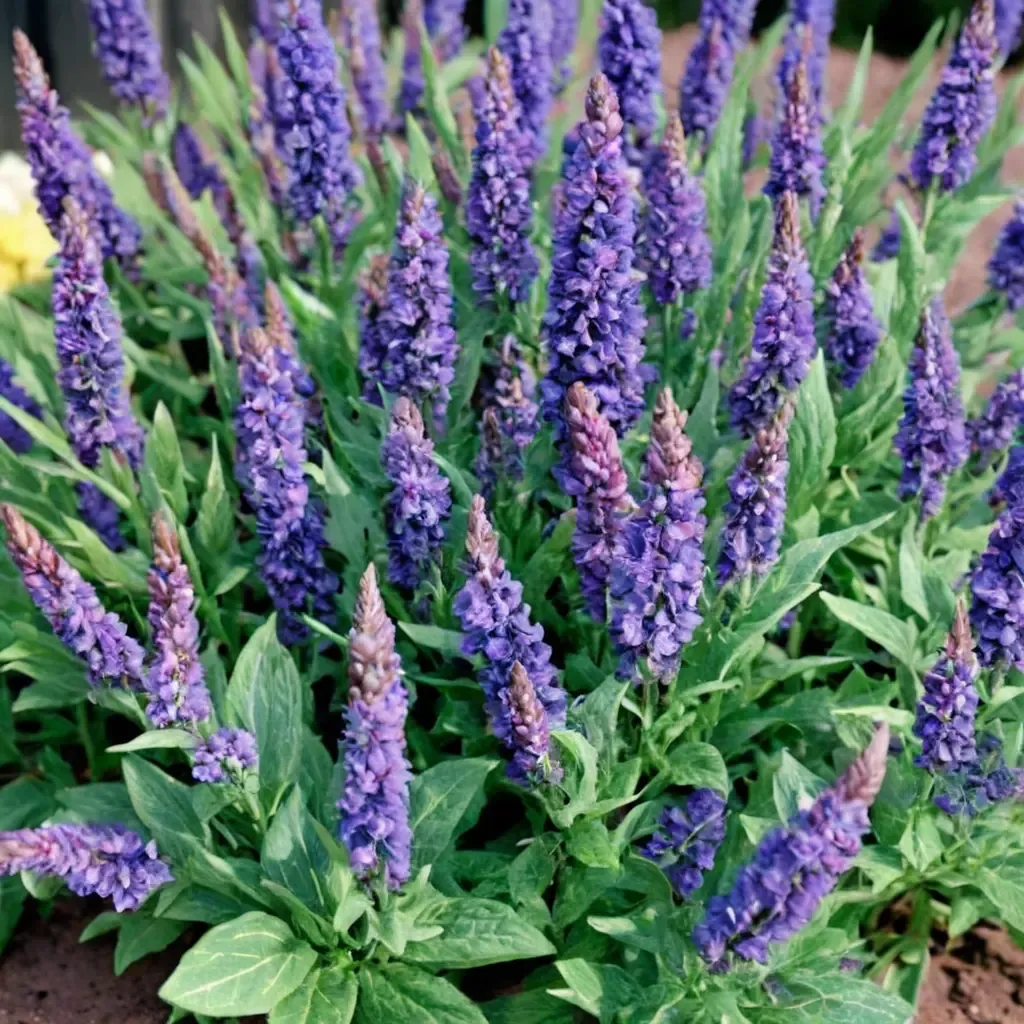
Marcus Woodland Sage
Salvia nemorosa 'Marcus'
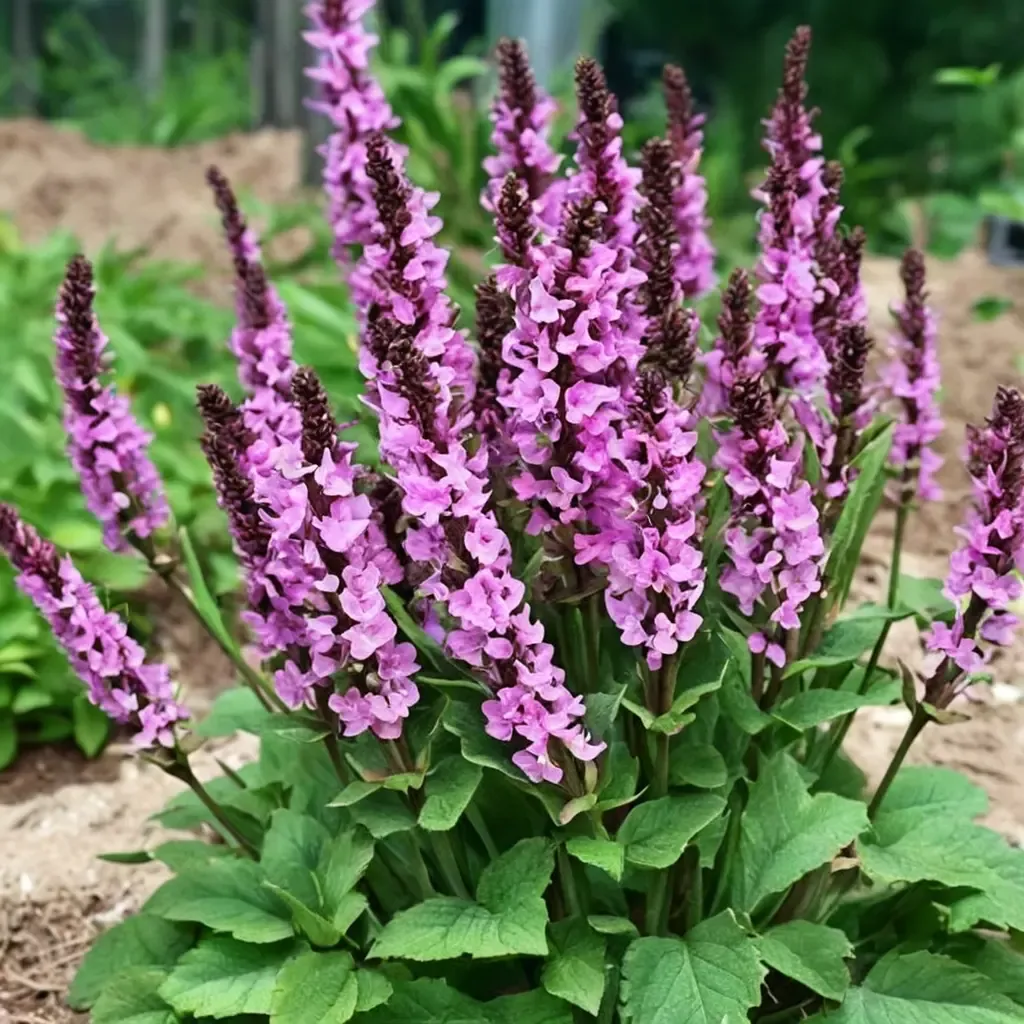
Rose Marvel Sage
Salvia nemorosa 'Rose Marvel'
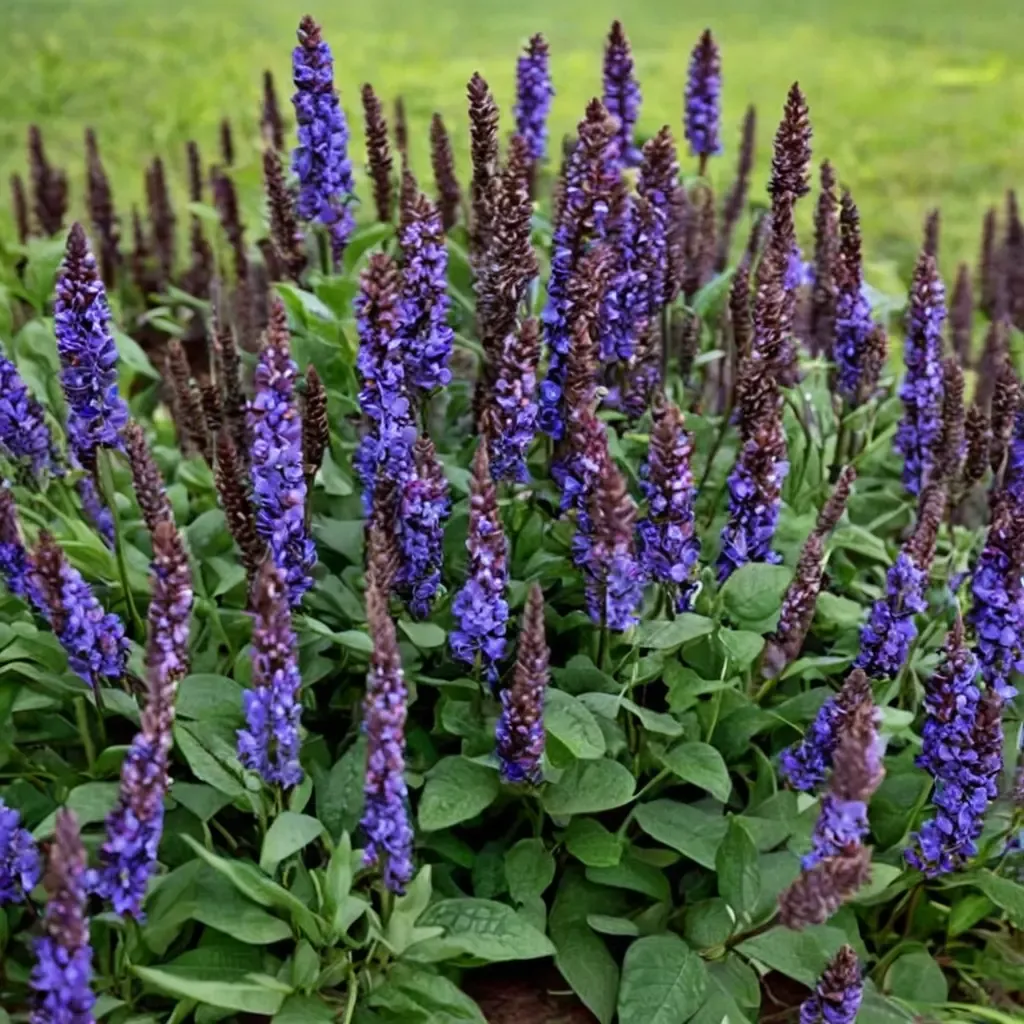
Bumbleblue Sage
Salvia nemorosa 'Bumbleblue'
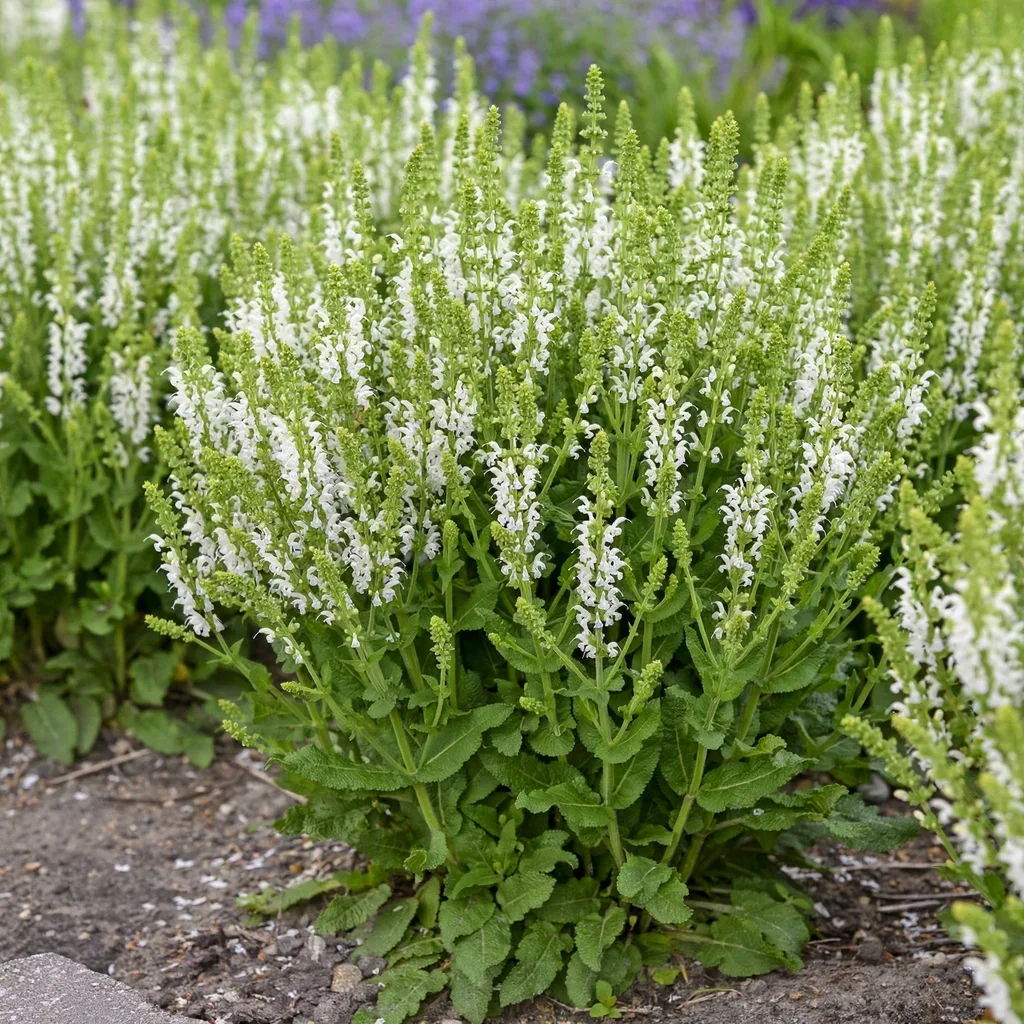
White Profusion Salvia
Salvia x hybrida 'White Profusion'
Keep exploring
Explore the genus
Hardy in your zone?
Grow Atlas Mountain Sage with confidence
See it in a design of your actual yard, get zone-matched care reminders, and track it season by season in your garden journal.