The Story
Plant Bio
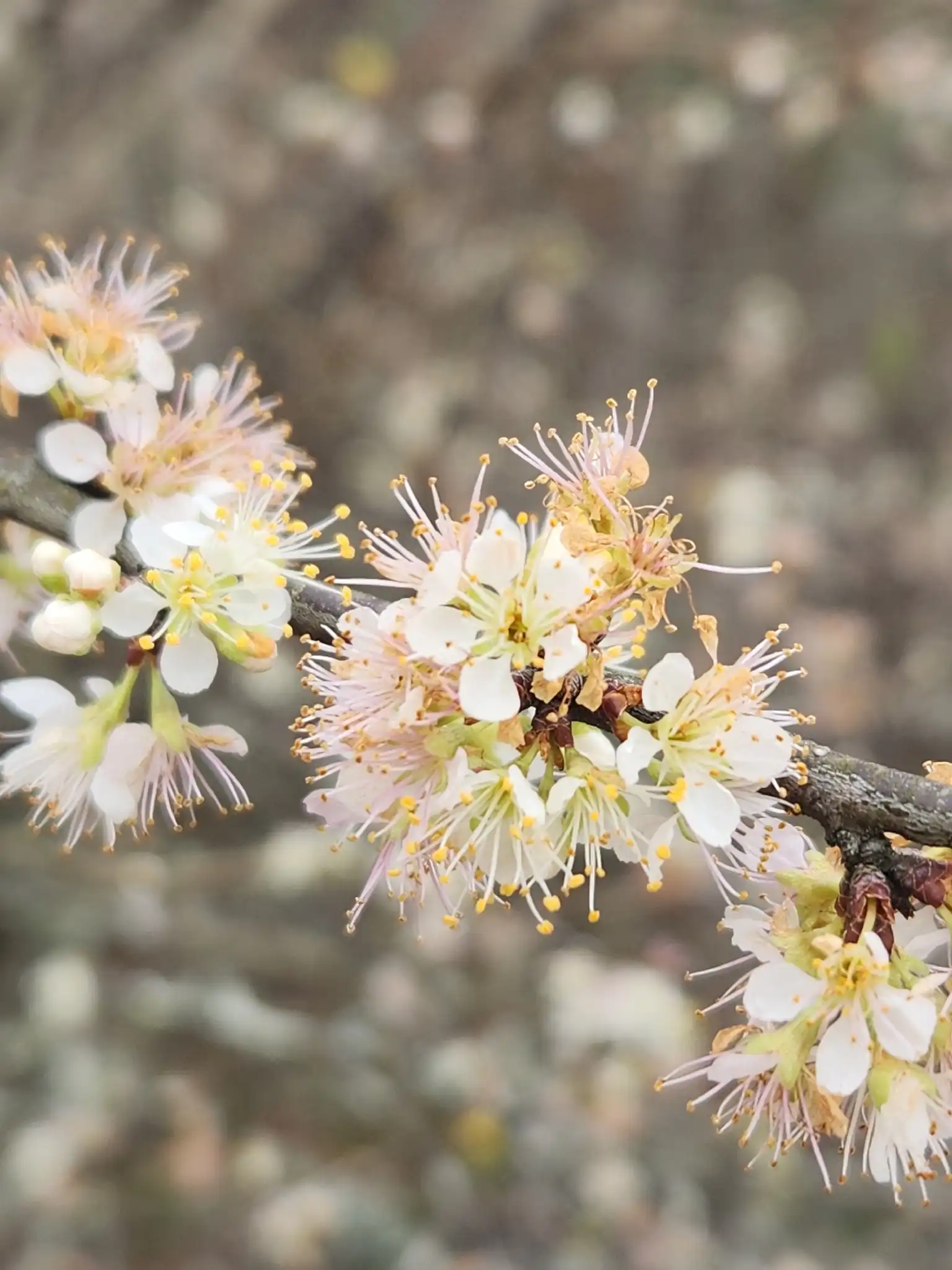
Prunus angustifolia, known as the Chickasaw plum, is a deciduous, multi-stemmed shrub or small tree native to North America that reaches 15 to 30 feet in height. Its rigid, zigzagging reddish-brown branches feature sharp, thorn-like side twigs and produce dense clusters of white five-petaled flowers in early spring before the leaves unfurl.
This species spreads via vigorous root suckers to form dense thickets that serve as critical nesting cover and wildlife shelter. The early blossoms give way to small, edible reddish plums by midsummer, and the glossy foliage turns pale yellow in fall.
Uses & Benefits:
Essentials
At a Glance
Plant Type
Shrub
Height
354"
Width
236"
Light
Full Sun, Partial Sun
Zones
6, 7, 8, 9
Water
Low to moderate
Humidity
Moderate to high
Lifespan
Perennial
Native To
North America
Toxicity
Toxic if ingested
Bloom period
Early spring – Mid spring
In flower about 2 months of the year
Planting
How to Grow
- Select a planting site in full sun or light shade with sandy, loamy, or well-draining soil.
- Dig a planting hole as deep as the root system and twice as wide, keeping the root collar level with the soil grade.
- Backfill with native soil, firm gently, and water thoroughly to settle air pockets around roots.
- Apply a thin layer of organic mulch around the root zone, leaving a few inches clear of the bark.
Pro Tip
Prevent thicket formation by severing root suckers at ground level annually if a single-trunk specimen is desired; otherwise, allow it to colonize freely in naturalized hedging or slope stabilization plantings.
Keep It Thriving
Care Guide
Do
- Plant in light, well-draining soils to avoid root crown saturated conditions.
- Prune out dead, damaged, or crossing branches during winter dormancy.
- Rake and destroy fallen leaves and mummified fruit to limit pest and disease cycles.
Don't
- Do not plant in poorly drained or waterlogged soils.
- Avoid damaging the trunk bark with lawn mowers or string trimmers, which allows borers to enter.
- Do not over-fertilize, as high nitrogen levels encourage excessive suckering.
Seasonal Care Calendar
| Task | Jan | Feb | Mar | Apr | May | Jun | Jul | Aug | Sep | Oct | Nov | Dec |
|---|---|---|---|---|---|---|---|---|---|---|---|---|
| Fertilize | ||||||||||||
| Pest Check | ||||||||||||
| Prune | ||||||||||||
| Spring Cleanup |
Watch Out For
Pests & Diseases
Common Pests
Common Diseases
In the Garden
Landscape Uses & Companions
Landscape Uses
Multiply
Propagation Methods
Good to Know
Common Questions
Chickasaw Plum questions
What zones can Chickasaw Plum grow in?
Chickasaw Plum is hardy in USDA Zones 6–9. Inside that range it survives winter in the ground; outside it, grow it as an annual or a container plant you protect.
Is Chickasaw Plum deer resistant?
Not reliably. Deer may browse Chickasaw Plum, especially tender spring growth — plan on repellents or fencing where pressure is high.
When does Chickasaw Plum bloom?
Chickasaw Plum typically blooms in early spring through mid spring. Exact timing shifts a week or two with your zone — Sow's bloom calendar maps it to your garden.
Does Chickasaw Plum need full sun?
Chickasaw Plum does best in full sun to part shade. In hot climates, afternoon shade keeps blooms fresher longer.
Is Chickasaw Plum drought tolerant?
Yes — once established (usually after the first full season), Chickasaw Plum handles dry spells with minimal watering. Water deeply its first year to build the root system that makes that possible.
More Prunus to compare
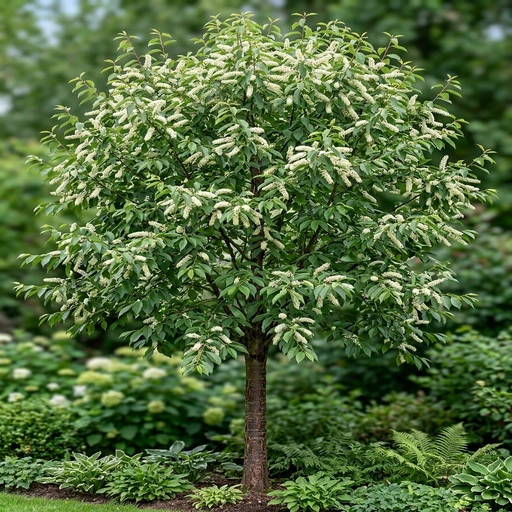
Black Cherry
Prunus serotina
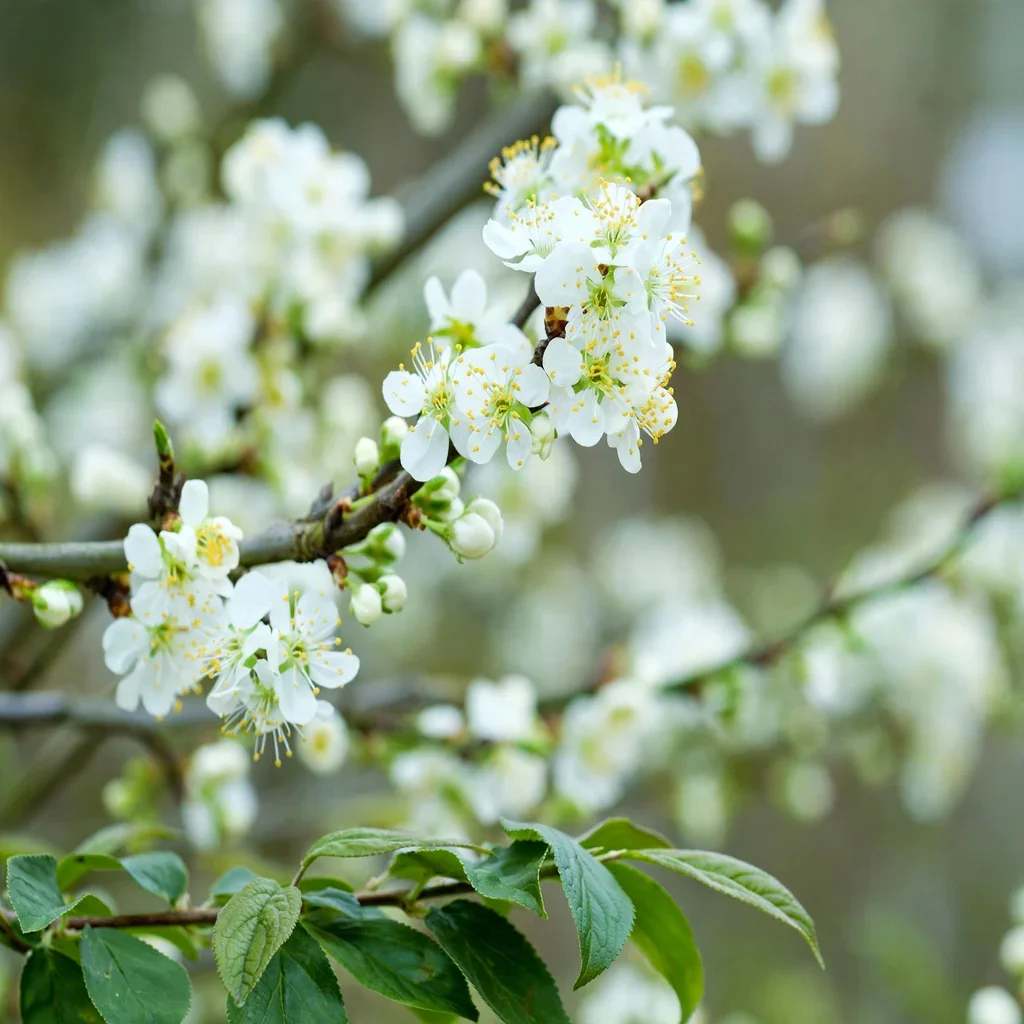
Sugar Plum
Prunus domestica 'Sugar Plum'
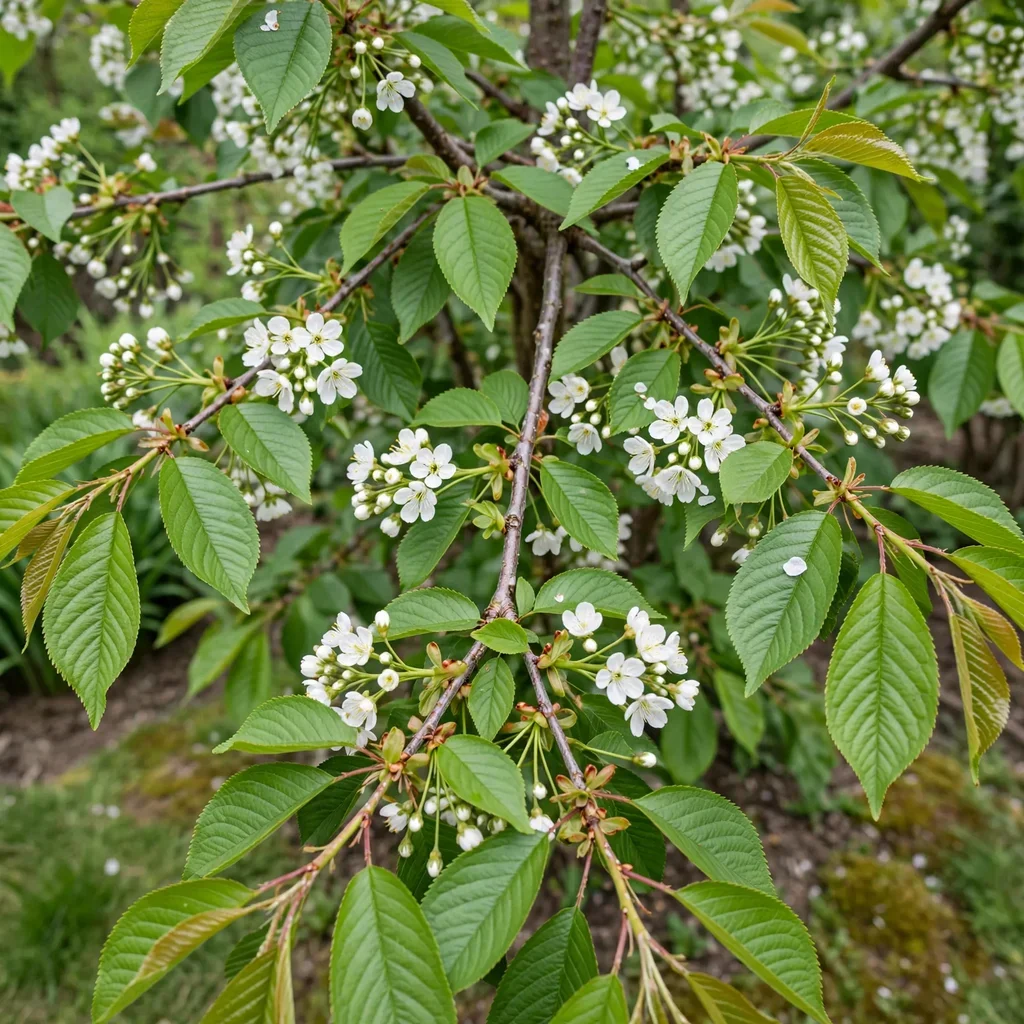
Sweet Cherry
Prunus avium 'Mix'
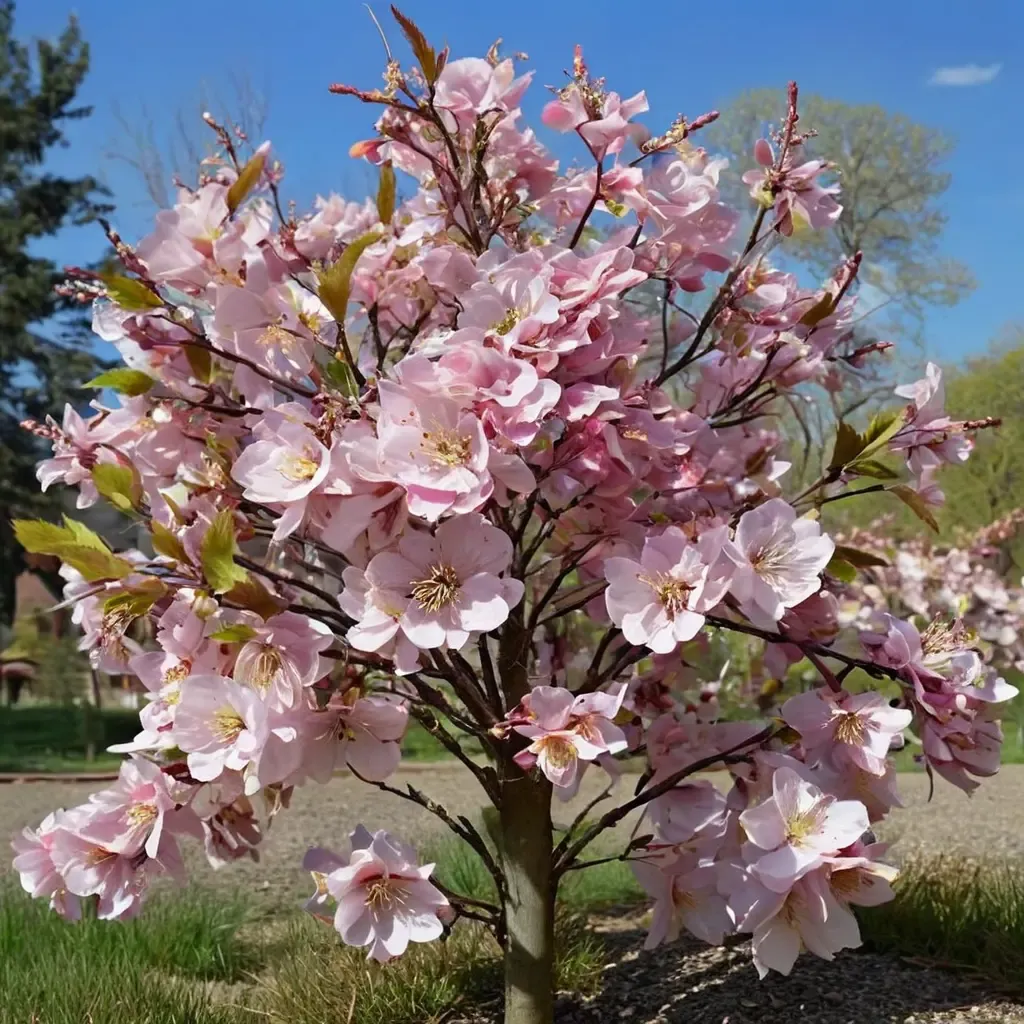
Japanese Flowering Cherry
Prunus serrulata
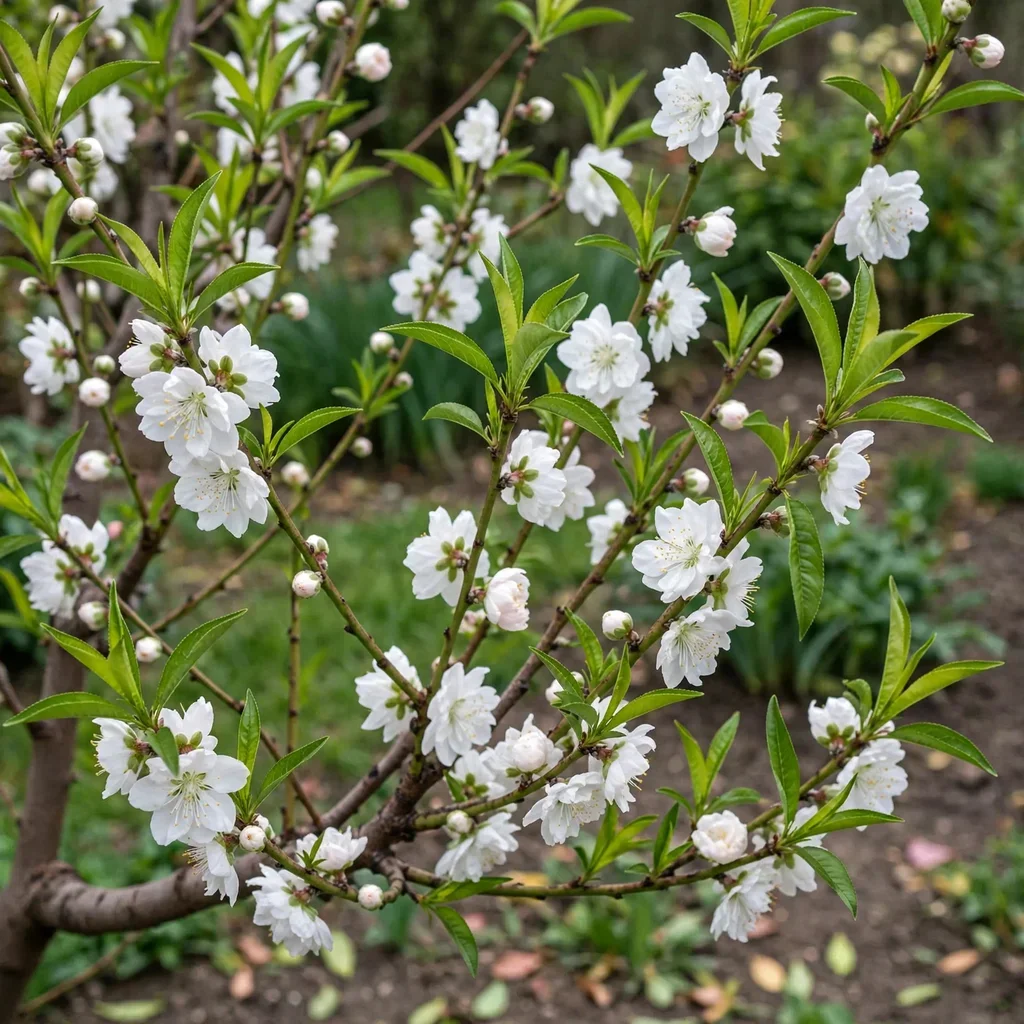
Feiching Tao White Peach
Prunus persica 'Feiching Tao White'
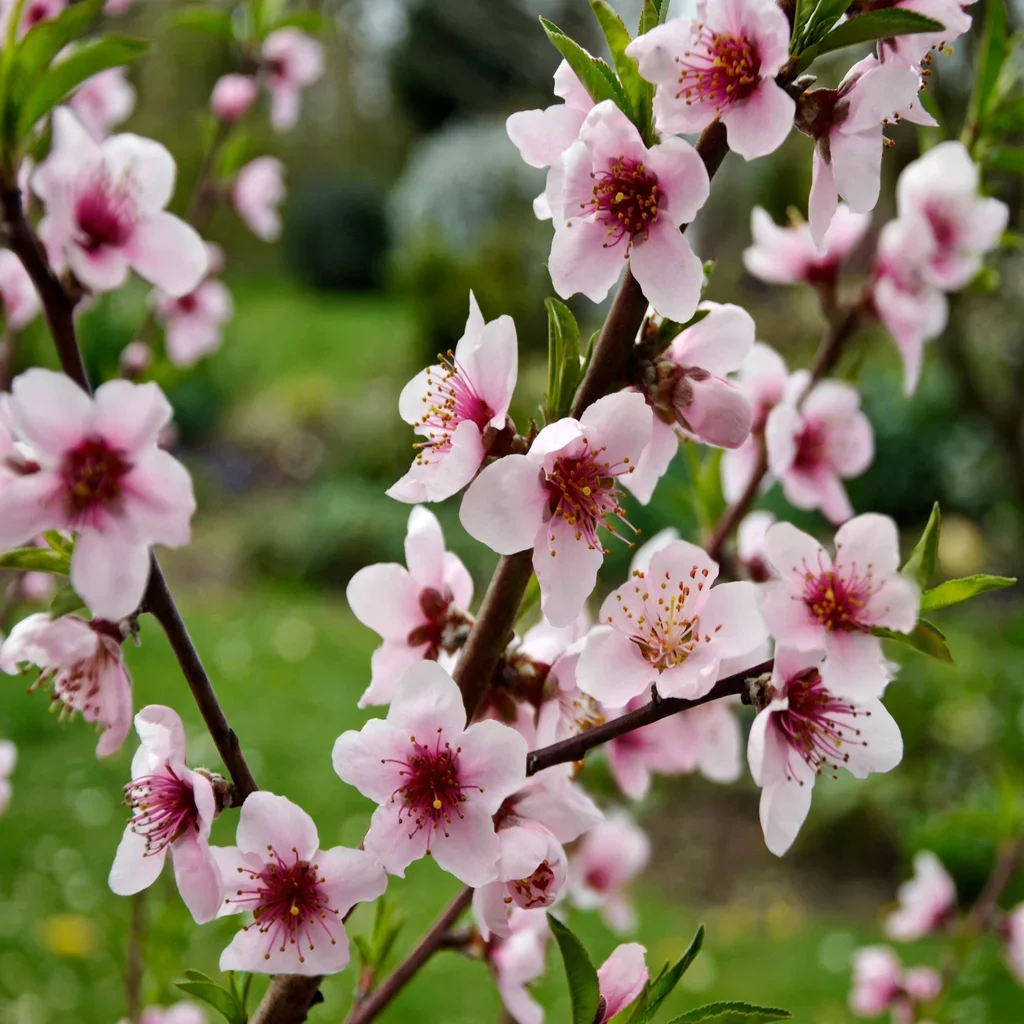
Hale Haven Peach
Prunus persica 'Hale Haven'
Keep exploring
Explore the genus
Hardy in your zone?
Grow Chickasaw Plum with confidence
See it in a design of your actual yard, get zone-matched care reminders, and track it season by season in your garden journal.