The Story
Plant Bio
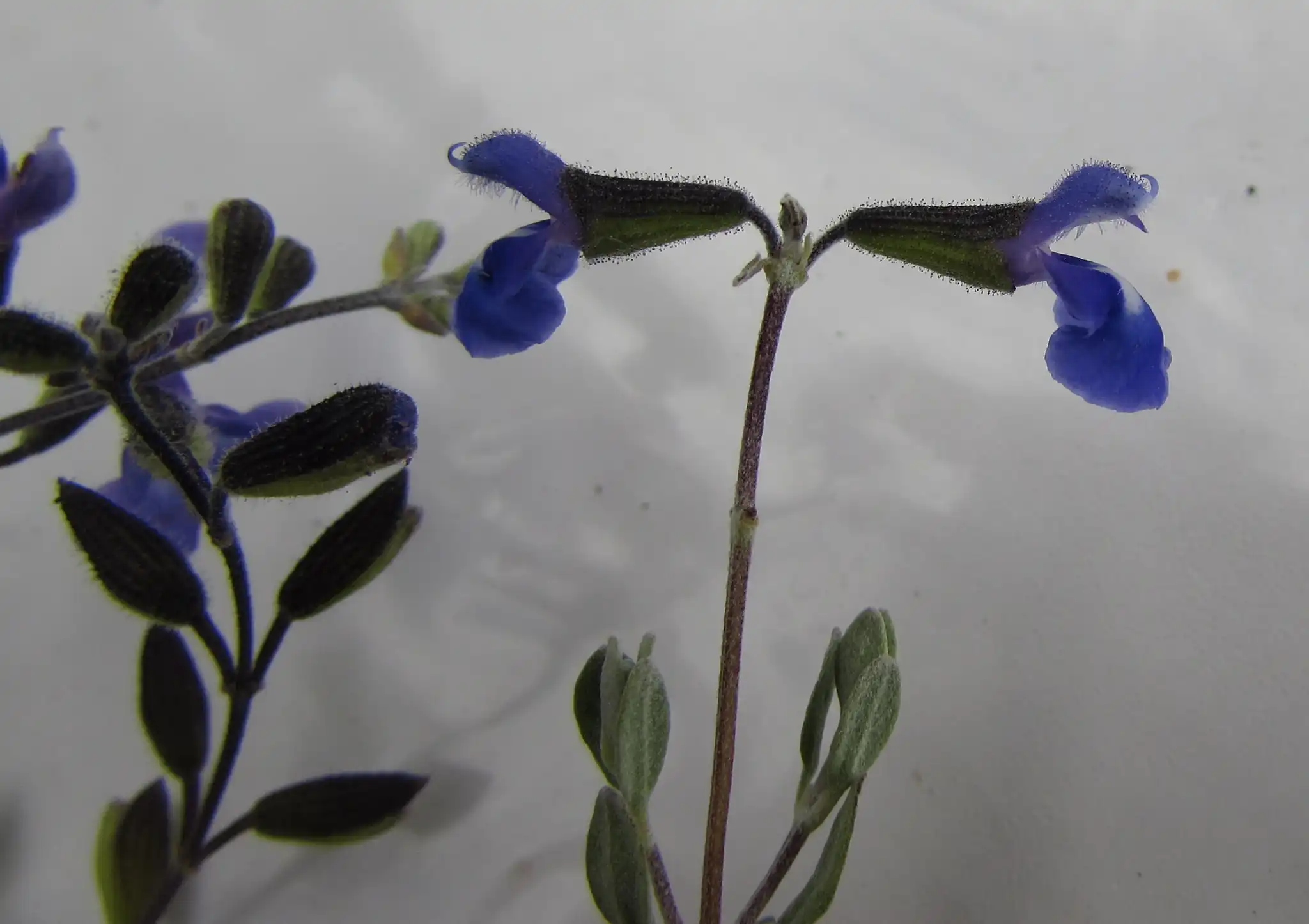
Salvia thymoides, the thyme-leaved sage, is an evergreen subshrub from the cloud forests of the Oaxaca-Puebla border, reaching about one foot tall with a dense upright habit. The small gray-green leaves crowd the stems year-round, and short spikes of violet-blue tubular flowers are produced from mid-summer into fall and winter.
It is distinguished from larger shrubby sages by thyme-like leaves barely a quarter-inch long that completely clothe the plant in a tight gray-green cover. The half-inch flowers sit in whorls on short 2-inch spikes, each in a dark purple calyx that colors the stem even in bud.
Uses & Benefits:
Essentials
At a Glance
Plant Type
Shrub
Height
12"
Width
12"
Light
Full Sun, Partial Sun
Zones
9, 10
Water
Moderate
Humidity
Moderate
Lifespan
Evergreen perennial shrub
Native To
Mexico (Oaxaca-Puebla)
Toxicity
Unknown - no toxicity reported
Bloom period
Summer – Winter
In flower about 9 months of the year
Planting
How to Grow
- Plant in spring after last frost in full sun to part shade with winter shelter.
- Set into well-drained loam or sandy soil at the same crown depth, spacing 12 inches.
- Water steadily to establish and keep lightly moist through bloom; never leave waterlogged.
- Shear lightly after each flush to keep compact; protect containers or mulch crowns before hard frost.
Pro Tip
Do not treat it like thyme or a dryland sage; give it steady moisture with sharp drainage and shelter below 25F.
Keep It Thriving
Care Guide
Do
- Provide steady moisture with sharp drainage.
- Give part afternoon shade in hot interiors and shelter from hard frost.
- Deadhead spent whorls to extend bloom.
Don't
- Do not grow dry like thyme or Mediterranean sage.
- Do not leave in waterlogged soil where crowns rot.
- Do not cut back into old leafless wood.
Seasonal Care Calendar
| Task | Jan | Feb | Mar | Apr | May | Jun | Jul | Aug | Sep | Oct | Nov | Dec |
|---|---|---|---|---|---|---|---|---|---|---|---|---|
| Deadhead | ||||||||||||
| Pest Check | ||||||||||||
| Plant | ||||||||||||
| Prune | ||||||||||||
| Winter Prep |
Watch Out For
Pests & Diseases
Common Pests
Common Diseases
In the Garden
Landscape Uses & Companions
Landscape Uses
Multiply
Propagation Methods
Good to Know
Common Questions
Thyme-Leaved Sage questions
What zones can Thyme-Leaved Sage grow in?
Thyme-Leaved Sage is hardy in USDA Zones 9–10: in that range it survives winter in the ground. Colder than Zone 9, grow it in a container you can move to shelter for the winter.
When does Thyme-Leaved Sage bloom?
Thyme-Leaved Sage typically blooms from summer to winter. Exact timing shifts a week or two with your zone — Sow's bloom calendar maps it to your garden.
Does Thyme-Leaved Sage need full sun?
Thyme-Leaved Sage does best in full sun to part shade. In hot climates, afternoon shade keeps blooms fresher longer.
More Salvia to compare
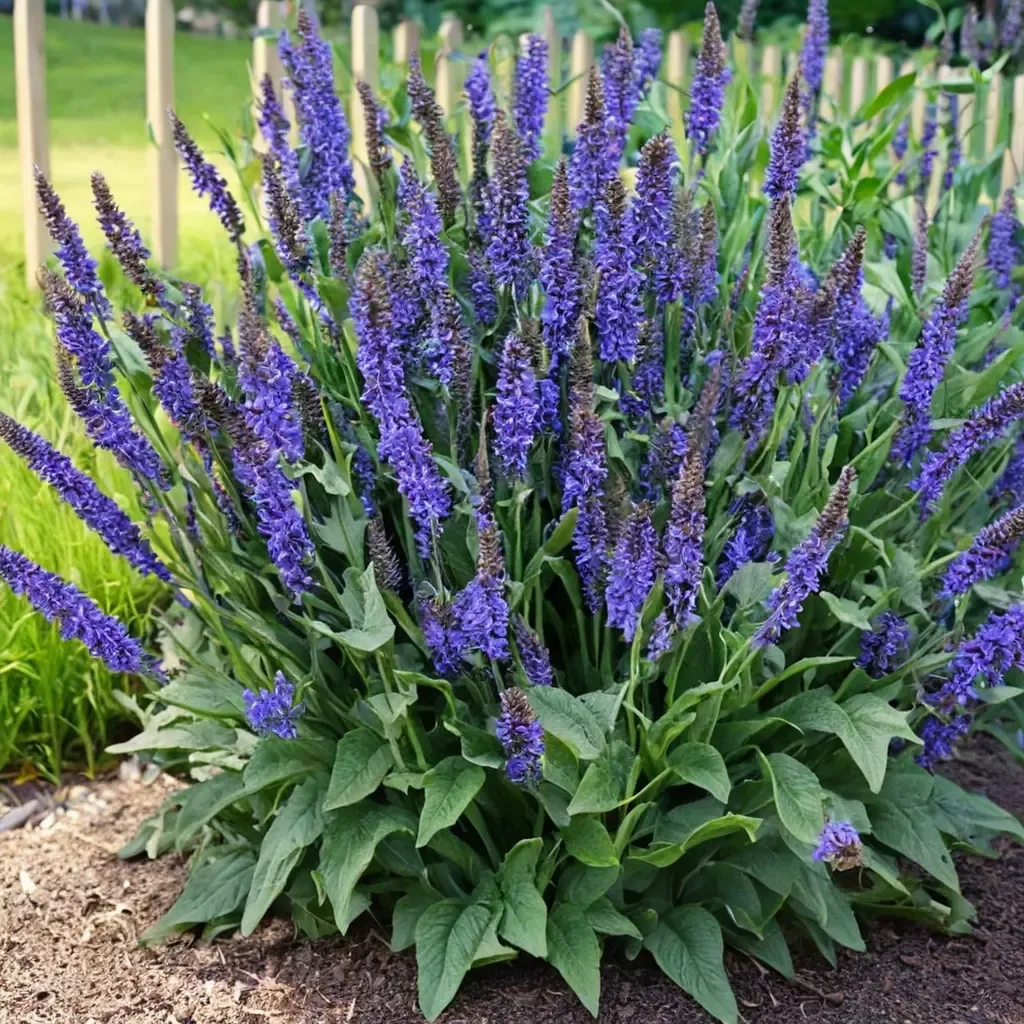
May Night Sage
Salvia nemorosa 'May Night'
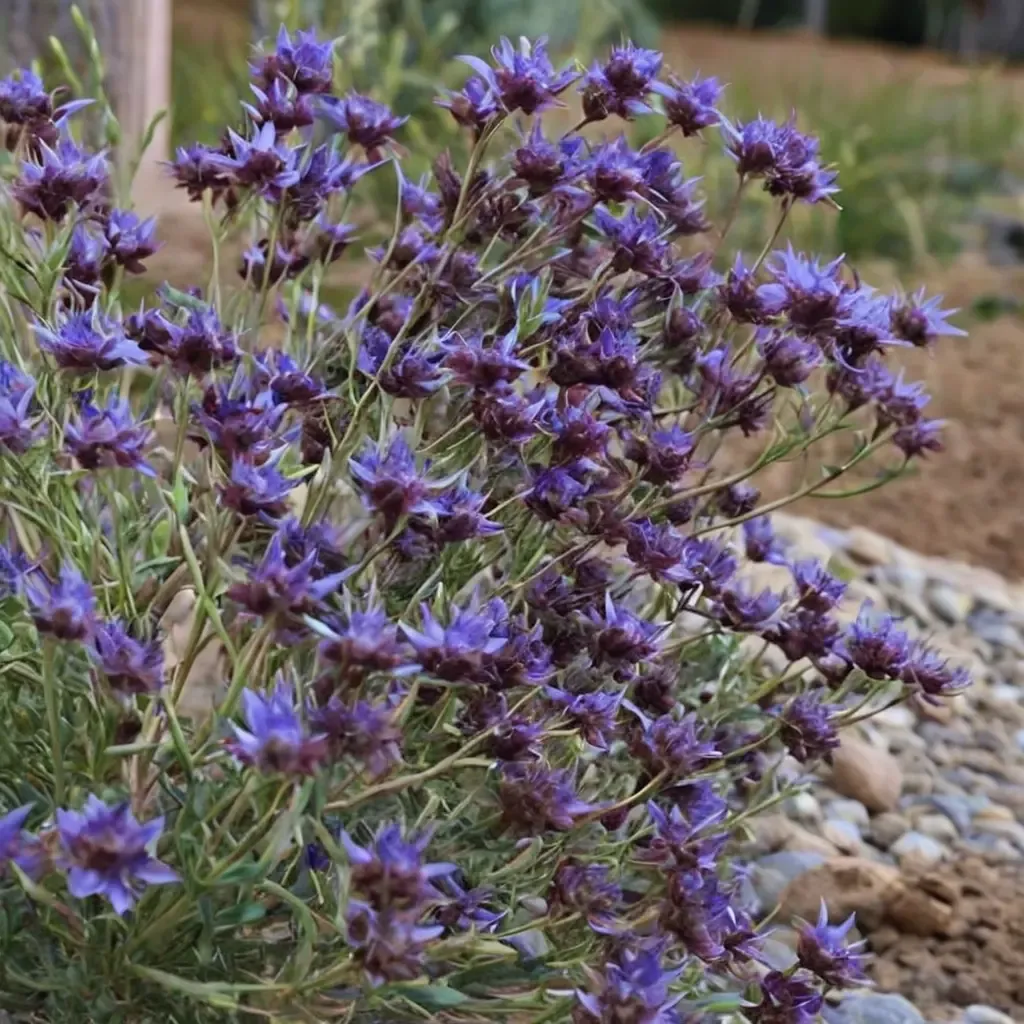
Celestial Blue Sage Wood Sage
Salvia nemorosa 'Celestial Blue'
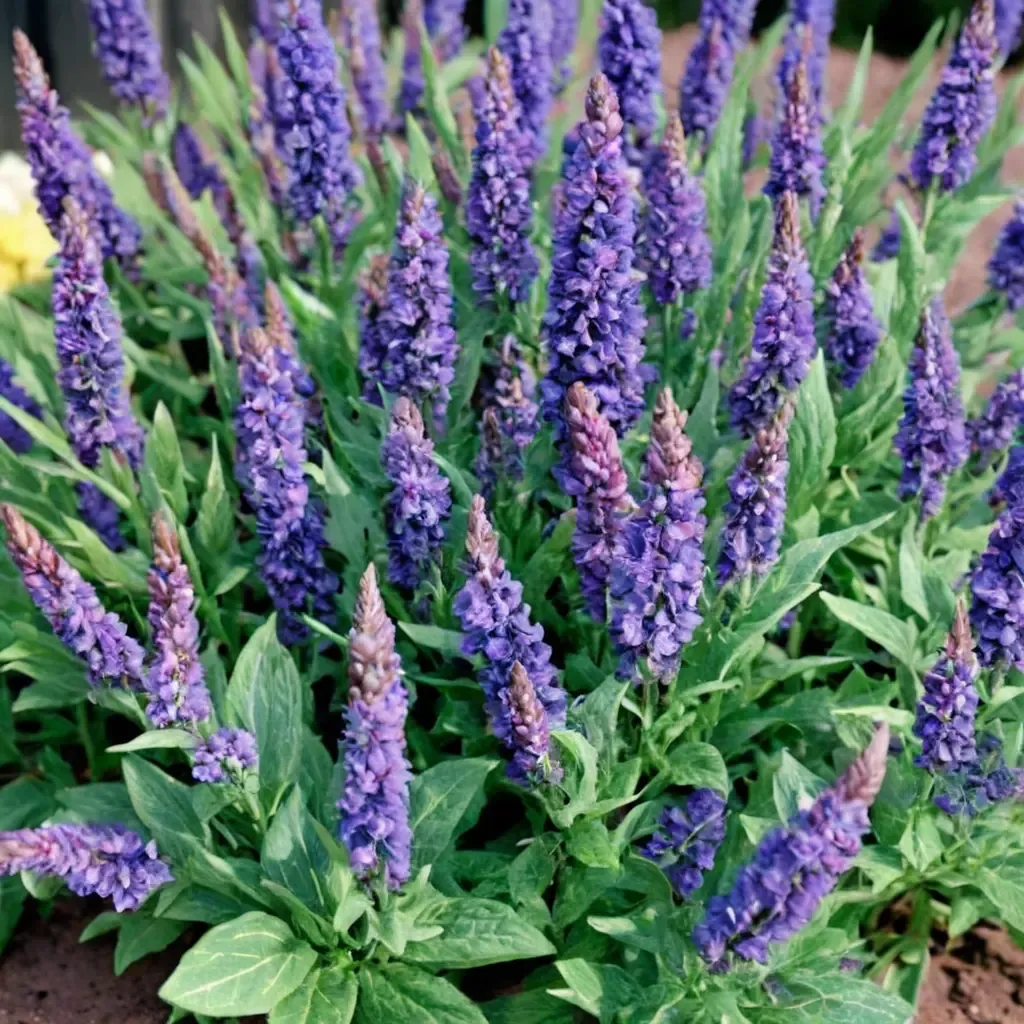
Marcus Woodland Sage
Salvia nemorosa 'Marcus'
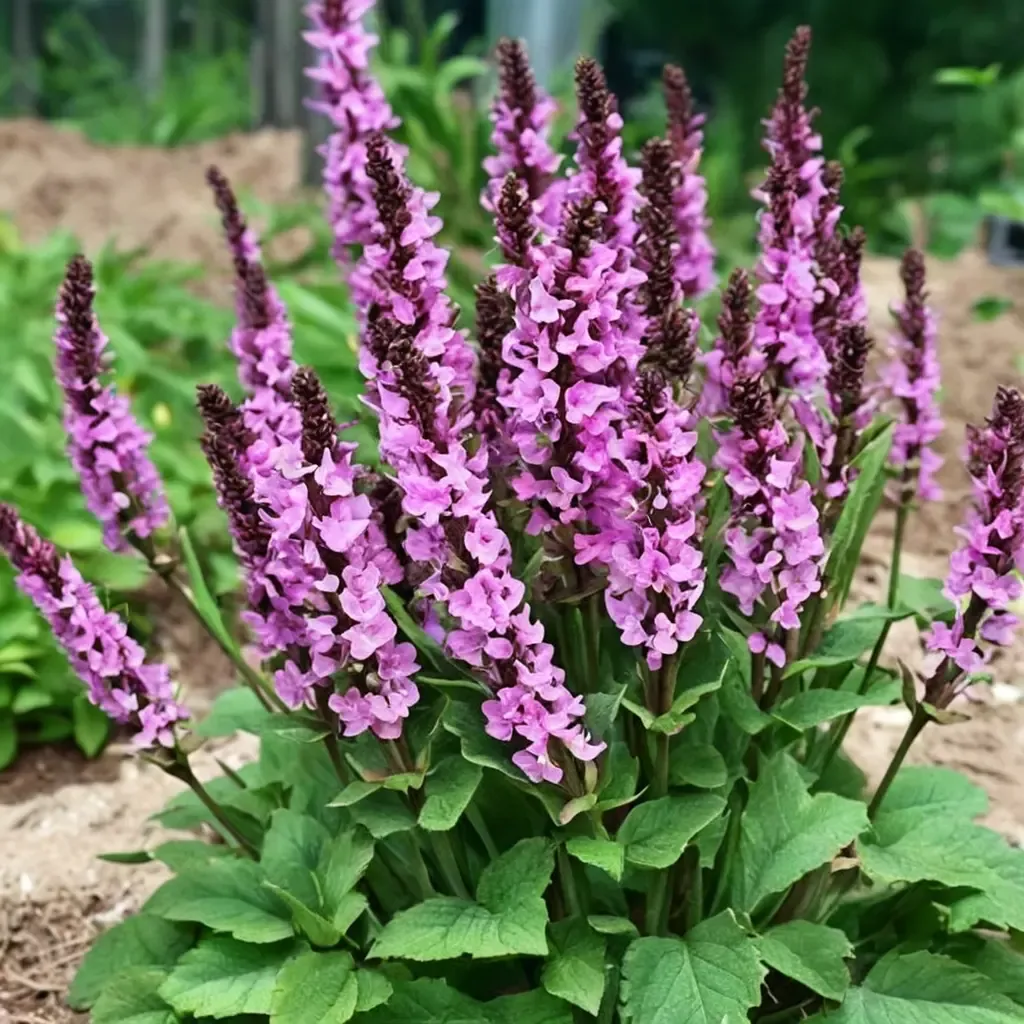
Rose Marvel Sage
Salvia nemorosa 'Rose Marvel'
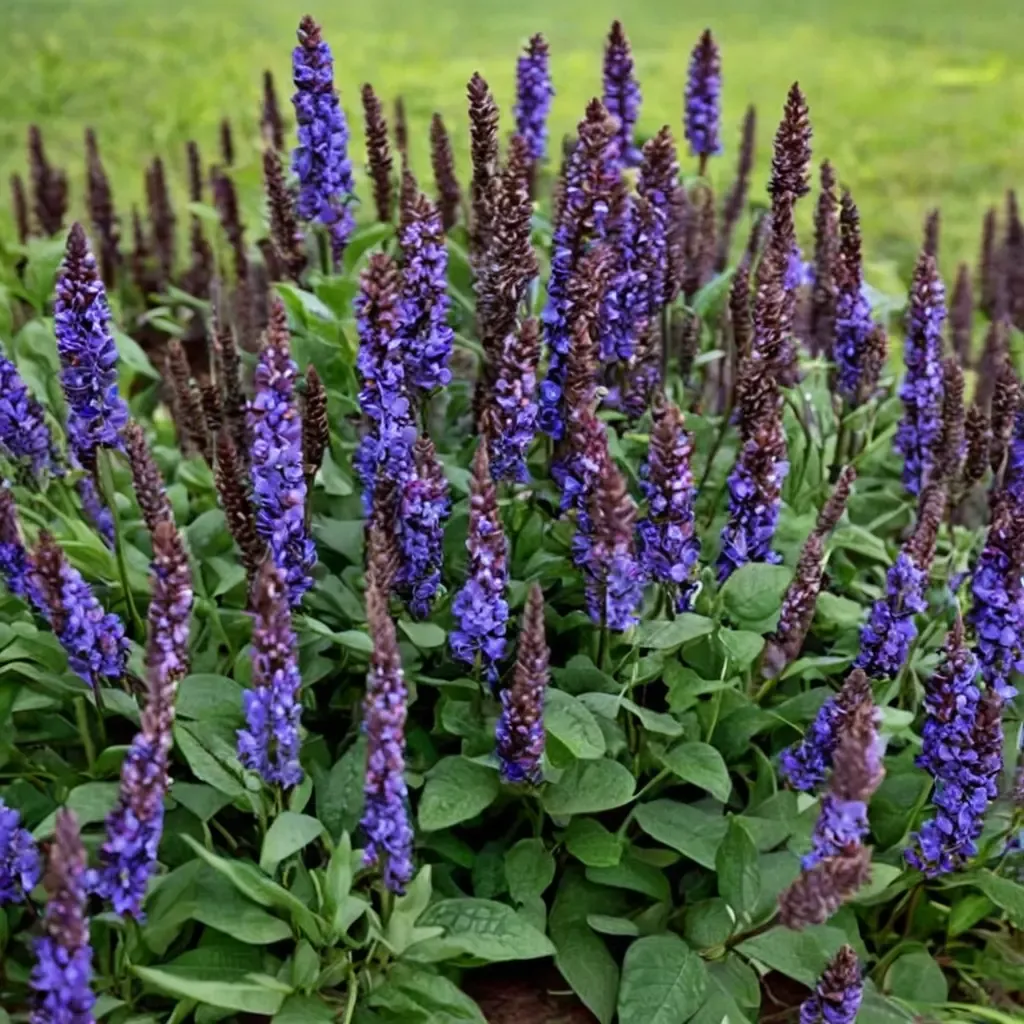
Bumbleblue Sage
Salvia nemorosa 'Bumbleblue'
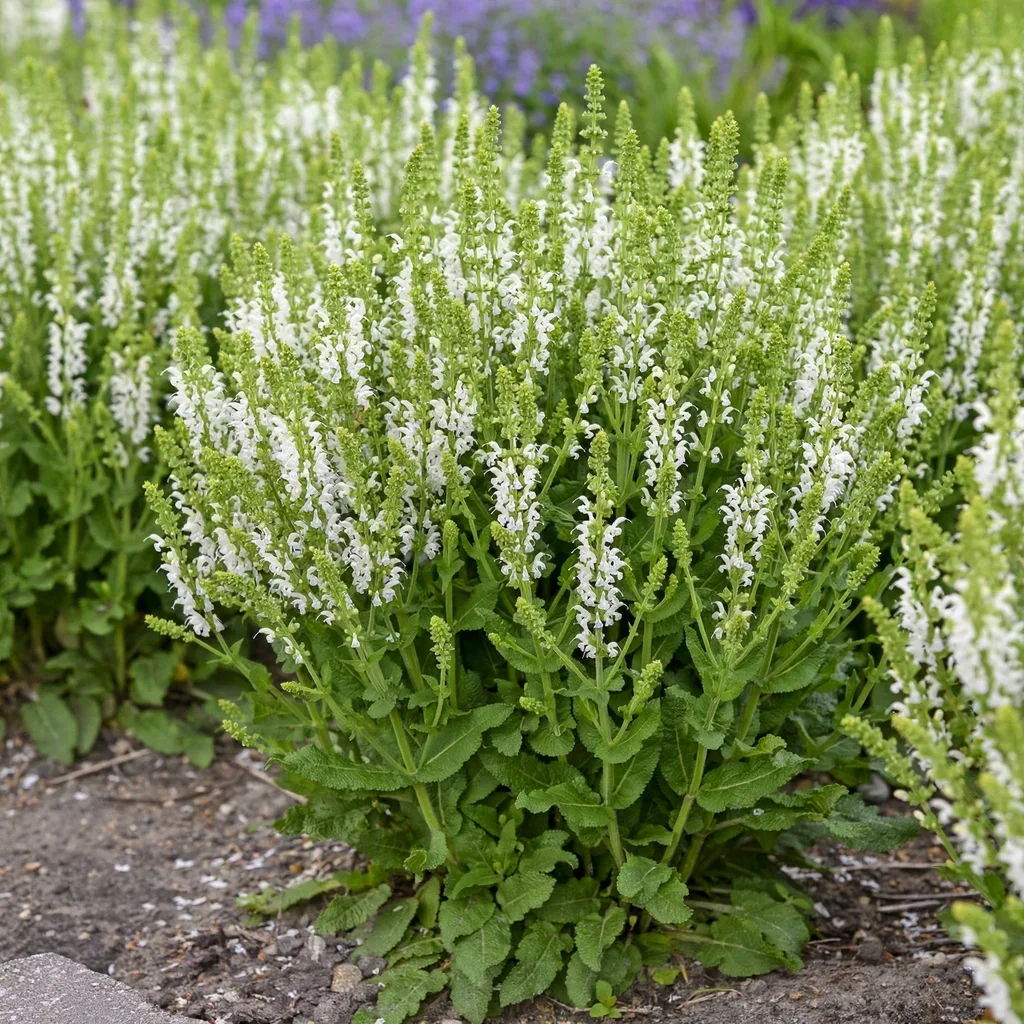
White Profusion Salvia
Salvia x hybrida 'White Profusion'
Keep exploring
Explore the genus
Hardy in your zone?
Grow Thyme-Leaved Sage with confidence
See it in a design of your actual yard, get zone-matched care reminders, and track it season by season in your garden journal.