The Story
Plant Bio
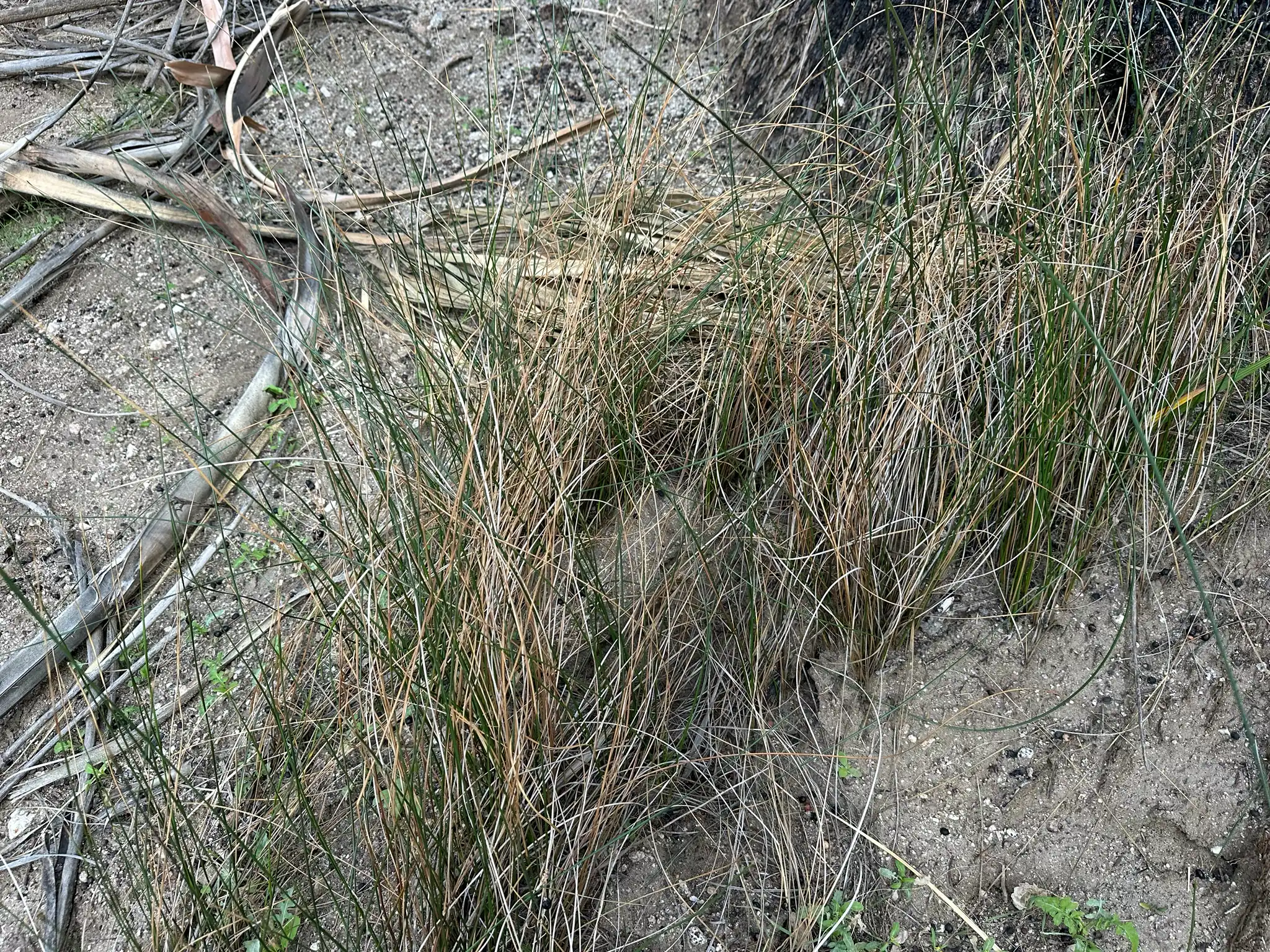
Juncus balticus is a rhizomatous perennial rush that forms stiff fountains of leafless dark green stems from fast-spreading underground runners. Leaves are reduced to bristly basal sheaths that emerge red-brown and mature to dark brown while the stems stay green through winter.
It reaches 30 to 36 inches tall and spreads 12 to 35 inches wide, rooting into moist sand from sea beaches to mountain fens in fresh to saline ground. In early summer to late summer it carries a branching cluster near the stem tip of small brown papery flowers that ripen to dry capsules.
Uses & Benefits:
Essentials
At a Glance
Plant Type
Grass
Height
35"
Width
24"
Light
Full Sun, Partial Sun
Zones
4, 5, 6, 7
Water
High - constantly moist to wet
Humidity
High
Lifespan
Perennial
Native To
Northern Europe, Asia, western and northern North America to the Andes
Toxicity
Non-toxic, may irritate in large amounts
Bloom period
Early summer – Late summer
In flower about 3 months of the year
Planting
How to Grow
- Plant in full sun in spring after hard frost, setting plugs at the same depth they grew in the pot.
- Saturate the planting hole and keep soil constantly moist to wet, with brief standing water tolerated.
- Space plants 18 to 24 inches apart to allow runner spread for bank cover, or sink a root barrier for a tight clump.
- Top-dress with sand or fine gravel to hold moisture and anchor runners, not with rich compost.
- Cut out dead stems in early spring and divide congested colonies to control width.
Pro Tip
Give it a liner, large sunken pot, or dry edge to check its shallow runners, because a plant sold as a clump will widen into a colony in constantly wet soil.
Keep It Thriving
Care Guide
Do
- Keep soil constantly moist to wet, never allowing it to dry hard in summer.
- Contain runners with edging or division to hold the intended footprint.
- Site it away from small delicate perennials it can overrun.
Don't
- Do not plant in dry beds expecting drought tolerance; it fails without steady moisture.
- Do not cut all stems to the ground each year; remove only dead growth.
- Do not eat the stems or seeds; large amounts can irritate skin and digestion.
Seasonal Care Calendar
| Task | Jan | Feb | Mar | Apr | May | Jun | Jul | Aug | Sep | Oct | Nov | Dec |
|---|---|---|---|---|---|---|---|---|---|---|---|---|
| Divide | ||||||||||||
| Pest Check | ||||||||||||
| Plant | ||||||||||||
| Spring Cleanup |
Watch Out For
Pests & Diseases
Common Pests
Common Diseases
In the Garden
Landscape Uses & Companions
Landscape Uses
Multiply
Propagation Methods
Good to Know
Common Questions
Baltic Rush questions
What zones can Baltic Rush grow in?
Baltic Rush is hardy in USDA Zones 4–7: in that range it survives winter in the ground. Warmer than Zone 7, winter isn't the problem: it prefers colder winters, and summer heat can shorten its life.
When does Baltic Rush bloom?
Baltic Rush typically blooms in summer. Exact timing shifts a week or two with your zone — Sow's bloom calendar maps it to your garden.
Does Baltic Rush need full sun?
Baltic Rush does best in full sun to part shade. In hot climates, afternoon shade keeps blooms fresher longer.
More Juncus to compare
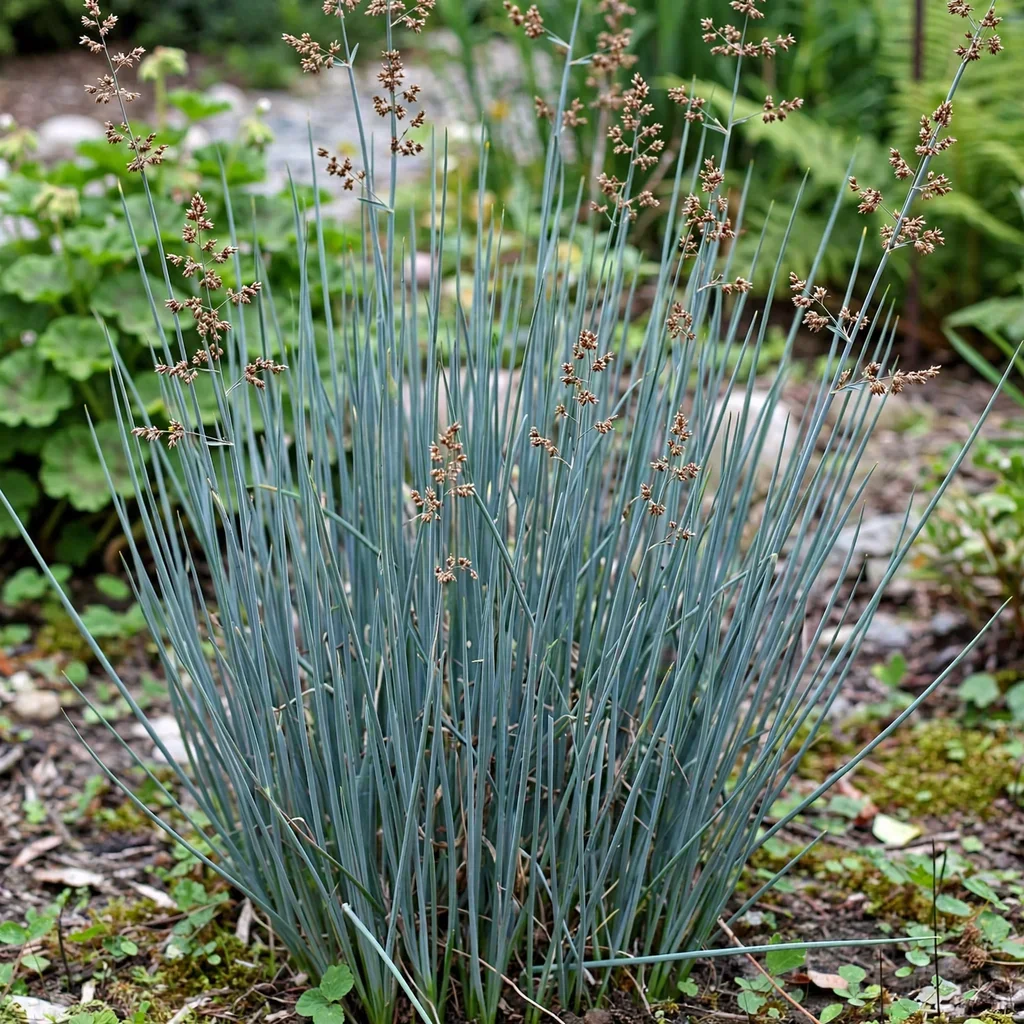
Blue Arrows Soft Rush
Juncus effusus 'Blue Arrows'
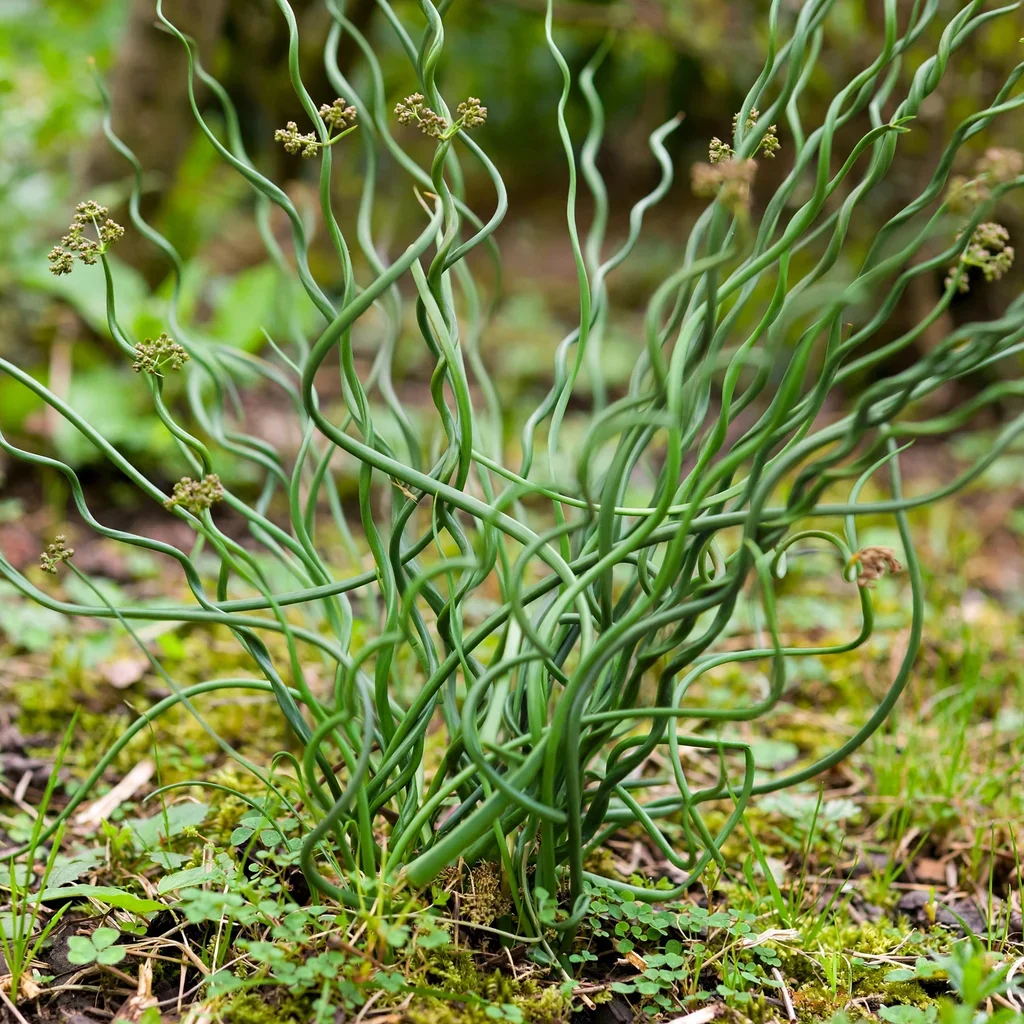
Spiralis Corkscrew Rush
Juncus compactus 'Spiralis'
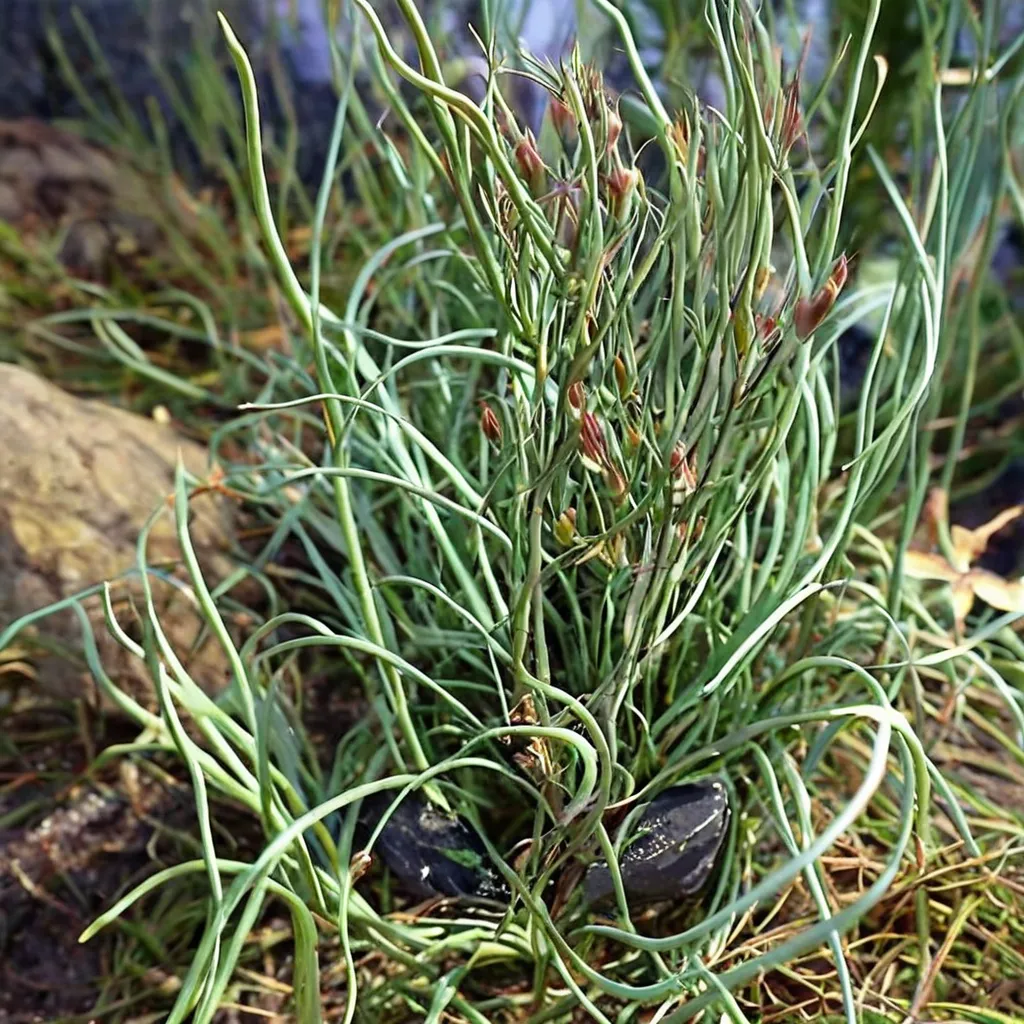
Blue Arrows Rush
Juncus inflexus 'Afro'
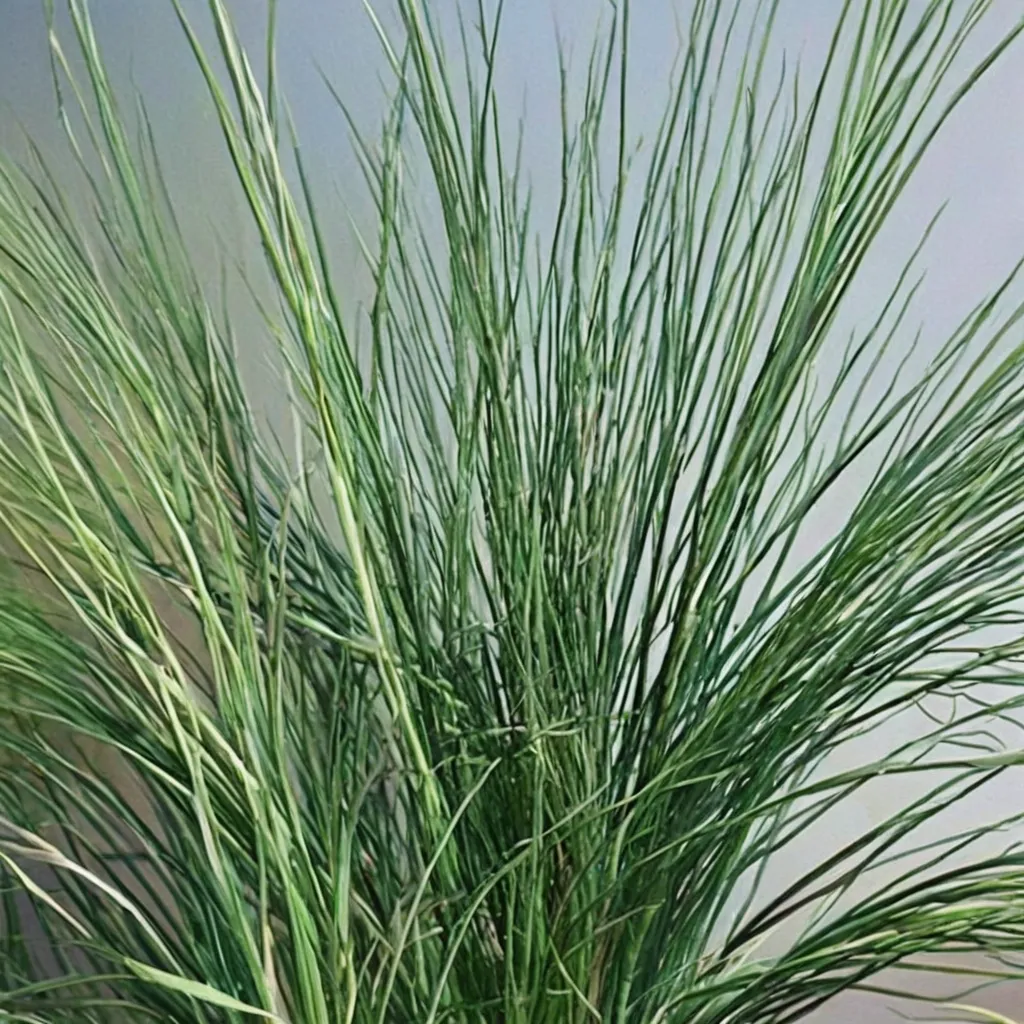
Blue Rush
Juncus inflexus 'Lovesick Blues'
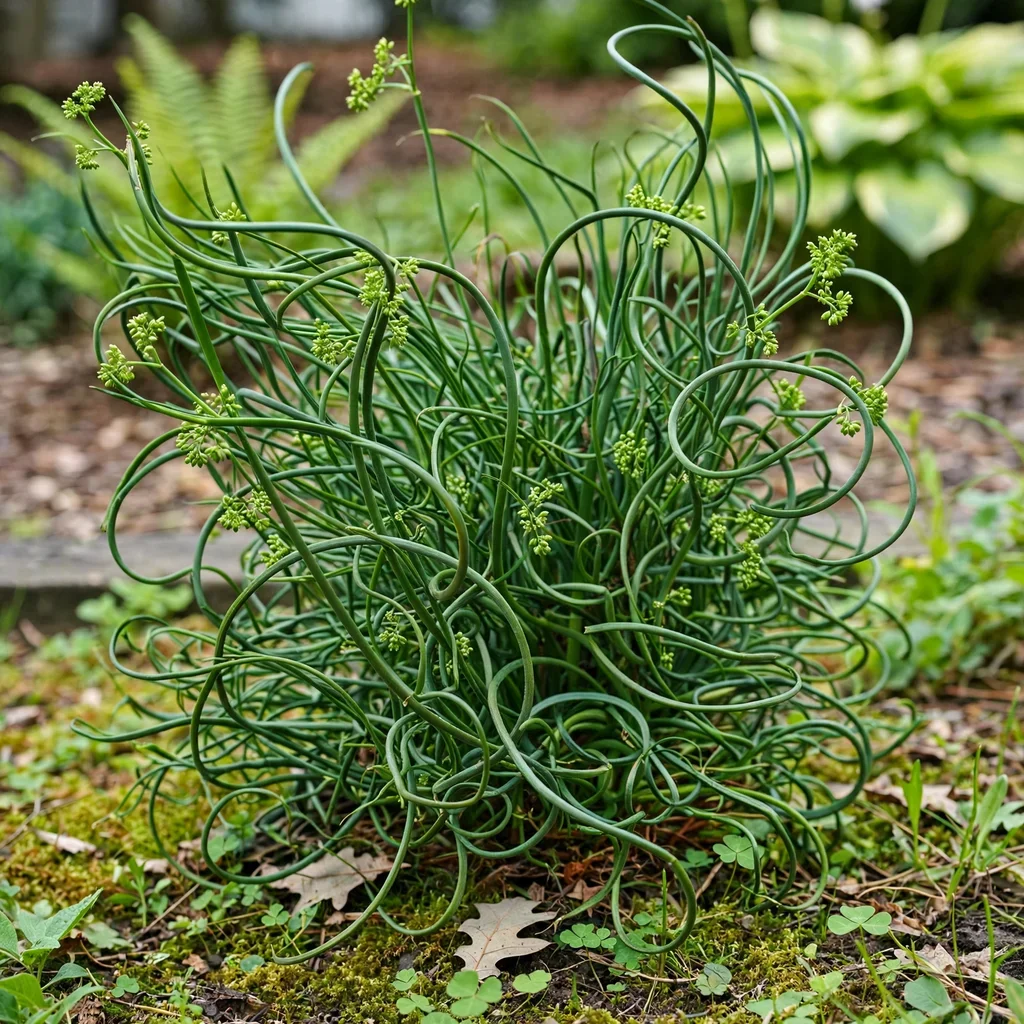
Big Twister Soft Rush
Juncus effusus 'Big Twister'
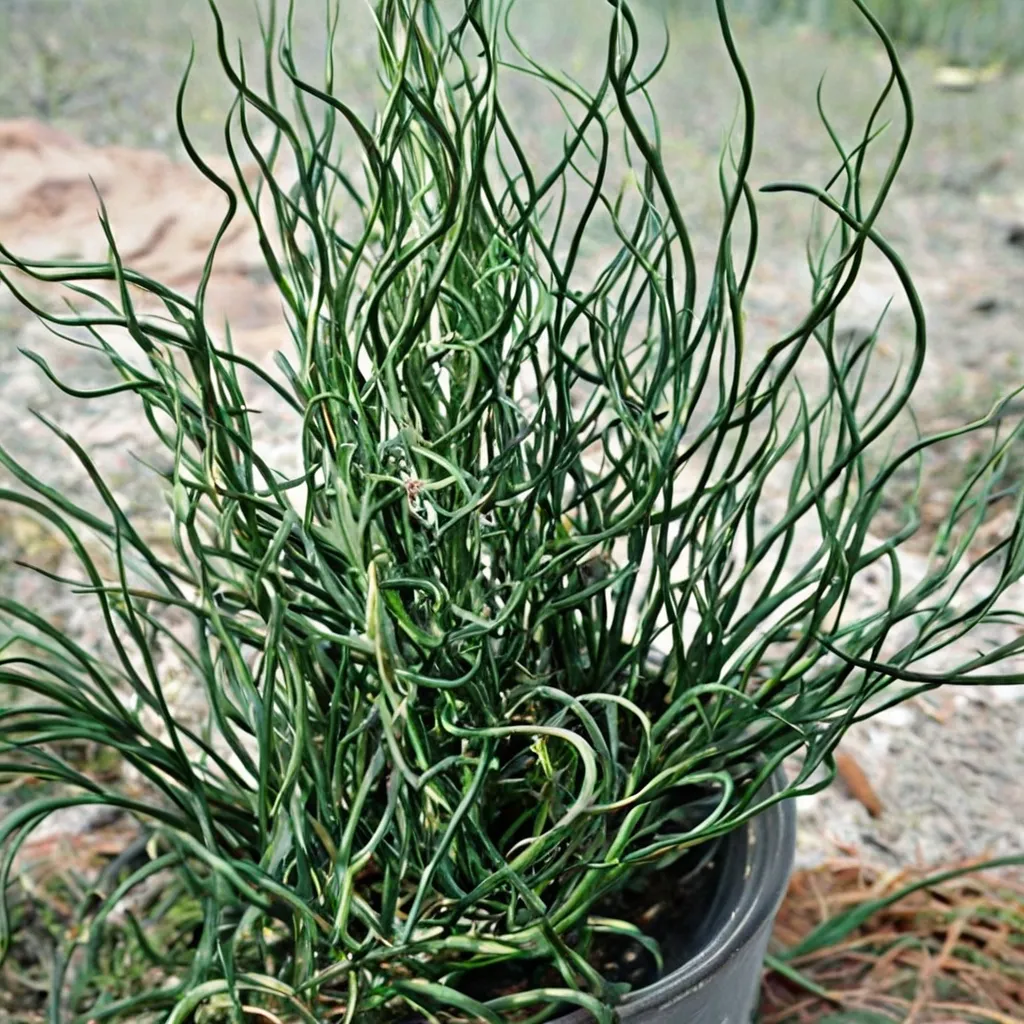
Curly Wurly Corkscrew Rush
Juncus effusus 'Curly Wurly'
Keep exploring
Explore the genus
Hardy in your zone?
Grow Baltic Rush with confidence
See it in a design of your actual yard, get zone-matched care reminders, and track it season by season in your garden journal.