The Story
Plant Bio
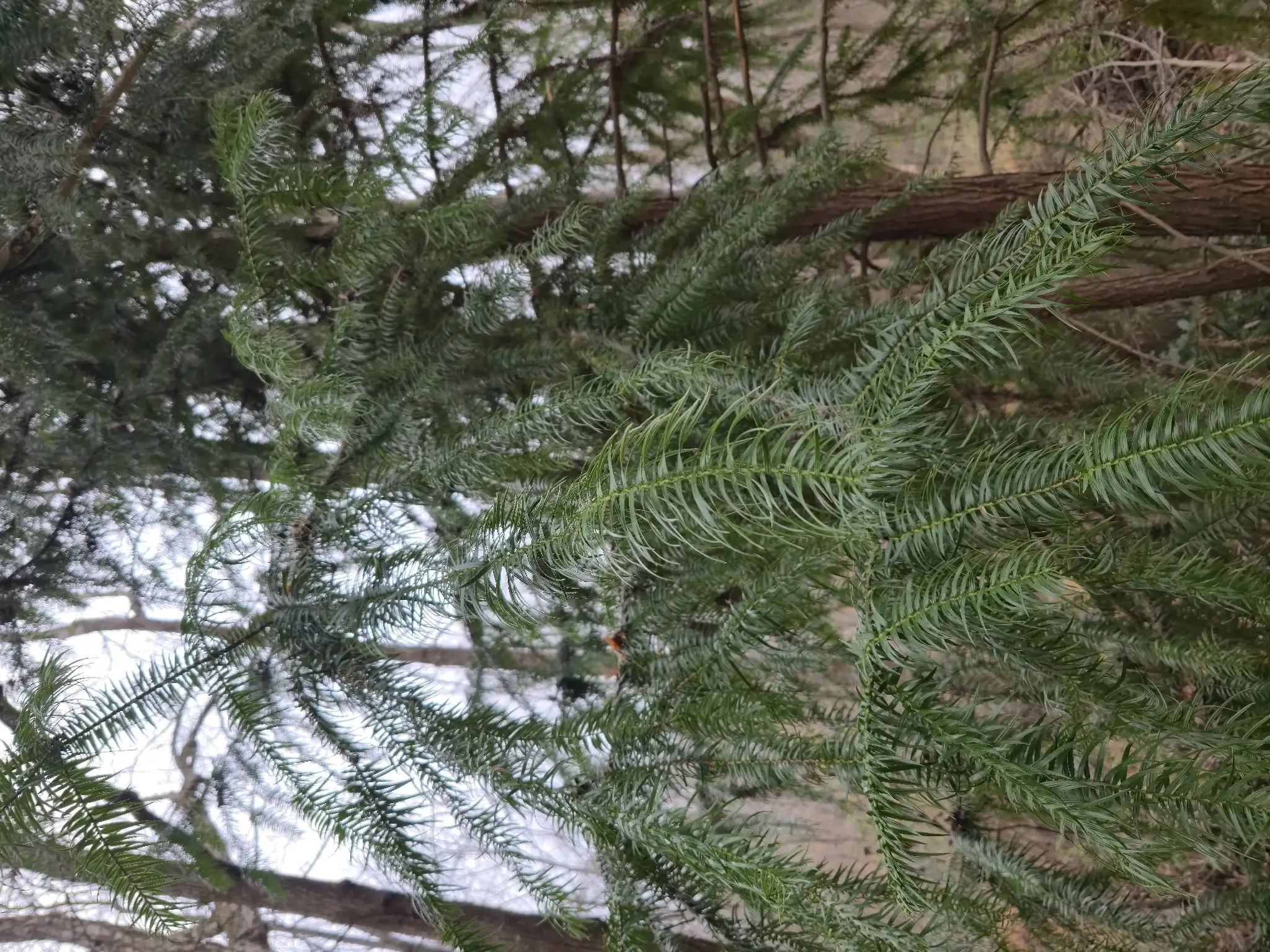
Cunninghamia lanceolata is an evergreen conifer forming a pyramidal-conical crown with tiered, widely spreading branches that droop at the tips. In gardens it reaches 30 to 70 feet tall and 10 to 30 feet wide, often suckering to form multiple trunks with rough fibrous reddish-brown bark.
It is not a true fir; its stiff spirally arranged needles to 7 cm are sharply spine-tipped and finely toothed, green to blue-green and bronzing in cold. Dead brown foliage persists inside the crown, and small oval cones about 3.8 cm are borne in ones to threes at the shoot ends.
Uses & Benefits:
Essentials
At a Glance
Plant Type
Tree
Height
840"
Width
240"
Light
Full Sun, Partial Sun
Zones
6, 7, 8, 9
Water
Medium
Humidity
Medium
Lifespan
Long-lived tree
Native To
South-central and southeastern China
Toxicity
Unknown; sharp spine-tipped needles
Planting
How to Grow
- Plant in spring in sheltered full sun to part shade with room for a 10 to 30 foot spread.
- Dig a hole twice the root-ball width in moist acidic loam and set the trunk at the same depth it grew.
- Water deeply at planting and keep soil consistently moist through the first two summers; do not let it dry out in sun.
- Mulch 2 to 3 inches with pine bark, keeping mulch off the trunk, and stake only if exposed to wind.
Pro Tip
Plant sheltered from winter wind in consistently moist acidic loam with room to sucker; cut winter-killed tips back to live wood and remove suckers if a single leader is wanted.
Keep It Thriving
Care Guide
Do
- Keep soil consistently moist, especially in sun and wind.
- Prune out winter-killed branch tips promptly in spring.
- Remove root suckers to maintain a single trunk if desired.
Don't
- Do not plant in dry, alkaline, or waterlogged soil.
- Do not shear annually; interior browning is normal and does not need cutting.
- Do not plant in exposed northern sites below Zone 7 without wind shelter.
Seasonal Care Calendar
| Task | Jan | Feb | Mar | Apr | May | Jun | Jul | Aug | Sep | Oct | Nov | Dec |
|---|---|---|---|---|---|---|---|---|---|---|---|---|
| Mulch | ||||||||||||
| Pest Check | ||||||||||||
| Plant | ||||||||||||
| Prune | ||||||||||||
| Winter Prep |
Watch Out For
Pests & Diseases
Common Pests
Common Diseases
In the Garden
Landscape Uses & Companions
Landscape Uses
Companion Plants
Multiply
Propagation Methods
Good to Know
Common Questions
China Fir questions
What zones can China Fir grow in?
China Fir is hardy in USDA Zones 6–9: in that range it survives winter in the ground. Colder than Zone 6, winters are too cold for it to survive outdoors. Warmer than Zone 9, winter isn't the problem: it prefers colder winters, and summer heat can shorten its life.
Does China Fir need full sun?
China Fir does best in full sun to part shade. In hot climates, afternoon shade keeps blooms fresher longer.
Keep exploring
Explore the genus
Hardy in your zone?
Grow China Fir with confidence
See it in a design of your actual yard, get zone-matched care reminders, and track it season by season in your garden journal.