The Story
Plant Bio
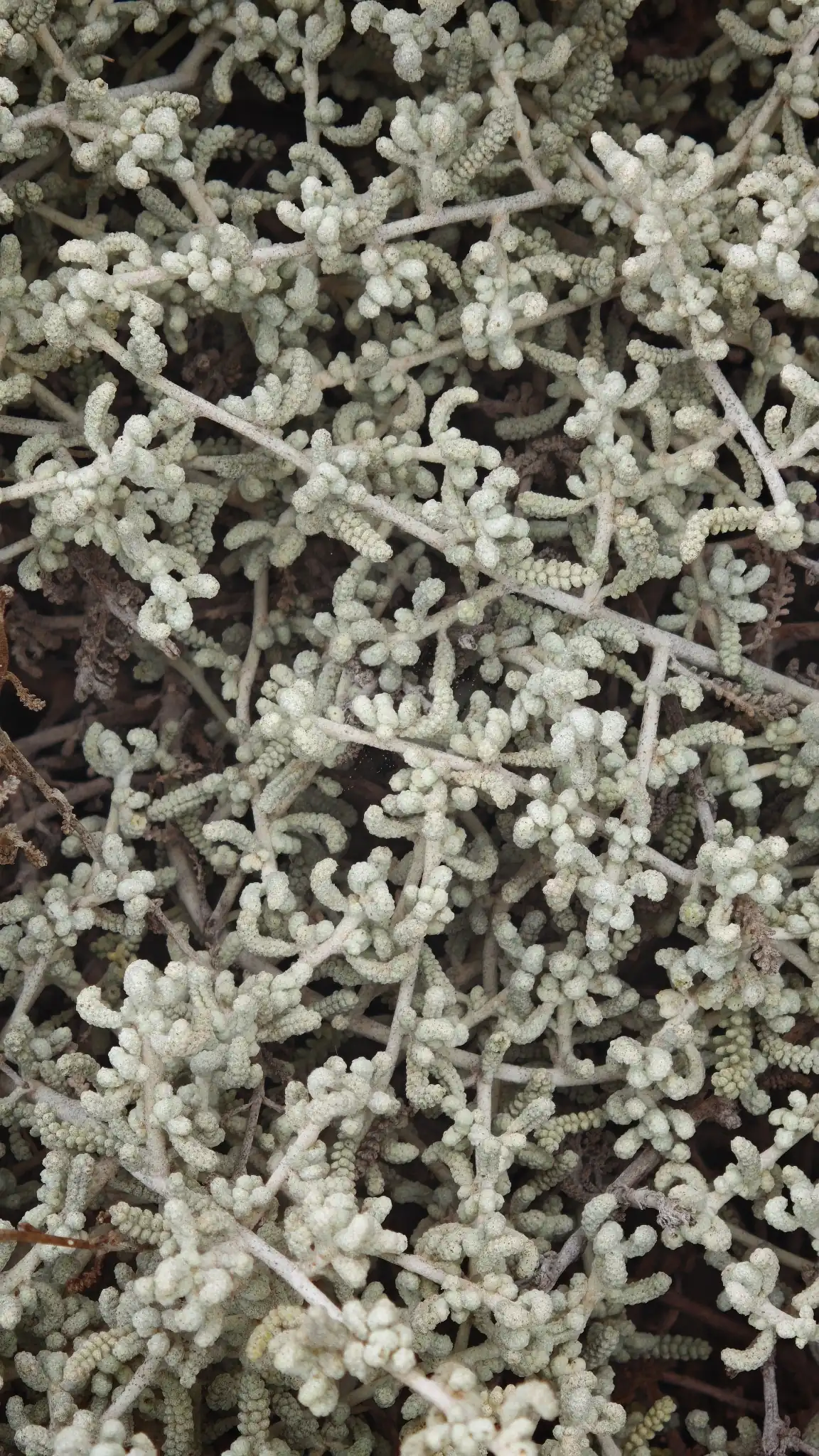
Santolina magonica is a small evergreen subshrub from the Balearic Islands, forming a compact flattened cushion with horizontal branching. The foliage is silver-gray and finely divided, aromatic when crushed, and holds through winter.
It forms a denser, lower mound than common lavender cotton, reaching about 16 inches high in flower and 24 inches wide. In summer it carries solitary orange-yellow button heads on long wiry stalks held well above the leaves.
Uses & Benefits:
Essentials
At a Glance
Plant Type
Shrub
Height
16"
Width
24"
Light
Full Sun
Zones
7, 8, 9
Water
Low
Humidity
Low
Lifespan
Woody perennial
Native To
Balearic Islands
Toxicity
Mildly toxic to dogs
Bloom period
Summer – Late summer
In flower about 3 months of the year
Planting
How to Grow
- Plant in full sun in light, rocky, fast-draining soil; dig grit into heavy spots and keep the crown at soil level.
- Space plants 24 inches apart to allow the rounded mound to fill without crowding.
- Water to settle in, then taper off; once established, give no supplemental summer water except in extreme drought.
- Shape lightly in early spring, cutting only into leafy growth, and trim spent flower stalks after bloom.
- Top with a thin gravel mulch; keep organic mulch and fertilizer away from the crown.
Pro Tip
Grow it hard in full sun and gravel with no summer water; shearing into bare wood or after buds form skips flowering and splits the cushion.
Keep It Thriving
Care Guide
Do
- Give full sun and sharp drainage on a slope or raised bed.
- Prune lightly in early spring before buds form to keep the cushion dense.
- Deadhead spent button stalks after bloom and shear back by one-third in late summer if loose.
Don't
- Do not overwater or plant in clay or low wet soil where roots rot.
- Do not cut back into old bare wood; it regrows slowly or not at all.
- Do not shear hard late in the season or you will remove next year's flowers.
Seasonal Care Calendar
| Task | Jan | Feb | Mar | Apr | May | Jun | Jul | Aug | Sep | Oct | Nov | Dec |
|---|---|---|---|---|---|---|---|---|---|---|---|---|
| Deadhead | ||||||||||||
| Pest Check | ||||||||||||
| Plant | ||||||||||||
| Propagate | ||||||||||||
| Prune |
Watch Out For
Pests & Diseases
Common Pests
Common Diseases
In the Garden
Landscape Uses & Companions
Landscape Uses
Multiply
Propagation Methods
Good to Know
Common Questions
Minorcan Cotton Lavender questions
What zones can Minorcan Cotton Lavender grow in?
Minorcan Cotton Lavender is hardy in USDA Zones 7–9: in that range it survives winter in the ground. Colder than Zone 7, grow it in a container you can move to shelter for the winter. Warmer than Zone 9, winter isn't the problem: it prefers colder winters, and summer heat can shorten its life.
When does Minorcan Cotton Lavender bloom?
Minorcan Cotton Lavender typically blooms in summer. Exact timing shifts a week or two with your zone — Sow's bloom calendar maps it to your garden.
Does Minorcan Cotton Lavender need full sun?
Minorcan Cotton Lavender does best in full sun (6+ hours).
Is Minorcan Cotton Lavender drought tolerant?
Yes — once established (usually after the first full season), Minorcan Cotton Lavender handles dry spells with minimal watering. Water deeply its first year to build the root system that makes that possible.
More Santolina to compare
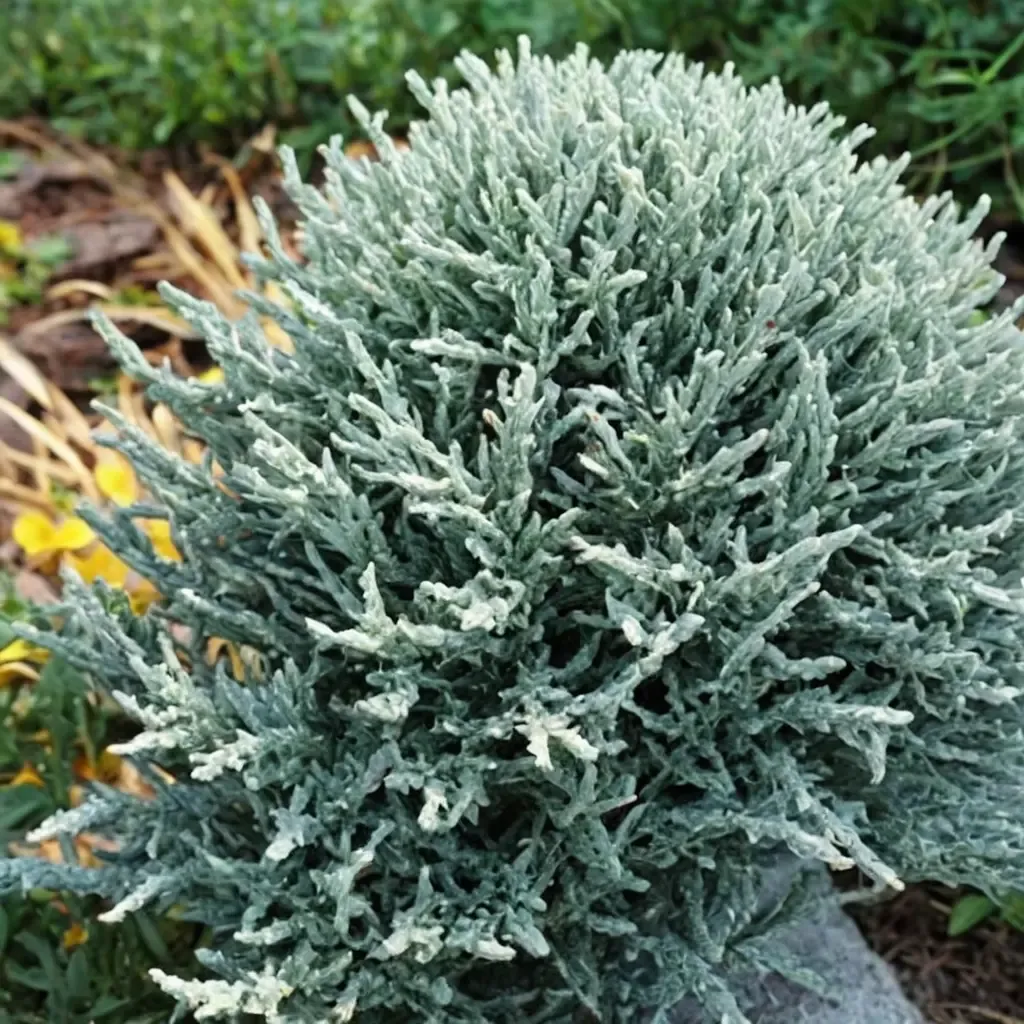
Dwarf Lavender Cotton
Santolina incana 'Nana'
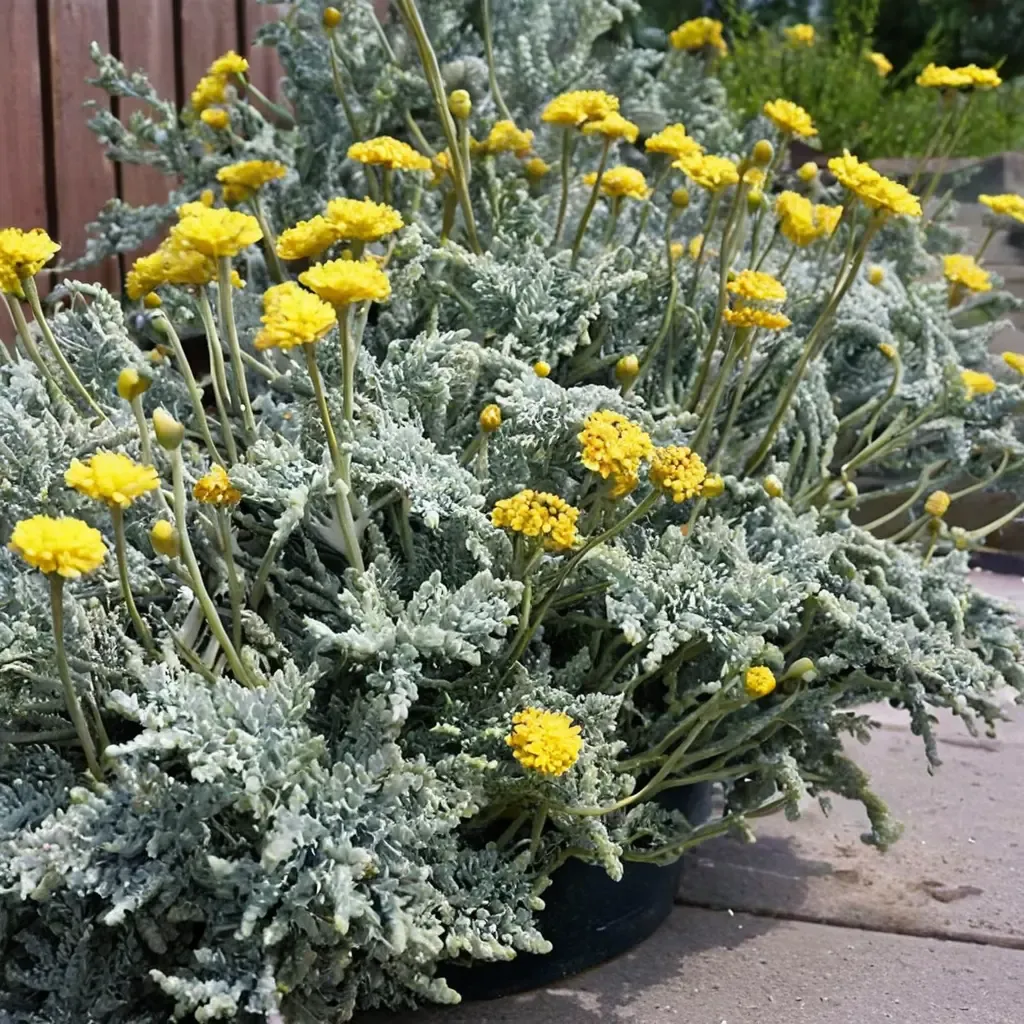
Gray Santolina
Santolina chamaecyparissus
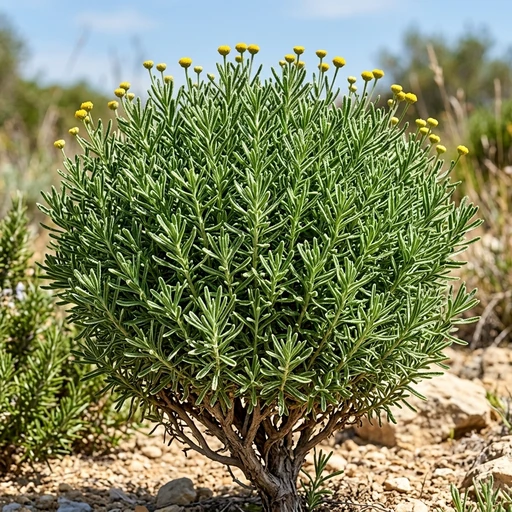
Green Lavender Cotton
Santolina rosmarinifolia
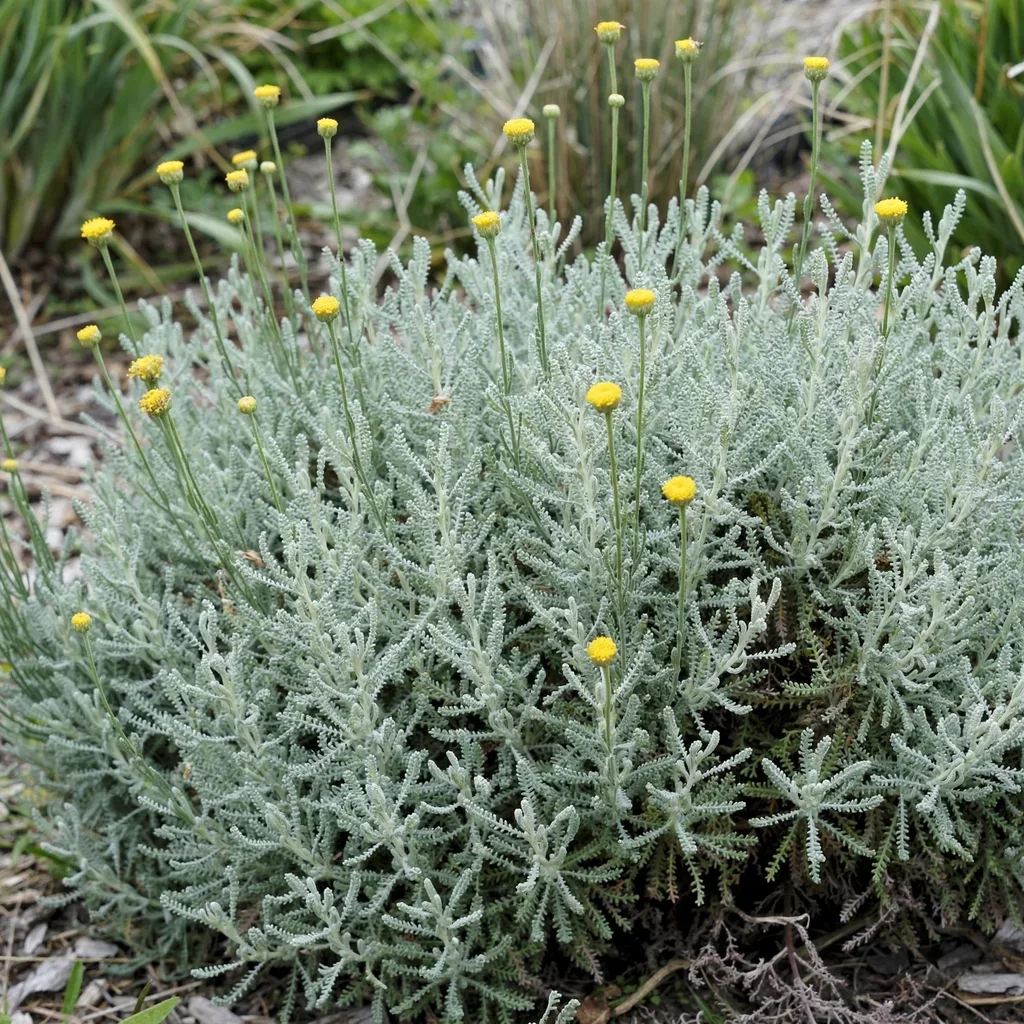
Holy Flax
Santolina ericoides
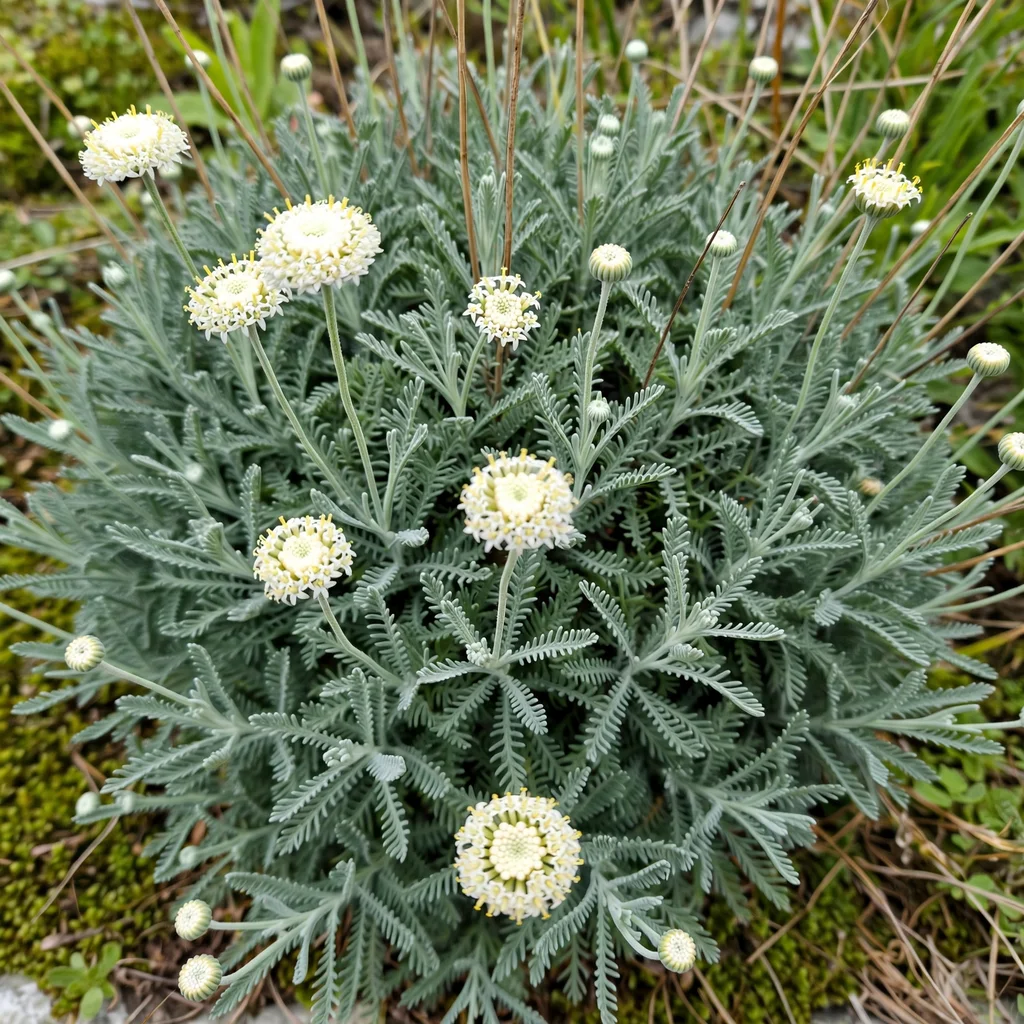
Green Santolina
Santolina pinnata
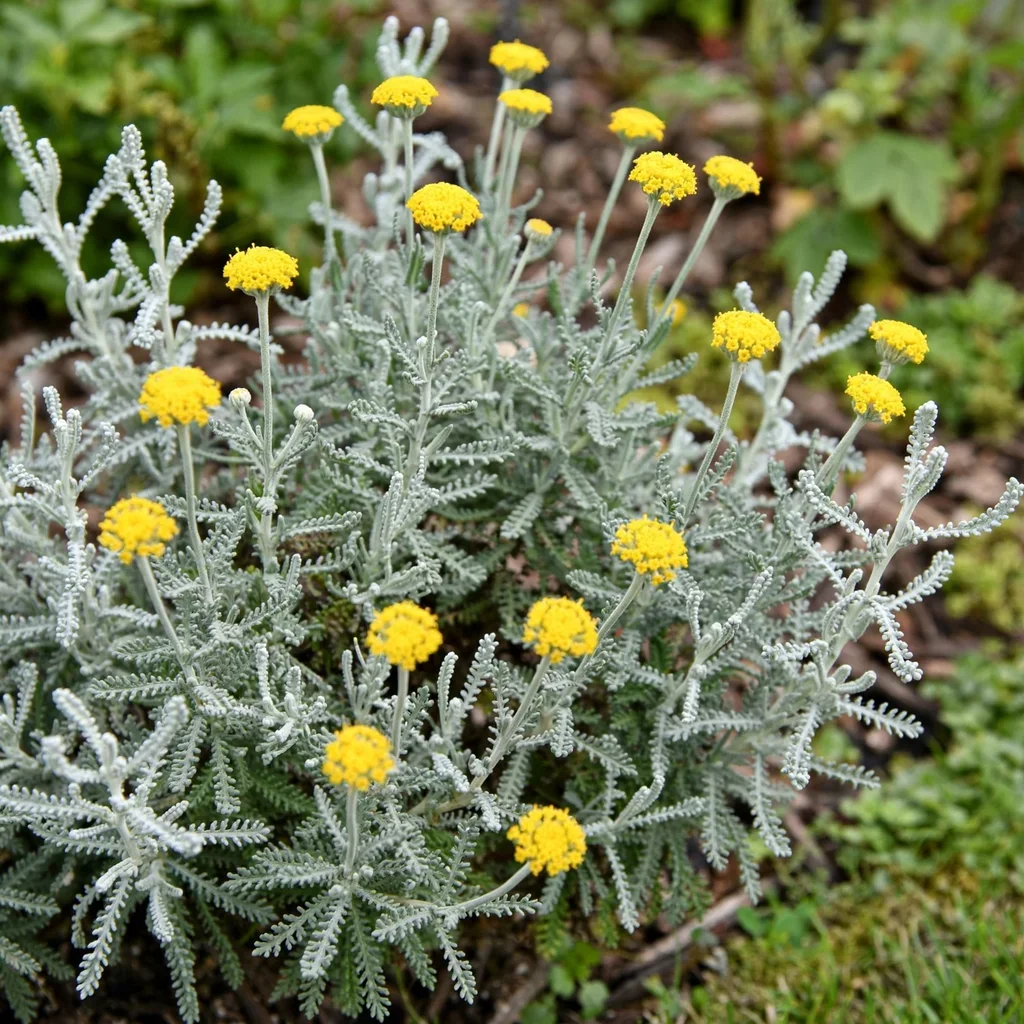
Lavender Cotton
Santolina incana
Keep exploring
Explore the genus
Hardy in your zone?
Grow Minorcan Cotton Lavender with confidence
See it in a design of your actual yard, get zone-matched care reminders, and track it season by season in your garden journal.