The Story
Plant Bio
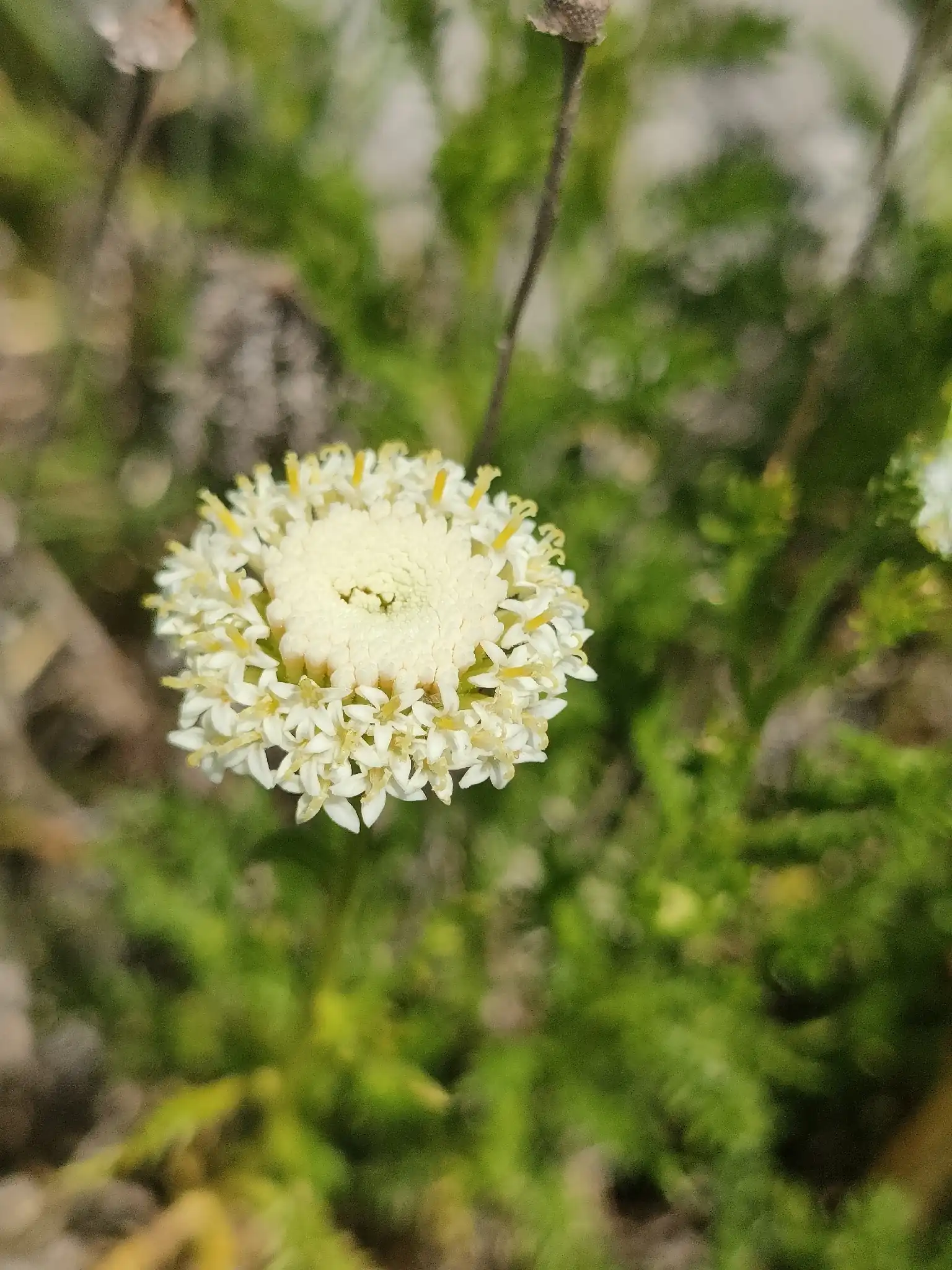
Santolina pinnata, in the daisy family, is a small aromatic evergreen subshrub that forms a broad dense mound 12 to 24 inches high and to 36 inches wide, with narrow pinnate gray-green leaves of fine feathery texture. The display is button-like heads of bright yellow florets borne singly on long wiry stalks above the foliage in summer, insect-pollinated and holding no tubular nectar for hummingbirds.
Garden plants are almost all subsp. neapolitana, the green santolina, with thinner gray-green pinnate foliage that stays compact if clipped yearly and smells resinous when bruised. It differs from grayer cotton lavenders in its greener new growth, pale to bright yellow buttons on wiry stems, and its insistence on poor dry chalk, loam or sand that drains fast and is never waterlogged.
Uses & Benefits:
Essentials
At a Glance
Plant Type
Shrub
Height
24"
Width
36"
Light
Full Sun
Zones
6, 7, 8, 9, 10
Water
Low
Humidity
Unknown
Lifespan
Evergreen subshrub
Native To
Northwest Italy
Toxicity
Non-toxic
Bloom period
Summer
In flower about 3 months of the year
Planting
How to Grow
- Plant in spring in full sun in poor, dry, sharply drained chalk, loam or sand; do not enrich the hole.
- Set the crown level with the soil surface and water in once, then water sparingly only until established.
- Let soil dry between waterings; established plants need little supplemental water.
- Shear spent flowering shoots after fade, then cut back yearly before spring growth to a few inches to keep the mound dense.
- Keep fertilizer off and keep mulch and wet foliage away from the crown.
Pro Tip
Give it the poorest sunny spot and shear the whole mound to a few inches after flowering and again before spring growth; rich soil, extra water and no clip are what leave it woody and hollow in the center.
Keep It Thriving
Care Guide
Do
- Plant in full sun with open air circulation.
- Grow in poor dry soil with excellent drainage.
- Shear after bloom and cut back hard yearly before spring growth.
- Let soil dry between waterings once established.
Don't
- Do not plant in rich soil or heavy clay that stays wet.
- Do not overwater or overhead water routinely.
- Do not fertilize heavily.
- Do not leave unpruned for years until the center turns woody and sparse.
Seasonal Care Calendar
| Task | Jan | Feb | Mar | Apr | May | Jun | Jul | Aug | Sep | Oct | Nov | Dec |
|---|---|---|---|---|---|---|---|---|---|---|---|---|
| Deadhead | ||||||||||||
| Pest Check | ||||||||||||
| Plant | ||||||||||||
| Prune | ||||||||||||
| Spring Cleanup |
Watch Out For
Pests & Diseases
Common Pests
Common Diseases
In the Garden
Landscape Uses & Companions
Landscape Uses
Good to Know
Common Questions
Green Santolina questions
What zones can Green Santolina grow in?
Green Santolina is hardy in USDA Zones 6–10: in that range it survives winter in the ground. Colder than Zone 6, grow it in a container you can move to shelter for the winter.
Is Green Santolina deer resistant?
Yes — Green Santolina is rated deer-resistant. Deer typically pass it over, though extreme hunger can override any plant's defenses.
When does Green Santolina bloom?
Green Santolina typically blooms in summer. Exact timing shifts a week or two with your zone — Sow's bloom calendar maps it to your garden.
Does Green Santolina need full sun?
Green Santolina does best in full sun (6+ hours).
Is Green Santolina drought tolerant?
Yes — once established (usually after the first full season), Green Santolina handles dry spells with minimal watering. Water deeply its first year to build the root system that makes that possible.
More Santolina to compare
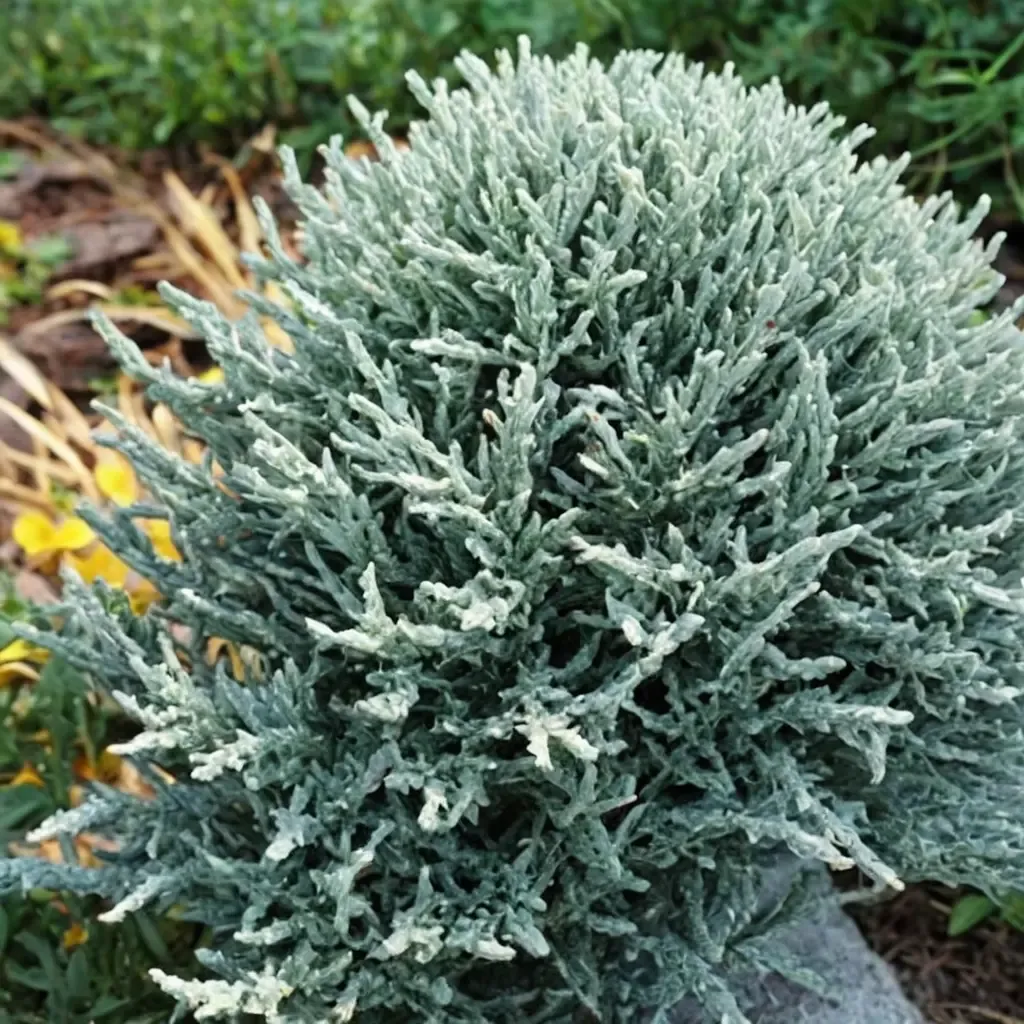
Dwarf Lavender Cotton
Santolina incana 'Nana'
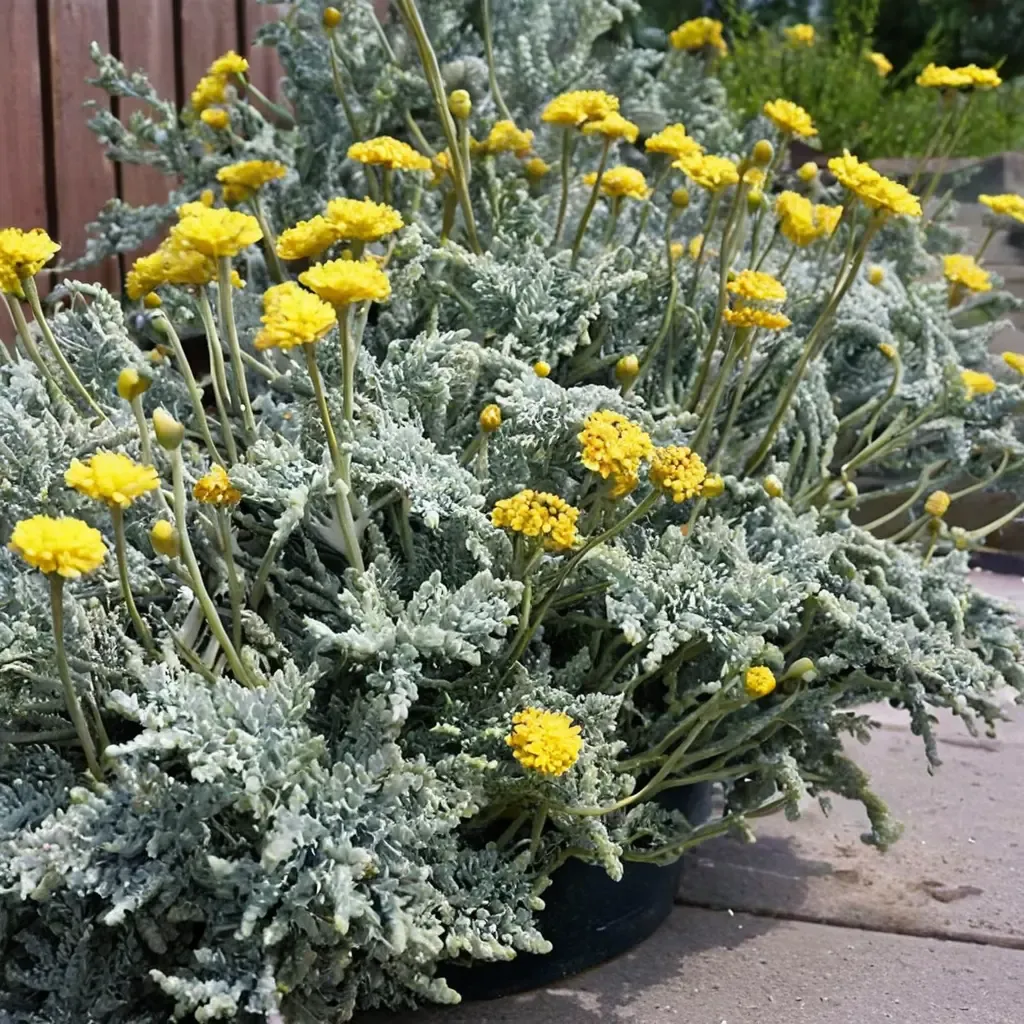
Gray Santolina
Santolina chamaecyparissus
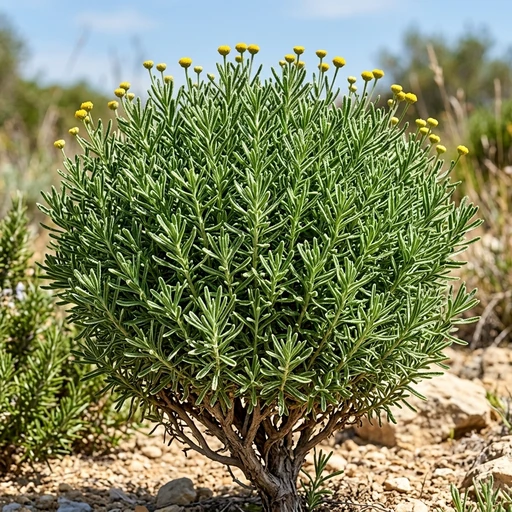
Green Lavender Cotton
Santolina rosmarinifolia
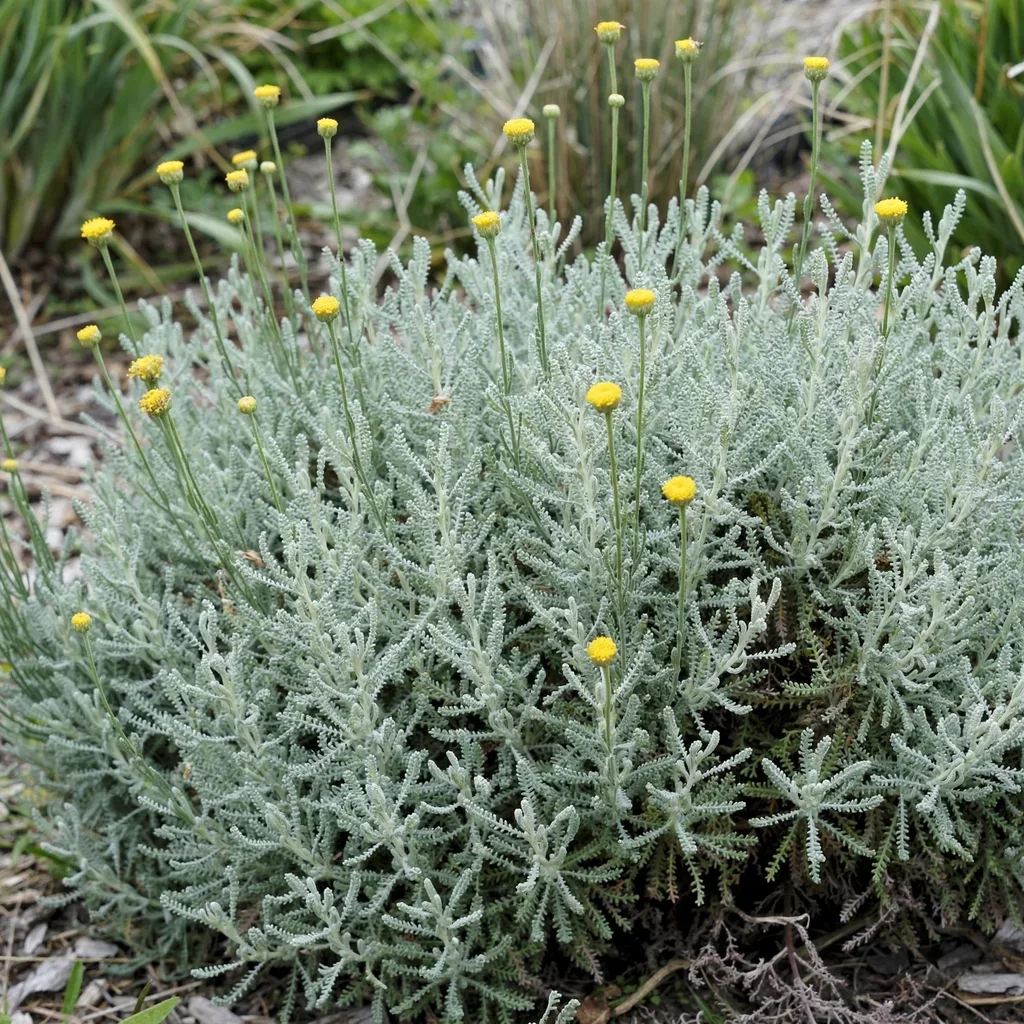
Holy Flax
Santolina ericoides
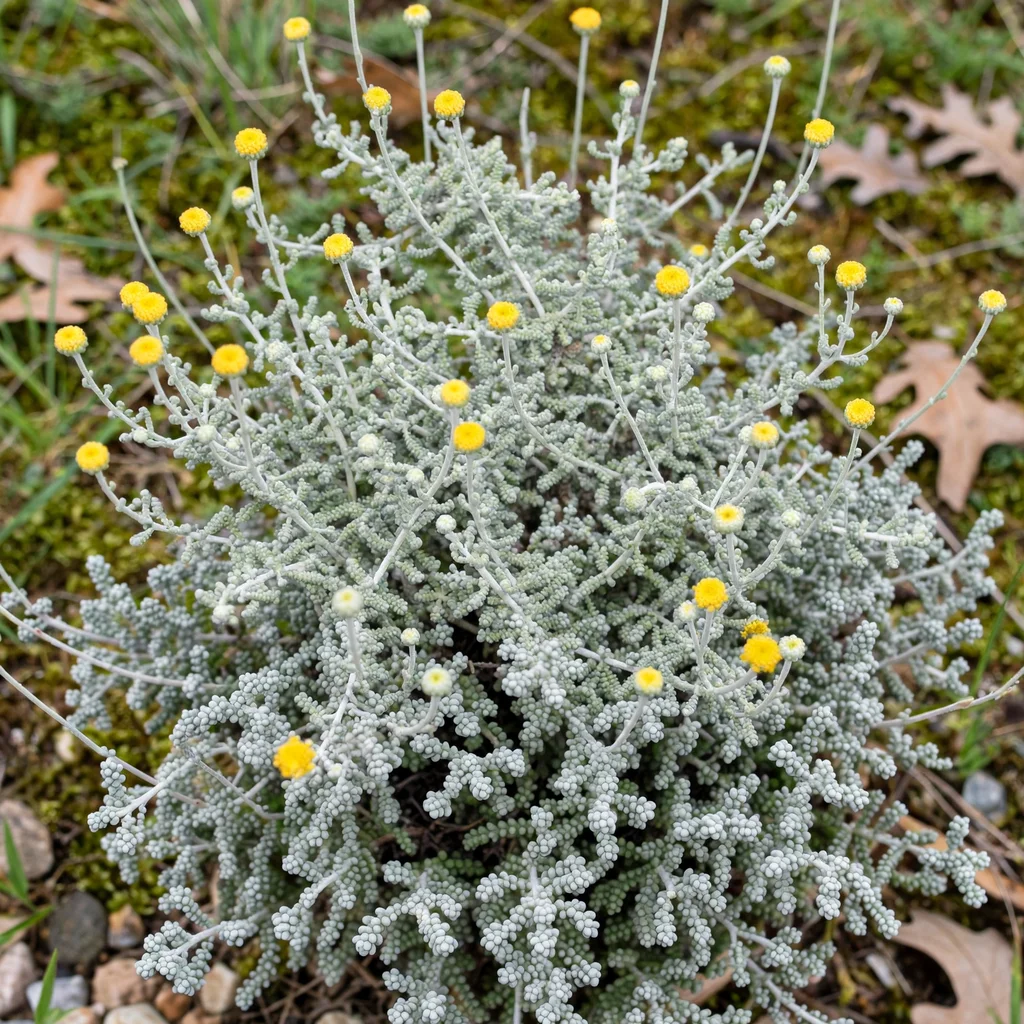
Minorcan Cotton Lavender
Santolina magonica
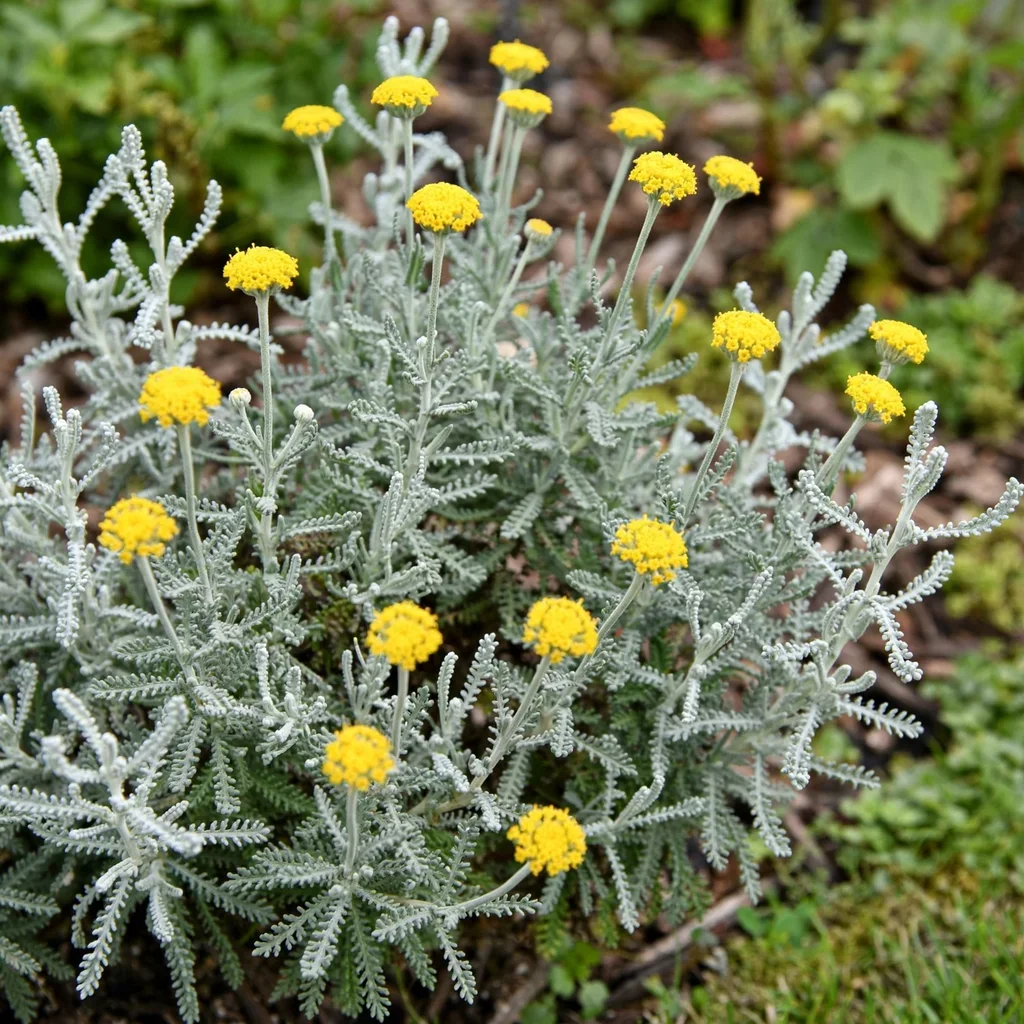
Lavender Cotton
Santolina incana
Keep exploring
Explore the genus
Hardy in your zone?
Grow Green Santolina with confidence
See it in a design of your actual yard, get zone-matched care reminders, and track it season by season in your garden journal.