The Story
Plant Bio
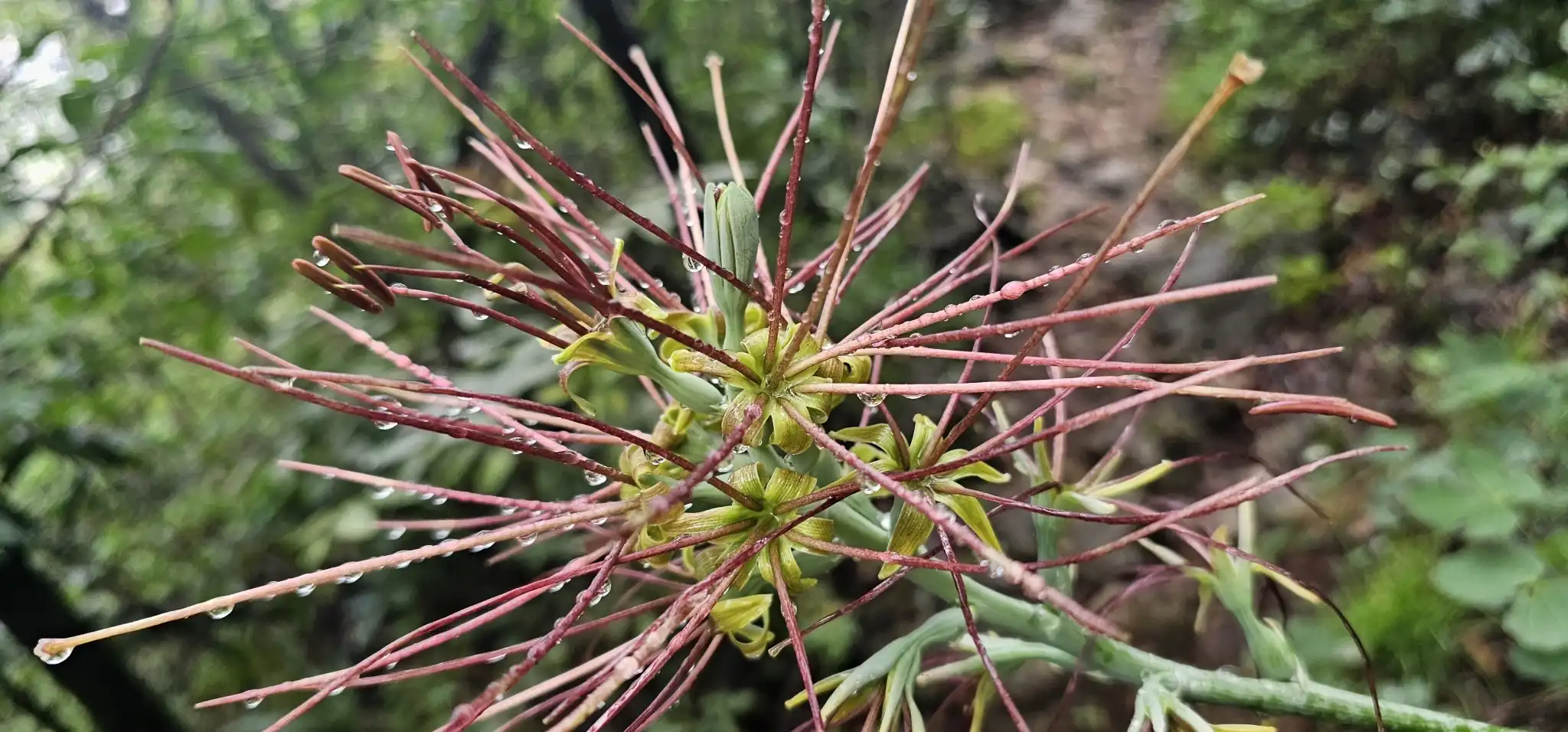
Manfreda variegata is an evergreen succulent perennial that forms a tufted rosette of sword-shaped, deeply channeled leaves about 14 inches high and 16 inches wide. It grows from a fleshy tuberous crown and sends up a branched flower spike to four feet with tubular fragrant blooms from spring into summer.
This species carries dark green leaves mottled with pale green and burgundy-brown elongated spots and edged with small distant teeth. Its flowers open dark burgundy-red with brown tones rather than the pale tones of many tuberose relatives, and the scent draws hummingbirds and night-flying moths.
Uses & Benefits:
Essentials
At a Glance
Plant Type
Cactus Succulent
Height
14"
Width
16"
Light
Full Sun, Partial Sun
Zones
7, 8, 9, 10
Water
Low
Humidity
Low with good air circulation
Lifespan
Perennial
Native To
South Texas to central Mexico
Toxicity
Unknown - may irritate skin
Bloom period
Spring – Summer
In flower about 6 months of the year
Planting
How to Grow
- Set plants in full sun, with afternoon shade in hot inland gardens, in sandy or rocky loam that drains in seconds.
- Plant the crown just above soil level in a shallow wide hole or a container just wider than the rosette.
- Water deeply at planting, then let the soil dry fully between waterings; keep winter soil almost dry.
- Feed sparingly once in spring with a dilute balanced fertilizer; excess nitrogen softens the leaves.
- Remove the spent flower spike at the base and pull spotted outer leaves to keep air moving.
Pro Tip
Plant it high in gritty, fast-draining soil and withhold summer water once established; standing water rots the crown faster than cold.
Keep It Thriving
Care Guide
Do
- Give full sun and sharp drainage with gravel or coarse sand worked through the root zone.
- Allow soil to dry between waterings and keep the crown dry in winter.
- Leave the rosette intact; remove only the finished flower stalk and damaged leaves.
Don't
- Do not plant in low spots or heavy soil that holds standing water.
- Do not overwater in summer or cut the rosette back each year.
- Do not use rich moisture-holding mulch piled against the crown.
Seasonal Care Calendar
| Task | Jan | Feb | Mar | Apr | May | Jun | Jul | Aug | Sep | Oct | Nov | Dec |
|---|---|---|---|---|---|---|---|---|---|---|---|---|
| Deadhead | ||||||||||||
| Pest Check | ||||||||||||
| Plant | ||||||||||||
| Spring Cleanup | ||||||||||||
| Winter Prep |
Watch Out For
Pests & Diseases
Common Pests
Common Diseases
In the Garden
Landscape Uses & Companions
Landscape Uses
Companion Plants
Multiply
Propagation Methods
Good to Know
Common Questions
Mottled Tuberose questions
What zones can Mottled Tuberose grow in?
Mottled Tuberose is hardy in USDA Zones 7–10: in that range it survives winter in the ground. Colder than Zone 7, grow it in a container you can move to shelter for the winter, or as an annual.
Is Mottled Tuberose deer resistant?
Yes — Mottled Tuberose is rated deer-resistant. Deer typically pass it over, though extreme hunger can override any plant's defenses.
When does Mottled Tuberose bloom?
Mottled Tuberose typically blooms from spring to summer. Exact timing shifts a week or two with your zone — Sow's bloom calendar maps it to your garden.
Does Mottled Tuberose need full sun?
Mottled Tuberose does best in full sun to part shade. In hot climates, afternoon shade keeps blooms fresher longer.
Is Mottled Tuberose drought tolerant?
Yes — once established (usually after the first full season), Mottled Tuberose handles dry spells with minimal watering. Water deeply its first year to build the root system that makes that possible.
More Manfreda to compare
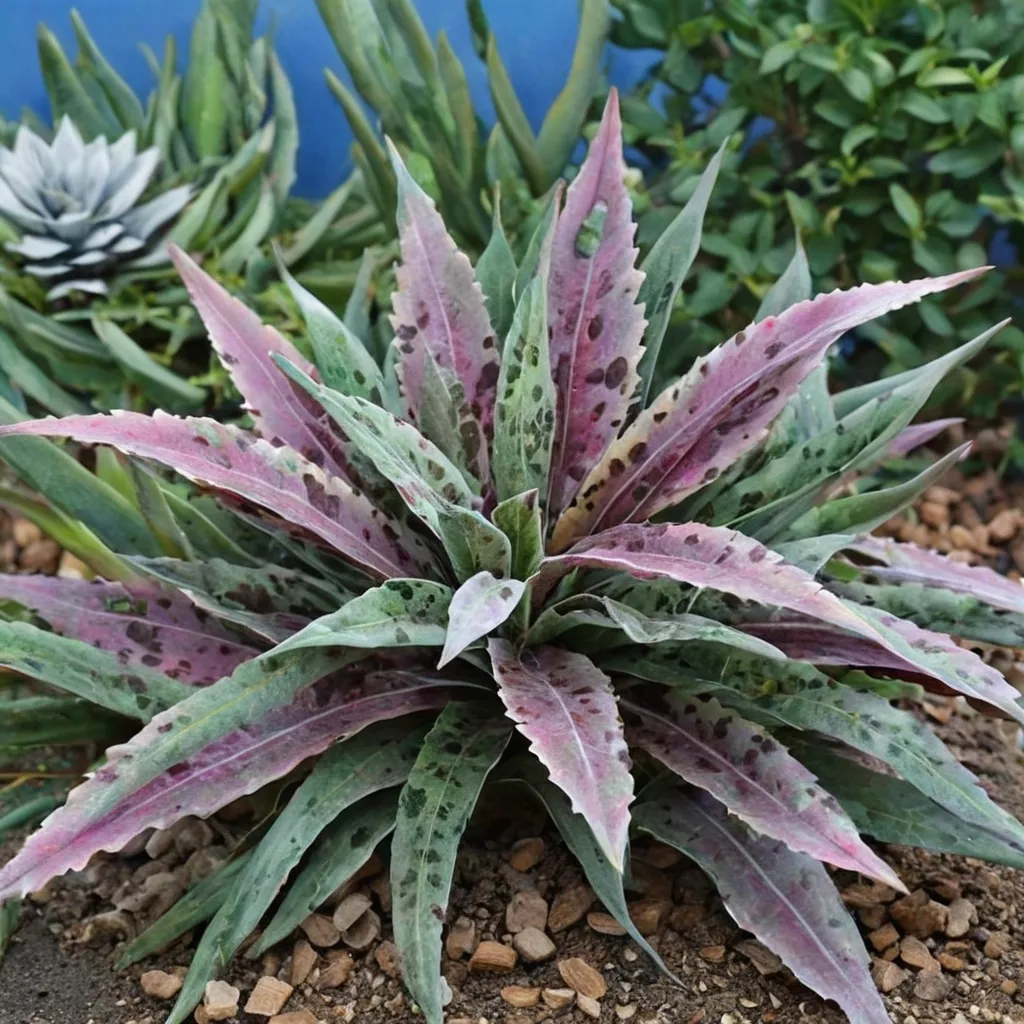
Manfreda x hybrida
Manfreda x hybrida
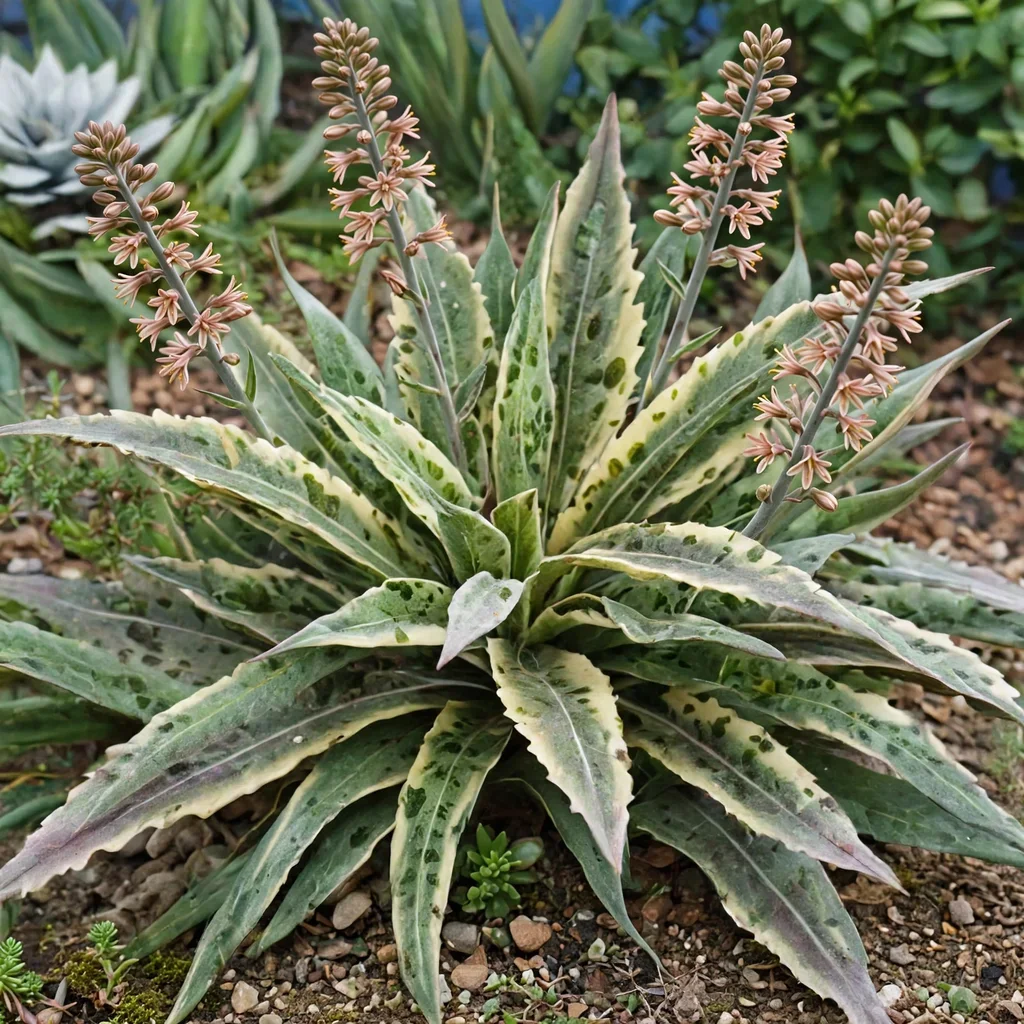
Mangave
Manfreda x hybrida 'Anderson'
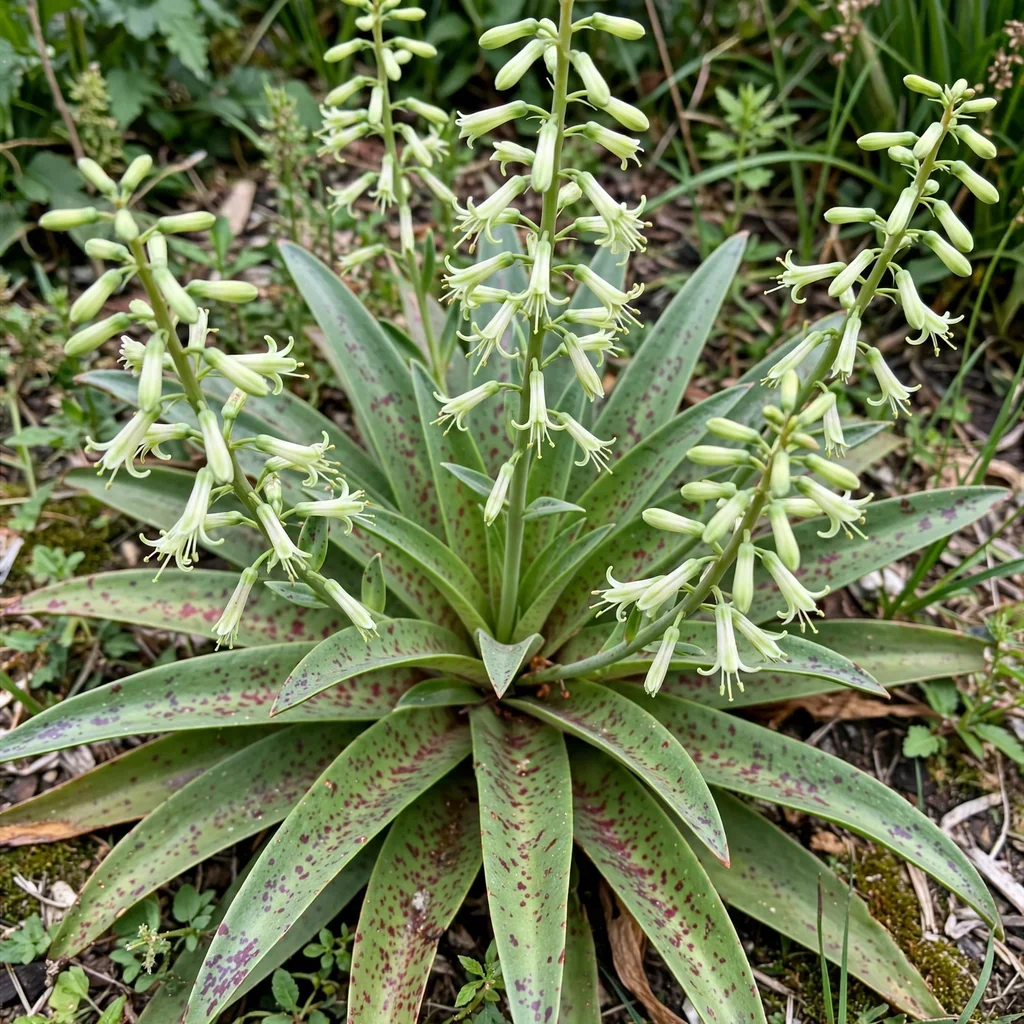
Manfreda brachystachya
Manfreda brachystachys
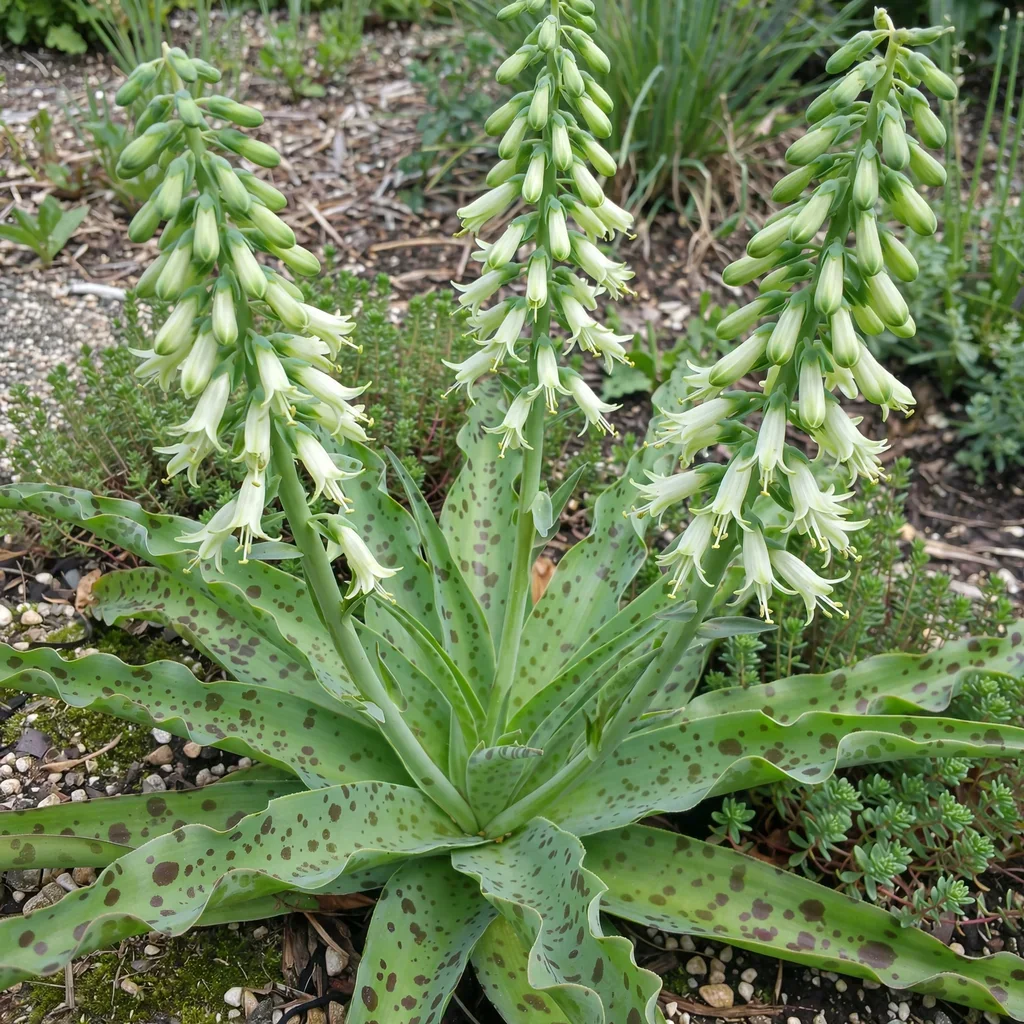
Siler's Tuberose
Manfreda sileri
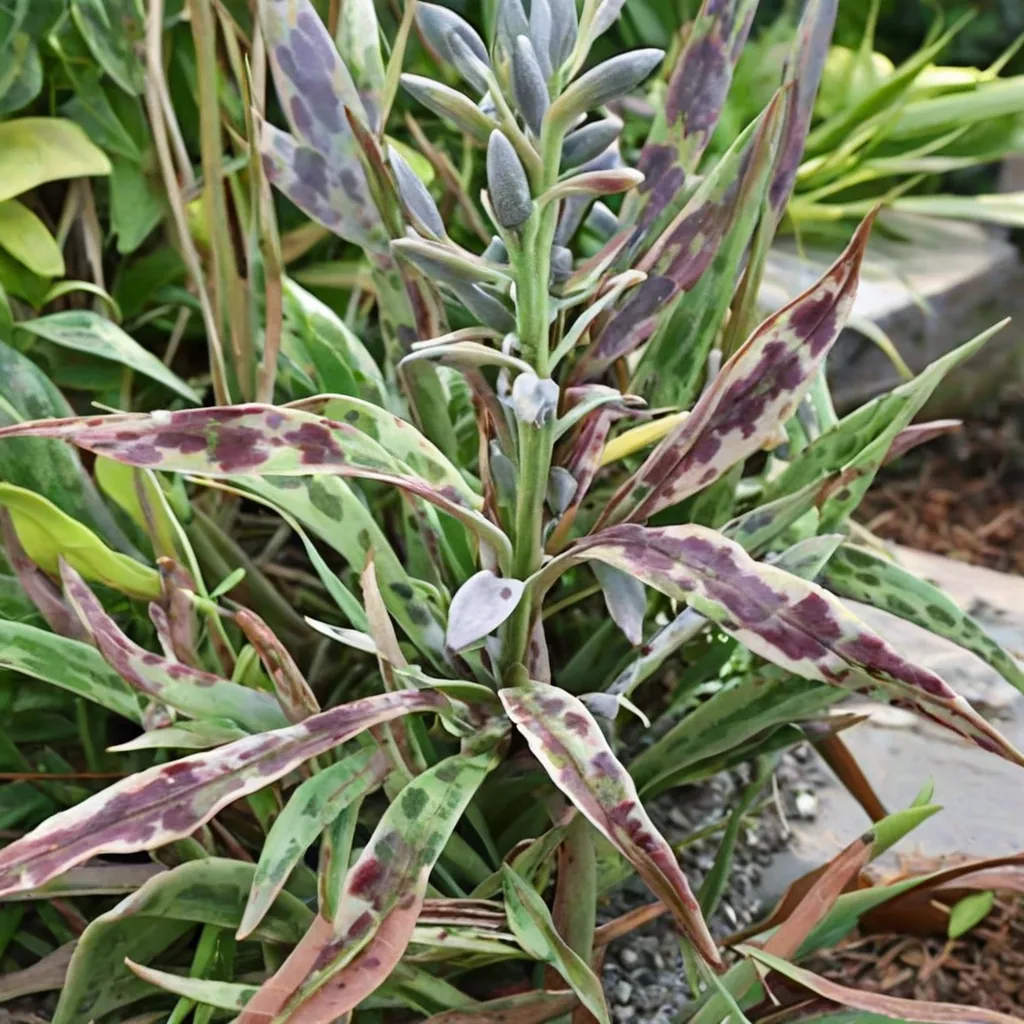
Texas Tuberose
Manfreda maculosa
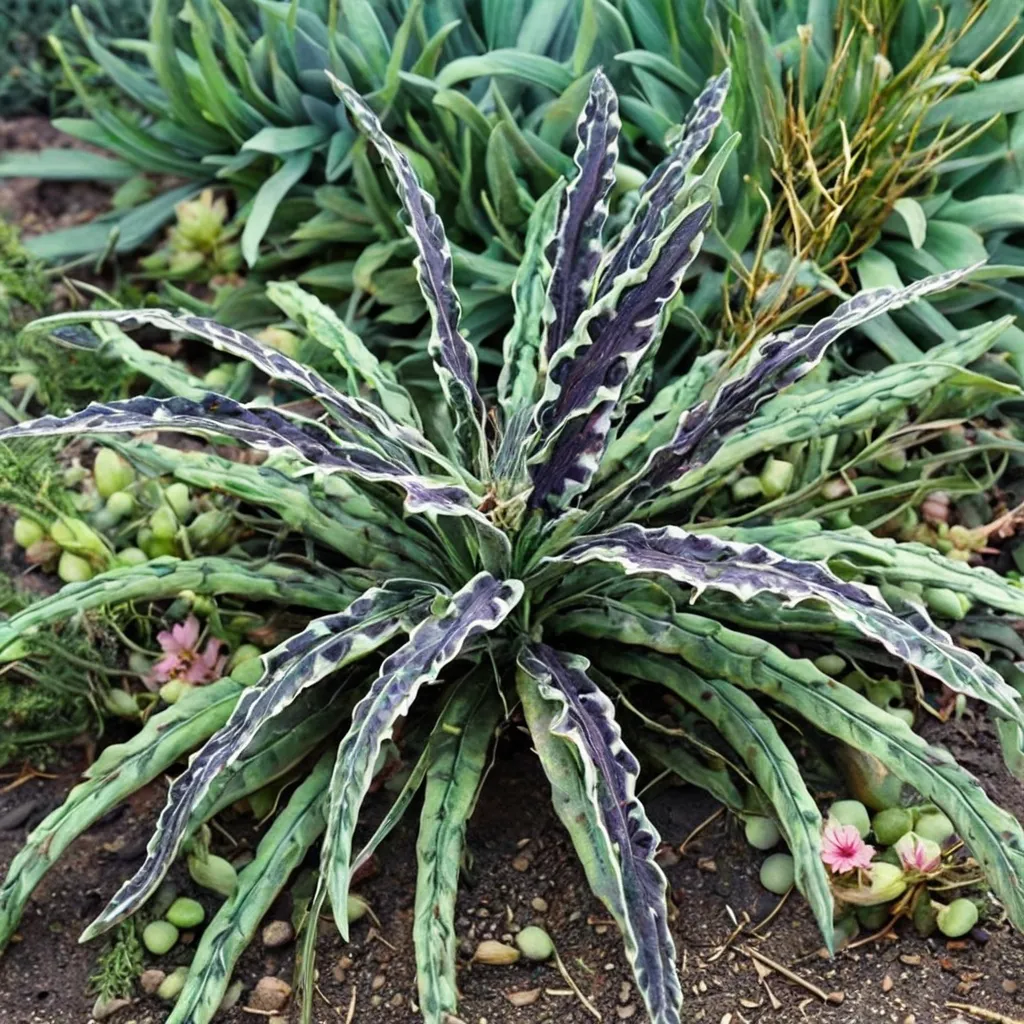
Wavy False Agave
Manfreda undulata
Keep exploring
Explore the genus
Hardy in your zone?
Grow Mottled Tuberose with confidence
See it in a design of your actual yard, get zone-matched care reminders, and track it season by season in your garden journal.