The Story
Plant Bio
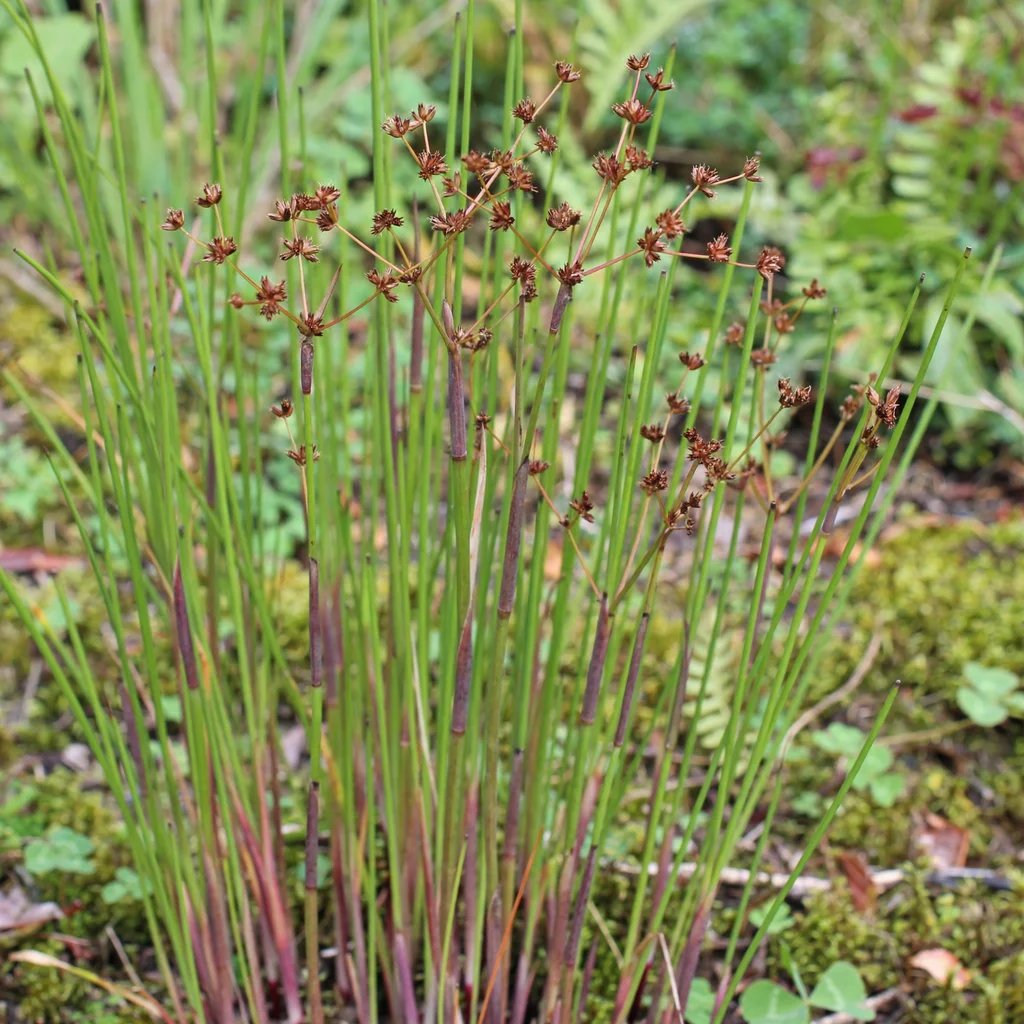
Juncus acuminatus is a tufted, perennial wetland rush native across North and Central America, forming dense erect clumps up to three feet tall. Its cylindrical foliage features internal horizontal cross-walls felt when compressed between fingers, topped in summer by branched clusters of small reddish-brown flower heads.
The foliage and stems develop purplish-red tones as flowers mature into early fall. The pointed, sharp-fruited seed capsules remain intact through autumn, providing structural interest and seed for wetland birds.
Uses & Benefits:
Essentials
At a Glance
Plant Type
Perennial
Height
36"
Width
24"
Light
Full Sun, Partial Sun
Zones
4, 5, 6, 7, 8, 9
Water
High
Humidity
Moderate to high
Lifespan
Perennial
Native To
North and Central America
Toxicity
Non-toxic
Bloom period
Summer – Early fall
In flower about 4 months of the year
Planting
How to Grow
- Select a planting site in full sun to partial shade with consistently moist soil or standing water up to two inches deep.
- Space plants 18 to 24 inches apart to accommodate mature tussock spread.
- Set the plant crown flush with the surrounding soil level and tamp down firmly to remove air pockets.
- Keep soil saturated during the first growing season until the root system establishes fully.
Pro Tip
Cut back old, weathered culms to four inches above the crown in late winter to allow fresh spring growth to emerge unobstructed.
Keep It Thriving
Care Guide
Do
- Keep soil continuously moist to submerged under shallow water.
- Prune dead foliage back to four inches in late winter.
- Divide dense, overgrown clumps in early spring as new growth starts.
Don't
- Do not allow soil to dry out completely during the initial establishment period.
- Do not apply heavy synthetic nitrogen fertilizers, which spur weak and floppy stem growth.
- Do not submerge crown deeper than three inches under standing water.
Seasonal Care Calendar
| Task | Jan | Feb | Mar | Apr | May | Jun | Jul | Aug | Sep | Oct | Nov | Dec |
|---|---|---|---|---|---|---|---|---|---|---|---|---|
| Divide | ||||||||||||
| Pest Check | ||||||||||||
| Plant | ||||||||||||
| Prune |
Watch Out For
Pests & Diseases
Common Pests
Common Diseases
In the Garden
Landscape Uses & Companions
Landscape Uses
Multiply
Propagation Methods
Good to Know
Common Questions
Tapertip Rush questions
What zones can Tapertip Rush grow in?
Tapertip Rush is hardy in USDA Zones 4–9: in that range it survives winter in the ground. Warmer than Zone 9, winter isn't the problem: it prefers colder winters, and summer heat can shorten its life.
Is Tapertip Rush deer resistant?
Yes — Tapertip Rush is rated deer-resistant. Deer typically pass it over, though extreme hunger can override any plant's defenses.
When does Tapertip Rush bloom?
Tapertip Rush typically blooms from early summer to early fall. Exact timing shifts a week or two with your zone — Sow's bloom calendar maps it to your garden.
Does Tapertip Rush need full sun?
Tapertip Rush does best in full sun to part shade. In hot climates, afternoon shade keeps blooms fresher longer.
Is Tapertip Rush drought tolerant?
Yes — once established (usually after the first full season), Tapertip Rush handles dry spells with minimal watering. Water deeply its first year to build the root system that makes that possible.
More Juncus to compare
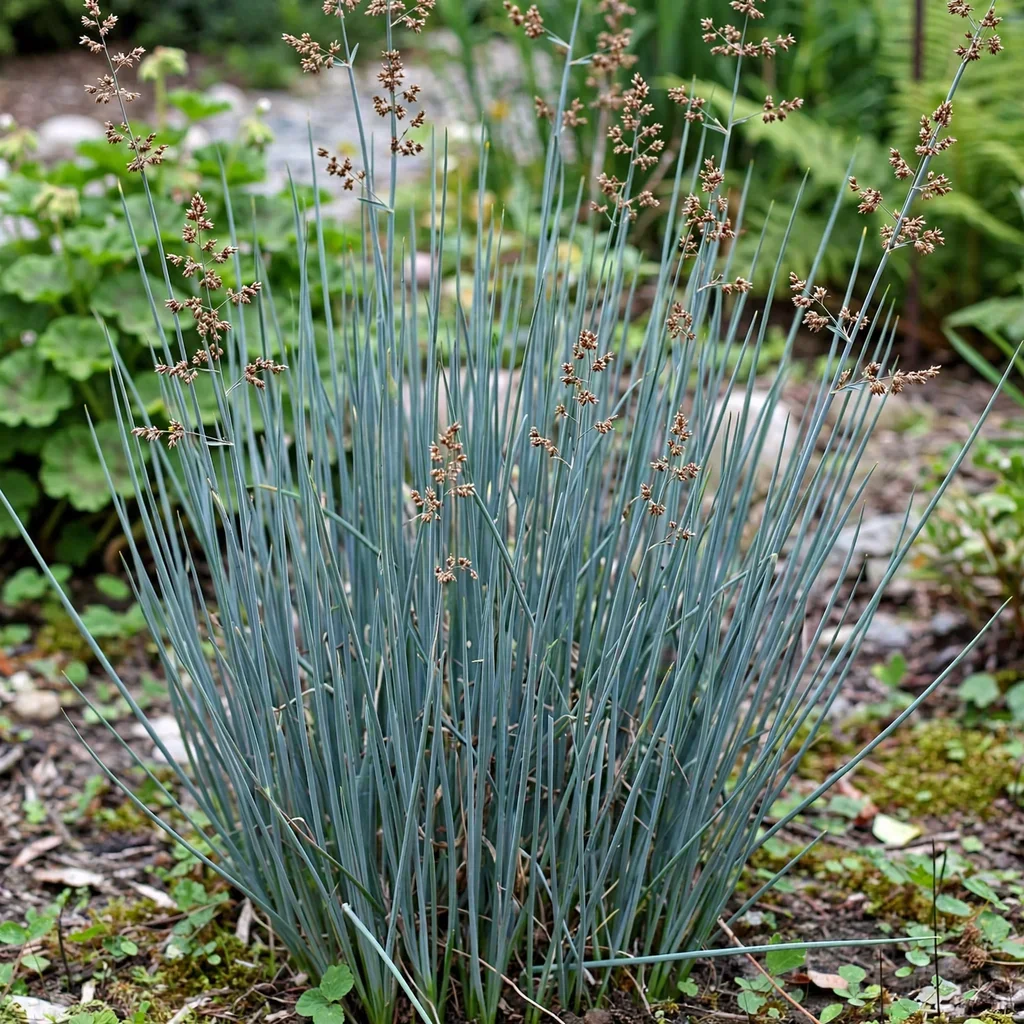
Blue Arrows Soft Rush
Juncus effusus 'Blue Arrows'
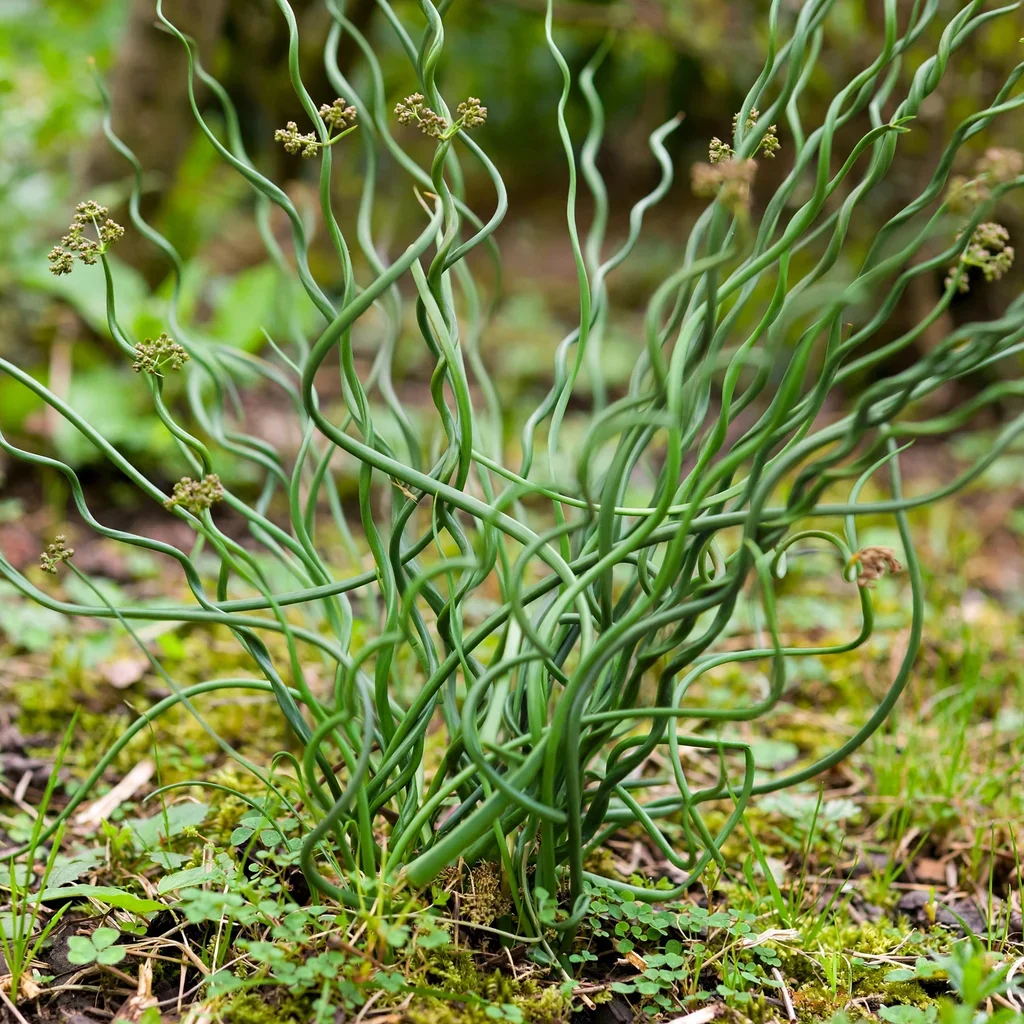
Spiralis Corkscrew Rush
Juncus compactus 'Spiralis'
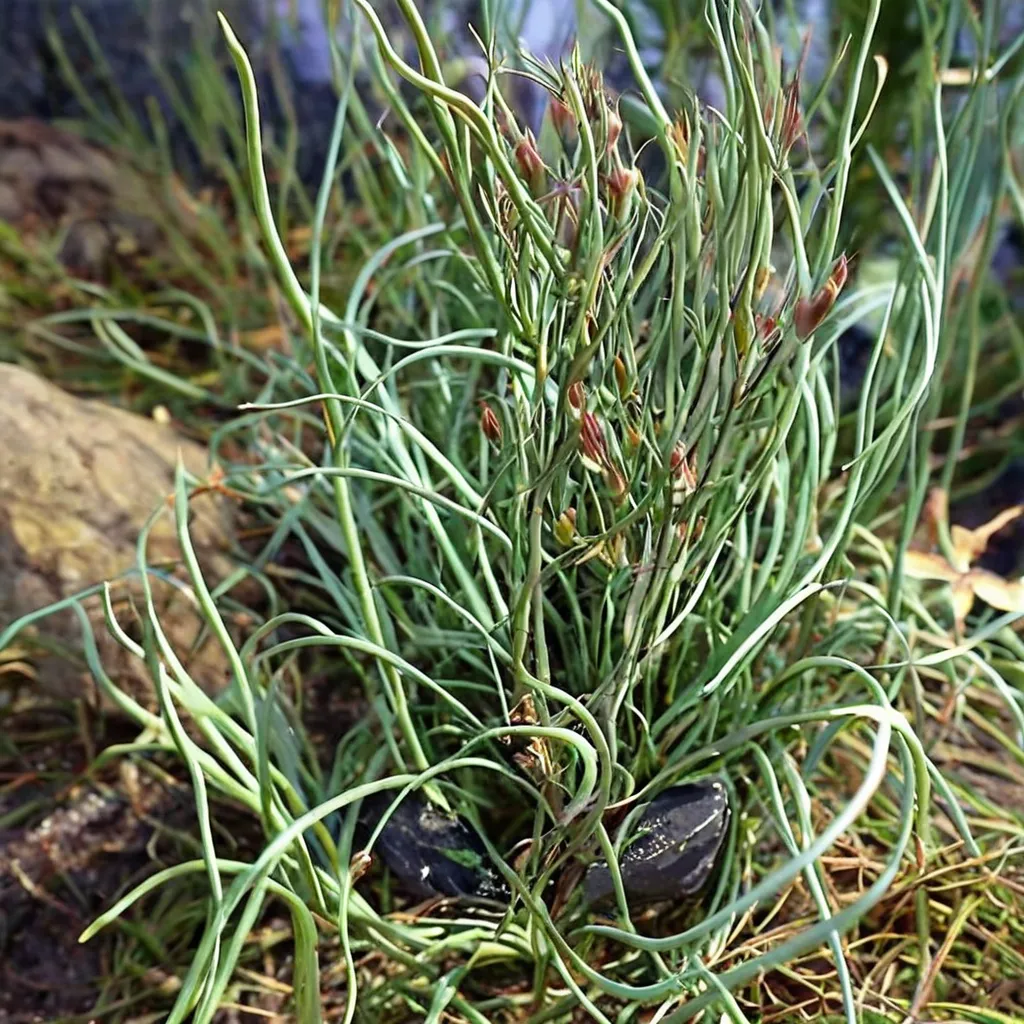
Blue Arrows Rush
Juncus inflexus 'Afro'
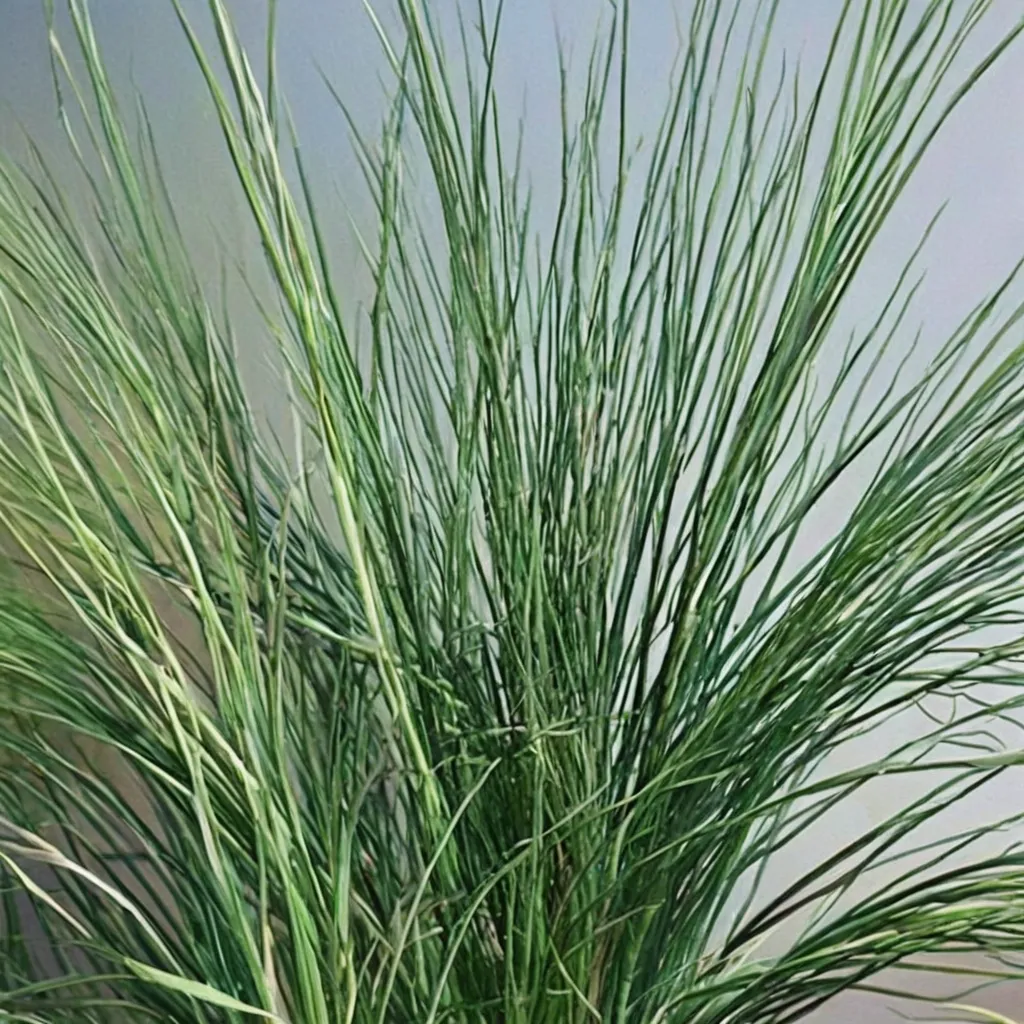
Blue Rush
Juncus inflexus 'Lovesick Blues'
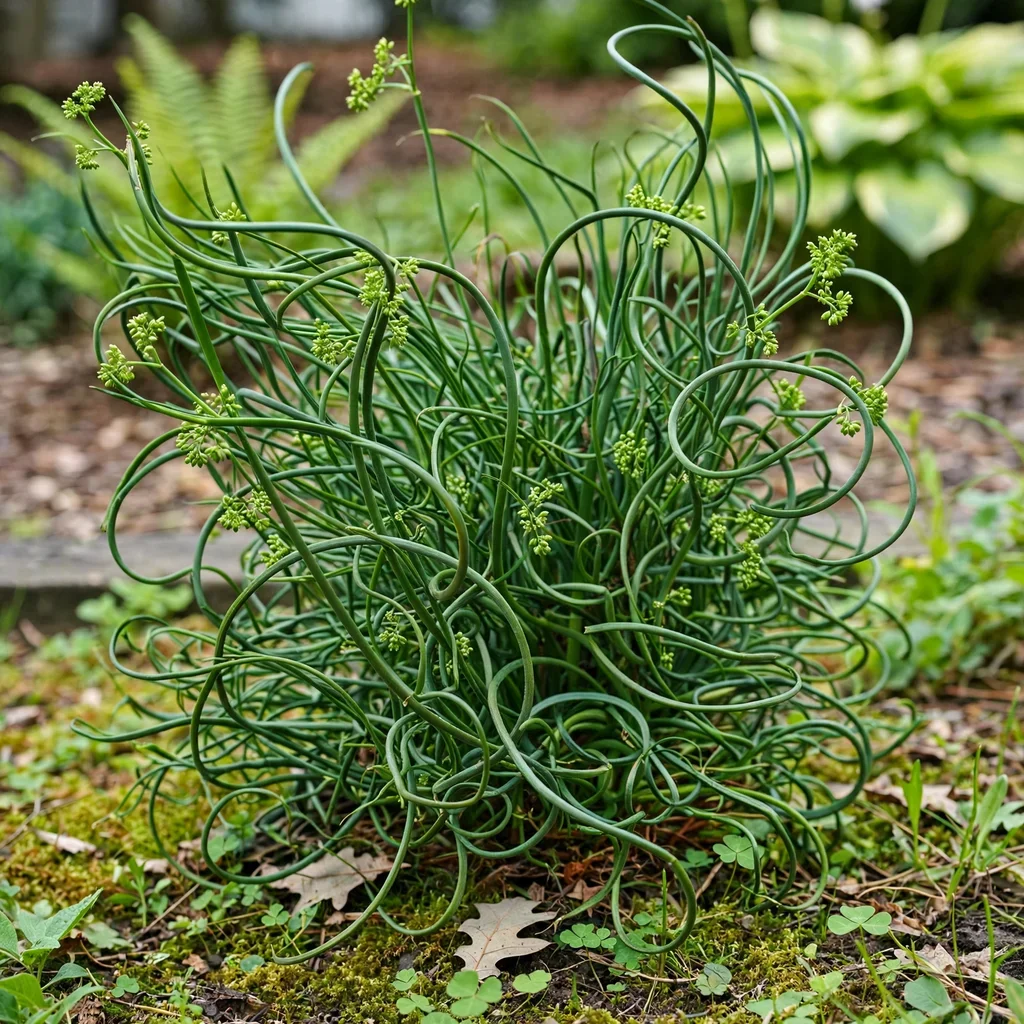
Big Twister Soft Rush
Juncus effusus 'Big Twister'
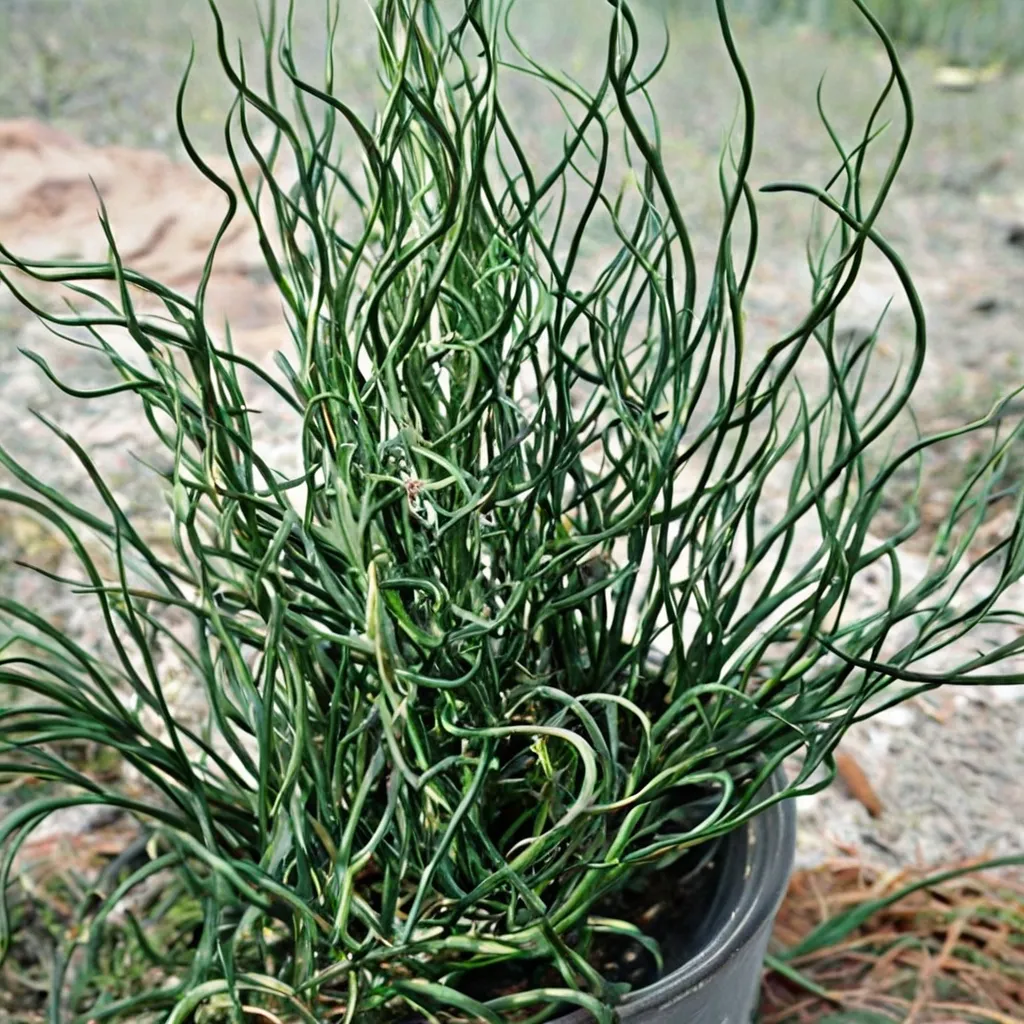
Curly Wurly Corkscrew Rush
Juncus effusus 'Curly Wurly'
Keep exploring
Explore the genus
Grow Tapertip Rush with confidence
See it in a design of your actual yard, get zone-matched care reminders, and track it season by season in your garden journal.