The Story
Plant Bio
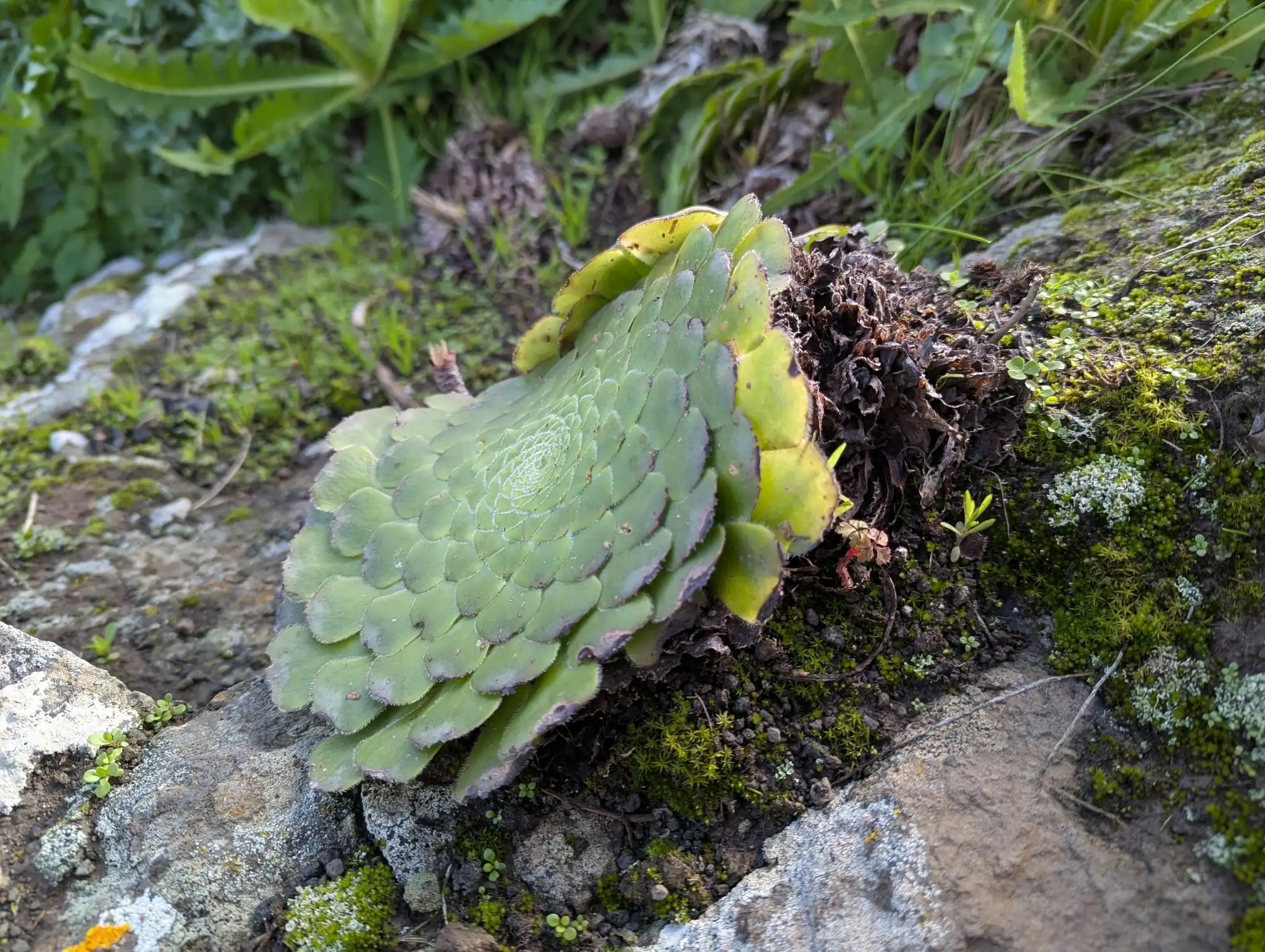
Aeonium tabuliforme is a stemless succulent from Tenerife that forms a single ground-hugging disc 10 to 20 inches across and only 2 to 6 inches tall. The pale to bright green leaves are fleshy, densely overlapping and pressed flat into a table, with new growth bright green at the center.
Unlike clumping aeoniums it usually holds one perfectly flat rosette and stays stemless until maturity. The rosette is monocarpic, sending up a 20-inch branched cone of small starry yellow flowers in late spring and then dying, leaving seed or any offsets to carry on.
Uses & Benefits:
Essentials
At a Glance
Plant Type
Cactus Succulent
Height
6"
Width
18"
Light
Full Sun, Partial Sun
Zones
9, 10
Water
Low
Humidity
Tolerant
Lifespan
Monocarpic, several years
Native To
Tenerife, Canary Islands
Toxicity
Non-toxic to humans and pets
Bloom period
Late spring – Early summer
In flower about 2 months of the year
Planting
How to Grow
- Plant in sharply drained cactus mix amended with coarse grit in a shallow clay pot with drainage.
- Give full sun to light shade, with afternoon shade in hot areas and bright light indoors.
- Water deeply when the mix is dry during fall through spring growth; withhold most water in mid-summer dormancy.
- Keep above 30F; grow outdoors in zones 9-11 and move indoors for winter elsewhere.
- Angle the rosette so water sheds off the crown and never puddles in the center.
Pro Tip
Tilt the pot or set the plant on a slope so water runs straight off the crown; water during cool winter growth and keep it almost dry through summer dormancy.
Keep It Thriving
Care Guide
Do
- Give afternoon shade in hot climates
- Water mainly during cool-season growth
- Use gritty fast-draining cactus mix
- Remove dead lower leaves to improve air flow
Don't
- Do not overwater or mist the crown
- Do not let the pot sit wet or puddle
- Do not cut into old leafless wood
- Do not fertilize heavily
Seasonal Care Calendar
| Task | Jan | Feb | Mar | Apr | May | Jun | Jul | Aug | Sep | Oct | Nov | Dec |
|---|---|---|---|---|---|---|---|---|---|---|---|---|
| Pest Check | ||||||||||||
| Plant | ||||||||||||
| Propagate | ||||||||||||
| Prune | ||||||||||||
| Winter Prep |
Watch Out For
Pests & Diseases
Common Pests
Common Diseases
In the Garden
Landscape Uses & Companions
Landscape Uses
Multiply
Propagation Methods
Good to Know
Common Questions
Dinner Plate Aeonium questions
What zones can Dinner Plate Aeonium grow in?
Dinner Plate Aeonium is hardy in USDA Zones 9–10: in that range it survives winter in the ground. Colder than Zone 9, grow it in a container you can move to shelter for the winter, or as an annual.
When does Dinner Plate Aeonium bloom?
Dinner Plate Aeonium typically blooms from late spring to early summer. Exact timing shifts a week or two with your zone — Sow's bloom calendar maps it to your garden.
Does Dinner Plate Aeonium need full sun?
Dinner Plate Aeonium does best in full sun to part shade. In hot climates, afternoon shade keeps blooms fresher longer.
Is Dinner Plate Aeonium drought tolerant?
Yes — once established (usually after the first full season), Dinner Plate Aeonium handles dry spells with minimal watering. Water deeply its first year to build the root system that makes that possible.
More Aeonium to compare
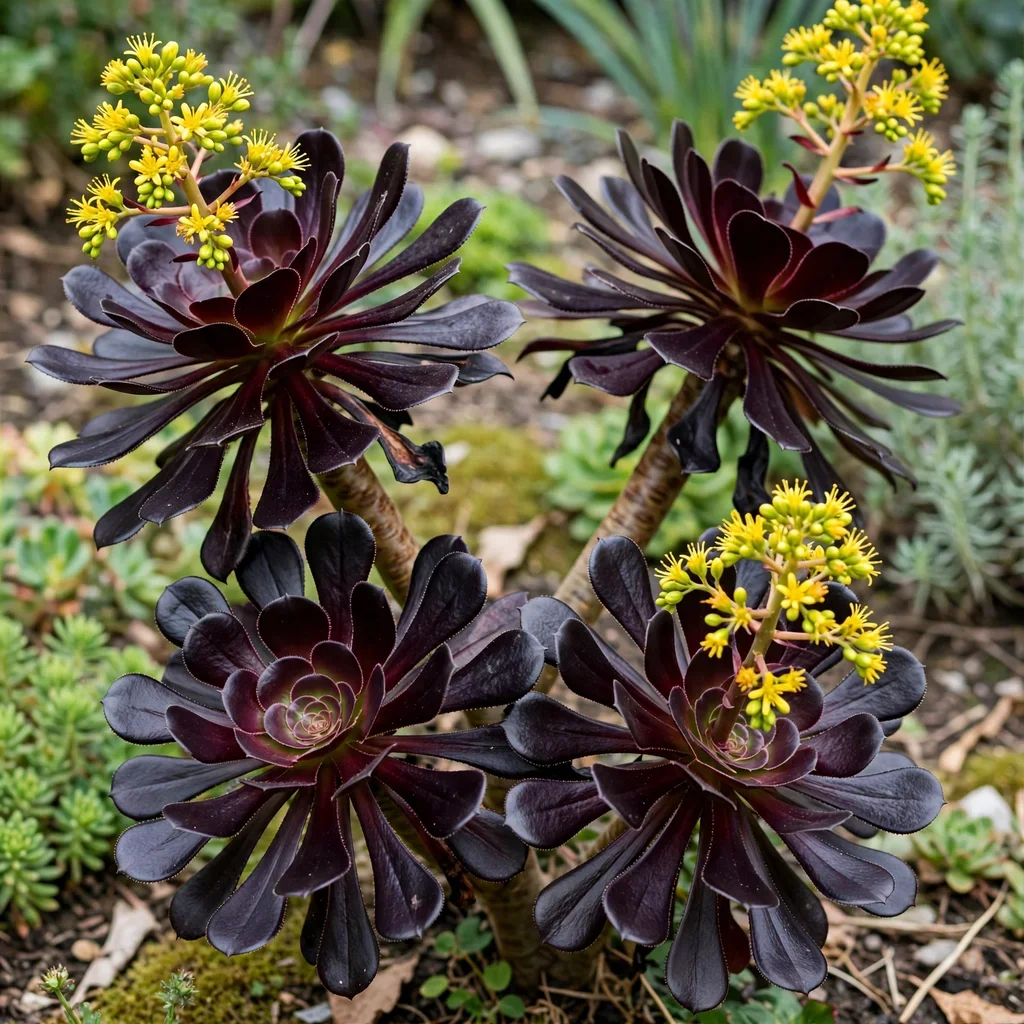
Black Rose Aeonium
Aeonium arboreum 'Zwartkop'
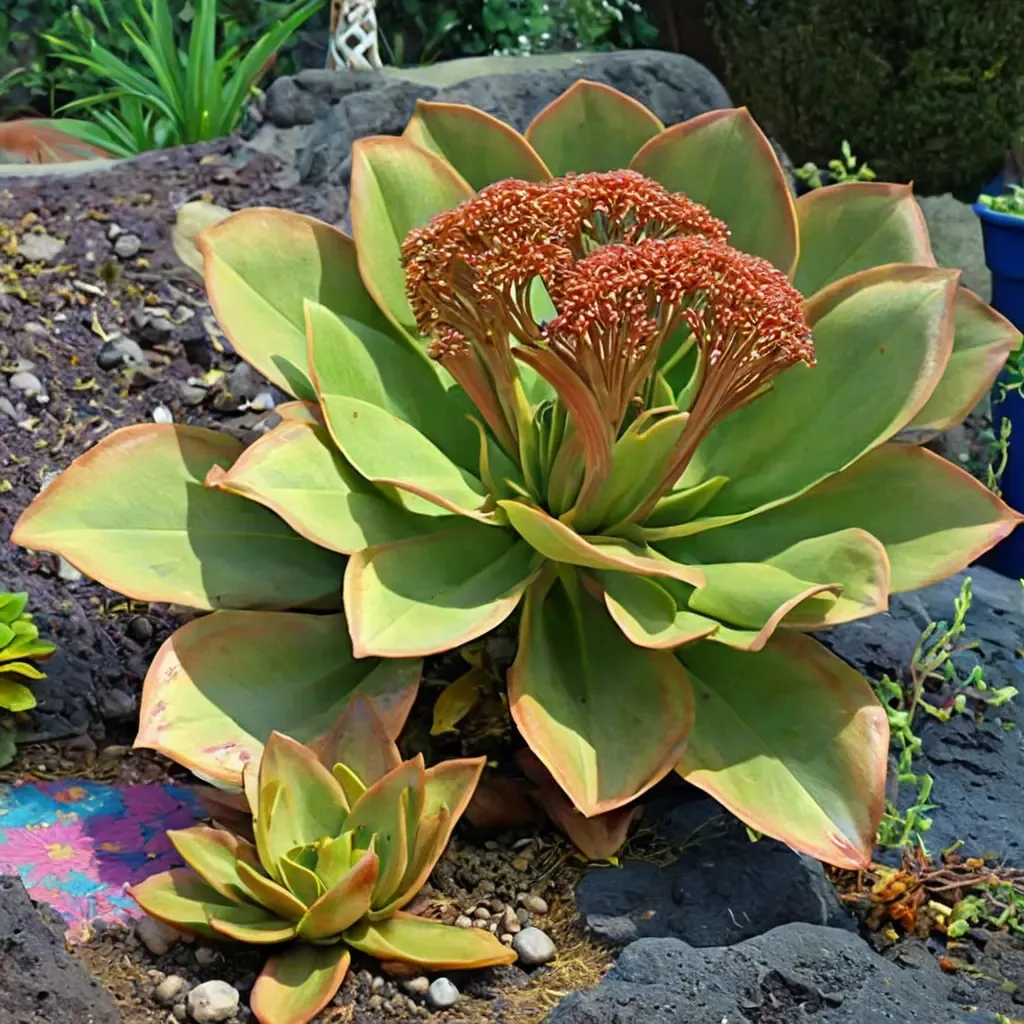
Noble Aeonium
Aeonium nobile
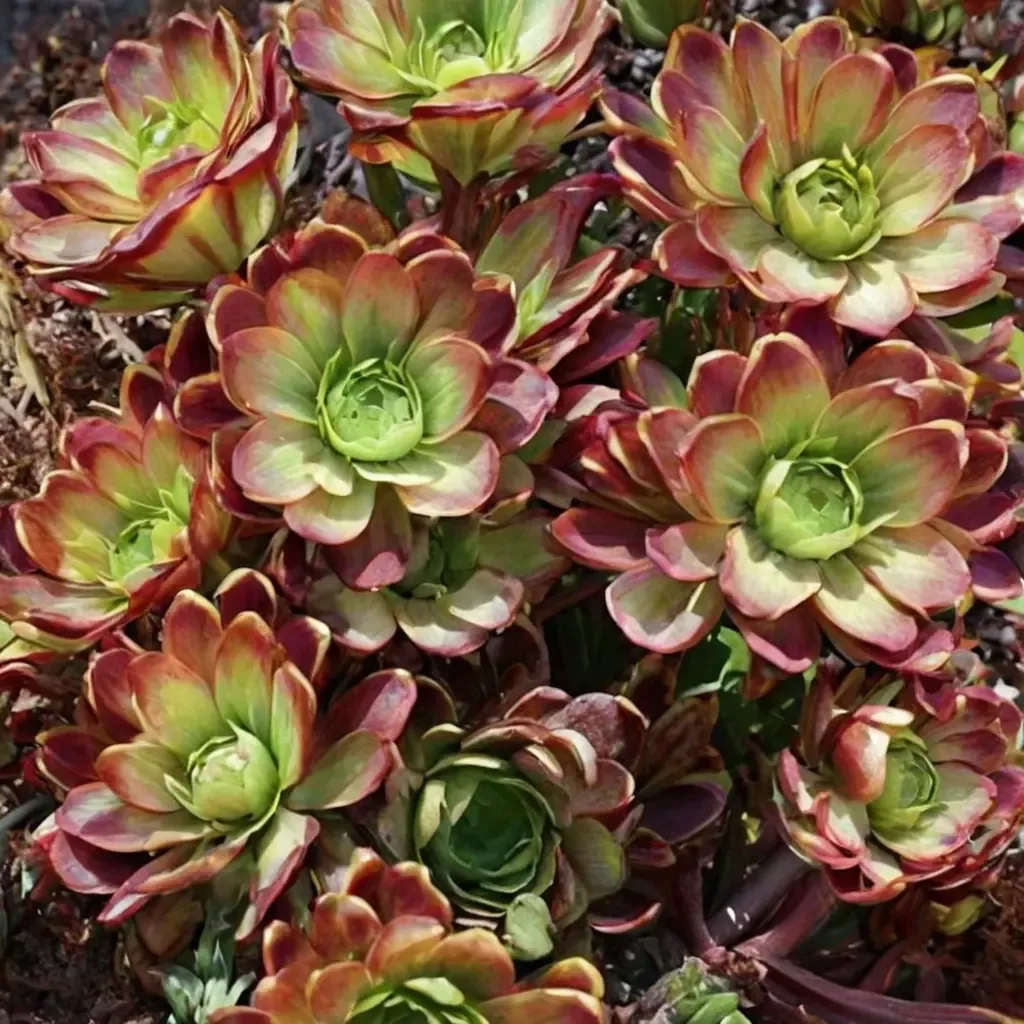
Jack Catlin aeonium Tree aeonium
Aeonium arboreum 'Jack Catlin'
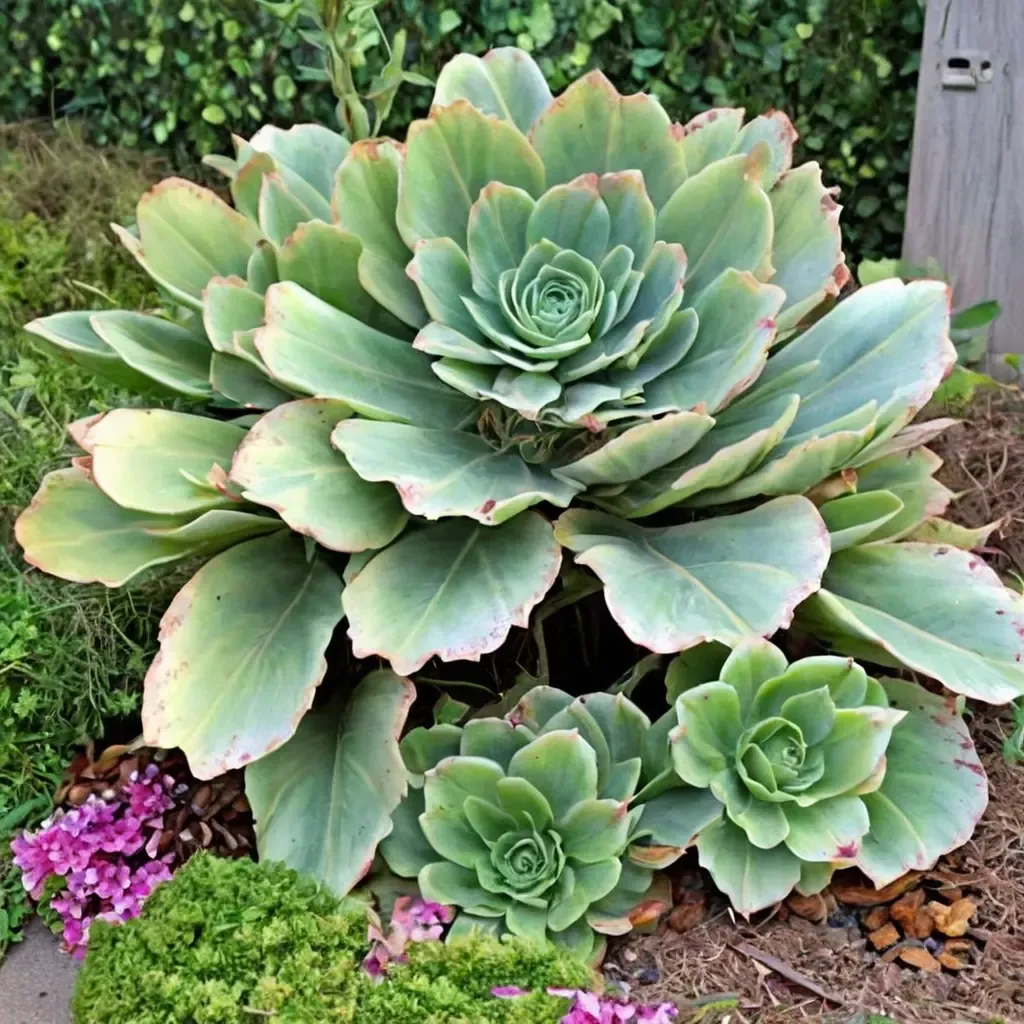
Tree Houseleek
Aeonium escobarii
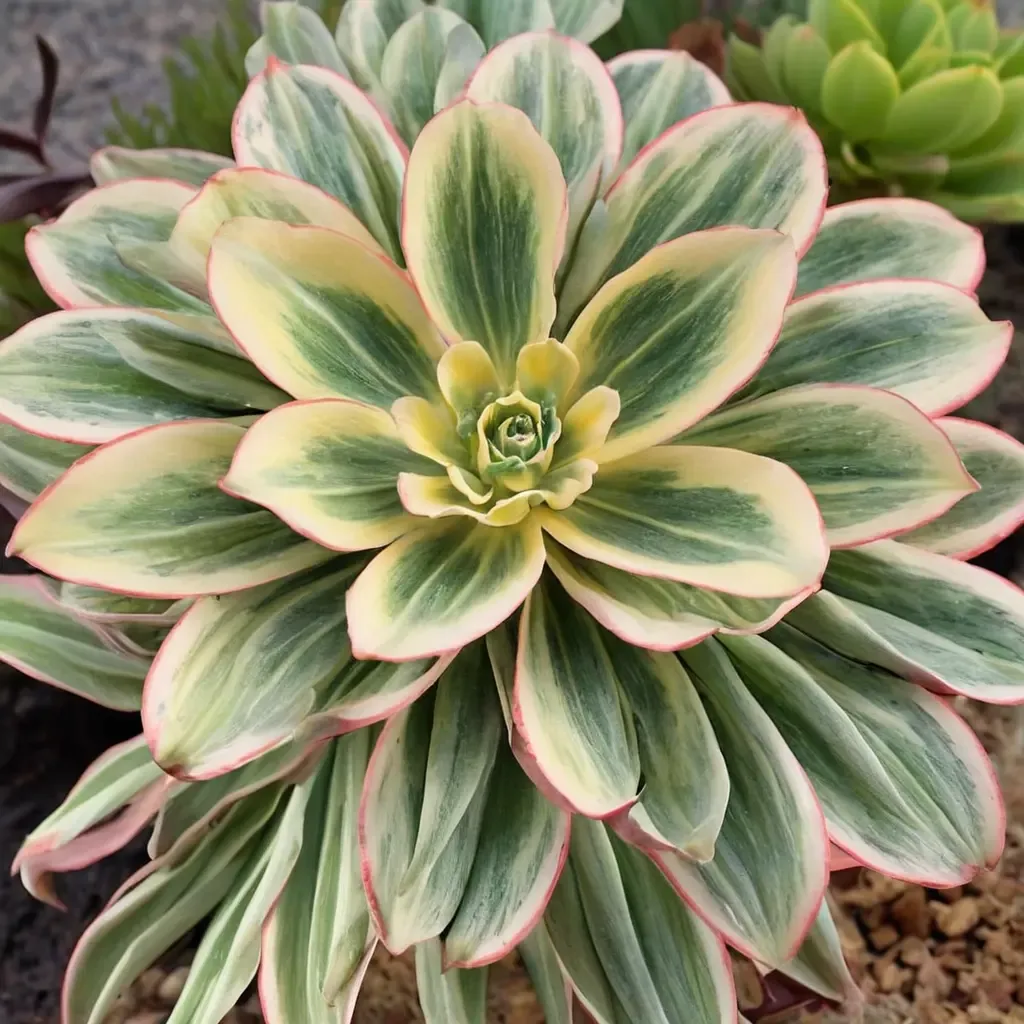
Sunburst Aeonium
Aeonium decorum 'Sunburst'
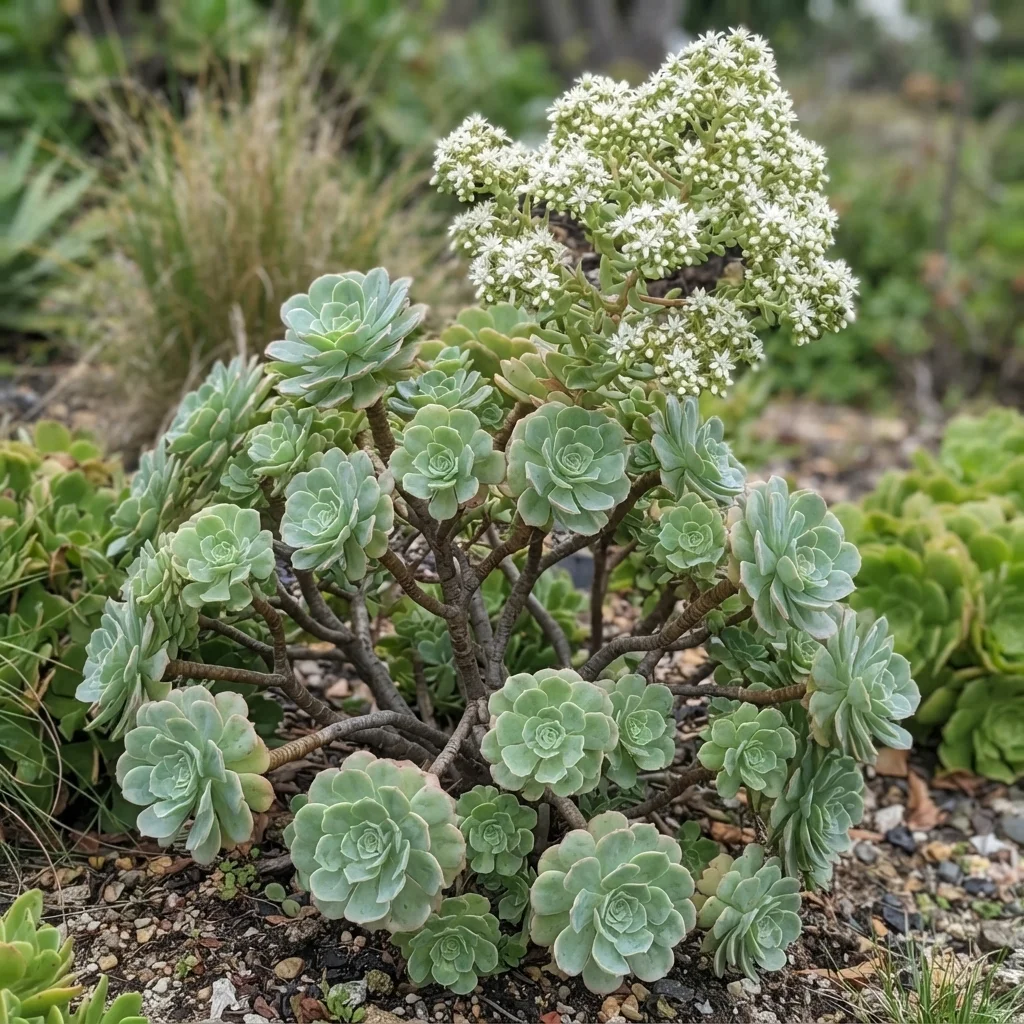
Castello-Paiva's Aeonium
Aeonium castello-paivae
Keep exploring
Explore the genus
Hardy in your zone?
Grow Dinner Plate Aeonium with confidence
See it in a design of your actual yard, get zone-matched care reminders, and track it season by season in your garden journal.