The Story
Plant Bio
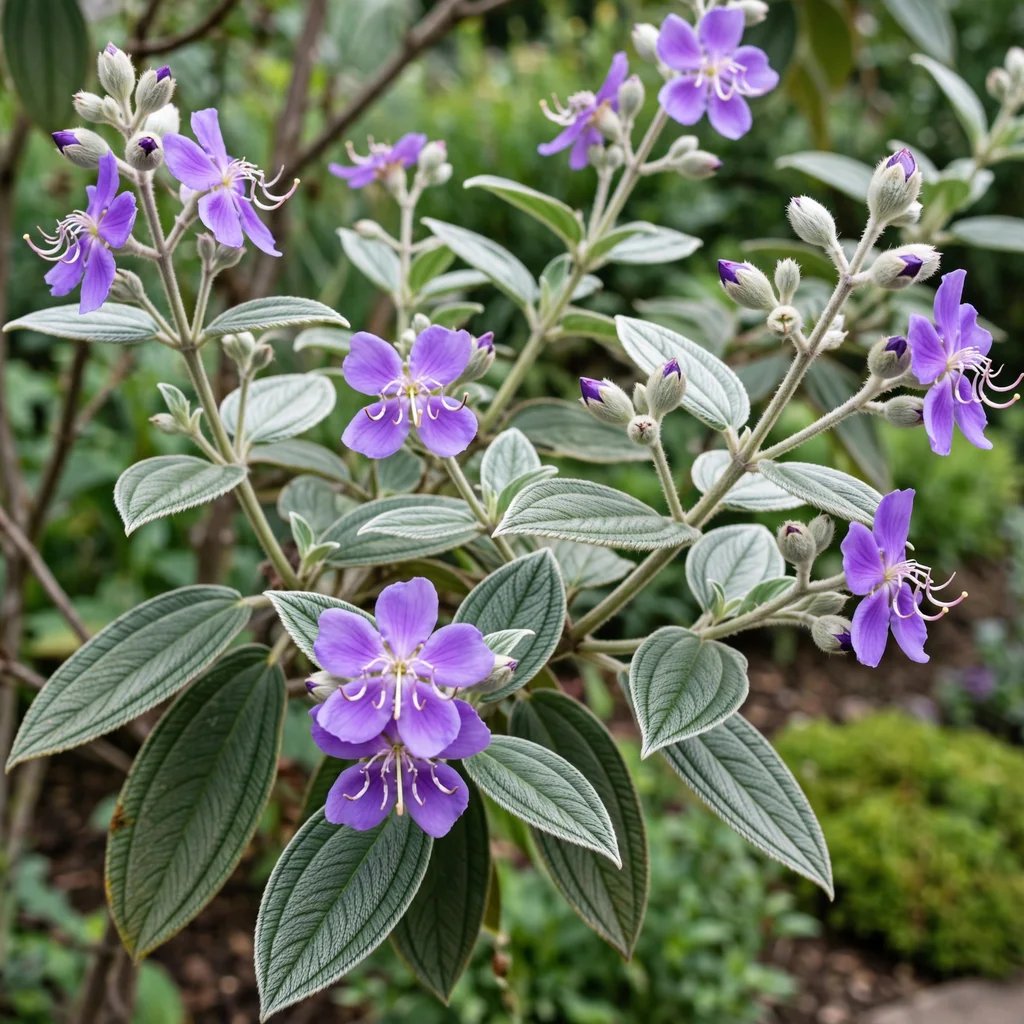
Pleroma clavatum, still sold as Tibouchina clavata, is an evergreen shrub from Brazil's Atlantic Forest reaching 5 to 7 feet tall with branching, hairy stems. It carries silvery-green, pubescent leaves and bears clusters of five-petalled violet-purple flowers with white stamens through the warm months.
It is distinguished by densely hairy foliage and compact clusters of 1 to 1.5 inch purple-blue flowers with prominent white stamens tipped with eyelash-like appendages. It flowers spring through fall in full sun and acid soil, but holds back buds in shade or alkaline ground.
Uses & Benefits:
Essentials
At a Glance
Plant Type
Shrub
Height
72"
Width
42"
Light
Full Sun, Partial Sun
Zones
9, 10
Water
Medium
Humidity
High
Lifespan
Perennial
Native To
Brazil
Toxicity
Unknown
Bloom period
Spring – Fall
In flower about 9 months of the year
Planting
How to Grow
- Plant in full sun to semi-shade in humus-rich, well-draining acid soil around pH 5.5 to 6.5.
- Set the rootball level with the soil surface and mulch to hold even moisture.
- Water regularly to keep soil moist but not soggy, and feed with acid fertilizer in the growing season.
- Pinch young tips to branch and tip-prune lightly after bloom to shape.
- North of zone 9, grow in a container and move to bright light indoors before frost.
Pro Tip
Give it acid, humus-rich soil and full sun or it will not set buds; keep it evenly moist but never waterlogged, since soggy soil rots the roots.
Keep It Thriving
Care Guide
Do
- Grow in bright light for maximum flowering
- Keep soil evenly moist with mulch
- Feed with acid fertilizer in active growth
- Pinch tips to keep plants branched
Don't
- Do not overwater or leave pots standing in water
- Do not plant in alkaline or compacted soil
- Do not cut hard into old bare wood
Seasonal Care Calendar
| Task | Jan | Feb | Mar | Apr | May | Jun | Jul | Aug | Sep | Oct | Nov | Dec |
|---|---|---|---|---|---|---|---|---|---|---|---|---|
| Fertilize | ||||||||||||
| Mulch | ||||||||||||
| Pest Check | ||||||||||||
| Prune | ||||||||||||
| Winter Prep |
Watch Out For
Pests & Diseases
Common Pests
Common Diseases
In the Garden
Landscape Uses & Companions
Landscape Uses
Multiply
Propagation Methods
Good to Know
Common Questions
Bears Ear questions
What zones can Bears Ear grow in?
Bears Ear is hardy in USDA Zones 9–10: in that range it survives winter in the ground. Colder than Zone 9, grow it in a container you can move to shelter for the winter.
When does Bears Ear bloom?
Bears Ear typically blooms from spring to fall. Exact timing shifts a week or two with your zone — Sow's bloom calendar maps it to your garden.
Does Bears Ear need full sun?
Bears Ear does best in full sun to part shade. In hot climates, afternoon shade keeps blooms fresher longer.
More Tibouchina to compare
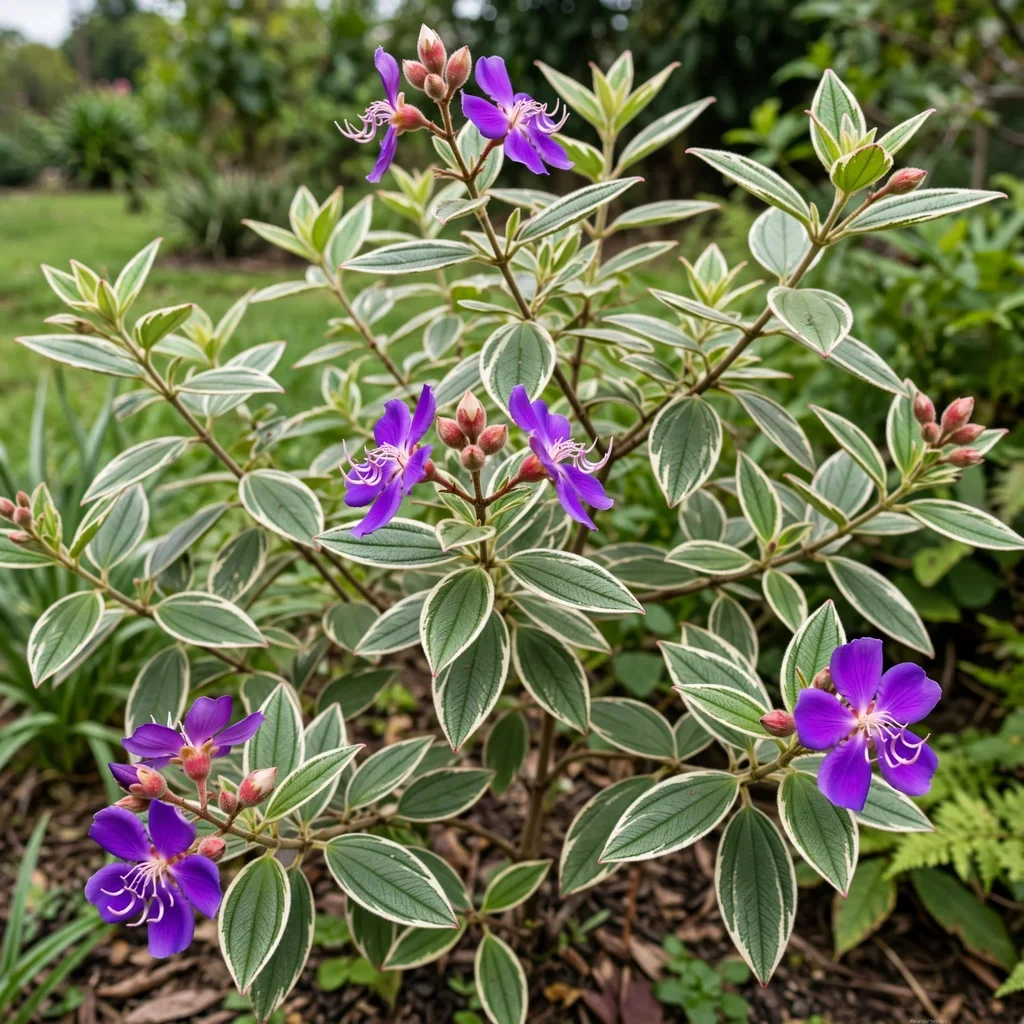
Variegated Princess Flower
Tibouchina urvilleana 'Variegata'
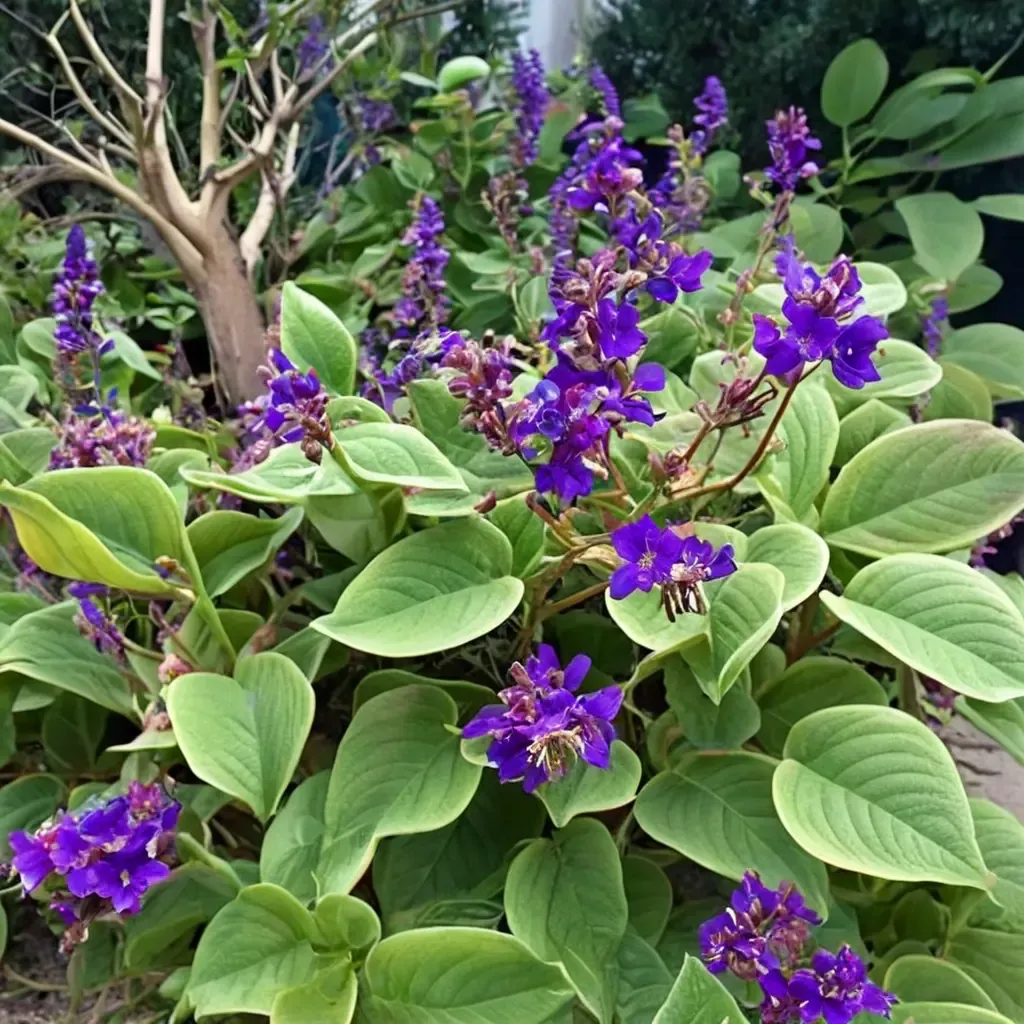
Silverleaf Princess Flower
Tibouchina heteromalla
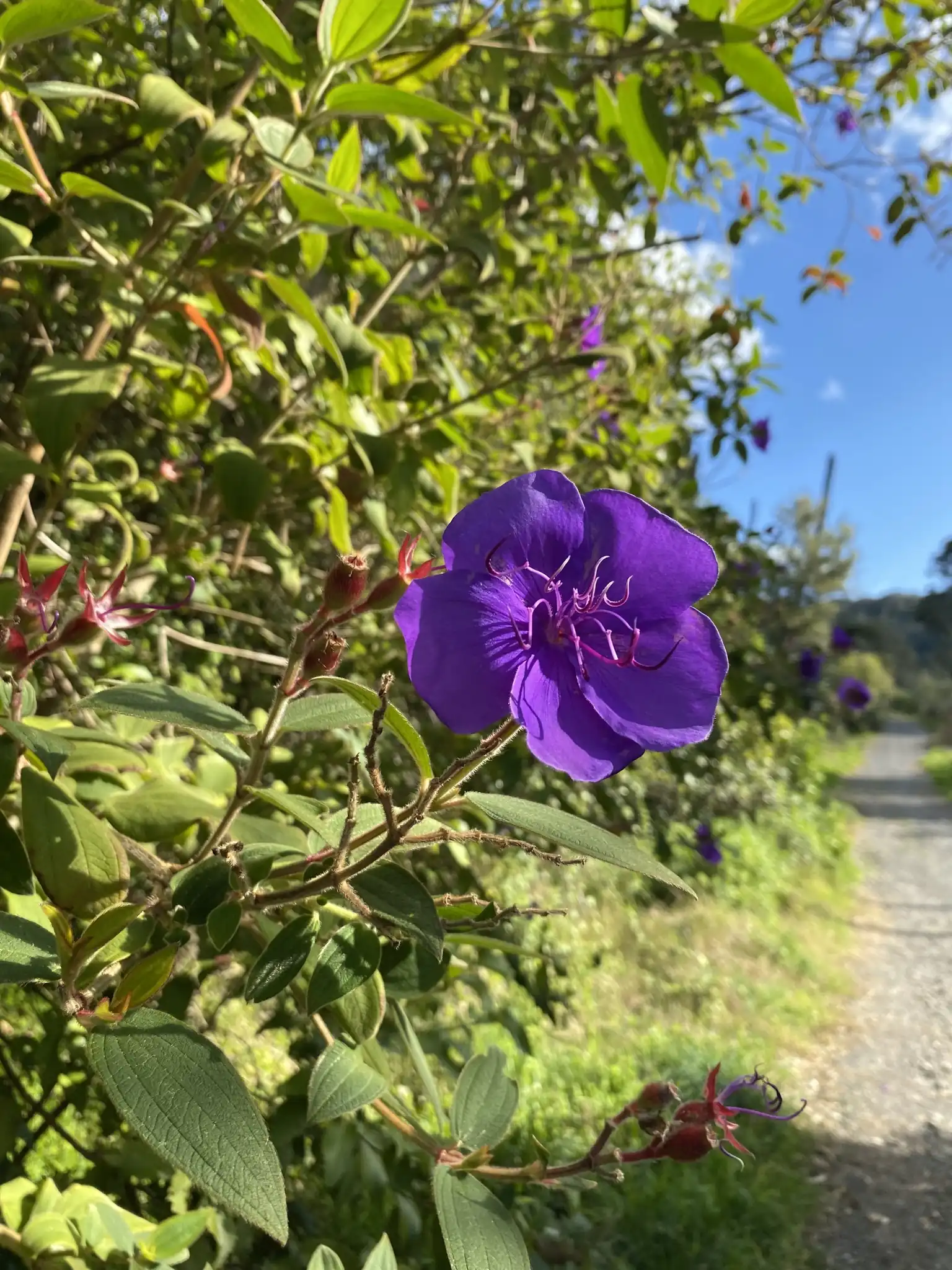
Princess Flower
Tibouchina urvilleana
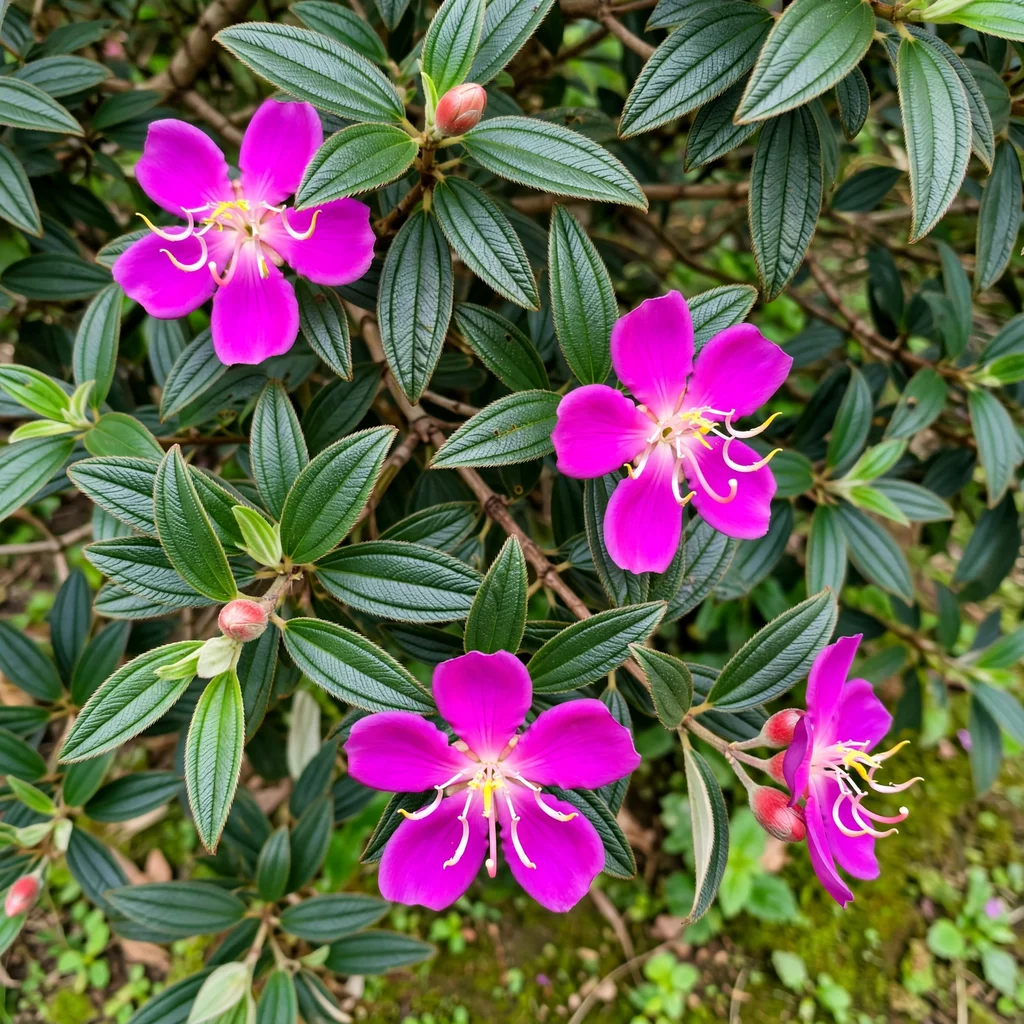
Glory Bush
Tibouchina lepidota
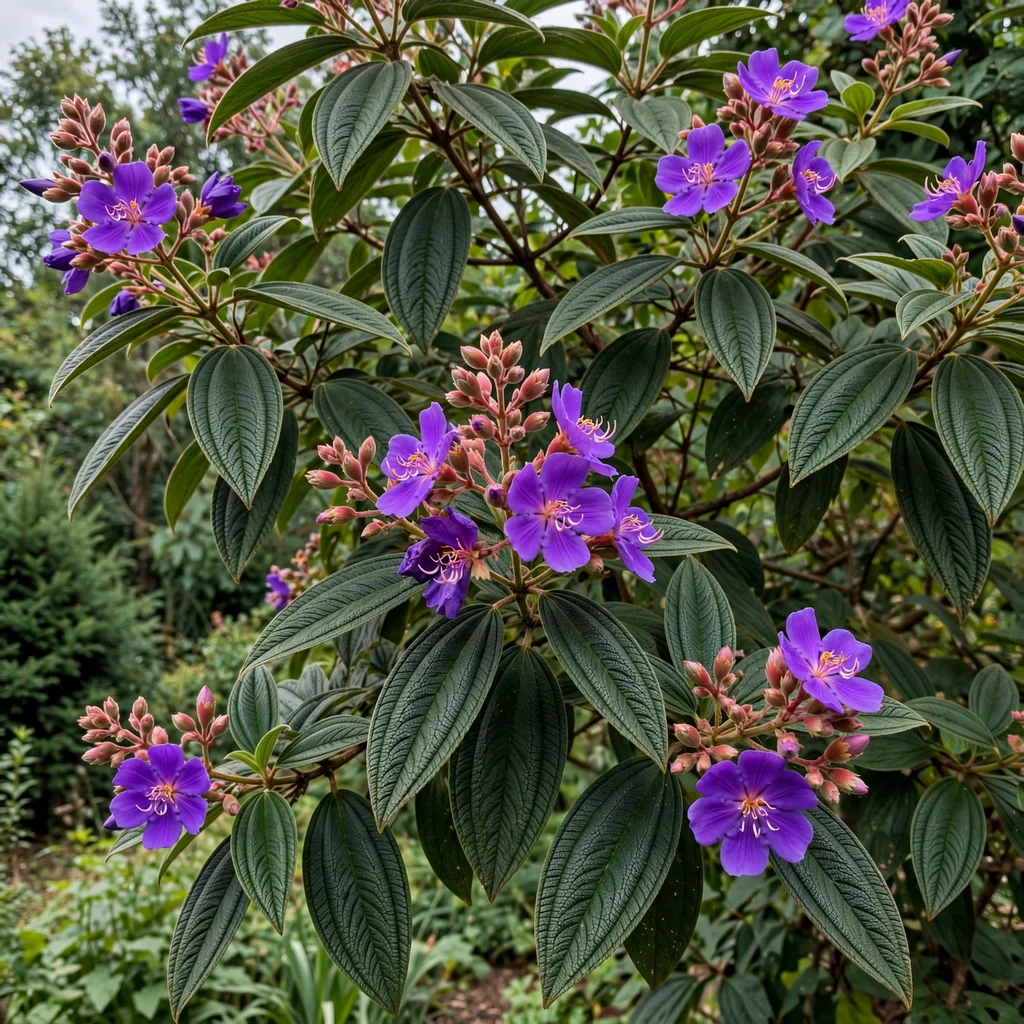
Purple Glory Tree
Tibouchina granulosa
Keep exploring
Explore the genus
Hardy in your zone?
Grow Bears Ear with confidence
See it in a design of your actual yard, get zone-matched care reminders, and track it season by season in your garden journal.