Also known as Golden Trumpet · 1 saves
Allamanda
Allamanda, the genus most gardeners know as golden trumpet. We track 3 varieties; the ones most used by real gardeners.
The 3 most-saved Allamanda varieties
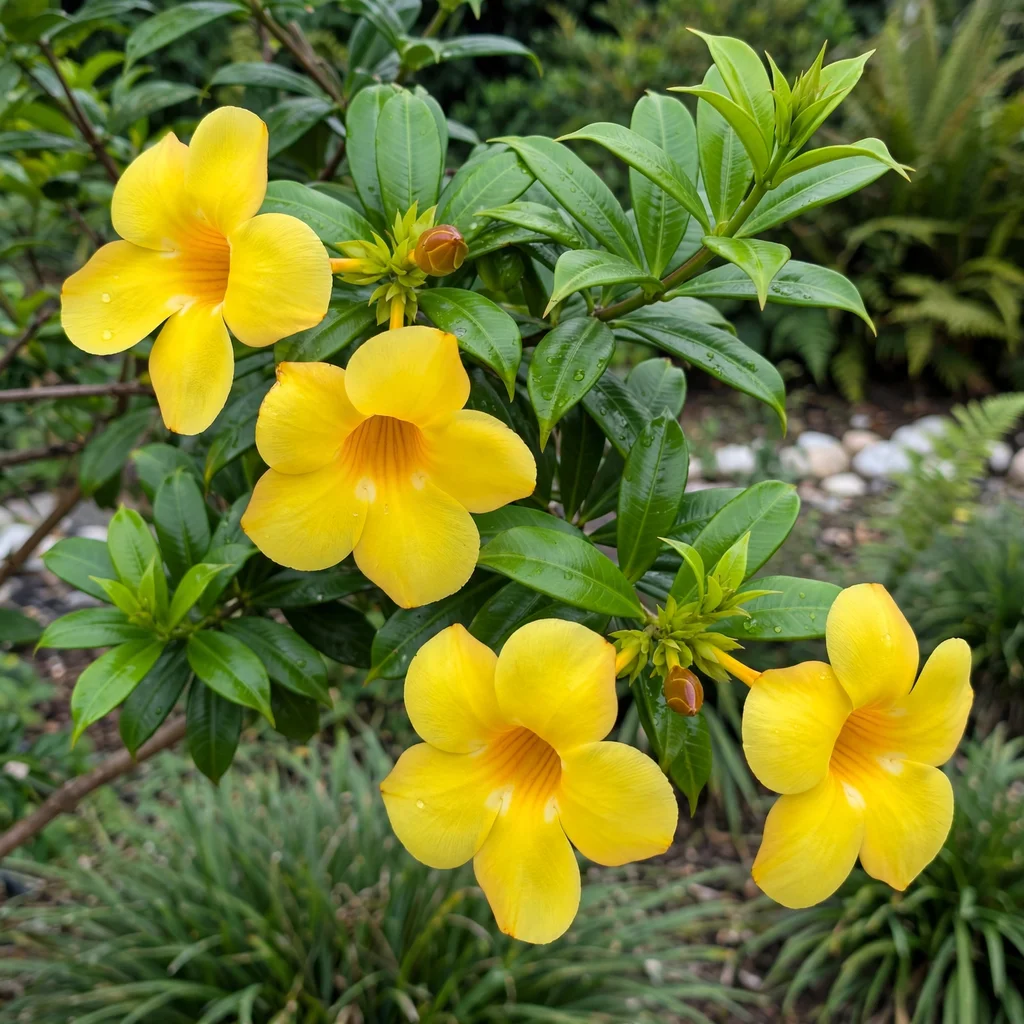
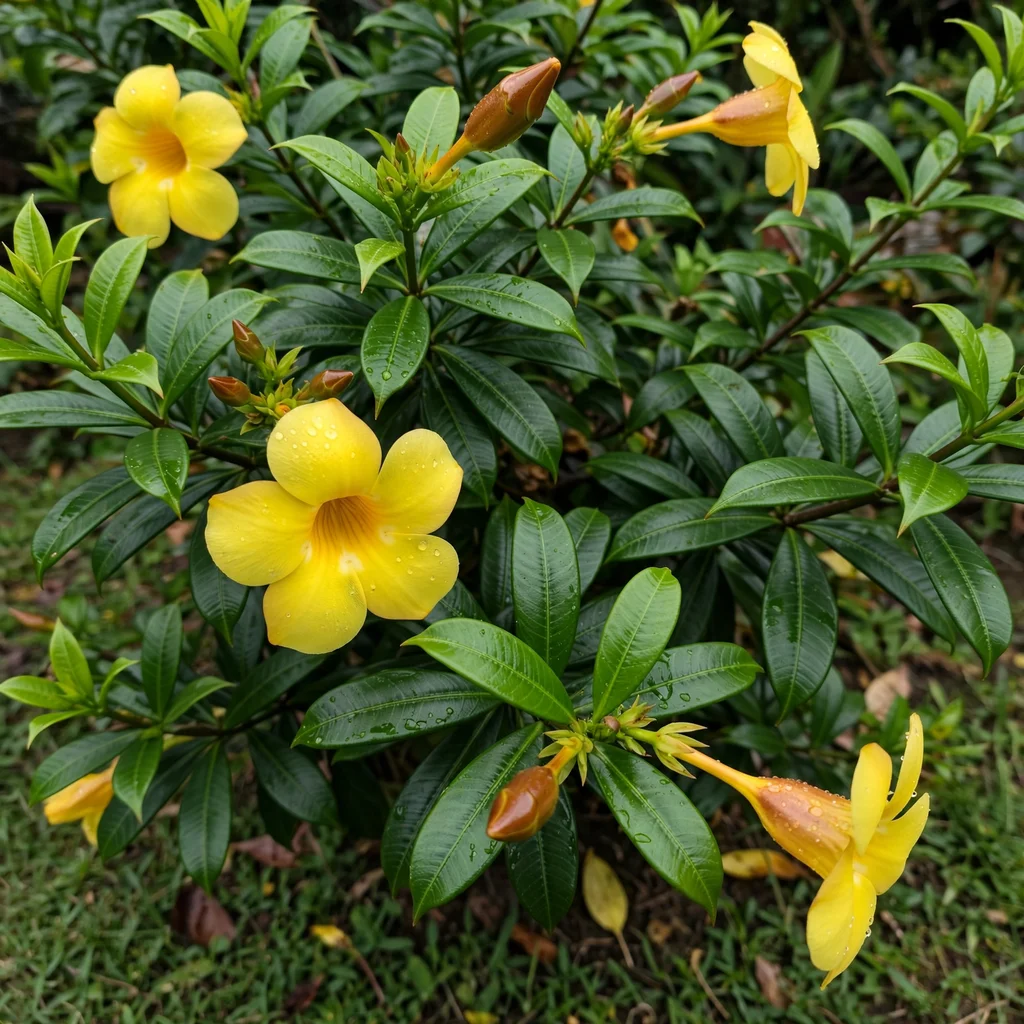
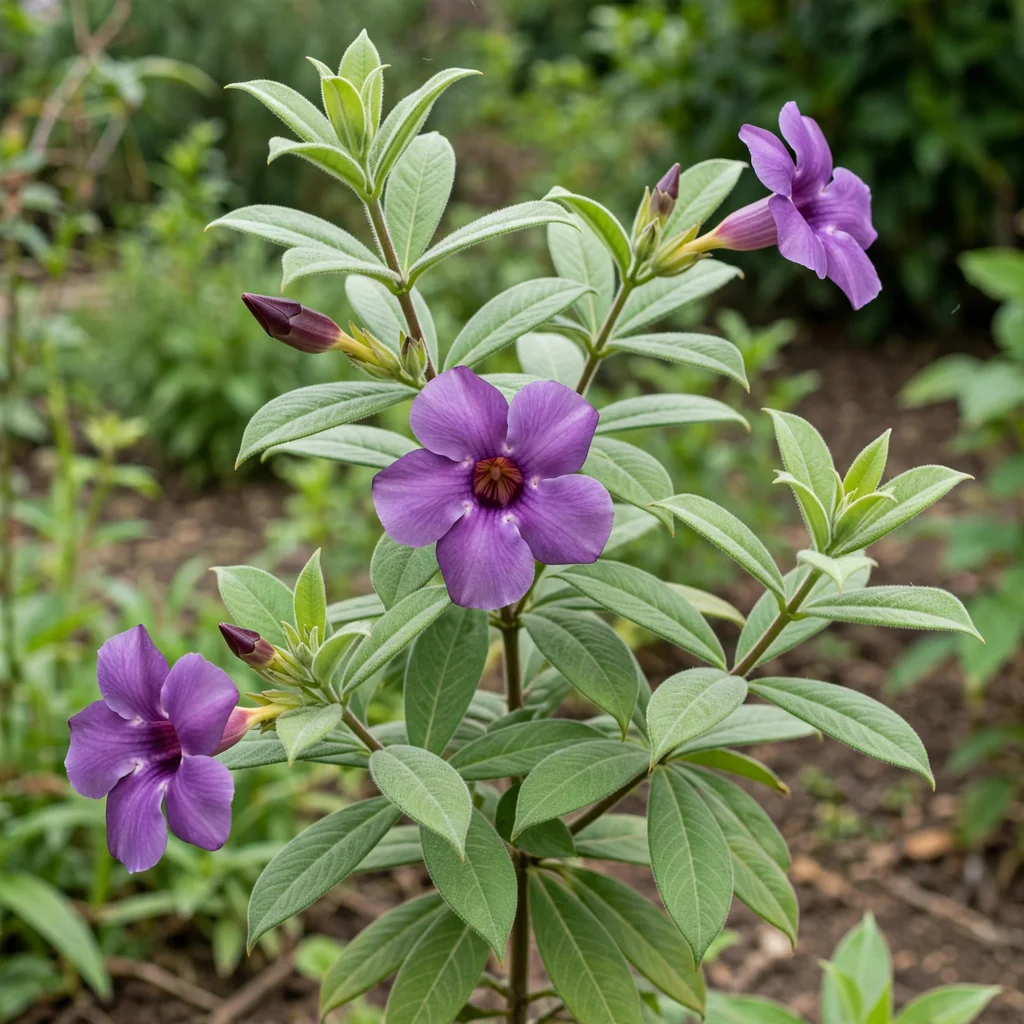
3 species of Allamanda
Each one is a parent of the varieties above.
Track your Allamanda in Sow
Save the Allamanda you grow and get care reminders timed to your zone.
How to grow Allamanda
Whats common across all Allamanda varieties in our catalog — drawn from the care records of the 3 most-grown of them.
The Allamanda year
- PruneMarch and April100% of varieties
Tip-prune to shape after frost risk passes; avoid pruning after September to prevent soft growth that frost damages.
- FertilizeApril, July and August100% of varieties
Add compost or organic matter if leaves turn yellow between veins.
- Check for PestsJune–August100% of varieties
Check shoot tips for aphids that brown and curl leaves.
- Winter PrepOctober and November100% of varieties
Move pots indoors or under cover before frost; plants are frost tender in zones 10-11.


Do
- Grow in full sun for the heaviest bloom.
- Deadhead regularly to prolong flowering.
- Wear gloves when pruning because milky sap irritates skin.
- Wear gloves when pruning to protect skin from the irritating milky latex sap.
- Prune the plant back hard in late winter or early spring to stimulate new flowering wood.
Avoid
- Do not plant in Florida where it is rated high invasion risk.
- Do not confuse it with vining allamanda or give it a trellis it does not need.
- Do not prune after September 1 or cut hard into old wood each year.
- Do not allow the soil to become waterlogged, as stagnant moisture quickly causes fatal root rot.
What goes wrong with Allamanda
| Problem | What you'll see | What to do |
|---|---|---|
| Aphids | Colonies on buds and shoot tips cause browning and curling leaves | Wash off with a strong spray of water; rarely serious and usually controlled by beneficial insects |
| Mealybugs | White, cottony masses in leaf axils and on stems. | Apply horticultural oil or wipe the pests off with a cotton swab dipped in rubbing alcohol. |
| Spider mites | Fine webbing on leaf undersides and speckled, yellowing foliage. | Increase local humidity and treat with insecticidal soap or miticide. |
| Scale | Waxy bumps on stems and leaf undersides with sticky honeydew | Prune heavily infested shoots and treat with horticultural oil |
| Root rot | Wilting and yellowing in soggy soil despite regular watering | Plant only in well-drained soil; reduce irrigation and improve drainage |
| No major diseases | No significant diseases in normal cultivation when grown warm with good air flow | Plant in well-drained soil in full sun; remove spotted leaves if they occur |
Making more Allamanda
Stem cuttings
- Take a 4- to 6-inch cutting of semi-ripe wood in spring or summer.
- Dip the cut end in rooting hormone to encourage root development.
- Insert the cutting into a moist, well-draining propagation mix.
- Maintain high humidity and warm temperatures until roots establish.
Softwood cuttings
- Take 4- to 6-inch softwood cuttings in late spring from new growth
- Strip lower leaves and dip cut end in rooting hormone
- Insert in moist perlite-peat mix and keep warm and humid
- Transplant once roots resist a gentle tug
Allamanda questions
How many types of Allamanda are there?
The Sow catalog tracks 3 distinct Allamanda varieties. The most popular — ranked by 1 real gardeners — are shown first above.
What zones does Allamanda grow in?
Across its varieties, Allamanda covers USDA Zones 9–10. Individual varieties differ — each plant page lists its exact range, and Sow filters the catalog to your zone automatically.
When does Allamanda bloom?
Most Allamanda varieties bloom from summer to fall.
Which Allamanda should I choose?
Start from the most-saved varieties above — popularity across thousands of gardens is a strong signal of reliability — then filter by your zone and sun. In the Sow app you can preview any of them in a photo of your actual yard before you buy.