The Story
Plant Bio
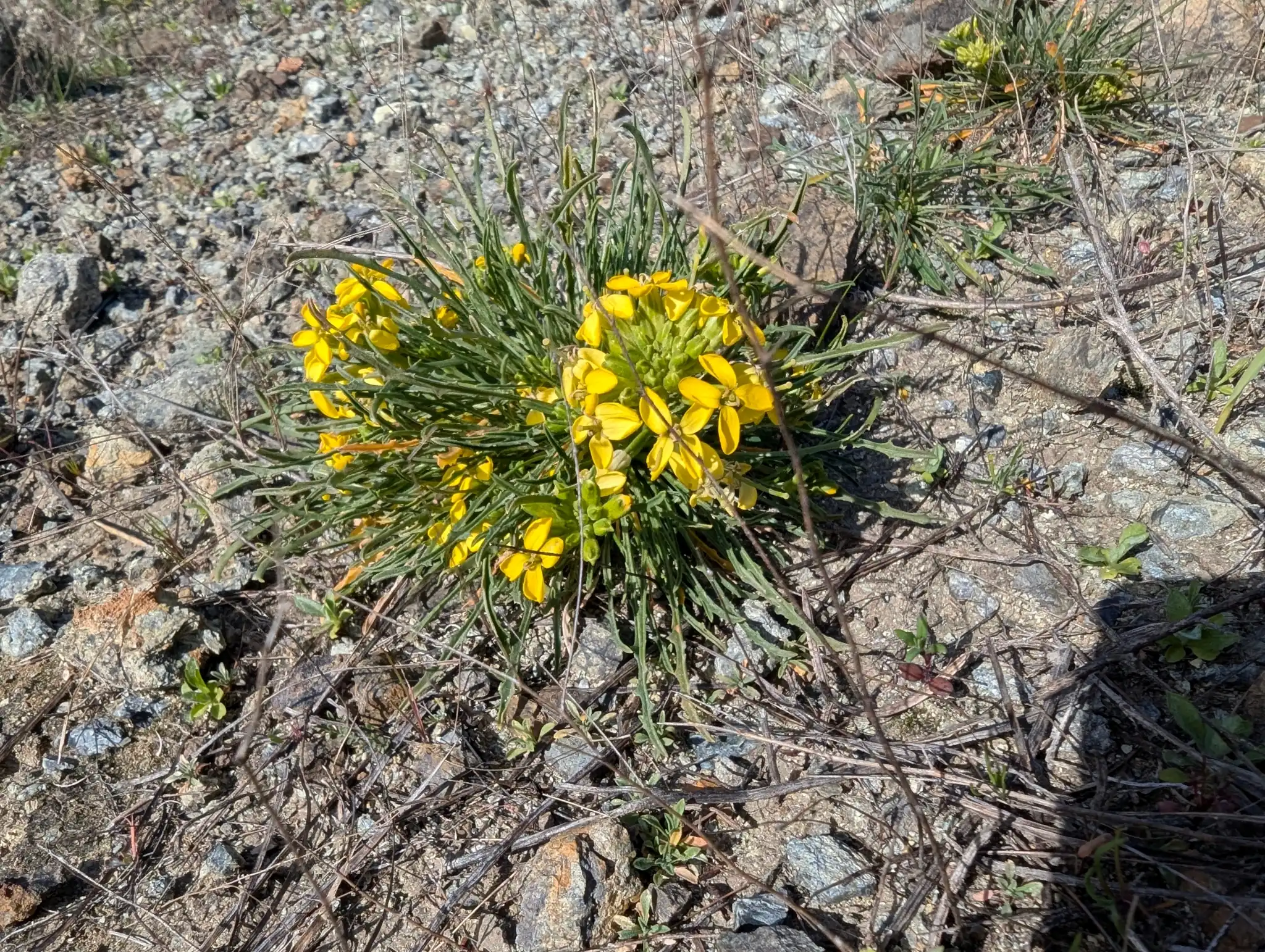
Erysimum franciscanum, the San Francisco wallflower, is a short-lived perennial native to coastal bluffs, dunes, and chaparral along central and northern California. It forms a compact mound up to two feet high with dark green, deeply toothed basal leaves and fragrant, cream to pale yellow four-petaled flowers borne in terminal racemes.
Adapted to disintegrating serpentine and granitic soils, this coastal species relies on self-seeding rather than individual longevity to maintain its presence. Its summer-drought-deciduous tendencies and fragrant blooms make it a strong pioneer species for wild, sharp-draining native gardens.
Uses & Benefits:
Essentials
At a Glance
Plant Type
Perennial
Height
24"
Width
24"
Light
Full Sun, Partial Sun
Zones
8, 9, 10
Water
Low
Humidity
Low to Moderate
Lifespan
Short-lived Perennial / Biennial
Native To
California, North America
Toxicity
Toxic if ingested (cardenolides); mild skin irritant
Bloom period
Late winter – Early summer
In flower about 5 months of the year
Planting
How to Grow
- Select a planting site in full sun featuring loose, sandy, or gravelly soil with sharp drainage.
- Install potted specimens during late fall or winter to allow root establishment ahead of dry summer months.
- Water sparingly during the first season, eliminating supplemental water once plants are established.
- Trim spent flower stalks lightly after blooming finishes in early summer without cutting into woody stems.
- Leave mature seed pods to dry on the plant so seed falls into surrounding dry gravel beds.
Pro Tip
Allow spent seed pods to dry and shatter naturally in surrounding gravel or sandy soil; cutting into old, leafless woody stems will kill the branches rather than promote new growth.
Keep It Thriving
Care Guide
Do
- Plant in gritty, coarse soil with rapid drainage.
- Lightly trim spent flower spikes after blooming finishes.
- Allow plants to set and drop seed naturally.
Don't
- Do not overwater during warm summer dormancy.
- Do not prune back into leafless woody wood.
- Do not fertilize heavily or plant in rich loam.
Seasonal Care Calendar
| Task | Jan | Feb | Mar | Apr | May | Jun | Jul | Aug | Sep | Oct | Nov | Dec |
|---|---|---|---|---|---|---|---|---|---|---|---|---|
| Pest Check | ||||||||||||
| Propagate | ||||||||||||
| Prune | ||||||||||||
| Spring Cleanup |
Watch Out For
Pests & Diseases
Common Pests
Common Diseases
In the Garden
Landscape Uses & Companions
Landscape Uses
Multiply
Propagation Methods
Good to Know
Common Questions
San Francisco Wallflower questions
What zones can San Francisco Wallflower grow in?
San Francisco Wallflower is hardy in USDA Zones 8–10: in that range it survives winter in the ground. Colder than Zone 8, grow it in a container you can move to shelter for the winter, or as an annual.
When does San Francisco Wallflower bloom?
San Francisco Wallflower typically blooms from late winter to early summer. Exact timing shifts a week or two with your zone — Sow's bloom calendar maps it to your garden.
Does San Francisco Wallflower need full sun?
San Francisco Wallflower does best in full sun to part shade. In hot climates, afternoon shade keeps blooms fresher longer.
Is San Francisco Wallflower drought tolerant?
Yes — once established (usually after the first full season), San Francisco Wallflower handles dry spells with minimal watering. Water deeply its first year to build the root system that makes that possible.
More Erysimum to compare
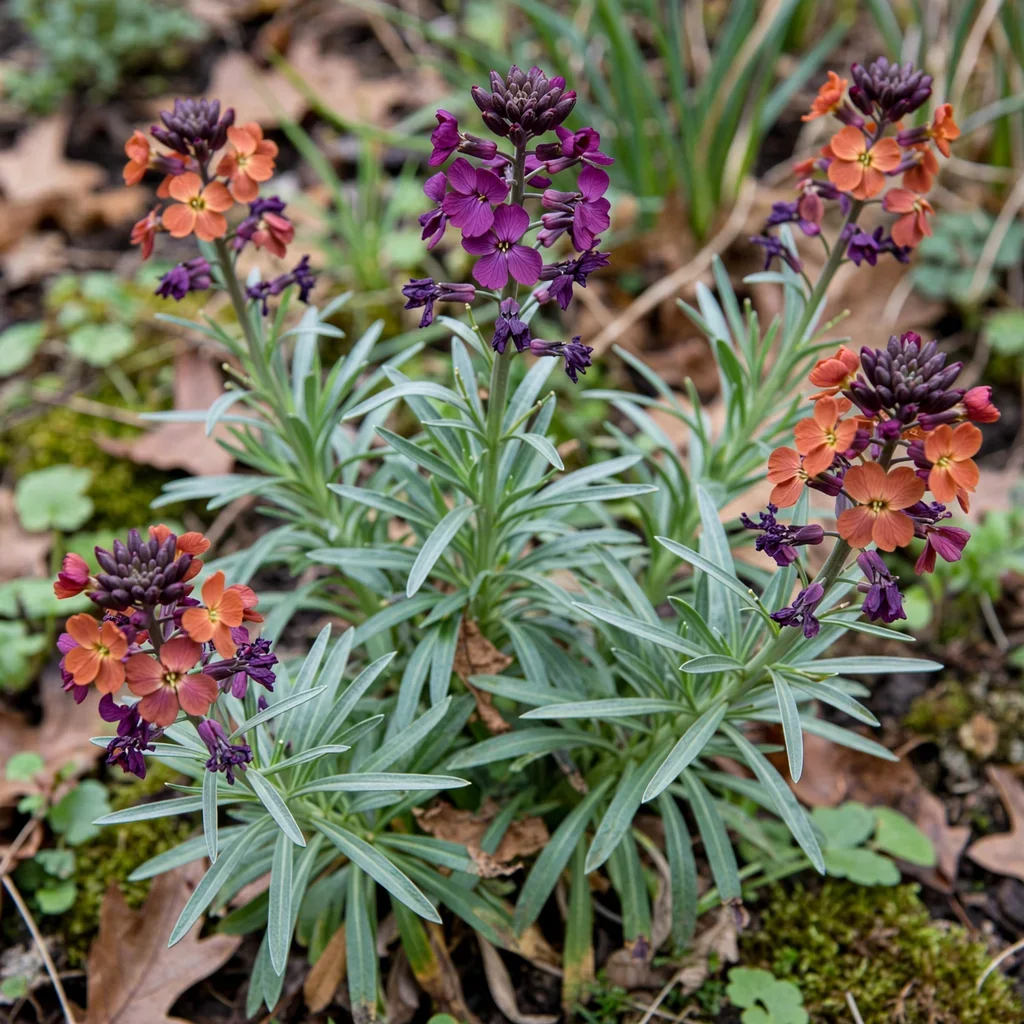
Winter Orchid Wallflower
Erysimum x hybrida 'Winter Orchid'
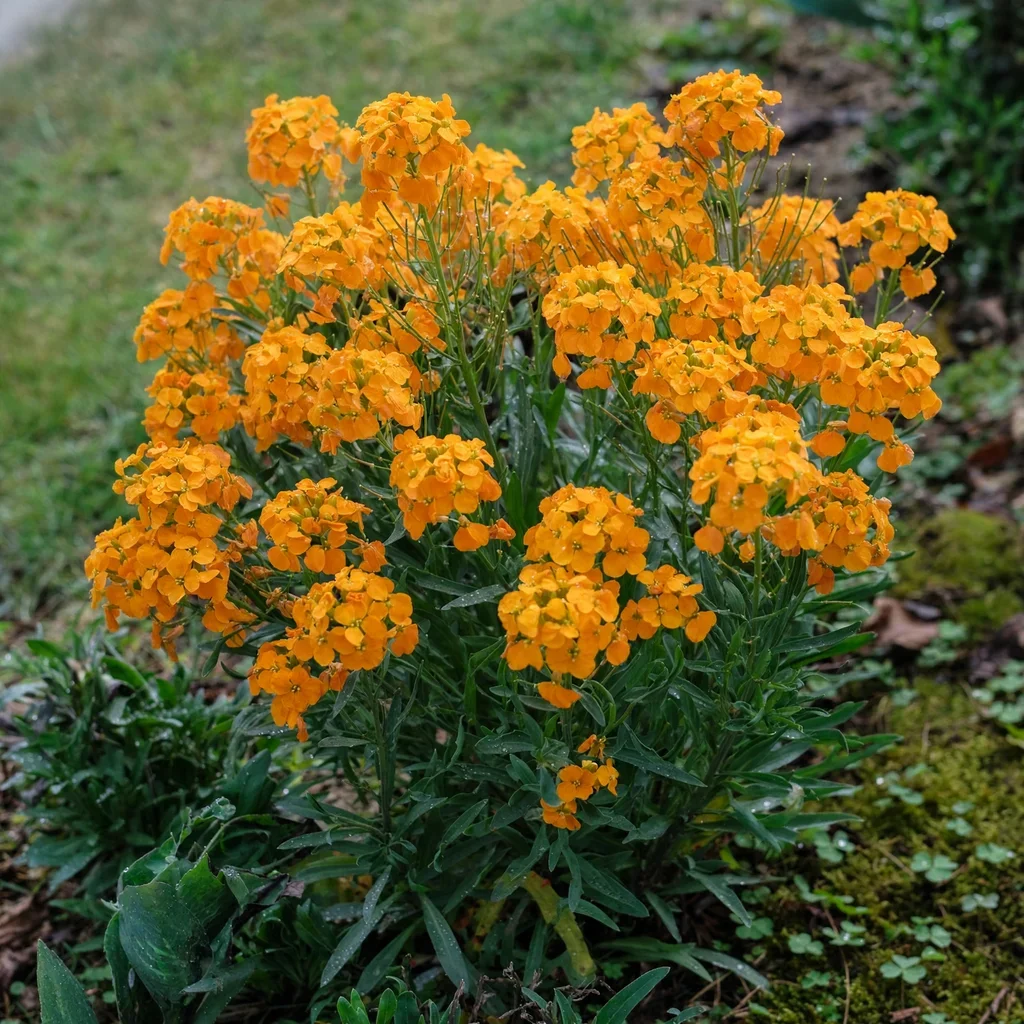
Siberian Wallflower
Erysimum x marshallii
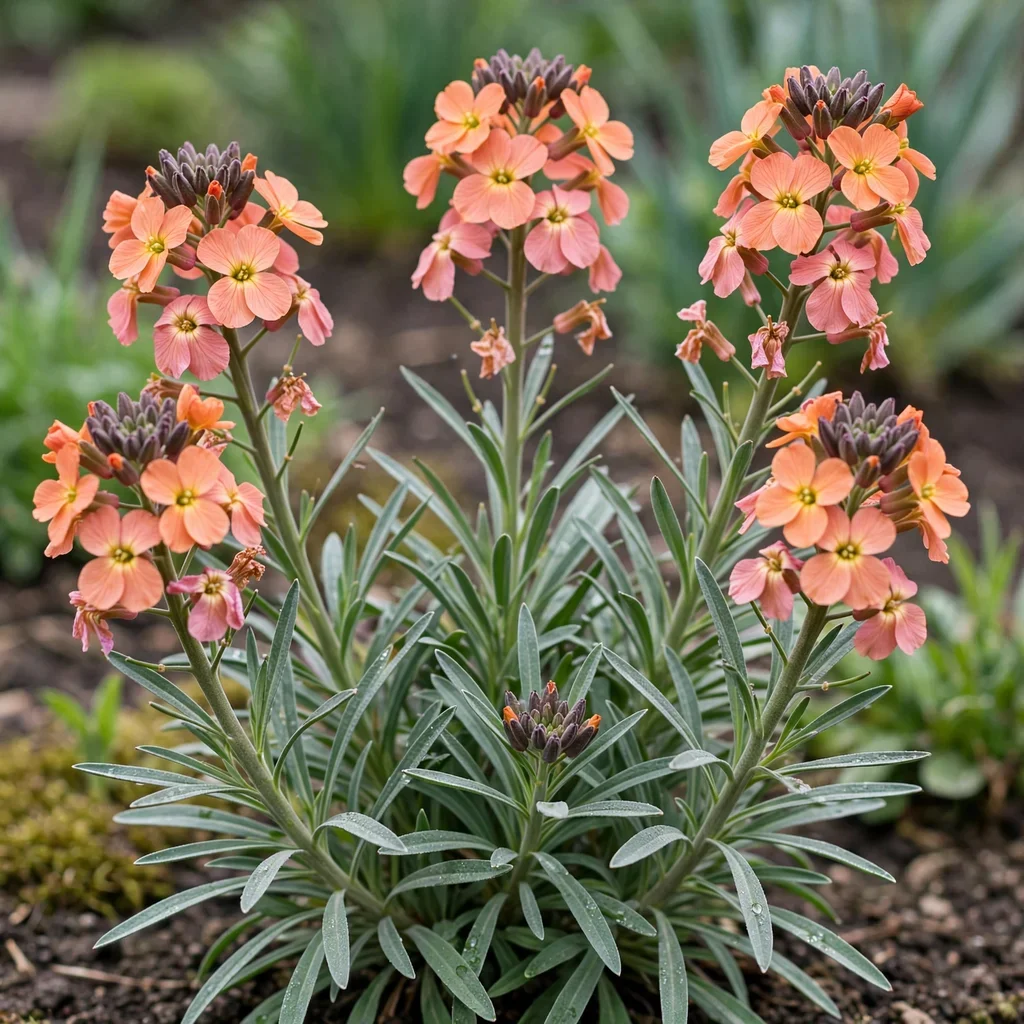
Apricot Twist Wallflower
Erysimum cheiri 'Apricot Twist'
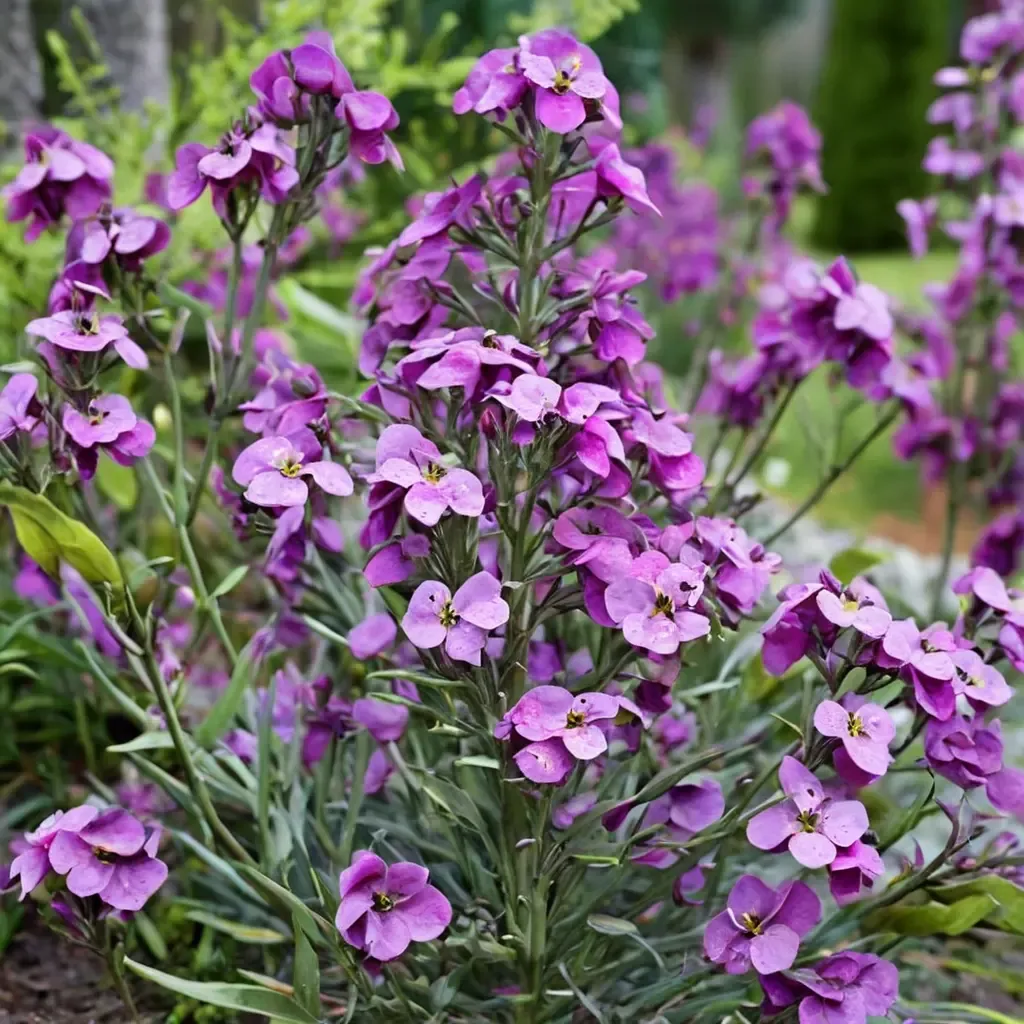
Bowles's Mauve Wallflower
Erysimum cheiri 'Bowles'
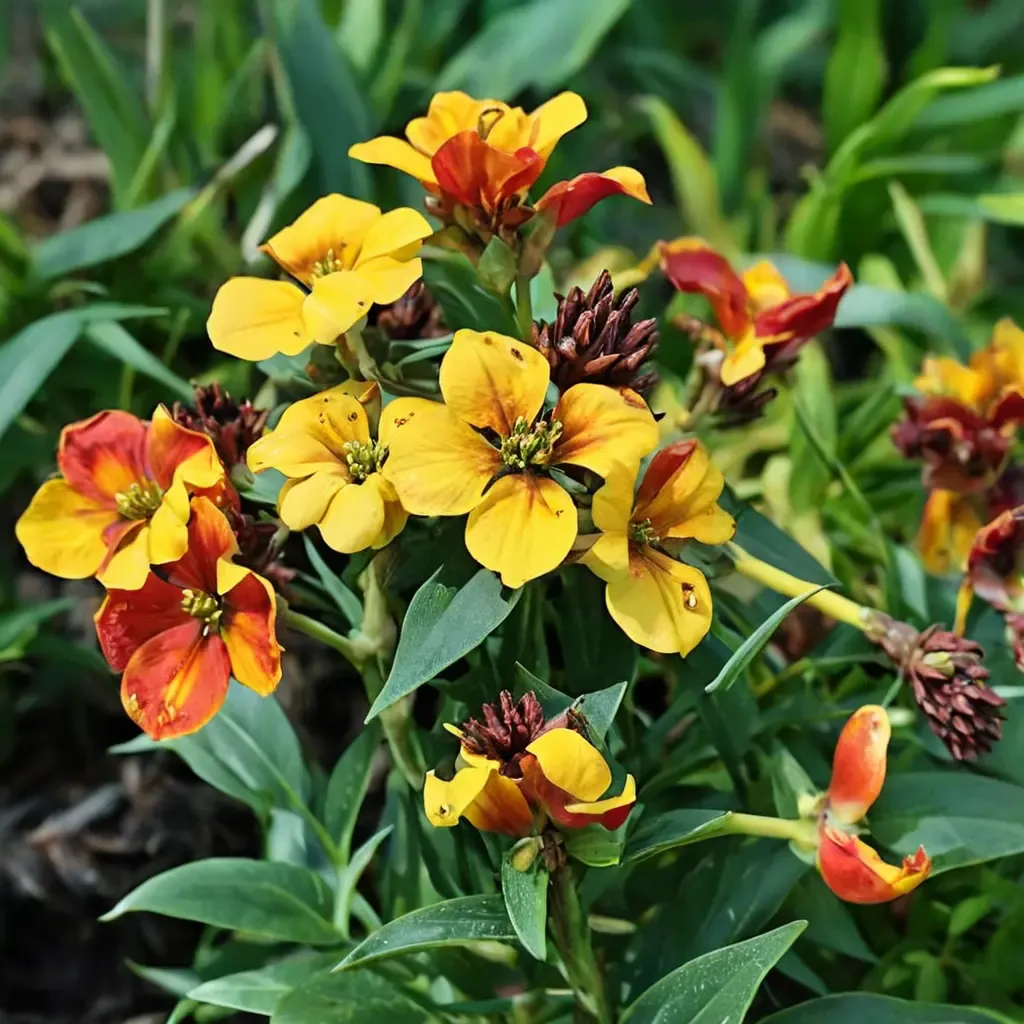
Wallflower
Erysimum cheiri
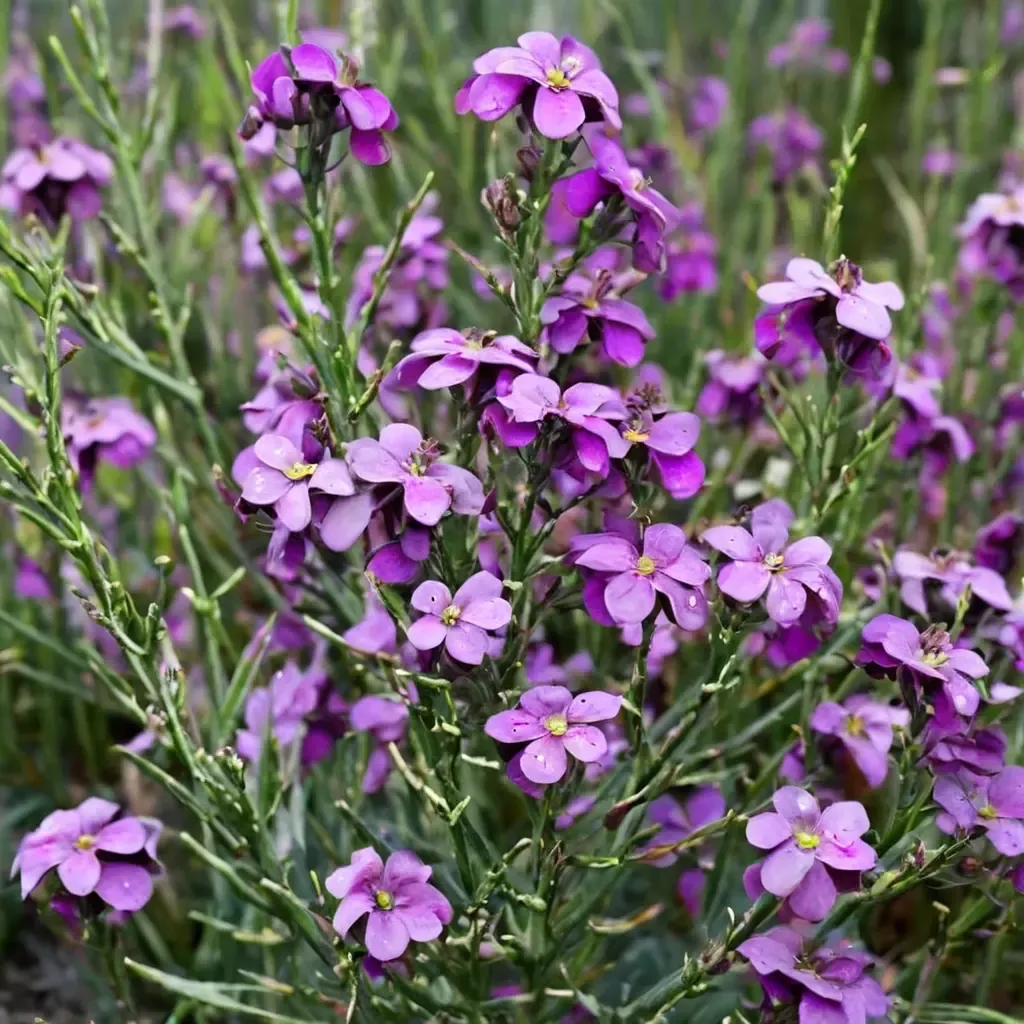
Bowles' Mauve Wallflower
Erysimum cheiri 'Bowles' Mauve'
Keep exploring
Explore the genus
Hardy in your zone?
Grow San Francisco Wallflower with confidence
See it in a design of your actual yard, get zone-matched care reminders, and track it season by season in your garden journal.