The Story
Plant Bio
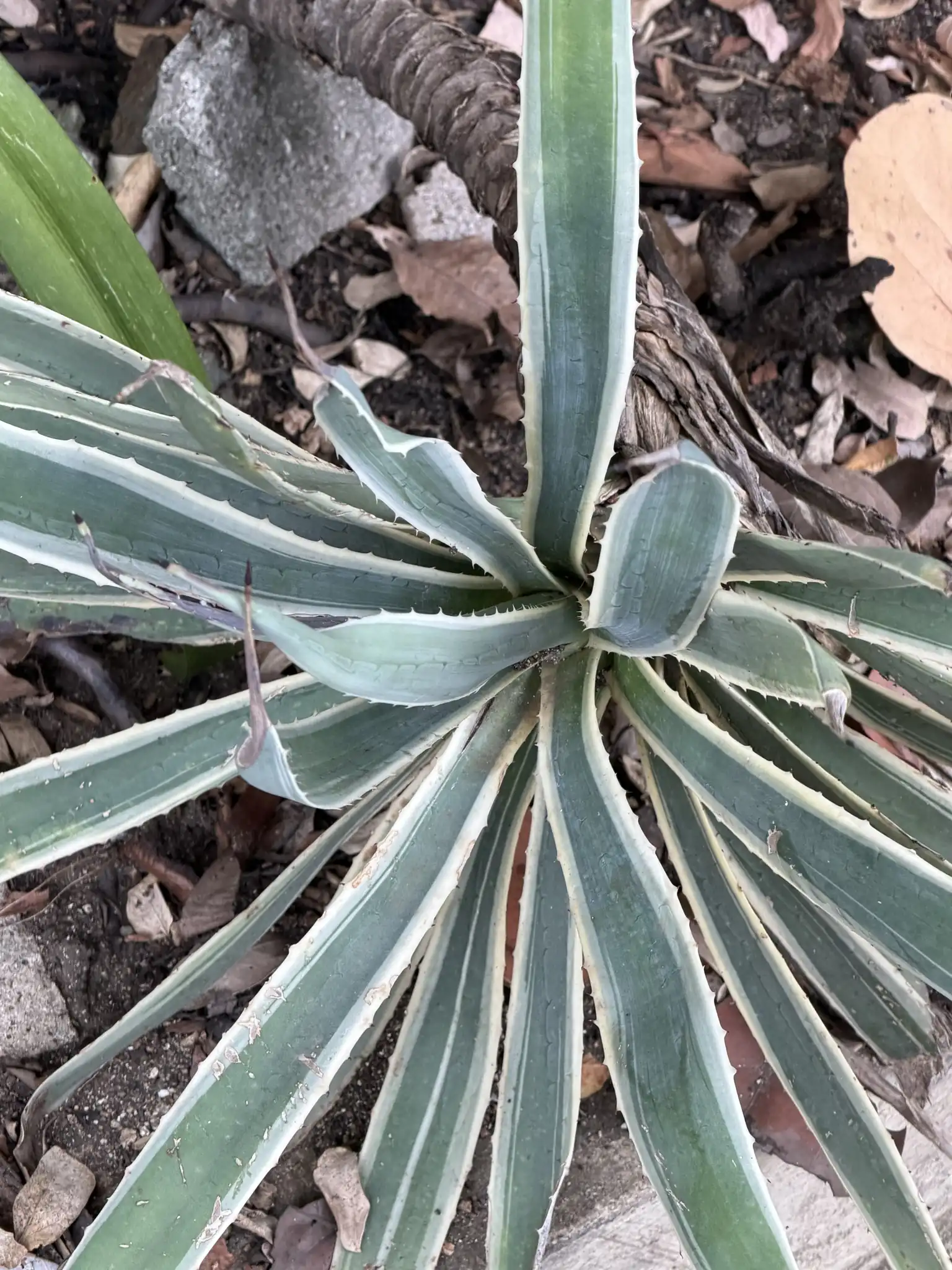
Agave angustifolia is an evergreen succulent that forms a tight rounded rosette three to four feet tall and wide, with stiff sword-shaped blue-green leaves up to three feet long. Each leaf has a toothed margin and a stout dark terminal spine, and older plants sucker from the base to form a dense clump on a very short trunk.
It is distinguished by narrow leaves only about two inches wide with even, closely spaced marginal teeth, giving a finer, more symmetrical rosette than broader century plants. Each rosette is monocarpic and blooms once after ten years or more on a lofty branched spike of white to pale yellow flowers, then dies while the surrounding suckers persist.
Uses & Benefits:
Essentials
At a Glance
Plant Type
Cactus Succulent
Height
42"
Width
48"
Light
Full Sun, Partial Sun
Zones
10
Water
Low
Humidity
Unknown
Lifespan
Long-lived clump; individual rosettes monocarpic after 10+ years
Native To
Mexico to Central America
Toxicity
Unknown; sharp spines injure skin and eyes
Bloom period
Late summer – Late fall
In flower about 4 months of the year
Planting
How to Grow
- Plant in spring after frost danger in full sun to part shade, in sand, loam, or clay that drains sharply.
- Set the crown at soil level with 90 to 150 inches of spacing and at least six feet from walks and play areas.
- Water in once, then water sparingly; once established it needs little irrigation and must never sit wet.
- Top-dress with gravel rather than organic mulch to keep the base dry and stable.
Pro Tip
Give it one hot, sharply drained spot and leave it alone; the rosette flowers once after about ten years then dies, so let the basal suckers fill in rather than replanting.
Keep It Thriving
Care Guide
Do
- Do plant in full sun with sharp drainage and room for a four-foot clump.
- Do remove the terminal spine tip if the plant sits near people or pets.
- Do remove a spent flower spike and dead mother rosette after bloom, leaving suckers to continue.
Don't
- Do not overwater or plant in low, poorly drained soil where the crown stays wet.
- Do not site it where foot traffic brushes the teeth and terminal spines.
- Do not expect repeat bloom from the same rosette; it flowers once then dies.
Seasonal Care Calendar
| Task | Jan | Feb | Mar | Apr | May | Jun | Jul | Aug | Sep | Oct | Nov | Dec |
|---|---|---|---|---|---|---|---|---|---|---|---|---|
| Pest Check | ||||||||||||
| Plant | ||||||||||||
| Propagate | ||||||||||||
| Prune |
Watch Out For
Pests & Diseases
Common Pests
Common Diseases
In the Garden
Landscape Uses & Companions
Landscape Uses
Multiply
Propagation Methods
Good to Know
Common Questions
Caribbean Agave questions
What zones can Caribbean Agave grow in?
Caribbean Agave is hardy in USDA Zone 10: in that range it survives winter in the ground. Colder than Zone 10, grow it in a container you can move to shelter for the winter, or as an annual.
When does Caribbean Agave bloom?
Caribbean Agave typically blooms from late summer to late fall. Exact timing shifts a week or two with your zone — Sow's bloom calendar maps it to your garden.
Does Caribbean Agave need full sun?
Caribbean Agave does best in full sun to part shade. In hot climates, afternoon shade keeps blooms fresher longer.
Is Caribbean Agave drought tolerant?
Yes — once established (usually after the first full season), Caribbean Agave handles dry spells with minimal watering. Water deeply its first year to build the root system that makes that possible.
More Agave to compare
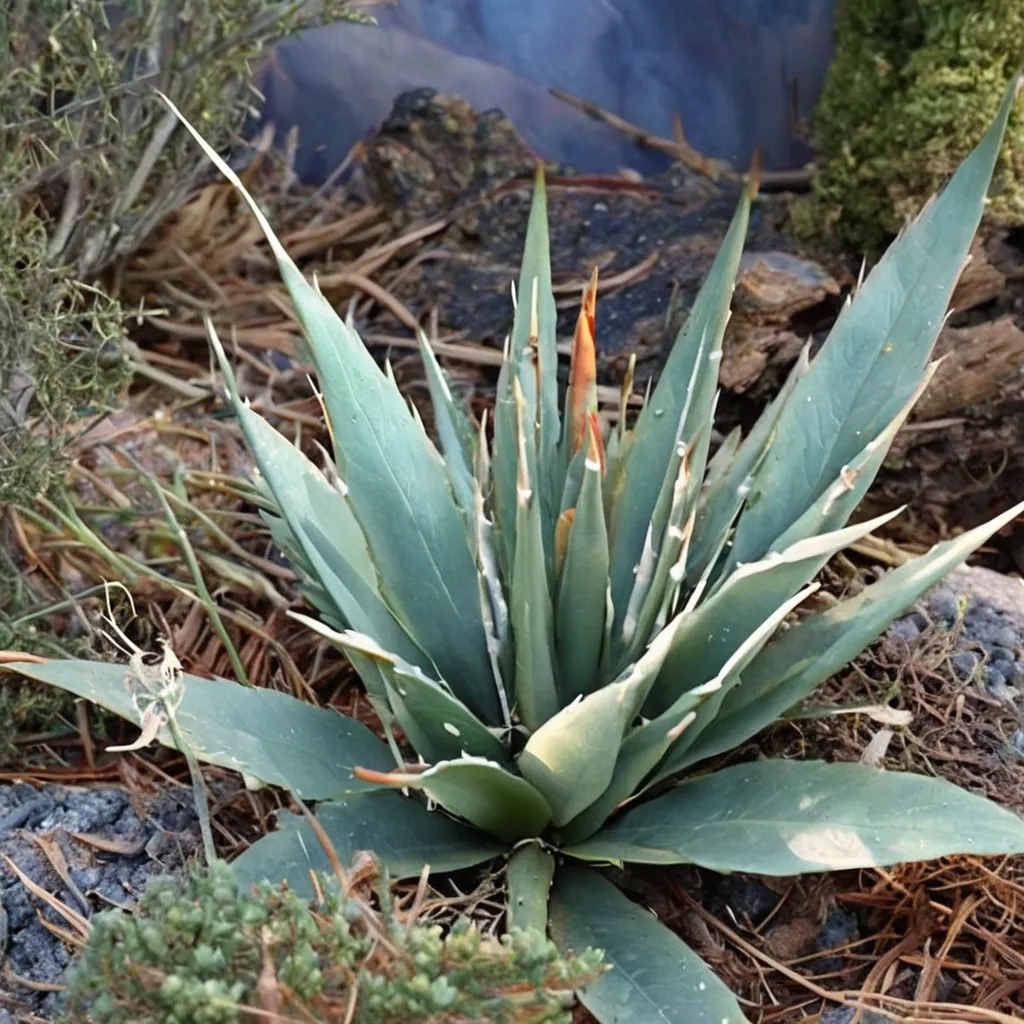
Utah Agave Kaibabensis
Agave utahensis 'kaibabensis'
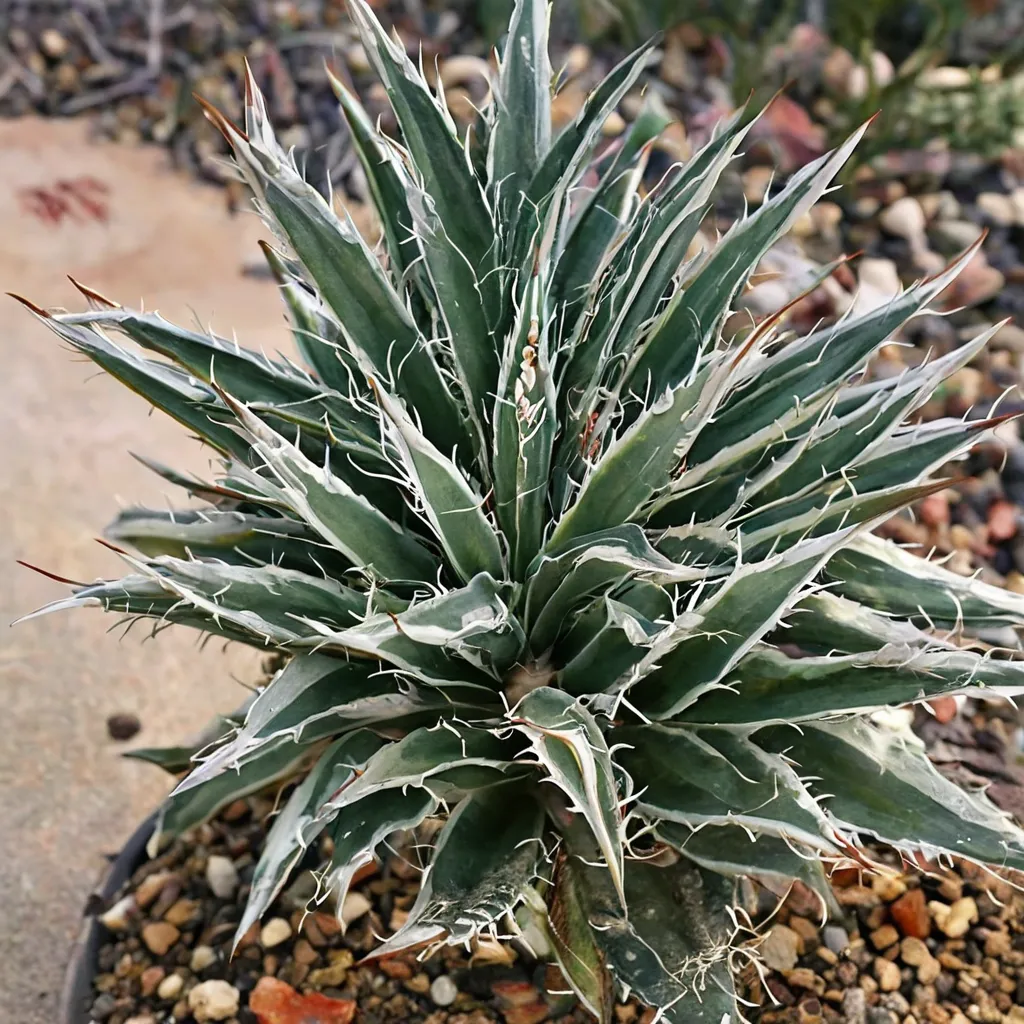
Toumey's Agave
Agave toumeyana
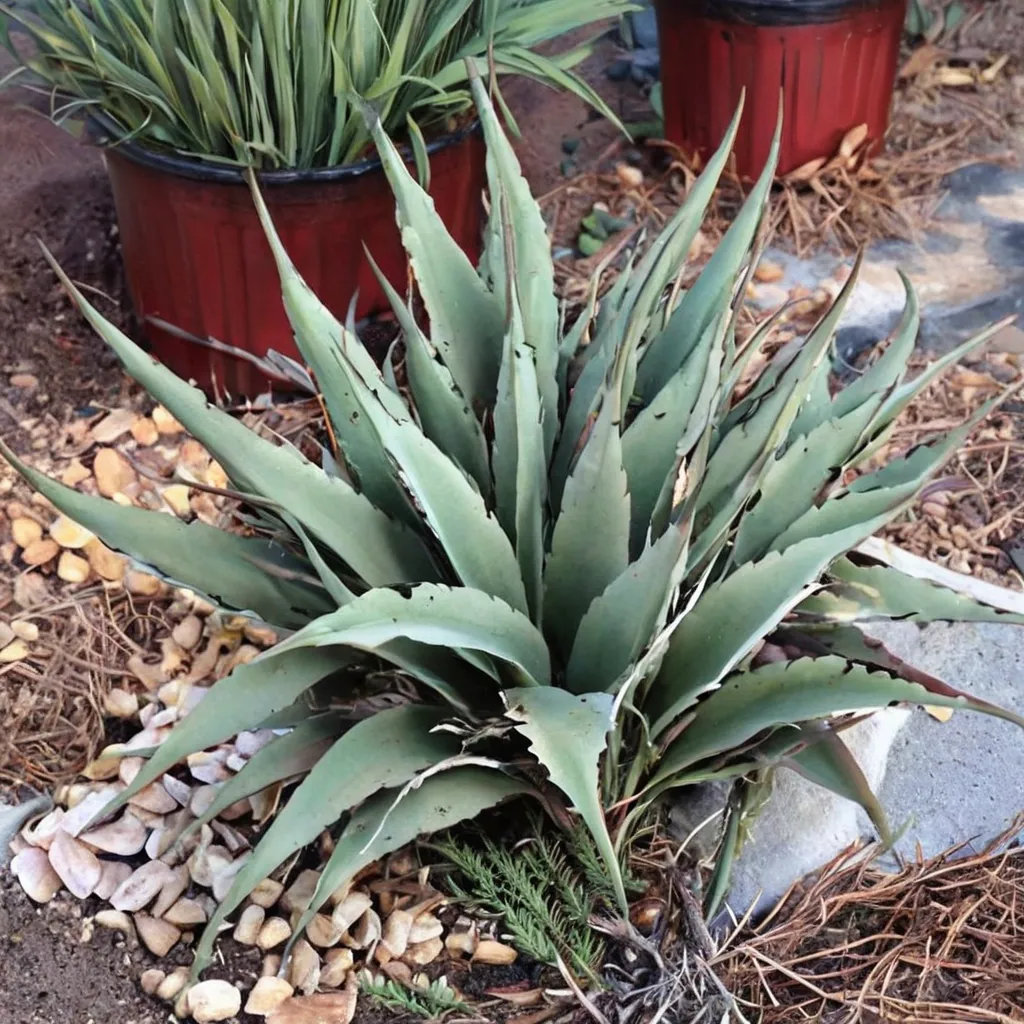
Slimfoot Century Plant
Agave gracilipes
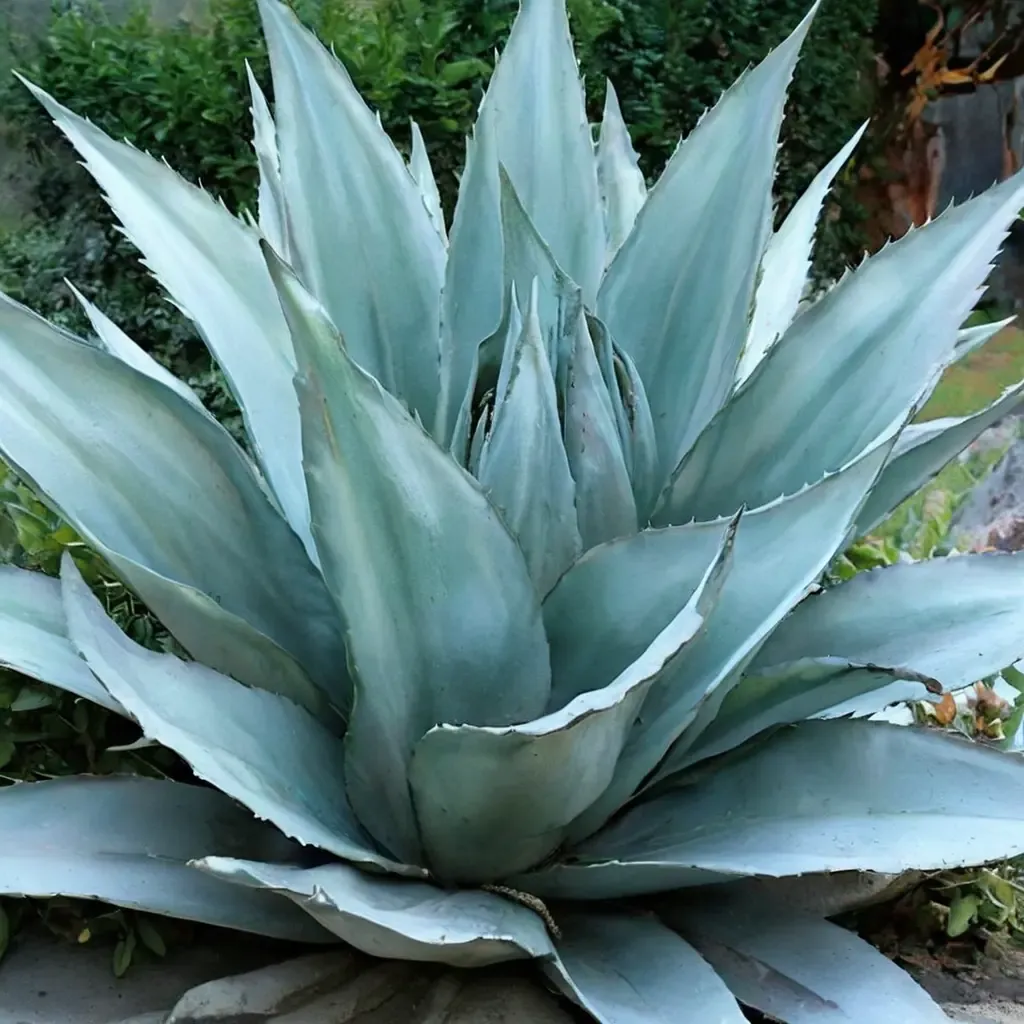
Vanzie Whale's Tongue Agave
Agave ovatifolia 'Vanzie'
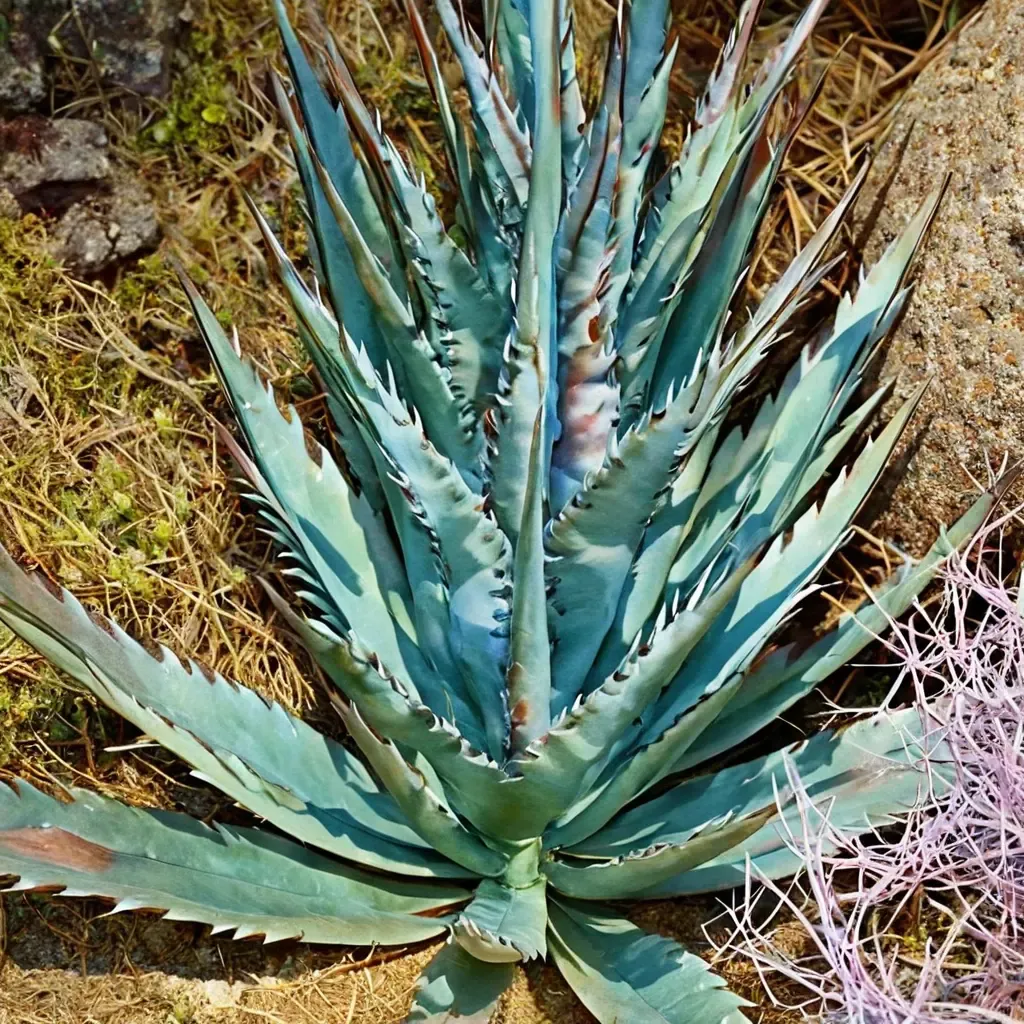
McKelvey's Agave
Agave mckelveyana
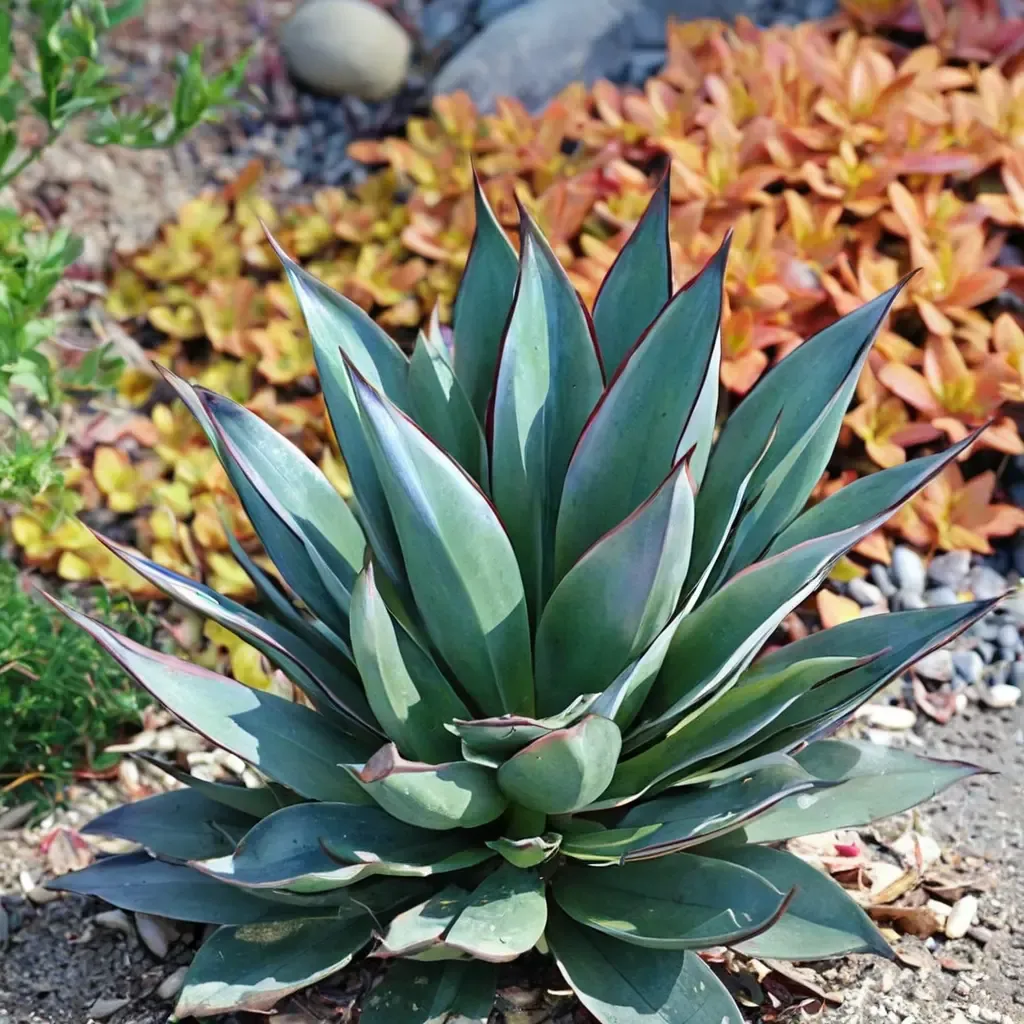
Blue Glow Agave
Agave americana 'Blue Glow'
Keep exploring
Explore the genus
Hardy in your zone?
Grow Caribbean Agave with confidence
See it in a design of your actual yard, get zone-matched care reminders, and track it season by season in your garden journal.