The Story
Plant Bio
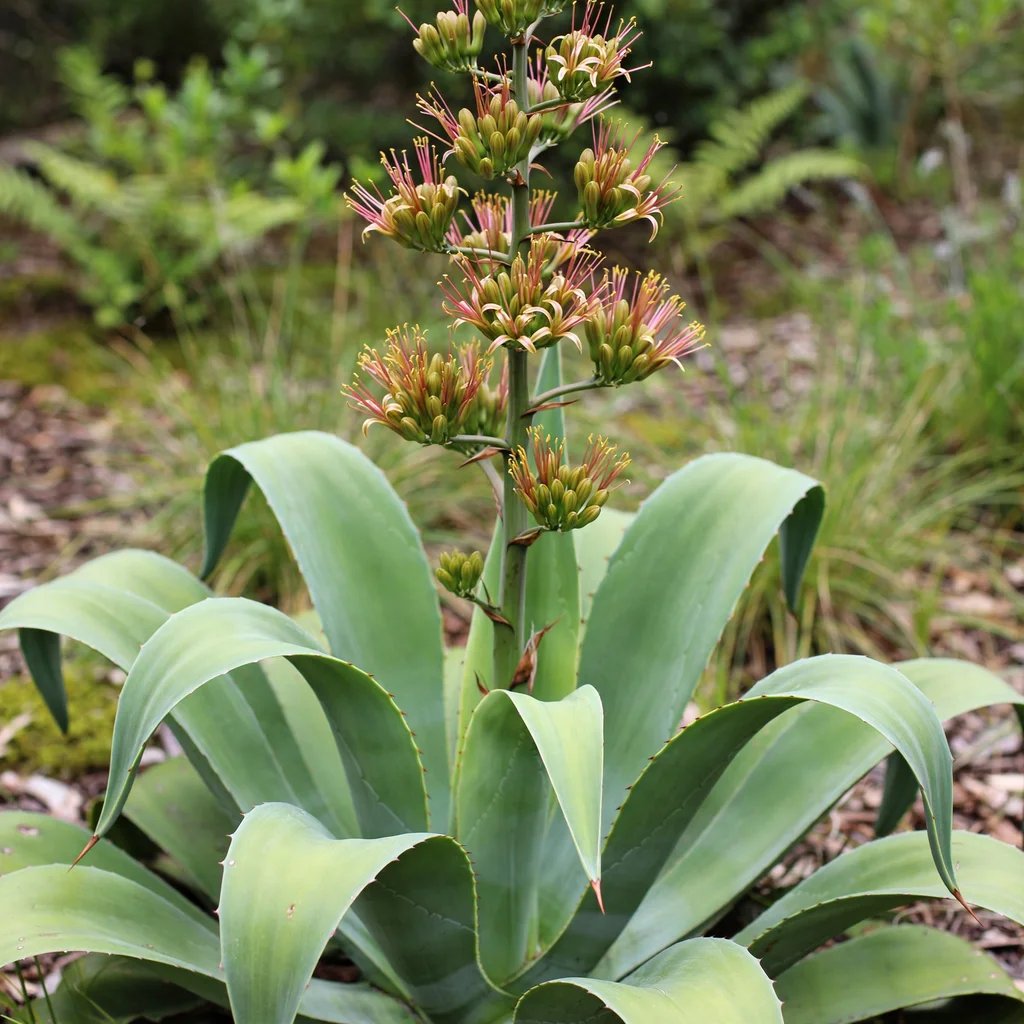
Agave mitis is a clump-forming evergreen succulent from humid montane forest in eastern Mexico, forming stemless rosettes about two feet tall and wide. The thick fleshy leaves arch and recurve from the crown, each up to two feet long with a soft terminal spine and small backward-pointing brown teeth along the margin.
Unlike most desert agaves the foliage feels almost unarmed, with broad green leaves that curve gracefully and read as smooth from a distance. Each rosette is monocarpic and dies after raising a tall unbranched spike of green flowers, but new shoots break from above ground level to rebuild the clump.
Uses & Benefits:
Essentials
At a Glance
Plant Type
Cactus Succulent
Height
24"
Width
24"
Light
Full Sun, Partial Sun
Zones
9, 10
Water
Low
Humidity
Low
Lifespan
Long-lived clump; individual rosette monocarpic
Native To
Mexico
Toxicity
Unknown; minor spines can scratch
Bloom period
Summer
In flower about 3 months of the year
Planting
How to Grow
- Set in full sun or light shade in very well-drained sandy or gravelly soil, planting the crown slightly high.
- Water deeply after planting, then let soil dry between waterings; established plants need little summer water.
- Feed lightly if at all in spring with a dilute balanced fertilizer; excess nitrogen and wet soil cause soft growth.
- Protect from hard frost below about 18F by moving containers under cover and keeping soil dry in fall and winter.
- Remove only the dead flowered rosette at its base; leave basal offsets in place to reform the clump.
Pro Tip
Plant high in sharply drained soil in full sun or light shade and leave the clump alone; after flowering cut the spent rosette at its base and let the upper offsets refill the crown.
Keep It Thriving
Care Guide
Do
- Provide sharp drainage and airflow around the crown
- Water deeply then allow to dry
- Inspect new plants for mites and weevils before planting
Don't
- Do not overwater or plant in heavy clay that stays wet
- Do not prune live leaves annually
- Do not compost collapsed rosettes with suspected weevil damage
Seasonal Care Calendar
| Task | Jan | Feb | Mar | Apr | May | Jun | Jul | Aug | Sep | Oct | Nov | Dec |
|---|---|---|---|---|---|---|---|---|---|---|---|---|
| Pest Check | ||||||||||||
| Plant | ||||||||||||
| Propagate | ||||||||||||
| Winter Prep |
Watch Out For
Pests & Diseases
Common Pests
Common Diseases
In the Garden
Landscape Uses & Companions
Landscape Uses
Multiply
Propagation Methods
Good to Know
Common Questions
Mitis Agave questions
What zones can Mitis Agave grow in?
Mitis Agave is hardy in USDA Zones 9–10: in that range it survives winter in the ground. Colder than Zone 9, grow it in a container you can move to shelter for the winter, or as an annual.
When does Mitis Agave bloom?
Mitis Agave typically blooms in summer. Exact timing shifts a week or two with your zone — Sow's bloom calendar maps it to your garden.
Does Mitis Agave need full sun?
Mitis Agave does best in full sun to part shade. In hot climates, afternoon shade keeps blooms fresher longer.
Is Mitis Agave drought tolerant?
Yes — once established (usually after the first full season), Mitis Agave handles dry spells with minimal watering. Water deeply its first year to build the root system that makes that possible.
More Agave to compare
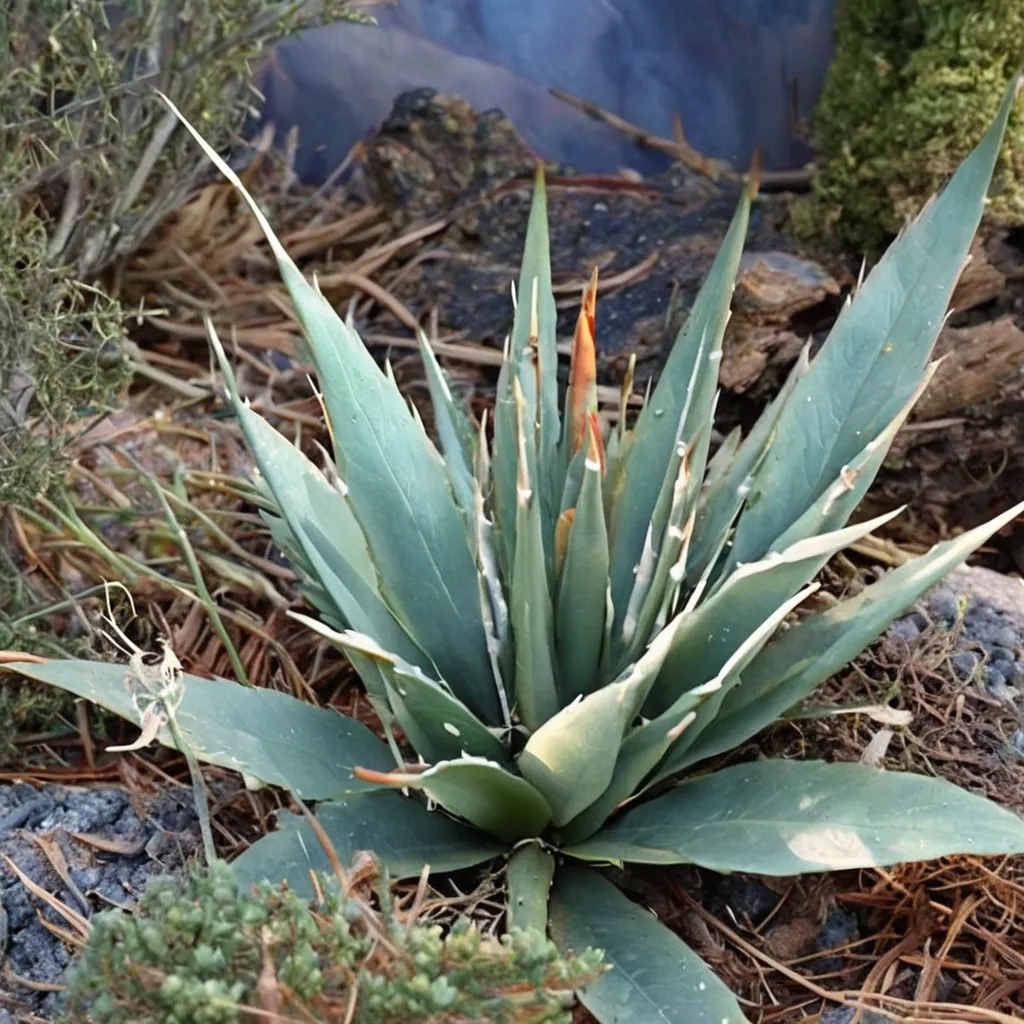
Utah Agave Kaibabensis
Agave utahensis 'kaibabensis'
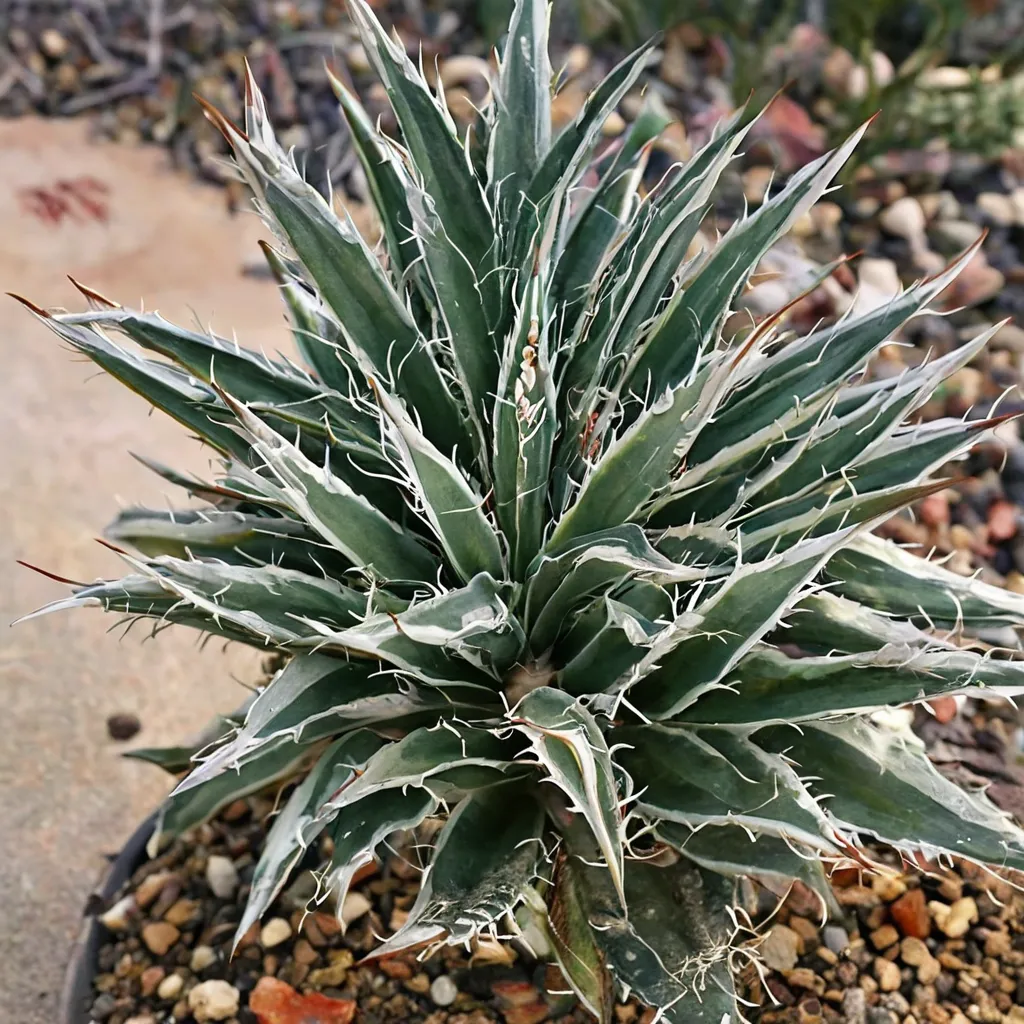
Toumey's Agave
Agave toumeyana
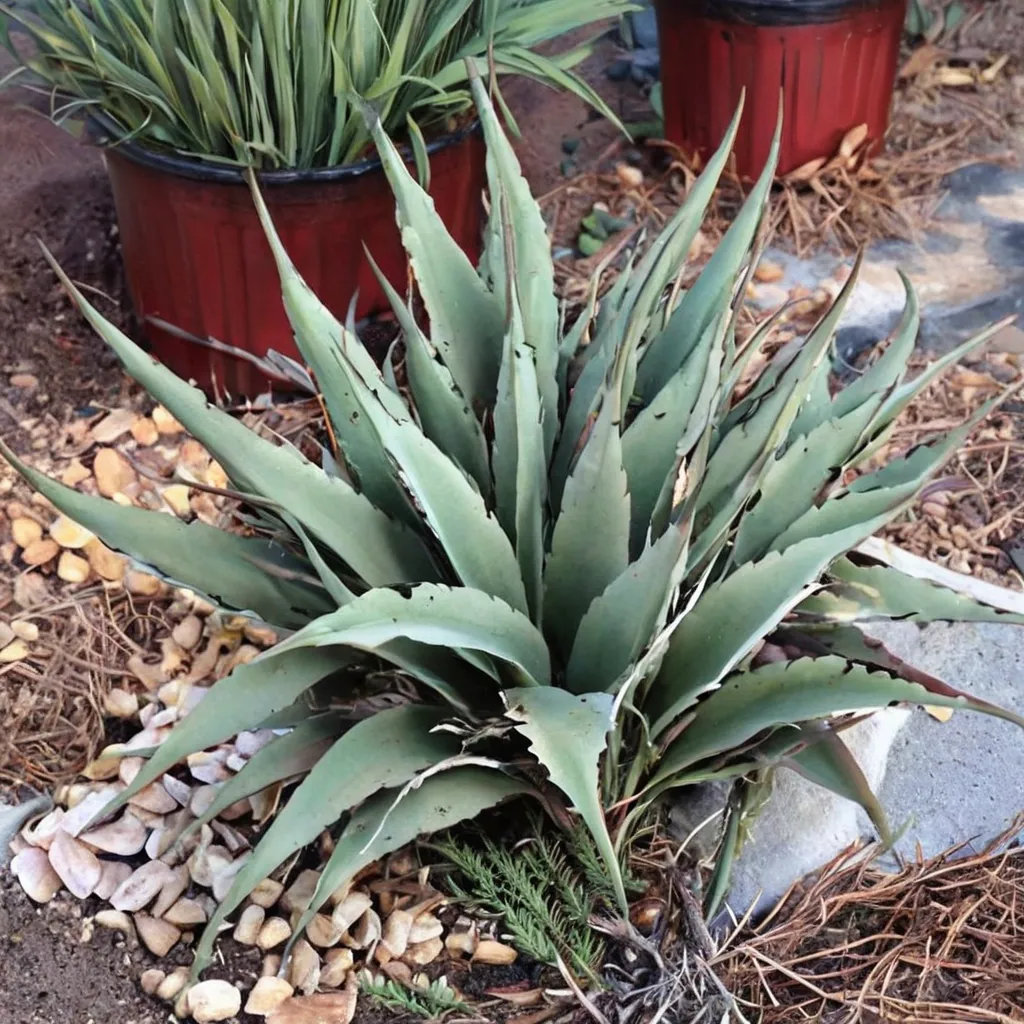
Slimfoot Century Plant
Agave gracilipes
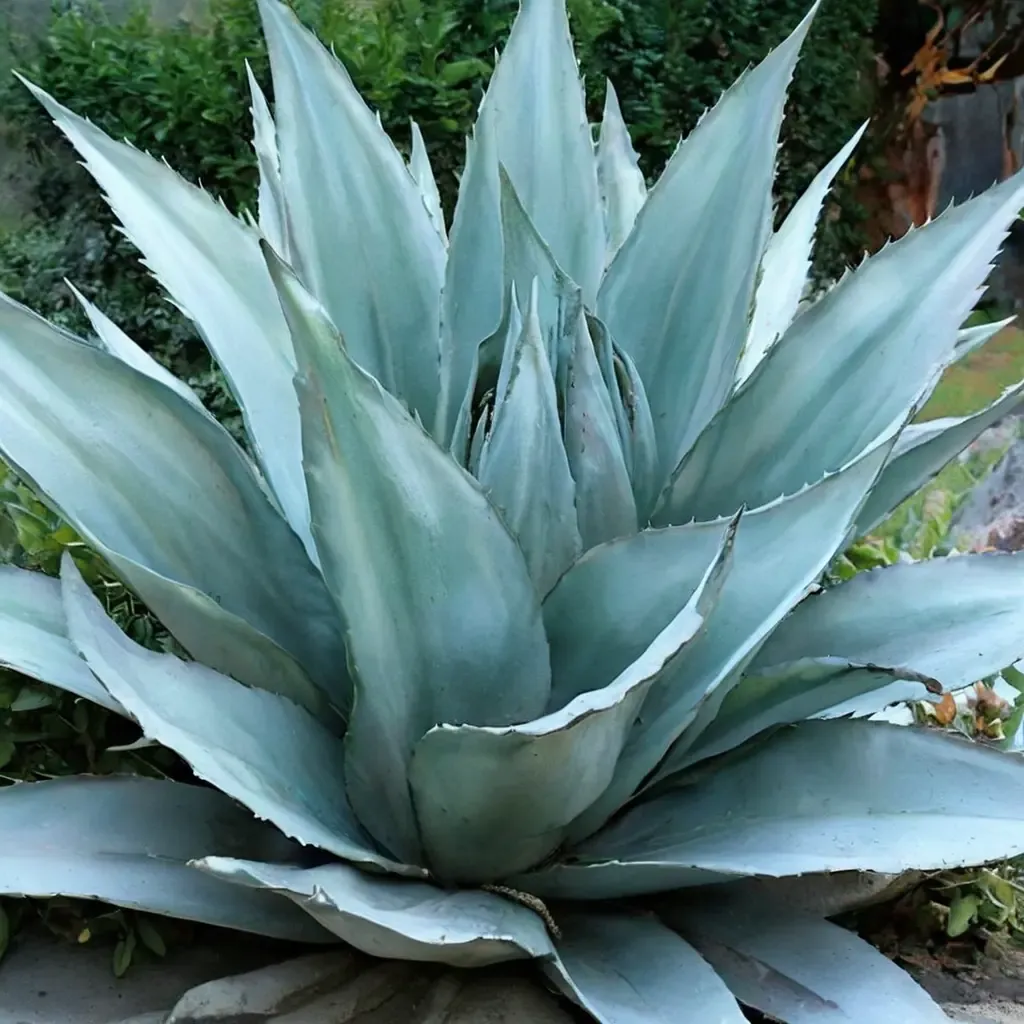
Vanzie Whale's Tongue Agave
Agave ovatifolia 'Vanzie'
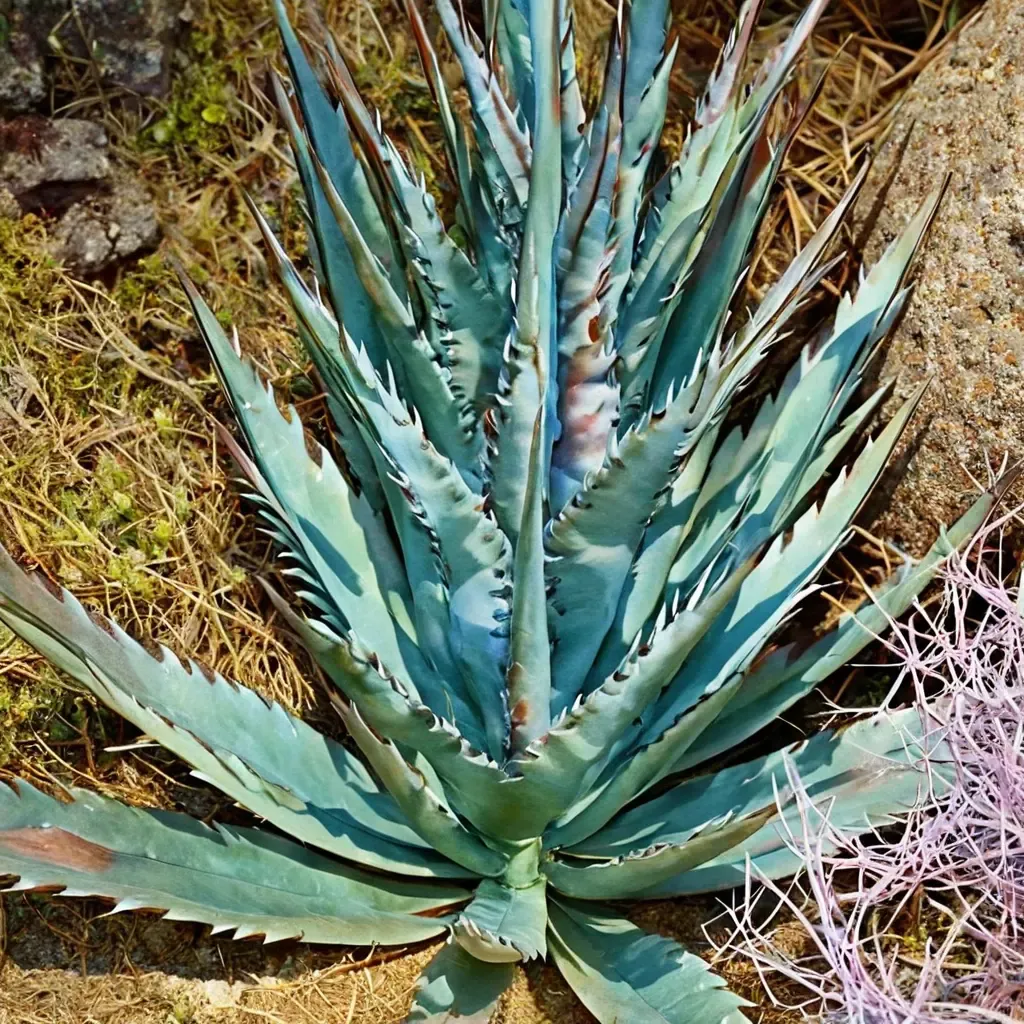
McKelvey's Agave
Agave mckelveyana
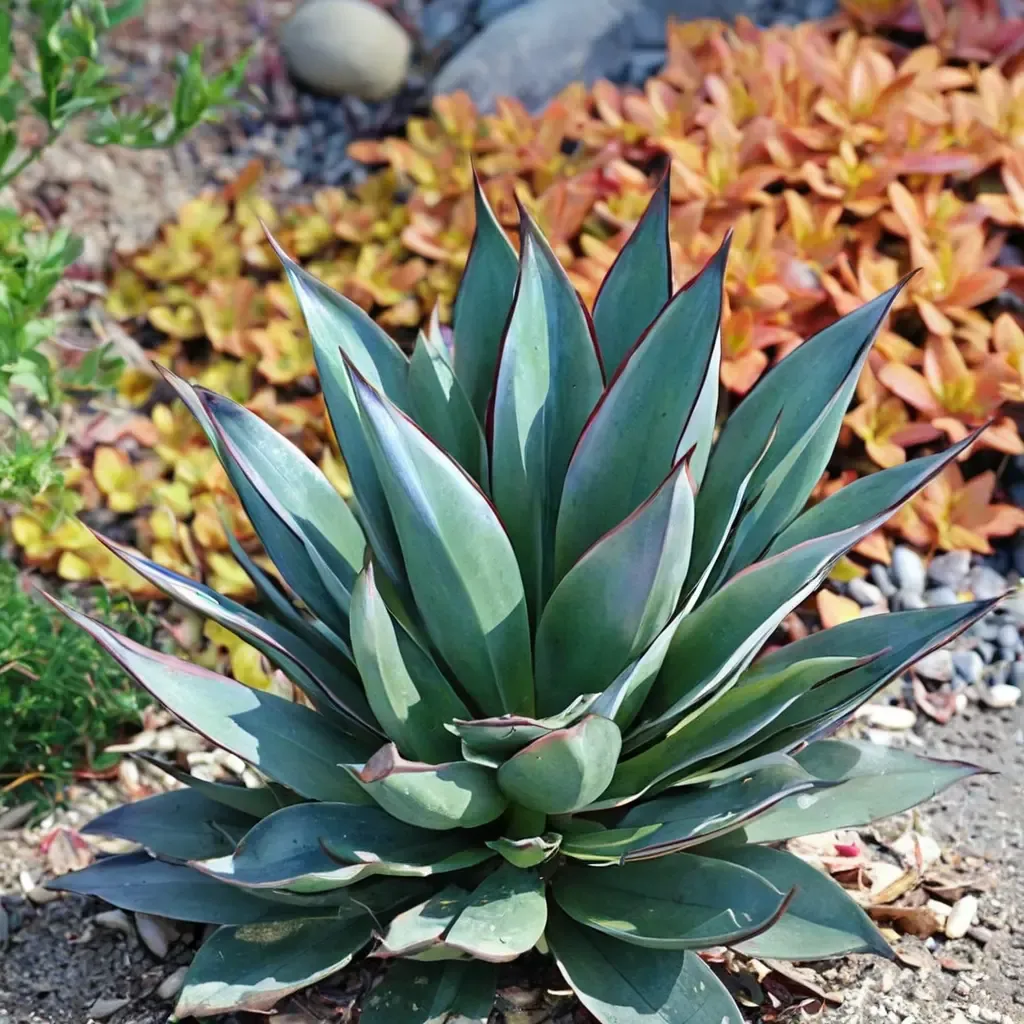
Blue Glow Agave
Agave americana 'Blue Glow'
Keep exploring
Explore the genus
Hardy in your zone?
Grow Mitis Agave with confidence
See it in a design of your actual yard, get zone-matched care reminders, and track it season by season in your garden journal.