
The Story
Plant Bio
Ipomoea nil is a twining annual vine that reaches about 10 feet in one season, climbing by slender stems that wrap around any support or sprawl across the ground. The leaves are ivy-like and three-lobed, and the funnel-shaped flowers are 2 to 3 inches across, opening in the morning and collapsing by nightfall.
It is separated from common morning-glory by hairy stems and distinctly lobed leaves, and by flowers in blue, purple, pink and lavender, many with a white throat or a white picotee edge. Each flower lasts a single morning and is replaced daily in succession, and plants reseed freely where pods are left to ripen.
Uses & Benefits:
Essentials
At a Glance
Plant Type
Vine
Height
120"
Width
72"
Light
Full Sun, Partial Sun
Zones
8, 9, 10
Water
Medium
Humidity
Unknown
Lifespan
Annual, perennial in tropics
Native To
Mexico to Argentina
Toxicity
Toxic if ingested - seeds
Bloom period
Summer – Fall
In flower about 6 months of the year
Planting
How to Grow
- Sow in full sun to partial shade in average to poor soil that drains after rain.
- Nick the hard seed coat with a file and soak seed overnight in warm water before sowing.
- Sow 1/4 inch deep after frost danger has passed and provide a trellis, arbor or net at planting.
- Thin to 6 to 12 inches apart and water to establish, then water when the top inch dries.
Pro Tip
Remove spent flowers before pods swell; one plant left to set seed will sow itself for years.
Keep It Thriving
Care Guide
Do
- Give it a trellis, fence or arbor at planting time so stems can twine upward
- Deadhead daily or pick off swelling pods to limit self-sowing
- Pull unwanted seedlings while small before they wrap around other plants
Don't
- Do not plant where you cannot weed seedlings; it reseeds readily and can be difficult to control
- Do not overfertilize; rich soil grows leaves at the expense of flowers
- Do not eat seeds; they contain compounds that cause hallucinations, diarrhea and low blood pressure
Seasonal Care Calendar
| Task | Jan | Feb | Mar | Apr | May | Jun | Jul | Aug | Sep | Oct | Nov | Dec |
|---|---|---|---|---|---|---|---|---|---|---|---|---|
| Deadhead | ||||||||||||
| Pest Check | ||||||||||||
| Plant | ||||||||||||
| Propagate | ||||||||||||
| Stake |
Watch Out For
Pests & Diseases
Common Pests
Common Diseases
In the Garden
Landscape Uses & Companions
Landscape Uses
Companion Plants
Multiply
Propagation Methods
Good to Know
Common Questions
Japanese Morning Glory questions
What zones can Japanese Morning Glory grow in?
Japanese Morning Glory is an annual: it grows, flowers and sets seed in one season, so winter cold doesn't limit where it grows. Gardeners in any zone can grow it by planting at the right time, usually after the last spring frost.
When does Japanese Morning Glory bloom?
Japanese Morning Glory typically blooms from summer to fall. Exact timing shifts a week or two with your zone — Sow's bloom calendar maps it to your garden.
Does Japanese Morning Glory need full sun?
Japanese Morning Glory does best in full sun to part shade. In hot climates, afternoon shade keeps blooms fresher longer.
More Ipomoea to compare
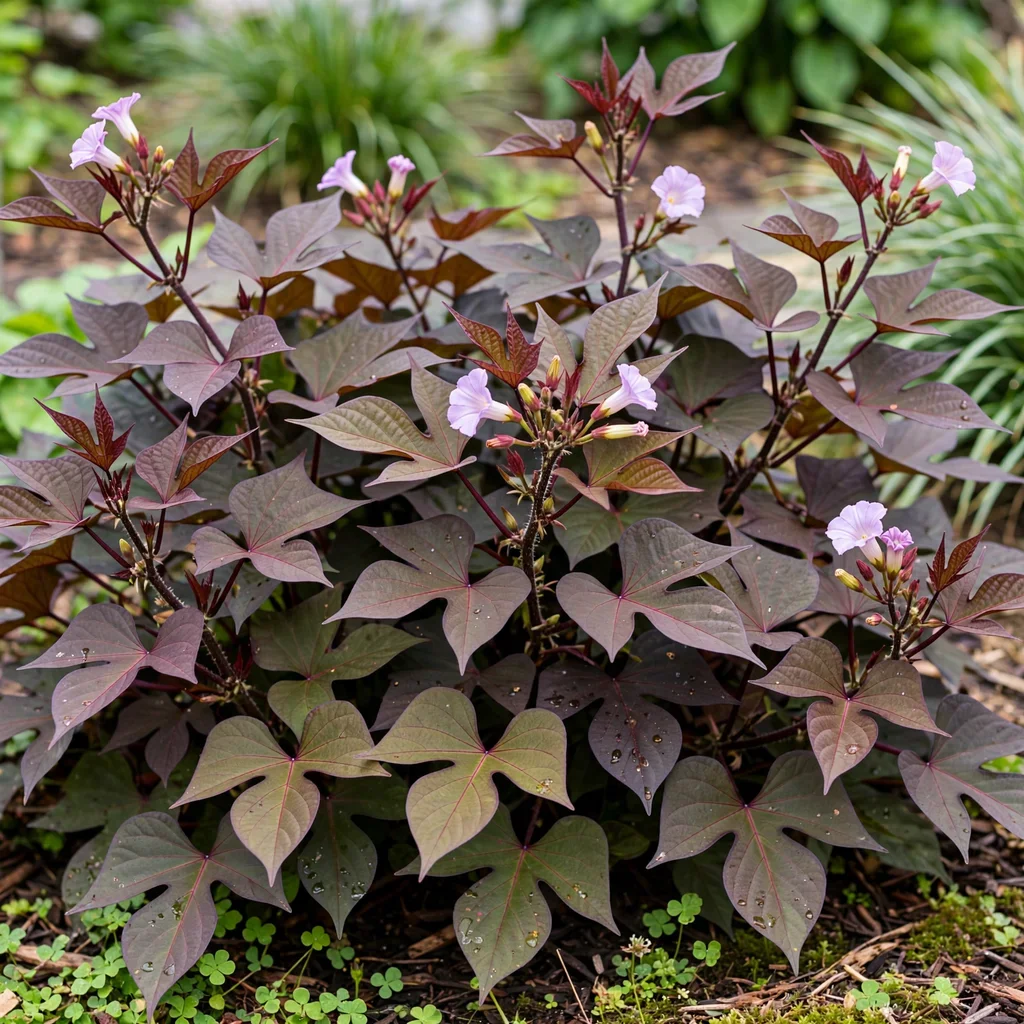
Sweet Potato
Ipomoea batatas 'Sweet Georgia Bronze'
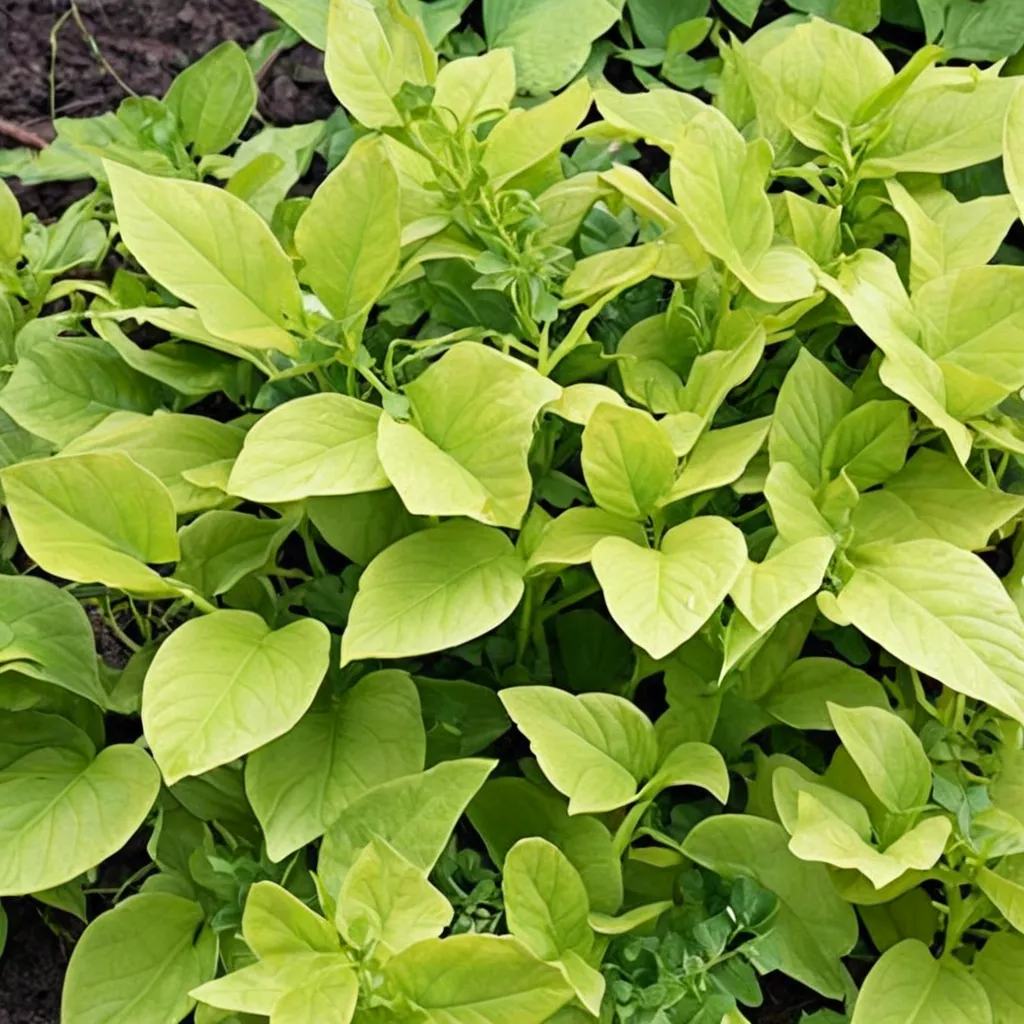
Margarita Sweet Potato Vine
Ipomoea batatas 'Margarita'
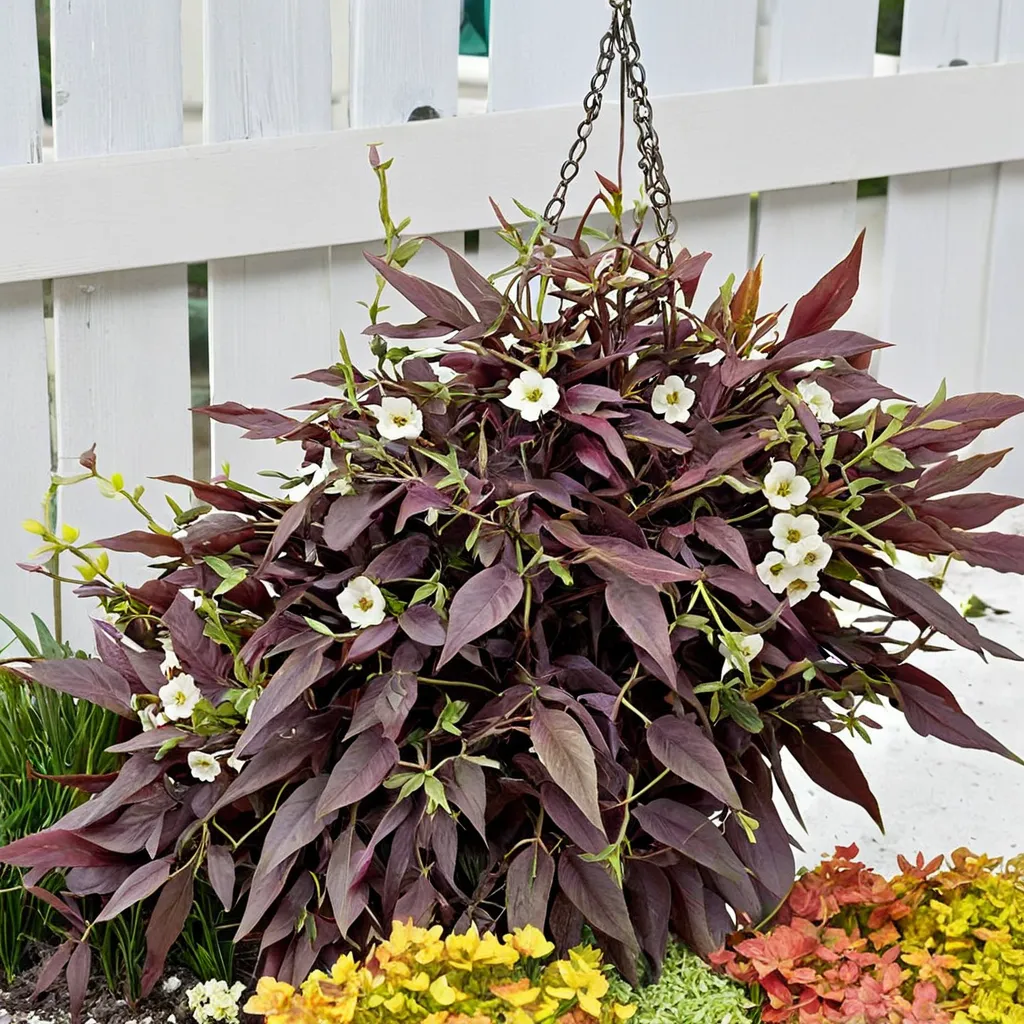
Sweet Caroline Upside Black Coffee Sweet Potato Vine
Ipomoea batatas 'Sweet Caroline Upside Black Coffee'
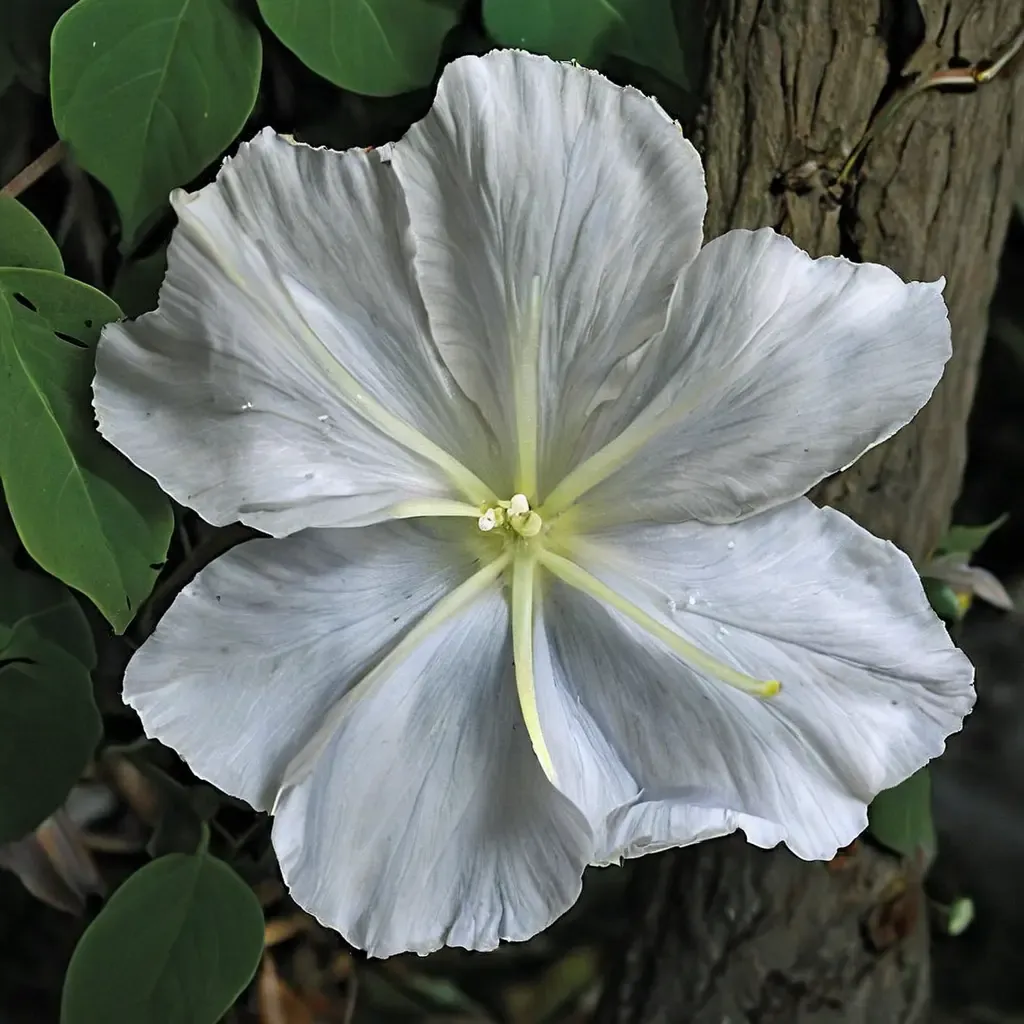
Moonflower
Ipomoea alba
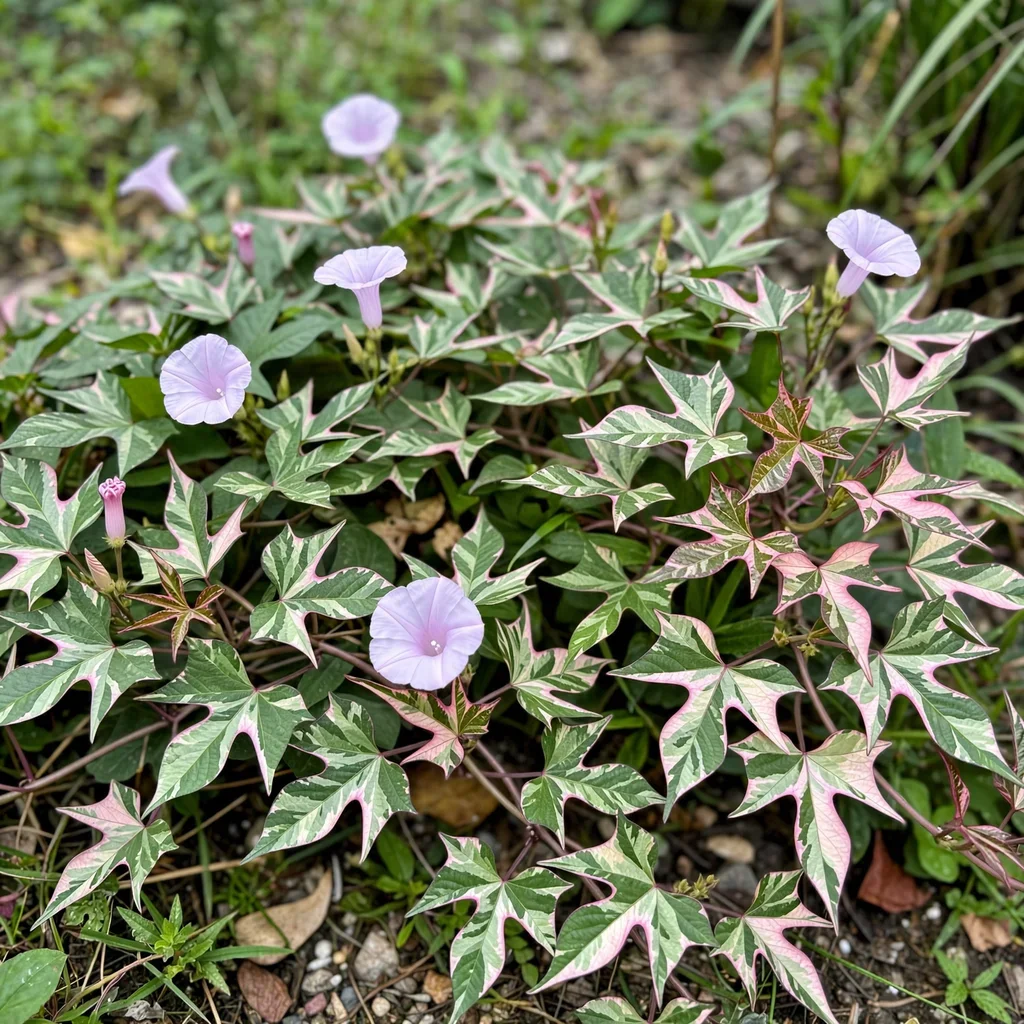
Tricolor Sweet Potato Vine
Ipomoea batatas 'Tricolor'
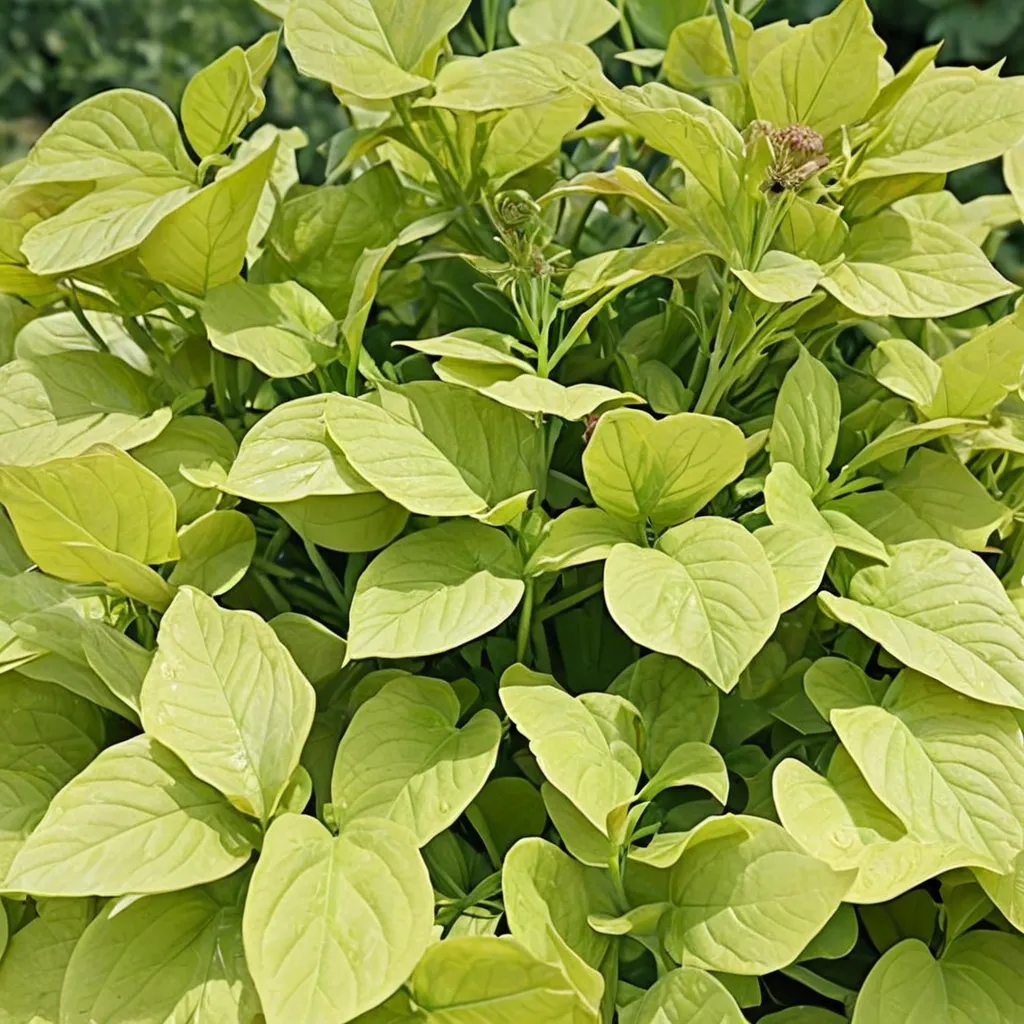
Sweet Potato Vine 'Sweet Caroline Sweetheart Lime'
Ipomoea batatas 'Sweet Caroline Sweetheart Lime'
Keep exploring
Explore the genus
Hardy in your zone?
Grow Japanese Morning Glory with confidence
See it in a design of your actual yard, get zone-matched care reminders, and track it season by season in your garden journal.