The Story
Plant Bio
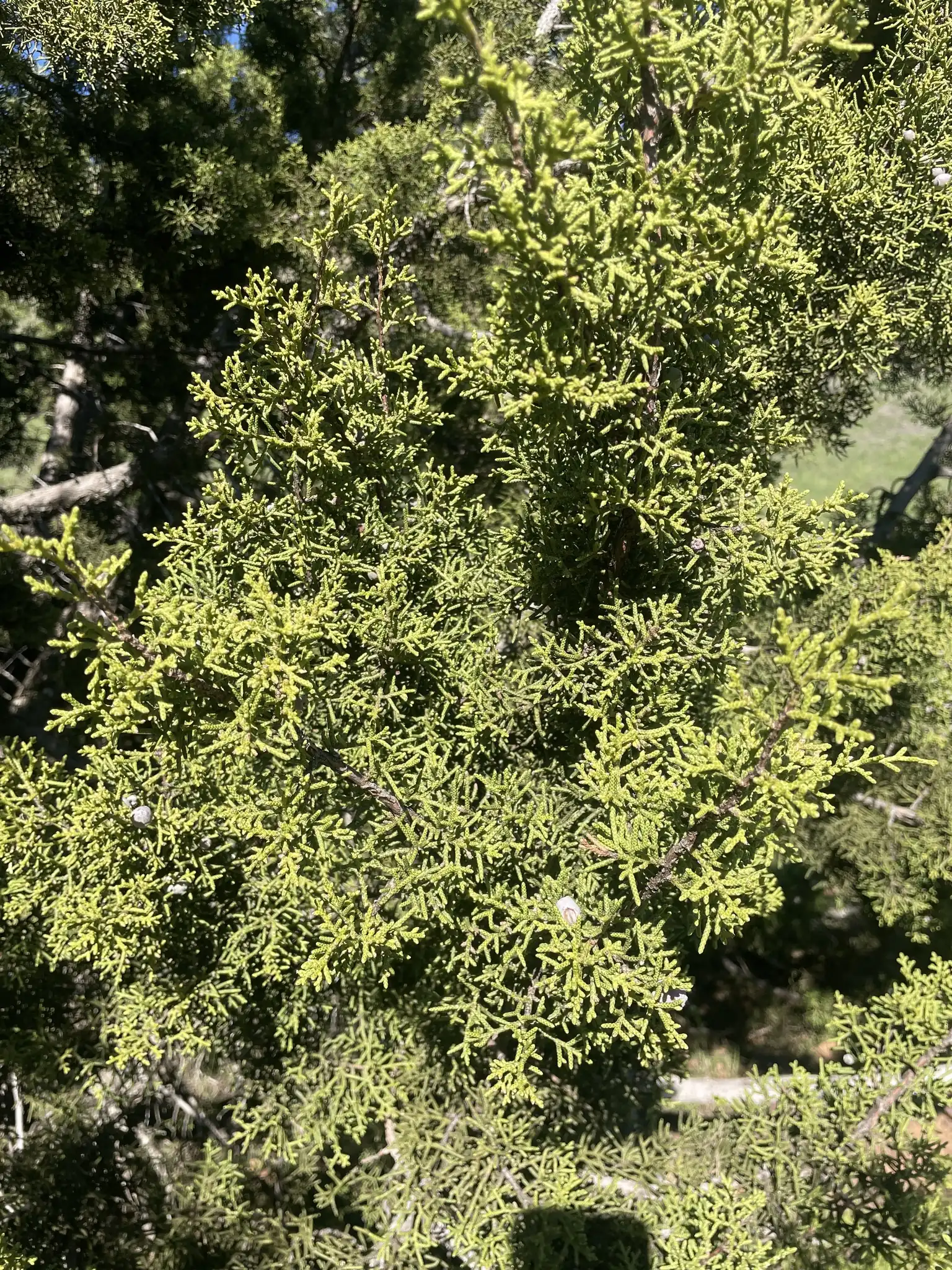
Juniperus californica is a large evergreen shrub or small tree native to dry slopes and semidesert zones across the southwestern United States and northwestern Mexico. It forms a broad, open crown of stout, irregular stems covered in scale-like foliage that varies from yellowish-green to bluish-gray.
This species is exceptionally drought-tolerant, extending deeper into arid habitats than most other native conifers. Its berry-like cones provide essential winter nourishment for desert wildlife, while the foliage serves as a larval host for the Sequoia sphinx moth.
Uses & Benefits:
Essentials
At a Glance
Plant Type
Shrub
Height
300"
Width
236"
Light
Full Sun, Partial Sun
Zones
8, 9, 10
Water
Low
Humidity
Low
Lifespan
Perennial
Native To
Southwestern United States and Northwestern Mexico
Toxicity
Mildly toxic if ingested
Bloom period
Spring
In flower about 3 months of the year
Planting
How to Grow
- Select a planting site in full sun with gritty, fast-draining, or alkaline soil.
- Dig a hole twice as wide as the root container, ensuring the root collar sits level with the surrounding soil line.
- Backfill with native soil without adding organic amendments or fertilizer.
- Water deeply at planting time and soak infrequently during the first summer to establish the root system.
- Withhold supplemental water after establishment, relying entirely on natural precipitation.
Pro Tip
Never prune back into old bare interior wood, as it lacks adventitious buds and will not regenerate foliage.
Keep It Thriving
Care Guide
Do
- Plant in lean, rocky, or gravelly soils with rapid drainage.
- Ensure full sun exposure to maintain compact, healthy foliage density.
- Keep mulch pulled back from the main stem to encourage airflow around the root trunk.
Don't
- Do not apply nitrogen fertilizers, which spur weak and leggy growth.
- Do not shear branches into old, leafless wood.
- Do not plant in wet, boggy, or poorly ventilated microclimates.
Seasonal Care Calendar
| Task | Jan | Feb | Mar | Apr | May | Jun | Jul | Aug | Sep | Oct | Nov | Dec |
|---|---|---|---|---|---|---|---|---|---|---|---|---|
| Pest Check | ||||||||||||
| Prune | ||||||||||||
| Spring Cleanup | ||||||||||||
| Winter Prep |
Watch Out For
Pests & Diseases
Common Pests
Common Diseases
In the Garden
Landscape Uses & Companions
Landscape Uses
Multiply
Propagation Methods
Good to Know
Common Questions
California Juniper questions
What zones can California Juniper grow in?
California Juniper is hardy in USDA Zones 8–10: in that range it survives winter in the ground. Colder than Zone 8, grow it in a container you can move to shelter for the winter.
Is California Juniper deer resistant?
Not reliably. Deer may browse California Juniper, especially tender spring growth — plan on repellents or fencing where pressure is high.
When does California Juniper bloom?
California Juniper typically blooms in spring. Exact timing shifts a week or two with your zone — Sow's bloom calendar maps it to your garden.
Does California Juniper need full sun?
California Juniper does best in full sun to part shade. In hot climates, afternoon shade keeps blooms fresher longer.
Is California Juniper drought tolerant?
Yes — once established (usually after the first full season), California Juniper handles dry spells with minimal watering. Water deeply its first year to build the root system that makes that possible.
More Juniperus to compare
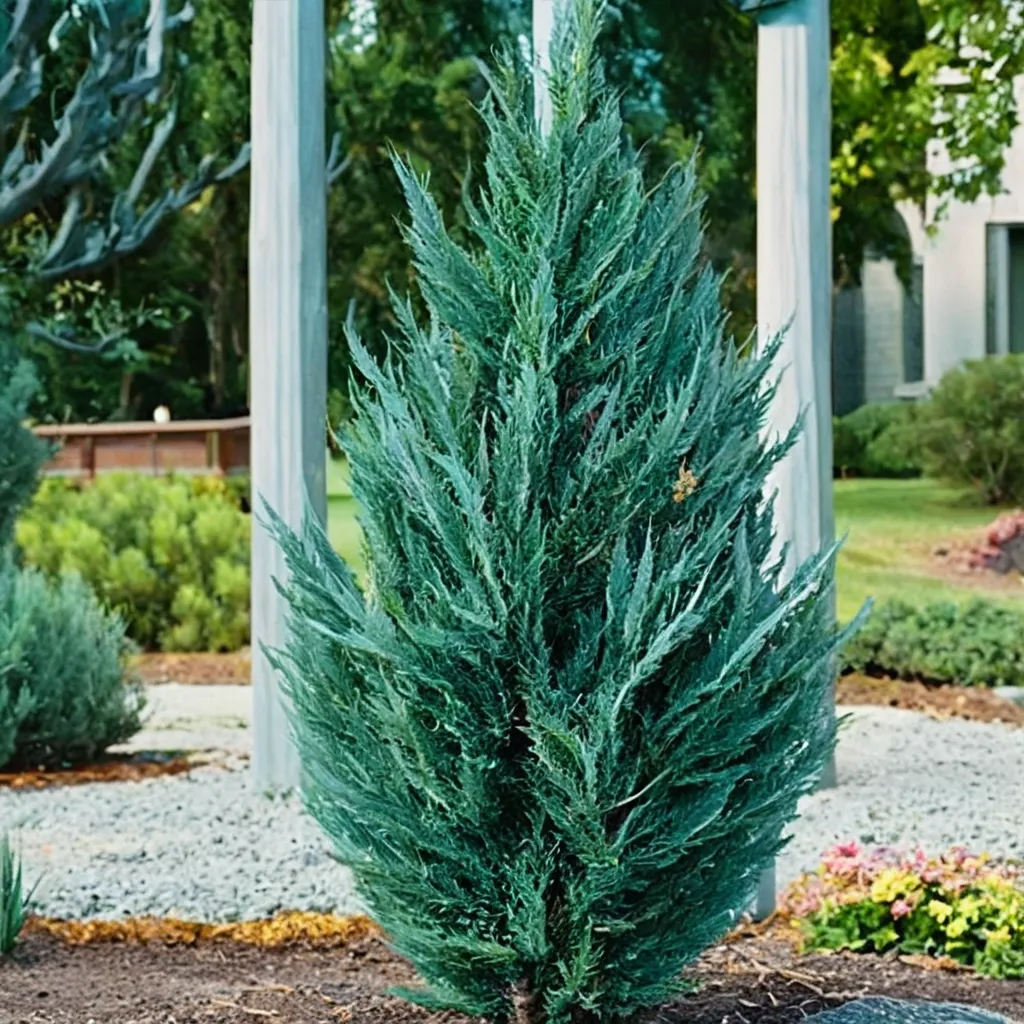
Blue Point Juniper
Juniperus chinensis 'Blue Point'
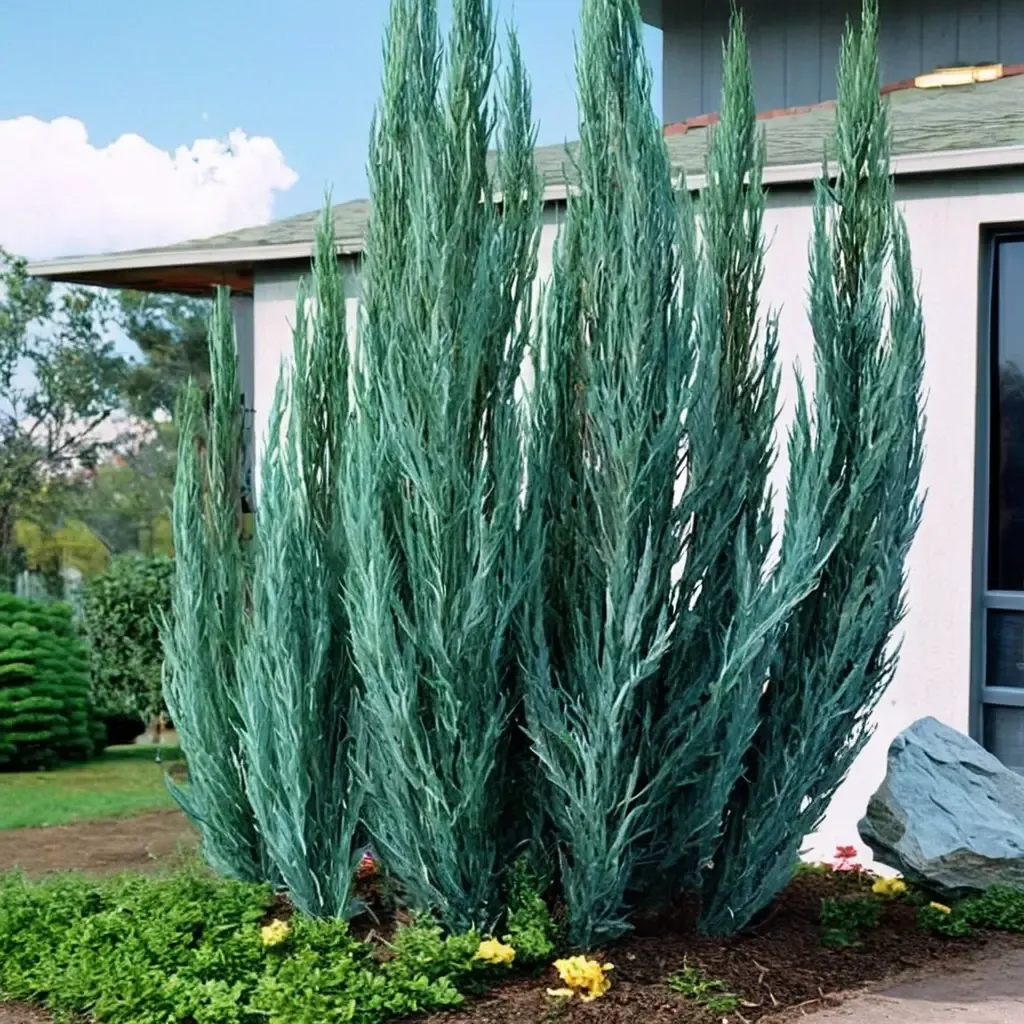
Skyrocket Juniper
Juniperus scopulorum 'Skyrocket'
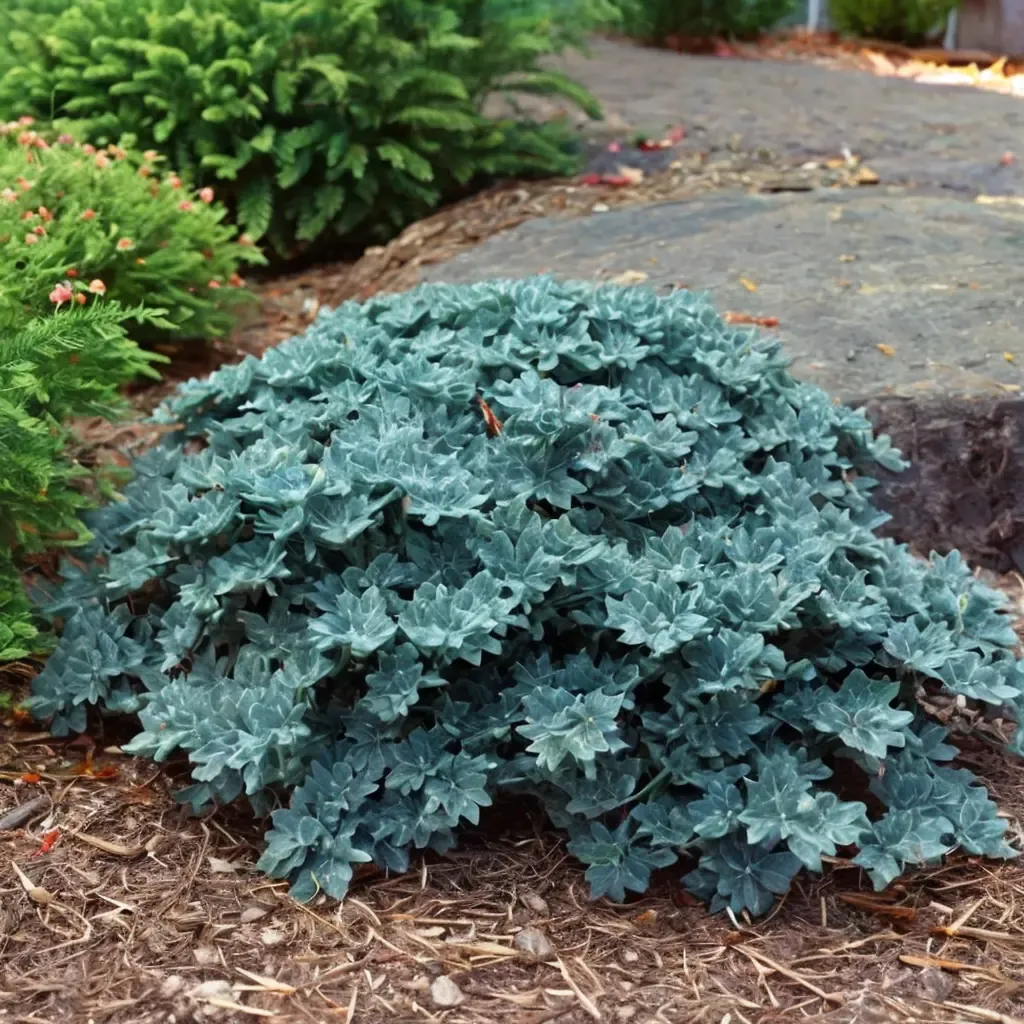
Blue Star Juniper
Juniperus squamata 'Blue Star'
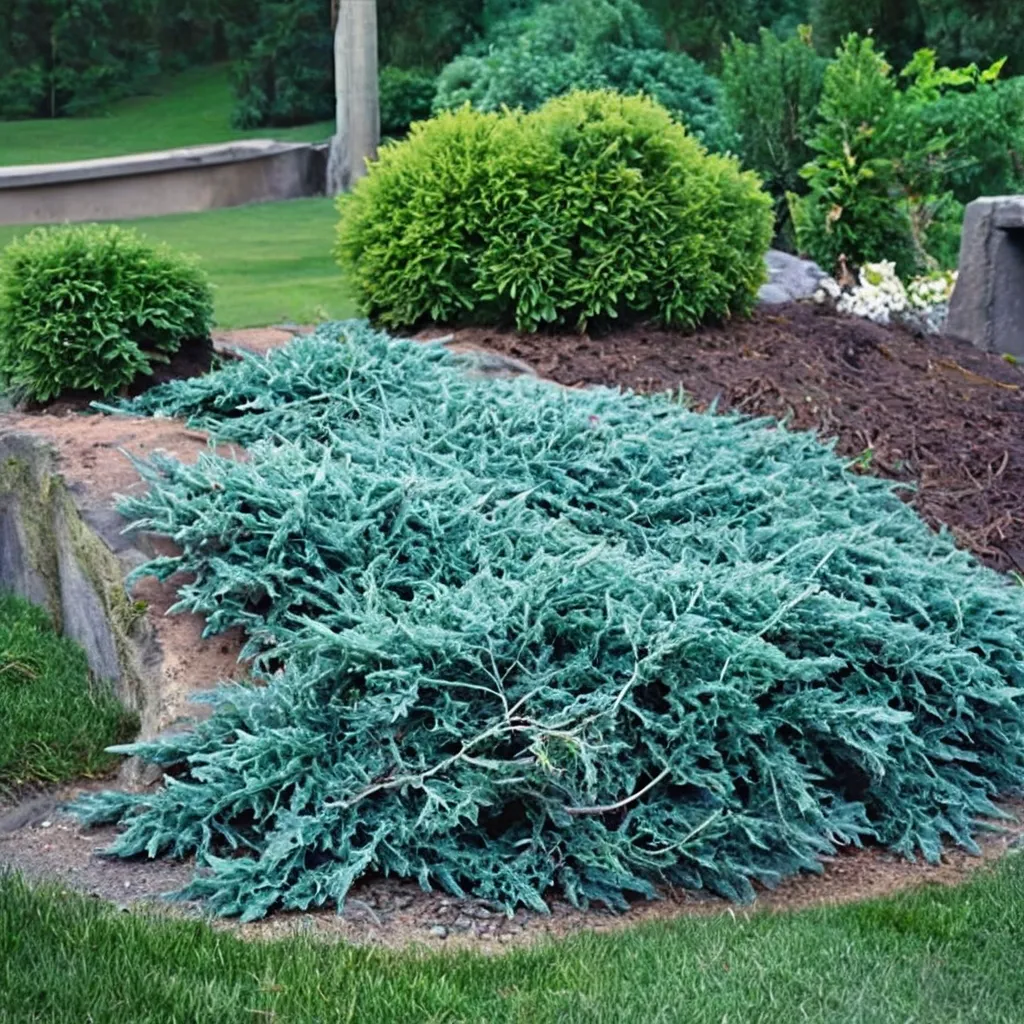
Blue Rug Juniper
Juniperus horizontalis 'Blue Rug'
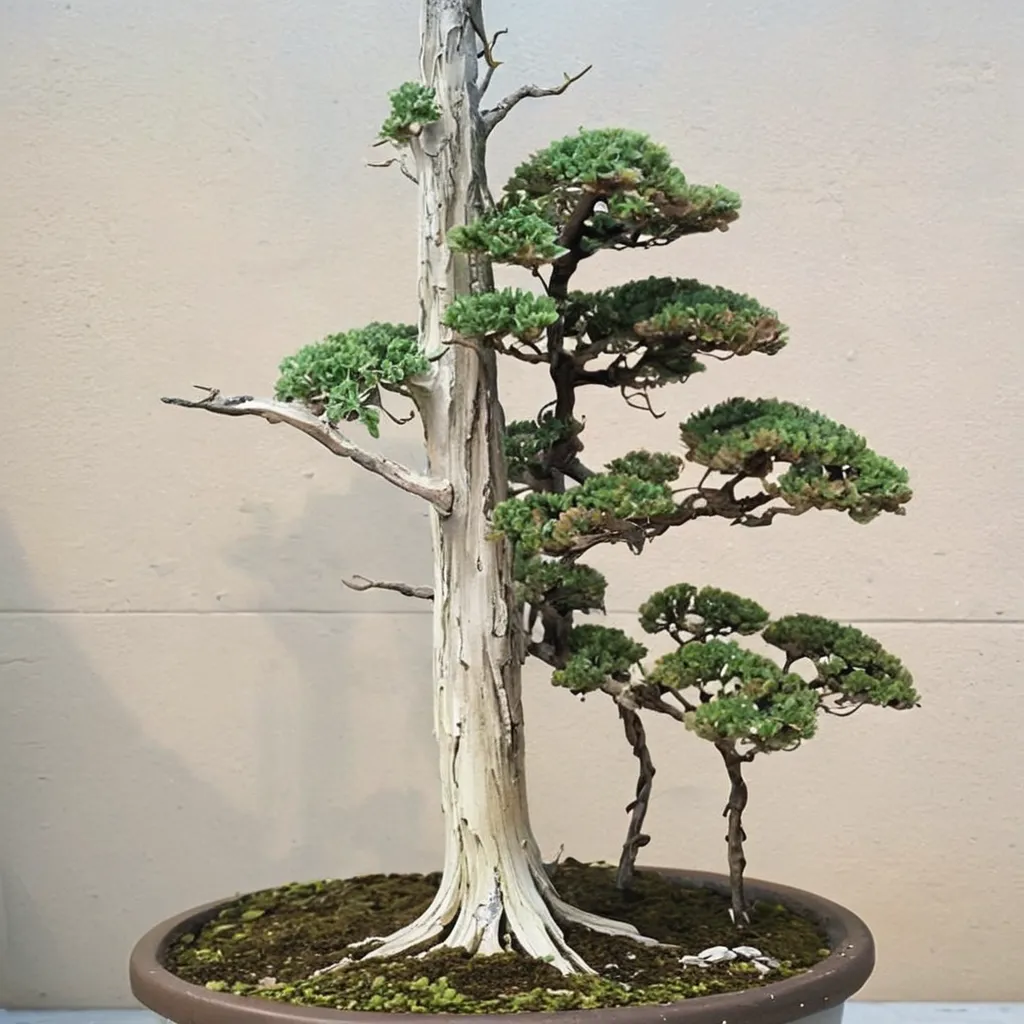
Foemina Chinese Juniper
Juniperus chinensis 'Foemina'
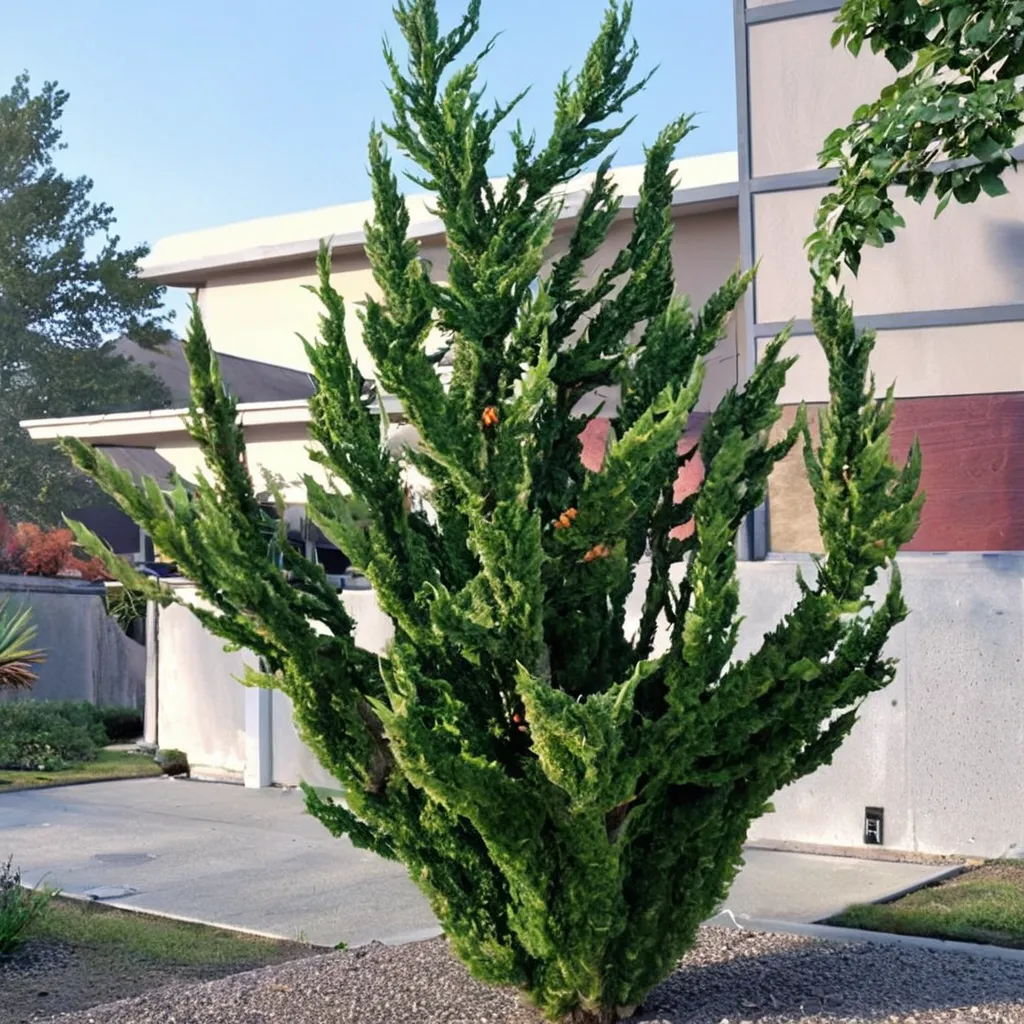
Hollywood Juniper 'Kaizuka'
Juniperus chinensis 'Kaizuka'
Keep exploring
Explore the genus
Hardy in your zone?
Grow California Juniper with confidence
See it in a design of your actual yard, get zone-matched care reminders, and track it season by season in your garden journal.