
Garden hybrid
This is a garden hybrid, bred from more than one wild species, so it has no single species page of its own.
16 other cultivars
 ‘Conaf’Conaf Oakland Holly
 ‘Christmas Jewel Holly’Christmas Jewel Holly
 ‘Conty’Castle Spire Blue Holly
 ‘Magland’Magland Oakland Holly
 ‘Nellie R Stevens’Nellie R. Stevens Holly
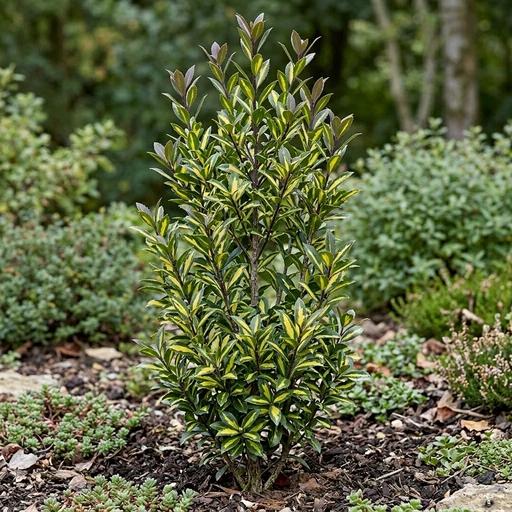 ‘Red Sky’Red Sky Holly
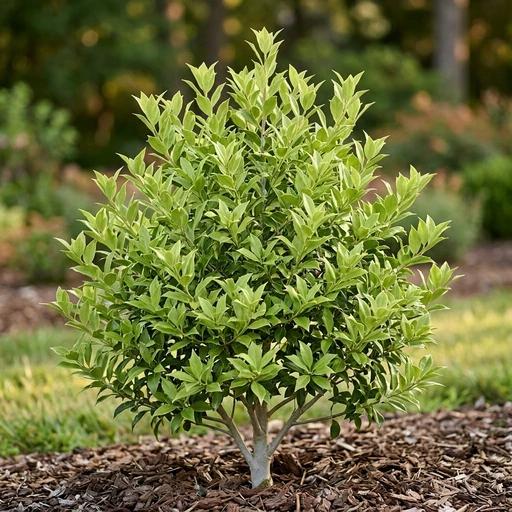 ‘Arrow Point’Arrow Point Holly
 ‘Screen Play’Screen Play Holly
 ‘Emily Bruner’Emily Bruner Holly
 ‘Rutzan’Red Beauty Holly
 ‘Homefire’Homefire Holly
 ‘Mary Nell’Mary Nell Holly
 ‘Robin’Robin Holly
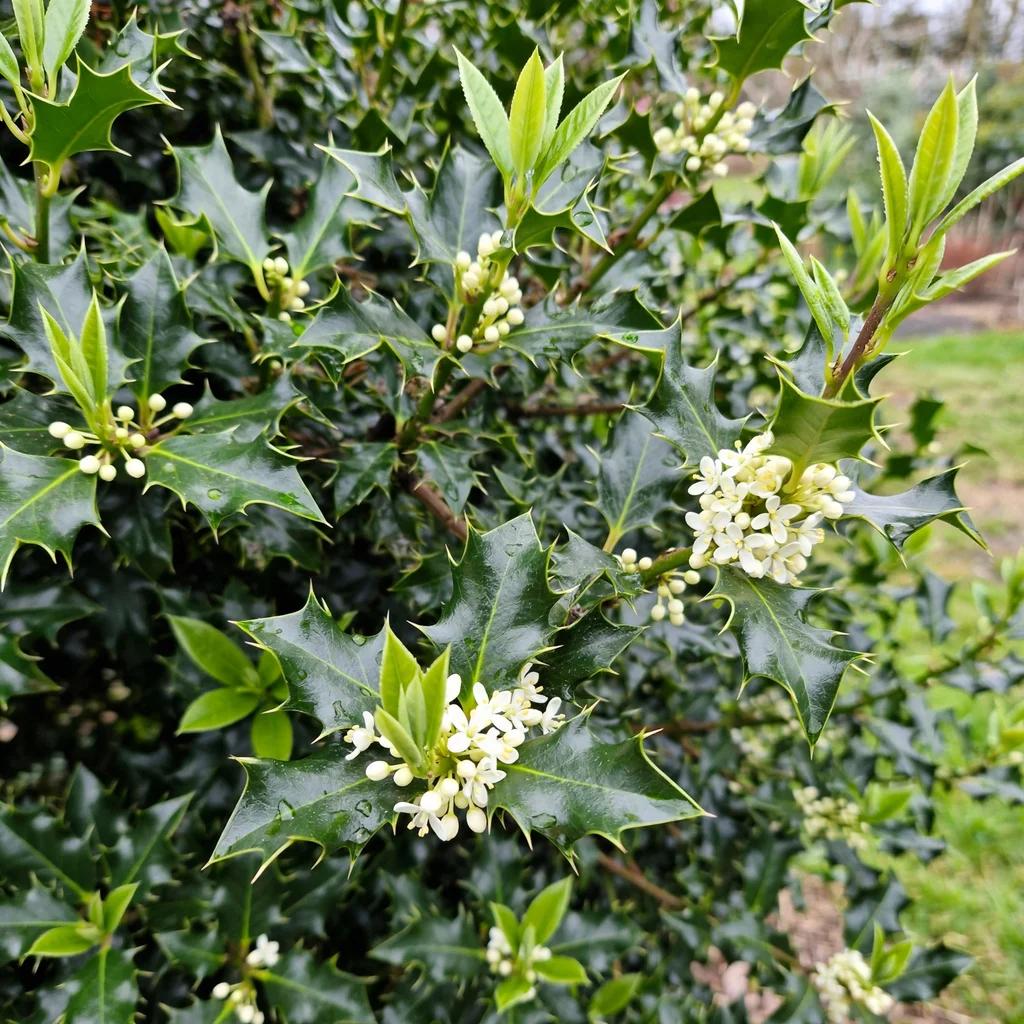 ‘National’National Holly
 ‘Golden Oakland’Golden Oakland Holly
 ‘Dr. Kassab’Dr. Kassab Holly
The Story
Plant Bio
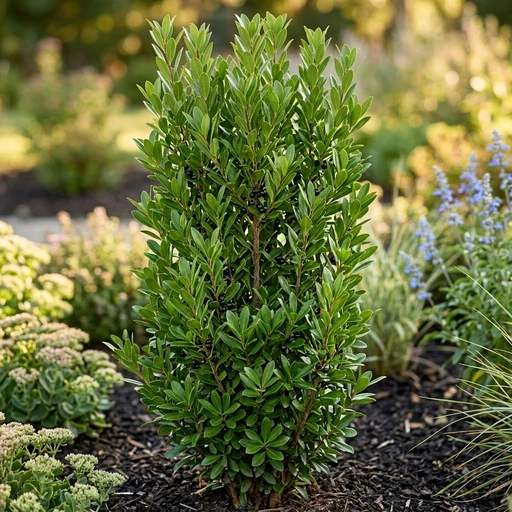
Ilex 'Magiana', sold as Acadiana, is an evergreen hybrid holly selected from an open-pollinated seedling of 'Mary Nell'. It has dense, upright pyramidal growth, dark green serrated leaves and orange-red fruit.
Acadiana develops a broad pyramidal crown. The original cultivar patent describes mature plants 15–20 feet tall and 12–15 feet wide; allow space rather than treating it as a narrow column.
Uses & Benefits:
Bred from more than one wild species, so it has no species page of its own.
Essentials
At a Glance
Plant Type
Shrub
Height
180"
Width
180"
Light
Full Sun, Partial Sun
Zones
6, 7, 8
Water
Low to medium
Humidity
Adaptable
Lifespan
Long-lived shrub
Native To
Hybrid origin
Toxicity
Berries are mildly toxic if ingested
Bloom period
Late spring
In flower about 1 month of the year
Planting
How to Grow
- Choose a location with full sun and well-drained, acidic soil.
- Dig a hole that is twice the width of the root ball.
- Place the plant in the hole, ensuring the root flare is at soil level.
- Backfill with native soil and water thoroughly.
- Water regularly during the first growing season to establish roots.
- Mulch around the base to conserve moisture, but keep it from the trunk.
Pro Tip
Allow ample room for the mature pyramidal crown. Ask a local nursery about compatible pollen-producing hollies if reliable fruiting is a priority.
Keep It Thriving
Care Guide
Do
- Provide full sun for the densest growth and best berry production.
- Water deeply during extended periods of drought.
- Prune in late winter to maintain its formal shape.
- Plant a suitable male pollinator nearby for berries.
Don't
- Do not plant in poorly drained or consistently wet soils.
- Avoid planting in deep shade, which leads to sparse growth.
- Don't forget to wear gloves; the leaves are very sharp.
- Avoid heavy fertilization, which can burn the roots.
Seasonal Care Calendar
| Task | Jan | Feb | Mar | Apr | May | Jun | Jul | Aug | Sep | Oct | Nov | Dec |
|---|---|---|---|---|---|---|---|---|---|---|---|---|
| Fertilize | ||||||||||||
| Pest Check | ||||||||||||
| Plant | ||||||||||||
| Prune |
Watch Out For
Pests & Diseases
Common Pests
Common Diseases
In the Garden
Landscape Uses & Companions
Landscape Uses
Multiply
Propagation Methods
Good to Know
Common Questions
Acadiana Holly questions
What zones can Acadiana Holly grow in?
Acadiana Holly is hardy in USDA Zones 6–8. Inside that range it survives winter in the ground; outside it, grow it as an annual or a container plant you protect.
Is Acadiana Holly deer resistant?
Yes — Acadiana Holly is rated deer-resistant. Deer typically pass it over, though extreme hunger can override any plant's defenses.
When does Acadiana Holly bloom?
Acadiana Holly typically blooms in late spring through late spring. Exact timing shifts a week or two with your zone — Sow's bloom calendar maps it to your garden.
Does Acadiana Holly need full sun?
Acadiana Holly does best in full sun to part shade. In hot climates, afternoon shade keeps blooms fresher longer.
Is Acadiana Holly drought tolerant?
Yes — once established (usually after the first full season), Acadiana Holly handles dry spells with minimal watering. Water deeply its first year to build the root system that makes that possible.
More Ilex to compare
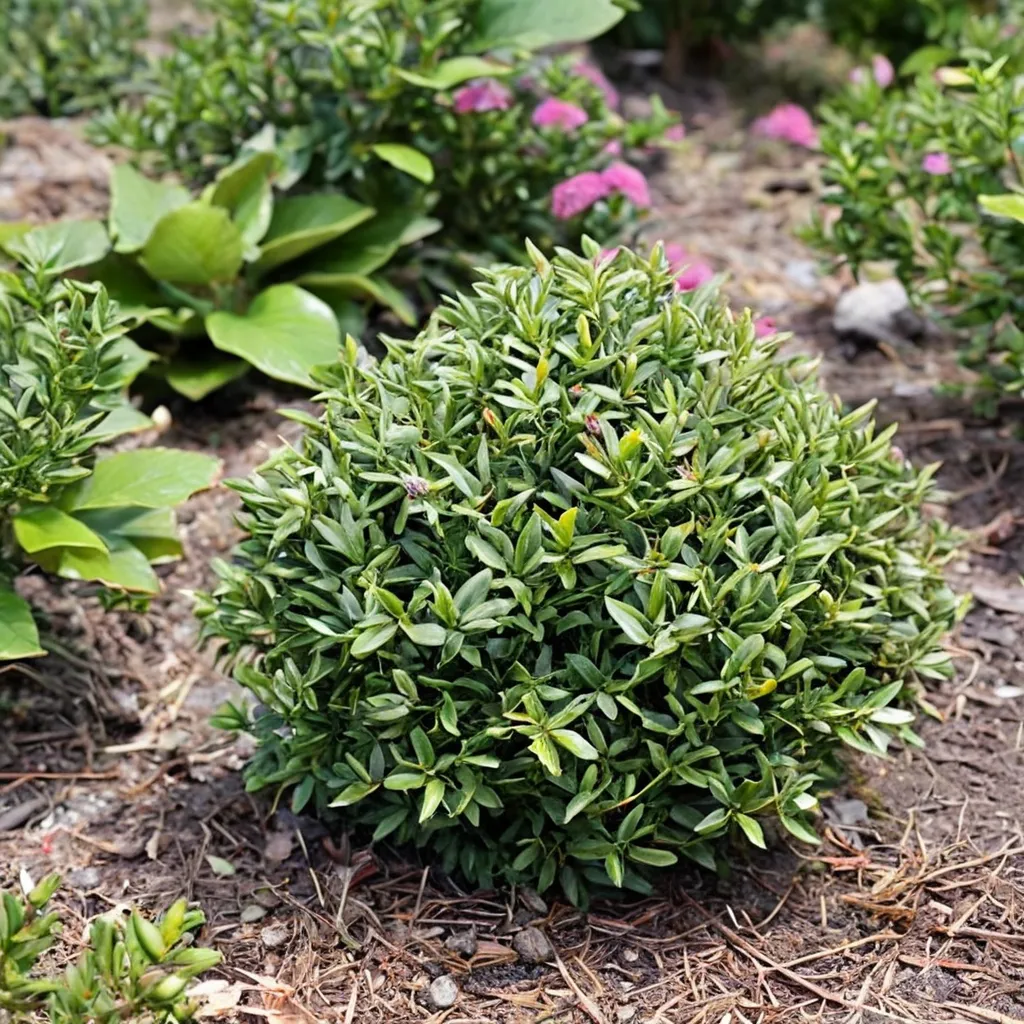
Gem Box Inkberry Holly
Ilex glabra 'Gem Box'
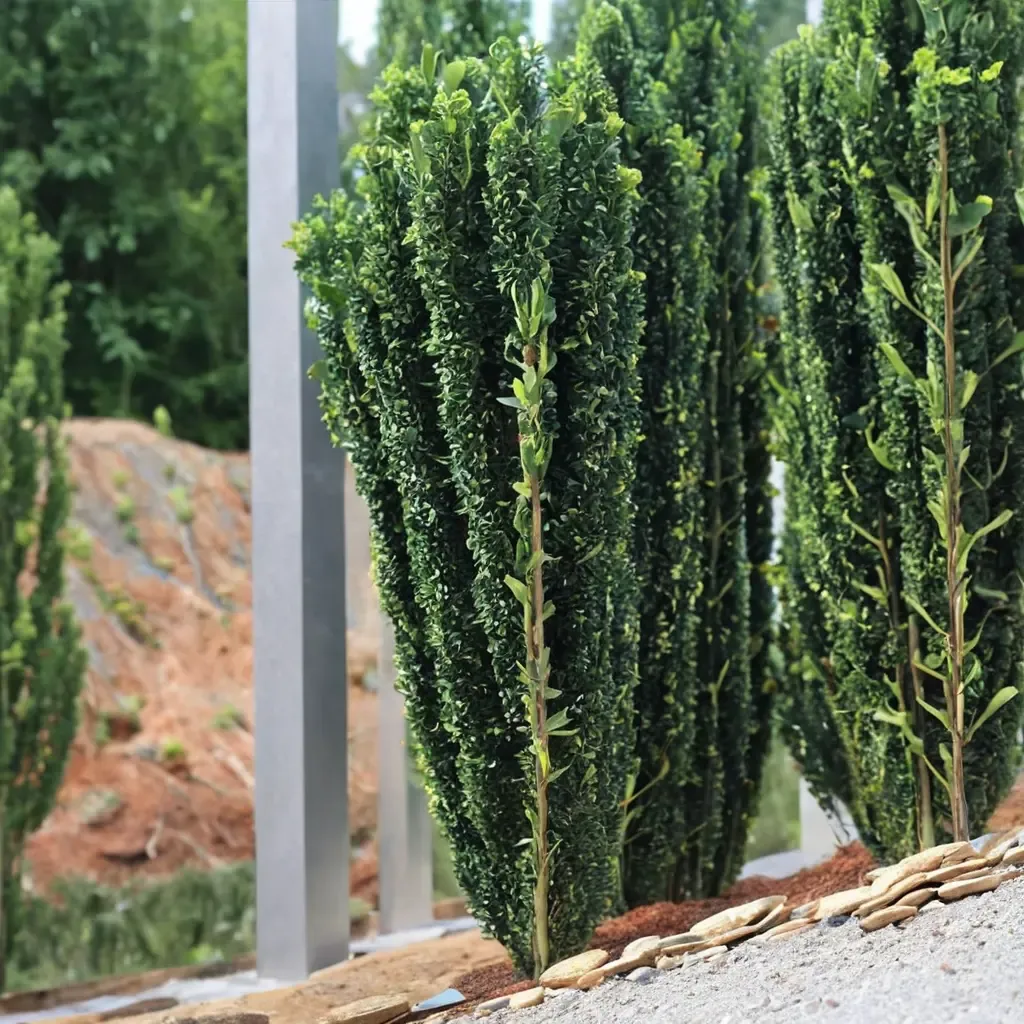
Sky Pencil Holly
Ilex crenata 'Sky Pencil'
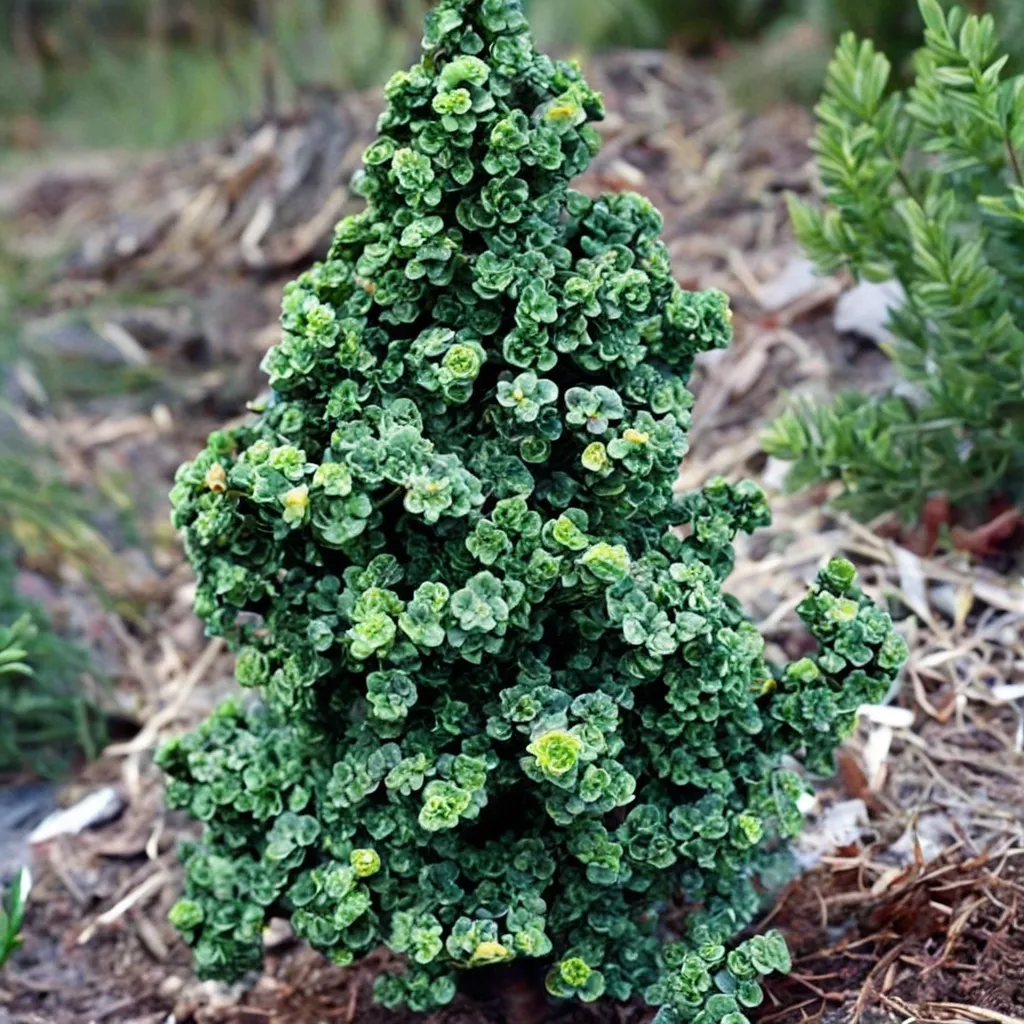
Dwarf Pagoda Holly
Ilex crenata 'Dwarf Pagoda'
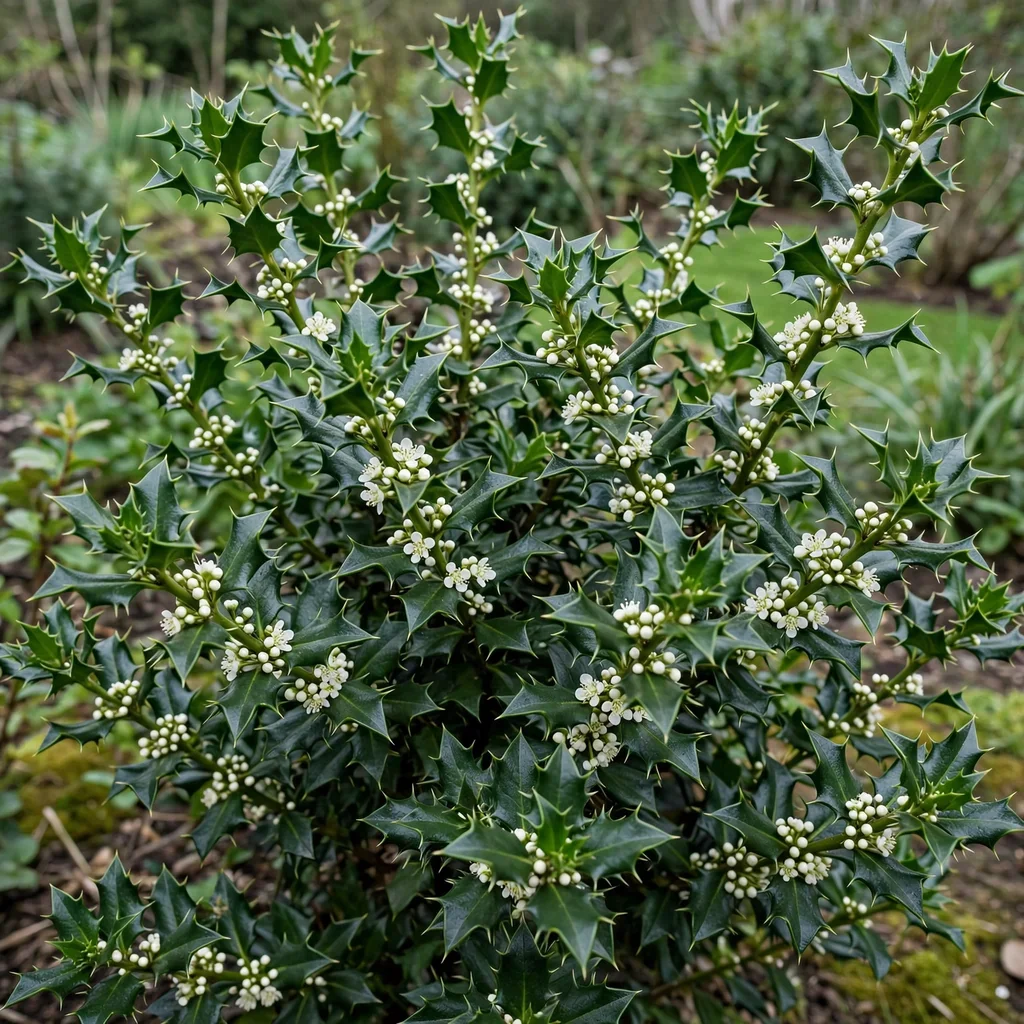
Mr Poppins Holly
Ilex x meserveae 'Mr Poppins'
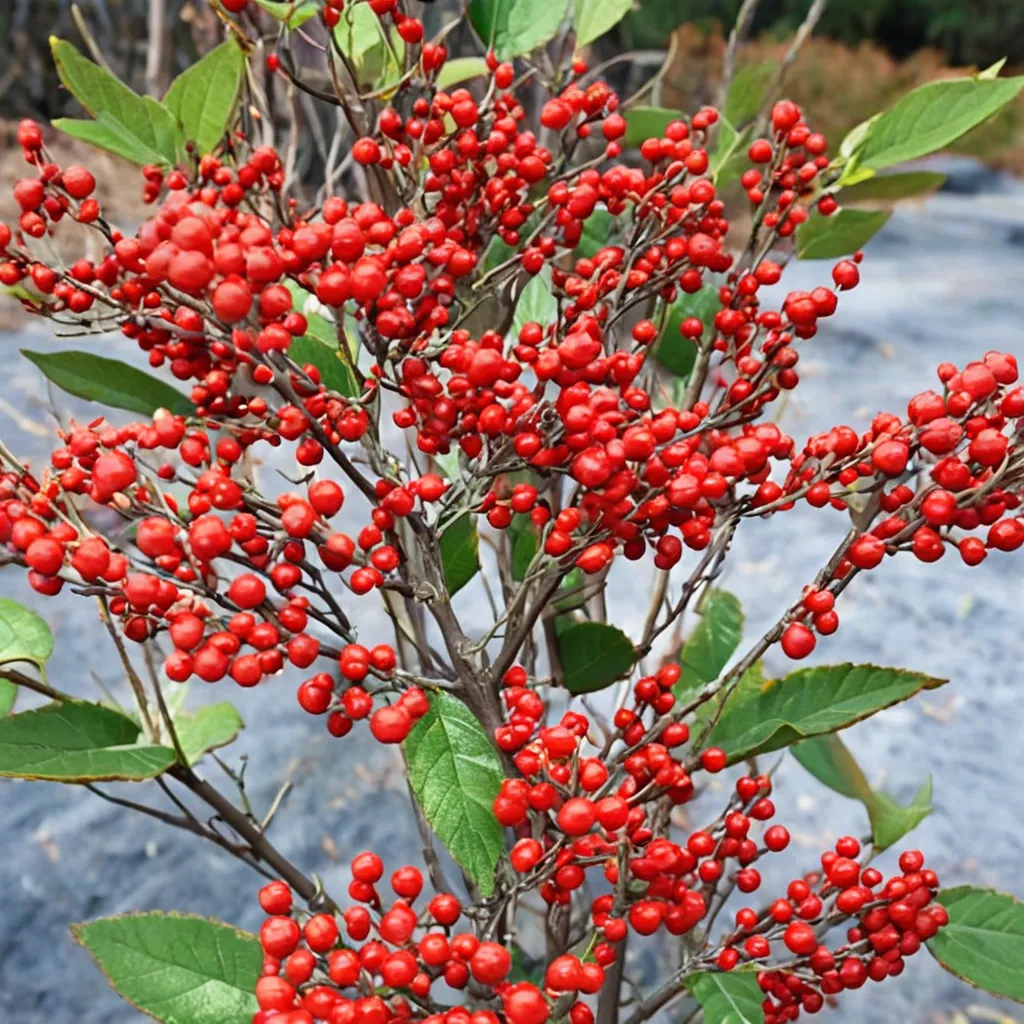
Blue Holly Berry Poppins
Ilex x meserveae 'Berry Poppins'
Squeeze Box Inkberry Holly
Ilex glabra 'Squeeze Box'
Keep exploring
Explore the genus
Hardy in your zone?
Grow Acadiana Holly with confidence
See it in a design of your actual yard, get zone-matched care reminders, and track it season by season in your garden journal.