
Garden hybrid
This is a garden hybrid, bred from more than one wild species, so it has no single species page of its own.
16 other cultivars
- ‘Conaf’Conaf Oakland Holly
- ‘Christmas Jewel Holly’Christmas Jewel Holly
- ‘Conty’Castle Spire Blue Holly
- ‘Magland’Magland Oakland Holly
- ‘Nellie R Stevens’Nellie R. Stevens Holly
- ‘Arrow Point’Arrow Point Holly
- ‘Screen Play’Screen Play Holly
- ‘Red Sky’Red Sky Holly
- ‘Rutzan’Red Beauty Holly
- ‘Emily Bruner’Emily Bruner Holly
- ‘Homefire’Homefire Holly
- ‘Magiana’Acadiana Holly
- ‘Mary Nell’Mary Nell Holly
- ‘National’National Holly
- ‘Golden Oakland’Golden Oakland Holly
- ‘Dr. Kassab’Dr. Kassab Holly







The Story
Plant Bio
Hollies in the genus Ilex are evergreen or deciduous woody plants recognized for their leathery foliage and small, axillary insect-pollinated flowers. Hybrid hollies combine the structural adaptability and cold hardiness of parent species to produce dense, thicket-forming growth suitable for hedges and screens.
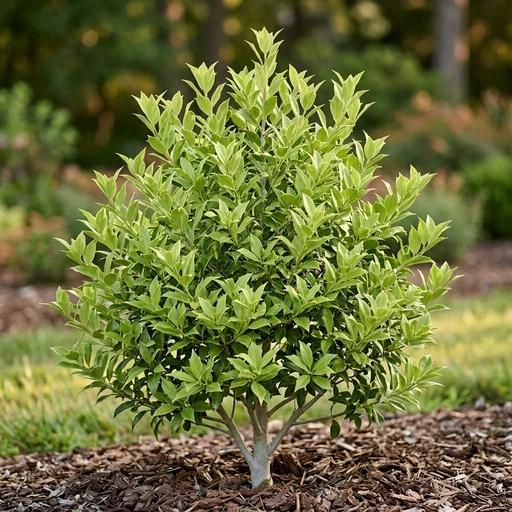
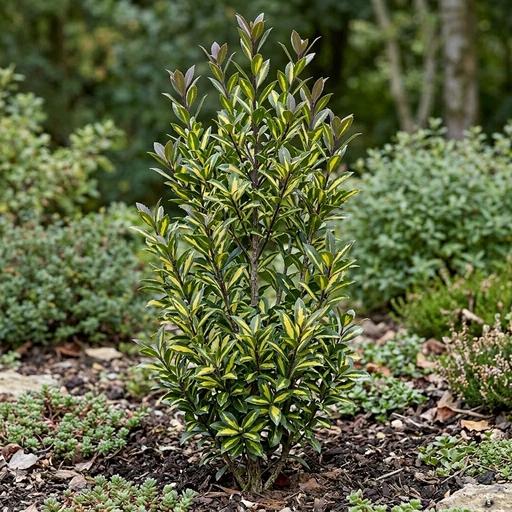
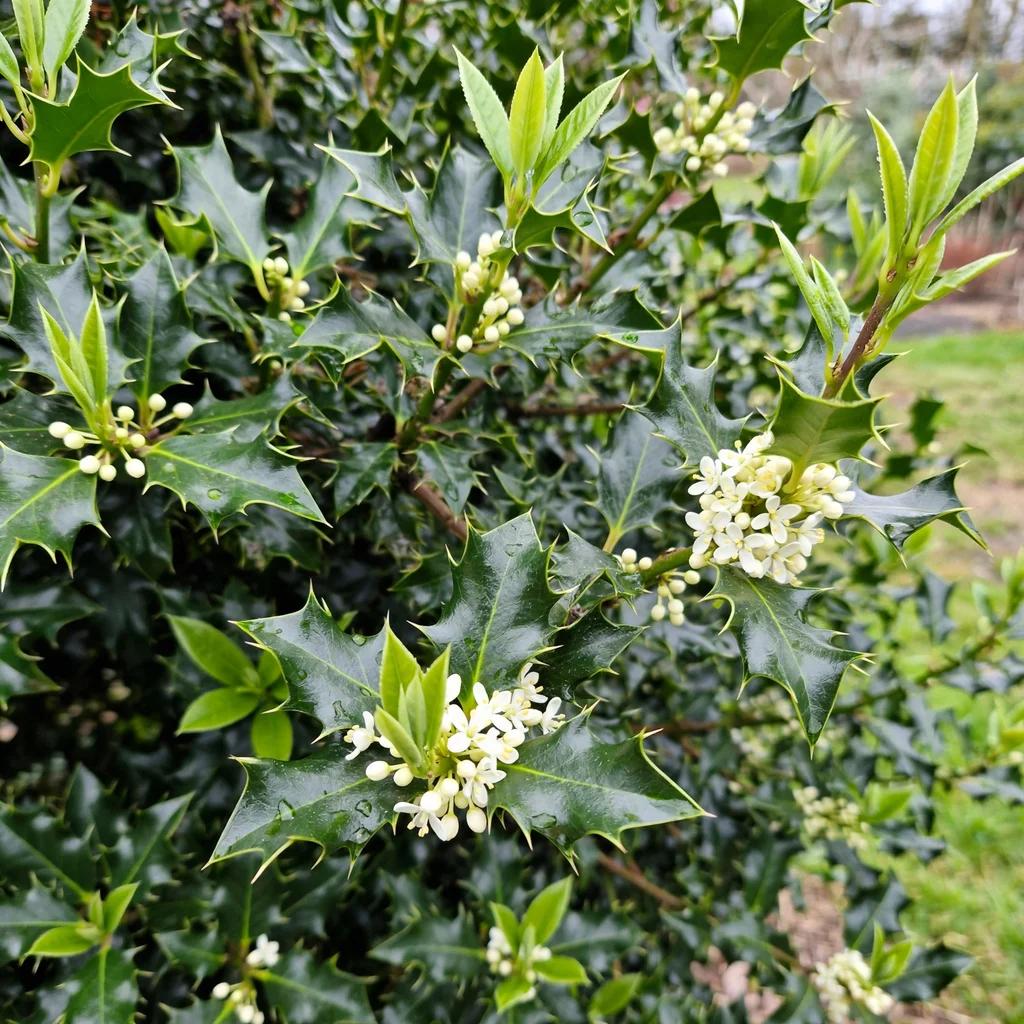
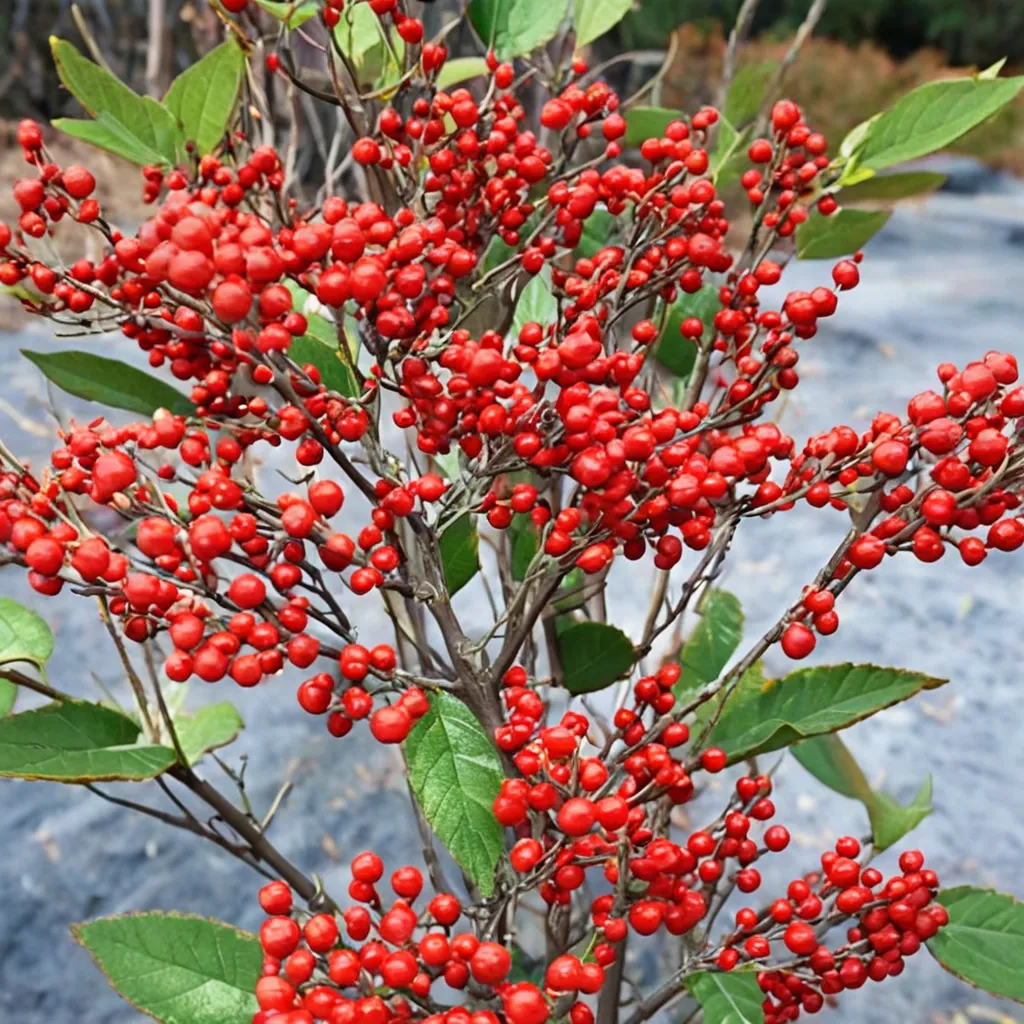
'Robin' is a dense, pyramidal evergreen shrub featuring glossy, spiny-margined leaves that emerge maroon-red before turning deep green. Small white spring blossoms are followed by persistent bright red berries through the winter months.
Uses & Benefits:
Bred from more than one wild species, so it has no species page of its own.
Essentials
At a Glance
Plant Type
Shrub
Height
207"
Width
159"
Light
Full Sun, Partial Sun
Zones
6, 7, 8, 9, 10
Water
Moderate
Humidity
High
Lifespan
Perennial
Native To
Garden origin
Toxicity
Mildly toxic if ingested; sharp foliage spines
Bloom period
Spring
In flower about 3 months of the year
Planting
How to Grow
- Select a site in full sun to partial shade with well-draining, slightly acidic soil.
- Dig a hole twice as wide as the root ball and equal to its depth.
- Position the plant so the root crown sits level with or slightly above the surrounding soil grade.
- Backfill with native soil, press gently to settle air pockets, and water thoroughly.
- Apply a 2- to 3-inch layer of organic mulch around the base, keeping it clear of the direct stem.
Pro Tip
Plant in slightly acidic soil to prevent iron chlorosis, and group near other compatible hollies to maximize berry yields.
Keep It Thriving
Care Guide
Do
- Maintain steady moisture during the first growing season until roots establish.
- Apply an acid-formulating fertilizing blend if soil tests indicate high pH.
- Prune lightly in early spring to shape the canopy before flush growth begins.
Don't
- Do not plant in low-lying sites prone to standing water or waterlogging.
- Avoid heavy late-summer pruning, which forces tender new growth vulnerable to frost.
- Do not allow soil pH to drift alkaline, which causes foliage leaf yellowing.
Seasonal Care Calendar
| Task | Jan | Feb | Mar | Apr | May | Jun | Jul | Aug | Sep | Oct | Nov | Dec |
|---|---|---|---|---|---|---|---|---|---|---|---|---|
| Fertilize | ||||||||||||
| Mulch | ||||||||||||
| Pest Check | ||||||||||||
| Prune |
Watch Out For
Pests & Diseases
Common Pests
Common Diseases
In the Garden
Landscape Uses & Companions
Landscape Uses
Companion Plants
Multiply
Propagation Methods
Good to Know
Common Questions
Robin Holly questions
What zones can Robin Holly grow in?
Robin Holly is hardy in USDA Zones 6–10: in that range it survives winter in the ground. Colder than Zone 6, grow it in a container you can move to shelter for the winter.
Is Robin Holly deer resistant?
Yes — Robin Holly is rated deer-resistant. Deer typically pass it over, though extreme hunger can override any plant's defenses.
When does Robin Holly bloom?
Robin Holly typically blooms in spring. Exact timing shifts a week or two with your zone — Sow's bloom calendar maps it to your garden.
Does Robin Holly need full sun?
Robin Holly does best in full sun to part shade. In hot climates, afternoon shade keeps blooms fresher longer.
Is Robin Holly drought tolerant?
Yes — once established (usually after the first full season), Robin Holly handles dry spells with minimal watering. Water deeply its first year to build the root system that makes that possible.
More Ilex to compare
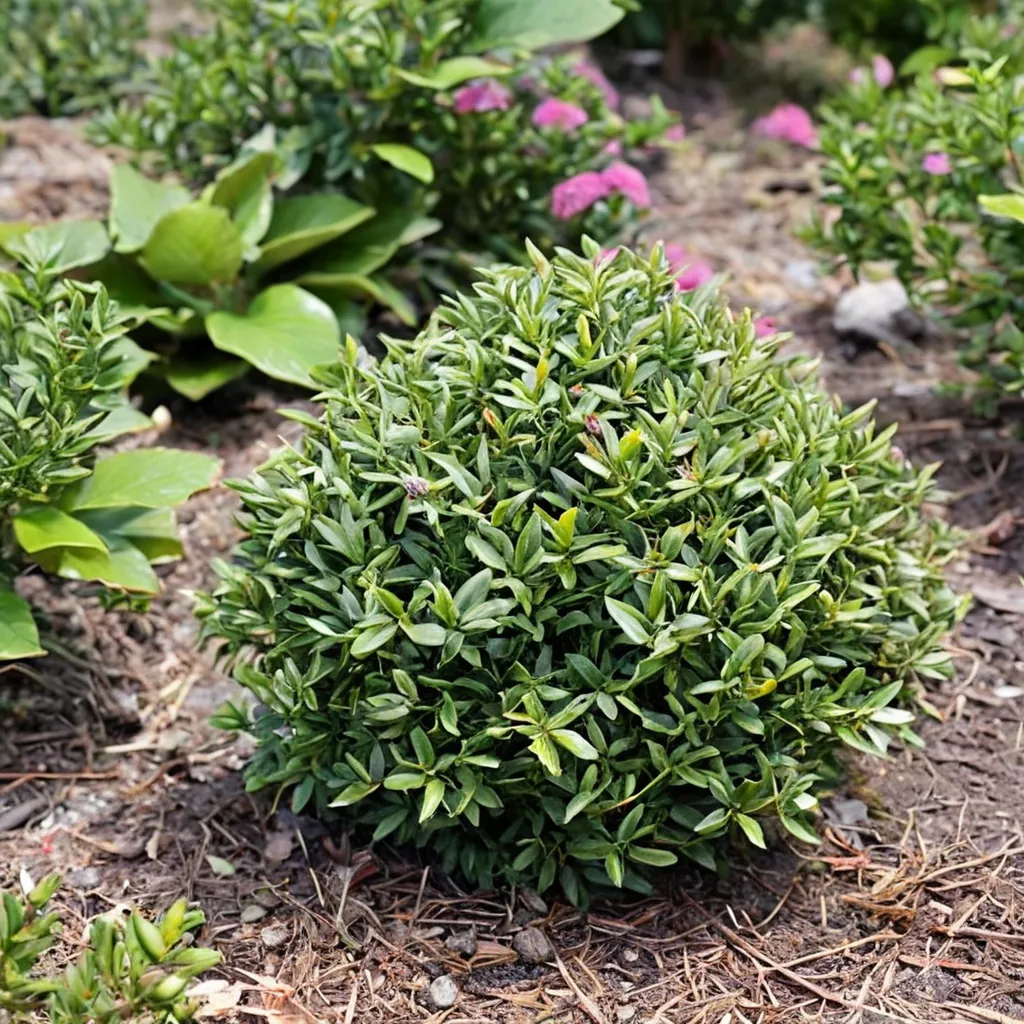
Gem Box Inkberry Holly
Ilex glabra 'Gem Box'
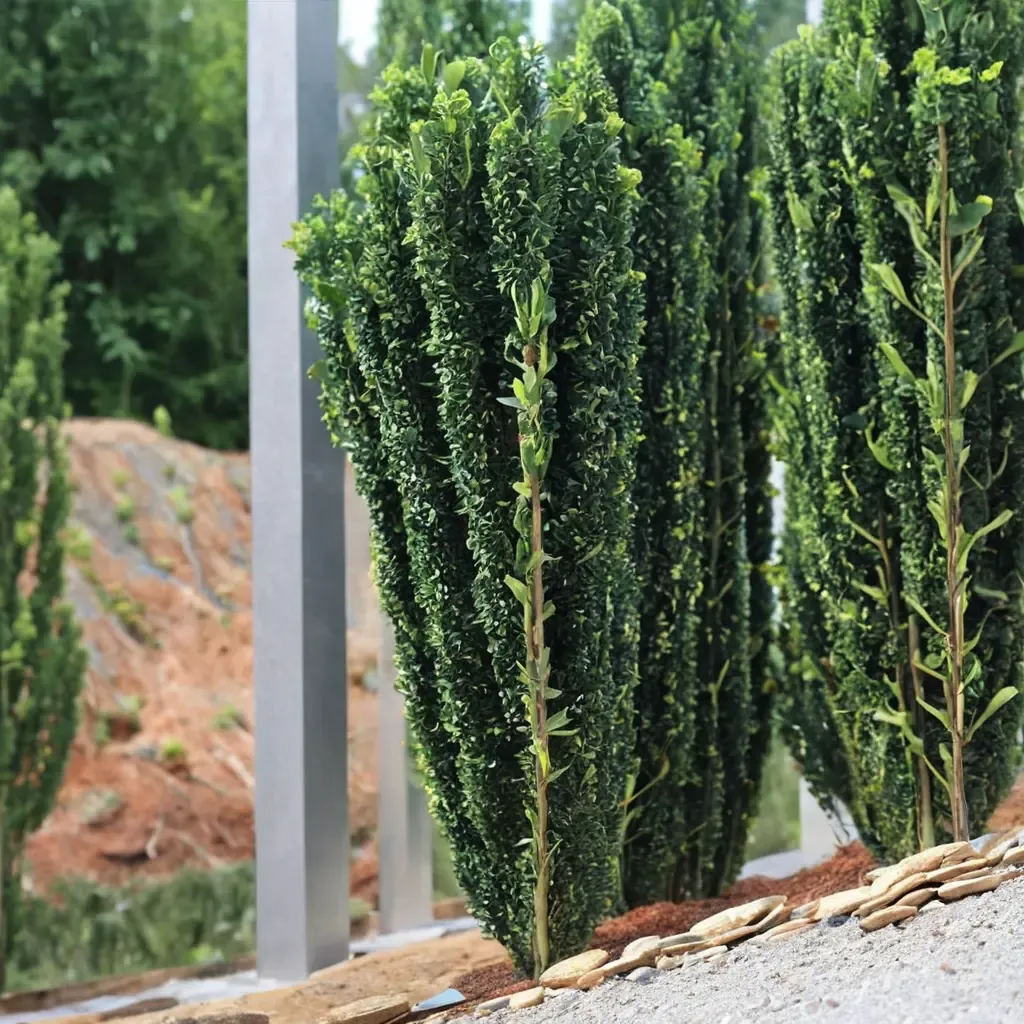
Sky Pencil Holly
Ilex crenata 'Sky Pencil'
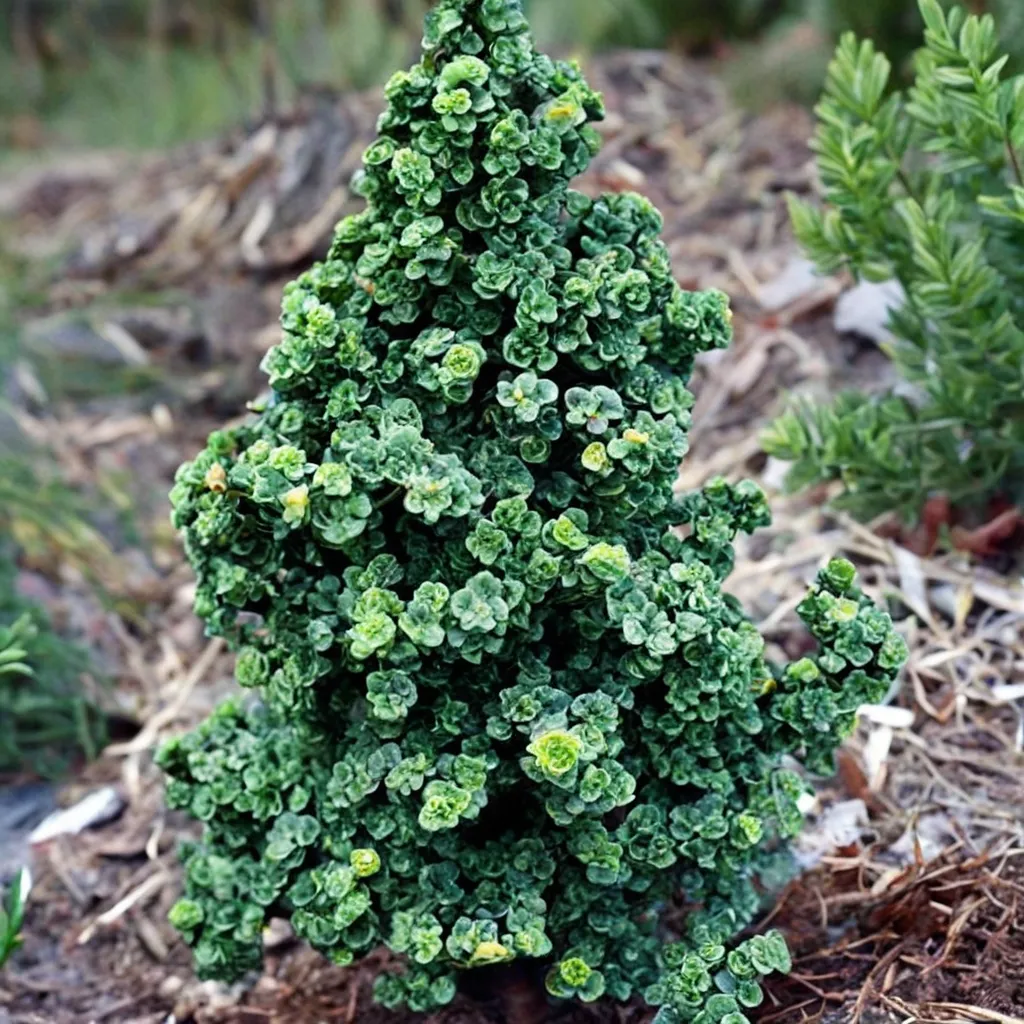
Dwarf Pagoda Holly
Ilex crenata 'Dwarf Pagoda'
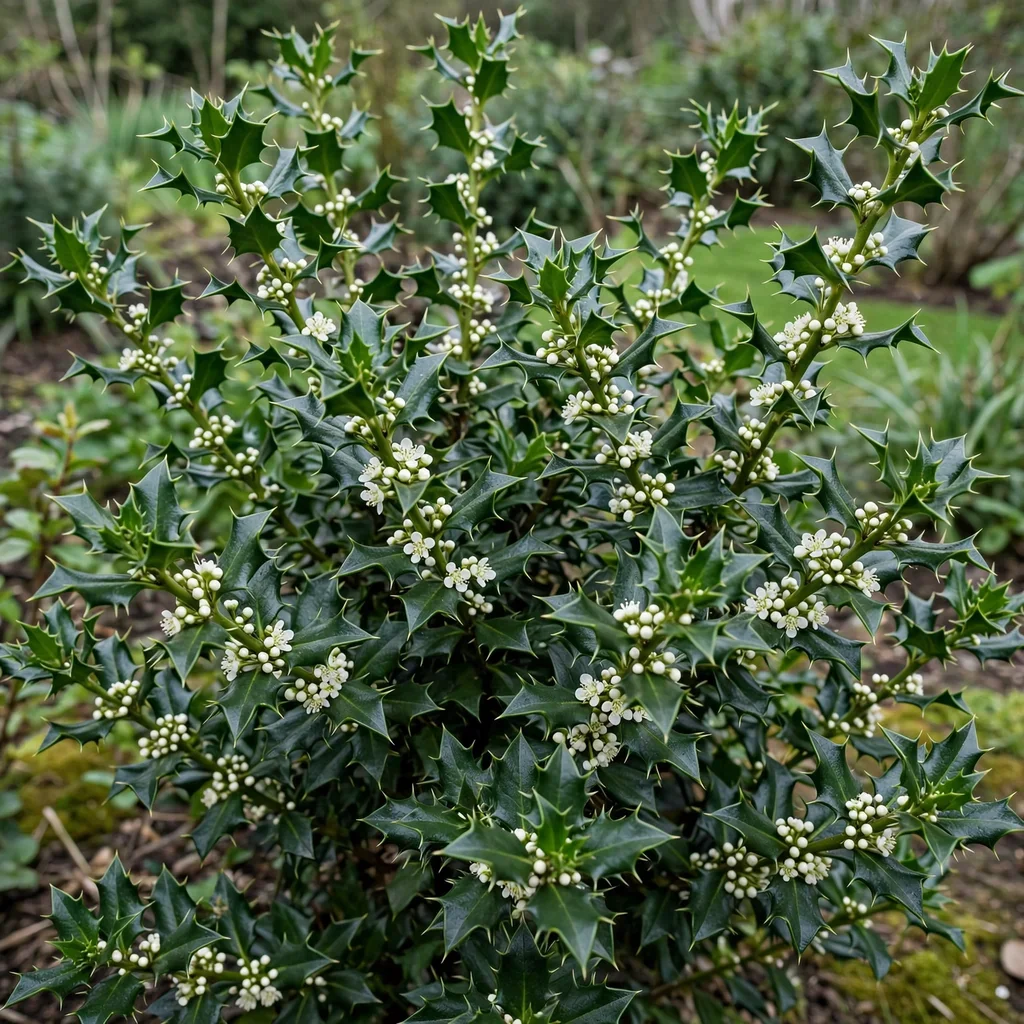
Mr Poppins Holly
Ilex verticillata 'Mr Poppins'
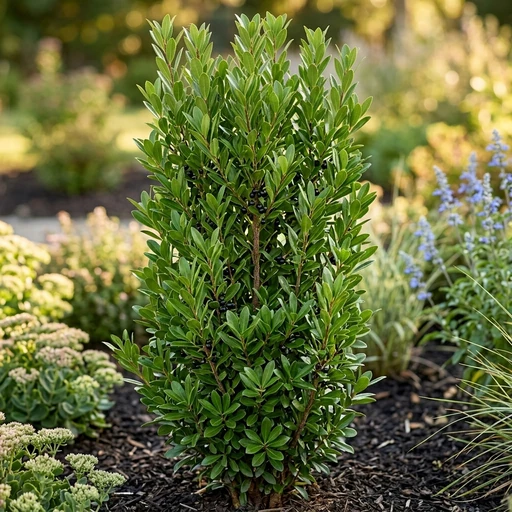
Squeeze Box Inkberry Holly
Ilex glabra 'Squeeze Box'
Berry Poppins Winterberry
Ilex verticillata 'Berry Poppins'
Keep exploring
Explore the genus
Hardy in your zone?
Grow Robin Holly with confidence
See it in a design of your actual yard, get zone-matched care reminders, and track it season by season in your garden journal.