
Garden hybrid
This is a garden hybrid, bred from more than one wild species, so it has no single species page of its own.
16 other cultivars
 ‘Conaf’Conaf Oakland Holly
 ‘Christmas Jewel Holly’Christmas Jewel Holly
 ‘Conty’Castle Spire Blue Holly
 ‘Magland’Magland Oakland Holly
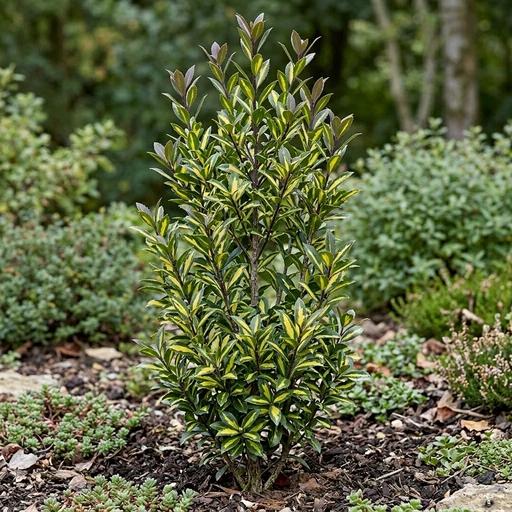 ‘Red Sky’Red Sky Holly
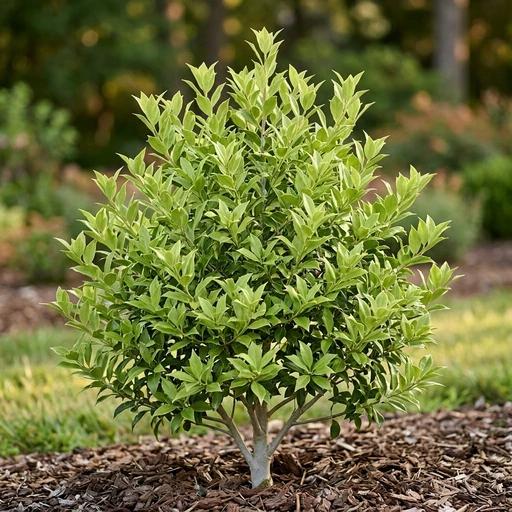 ‘Arrow Point’Arrow Point Holly
 ‘Screen Play’Screen Play Holly
 ‘Emily Bruner’Emily Bruner Holly
 ‘Rutzan’Red Beauty Holly
 ‘Homefire’Homefire Holly
 ‘Magiana’Acadiana Holly
 ‘Mary Nell’Mary Nell Holly
 ‘Robin’Robin Holly
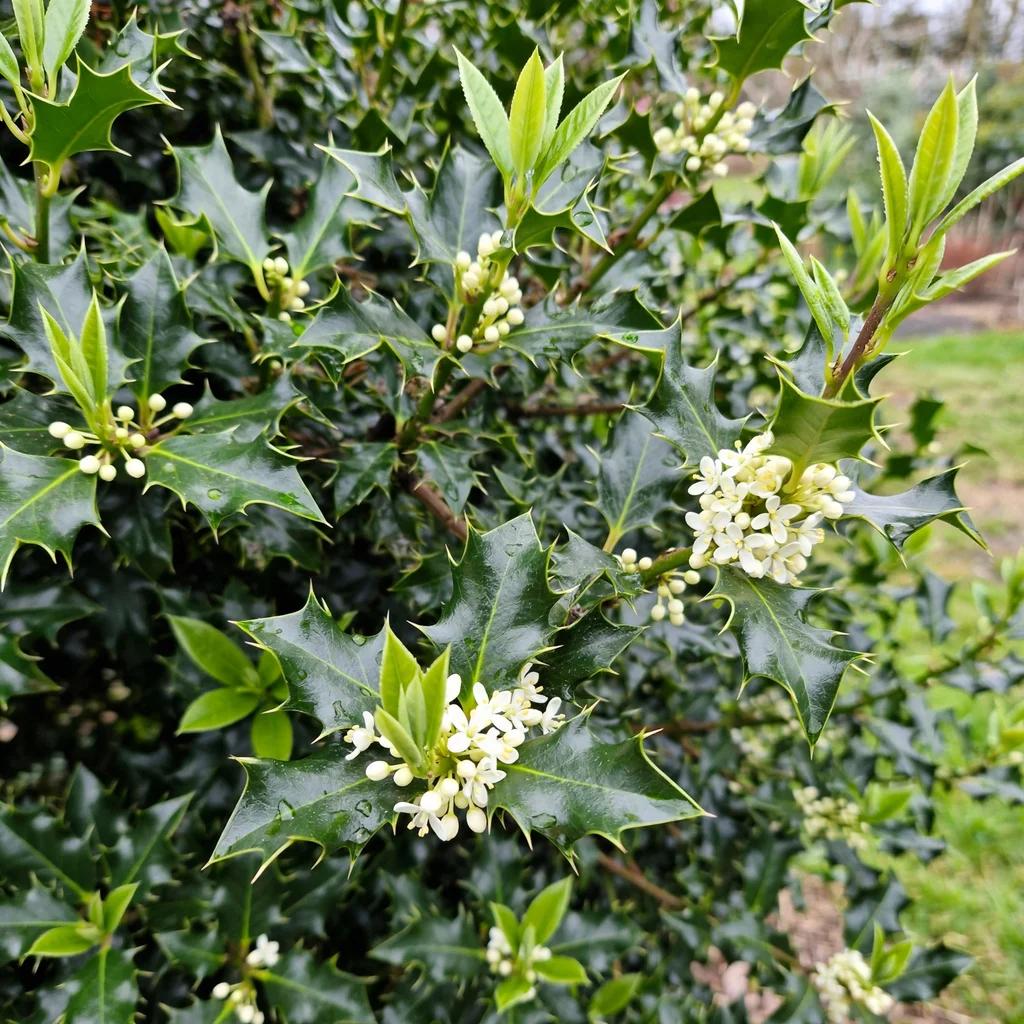 ‘National’National Holly
 ‘Golden Oakland’Golden Oakland Holly
 ‘Dr. Kassab’Dr. Kassab Holly
The Story
Plant Bio
Hollies are a diverse group of broadleaf evergreen trees and shrubs known for their glossy leaves and, on female plants, colorful berries. They are mainstays in landscapes for providing year-round structure and color.
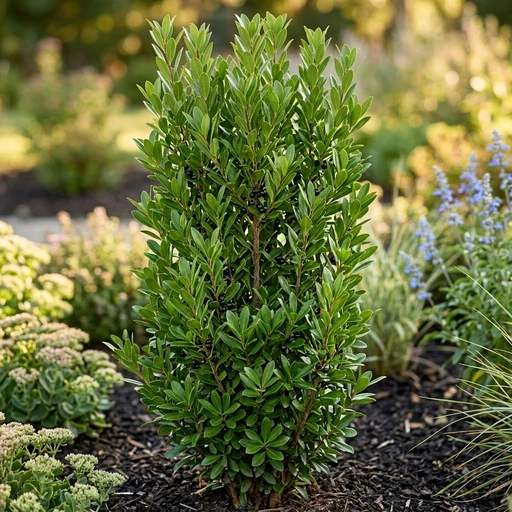
'Nellie R. Stevens' is a fast-growing, large hybrid holly with a naturally dense, conical shape. It is prized for its glossy, dark green leaves and prolific production of large, bright red berries that persist through winter.
Uses & Benefits:
Bred from more than one wild species, so it has no species page of its own.
Essentials
At a Glance
Plant Type
Shrub
Height
240"
Width
120"
Light
Full Sun, Partial Sun
Zones
6, 7, 8, 9
Water
Medium
Humidity
Adaptable
Lifespan
30-50 years
Native To
Garden hybrid
Toxicity
Berries are toxic if ingested
Bloom period
Mid-spring – Late spring
In flower about 2 months of the year
Planting
How to Grow
- Select a site with full sun to part shade and well-drained, acidic soil.
- Dig a hole two to three times wider than the container.
- Gently remove the plant and loosen any circling roots.
- Set the plant in the hole, ensuring the top of the root ball is level with the soil.
- Backfill with amended soil and water deeply.
- Apply a 2-inch layer of mulch like pine straw or shredded bark.
Pro Tip
For the heaviest berry production, plant a male Chinese holly (Ilex cornuta) nearby, although 'Nellie' will produce some fruit on its own.
Keep It Thriving
Care Guide
Do
- Water regularly during the first year of establishment.
- Maintain a layer of mulch to conserve moisture and keep roots cool.
- Prune in late winter to maintain desired size and shape.
- Test soil pH and amend if necessary to keep it acidic.
Don't
- Don't plant in poorly drained or alkaline soils.
- Avoid letting the soil dry out completely, especially in summer.
- Don't shear into a hedge that is wider at the top than the bottom.
- Avoid heavy pruning in the fall, which can stimulate growth that gets damaged by frost.
Seasonal Care Calendar
| Task | Jan | Feb | Mar | Apr | May | Jun | Jul | Aug | Sep | Oct | Nov | Dec |
|---|---|---|---|---|---|---|---|---|---|---|---|---|
| Fertilize | ||||||||||||
| Pest Check | ||||||||||||
| Plant | ||||||||||||
| Prune |
Watch Out For
Pests & Diseases
Common Pests
Common Diseases
In the Garden
Landscape Uses & Companions
Landscape Uses
Multiply
Propagation Methods
Good to Know
Common Questions
Nellie R. Stevens Holly questions
What zones can Nellie R. Stevens Holly grow in?
Nellie R. Stevens Holly is hardy in USDA Zones 6–9. Inside that range it survives winter in the ground; outside it, grow it as an annual or a container plant you protect.
Is Nellie R. Stevens Holly deer resistant?
Yes — Nellie R. Stevens Holly is rated deer-resistant. Deer typically pass it over, though extreme hunger can override any plant's defenses.
When does Nellie R. Stevens Holly bloom?
Nellie R. Stevens Holly typically blooms in mid-spring through late spring. Exact timing shifts a week or two with your zone — Sow's bloom calendar maps it to your garden.
Does Nellie R. Stevens Holly need full sun?
Nellie R. Stevens Holly does best in full sun to part shade. In hot climates, afternoon shade keeps blooms fresher longer.
Is Nellie R. Stevens Holly drought tolerant?
Yes — once established (usually after the first full season), Nellie R. Stevens Holly handles dry spells with minimal watering. Water deeply its first year to build the root system that makes that possible.
More Ilex to compare
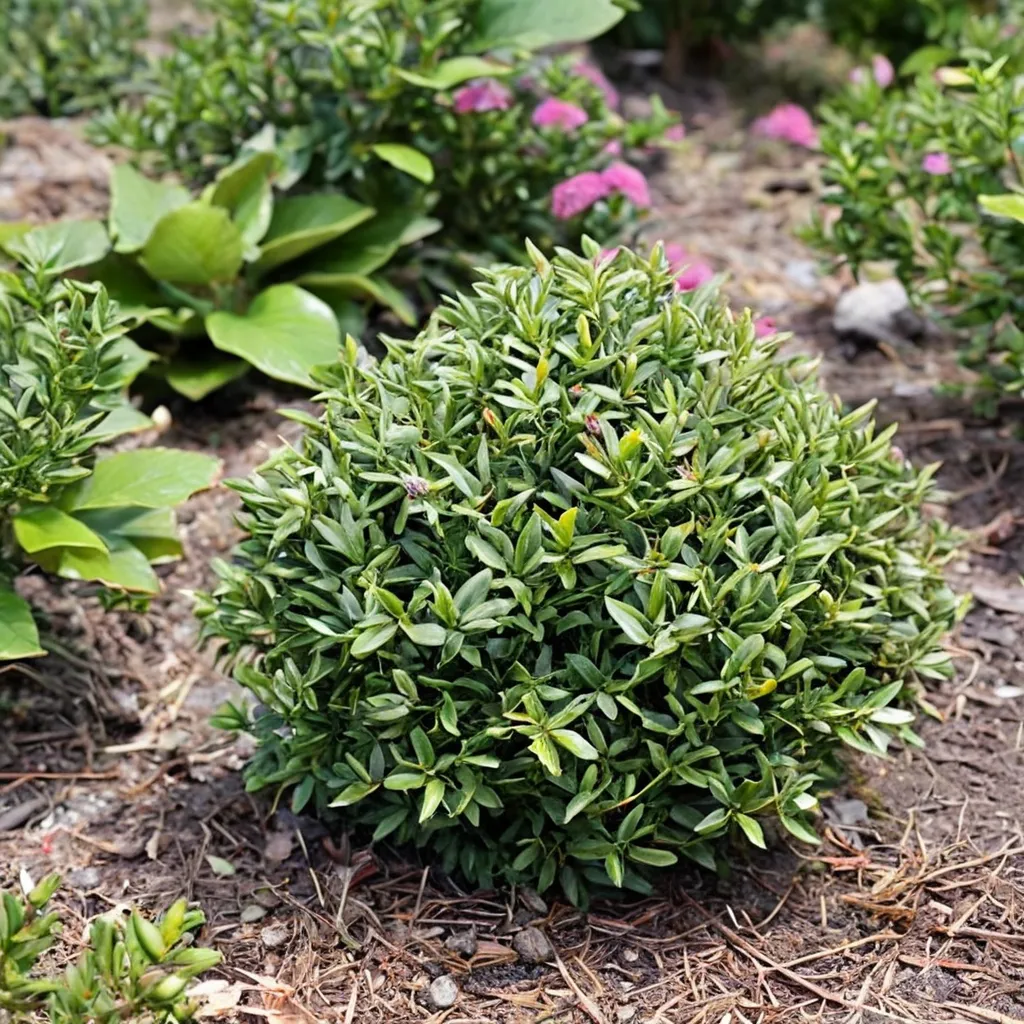
Gem Box Inkberry Holly
Ilex glabra 'Gem Box'
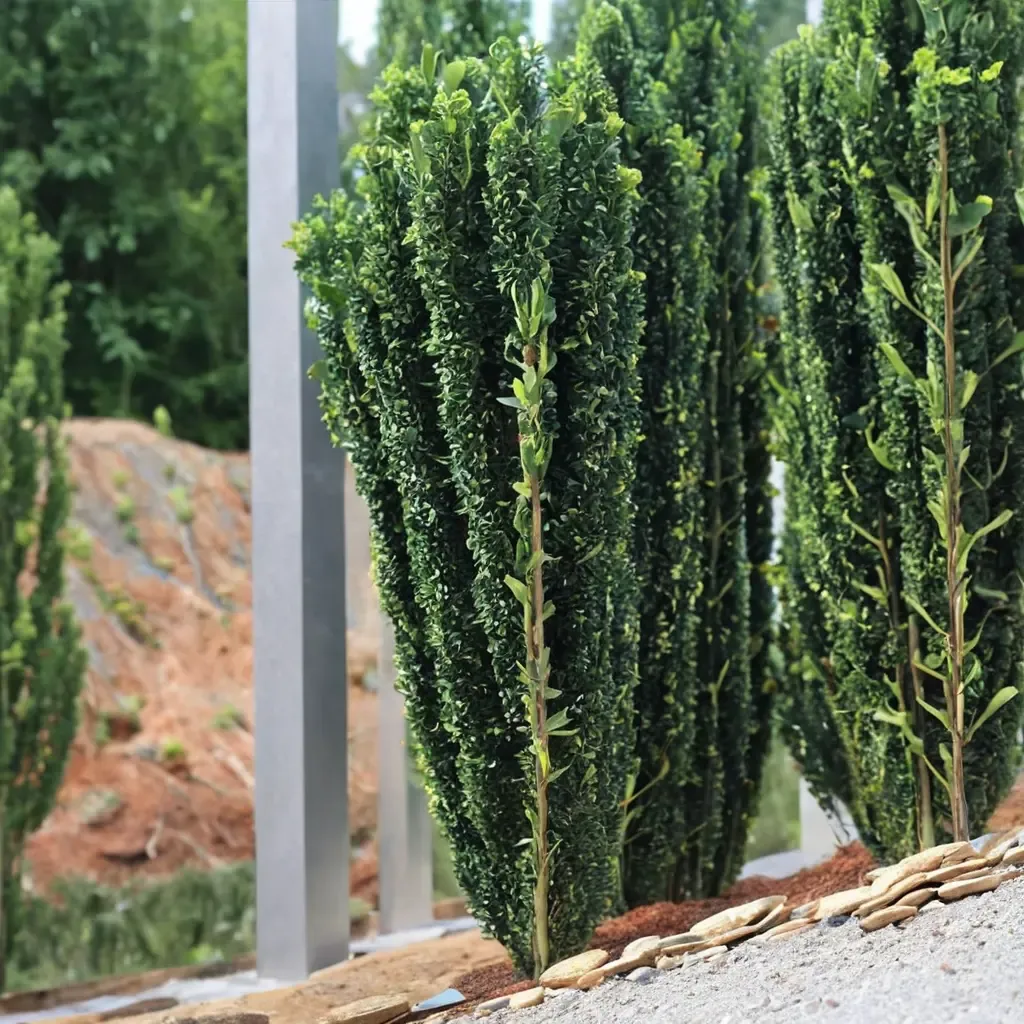
Sky Pencil Holly
Ilex crenata 'Sky Pencil'
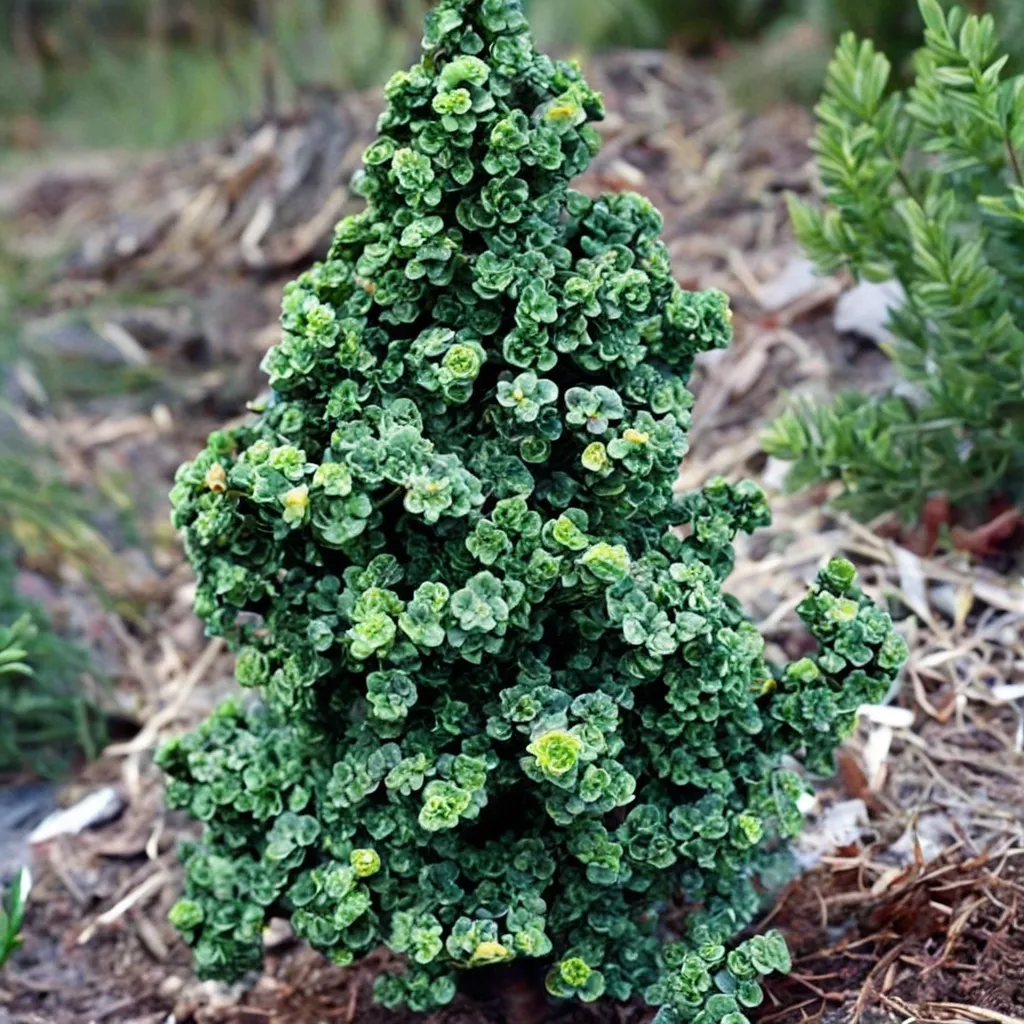
Dwarf Pagoda Holly
Ilex crenata 'Dwarf Pagoda'
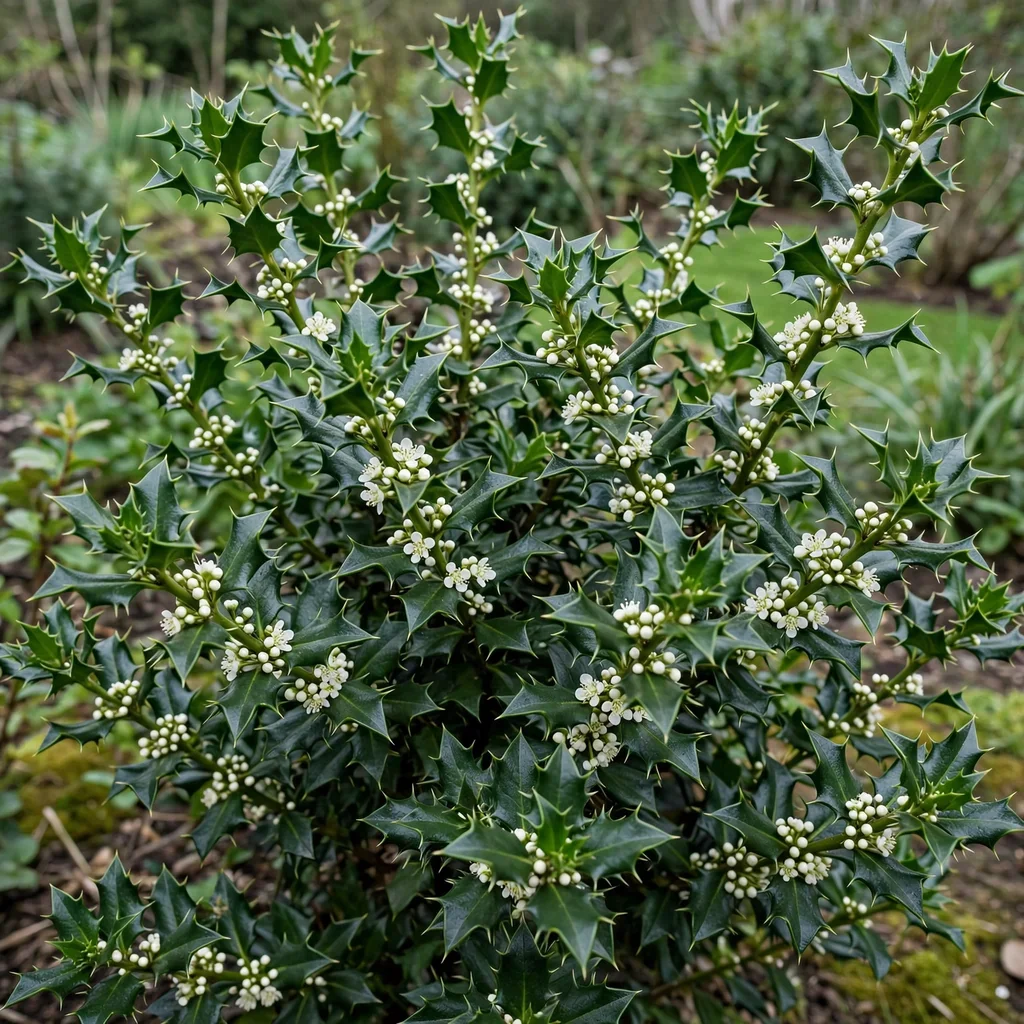
Mr Poppins Holly
Ilex x meserveae 'Mr Poppins'
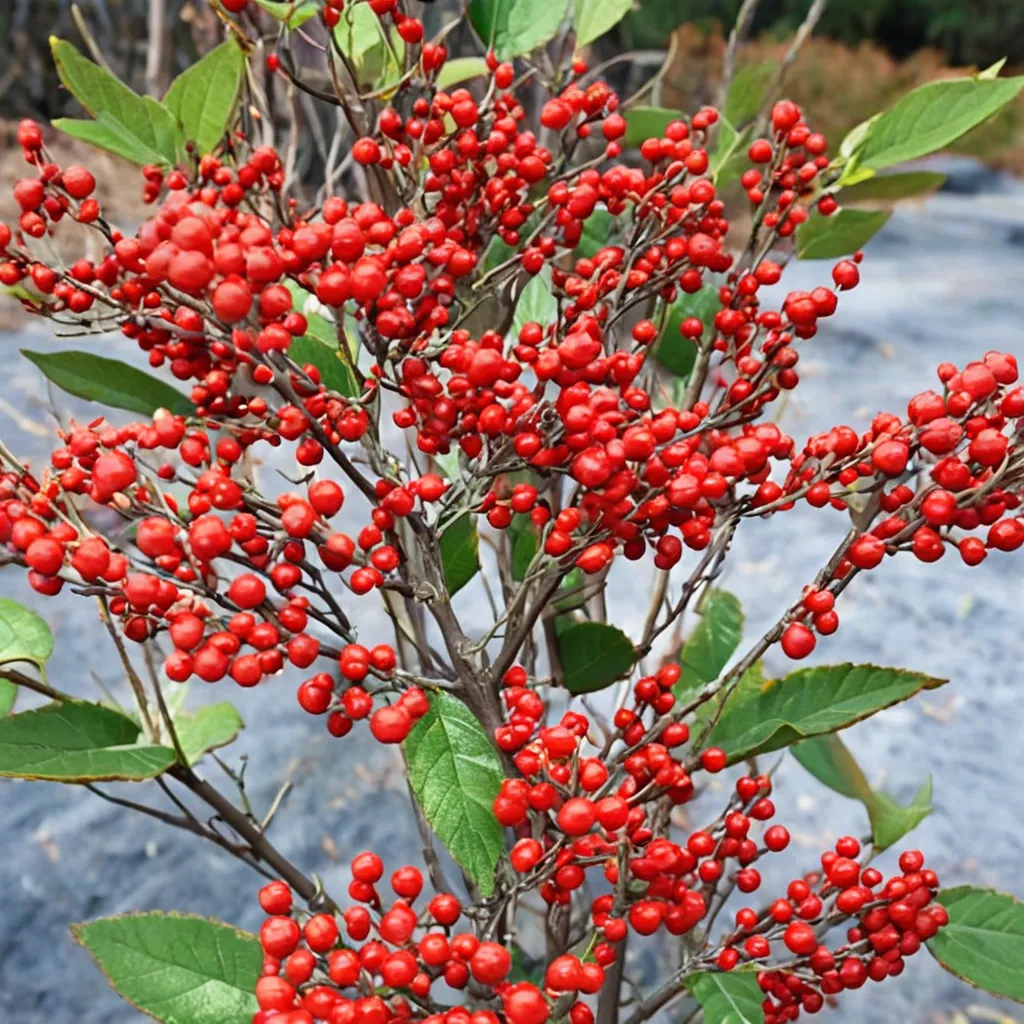
Blue Holly Berry Poppins
Ilex x meserveae 'Berry Poppins'
Squeeze Box Inkberry Holly
Ilex glabra 'Squeeze Box'
Keep exploring
Explore the genus
Hardy in your zone?
Grow Nellie R. Stevens Holly with confidence
See it in a design of your actual yard, get zone-matched care reminders, and track it season by season in your garden journal.