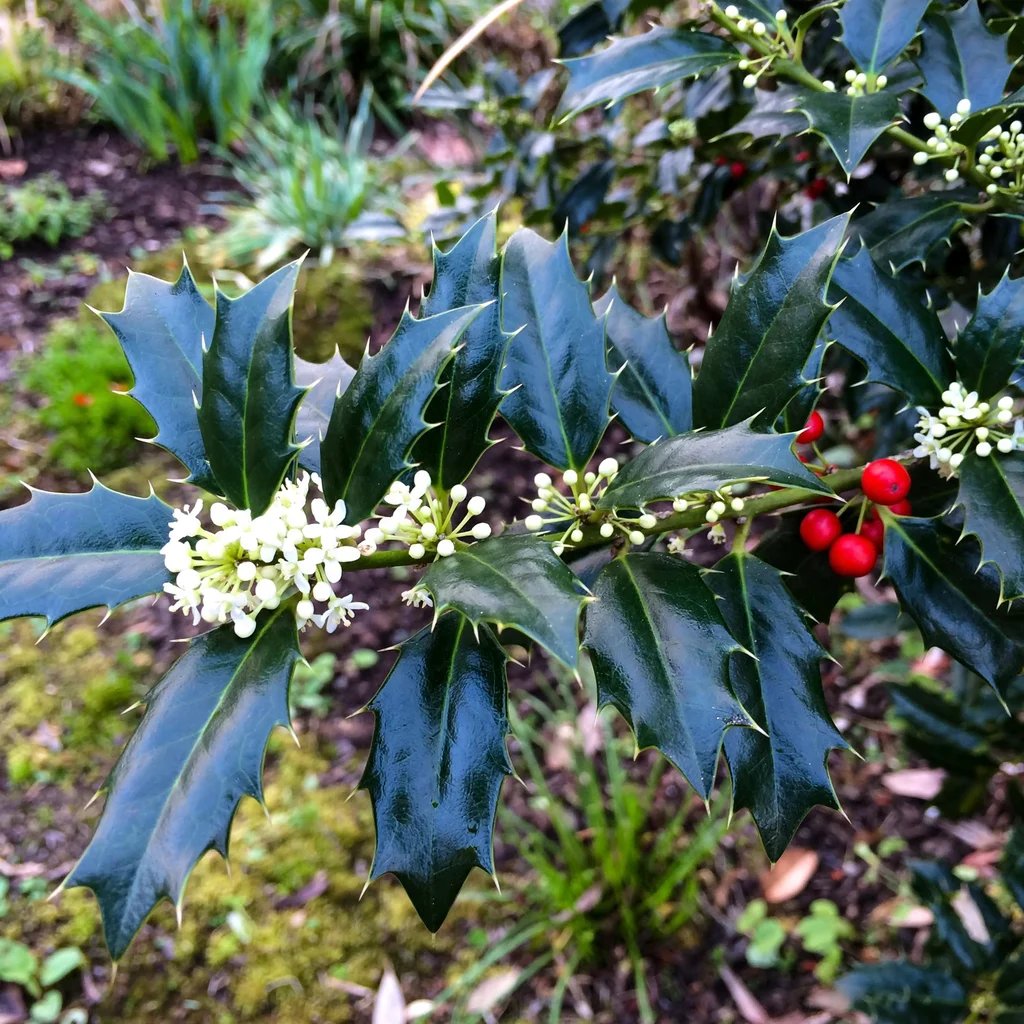
Garden hybrid
This is a garden hybrid, bred from more than one wild species, so it has no single species page of its own.
16 other cultivars
 ‘Conaf’Conaf Oakland Holly
 ‘Christmas Jewel Holly’Christmas Jewel Holly
 ‘Conty’Castle Spire Blue Holly
 ‘Magland’Magland Oakland Holly
 ‘Nellie R Stevens’Nellie R. Stevens Holly
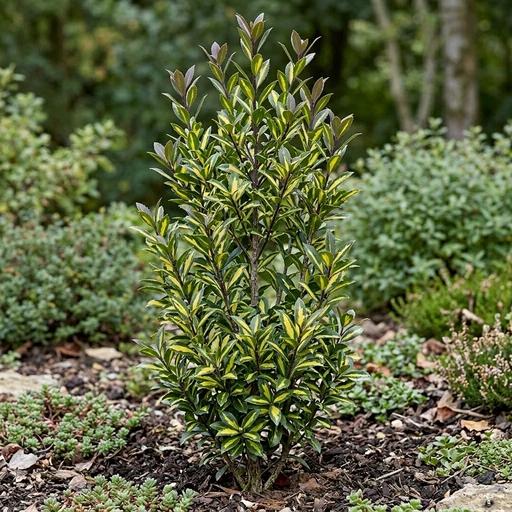 ‘Red Sky’Red Sky Holly
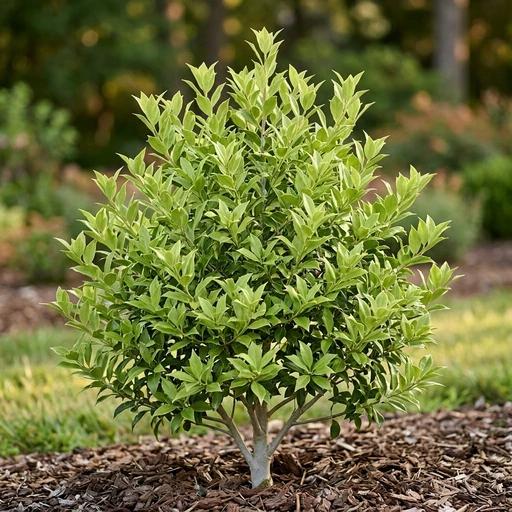 ‘Arrow Point’Arrow Point Holly
 ‘Screen Play’Screen Play Holly
 ‘Emily Bruner’Emily Bruner Holly
 ‘Rutzan’Red Beauty Holly
 ‘Homefire’Homefire Holly
 ‘Magiana’Acadiana Holly
 ‘Robin’Robin Holly
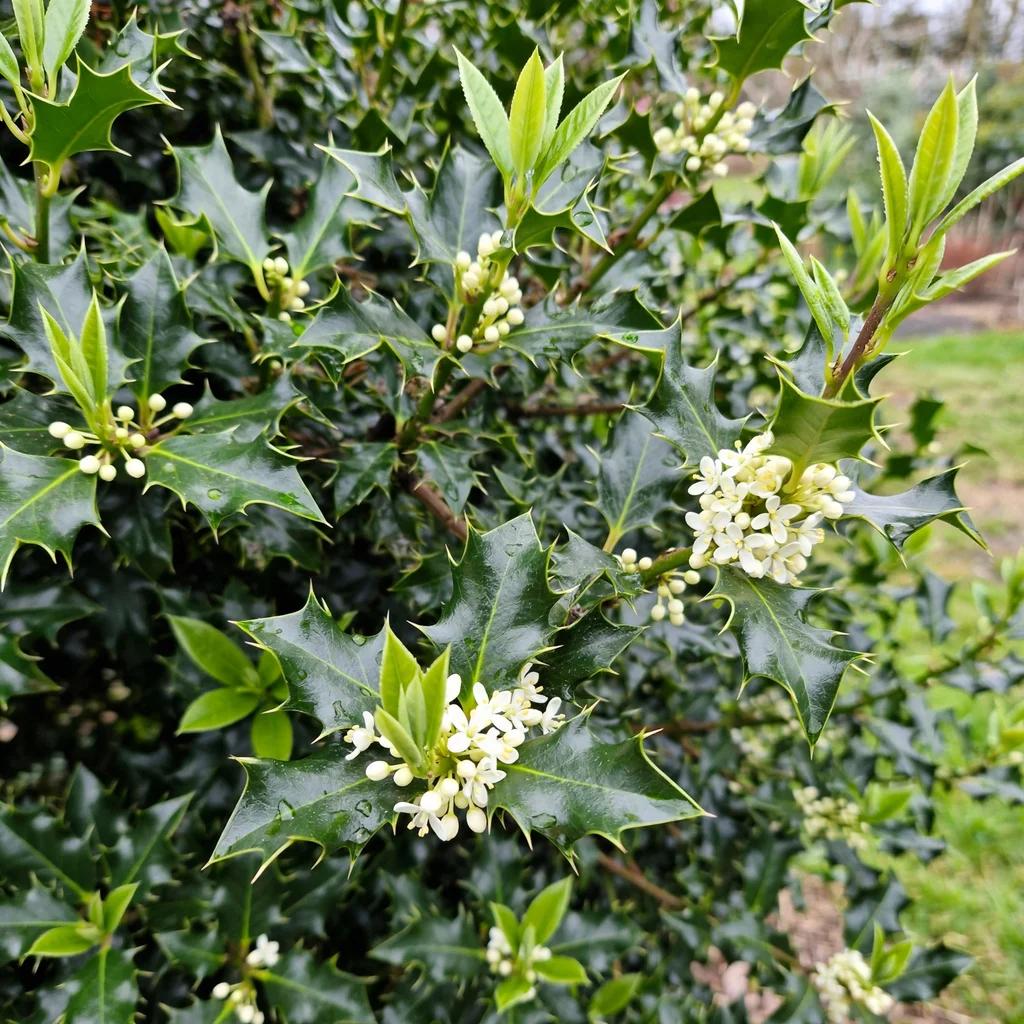 ‘National’National Holly
 ‘Golden Oakland’Golden Oakland Holly
 ‘Dr. Kassab’Dr. Kassab Holly
The Story
Plant Bio
Ilex × hybrida encompasses a group of evergreen shrubs and small trees derived from crosses between various Asiatic holly species. They form dense, upright crowns with stiff, spiny leaves and produce small spring flowers followed by berry-like red drupes on female plants.
'Mary Nell' is a formal, pyramidal cultivar originating from a three-way cross between Ilex cornuta, Ilex pernyi, and Ilex latifolia that reaches 10 to 25 feet in height. It features exceptionally glossy dark blue-green foliage with sharp marginal spines and yields heavy annual crops of bright red winter berries.
Uses & Benefits:
Bred from more than one wild species, so it has no species page of its own.
Essentials
At a Glance
Plant Type
Shrub
Height
300"
Width
180"
Light
Full Sun, Partial Sun
Zones
6, 7, 8, 9
Water
Moderate
Humidity
High
Lifespan
Long-lived
Native To
Bred in Semmes, Alabama (USA)
Toxicity
Mildly toxic if ingested; spiny leaves cause skin irritation
Bloom period
Spring – Late spring
In flower about 3 months of the year
Planting
How to Grow
- Select a planting location in full sun to light shade with well-drained, acidic soil.
- Dig a hole twice as wide as the root ball and equal in depth, ensuring the root flare rests level with the surrounding grade.
- Backfill with native soil, water deeply to settle air pockets, and apply a 3-inch layer of organic mulch around the root zone without touching the trunk.
- Water regularly during the first growing season until the root system becomes established.
Pro Tip
Plant in full sun to maximize foliage sheen and maintain dense branching down to the ground, and supply annual fertilizer in spring to sustain its heavy crop of berries.
Keep It Thriving
Care Guide
Do
- Test soil pH to ensure acidic to slightly acidic conditions between 5.0 and 6.5.
- Prune lightly in late winter before spring growth begins to shape hedges or screens.
- Apply annual spring fertilizer to maintain foliage color during heavy fruit set.
Don't
- Do not plant in alkaline soils, which cause leaf yellowing and nutrient deficiency.
- Do not allow soil to remain waterlogged or sit in standing water.
- Do not cut back into old leafless wood when pruning, as bare wood recovers poorly.
Seasonal Care Calendar
| Task | Jan | Feb | Mar | Apr | May | Jun | Jul | Aug | Sep | Oct | Nov | Dec |
|---|---|---|---|---|---|---|---|---|---|---|---|---|
| Fertilize | ||||||||||||
| Mulch | ||||||||||||
| Pest Check | ||||||||||||
| Prune |
Watch Out For
Pests & Diseases
Common Pests
Common Diseases
In the Garden
Landscape Uses & Companions
Landscape Uses
Multiply
Propagation Methods
Good to Know
Common Questions
Mary Nell Holly questions
What zones can Mary Nell Holly grow in?
Mary Nell Holly is hardy in USDA Zones 6–9. Inside that range it survives winter in the ground; outside it, grow it as an annual or a container plant you protect.
Is Mary Nell Holly deer resistant?
Not reliably. Deer may browse Mary Nell Holly, especially tender spring growth — plan on repellents or fencing where pressure is high.
When does Mary Nell Holly bloom?
Mary Nell Holly typically blooms in spring through late spring. Exact timing shifts a week or two with your zone — Sow's bloom calendar maps it to your garden.
Does Mary Nell Holly need full sun?
Mary Nell Holly does best in full sun to part shade. In hot climates, afternoon shade keeps blooms fresher longer.
Is Mary Nell Holly drought tolerant?
Yes — once established (usually after the first full season), Mary Nell Holly handles dry spells with minimal watering. Water deeply its first year to build the root system that makes that possible.
More Ilex to compare
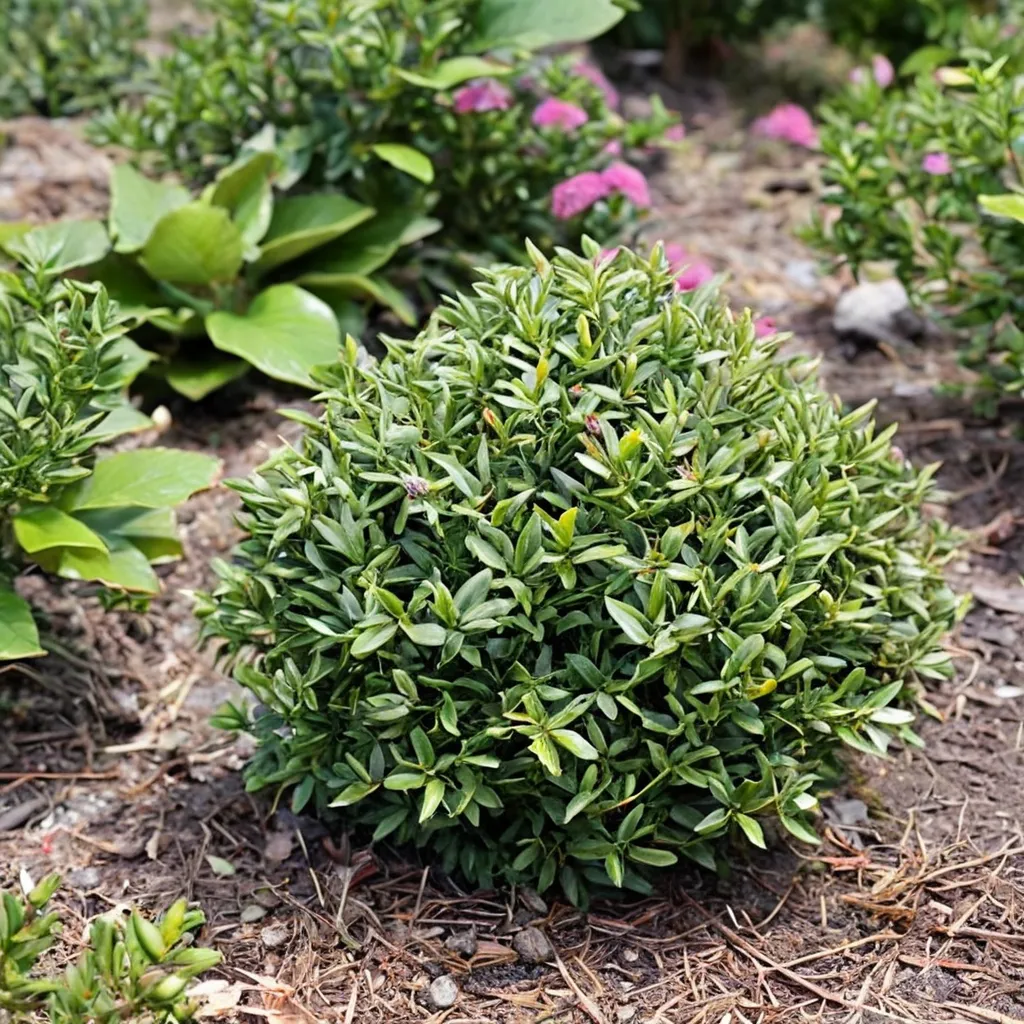
Gem Box Inkberry Holly
Ilex glabra 'Gem Box'
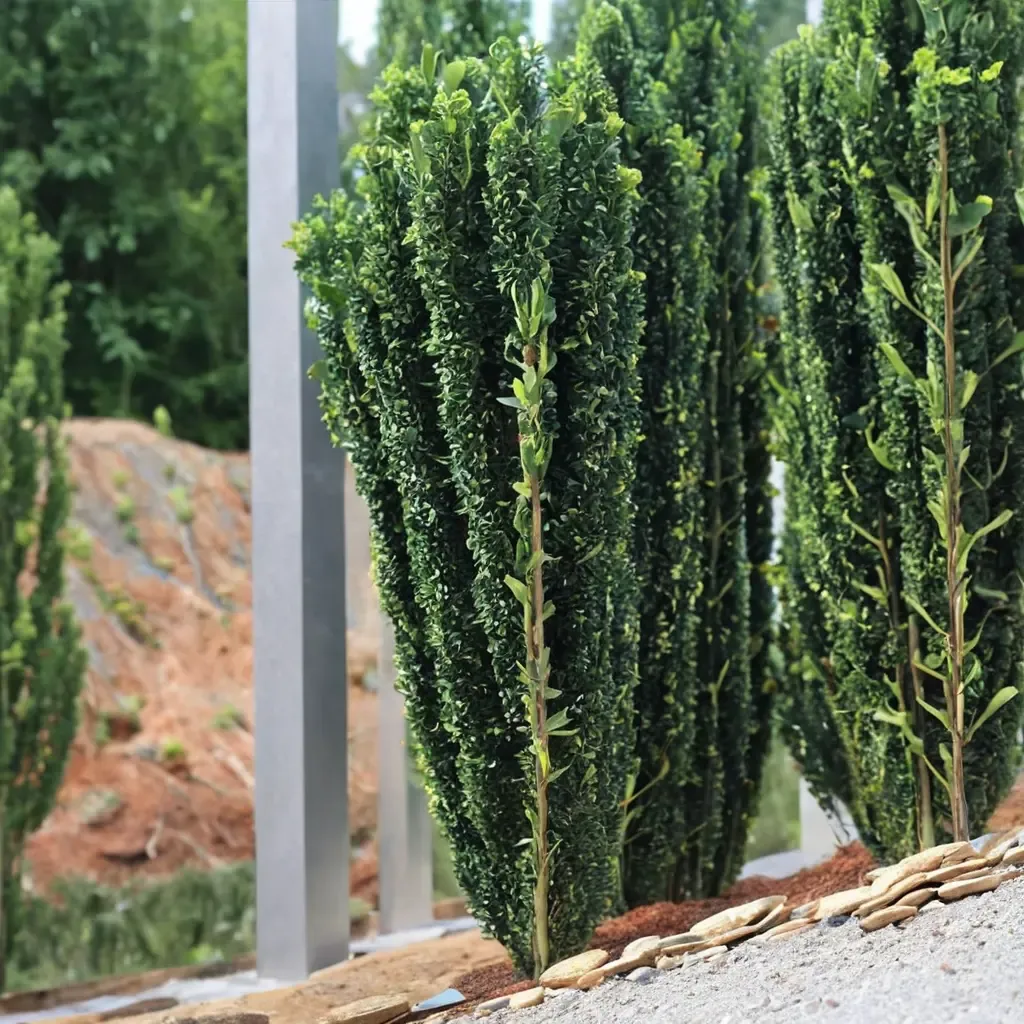
Sky Pencil Holly
Ilex crenata 'Sky Pencil'
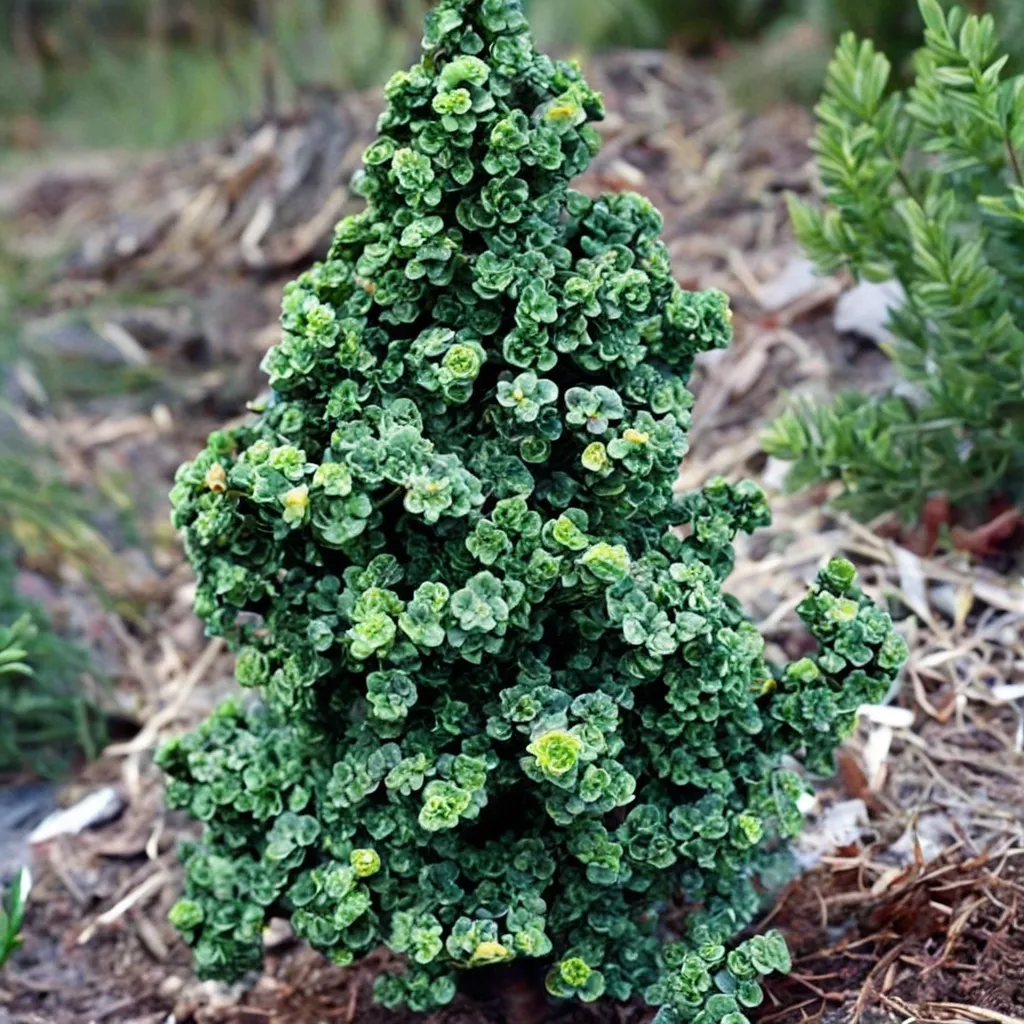
Dwarf Pagoda Holly
Ilex crenata 'Dwarf Pagoda'
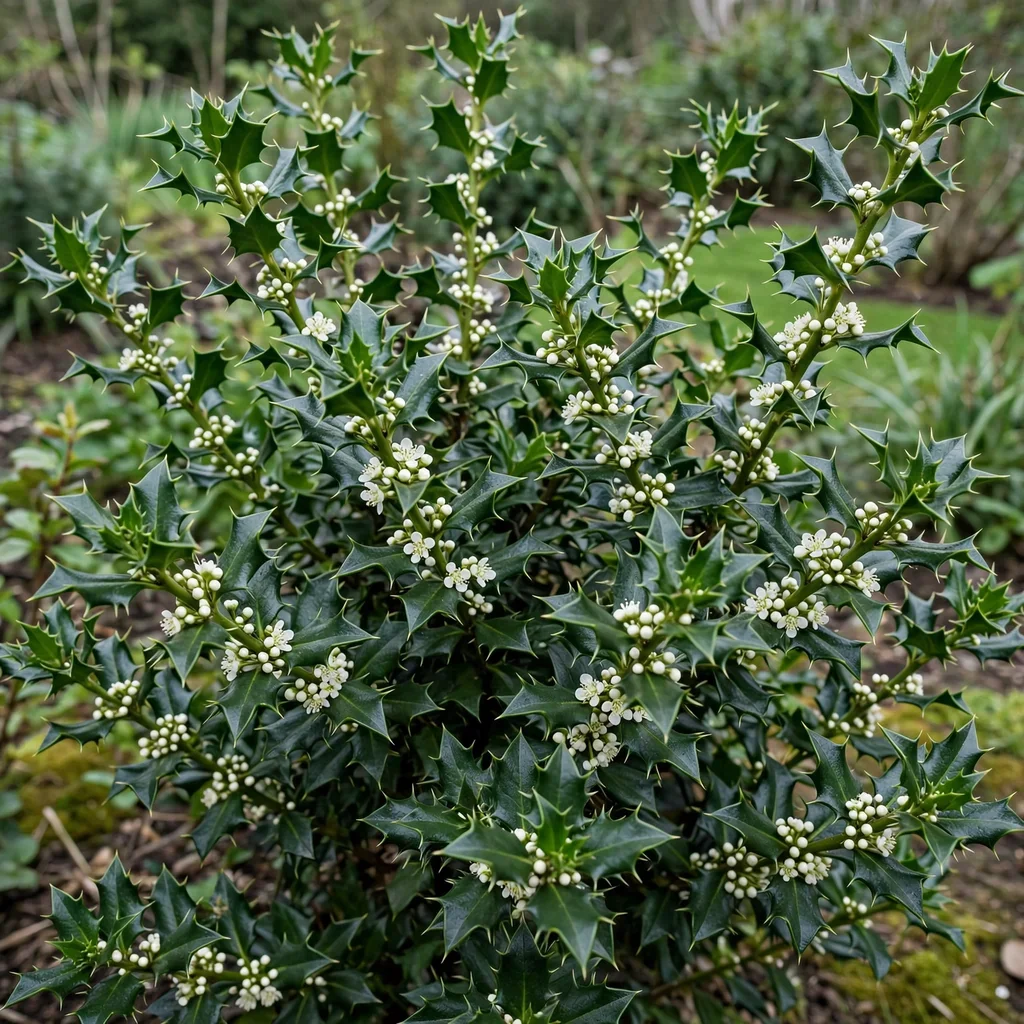
Mr Poppins Holly
Ilex x meserveae 'Mr Poppins'
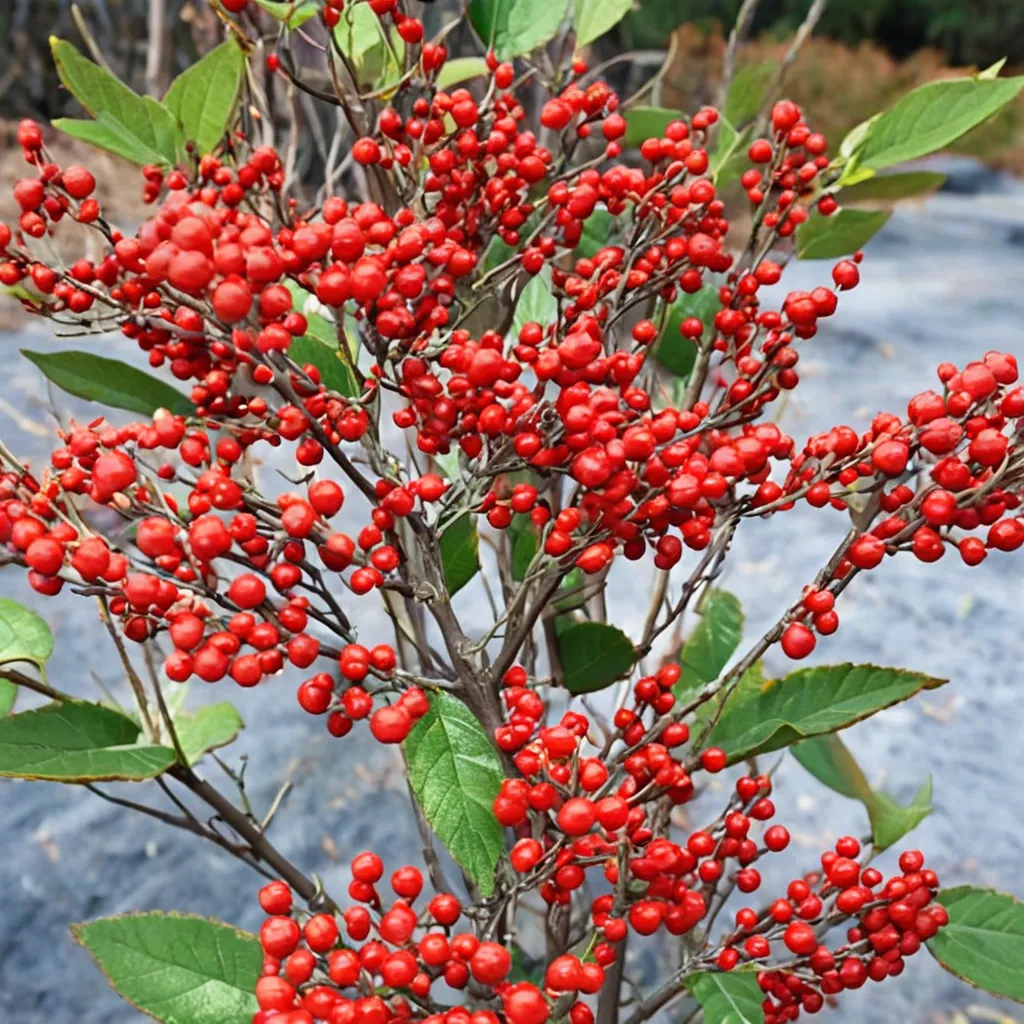
Blue Holly Berry Poppins
Ilex x meserveae 'Berry Poppins'
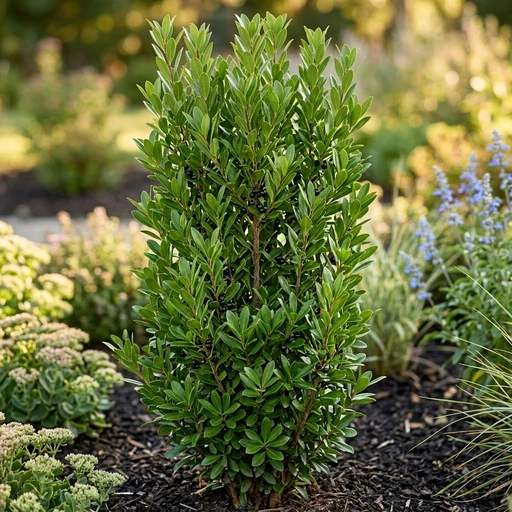
Squeeze Box Inkberry Holly
Ilex glabra 'Squeeze Box'
Keep exploring
Explore the genus
Hardy in your zone?
Grow Mary Nell Holly with confidence
See it in a design of your actual yard, get zone-matched care reminders, and track it season by season in your garden journal.